
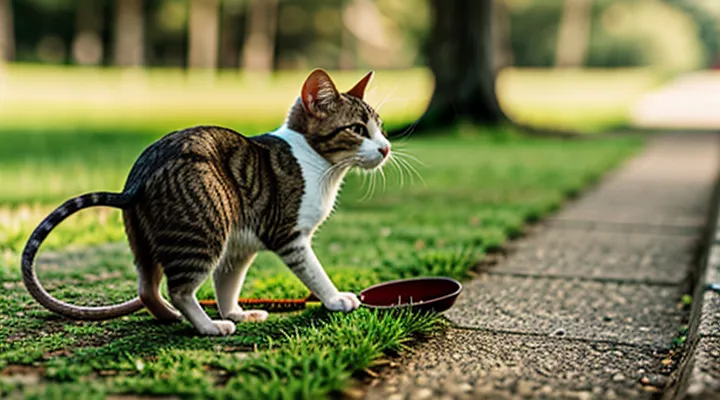
The Feline Hunter's Instinct
Understanding Prey Drive
Understanding a cat’s prey drive is essential when employing rodent noises to stimulate hunting behavior. The drive originates from an instinctual response to auditory cues that mimic the movements of small mammals. When a cat hears high‑frequency squeaks or rapid rustling, neural pathways associated with predation are activated, prompting visual tracking, stalking, and pouncing.
Key components of prey drive include:
- Auditory sensitivity – Cats detect frequencies between 45 kHz and 64 kHz, well above human hearing. Mouse‑like sounds fall within this range, ensuring immediate attention.
- Motor preparation – Exposure to appropriate sounds triggers muscle tension in the forelimbs and tail, readying the animal for a swift strike.
- Reward anticipation – Successful capture of a target releases dopamine, reinforcing the association between the sound and a positive outcome.
Effective use of mouse sounds relies on matching the acoustic pattern to the cat’s natural expectations. Short, irregular bursts simulate a fleeing prey, while continuous chattering can maintain focus over longer periods. Adjust volume to avoid overstimulation; a level comparable to a real mouse’s vocalization (approximately 60 dB at one meter) yields optimal engagement without causing stress.
In practice, integrate these auditory cues into play sessions by:
- Playing a brief series of squeaks, then pausing to allow the cat to position itself.
- Introducing a slight variation in pitch or rhythm to prevent habituation.
- Rewarding the cat immediately after a successful pounce to strengthen the behavioral loop.
By aligning sound design with the physiological mechanisms of prey drive, owners can reliably channel a cat’s innate hunting instincts, enhancing both enrichment and exercise.
The Auditory World of Cats
Cats possess a hearing range that extends to approximately 64 kHz, far beyond human capacity. This sensitivity enables detection of ultrasonic components in the vocalizations of small rodents. Mouse squeaks typically occupy the 30–70 kHz band, aligning with the peak auditory sensitivity of felines. Consequently, recorded mouse sounds can serve as potent stimuli for predatory activation.
When a cat perceives these frequencies, the auditory cortex triggers a cascade of neural responses linked to hunting behavior. The stimulus engages the following mechanisms:
- Activation of the auditory nerve fibers tuned to high‑frequency tones.
- Stimulation of the midbrain’s superior colliculus, which coordinates visual and auditory cues for target acquisition.
- Release of dopamine in the mesolimbic pathway, reinforcing pursuit motivation.
Practical application of mouse sounds for training or enrichment follows a straightforward protocol:
- Select recordings that include a spectrum of squeaks, chirps, and rustling noises, ensuring the dominant frequencies lie between 30 kHz and 60 kHz.
- Playback at a moderate volume (50–60 dB SPL at the cat’s ear level) to avoid overstimulation while preserving acoustic fidelity.
- Introduce the sound in short intervals (5–10 seconds) interspersed with silent periods, mimicking natural prey activity.
- Observe the cat’s response; successful engagement is indicated by ear orientation, focused stare, and low‑frequency growls.
- Adjust frequency content or timing based on individual sensitivity, as some cats exhibit stronger reactions to specific pitch ranges.
Understanding the acoustic landscape that cats navigate clarifies why mouse vocalizations effectively trigger hunting instincts. By aligning playback characteristics with feline auditory thresholds, owners can reliably stimulate predatory behavior without resorting to live prey.
Mimicking Mouse Sounds
The Science Behind Mouse Vocalizations
Frequency Ranges of Rodent Calls
Understanding the acoustic profile of rodent vocalizations is essential for creating auditory cues that stimulate a cat’s predatory response.
Mice emit two principal categories of sounds. Ultrasonic emissions dominate their communication, spanning roughly 30 kHz to 100 kHz, with a spectral peak near 50 kHz. These tones are inaudible to humans but fall within the upper sensitivity range of felines. Audible squeaks occur in the 4 kHz to 8 kHz band and are produced during distress or aggressive encounters.
Call characteristics vary with age and context. Juvenile mice generate higher‑frequency chirps (70 kHz–90 kHz) that gradually shift downward as they mature. Adult mice emit broadband ultrasonic pulses during mating rituals and narrow‑band calls when alert to predators. Stress‑induced vocalizations often combine ultrasonic and audible components, increasing overall bandwidth.
For effective lure design, playback equipment must reproduce both ultrasonic and audible segments. Cats possess auditory thresholds from approximately 200 Hz up to 80 kHz, with peak sensitivity around 1 kHz to 10 kHz and a secondary peak near 30 kHz–60 kHz. Aligning playback frequencies with these peaks maximizes detection and engagement.
- Ultrasonic range: 30 kHz – 100 kHz (peak ~50 kHz) – primary mouse communication.
- Audible distress squeak: 4 kHz – 8 kHz – cues predator presence.
- Juvenile chirp: 70 kHz – 90 kHz – higher harmonic content.
- Adult mating pulse: 40 kHz – 55 kHz – broadband structure.
Accurate replication of these frequencies ensures that the auditory stimulus is biologically relevant, prompting a cat to exhibit hunting behavior.
Common Mouse Vocalizations
Mouse vocalizations provide auditory cues that trigger feline hunting instincts. Understanding the acoustic characteristics of these calls enables the creation of effective audio stimuli for domestic predators.
- Ultrasonic squeaks (30–100 kHz) – brief, high‑frequency bursts emitted during rapid movement or escape. Cats detect frequencies up to 64 kHz, perceiving these sounds as signs of active prey.
- High‑pitched chirps (5–10 kHz) – short, sharp notes produced when a mouse is startled. The sudden onset and rapid decay mimic the motion of a fleeing animal, prompting a chase response.
- Low‑frequency squeals (1–3 kHz) – sustained, resonant tones released during distress or injury. The depth of these calls signals vulnerability, increasing a cat’s motivation to capture.
- Soft rustling clicks (0.5–2 kHz) – low‑volume, rhythmic noises generated by footfalls on dry surfaces. Repeated patterns simulate a mouse navigating a confined space, encouraging a cat to stalk.
Each vocal type elicits a distinct predatory reaction. Ultrasonic squeaks stimulate acute alertness, prompting rapid pursuit. High‑pitched chirps trigger sudden focus and pounce behavior. Low‑frequency squeals attract investigative sniffing followed by capture attempts. Soft rustling clicks maintain sustained attention, supporting prolonged stalking.
Effective deployment involves layering recordings to replicate a natural hunting scenario. Begin with low‑frequency squeals to signal vulnerability, overlay high‑pitched chirps at irregular intervals to mimic startled movement, and insert occasional ultrasonic squeaks to sustain arousal. Ensure playback volume remains within the cat’s audible range to avoid overstimulation. Repeating the sequence for short periods (15–30 seconds) preserves realism and maximizes engagement.
Techniques for Sound Production
Manual Sound Creation
Creating realistic rodent audio cues requires precise control over pitch, rhythm, and timbre. The following steps outline a reproducible method for generating sounds that trigger a cat’s predatory response.
- Record authentic mouse noises in a quiet environment using a high‑sensitivity condenser microphone. Position the microphone 2–3 cm from the animal to capture subtle squeaks and foot‑stomps.
- Transfer the raw files to a digital audio workstation (DAW). Apply a high‑pass filter at 2 kHz to remove low‑frequency rumble, then boost the 4–8 kHz range by 3–5 dB to accentuate the characteristic squeal.
- Normalize the waveform to –1 dBFS to ensure consistent playback volume. Use a short attack (≤ 5 ms) and release (≈ 50 ms) envelope to mimic the abrupt bursts typical of a mouse’s movement.
- Loop the processed clip at intervals of 2–3 seconds, inserting occasional pauses of 0.5–1 second to avoid habituation. Randomize the start point of each loop to maintain variability.
- Export the final track in a lossless format (e.g., WAV, 24‑bit/48 kHz) for use with a portable speaker or ultrasonic emitter. Test the playback at 70–80 dB SPL measured 30 cm from the speaker; adjust volume if the cat shows diminished interest.
By adhering to this workflow, users can produce manual sound stimuli that reliably engage a cat’s hunting instincts without reliance on prerecorded libraries.
Electronic Devices and Apps
Electronic solutions can generate rodent noises that trigger a cat’s natural hunting instinct. Devices capable of emitting high‑frequency squeaks provide a controllable alternative to live prey, allowing owners to stimulate predatory behavior on demand.
- Smartphone applications deliver prerecorded mouse sounds through the phone’s speaker or a paired Bluetooth unit.
- Portable Bluetooth speakers reproduce the same audio with greater volume and clearer frequency response.
- Dedicated sound emitters, often battery‑powered, consist of a single button that plays a loop of mouse vocalizations.
- Computer software offers customizable sound libraries, enabling adjustments to pitch, duration, and interval.
Effective playback requires matching the acoustic profile of a real mouse. Typical vocalizations occupy 2 kHz to 8 kHz; volume should be sufficient to reach the cat’s ears without causing discomfort, generally 50–65 dB at a distance of one meter. Repeating the sound in short bursts (3–5 seconds) followed by a pause mimics natural activity and maintains interest.
For optimal results, position the source near the area where the cat hunts, preferably at ear level. Ensure the device is secured to prevent accidental knock‑over, and monitor battery status to avoid abrupt silence. Clean surfaces regularly to maintain hygiene, especially for handheld emitters.
Use of synthetic sounds does not replace proper enrichment; it should complement play sessions and not become the sole source of stimulation. Excessive exposure may lead to desensitization, so limit sessions to a few minutes per day and observe the cat’s response.
Safety Considerations for Attracting Cats
When employing rodent audio to encourage a cat’s hunting instinct, prioritize the animal’s physical well‑being. Excessive volume can damage hearing; keep playback levels below 70 dB at the cat’s position. Use recordings that mimic natural mouse calls rather than amplified or distorted versions, and limit sessions to a few minutes to prevent fatigue or stress.
Key safety measures include:
- Position speakers out of reach to avoid chewing or entanglement.
- Secure cords and power sources to eliminate electrical hazards.
- Verify that playback devices are free of toxic materials, such as lead‑based solder.
- Ensure the environment is free of sharp objects, open windows, or escape routes that could lead to injury.
- Supervise the cat during the activity; intervene if signs of agitation or overexertion appear.
- Avoid attracting stray or unfamiliar cats, which may increase the risk of disease transmission.
Finally, confirm that any captured prey is handled humanely and disposed of in accordance with local regulations, preventing exposure to parasites or pathogens that could affect the cat’s health.
Ethical Considerations and Best Practices
Responsible Use of Sound Lures
Using recorded rodent noises to stimulate predatory behavior in domestic cats can be effective, but it requires strict adherence to ethical and safety standards. Sound lures must be selected for realistic frequency ranges that trigger natural hunting instincts without causing distress. Overly loud or high‑frequency clips can lead to auditory fatigue, stress, or habituation, reducing long‑term efficacy.
Implementing sound lures responsibly involves controlling exposure duration, volume, and environmental context. Short, intermittent playback (no longer than 10 seconds per session) at a level comparable to a live mouse ensures the cat remains engaged without becoming desensitized. Playback should occur in a safe, uncluttered area where the cat can focus on the sound without risk of injury from hurried movements.
Monitoring the cat’s reaction provides immediate feedback on the appropriateness of the stimulus. Signs of anxiety—such as excessive vocalization, rapid pacing, or avoidance—indicate the need to reduce volume or cease use. Conversely, calm stalking behavior suggests the lure is functioning as intended.
Best‑practice checklist
- Choose recordings that replicate natural mouse vocalizations (frequency 1–5 kHz).
- Set playback volume to no more than 60 dB SPL at the cat’s ear level.
- Limit sessions to 5–10 seconds, with intervals of at least 2 minutes between repetitions.
- Conduct sessions in a quiet room free of competing noises.
- Observe the cat for stress indicators; stop immediately if they appear.
- Rotate recordings to prevent habituation.
- Store audio files securely to avoid accidental prolonged exposure.
By following these guidelines, owners can harness auditory cues to encourage hunting play while safeguarding feline welfare and preserving the natural value of the stimulus.
Recognizing Signs of Stress in Cats
Cats that are under stress often ignore auditory cues that would normally trigger hunting behavior. Recognizing stress early prevents ineffective training and protects the animal’s welfare.
Common indicators include:
- Flattened ears, twitching or rapid flicking of the tail, and a hunched posture.
- Excessive grooming, hair loss, or the development of bald patches.
- Reduced appetite, sudden weight loss, or refusal to eat familiar foods.
- Frequent or inappropriate urination and defecation outside the litter box.
- Vocalizations that are louder, more frequent, or unusually plaintive.
- Withdrawal from interaction, avoidance of play, or sudden aggression toward familiar people.
When any of these signs appear, the cat’s motivation to chase sounds diminishes. Addressing the underlying cause—environmental changes, health issues, or social tension—restores normal predatory drive. Only after stress has been mitigated should mouse‑like audio stimuli be reintroduced to encourage hunting responses.
Alternative Methods for Play and Exercise
Auditory cues that mimic small prey can trigger a cat’s hunting instinct, but relying solely on sound may limit the range of physical activity and mental engagement. Introducing complementary play and exercise techniques expands the stimulus spectrum, sustains interest, and promotes overall well‑being.
- Motorized toys that emulate erratic mouse movements; the combination of sound and motion encourages chase and pounce.
- Laser pointers programmed to dart unpredictably; pairing the beam with intermittent squeaks creates a multi‑sensory hunt.
- Puzzle feeders containing scented bait; the scent of rodent‑like material alongside recorded noises motivates problem‑solving and retrieval.
- Interactive tunnels fitted with hidden speakers; cats navigate confined spaces while hearing rustling sounds, reinforcing stealth and agility.
- Feather wands attached to battery‑powered devices that produce soft squeaks on each swing; the tactile feedback and audio cue simulate live prey.
Each method reinforces the predatory drive initiated by mouse sounds while adding a physical component that challenges coordination, endurance, and cognitive function. Motorized toys and laser systems demand rapid bursts of speed, puzzle feeders require deliberate manipulation, and tunnels foster low‑speed stalking. Rotating these activities prevents habituation and maintains high response rates.
For safe implementation, limit exposure to any single stimulus to 5–10 minutes per session, monitor the cat’s stress signals, and ensure all equipment is free of loose parts that could be swallowed. Regularly vary the order and timing of the techniques to keep the hunting sequence unpredictable, thereby preserving the cat’s natural enthusiasm for pursuit.