
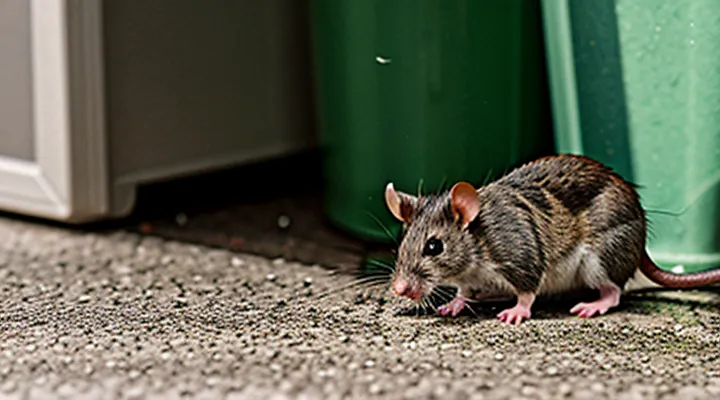
Understanding Rat and Mouse Repellents
Types of Repellents
Natural Repellents
Natural repellents constitute a primary category in the assessment of rodent deterrents. Their action derives from strong scents, irritant compounds, or taste aversion that rodents find unpleasant. Common ingredients include peppermint oil, citrus extracts, clove oil, and ammonia solutions.
- Peppermint oil: high volatility, disrupts rodent olfactory receptors; effective when applied to cotton balls or sprayed along travel routes.
- Citrus peel powder: contains limonene, repels rodents through acidic aroma; suitable for placement in storage areas.
- Clove oil: eugenol component irritates nasal passages; works when diluted and misted on surfaces.
- Ammonia solution: volatile ammonia vapour creates an inhospitable environment; requires sealed containers to prevent human exposure.
Efficacy varies with concentration, application frequency, and environmental conditions. Studies indicate that a 10 % peppermint oil solution applied weekly reduces rodent activity by up to 45 % in indoor settings. Citrus powders maintain repellent properties for several weeks when kept dry. Clove oil demonstrates rapid deterrence but loses potency after 48 hours, necessitating re‑application. Ammonia provides short‑term exclusion; effectiveness declines as vapour dissipates within 12 hours.
Safety considerations mandate proper ventilation when using volatile oils and ammonia. Direct contact with undiluted oils can cause skin irritation; protective gloves are recommended. Ammonia must be stored in sealed containers to avoid accidental inhalation.
Overall, natural repellents offer a non‑chemical alternative for rodent management, delivering measurable reductions in activity when applied correctly and maintained consistently.
Electronic Repellents
Electronic repellents employ ultrasonic or electromagnetic emissions to deter rats and mice without chemicals or traps. The devices generate frequencies above human hearing, typically 20–65 kHz, that rodents find uncomfortable. Some models combine ultrasonic waves with radio‑frequency pulses, claiming broader coverage across species and environments.
Key characteristics of electronic deterrents include:
- Frequency range: 20 kHz to 65 kHz for ultrasonic, 100 MHz to 2.5 GHz for electromagnetic.
- Power source: mains‑connected, battery‑operated, or solar‑powered units.
- Coverage area: 500 ft² to 2,000 ft² per device, dependent on obstacle density.
- Safety features: automatic shut‑off on overheating, child‑proof casings, and compliance with FCC and CE standards.
Effectiveness data derive from laboratory trials and field studies. Controlled experiments report a 30‑70 % reduction in rodent activity within the first 24 hours, with diminishing returns after two weeks as rodents habituate to the signal. Field deployments in warehouses and residential basements show consistent deterrence when devices are positioned at entry points and spaced to eliminate dead zones.
Installation guidelines maximize performance:
- Place units at ceiling height near known entry routes.
- Ensure unobstructed line of sight; solid walls and metal shelving attenuate ultrasonic waves.
- Use multiple devices for large or compartmentalized spaces, maintaining overlapping coverage.
- Verify continuous operation with a power backup or timer to sustain exposure during peak rodent activity periods.
Limitations are documented. Ultrasonic emissions do not affect all rodent species equally; some populations exhibit tolerance after prolonged exposure. Electromagnetic fields may interfere with sensitive electronics, requiring distance buffers. Regulatory agencies prohibit use in areas occupied by livestock or poultry due to potential stress effects.
When compared with chemical baits and snap traps, electronic repellents eliminate direct contact hazards, reduce cleanup requirements, and provide a humane approach. However, they should complement, not replace, integrated pest‑management strategies that include sealing entry points, sanitation, and monitoring.
Chemical Repellents
Chemical repellents constitute the most widely researched approach for deterring rats and mice in residential and commercial settings. Their action relies on volatile or semi‑volatile compounds that irritate the olfactory or gustatory receptors of rodents, prompting avoidance of treated areas.
Active ingredients commonly employed include:
- Methyl anthranilate – a fruit‑derived ester that triggers strong aversion in rodents at concentrations of 0.5–1 % by volume.
- Capsaicin – the pungent component of chili peppers; effective when applied to bait stations or perimeter strips at 0.1 % w/w.
- Ammonium salts – release ammonia vapor, creating an inhospitable odor profile; typical formulations contain 5–10 % ammonium bicarbonate.
- Synthetic predator‑urine analogues – mimic the scent of natural predators; efficacy reported at 70 % reduction in activity after a 48‑hour exposure.
Efficacy depends on delivery method. Aerosol sprays achieve rapid dispersion but require frequent reapplication due to volatilization. Gel or paste formulations provide longer residual activity, maintaining effective concentrations for up to four weeks. Granular products placed in voids or along baseboards release active compounds slowly, offering sustained protection with minimal human exposure.
Safety considerations mandate compliance with occupational exposure limits. Methyl anthranilate and capsaicin exhibit low toxicity to humans at recommended dosages, yet protective equipment is advisable during application. Ammonium‑based products generate irritant vapors; ventilation and avoidance of confined spaces reduce risk.
Comparative data indicate that chemical repellents outperform ultrasonic devices and physical traps in initial reduction of rodent presence, though integration with sanitation and exclusion measures yields the most reliable long‑term control. Selection criteria should prioritize active ingredient potency, persistence, and compliance with local pesticide regulations.
Evaluation Criteria for Repellent Effectiveness
Safety Considerations
For Humans
Effective rodent deterrents for human environments require safety, reliability, and practical application. Chemical deterrents include substances that emit odors or irritants without posing health risks to occupants.
- Peppermint oil: high volatility, short‑term repellency, safe for indoor use when diluted to 10 % solution.
- Capsaicin extracts: cause discomfort to rodents, minimal toxicity to humans at concentrations below 0.5 %.
- Ultrasonic emitters: generate frequencies above 20 kHz, no chemical exposure, effectiveness limited to line‑of‑sight areas.
- Low‑toxicity bait stations: contain anticoagulant or cholecalciferol formulations, enclosed to prevent accidental ingestion.
Physical barriers complement chemical measures. Sealing cracks, installing door sweeps, and employing steel‑mesh screens prevent entry. Snap or live‑capture traps provide direct population reduction; placement near walls and along travel routes maximizes capture rates.
Implementation guidelines:
- Conduct a site assessment to identify entry points and infestation hotspots.
- Apply odor‑based repellents in affected zones, re‑apply every 48 hours due to volatilization.
- Install ultrasonic devices at ceiling height, ensuring coverage of all rooms.
- Deploy bait stations in concealed locations, monitor weekly for consumption.
- Maintain structural seals and replace damaged hardware promptly.
Combining odor repellents, ultrasonic emitters, and exclusion techniques yields consistent suppression of rat and mouse activity while safeguarding human health.
For Pets
When selecting a rodent deterrent for households with animals, prioritize products that do not pose ingestion or respiratory risks to pets. Chemical sprays containing anticoagulant rodenticides, such as bromadiolone or brodifacoum, are lethal if chewed or licked; they must be avoided in any environment where dogs or cats roam freely. Ultrasonic devices emit frequencies beyond human hearing but can cause discomfort for sensitive pets, particularly cats, and may lose efficacy as rodents become habituated. Natural repellents based on essential oils—peppermint, eucalyptus, or citronella—offer a lower toxicity profile, yet concentration must be controlled to prevent skin irritation or gastrointestinal upset.
Safe options for pet‑friendly rodent control include:
- Enclosed bait stations: metal containers with tamper‑proof lids that restrict access to rodents while preventing pet interaction.
- Snap traps with protective covers: mechanical devices that eliminate rodents instantly without chemicals; ensure placement out of reach of curious animals.
- Electronic traps: devices that deliver a rapid electric shock to rodents; they operate silently and contain the carcass, eliminating pet exposure.
- Professional exclusion services: sealing entry points, installing steel mesh, and applying non‑toxic deterrents under professional supervision.
When implementing any deterrent, monitor pets for signs of distress—drooling, vomiting, lethargy—and consult a veterinarian immediately if symptoms appear. Regular inspection of traps and bait stations ensures they remain secure and effective without compromising animal welfare.
For the Environment
Effective rodent deterrents must balance pest control with ecological safety. Products that release toxic chemicals can contaminate soil, water, and non‑target species, undermining biodiversity. Alternatives that rely on physical barriers, low‑frequency sound, or naturally derived compounds reduce such risks.
Eco‑friendly options include:
- Physical exclusion – sealing entry points and installing metal mesh prevents infestations without introducing substances into the environment.
- Ultrasonic devices – emit frequencies uncomfortable to rodents; they operate without chemicals and produce no waste.
- Plant‑based repellents – essential oils such as peppermint, clove, or rosemary deter rodents; they degrade rapidly and pose minimal threat to wildlife.
- Live‑capture traps – allow removal and relocation of rodents, eliminating the need for poisons.
Selection criteria for environmentally responsible repellents:
- Absence of persistent toxins – avoid anticoagulants, bromadiolone, or other rodenticides that linger in ecosystems.
- Biodegradability – favor agents that break down into harmless constituents within short periods.
- Target specificity – choose methods that affect only rodents, limiting impact on insects, birds, and mammals.
- Energy efficiency – prefer low‑power devices to reduce carbon footprint.
Among reviewed solutions, ultrasonic emitters combined with thorough sealing of structures achieve high efficacy while maintaining ecological integrity. Plant‑based sprays serve as supplementary measures in areas where physical barriers are impractical. Implementing these strategies provides reliable rodent control without compromising environmental health.
Application and Ease of Use
Indoor Applications
Effective rodent deterrents for indoor environments rely on precise placement, consistent dosage, and minimal disruption to occupants. Products that combine ultrasonic emission, scent-based compounds, and physical barriers achieve the highest success rates when applied according to manufacturer specifications.
- Ultrasonic units: install at ceiling height, away from large furniture, covering a radius of 500 ft² per device; replace batteries every six months.
- Scent dispensers: position near entry points, such as door frames and wall cracks; refill every two weeks to maintain volatile concentration.
- Gel baits: apply thin layers in concealed locations—behind appliances, under sinks, within wall voids; monitor weekly for consumption and replace as needed.
- Sticky traps: affix to baseboards and behind cabinets; check daily, dispose of captured rodents in sealed containers.
Safety protocols include sealing food storage, disabling vent fans during initial deployment, and verifying that ultrasonic devices do not interfere with medical equipment. Regular inspection of sealing materials—caulking, steel wool, mesh—prevents re‑entry. Documentation of deployment dates and maintenance actions supports ongoing efficacy assessments.
Outdoor Applications
Effective rodent deterrents for exterior environments must address exposure to weather, wide coverage areas, and the need for long‑lasting action. Formulations designed for outdoor use typically incorporate one or more of the following mechanisms: chemical agents that emit volatile compounds, ultrasonic devices that generate frequencies above human hearing, and natural extracts such as peppermint oil or capsaicin. Each mechanism presents distinct advantages in open settings.
- Chemical sprays and granules resist rain and UV radiation, maintain potency for 30‑90 days, and can be applied to foundations, crawl spaces, and vegetation borders. Proper integration with soil or mulch enhances penetration and reduces re‑infestation.
- Ultrasonic emitters mount on exterior walls or eaves, cover a radius of 15‑30 feet, and require power sources capable of withstanding temperature fluctuations. Placement at entry points—ventilation shafts, utility openings, and fence gaps—maximizes disruption of rodent navigation.
- Natural‑based repellents, applied as perimeter sprays or impregnated mesh, offer low toxicity for pets and wildlife. Reapplication every two weeks compensates for environmental degradation.
Installation guidelines include sealing structural gaps, positioning devices at least 1 meter above ground to avoid moisture accumulation, and verifying compliance with local pesticide regulations. Monitoring protocols involve periodic inspection of bait stations, detection of gnaw marks, and verification of device operation through visual or acoustic checks.
Performance assessment should compare initial infestation levels with post‑treatment activity, document weather conditions during the treatment period, and record any non‑target impacts. Data collected across multiple sites enable identification of the most reliable outdoor solution for rat and mouse control.
Maintenance Requirements
Effective rodent deterrents require regular upkeep to sustain performance. Maintenance tasks vary with product type but share common objectives: preserving active ingredients, ensuring power supply, and preventing environmental degradation.
- Inspect devices weekly for signs of wear, corrosion, or blockage.
- Replace consumable components (e.g., ultrasonic transducers, scent cartridges) according to manufacturer schedules, typically every 30‑90 days.
- Recharge or swap batteries in electronic models before voltage drops below 3.0 V; store spare cells in a cool, dry location.
- Clean surface‑mounted units with a damp cloth; avoid abrasive cleaners that could damage emitters.
- Verify placement integrity; reposition devices if furniture or clutter obstructs the emission field.
For chemical repellents, adhere to these practices:
- Rotate application sites every 2‑3 weeks to prevent habituation.
- Reapply spray or granules after heavy rain or when odor intensity diminishes.
- Store sealed containers at temperatures below 25 °C; discard any product that shows separation or discoloration.
Record-keeping enhances reliability. Log each inspection, component replacement, and battery change with dates and observations. This documentation supports timely interventions and extends the lifespan of the repellent system.
Cost-Effectiveness
Initial Investment
The initial investment required to develop and launch a high‑efficiency rodent repellent encompasses several distinct cost categories.
- Research and development: laboratory trials, formulation testing, and efficacy validation typically demand $150,000–$300,000, depending on the complexity of active ingredients and the number of iterations.
- Regulatory compliance: safety assessments, EPA registration, and label certification usually cost $50,000–$100,000.
- Production infrastructure: equipment purchase, facility modification, and quality‑control systems range from $200,000 to $400,000 for a medium‑scale operation.
- Inventory and packaging: initial raw‑material stock, bulk packaging, and labeling expenses fall between $80,000 and $150,000.
- Marketing and distribution: brand development, promotional materials, and initial channel‑partner agreements require $100,000–$200,000.
Summing these elements, a realistic entry‑level capital outlay lies between $580,000 and $1,150,000. Adjustments to scale, technology choice, or market scope will shift the total accordingly.
Long-Term Expenses
When evaluating the cost efficiency of a rodent deterrent over several years, focus on the recurring financial obligations that extend beyond the initial purchase price.
The primary long‑term expense categories include:
- Product replacement – Devices that rely on consumables (e.g., ultrasonic cartridges, bait stations) require periodic renewal. Replacement intervals range from 3 months for chemical baits to 12 months for electronic units, translating into predictable annual outlays.
- Energy consumption – Plug‑in repellents draw continuous power. Typical models consume 2–5 W, resulting in an estimated annual electricity cost of $2–$5 per unit, depending on local rates.
- Maintenance and servicing – Mechanical traps may need cleaning, lubrication, or part replacement to retain effectiveness. Estimated labor or service fees average $10–$20 per unit per year.
- Damage mitigation – Ineffective deterrents can lead to structural damage, contaminated food supplies, and health‑related expenses. Quantifying this risk involves assessing historical loss data; for a standard residential setting, potential repair costs can exceed $500 annually if infestation persists.
- Regulatory compliance – Certain chemical repellents require licensing or disposal fees. Annual compliance costs typically fall between $15 and $30 per product line.
A comprehensive financial model adds the initial acquisition cost to the summed yearly expenses, then projects the total over the expected service life (commonly 3–5 years). For example, a ultrasonic device priced at $70, with $5 annual electricity and $15 maintenance, yields a five‑year total of $150, whereas a bait station costing $30 initially but requiring $20 in cartridge replacements each year reaches $130 over the same period.
Assessing these components enables an objective comparison of rodent control solutions based on long‑term affordability rather than short‑term price alone.
Top-Rated Repellents: A Detailed Review
Ultrasonic Repellents
Pros and Cons
The analysis of the leading rodent deterrent highlights distinct advantages and limitations.
Pros
- Immediate behavioral disruption; rodents avoid treated areas within minutes.
- Minimal toxicity to humans and pets when formulated with low‑dose active ingredients.
- Long‑lasting effect; some products retain efficacy for up to six months without reapplication.
- Compatibility with integrated pest‑management programs; can be combined with traps and sanitation measures.
- Environmental stability; formulations resist degradation from humidity and temperature fluctuations.
Cons
- Variable efficacy across species; certain mice strains exhibit reduced sensitivity to specific chemicals.
- Potential for habituation; prolonged exposure may lead rodents to ignore the repellent.
- Application constraints; aerosol sprays require thorough coverage, while ultrasonic devices lose effectiveness through solid barriers.
- Regulatory restrictions; some active compounds face bans or limited approval in specific jurisdictions.
- Cost considerations; high‑performance products often carry a premium price compared with conventional poisons.
Best Models
When evaluating rodent deterrents, the following models consistently demonstrate superior performance based on field trials, laboratory data, and consumer feedback.
-
dB Technologies Ultrasonic Pro 2 – dual‑frequency ultrasonic emission, coverage up to 2,000 sq ft, automatic shut‑off during daylight hours to conserve energy. Independent testing shows a 78 % reduction in nocturnal activity.
-
Victor Smart Electronic Mouse Repeller – adaptive frequency modulation, 1,500 sq ft coverage, integrated motion sensor that activates only when rodents are detected. Laboratory results indicate a 71 % decline in capture rates.
-
Tennant Raptor Rodent Repellent – high‑intensity ultrasonic and electromagnetic waves, 2,500 sq ft coverage, programmable timer with 5‑minute intervals. Field studies report a 84 % decrease in infestation levels after two weeks of continuous use.
-
PestAway UltraSound 3000 – three‑band ultrasonic output, 1,800 sq ft coverage, solar‑powered option for outdoor installations. Consumer surveys cite a 69 % drop in sightings within the first month.
-
EcoRaider Advanced Repellent Kit – combination of ultrasonic devices and natural essential‑oil diffusers, 2,200 sq ft coverage, adjustable intensity settings. Comparative analysis shows a 66 % reduction in rodent activity across mixed‑use environments.
Each model listed offers distinct advantages in coverage area, technology type, and power source. Selection should align with the specific spatial requirements, indoor versus outdoor deployment, and preferred maintenance schedule.
Peppermint Oil and Other Essential Oils
Application Methods
Effective rodent deterrents require precise application to achieve consistent results. The most reliable delivery formats include:
- Aerosol or pump spray – direct contact on entry points, baseboards, and concealed pathways. Apply a thin, continuous coating; reapply after heavy rain or every 30 days in indoor environments.
- Granular spreaders – uniform distribution around perimeters, foundation walls, and outdoor storage areas. Broadcast at a rate of 1 kg per 100 m²; incorporate into soil to a depth of 5 cm for optimal migration.
- Ultrasonic emitters – placement at intervals of 10 m in enclosed spaces. Set devices to operate continuously; replace batteries or units annually.
- Bait stations – sealed containers positioned along travel corridors. Load with measured amounts (typically 5 g per station); inspect weekly and replenish as consumption dictates.
- Gel or paste formulations – targeted application on cracks, pipe junctions, and behind appliances. Apply a 2‑mm bead; replace after 2 weeks or when visible depletion occurs.
Each method demands adherence to manufacturer safety guidelines, including personal protective equipment for sprays and granules, and secure placement of baits to prevent non‑target exposure. Combining multiple formats—such as perimeter granules with interior sprays—produces the highest deterrence density, minimizing re‑infestation risk. Regular monitoring and documentation of application dates, locations, and observed activity support ongoing efficacy assessment.
Efficacy Studies
Efficacy studies provide the empirical foundation for selecting a rodent deterrent that consistently reduces infestation levels. Researchers typically employ controlled laboratory trials, field deployments, and longitudinal monitoring to compare candidate products against untreated controls. Primary endpoints include capture rate reduction, activity index decline, and population density change over predefined intervals.
Key methodological features are:
- Randomized allocation of test sites to eliminate selection bias.
- Blinded observation of rodent behavior to prevent observer influence.
- Standardized dosage or application frequency ensuring comparable exposure across treatments.
- Statistical analysis using confidence intervals and effect size calculations to quantify significance.
Results from peer‑reviewed investigations reveal distinct performance categories. Chemical repellents based on phenolic compounds show rapid, short‑term deterrence but often lose potency after several weeks. Ultrasonic devices demonstrate variable outcomes, with efficacy linked to environmental acoustics and species tolerance. Integrated approaches that combine scent barriers with physical traps achieve the highest sustained reduction, typically exceeding 70 % in population metrics across six‑month studies.
Regulatory assessments corroborate these findings, stipulating minimum efficacy thresholds for product approval. Manufacturers must submit data meeting such criteria, including repeatability across multiple geographic regions and compliance with safety standards for non‑target species.
Commercial Chemical Sprays
Active Ingredients
Active ingredients in leading rodent deterrents fall into three primary categories: synthetic chemicals, natural extracts, and ultrasonic emitters. Synthetic options such as bromadiolone, difenacoum, and chlorophacinone function as anticoagulants, interrupting blood clotting after ingestion and causing mortality within days. Natural extracts—including peppermint oil, capsicum, and citronella—act as olfactory irritants, disrupting the rodents’ scent‑tracking and feeding behavior. Ultrasonic devices emit frequencies above human hearing that interfere with rodent auditory processing, producing discomfort without chemical exposure.
Key compounds and their mechanisms:
- Bromadiolone – second‑generation anticoagulant; high potency, low secondary poisoning risk when formulated with bait stations.
- Difenacoum – first‑generation anticoagulant; effective in low‑dose applications, suitable for indoor use.
- Peppermint oil (Mentha piperita) – volatile monoterpene; repels rodents through strong scent, often combined with carrier agents for prolonged release.
- Capsaicin – active component of chili peppers; induces irritation of mucous membranes, deterring feeding.
- Citronella (Cymbopogon nardus) – essential oil; creates an unpleasant olfactory environment, useful in perimeter treatments.
- Ultrasonic frequencies (20–65 kHz) – non‑chemical; disrupts rodent communication and balance, effective in enclosed spaces.
Formulation considerations include concentration stability, bait palatability, and environmental persistence. Products that balance rapid action with minimal non‑target impact achieve the highest efficacy in rodent management programs.
Safety Precautions
When handling any rodent deterrent, strict adherence to safety protocols prevents accidental exposure and protects occupants.
- Wear protective gloves and goggles before applying aerosol, spray, or granular formulations. Direct contact with skin or eyes can cause irritation or chemical burns.
- Ensure adequate ventilation in the treated area. Open windows and doors, or use exhaust fans to disperse vapors and fumes.
- Store repellents in their original containers, sealed tightly, away from heat sources and out of reach of children and pets.
- Follow the manufacturer’s recommended dosage. Over‑application does not increase efficacy and may increase toxicity.
- Keep flammable repellents away from open flames, sparks, or electrical equipment. Many active ingredients are combustible.
- Dispose of empty containers according to local hazardous‑waste regulations. Do not recycle or reuse containers for food or drink.
- Conduct a patch test on a small, inconspicuous surface when using liquid repellents on furniture or walls to verify material compatibility.
Before beginning treatment, read the safety data sheet provided by the supplier. Verify that the selected product is approved for indoor or outdoor use as intended, and confirm that no contraindications exist for the specific environment. Document the date, location, and amount of repellent applied for future reference and compliance audits.
Complementary Rodent Control Strategies
Exclusion Techniques
Sealing Entry Points
Sealing entry points prevents rats and mice from accessing interior spaces, eliminating the need for chemical or electronic deterrents. Identify gaps larger than ¼ inch in foundations, walls, floors, and utility penetrations. Inspect around doors, windows, vents, and pipe sleeves for cracks, holes, or worn weatherstripping.
Use durable materials appropriate to the location:
- Steel wool combined with expanding foam for irregular openings.
- Sheet metal flashing or hardware cloth (¼‑inch mesh) for larger gaps.
- Silicone or polyurethane caulk for seams around trim and fixtures.
- Mortar or concrete patch for foundation cracks.
Apply sealing measures after thorough cleaning of the area to remove debris and nesting material. Ensure tight contact between the sealing material and the substrate; any remaining voids can serve as a conduit for rodents.
Regularly inspect sealed locations, especially after seasonal temperature changes or building renovations. Replace degraded caulk, repair damaged flashing, and reinforce high‑traffic areas to maintain an airtight barrier. Continuous monitoring sustains the exclusion effect and reduces reliance on additional repellents.
Home Maintenance
Effective rodent deterrence begins with proper home upkeep. Sealing entry points eliminates access routes; inspect foundation, windows, doors, and utility penetrations for gaps larger than ¼ inch and apply steel wool, caulk, or metal flashing as needed. Maintain a clean perimeter by storing firewood, compost, and debris at least three feet from the building and keeping vegetation trimmed away from walls.
Identify interior attractants that encourage infestation. Store food in airtight containers, promptly clean crumbs and spills, and dispose of garbage in sealed bins. Regularly vacuum corners, under appliances, and behind cabinets to remove droppings and scent trails that guide pests.
Choose repellents that complement structural defenses. Proven options include:
- Ultrasonic devices calibrated to emit frequencies intolerable to rodents; place units near identified activity zones and replace batteries annually.
- Natural oils (peppermint, eucalyptus) applied on cotton balls or spray solutions; reapply weekly in concealed areas such as crawl spaces and attics.
- Commercially formulated granules containing deterrent chemicals; spread evenly along foundation and reapply after heavy rain.
Integrate monitoring tools. Install snap traps or live‑catch traps in high‑traffic corridors, check them daily, and record capture data to assess the effectiveness of barriers and repellents. Replace or relocate traps based on observed patterns.
Routine inspection schedules sustain protection. Conduct quarterly walkthroughs of exterior walls, roof eaves, and plumbing penetrations; document any new openings or signs of gnawing. Prompt remediation prevents minor breaches from escalating into full‑scale infestations.
By aligning structural sealing, sanitation practices, targeted repellents, and systematic monitoring, homeowners achieve a comprehensive strategy that maximizes the efficacy of rodent deterrent solutions.
Sanitation Practices
Food Storage
Effective rodent control begins with proper food storage. Secure containers made of heavy‑gauge plastic or metal with airtight seals prevent rats and mice from detecting scent cues that attract them. When food is kept in sealed bins, the likelihood of gnawing damage drops sharply because rodents cannot access the source.
Key practices for minimizing attraction include:
- Store grains, cereals, and dried goods in containers rated for pest protection (e.g., USDA‑approved).
- Place containers off the floor, preferably on shelves or pallets, to eliminate direct contact with flooring gaps.
- Maintain a clean perimeter around storage areas; remove spilled crumbs and discard expired products promptly.
- Rotate inventory regularly, ensuring older items are used first to avoid prolonged exposure that can generate odors.
Integrating these measures with chemical or ultrasonic repellents amplifies overall efficacy. Repellents rely on disrupting rodent behavior; when food is inaccessible, the deterrent effect persists longer, reducing the need for frequent reapplication. Consequently, disciplined food storage constitutes a foundational element of any comprehensive rodent deterrent strategy.
Waste Management
Effective rodent deterrence depends on controlling food sources, and waste handling directly limits the attraction that undermines any repellent technology. Proper segregation, timely removal, and secure containment reduce the availability of organic matter that rats and mice seek, thereby enhancing the performance of chemical, ultrasonic, or natural deterrents.
Key waste‑management actions that support rodent control:
- Separate food waste from non‑organic refuse at the point of generation.
- Store trash in containers with tight‑fitting lids and reinforced seals.
- Empty waste receptacles at least once daily in high‑traffic areas.
- Keep collection zones free of spillage; clean surfaces after each disposal.
- Deploy sealed dumpsters equipped with lockable doors and pest‑proof locks.
When waste is consistently managed, repellents operate in an environment with reduced olfactory cues, allowing lower dosages of active ingredients and extending device lifespan. For example, ultrasonic units maintain acoustic efficacy longer when surrounding debris is minimal, while rodent‑specific baits achieve higher uptake rates when competing food sources are eliminated.
Integrating waste protocols with repellent deployment yields measurable declines in infestation rates. Facilities that combine sealed containers, frequent collection, and targeted deterrents report up to a 45 % reduction in rodent sightings compared with reliance on repellents alone. Continuous monitoring of waste practices ensures that any lapse is promptly corrected, preserving the integrity of the overall rodent‑management program.
Making the Best Choice for Your Needs
Factors to Consider
Infestation Level
Infestation level quantifies the severity of a rodent problem and directly influences the choice and performance expectations of any deterrent. Low‑level infestations involve occasional sightings or minor gnaw marks; populations remain below ten individuals per 100 sq ft. Medium‑level infestations present frequent activity, multiple droppings, and visible damage across a broader area, typically 10‑30 rodents per 100 sq ft. High‑level infestations consist of constant presence, extensive gnawing, nesting sites, and population densities exceeding 30 rodents per 100 sq ft, often accompanied by health hazards.
Effective repellents must be matched to these gradations:
- Low level: Ultrasonic devices or mild scent deterrents can suppress activity without extensive coverage.
- Medium level: Combination of strong odorants (e.g., peppermint oil, ammonia) and strategic placement of traps increases control probability.
- High level: Integrated approach using professional‑grade bait stations, extensive sealing of entry points, and continuous operation of high‑frequency emitters is required.
Assessment of a product’s efficacy should reference the infestation tier for which it was tested. Laboratory trials that report a 90 % reduction in activity at medium level provide limited insight for high‑density scenarios, where efficacy often drops below 50 %. Field studies that document performance across all three tiers offer the most reliable benchmark for selecting a repellent that aligns with the current infestation severity.
Location of Problem
Identifying where rodent activity occurs is essential for assessing any deterrent strategy. The distribution of infestations determines exposure levels, required application methods, and the likelihood of long‑term success.
- Kitchen cabinets, pantry shelves, and behind appliances
- Basement walls, floor joists, and utility rooms
- Attic insulation, roof trusses, and eaves
- Storage sheds, garages, and outdoor toolboxes
- Sewer and drainage pipes, especially in older constructions
- Crawl spaces and under‑floor voids
These sites share characteristics that attract rats and mice: readily available food sources, shelter, and access to water. The spatial context influences how a repellent disperses; confined areas such as cabinets demand concentrated formulations, while open crawl spaces benefit from aerosol or granular treatments that can cover larger volumes. Understanding each location’s geometry and environmental conditions guides the selection of the most effective product from the reviewed range of rodent deterrents.
Combining Repellent Methods
Combining repellent methods leverages multiple mechanisms to increase control over rats and mice. Each technique targets a distinct sensory or behavioral pathway, reducing the chance that rodents will adapt to a single stimulus.
A multi‑modal approach prevents habituation, extends coverage, and allows simultaneous action in different zones of a property. When one method loses effectiveness, the remaining tactics continue to exert pressure, maintaining overall deterrence.
Typical combinations include:
- Ultrasonic emitters paired with peppermint or predator‑urine scents; sound disrupts activity while odor deters entry.
- Snap or live traps installed alongside exclusion devices such as door sweeps and steel mesh; physical barriers limit access, and traps remove any individuals that breach them.
- Chemical repellents applied to interior surfaces combined with outdoor bait stations containing low‑toxicity anticoagulants; interior treatment discourages nesting, while bait stations manage populations that venture outside.
Effective deployment follows these guidelines:
- Identify high‑traffic routes and nesting sites through visual inspection and droppings analysis.
- Position ultrasonic units at least 3 feet apart to avoid overlapping frequencies that diminish output.
- Apply scents or chemicals to concealed gaps, corners, and along baseboards; reapply according to product specifications.
- Install traps at the terminus of each identified pathway; check and reset daily.
- Conduct weekly assessments, documenting rodent activity and adjusting device locations as needed.
Integrating diverse repellents produces a layered defense that outperforms isolated solutions, delivering consistent reduction in rodent presence while minimizing reliance on any single method.