
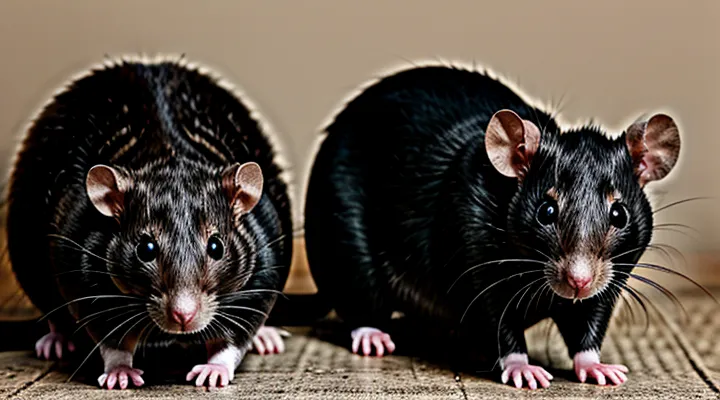
Factors Influencing Rat Lifespan
Genetics and Breeding
Genetic makeup determines the average lifespan of domesticated rats. Alleles associated with robust immune function, efficient metabolism, and reduced incidence of neoplasia correlate with extended longevity. Studies of laboratory colonies reveal that heterozygosity at loci governing stress response and DNA repair increases survival beyond the typical two‑year threshold observed in many pet lines.
Breeding programs aimed at longevity prioritize several core practices. First, selection of breeding stock based on documented lifespan and health records eliminates individuals carrying recessive disorders. Second, deliberate outcrossing between genetically distinct lines raises heterozygosity, mitigating the risks of inbreeding depression. Third, routine health screening for hereditary conditions such as cardiomyopathy and renal insufficiency removes carriers before they contribute to the gene pool. Finally, maintaining detailed pedigree charts enables calculation of coefficient of inbreeding for each prospective pairing.
Key genetic considerations for long‑lived rat breeding include:
- «heterozygosity» – higher levels reduce deleterious recessive expression.
- «allelic diversity» at immune‑related loci – enhances disease resistance.
- Absence of known lethal or sublethal mutations – confirmed by genetic testing.
- Moderate coefficient of inbreeding (< 6 %) – limits accumulation of harmful alleles.
- Selection for traits linked to metabolic efficiency – such as stable body weight and low adiposity.
Effective implementation of these strategies requires systematic record‑keeping, regular veterinary assessment, and adherence to ethical standards that prevent over‑selection for extreme phenotypes at the expense of health. By integrating genetic insight with disciplined breeding protocols, breeders can reliably produce rat lines that consistently exceed average lifespan expectations.
Diet and Nutrition
A diet that supports longevity in pet rats must provide balanced macronutrients, essential micronutrients, and consistent access to clean water. High‑quality commercial pellets formulated for laboratory or laboratory‑grade rodents deliver a reliable base of protein, fat, fiber, and vitamins. Pellets should constitute 70–80 % of daily intake; the remainder can be supplied with fresh produce.
Fresh vegetables such as kale, broccoli, carrots, and bell pepper add dietary fiber, antioxidants, and vitamin C. Offer a variety of greens each day, limiting portions to 10 % of total food weight to prevent digestive upset. Fruits, including apple slices and berries, are acceptable as occasional treats; their sugar content warrants restriction to no more than 5 % of the diet.
Protein sources beyond pellets include cooked egg white, low‑fat cottage cheese, or small pieces of lean chicken. Provide 10–15 % of the diet as supplemental protein, monitoring for excess which may strain kidneys. Calcium requirements are modest; a pinch of powdered calcium carbonate or a small piece of plain yogurt satisfies needs without risking hypercalcemia.
• Provide fresh water in a bottle with a stainless‑steel sipper, refill daily.
• Remove uneaten fresh food after 24 hours to inhibit bacterial growth.
• Rotate vegetable selections weekly to ensure a broad spectrum of nutrients.
• Avoid processed human snacks, sugary foods, and high‑fat treats.
• Conduct weekly weight checks; adjust portions if body condition deviates from optimal.
Consistent feeding schedules, balanced nutrition, and vigilant monitoring collectively extend the health span of long‑lived rat breeds.
Environmental Enrichment
Environmental enrichment is essential for the welfare of long‑lived pet rat varieties. A varied environment encourages natural foraging, exploration, and problem‑solving behaviors, reducing stress and the incidence of stereotypies.
Key enrichment elements include:
- Nesting material such as shredded paper, tissue, or fleece to support burrowing instincts.
- Foraging devices that conceal treats, prompting investigative activity.
- Climbing structures—branches, ladders, or PVC tubes—to promote vertical movement and muscular development.
- Tunnels and hideouts that simulate burrow networks, offering refuge and privacy.
- Sensory objects, for example, safe scented herbs or textured surfaces, to stimulate olfactory and tactile perception.
Enrichment items should be rotated regularly, preventing habituation and maintaining novelty. Rotation schedule can follow a weekly or bi‑weekly pattern, with each rotation introducing at least one new element while retiring an older one.
Safety considerations demand that all materials be non‑toxic, free of sharp edges, and easy to clean. Regular inspection for wear or damage prevents injury and maintains hygiene standards. Proper sanitation, performed at least twice weekly, removes waste and reduces pathogen risk without disrupting the enrichment layout.
Social interaction remains a critical component; housing compatible individuals together enhances play and grooming behaviors. When solitary housing is unavoidable, increased human handling and interactive toys compensate for the lack of conspecific contact.
Veterinary Care
Veterinary care for long‑lived pet rat varieties demands a schedule of systematic examinations, precise nutrition management, and targeted preventive actions. Routine check‑ups every three to six months allow early detection of dental overgrowth, respiratory infections, and skin conditions common in mature rodents. Physical assessment should include palpation of the abdomen, inspection of the eyes and ears, and evaluation of coat quality.
Nutritional guidance must reflect the extended lifespan of these breeds. High‑quality laboratory‑grade pellets provide balanced macro‑ and micronutrients, while fresh vegetables supply essential vitamins. Treats should be limited to avoid obesity, a risk factor for cardiovascular strain in older rats.
Preventive protocols encompass vaccination, parasite control, and environmental hygiene. A concise list of core measures includes:
- Annual vaccination against common viral agents where available.
- Quarterly fecal examinations to identify internal parasites.
- Monthly grooming of cages, replacement of bedding, and maintenance of optimal humidity to reduce respiratory irritants.
- Monitoring of water quality, employing filtered systems to prevent bacterial contamination.
Dental health requires regular trimming or filing of incisors to prevent malocclusion, a condition that can impair feeding and lead to secondary infections. If overgrowth is observed, immediate veterinary intervention prevents severe complications.
Selection of a veterinarian experienced with exotic small mammals ensures accurate diagnosis and appropriate treatment plans. Practitioners should possess certification in exotic animal practice and familiarity with the physiological nuances of long‑lived rodent patients.
Emergency preparedness involves maintaining a stocked kit of rat‑specific supplies: sterile saline, analgesics approved for small mammals, and a contact list for emergency veterinary services. Prompt response to acute signs such as labored breathing, sudden lethargy, or uncontrolled bleeding markedly improves survival prospects.
In summary, comprehensive veterinary care for extended‑lifespan pet rats integrates regular health monitoring, diet optimization, preventive strategies, and access to specialized professional expertise. This approach maximizes wellbeing and supports the longevity potential of these distinctive companions.
Stress and Health Management
Long-lived pet rat varieties demand proactive stress reduction and health preservation to maximize lifespan and quality of life.
Common stressors include sudden noises, handling inconsistencies, overcrowding, and inadequate environmental complexity. Effective mitigation relies on stable routines, gradual habituation, and enriched habitats.
- Provide a multi‑level cage with tunnels, hideouts, and chewable materials.
- Maintain a consistent daily schedule for feeding, cleaning, and interaction.
- Introduce new stimuli gradually, allowing the animal to explore at its own pace.
- Limit exposure to loud sounds and rapid temperature fluctuations.
Health management centers on routine monitoring, preventive veterinary care, and early disease detection. Regular observation of weight, coat condition, and activity levels reveals deviations before they become critical.
- Weigh the rat weekly; record trends to identify rapid loss or gain.
- Inspect oral cavity, eyes, and ears for discharge or lesions during each cage cleaning.
- Schedule annual health examinations with a veterinarian experienced in exotic small mammals.
- Administer recommended vaccinations and parasite preventatives according to professional guidance.
Nutrition supporting longevity comprises balanced commercial pellets supplemented with fresh vegetables, limited fruit, and occasional protein sources. Fresh water must be available continuously, with bottles inspected for leaks. Environmental enrichment, such as puzzle feeders and rotating toys, sustains mental stimulation and reduces stereotypic behaviors.
Consistent application of these stress‑reduction and health‑maintenance practices creates conditions where long‑lived rat breeds thrive, achieving their full lifespan potential.
Common Pet Rat Breeds and Their Lifespans
Fancy Rats
Standard Varieties
Standard varieties represent the most common genetic lines found in domestic rats. Their genetic stability contributes to predictable health outcomes and extended lifespans compared to many specialty morphs.
- «Standard Short‑haired»: lifespan 2.5–3.5 years; robust immune system; low incidence of skin disorders.
- «Standard Long‑haired»: lifespan 2.5–3 years; requires regular grooming; coat length does not affect longevity.
- «Standard Rex»: lifespan 2.5–3 years; velvety fur; similar health profile to short‑haired counterparts.
- «Standard Hairless»: lifespan 2–2.5 years; increased susceptibility to skin lesions; careful environmental control essential.
Selection should prioritize documented health records, lineage from breeders who avoid inbreeding, and environments that provide enrichment, balanced nutrition, and stable temperature. Regular veterinary checks and a diet rich in protein, fiber, and low in fat further support longevity.
Choosing a standard variety offers a reliable foundation for a long‑lived companion, combining genetic resilience with manageable care requirements.
Dumbo Varieties
Dumbo rats are distinguished by their low‑set ears, a trait that appeals to many enthusiasts seeking a distinctive appearance in a long‑living pet. The ear placement does not affect health, and the breed typically matches the lifespan of standard fancy rats, ranging from two to three years with proper care.
Key considerations when selecting a Dumbo variety include genetic health, coat type, and temperament. Breeders who prioritize robust lineages reduce the risk of hereditary issues such as spinal deformities or ear infections. Coat variations—standard fur, hairless, and rex—present different grooming requirements; hairless individuals need regular skin moisturisation, while rex coats demand gentle handling to avoid matting.
Common Dumbo subtypes:
- Standard fur Dumbo: classic appearance, minimal grooming.
- Hairless Dumbo: exposed skin, heightened sensitivity to temperature and humidity.
- Rex Dumbo: wavy, plush fur, moderate grooming needs.
Health monitoring should focus on ear hygiene, weight management, and dental wear. Regular veterinary check‑ups and a balanced diet of high‑quality pellets, fresh vegetables, and occasional protein supplements support longevity. Environmental enrichment—tunnels, chew toys, and climbing structures—promotes physical activity and mental stimulation, contributing to a longer, healthier life.
Hairless Varieties
Hairless rat varieties, such as the Dumbo‑hairless and the standard hairless, attract owners seeking a distinctive appearance combined with a relatively long lifespan. These strains typically reach 2½–3 years, matching the upper range of common pet rats.
Key attributes:
- Skin sensitivity – lack of fur increases exposure to temperature fluctuations; ambient temperature should remain between 20 °C and 24 °C.
- Dermatological care – daily inspection for abrasions; mild, fragrance‑free moisturizers may be applied to prevent dryness.
- Nutrition – high‑quality rodent pellets supplemented with omega‑3 fatty acids support skin integrity.
- Housing – solid‑bottom cages reduce risk of foot injuries; soft bedding (e.g., shredded paper) minimizes irritation.
- Health monitoring – regular veterinary checks focus on respiratory health, as hairless rats may be more prone to infections due to reduced barrier protection.
Breeding considerations:
- Hairless genetics are recessive; pairing two carriers yields a 25 % chance of hairless offspring per litter.
- Inbreeding avoidance is critical to prevent hereditary defects; outcrossing with standard‑coat rats maintains genetic diversity.
Overall, hairless rats provide a viable option for owners prioritizing longevity and unique aesthetics, provided that environmental control and vigilant skin care are implemented.
Wild Rat Hybrids (Cautions and Considerations)
Wild rat hybrids present specific risks that distinguish them from established long‑life pet rat strains. Genetic variability can produce unpredictable health profiles, including heightened susceptibility to respiratory infections, metabolic disorders, and aggressive behavior. Breeders often lack comprehensive health records for hybrid lines, limiting the ability to assess hereditary conditions.
Considerations for prospective owners include:
- Verify the source’s breeding practices; reputable programs document lineage and health screenings.
- Request veterinary examinations performed by professionals experienced with exotic rodents.
- Anticipate potential temperament issues; hybrids may display heightened territoriality or fear responses.
- Plan for a contingency diet, as hybrid metabolism can differ from that of classic strains, requiring adjustments in nutrient balance.
Regulatory restrictions may apply in certain jurisdictions, with hybrid rats classified as non‑domestic wildlife. Compliance with local animal‑control laws prevents legal complications and ensures humane treatment. Selecting a well‑documented, stable breed reduces uncertainty and supports long‑term welfare.
Breeds Known for Longevity
Identifying Healthy Breeders
Choosing a reputable breeder directly influences the lifespan and wellbeing of pet rats. Healthy breeders maintain rigorous standards that minimise disease risk and support genetic vigor.
Key indicators of a healthy breeder:
- Comprehensive health records for each breeding pair, including vaccination dates and veterinary examinations.
- Genetic screening for common hereditary conditions such as spinal tumours and respiratory infections.
- Clean, well‑ventilated housing with regular sanitation protocols.
- Balanced nutrition plans and consistent feeding schedules.
- Transparent policies regarding the return or rehoming of offspring.
Verification steps for prospective owners:
- Request recent veterinary reports and confirm that a licensed professional conducts routine health checks.
- Inspect the breeding environment, noting cage density, bedding quality, and absence of pests.
- Observe the rats’ behaviour; active, alert individuals with clear eyes and clean fur indicate good health.
- Inquire about the breeder’s experience with long‑lived rat varieties and their approach to selective breeding.
Selecting a breeder that adheres to these criteria maximises the probability of acquiring robust, long‑lived rats, thereby reducing future veterinary costs and enhancing the pet‑owner relationship.
Genetic Predispositions for Health
Genetic factors heavily influence the health span of rat varieties bred for longevity. Certain alleles predispose individuals to chronic conditions that reduce lifespan and increase veterinary costs.
Common health‑related genetic predispositions include:
- High incidence of mammary adenocarcinomas linked to the Mdm2 variant.
- Renal tubular degeneration associated with the Rasgrf2 mutation.
- Progressive respiratory fibrosis correlated with the Col3a1 gene alteration.
- Metabolic syndrome tendencies tied to the Lepr deficiency allele.
Breeding strategies that mitigate these risks involve:
- Selecting parent stock verified by DNA panels for the absence of the listed mutations.
- Maintaining heterozygosity in loci related to immune function to enhance disease resistance.
- Implementing line‑purging programs that remove carriers of deleterious alleles after each generation.
Genomic screening combined with careful pedigree analysis enables the development of rat lines that combine extended lifespan with reduced susceptibility to hereditary ailments.
Caring for an Aging Rat
Dietary Adjustments for Seniors
Dietary adjustments for senior rats focus on maintaining body condition, supporting joint health, and preventing age‑related metabolic decline. Energy intake should be modestly reduced compared to younger individuals, while nutrient density remains high. Protein sources such as cooked eggs, low‑fat cottage cheese, and lean poultry provide essential amino acids without excess calories. Fiber content can be increased with finely shredded carrots, steamed broccoli, and small amounts of oat bran to promote gastrointestinal motility.
Key micronutrients for older rats include:
- Calcium‑phosphorus ratio of approximately 1:1, supplied by fortified rodent pellets and occasional plain yogurt.
- Vitamin E and selenium, found in sunflower seeds and Brazil nuts, to aid cellular antioxidant defenses.
- Omega‑3 fatty acids from flaxseed oil or fish oil capsules, administered in measured drops, to support joint lubrication.
Hydration demands rise with age; fresh water must be available at all times, and moist foods such as unsweetened applesauce or pumpkin puree can supplement fluid intake. Treats should be limited to low‑sugar options, and sugary fruits should be offered sparingly.
Regular monitoring of weight and coat condition guides portion adjustments. If a senior rat exhibits weight loss, incremental increases in caloric density—such as adding a teaspoon of pureed sweet potato to daily meals—can stabilize body mass. Conversely, signs of obesity warrant a reduction in high‑fat treats and a shift toward lean protein and high‑fiber vegetables.
Implementing these dietary strategies helps extend the healthy lifespan of long‑lived rat breeds, ensuring that senior companions remain active and comfortable.
Environmental Modifications
Environmental modifications are essential for maximizing the health and longevity of long‑living rat varieties. A spacious cage, minimum dimensions of 60 × 30 × 30 cm, provides sufficient room for movement and reduces stress. Solid flooring covered with absorbent, dust‑free bedding such as paper pellets maintains dry conditions and prevents respiratory irritation.
Temperature control between 18 °C and 24 °C stabilizes metabolic rates. A thermostat linked to a low‑noise heater ensures consistent warmth without fluctuations. Relative humidity should remain between 40 % and 60 % to discourage mold growth and preserve fur condition.
Lighting schedules that mimic natural daylight, with 10–12 hours of illumination, support circadian rhythms. LED fixtures positioned to avoid glare reduce eye strain. A dimming option for evening hours allows gradual transition to darkness.
Enrichment items, including chewable wooden blocks, tunnels, and climbing platforms, promote mental stimulation and muscular development. Rotation of toys every two weeks prevents habituation and encourages exploration.
Cleaning protocols involve weekly removal of soiled bedding, daily spot cleaning of food and water dishes, and monthly disinfection of cage surfaces with a mild, rodent‑safe solution. Separate storage for food, sealed against pests, preserves nutritional quality.
Safe handling areas, such as a quiet room with a low‑traffic layout, minimize abrupt noises and sudden movements. Soft, non‑slip mats on work surfaces provide secure footing for both rat and caretaker.
Key environmental modifications summarized:
- Cage size: ≥ 60 × 30 × 30 cm, solid flooring, dust‑free bedding.
- Climate: 18 – 24 °C, 40 % – 60 % humidity, stable thermostat.
- Lighting: 10–12 h daily, LED, dimmable evening mode.
- Enrichment: chew toys, tunnels, climbing platforms, bi‑weekly rotation.
- Hygiene: weekly bedding change, daily dish cleaning, monthly disinfection.
- Storage: sealed food containers, pest‑proof.
- Handling space: quiet room, non‑slip mats, low‑traffic layout.
Implementing these modifications creates a stable, low‑stress environment that directly influences the lifespan and quality of life for long‑living pet rats.
Recognizing Signs of Age-Related Illness
Long‑lived pet rat breeds often reach ages where age‑related illnesses become common. Recognizing early signs allows timely veterinary intervention and supports a higher quality of life.
Typical indicators of age‑related disease include:
- Noticeable weight loss despite unchanged feeding habits.
- Decreased activity levels, reluctance to explore or climb.
- Dull or uneven fur, reduced grooming behavior.
- Labored breathing, wheezing, or persistent nasal discharge.
- Changes in stool consistency, such as diarrhea or constipation.
- Dental wear or malocclusion causing difficulty eating.
- Swelling or lumps, especially in the abdomen or limbs.
Distinguishing normal aging from pathology relies on the pattern of change. Gradual, steady decline often reflects senescence, whereas rapid deterioration, sudden loss of appetite, or acute behavioral shifts suggest underlying disease. Consistent monitoring of body condition, activity, and grooming habits provides baseline data for comparison.
Routine veterinary examinations remain essential. Recommended practices comprise:
- Biannual health checks for rats over one year of age.
- Full blood panels to detect organ dysfunction.
- Radiographic imaging when respiratory or musculoskeletal issues arise.
- Dental evaluation to prevent malocclusion complications.
Early detection of age‑related conditions extends the functional lifespan of long‑living rats and informs breed selection for prospective owners seeking pets with a reduced risk of late‑stage illness.
Palliative Care and Comfort
Palliative care for long‑lived pet rats focuses on alleviating discomfort and maintaining quality of life as health declines. Early identification of chronic conditions—such as arthritis, dental disease, or organ failure—allows timely intervention. Pain assessment relies on observable changes in posture, grooming, and activity; a decrease in mobility or a hunched stance signals the need for analgesic therapy.
Providing a supportive environment reduces stress. Soft, low‑pile bedding prevents pressure sores, while a stable ambient temperature (20‑24 °C) curtails thermoregulatory strain. Access to fresh water and easily digestible, high‑calorie foods ensures hydration and nutrition without demanding extensive chewing effort.
Veterinary guidance is essential for medication selection. Non‑steroidal anti‑inflammatory drugs, low‑dose opioids, or gabapentin may be prescribed according to the rat’s specific symptoms. Dosage adjustments follow regular weight monitoring, as rapid weight loss often precedes terminal decline.
Practical measures for comfort include:
- Gentle handling to avoid exacerbating joint pain.
- Placement of nesting material within the cage to encourage natural burrowing behavior.
- Scheduled, brief interaction sessions to maintain social contact while minimizing fatigue.
- Use of humidified air or a small water dish to ease respiratory irritation.
End‑of‑life decisions should prioritize the animal’s dignity. When appetite ceases, hydration becomes the primary focus; subcutaneous fluids can sustain hydration without forcing oral intake. Euthanasia, performed by a qualified veterinarian, offers a humane resolution when suffering cannot be mitigated.
Consistent observation, tailored medical support, and environmental modifications together create a palliative framework that respects the longevity of selected rat breeds while ensuring comfort through their final stages.