
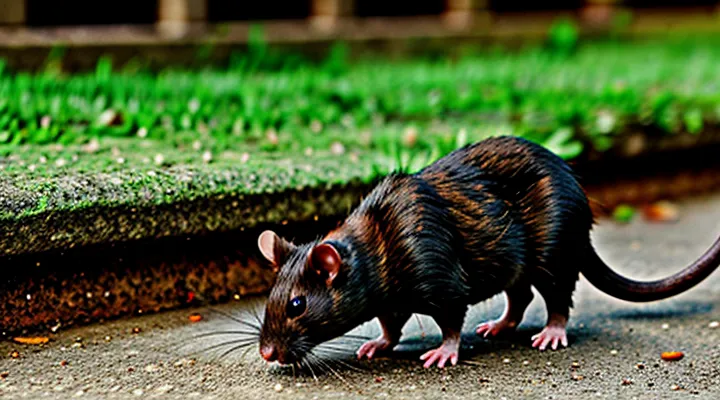
«Basic Nutritional Requirements»
«Proteins»
Proteins are essential macronutrients for rats, supporting growth, tissue repair, and enzyme synthesis. Optimal intake ranges from 15 % to 20 % of total diet weight; excess protein may burden renal function.
Safe protein sources include:
- Cooked lean poultry (chicken, turkey) without skin or seasoning
- Cooked lean beef or lamb, trimmed of fat
- Hard‑cooked eggs, mashed
- Low‑fat dairy such as cottage cheese or plain yogurt
- Soy products (tofu, tempeh) cooked and unseasoned
- Cooked legumes (lentils, peas) thoroughly softened
- Edible insects (mealworms, crickets) offered in moderation
Protein items to avoid or limit:
- Raw meat, which can harbor pathogens
- Processed meats (bacon, sausages) due to high sodium and preservatives
- Certain fish high in mercury or with strong oils
- Shellfish, which may trigger allergies
- Uncooked beans, containing toxic phytohemagglutinin
- High‑salt cheeses, risking electrolyte imbalance
- Pork, because of potential parasites
Preparation guidelines:
- Heat all animal flesh to a safe internal temperature, discard bones
- Present protein in bite‑size pieces, free of sauces, spices, or additives
- Introduce new protein types gradually, observing stool consistency and activity levels
- Adjust portion size to maintain the recommended protein percentage within the overall diet.
«Carbohydrates»
«Carbohydrates» constitute a major energy source for rodents, yet not all carbohydrate-rich foods are suitable. Digestible sugars and complex starches provide quick fuel, while excessive simple sugars can cause gastrointestinal distress and obesity. Safe carbohydrate options include:
- Cooked plain rice, barley, and oatmeal; low in additives and free of toxic residues.
- Fresh fruits such as apple slices, banana, and berries; offered in moderation to prevent excess fructose.
- Vegetables like sweet potatoes and carrots; steamed to improve digestibility.
- Whole‑grain breads and crackers without seeds, nuts, or artificial sweeteners.
Carbohydrate sources that should be avoided:
- Processed sweets, candy, and chocolate; contain high sucrose and potentially toxic compounds.
- Sugary cereals and flavored snacks; often contain additives and high salt levels.
- Raw dough containing yeast; expands in the gastrointestinal tract, posing a blockage risk.
- Foods with artificial sweeteners, especially xylitol; known to be lethal to rodents.
A balanced diet for rats combines limited carbohydrate portions with adequate protein, fat, fiber, and essential vitamins. Monitoring body condition and adjusting carbohydrate intake helps maintain optimal health and prevents metabolic disorders.
«Fats»
«Fats» are a necessary component of a rat’s nutrition, supplying concentrated energy, contributing to the structural integrity of cell membranes, and enabling the absorption of vitamins A, D, E and K. Excessive or inappropriate fat intake can lead to obesity, hepatic lipidosis and gastrointestinal disturbances.
Safe fat sources for laboratory and pet rats include:
- Small amounts of plain, unsalted nuts such as almonds, walnuts and hazelnuts (offered in moderation due to high calorie density).
- Seeds without added oils, for example sunflower seeds, pumpkin seeds and chia seeds.
- Cooked, skinless poultry or lean fish, providing animal‑derived unsaturated fats.
- Commercial rodent feed formulated with balanced lipid content, typically containing soybean or corn oil.
- Small quantities of plain, unsweetened yogurt, which delivers beneficial fatty acids and probiotic cultures.
Fat sources that should be excluded from a rat’s diet:
- Processed meats containing high levels of saturated fat, sodium and preservatives (e.g., bacon, salami, hot dogs).
- Fried foods and foods cooked in vegetable or palm oil, which often contain trans‑fatty acids.
- Butter, margarine and heavy cream, whose high saturated fat content exceeds the rat’s metabolic capacity.
- Peanut butter with added sugars or salt, which can cause digestive upset and electrolyte imbalance.
- Any food item labeled “high‑fat” or “extra‑lean” in human pet food categories, as these formulations are not calibrated for rodent metabolism.
Recommended fat intake for an adult rat ranges from 5 % to 10 % of total daily calories, equivalent to roughly 0.5 g to 1 g of fat per 100 g of body weight. Adjustments may be necessary for pregnant, lactating or growing individuals, whose energy demands increase. Monitoring body condition and weight weekly helps ensure that fat consumption remains within optimal limits.
«Vitamins and Minerals»
Rats require a balanced intake of vitamins and minerals to maintain metabolic functions, bone integrity, and immune competence. Deficiencies or excesses can lead to growth retardation, reproductive issues, and heightened disease susceptibility.
Essential vitamins and safe dietary sources:
- «Vitamin A» – carrots, sweet potatoes, pumpkin, spinach.
- «Vitamin B12» – cooked eggs, low‑fat dairy, fortified cereals.
- «Vitamin D» – exposure to sunlight, fortified milk, fish oil (in limited quantities).
- «Vitamin E» – sunflower seeds, wheat germ, almonds.
- «Vitamin K» – kale, broccoli, green beans.
- «Vitamin C» – bell peppers, strawberries, citrus fruits (in moderation).
Key minerals and reliable sources:
- Calcium – plain yogurt, cottage cheese, fortified plant milks.
- Phosphorus – lean meat, fish, eggs.
- Magnesium – pumpkin seeds, whole‑grain bread, bananas.
- Potassium – bananas, avocados, potatoes (cooked without salt).
- Iron – lean beef, lentils, cooked spinach (enhanced with vitamin C for absorption).
- Zinc – lean meat, chickpeas, oats.
Vitamins and minerals that pose risks when over‑consumed or sourced from inappropriate foods:
- Excess vitamin D from unregulated supplements may cause hypercalcemia.
- High levels of iron from raw liver can lead to toxicity.
- Vitamin A toxicity may arise from large quantities of liver or fortified treats.
- Salt‑rich foods, including processed snacks, elevate sodium intake, risking hypertension.
- Copper overload can occur with excessive use of certain nuts or shellfish.
Providing a varied diet that incorporates the listed safe foods ensures that rats obtain the necessary micronutrients while avoiding toxic exposures. Regular monitoring of body condition and consulting veterinary nutrition guidelines support optimal health outcomes.
«Safe Foods for Rats»
The discussion focuses on «Safe Foods for Rats», providing clear guidance on nutritious options suitable for domestic rodents.
Safe foods fall into several categories:
- Fresh vegetables: carrots, broccoli, kale, spinach, bell peppers, cucumber, zucchini.
- Fresh fruits: apple (core removed), banana, blueberries, strawberries, mango, melon.
- Whole grains and cereals: cooked rice, oatmeal, whole‑wheat pasta, quinoa, barley.
- Protein sources: boiled egg, plain cooked chicken, low‑fat cheese, tofu, mealworms (in moderation).
- Nuts and seeds: unsalted almonds, sunflower seeds, pumpkin seeds (small quantities).
Preparation guidelines include washing produce thoroughly, removing seeds or pits that may cause choking, and serving foods in bite‑size pieces. Cooking should be limited to boiling or steaming without added salt, sugar, or seasoning.
Treats must remain occasional; excessive fruit or high‑fat items can lead to obesity and digestive upset. Avoid foods known to be toxic, such as chocolate, caffeine, onions, garlic, citrus peels, and raw beans.
«Fruits and Vegetables»
«Safe Fruits»
Rats enjoy fruit as a source of vitamins and hydration, yet only specific varieties meet nutritional safety standards. The category «Safe Fruits» includes options that supply essential nutrients without posing digestive or toxic risks.
- Apples, core removed, skin left intact
- Blueberries, fresh or frozen, no added sweeteners
- Strawberries, hulled, sliced into bite‑size pieces
- Bananas, thin slices, limited to occasional treats
- Pears, cored, skin retained
- Raspberries, washed, offered in small quantities
- Watermelon, seedless, rind excluded
Portion sizes should not exceed one teaspoon per 100 g of body weight per serving. Introduce each fruit individually, observing the animal for signs of diarrhea or reduced appetite. Fresh fruit must be washed thoroughly to eliminate pesticide residues and stored in a sealed container for no more than 24 hours.
Avoid citrus fruits, grapes, cherries, and dried fruit, as they contain compounds that can cause renal failure or gastrointestinal upset. Excessive sugar intake may lead to obesity and dental problems; therefore, fruit should complement a balanced diet of pellets, grains, and protein sources.
«Safe Vegetables»
Rats thrive on a diet that includes a selection of vegetables free from toxic compounds. Providing these foods supports dental health, hydration, and essential nutrients.
- Carrot, raw or lightly steamed
- Broccoli florets, fresh
- Cucumber slices, peeled if thick skin
- Zucchini, raw or briefly cooked
- Bell pepper (red, yellow, green), diced
- Romaine lettuce, leaves only
- Peas, fresh or frozen, thawed
- Green beans, trimmed
- Sweet potato, cooked and unseasoned, in small portions
- Spinach, limited to occasional servings due to oxalate content
- Kale, limited to occasional servings because of calcium concentration
All vegetables must be washed thoroughly to remove pesticide residues. Serve in bite‑size pieces appropriate for the animal’s size. Avoid adding salt, butter, or sauces. Introduce new items gradually to monitor tolerance and prevent digestive upset.
«Grains and Cereals»
«Cooked Grains»
Rats readily accept «Cooked Grains» when offered as part of a balanced diet. Cooking eliminates raw starches that can cause digestive upset and reduces the risk of fungal contamination. Nutrient density of grains improves after heat treatment, providing accessible carbohydrates, modest protein, and trace minerals.
Safe options include:
- Rice (white or brown), fully cooked and unseasoned.
- Oats, rolled or steel‑cut, softened by boiling.
- Barley, boiled until tender.
- Quinoa, rinsed and cooked without added salt.
- Millet, cooked until soft.
Grains to avoid:
- Raw or undercooked wheat, which may contain anti‑nutritional factors.
- Processed cereals with added sugars, artificial flavors, or chocolate coating.
- Bread crumbs containing preservatives or high sodium levels.
- Grain products seasoned with garlic, onion, or spices toxic to rodents.
Preparation guidelines:
- Rinse grains thoroughly to remove dust and potential pesticide residues.
- Cook in plain water, avoiding oil, butter, or broth.
- Cool to room temperature before serving to prevent burns.
- Portion size should not exceed 10 % of the rat’s total daily intake to maintain nutritional balance and prevent obesity.
«Unsweetened Cereals»
Unsweetened cereals represent a common staple that can be incorporated into a rodent’s diet when selected carefully. Their lack of added sugars reduces the risk of dental decay and metabolic disturbances, making them a preferable option to flavored varieties.
Safe choices include whole‑grain products that contain minimal processing and no artificial additives. Suitable examples are:
- Oat flakes, plain and unflavored
- Whole‑grain wheat cereal, low‑fat
- Barley flakes, unsalted
- Brown rice cereal, plain
These items provide fiber, moderate protein, and essential B‑vitamins, supporting digestive health and energy balance. When offering unsweetened cereals, it is advisable to serve them in small portions, moistening with water or a few drops of vegetable broth to enhance palatability and prevent choking.
Cereals that should be avoided comprise those with the following characteristics:
- Added sweeteners, honey, or molasses
- High sodium content, such as seasoned or toasted varieties
- Flavorings containing artificial preservatives, colorants, or spices
- Whole‑grain cereals that have been processed into puffed or extruded forms, which may contain hidden sugars or oils
These products introduce excess carbohydrates, sodium, or potentially toxic compounds that can lead to obesity, renal strain, or gastrointestinal upset in rats.
In practice, unsweetened cereals can serve as a supplemental carbohydrate source, complementing a diet primarily composed of fresh vegetables, high‑quality pellets, and occasional protein treats. Regular monitoring of body condition and stool consistency ensures that the inclusion of these grains remains beneficial.
«Proteins Sources»
«Cooked Meats»
Rats tolerate a limited range of cooked animal proteins, provided the meat is plain, fully cooked, and free of seasoning, sauces, or added fats. Nutritional benefits include high‑quality protein and essential amino acids, while excessive fat or sodium can lead to digestive disturbances and obesity.
Acceptable options:
- «Cooked Meats» such as unseasoned chicken breast, turkey, and lean beef.
- Small portions of boiled or baked fish without bones, including salmon and white fish.
- Plain pork loin or tenderloin, thoroughly cooked to eliminate pathogens.
Items to avoid:
- Processed meats (sausages, bacon, deli slices) due to preservatives and high salt content.
- Meat cooked with spices, garlic, onion, or sauces, which can be toxic to rodents.
- Fatty cuts, fried preparations, and grilled meats with charred edges, which increase the risk of gastrointestinal irritation.
Guidelines recommend serving cooked meat no more than 10 % of a rat’s total diet, balancing with fresh vegetables, grains, and a reliable source of fiber. Regular monitoring for changes in weight or stool consistency is essential when introducing any new protein source.
«Eggs and Dairy»
Eggs provide high‑quality protein, essential amino acids, and vitamins such as B12 and D. Rats may consume eggs safely when the eggs are fully cooked; cooking eliminates the risk of salmonella and reduces the likelihood of digestive upset. Raw egg whites contain avidin, a protein that binds biotin and can cause deficiency if ingested regularly. Consequently, only cooked egg whites or whole cooked eggs should be offered, and portions should be limited to one small piece (approximately the size of a pea) two to three times per week.
Dairy products present a mixed profile for rodents. Lactose‑intolerant physiology is common among rats, making most milk unsuitable for regular consumption. Fermented dairy items such as plain yogurt and low‑fat cottage cheese contain reduced lactose and can be tolerated in small amounts. High‑fat cheeses, processed cheese spreads, and flavored yogurts often contain additives, excessive salt, or sugar, which are detrimental to rat health and should be avoided.
Recommended items
- Fully cooked eggs (scrambled or boiled), small portion.
- Plain, unsweetened yogurt, limited to a teaspoon.
- Low‑fat cottage cheese, small spoonful.
Items to avoid
- Raw eggs or raw egg whites.
- Whole milk, flavored milk, or milk substitutes with added sugars.
- High‑fat, aged, or processed cheeses.
- Yogurt with fruit pieces, honey, or artificial sweeteners.
«Treats and Snacks»
«Small Amounts of Seeds and Nuts»
Rats may safely consume seeds and nuts when offered in limited quantities. These foods supply essential fats, protein, and micronutrients that support coat condition, energy levels, and neurological function.
Recommended varieties include sunflower seeds, pumpkin seeds, unsalted peanuts, and hazelnuts. Preference should be given to raw or lightly roasted options without added salt, sugar, or flavorings. Processed nuts containing seasonings or coatings increase the risk of gastrointestinal irritation and sodium overload.
Guidelines for portion size:
- No more than one to two teaspoons per day for an adult rat.
- For juvenile rats, limit to half a teaspoon.
- Introduce gradually to monitor tolerance and prevent digestive upset.
Potential hazards involve high fat content leading to obesity, and the presence of aflatoxins in improperly stored nuts. Seeds with hard shells, such as pistachios, should be avoided because fragments can cause oral injury or blockages.
Overall, incorporating «Small Amounts of Seeds and Nuts» into a rat’s diet enhances nutritional diversity, provided that frequency, quantity, and quality are carefully managed.
«Occasional Sweet Treats»
Rats may enjoy «Occasional Sweet Treats» when such items are selected carefully and offered sparingly. Sweet foods provide enrichment but can disrupt nutrition if overused.
Safe options include:
- Small pieces of fresh fruit such as apple (core removed), banana, or berries.
- Unsweetened applesauce in a teaspoon‑size amount.
- Tiny fragments of dried fruit, e.g., a single raisin or a few dried apricot pieces.
- Plain, unflavored yogurt (no added sugar) in a minimal dollop.
Each safe item should be limited to a few bites no more than twice per week. Monitor weight and dental health after introduction.
Unsafe sweet foods encompass:
- Chocolate, cocoa products, and any confection containing theobromine.
- Candies, gum, or lollipops that contain artificial sweeteners or high sugar concentrations.
- Processed pastries, cakes, and cookies with added sugars, fats, or preservatives.
- Fruit juices and sugary drinks, which lack fiber and can cause rapid blood‑sugar spikes.
These items pose risks of toxicity, obesity, gastrointestinal upset, and dental disease. They should be excluded entirely from a rat’s diet.
Guidelines for offering «Occasional Sweet Treats»:
- Provide only a single, small portion per serving.
- Limit frequency to two times per week at most.
- Observe the animal for any signs of digestive disturbance or weight gain.
- Ensure that the primary diet remains a balanced rodent pellet or mash, supplemented with fresh vegetables and protein sources.
«Foods Rats Should Avoid»
Rats require a diet that excludes items capable of causing toxicity, digestive upset, or nutritional imbalance. Recognizing the substances that must be eliminated from their feeding regimen protects their health and longevity.
- Processed meats, including bacon, sausage, and deli slices: high salt and fat content can lead to kidney strain and obesity.
- Chocolate and cocoa products: contain theobromine, which is toxic to rodents at low doses.
- Citrus fruits and juices: acidity may irritate the gastrointestinal tract and interfere with calcium absorption.
- Raw beans, especially kidney beans: possess lectins that can cause severe intestinal distress.
- Dairy products such as milk and cheese: many rats lack sufficient lactase, resulting in diarrhea and dehydration.
- Salty snacks, chips, and pretzels: excess sodium promotes hypertension and fluid imbalance.
- Caffeinated beverages and foods: stimulants increase heart rate and may trigger seizures.
- Artificial sweeteners, particularly xylitol: metabolize into compounds that can cause rapid hypoglycemia.
- Moldy or spoiled food: fungal toxins present a risk of organ damage.
- High‑sugar treats, including candy and baked goods: contribute to obesity, dental disease, and insulin resistance.
Each listed item presents a specific hazard, ranging from acute poisoning to chronic health issues. Excluding these foods from a rat’s menu ensures a balanced intake of safe, nutrient‑dense options such as grains, fresh vegetables, and lean protein sources.
«Toxic Foods»
«Avocado»
«Avocado» is a fruit rich in monounsaturated fats, potassium, and vitamins A, C, E, and K. The nutrient density makes it appealing as a potential treat for pet rodents.
However, the fruit contains persin, a toxin that can cause respiratory distress and liver damage in many mammals. Rats are especially sensitive to persin because their metabolic pathways process the compound slowly. Additionally, the high fat content can lead to obesity and gastrointestinal upset when consumed in excess. The large seed poses a choking hazard and contains elevated levels of persin.
Consequently, veterinary guidelines advise against offering «Avocado» to rats. If an owner chooses to provide a minimal amount, the following precautions are mandatory:
- Remove the seed and skin completely.
- Offer only a tiny piece of flesh, no larger than a pea.
- Observe the animal for signs of respiratory difficulty, lethargy, or digestive disturbance.
- Discontinue use at the first indication of adverse effects.
Overall, the risk profile of «Avocado» outweighs any nutritional benefit for rats, and safer alternatives such as carrots, apples, or leafy greens are recommended for regular feeding.
«Chocolate»
Chocolate is a popular human confection that frequently appears in households where pet rodents are kept. Its composition includes theobromine and caffeine, compounds that rats metabolize far more slowly than humans. Even small quantities can exceed the species‑specific toxic dose, leading to serious health effects.
Theobromine toxicity in rats is measured in milligrams per kilogram of body weight. Research indicates that doses as low as 100 mg/kg may cause adverse reactions, while 200 mg/kg can be lethal. Commercial chocolate products vary widely in theobromine content: dark chocolate contains the highest levels, milk chocolate moderate amounts, and white chocolate negligible theobromine but often high in sugar and fat.
- «Chocolate» containing measurable theobromine – unsafe for rats, regardless of size.
- Products labeled “sugar‑free” or “caffeine‑free” – still unsafe if theobromine is present.
- White chocolate – low theobromine, but excessive fat and sugar pose digestive risks; not recommended as a regular treat.
- Any chocolate‑flavored food items – assume presence of theobromine and avoid.
Symptoms of chocolate poisoning include hyperactivity, rapid breathing, tremors, vomiting, and seizures. Onset typically occurs within 30 minutes of ingestion. Immediate veterinary consultation is essential; treatment may involve induced vomiting, activated charcoal, and supportive care to stabilize cardiovascular function.
The safest approach is complete exclusion of chocolate from a rat’s diet. Providing species‑appropriate treats such as fresh vegetables, fruits in moderation, and specially formulated rodent snacks ensures nutritional balance without exposing the animal to toxic substances.
«Citrus Peels»
Citrus peels are occasionally offered to pet rats as a source of fiber and vitamin C, but their high acidity and essential oil content impose strict limits on safe consumption.
- Small portions (no more than 5 % of daily diet) can provide modest nutritional benefit without overwhelming the digestive system.
- Frequent or large servings increase the risk of gastrointestinal irritation, oral ulceration, and potential liver stress due to limonene and other volatile compounds.
- Seeds and pith should be removed; they contain trace amounts of cyanogenic glycosides that may be harmful in larger quantities.
- Fresh peels must be washed thoroughly to eliminate pesticide residues; untreated or waxed peels pose additional toxicity concerns.
Overall, citrus peels may be included sparingly in a balanced rodent diet, provided they are fresh, seed‑free, and free of chemical contaminants. Excessive intake should be avoided to prevent adverse health effects.
«Onions and Garlic»
Onions and garlic belong to the Allium family, widely used in human cuisine. Both contain sulfides and thiosulfates that interfere with rat red‑blood‑cell metabolism.
- Sulfides oxidize hemoglobin, leading to hemolytic anemia.
- Thiosulfates impair oxygen transport, causing weakness, lethargy, and possible death.
- Symptoms may appear within hours of ingestion and include pale mucous membranes, rapid breathing, and dark urine.
Veterinarians advise against offering any form of onion or garlic to pet rats. Even minimal quantities—raw, cooked, powdered, or incorporated in processed foods—pose a health risk. If accidental consumption occurs, immediate veterinary assessment is required to evaluate hemolysis and initiate supportive care.
Safe alternatives for flavoring rat diets include fresh vegetables such as carrots, broccoli, and leafy greens, which provide nutrients without the toxic compounds present in Allium species.
«Raw Sweet Potato»
Raw sweet potato offers several benefits for pet rats when served correctly. The tuber supplies complex carbohydrates, dietary fiber, and essential vitamins such as vitamin A (beta‑carotene) and vitamin C. Minerals present include potassium, manganese, and small amounts of iron. These nutrients support energy metabolism, vision health, and immune function.
Potential concerns arise from the raw form. Enzymes and natural toxins, notably trypsin inhibitors, can irritate the gastrointestinal tract. High fiber content may cause soft stools if introduced abruptly. To mitigate risks, follow these guidelines:
- Introduce raw sweet potato gradually, starting with a pea‑size piece.
- Wash thoroughly under running water to remove soil and pesticides.
- Peel the skin to reduce fiber load and possible pesticide residues.
- Observe the rat for signs of digestive upset over 24‑48 hours.
- Limit portion to no more than 5 % of the daily diet by weight.
When rats tolerate raw sweet potato, it serves as a nutritious supplement that diversifies the diet without replacing staple foods such as grains, proteins, and fortified pellets. Regular monitoring ensures the tuber contributes positively to overall health.
«Green Potatoes»
«Green Potatoes» contain elevated levels of solanine, a glycoalkaloid that interferes with neuronal function in rodents. The compound is produced when tubers are exposed to light, turning the flesh green and increasing toxicity. Concentrations above 200 mg kg⁻¹ can cause acute symptoms in rats, including gastrointestinal distress, lethargy, and neurological impairment.
Feeding recommendations:
- Do not offer any portion of a green‑tinged tuber to rats.
- Discard potatoes that show any green discoloration on skin or flesh.
- If a rat has ingested green tissue, monitor for vomiting, diarrhea, tremors, or loss of coordination; seek veterinary care promptly.
Safe alternatives for a balanced rodent diet include plain cooked carrots, peas, and non‑green potato varieties that have been peeled and boiled to reduce residual solanine.
«Unhealthy Foods»
«High-Sugar Foods»
Rats possess a metabolic sensitivity that makes excessive sugar intake hazardous. Foods with high concentrations of simple sugars can cause rapid spikes in blood glucose, leading to obesity, dental decay, and impaired immune function. Consequently, these items should be excluded from a rat’s diet.
Typical examples of «High-Sugar Foods» unsuitable for rodents include:
- Candies, chocolate, and confectionery
- Commercially baked pastries and cakes
- Sweetened cereals and granola bars
- Fruit juices, sodas, and flavored drinks
- Dried fruit with added sugar or syrup
- Honey and maple syrup used as toppings
Occasionally, modest portions of naturally sweet fruits—such as berries or small apple slices—may be offered, provided they are fresh, unsprayed, and not combined with added sugars. Even in these cases, frequency should remain limited to prevent cumulative sugar load.
In summary, maintaining low dietary sugar levels supports optimal weight management, dental health, and overall vitality in pet rats.
«High-Fat Foods»
High‑fat foods provide a concentrated energy source for rats, but excessive intake can lead to obesity, hepatic lipidosis, and reduced lifespan. Proper selection and portion control are essential for maintaining a balanced diet.
-
Safe high‑fat options
• Small pieces of unsalted almonds (≤ ½ gram per day)
• Cooked egg yolk, fully boiled, without added salt (≈ ¼ gram)
• Low‑fat cottage cheese, plain, limited to a teaspoon
• Sunflower seeds, husked, offered sparingly (≤ ¼ gram) -
High‑fat foods to avoid
• Bacon, sausage, or any processed meat containing preservatives
• Commercial snack chips, especially those salted or flavored
• Peanut butter with added sugars or hydrogenated oils
• Fried foods, including fried dough or pastries
Incorporating safe fats should not exceed 10 % of total caloric intake. Regular weight monitoring and observation of stool consistency help detect early signs of over‑consumption. Adjust portions promptly if rapid weight gain or digestive disturbances occur.
«Processed Human Foods»
Rats readily accept many commercially prepared items, yet several processed products pose health risks. Understanding which categories are safe helps prevent digestive disturbances, nutrient deficiencies, and toxic exposure.
Safe processed foods include:
- Cooked pasta without heavy sauces or added salt.
- Plain, unsweetened oatmeal or rice cakes.
- Low‑fat, unflavored cheese slices.
- Small portions of baked, unseasoned chicken or turkey.
- Plain, unsalted popcorn (no butter or artificial flavorings).
Hazardous processed foods comprise:
- Salty snacks such as chips, pretzels, or seasoned crackers, which can cause electrolyte imbalance.
- Sugary treats, including candy, chocolate, and flavored cereals, leading to obesity and dental decay.
- Processed meats containing nitrates, nitrites, or high sodium levels, increasing risk of organ damage.
- Foods with artificial sweeteners (e.g., xylitol), which are toxic to rodents.
- Items containing spices, onion, garlic, or strong seasonings, which can cause hemolytic anemia.
When offering «Processed Human Foods», prioritize items with minimal additives, low sodium, and no sweeteners. Monitor intake to avoid excessive calories and ensure a balanced diet supplemented with fresh vegetables, fruits, and appropriate rodent pellets.
«Foods with Potential Risks»
«Certain Raw Beans»
Raw beans belong to a group of legumes that contain naturally occurring toxins capable of harming rats. The primary hazardous compounds are lectins, especially phytohemagglutinin, and cyanogenic glycosides. These substances interfere with protein digestion and can cause severe gastrointestinal distress, hemolysis, or even fatal poisoning when ingested in uncooked form.
Rats should not be offered the following beans without thorough cooking:
- Kidney beans (all varieties) – high lectin concentration.
- Lima beans – contain linamarin, a cyanogenic glycoside.
- Soybeans – rich in trypsin inhibitors and lectins.
- Black beans – similar lectin profile to kidney beans.
- Navy beans – elevated levels of phytohemagglutinin.
Cooking at a rolling boil for at least ten minutes deactivates the majority of these toxins, rendering the beans safe for occasional inclusion in a balanced diet. Raw consumption, however, poses a direct risk of acute toxicity.
For optimal health, limit bean intake to cooked portions and avoid any raw legume material.
«Wild-Foraged Foods»
Wild‑foraged foods refer to edible plants, seeds, fruits, and insects that rats can obtain directly from natural environments without cultivation. These items provide essential nutrients such as fiber, vitamins, and protein, complementing commercially prepared diets.
Safe wild‑foraged options include:
- Fresh leafy greens (e.g., dandelion leaves, clover, plantain)
- Tender shoots and stems (e.g., young grass, wild carrot tops)
- Small berries (e.g., blackberries, raspberries, elderberries) — ripe and free of mold
- Nuts and seeds with husks removed (e.g., hazelnuts, acorns after leaching)
- Invertebrates (e.g., earthworms, mealworms, crickets) — cleaned and free of pesticides
Unsafe wild‑foraged items comprise:
- Toxic plants (e.g., nightshade, foxglove, hemlock)
- Unripe or fermented fruits (e.g., green grapes, overripe plums)
- High‑oxalate foliage (e.g., rhubarb leaves, certain wild spinach species)
- Seeds with hard shells or bitter coatings (e.g., raw apricot pits, cherry pits)
- Insects that may carry parasites or have been exposed to chemicals (e.g., beetles from treated fields)
When incorporating wild‑foraged foods, follow these precautions: verify species identification using reliable field guides; wash all material thoroughly to remove soil and contaminants; introduce new items gradually, monitoring for adverse reactions; limit portions to no more than 10 % of total daily intake to maintain nutritional balance. Adhering to these practices ensures that rats benefit from the diversity of «wild‑foraged foods» while avoiding health risks.
«Feeding Guidelines and Best Practices»
The following «Feeding Guidelines and Best Practices» provide a clear framework for maintaining rat health through diet.
A balanced regimen combines commercial pellets with fresh vegetables, fruits, and occasional protein sources. Pellets supply essential nutrients; fresh items contribute vitamins, fiber, and hydration. Protein may be offered through boiled egg, cooked chicken, or insects, limited to 5 % of total intake.
Safe foods include:
- Carrots, broccoli, spinach, kale
- Apples (seedless), blueberries, strawberries
- Cooked lean meat, boiled egg, low‑fat cheese
- Whole‑grain bread, oats, unsalted rice cakes
Foods to avoid entirely:
- Chocolate, caffeine, alcohol
- Citrus peels, onions, garlic
- Raw potatoes, avocado, rhubarb
- Processed snacks containing salt, sugar, or artificial additives
Portion size should not exceed a rat’s forearm length per feeding. Offer fresh items once daily; pellets may remain available in limited quantity to prevent overeating. Remove uneaten fresh food after two hours to prevent spoilage.
Hygiene practices require washing hands before and after handling food, storing dry feed in airtight containers, and cleaning feeding dishes with mild detergent weekly. Observe each rat for changes in weight, coat condition, or stool consistency; adjust the diet promptly if abnormalities appear.
Transition to new foods gradually, introducing one item per week and monitoring acceptance. This approach minimizes digestive upset and supports long‑term nutritional stability.
«Portion Control»
Effective portion control ensures that a rat receives adequate nutrition without excess caloric intake. Over‑feeding leads to obesity, reduced lifespan, and heightened susceptibility to disease, while under‑feeding compromises growth and immune function.
Safe food categories include fresh vegetables, fruits, grains, and protein sources. Typical serving sizes correspond to the animal’s body weight of 200–300 g. A single daily portion should not exceed 10 % of total body weight in combined wet food, with the remainder supplied by a balanced commercial pellet mix.
- Fresh vegetables: 1–2 cm³ per gram of body weight, divided into two feedings.
- Fruits: 0.5 cm³ per gram of body weight, limited to three days per week.
- Grains (cooked rice, oats): 1 cm³ per gram of body weight, offered once daily.
- Protein (boiled egg, cooked chicken): 0.2 cm³ per gram of body weight, no more than two days per week.
Monitoring weight and adjusting portions prevents caloric surplus. Uneaten food should be removed within two hours to avoid spoilage and discourage opportunistic ingestion of unsafe items. Implementing strict portion guidelines promotes optimal health and longevity for pet rodents.
«Frequency of Feeding»
Rats require a consistent feeding schedule to maintain metabolic stability and prevent overconsumption of high‑calorie items. Providing food at regular intervals supports digestive health and reduces the risk of obesity.
Recommended feeding frequency:
- Two meals per day, spaced approximately 12 hours apart, ensures steady energy availability.
- Fresh water should be accessible at all times; replacement every 24 hours prevents bacterial growth.
- Supplemental treats may be offered once daily, limited to no more than 5 % of total caloric intake.
Adjustments are necessary for juvenile, pregnant, or lactating individuals, which may benefit from three smaller feedings to meet increased nutritional demands. Monitoring body condition and weight allows fine‑tuning of portion size without altering the established feeding cadence. «Consistent meal timing is a cornerstone of optimal rat health».
«Introducing New Foods»
The process of adding unfamiliar items to a rodent’s diet requires systematic assessment to avoid health risks. «Introducing New Foods» involves three core actions: verification, gradual exposure, and observation.
- Verify nutritional value and toxicity using reputable sources; exclude items known to cause gastrointestinal distress, renal failure, or neurological symptoms.
- Begin with a minimal portion, no larger than one‑tenth of the daily ration, and present the food separately from regular feed to assess acceptance.
- Monitor weight, stool consistency, and behavior for at least 72 hours; discontinue the item if any adverse signs appear.
Documentation of each trial supports long‑term dietary planning and aligns with established guidelines for safe rat nutrition. Continuous review of the compiled list of acceptable and prohibited foods ensures that new introductions remain consistent with current health standards.
«Monitoring for Adverse Reactions»
Monitoring for adverse reactions is essential when evaluating which foods are suitable for rats. Observation should begin immediately after introducing a new item, focusing on changes in behavior, appetite, and physical condition. Documentation of each incident, including time of exposure and specific symptoms, creates a reliable data set for analysis.
Key indicators of negative responses include:
- Rapid breathing or labored respiration
- Diarrhea, vomiting, or abnormal stool
- Unexplained lethargy or loss of coordination
- Swelling, redness, or irritation around the mouth and eyes
- Sudden weight loss or failure to gain expected weight
When symptoms appear, the affected individual must be isolated to prevent cross‑contamination. Veterinary assessment should follow any persistent or severe signs. Treatment plans may involve dietary adjustments, supportive care, or medication, depending on the diagnosis.
Regular review of recorded data allows identification of food items that consistently trigger adverse effects. Eliminating such items from the diet reduces health risks and improves overall welfare. Continuous refinement of the feeding program, based on empirical evidence, ensures that only safe and nutritionally appropriate foods remain in the rats’ menu.
«Hydration»
Rats require a constant supply of clean water to maintain physiological balance. Adequate «hydration» supports kidney function, circulatory health, and thermoregulation. Deprivation of water for more than 24 hours can lead to rapid weight loss, lethargy, and increased mortality risk.
Safe liquids for rats include:
- Fresh tap or bottled water, changed daily.
- Diluted, unsweetened fruit juice (maximum 10 % concentration) as occasional supplement.
- Low‑sodium broth, cooled to room temperature, offered in limited quantities.
Liquids to avoid:
- Caffeinated beverages, which increase diuresis.
- Alcoholic drinks, toxic at any concentration.
- Sugary sodas, which promote dehydration through osmotic imbalance.
Water availability can be enhanced by providing moisture‑rich foods. Items with high water content include:
- Cucumber slices (≈95 % water).
- Celery stalks (≈95 % water).
- Watermelon cubes (≈92 % water).
These foods contribute to overall «hydration» while offering additional nutrients. Monitoring signs of insufficient fluid intake—dry skin, sunken eyes, reduced urine output—allows timely intervention. Installing a spill‑proof bottle or ceramic dish minimizes contamination and encourages regular drinking behavior.