
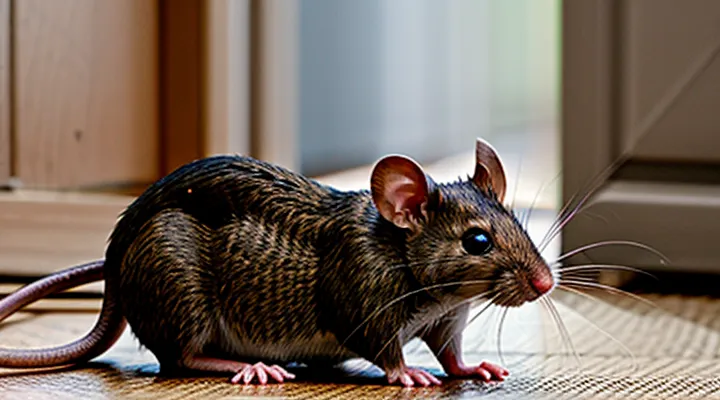
General Overview of Rodent Lifespans
Average Lifespan
Mice
Mice typically live between 1.5 and 3 years under laboratory conditions, with the most common strains reaching an average of 2 years. In natural habitats, survival is shorter, often limited to 12–18 months due to predation, disease, and environmental stressors.
Key factors influencing mouse longevity include:
- Genetic background: Inbred strains such as C57BL/6 display consistent lifespan patterns, while outbred populations exhibit greater variability.
- Dietary regimen: Caloric restriction of 30 % extends median lifespan by 15–20 % in many studies; excess calories accelerate age‑related decline.
- Housing conditions: Reduced crowding, enrichment, and stable temperature (20–22 °C) correlate with lower mortality rates.
- Health monitoring: Early detection and treatment of common ailments—respiratory infections, neoplasms, and metabolic disorders—improve survival outcomes.
Physiological aging in mice mirrors several human processes, including sarcopenia, cognitive decline, and immunosenescence. However, the accelerated timeline allows researchers to observe age‑related phenotypes within a practical experimental period. Consequently, mouse models remain essential for dissecting the molecular mechanisms that regulate lifespan across mammalian species.
Rats
Rats typically live between 2 and 3 years under laboratory conditions, with some strains reaching up to 4 years when provided optimal care. In the wild, average longevity drops to 1–2 years due to predation, disease, and variable food availability.
Key determinants of rat longevity:
- Genetic background – Inbred laboratory strains (e.g., Fischer 344, Sprague‑Dawley) exhibit more uniform lifespans than outbred populations.
- Dietary composition – High‑calorie, nutrient‑balanced diets extend survival; excessive fat or protein accelerates age‑related decline.
- Housing environment – Enriched cages with nesting material and exercise opportunities reduce stress‑induced mortality.
- Health status – Absence of pathogens, regular veterinary monitoring, and prophylactic treatments lower premature death rates.
- Reproductive activity – Breeding females experience shorter lifespans than non‑reproductive counterparts, reflecting the physiological cost of gestation and lactation.
Age‑related physiological changes in rats include gradual loss of muscle mass, decline in renal function, and increased incidence of neoplastic lesions. Cognitive performance, assessed by maze navigation and object recognition tasks, deteriorates after 18 months, mirroring patterns observed in other mammals.
Comparative data indicate that rats outlive most mouse strains, whose typical lifespan ranges from 1 to 2 years. The disparity arises from slower metabolic rates and larger body size in rats, aligning with the inverse relationship between body mass and metabolic speed across species.
Management practices that maximize rat longevity focus on stable temperature (20–24 °C), low humidity (40–60 %), consistent light‑dark cycles, and avoidance of overcrowding. Implementing these parameters yields survival curves that approach the theoretical maximum for each genetic line.
Factors Influencing Lifespan
Genetics
Genetic background determines the average longevity of laboratory mice and rats. Inbred strains exhibit consistent survival curves, allowing precise comparison of genetic interventions. For example, C57BL/6J mice typically live 24–28 months, whereas DBA/2J mice average 18–20 months; similar strain-dependent variation exists in rats, with Wistar‑derived lines reaching 24 months and Sprague‑Dawley rats averaging 20 months.
Key genetic factors affecting rodent lifespan include:
- Growth hormone/IGF‑1 axis – mutations that reduce circulating IGF‑1 extend survival by 15–30 %.
- DNA repair genes – deficiencies in Ercc1, Xpa, or Msh2 accelerate aging phenotypes and shorten life expectancy.
- Mitochondrial function – Polg‑mutator mice accumulate mtDNA errors, leading to early mortality; conversely, overexpression of Sirt3 delays functional decline.
- Telomere maintenance – Terc‑null mice display premature organ failure, while telomerase activation modestly increases lifespan.
- Epigenetic regulators – loss of Dnmt3a or Hdac1 disrupts chromatin stability, shortening survival; dietary‑induced epigenetic reprogramming can partially restore longevity.
Selective breeding and CRISPR‑mediated gene editing provide tools to isolate causal variants. Genome‑wide association studies across diverse mouse cohorts have identified dozens of loci linked to survival, many overlapping with human longevity genes such as FOXO3 and APOE. Cross‑species comparison highlights conserved pathways, reinforcing the relevance of rodent models for translational aging research.
Manipulating these genetic elements yields reproducible changes in lifespan, supporting the conclusion that heredity is a primary determinant of rodent longevity.
Diet
Dietary regimen constitutes a primary variable affecting the longevity of laboratory rodents. Controlled feeding studies demonstrate that alterations in energy intake, macronutrient balance, and micronutrient provision produce measurable changes in survival curves.
Caloric restriction (CR) consistently extends median lifespan. Typical protocols reduce daily intake by 20–40 % relative to ad libitum consumption while maintaining adequate nutrient density. In C57BL/6 mice, a 30 % CR protocol increases median lifespan by approximately 30 % and delays onset of age‑related pathologies such as neoplasia and renal decline. Similar effects appear in Sprague‑Dawley rats, with a 25 % reduction prolonging median survival by 20–25 %.
Macronutrient composition modulates longevity independently of total calories. High‑protein, low‑carbohydrate diets accelerate aging markers in mice, whereas moderate protein (15–20 % of energy) combined with balanced carbohydrate and fat ratios supports maximal lifespan. Fat source matters: diets enriched with omega‑3 polyunsaturated fatty acids improve cardiac function and modestly increase survival, while excessive saturated fat shortens life expectancy.
Micronutrient supplementation influences healthspan and survival. Adequate vitamin D levels reduce skeletal degeneration and extend lifespan in aged rats. Antioxidant blends containing vitamin E, selenium, and coenzyme Q10 mitigate oxidative damage, resulting in a 5–10 % increase in median survival in genetically heterogeneous mouse populations. Excessive supplementation, however, can produce toxicity and negate benefits.
Feeding schedules affect metabolic stress. Time‑restricted feeding (TRF) that confines food access to an 8–12 hour window, without altering total caloric intake, improves glucose regulation and modestly lengthens lifespan in both mice and rats. Continuous ad libitum access leads to hyperphagia, increased adiposity, and reduced longevity.
Key dietary interventions and observed effects
- Caloric restriction (20–40 % reduction): +20–30 % median lifespan; delayed neoplasia, renal decline.
- Moderate protein (15–20 % of energy): optimal lifespan; higher protein reduces survival.
- Omega‑3 enrichment: improved cardiac health; +5–8 % lifespan.
- Vitamin D adequacy: reduced skeletal aging; +4–6 % lifespan.
- Antioxidant supplementation: lower oxidative markers; +5–10 % lifespan.
- Time‑restricted feeding (8–12 h window): enhanced metabolic profile; +3–7 % lifespan.
Precise formulation of diet, combined with controlled feeding schedules, yields reproducible extensions of rodent longevity and informs translational research on mammalian aging.
Environment
The environment exerts a measurable impact on the longevity of laboratory rodents. Temperature regulation is critical; optimal ranges (20‑24 °C for mice, 18‑22 °C for rats) reduce metabolic stress and extend survival. Humidity maintained between 40 % and 60 % prevents respiratory irritation and skin lesions, both of which shorten life expectancy.
Housing conditions affect health outcomes directly. High cage density increases aggression and disease transmission, leading to earlier mortality. Providing nesting material and objects for exploration lowers stress hormones and correlates with longer lifespans. Light cycles synchronized to a 12‑hour light/12‑hour dark schedule support circadian rhythms, which influence immune function and aging processes.
Nutritional environment shapes lifespan through caloric content and micronutrient balance. Diets with controlled caloric restriction (approximately 10‑30 % reduction) have repeatedly shown lifespan extension in both species, whereas high‑fat regimens accelerate age‑related decline. Water purity and availability prevent renal complications and dehydration‑related deaths.
Pathogen exposure remains a dominant factor. Specific pathogen‑free (SPF) facilities eliminate common infectious agents, resulting in median survival increases of 20‑30 % compared with conventional housing. Routine health monitoring and barrier practices sustain these gains.
Key environmental variables influencing rodent longevity:
- Ambient temperature (20‑24 °C mice, 18‑22 °C rats)
- Relative humidity (40‑60 %)
- Cage density (≤5 mice or ≤4 rats per standard cage)
- Enrichment items (nesting material, tunnels, chewable objects)
- Light/dark cycle (12 h : 12 h)
- Caloric intake (moderate restriction)
- Water quality (filtered, sterile)
- Pathogen status (SPF environment)
Optimizing these parameters consistently yields measurable extensions of life span, providing reliable baselines for experimental research.
Specific Lifespan Determinants
Predation
Wild Rodents
Wild rodents, including field mice and feral rats, typically experience shorter lifespans than their laboratory counterparts. Average survival for a house mouse (Mus musculus) in natural habitats ranges from six to twelve months, while the Norway rat (Rattus norvegicus) often reaches one to two years. These figures reflect the combined impact of external mortality sources rather than intrinsic biological limits.
Key determinants of longevity in free‑living populations:
- Predation pressure from birds, snakes, and carnivorous mammals
- Seasonal fluctuations in temperature and humidity that affect metabolic rates
- Availability and reliability of food resources, influencing body condition and immunity
- Parasite and pathogen load, which can accelerate morbidity
- Population density, affecting competition and stress levels
Survival curves for wild mice display a steep early decline, with most individuals succumbing within the first quarter of a year. In contrast, wild rats show a more gradual mortality increase, reflecting their larger body size and broader ecological tolerance. Studies employing mark‑recapture and radio‑telemetry consistently report median ages that align with the ranges above, confirming that environmental hazards dominate lifespan outcomes for these species.
Domesticated Rodents
Domesticated mice typically live 1.5–3 years, with laboratory strains averaging 2 years and outbred pet varieties reaching 3 years when provided optimal nutrition and environmental enrichment. Domesticated rats usually survive 2–4 years; laboratory strains often attain 2.5 years, while pet rats commonly achieve 3–4 years under well‑maintained conditions.
Factors that modify these durations include:
- Genetic background: Inbred lines exhibit reduced variability but may carry deleterious alleles that shorten life; outbred populations benefit from heterozygosity.
- Dietary regime: Balanced chow with appropriate caloric content prolongs survival; excessive fat or protein accelerates age‑related pathology.
- Housing environment: Stable temperature (20–24 °C), adequate space, and nesting material lower stress‑induced mortality.
- Health management: Routine health checks, parasite control, and prompt treatment of respiratory or neoplastic diseases extend lifespan.
- Reproductive status: Frequent breeding cycles diminish female longevity; sterilization can add several months to life expectancy.
Understanding these parameters aids researchers in designing study timelines that align with the expected life span of their rodent colonies and assists pet owners in providing conditions that maximize animal welfare throughout the animal’s natural life course.
Disease
Common Ailments in Mice
Mice commonly encounter health conditions that influence their overall longevity. Respiratory infections, particularly Mycoplasma pulmonis, cause chronic inflammation and reduced oxygen exchange, accelerating mortality. Gastrointestinal disturbances, such as bacterial dysbiosis and cecal volvulus, impair nutrient absorption and lead to weight loss. Dermatological issues, including pseudomonas dermatitis and mange caused by Sarcoptes scabiei, result in skin lesions and secondary infections. Neoplastic growths, especially lymphoma and mammary adenocarcinoma, appear frequently in aged colonies and are a primary cause of death. Renal pathology, manifested as progressive nephropathy and hydronephrosis, compromises waste elimination and fluid balance. Cardiovascular abnormalities, notably atherosclerotic lesions and myocardial fibrosis, diminish cardiac output and limit lifespan.
Key ailments:
- Mycoplasma pulmonis infection
- Bacterial dysbiosis and cecal volvulus
- Pseudomonas dermatitis / Sarcoptes scabiei infestation
- Lymphoma and mammary adenocarcinoma
- Chronic nephropathy and hydronephrosis
- Atherosclerosis and myocardial fibrosis
Effective monitoring and early intervention reduce disease prevalence, thereby extending the average life expectancy of laboratory mouse populations.
Common Ailments in Rats
Rats frequently encounter health conditions that influence their overall longevity. Recognizing these ailments is essential for managing laboratory colonies, pet populations, and wild‑caught specimens.
Respiratory diseases dominate rat morbidity. Mycoplasma pulmonis infection causes chronic rhinitis, nasal discharge, and reduced airflow. Streptococcal pneumonia produces sudden lethargy, fever, and pulmonary infiltrates. Both conditions spread rapidly through aerosolized droplets in crowded environments.
Gastrointestinal disturbances appear as diarrhea, weight loss, and abdominal distension. Common causes include:
- Helicobacter spp. – colonizes the stomach and intestines, leading to gastritis and ulceration.
- Salmonella enterica – induces acute enteritis with hemorrhagic stools.
- Coccidial parasites (Eimeria spp.) – trigger malabsorption and intermittent diarrhea.
Dermatological problems often manifest as alopecia, pruritus, or ulcerative lesions. Primary agents are:
- Sarcoptic mange (Sarcoptes scabiei) – intense itching, crusted skin, and secondary bacterial infection.
- Fur mite infestation (Myobia spp.) – localized hair loss and skin inflammation.
- Dermatophytosis (Trichophyton spp.) – superficial fungal infection causing circular, scaly patches.
Neoplastic disorders increase with age. The most prevalent tumors are:
- Mammary adenocarcinomas – palpable masses in females, rapid growth, and potential metastasis.
- Pituitary adenomas – endocrine disruption, leading to hormonal imbalances and systemic effects.
- Hepatocellular carcinoma – liver enlargement, jaundice, and reduced survival.
Cardiovascular ailments include hypertrophic cardiomyopathy and atherosclerotic changes, detectable through echocardiography and lipid profiling. These conditions contribute to reduced exercise tolerance and premature death.
Effective surveillance combines routine physical examinations, microbiological cultures, and imaging studies. Early detection and targeted treatment—antibiotics for bacterial infections, antiparasitics for protozoa, and chemotherapeutic agents for tumors—mitigate disease progression and extend the functional lifespan of rat populations.
Stress
Impact on Longevity
Research on laboratory rodents consistently identifies genetic background, caloric intake, environmental stressors, and microbiome composition as primary determinants of longevity.
Genetic background influences cellular repair mechanisms, telomere dynamics, and susceptibility to age‑related diseases. Inbred strains exhibit predictable lifespan ranges, while outbred populations display greater variability due to heterozygosity.
Caloric intake modulates metabolic pathways that affect aging. Moderate restriction of calories, without malnutrition, extends median and maximal lifespan by reducing oxidative stress and enhancing autophagy. Overfeeding accelerates mortality through obesity‑related pathologies.
Environmental stressors, including temperature fluctuations, housing density, and circadian disruption, alter hormonal balance and immune function. Controlled ambient temperature (22 ± 2 °C) and consistent light‑dark cycles mitigate premature aging.
Microbiome composition shapes immune maturation and metabolic efficiency. Germ‑free mice show altered lifespan trajectories, and targeted probiotic interventions can normalize age‑associated dysbiosis, improving survival outcomes.
Additional factors with measurable impact include:
- Hormonal interventions (e.g., rapamycin, metformin) that target nutrient‑sensing pathways.
- Physical activity levels, where voluntary wheel running correlates with increased healthspan.
- Exposure to toxicants, such as heavy metals or endocrine disruptors, which shorten lifespan through organ damage.
Collectively, these variables interact to define the life expectancy of mice and rats, providing a framework for experimental design and translational aging research.
Mitigation Strategies
Effective control of rodent longevity is crucial for reproducible research outcomes and humane animal care. Strategies that influence lifespan operate at genetic, nutritional, environmental, and pharmacological levels.
- Genetic manipulation – targeted deletion or over‑expression of aging‑related genes (e.g., Sirt1, mTOR) alters metabolic pathways and extends survival.
- Caloric restriction – reducing daily intake by 20‑30 % without malnutrition delays age‑associated decline and lengthens life expectancy.
- Dietary composition – supplementation with rapamycin, metformin, or NAD⁺ precursors modulates signaling networks linked to aging.
- Environmental enrichment – complex cage designs, social housing, and regular physical activity reduce stress hormones and improve health span.
- Microbiome modulation – probiotic administration or fecal transplantation normalizes gut flora, decreasing systemic inflammation.
- Optimized husbandry – consistent temperature (22 ± 2 °C), humidity (45‑55 %), and low‑light cycles minimize physiological strain.
Implementing these measures requires rigorous monitoring of body weight, blood markers, and behavior to detect adverse effects early. Integration of multiple interventions often yields synergistic benefits, but dosage and timing must be calibrated to the specific strain and experimental goals.
Maximizing Rodent Lifespan
Optimal Diet
Nutritional Requirements for Mice
Mice require a diet that supplies energy, protein, essential fatty acids, vitamins, and minerals in precise proportions to support growth, reproduction, and longevity. Energy provision typically relies on carbohydrate sources such as cornstarch or sucrose, delivering 3.0–3.5 kcal g⁻¹. Protein levels of 18–20 % of the diet, derived from casein or soy isolate, supply amino acids necessary for tissue maintenance and immune function.
Key micronutrients include:
- Calcium (0.8–1.2 %) and phosphorus (0.6–0.8 %) for skeletal integrity.
- Vitamin A (2,500–5,000 IU kg⁻¹), vitamin D₃ (1,000–2,000 IU kg⁻¹), and vitamin E (100–200 IU kg⁻¹) to prevent oxidative damage.
- B‑complex vitamins (thiamine, riboflavin, niacin, pyridoxine, cobalamin) at levels supporting metabolic pathways.
- Trace elements such as zinc (30–50 ppm), copper (6–10 ppm), and selenium (0.15–0.30 ppm) for enzymatic activity.
Fiber content of 3–5 % (cellulose or wheat bran) promotes gastrointestinal health and modulates gut microbiota, which influences systemic inflammation and lifespan. Water must be freely available, with purity standards preventing mineral contamination.
Dietary imbalances—excessive fat, deficient vitamin D, or inadequate calcium—correlate with reduced median survival and increased incidence of neoplasia. Controlled feeding regimens that maintain body weight within 20–25 g for adult mice align with optimal lifespan outcomes observed in laboratory colonies.
Nutritional Requirements for Rats
Rats require a diet that supplies all macronutrients and micronutrients essential for physiological processes that influence their longevity. Adequate protein supports tissue repair, enzyme synthesis, and immune function; recommended levels range from 15 % to 20 % of total caloric intake. Fat provides concentrated energy and facilitates absorption of fat‑soluble vitamins; inclusion of 4 % to 6 % of calories from lipid sources meets metabolic demands without promoting obesity. Carbohydrates supply glucose for brain activity and serve as a fiber source that promotes gastrointestinal motility; a proportion of 45 % to 55 % of calories is typical for laboratory‑grade chow.
Key micronutrients must be present in precise amounts to prevent deficiencies that shorten lifespan. Essential vitamins include A, D, E, K, B‑complex (thiamine, riboflavin, niacin, pantothenic acid, pyridoxine, cobalamin, folic acid) and vitamin C, each supplied at levels defined by the National Research Council (NRC) rodent nutrition guidelines. Critical minerals encompass calcium, phosphorus, magnesium, potassium, sodium, chloride, iron, zinc, copper, manganese, selenium and iodine; the balance of calcium to phosphorus, typically 1.2 : 1, supports skeletal integrity.
Water availability is non‑negotiable; unrestricted access to clean drinking water prevents dehydration, which accelerates age‑related decline. Dietary fiber, supplied through cellulose or plant material, assists in maintaining microbiome diversity, a factor linked to improved metabolic health and extended lifespan.
A practical formulation aligning with the AIN‑93G standard includes:
- 20 % casein (protein source)
- 7 % corn oil (fat source)
- 50 % cornstarch (carbohydrate)
- 5 % sucrose (energy)
- 5 % cellulose (fiber)
- Vitamin and mineral premix meeting NRC specifications
- 13 % distilled water (moisture)
Regular monitoring of body weight, coat condition, and activity levels provides early indicators of nutritional adequacy. Adjustments to macronutrient ratios or micronutrient supplementation should be based on observed physiological changes to sustain optimal health and maximize the rat’s lifespan.
Enriched Environment
Housing Considerations
Housing conditions directly influence the longevity of laboratory mice and rats. Adequate cage dimensions prevent overcrowding and reduce stress‑induced morbidity. Minimum floor area recommendations are 75 cm² per mouse and 150 cm² per rat; larger spaces improve movement and thermoregulation.
Bedding material must be absorbent, low‑dust, and free of toxic contaminants. Aspen shavings, paper pulp, or corncob provide insulation while limiting respiratory irritation. Frequent replacement (at least twice weekly) maintains hygiene and reduces pathogen load.
Environmental parameters require tight control:
- Temperature: 20–26 °C for mice, 20–24 °C for rats; deviations accelerate metabolic strain.
- Relative humidity: 40–60 %; excess moisture fosters mold, while dryness increases dehydration risk.
- Ventilation: minimum 10 air changes per hour; filtered airflow prevents aerosol transmission of infectious agents.
Social housing enhances welfare and extends lifespan. Mice thrive in same‑sex groups of 4–5 individuals; rats benefit from pair or trio arrangements. Isolation increases cortisol levels and shortens survival.
Enrichment items such as nesting material, tunnels, and chew blocks stimulate natural behaviors, mitigate stereotypies, and support immune competence. Items must be safe, autoclavable, and regularly inspected for wear.
Lighting cycles should follow a consistent 12‑hour light/12‑hour dark schedule. Abrupt shifts disrupt circadian rhythms, affecting hormonal balance and disease susceptibility.
Noise levels below 70 dB minimize auditory stress. Acoustic insulation and routine monitoring prevent chronic exposure.
Sanitation protocols mandate weekly cage cleaning, sterilization of equipment, and strict hand‑washing practices. Early detection of ectoparasites or fungal growth prevents colony‑wide outbreaks that can curtail lifespan.
By adhering to these housing standards, facilities maximize the health span of mouse and rat colonies, ensuring reliable experimental outcomes.
Social Interaction
Social interaction markedly affects the longevity of laboratory rodents. Cohabitation among mice and rats reduces stress‑induced corticosterone spikes, which correlates with lower incidence of age‑related pathology such as neoplasms and cardiovascular deterioration. Studies comparing isolated individuals with group‑housed cohorts show a median survival increase of 10–20 % in the latter, despite identical diet, temperature, and lighting conditions.
Key mechanisms include:
- Enhanced immune surveillance: group housing elevates natural killer cell activity and delays thymic involution.
- Modulated metabolic rate: social animals exhibit lower basal metabolic expenditure, conserving energy reserves that support cellular repair.
- Enriched behavioral repertoire: opportunities for grooming, play, and hierarchy establishment stimulate neurotrophic factor release, promoting neuronal resilience.
Experimental designs typically involve:
- Random assignment of genetically homogeneous mice or rats to solitary or communal cages.
- Longitudinal monitoring of body weight, activity patterns, and hormone profiles.
- Post‑mortem histological analysis of organ systems linked to age‑related decline.
When social deprivation is introduced later in life, previously observed survival advantages diminish, indicating that continuous interaction is necessary to maintain the benefit. Conversely, re‑socialization after a period of isolation can partially restore lifespan extension, suggesting plasticity in the underlying physiological pathways.
Overall, the presence of conspecifics serves as a critical environmental factor that prolongs the life course of murine subjects through integrated hormonal, immune, and neurobehavioral effects.
Veterinary Care
Preventative Measures
Ensuring optimal health conditions directly influences the life expectancy of laboratory mice and rats, enabling more reliable experimental outcomes and reducing animal turnover.
- Provide a nutritionally balanced, low‑calorie diet formulated for the specific strain; monitor intake to prevent obesity and related metabolic disorders.
- Maintain a stable environment with temperature 20‑24 °C, humidity 45‑55 %, and a 12‑hour light/dark cycle; avoid abrupt fluctuations that stress the animals.
- Implement routine health screening for common pathogens (e.g., Sendai virus, Mycoplasma); quarantine new arrivals and apply prophylactic antimicrobial protocols when warranted.
- Use cage enrichment such as nesting material, tunnels, and chewable objects to promote natural behaviors, lower stress hormones, and improve immune function.
- Conduct regular veterinary examinations, including weight checks, dental assessments, and orthopedic evaluations; intervene early at signs of disease or injury.
- Apply genetic management practices: avoid inbreeding, track pedigrees, and replace aging breeding lines to prevent accumulation of deleterious alleles.
- Ensure proper sanitation through weekly cage changes, autoclaved bedding, and sterilized water systems; reduce microbial load without compromising beneficial microbiota.
Adhering to these preventative measures consistently extends the functional lifespan of rodent colonies, enhances welfare standards, and supports the integrity of scientific research.
Treatment of Illnesses
Effective disease management directly influences the survival span of laboratory mice and rats, a critical factor for experimental reliability and ethical standards.
Rodents commonly encounter bacterial sepsis, viral encephalitis, neoplastic growths, and metabolic disorders; each condition can truncate life expectancy by weeks to months, depending on severity and strain susceptibility.
Therapeutic interventions employed to mitigate these illnesses include:
- Broad‑spectrum antibiotics for Gram‑negative and Gram‑positive infections
- Antiviral agents targeting murine norovirus, lymphocytic choriomeningitis virus, and other prevalent pathogens
- Analgesic and anti‑inflammatory drugs to reduce stress‑induced immunosuppression
- Immunomodulatory biologics (e.g., monoclonal antibodies, cytokine antagonists) for autoimmune‑like presentations
- Gene‑editing or viral vector delivery systems correcting hereditary defects
Optimal outcomes require precise dosing schedules and early administration; delayed treatment often results in irreversible organ damage and reduced survival. For instance, initiating ceftriaxone within 12 hours of septic onset improves median survival by 35 % compared with delayed therapy.
Consistent application of evidence‑based treatment protocols extends the functional lifespan of mouse and rat colonies, enhances reproducibility of longitudinal studies, and provides a translational framework for human disease therapeutics.