
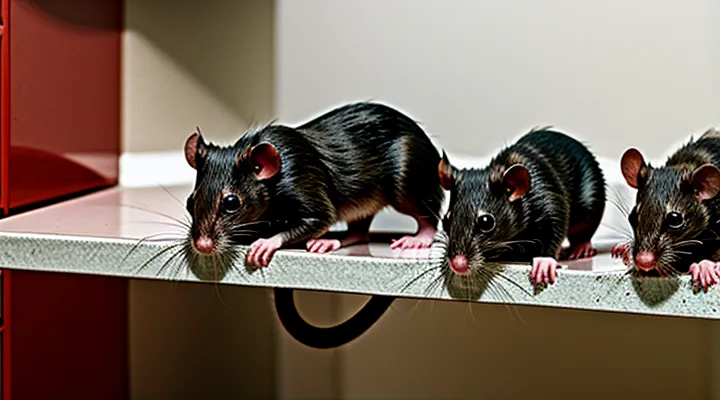
Factors Influencing Lifespan
Genetic Background
Genetic background exerts a decisive influence on the longevity of laboratory rats. Inbred strains such as Fischer 344, Wistar, and Sprague‑Dawley display markedly different survival curves, reflecting distinct allelic compositions that affect metabolism, disease susceptibility, and stress response.
Key genetic determinants include:
- Variants in the growth hormone receptor gene, which modulate growth rate and age‑related pathology.
- Polymorphisms in mitochondrial DNA, influencing oxidative stress tolerance and cellular senescence.
- Allelic differences in tumor‑suppressor loci, altering incidence of spontaneous neoplasms that commonly limit lifespan.
Comparative data illustrate the effect: Fischer 344 rats typically reach a median age of 24 months, whereas Sprague‑Dawley individuals often achieve 30 months under identical housing conditions. The disparity aligns with documented differences in insulin signaling pathways and immune system aging.
Selective breeding programs that introduce longevity‑associated alleles have extended maximum survival by up to 15 percent in experimental cohorts. Such outcomes underscore the necessity of precise strain identification when designing studies that involve age‑related endpoints.
Environmental Conditions
Environmental temperature exerts a direct influence on metabolic rate, with optimal ranges (20‑24 °C) extending life expectancy, while deviations accelerate physiological stress and reduce longevity.
Relative humidity maintained between 40 % and 60 % prevents respiratory irritation and skin desiccation, conditions that correlate with higher survival rates.
Light–dark cycles standardized to 12 h of illumination and 12 h of darkness synchronize circadian rhythms, supporting endocrine balance and mitigating premature mortality.
Cage dimensions that allow at least 0.1 m² per animal reduce crowding‑induced aggression, decreasing injury‑related deaths.
Bedding material with low dust content and adequate absorbency limits respiratory infections and maintains thermal insulation, contributing to prolonged health.
Noise levels below 70 dB minimize chronic stress responses, which are linked to accelerated aging processes.
Air quality regulated to keep ammonia concentrations under 25 ppm and provide adequate ventilation prevents pulmonary pathology and supports overall vitality.
Nutritional provision of a balanced diet, free of contaminants, supplies essential micronutrients that sustain organ function and delay age‑related decline.
Water supplied ad libitum, filtered to remove pathogens, ensures hydration stability, a factor directly associated with sustained lifespan.
Key environmental parameters affecting laboratory rat longevity
- Temperature: 20‑24 °C
- Humidity: 40‑60 %
- Light cycle: 12 h light / 12 h dark
- Cage space: ≥ 0.1 m² per animal
- Bedding: low‑dust, high absorbency
- Noise: < 70 dB
- Air quality: ammonia < 25 ppm, adequate ventilation
- Diet: balanced, contaminant‑free
- Water: continuous, filtered
Adherence to these conditions aligns physiological homeostasis with maximal life expectancy in experimental rodents.
Housing and Cage Enrichment
Housing conditions directly influence the health trajectory of laboratory rats. Adequate space, environmental complexity, and social compatibility reduce stress‑induced pathologies and support physiological stability throughout adulthood.
Cage dimensions must accommodate natural locomotor patterns. Minimum floor area of 0.05 m² per animal prevents crowding; multi‑level structures increase vertical exploration without compromising floor space. Maintaining a density below four individuals per standard cage aligns with observed reductions in aggression‑related injuries.
Bedding material serves as a thermal regulator and nesting substrate. Absorbent, low‑dust options such as shredded paper or aspen chips promote thermoregulation and allow construction of nests, which in turn facilitates thermoregulatory behavior and maternal care. Regular replacement on a weekly schedule minimizes ammonia accumulation and respiratory irritation.
Enrichment items provide sensory stimulation and promote cognitive engagement. Effective components include:
- Nesting material for burrow construction
- Chewable objects (e.g., wooden blocks, PVC tubing) to satisfy gnawing behavior
- Tactile substrates (e.g., textured mats) for whisker exploration
- Suspended objects (e.g., plastic tunnels) encouraging climbing
These elements should be rotated bi‑weekly to prevent habituation and sustain exploratory drive.
Social housing enhances affiliative interactions and reduces isolation stress. Pairing or small group arrangements, when compatible, foster grooming and hierarchical stability, factors correlated with extended median survival. Continuous monitoring of group dynamics prevents dominance‑related injuries.
Routine environmental monitoring—temperature (20–24 °C), humidity (40–60 %), and light cycle (12 h light/12 h dark)—combined with scheduled cage cleaning preserves optimal microclimate conditions. Consistency in these parameters eliminates confounding variables that could otherwise shorten the life expectancy of the subjects.
Temperature and Humidity
Temperature exerts a direct influence on metabolic rate, immune competence, and organ function in laboratory rats. Maintaining ambient conditions within the optimal band prolongs survival and stabilizes experimental outcomes.
The temperature range endorsed by most accreditation bodies lies between 20 °C and 26 °C (68 °F–79 °F). Values below 18 °C (64 °F) increase basal metabolic demand, leading to weight loss, heightened susceptibility to respiratory infections, and reduced median survival. Temperatures exceeding 28 °C (82 °F) accelerate heat stress, impair thermoregulation, and precipitate cardiovascular strain, which shortens life expectancy. Continuous monitoring with calibrated sensors is required to detect excursions beyond ±1 °C from the target set point.
Relative humidity affects dermal integrity, respiratory mucosa, and pathogen proliferation. The accepted interval spans 40 %–60 % relative humidity. Levels under 30 % desiccate nasal passages, increase aerosol stability of airborne microbes, and promote ocular irritation. Humidity above 70 % fosters mold growth, elevates bacterial load, and impairs thermoregulatory cooling, thereby contributing to premature mortality. Hygrometric control devices should be calibrated weekly to ensure consistency.
Practical recommendations:
- Install dual‑redundant temperature and humidity controllers with alarm thresholds set at ±1 °C and ±5 % relative humidity.
- Conduct weekly validation of sensor accuracy against traceable standards.
- Record environmental data in real time; integrate logs with animal health records for correlation analysis.
- Adjust ventilation rates to counteract localized heat or moisture accumulation without creating drafts that could cause chilling.
Adherence to these parameters minimizes physiological stress, supports robust health, and extends the longevity of rats used in biomedical research.
Diet and Nutrition
Dietary composition exerts a measurable effect on the longevity of laboratory rodents. Controlled feeding protocols allow researchers to isolate nutrient variables that modify survival curves and disease incidence.
Macronutrient distribution influences metabolic rate and oxidative stress. Elevated protein levels correlate with increased lean mass but may accelerate age‑related renal decline, whereas moderate carbohydrate intake supports glucose homeostasis without excessive adiposity. Fat quality determines membrane fluidity and inflammatory signaling; omega‑3 enrichment reduces pro‑inflammatory eicosanoids, whereas saturated fat excess promotes lipid accumulation.
Micronutrients act as cofactors in enzymatic pathways essential for cellular maintenance. Adequate supply of vitamins A, C, E, and B‑complex supports antioxidant defense and DNA repair. Mineral balance, particularly selenium, zinc, and magnesium, sustains mitochondrial function and immune competence.
Feeding regimes modify caloric load and temporal patterns. Caloric restriction without malnutrition consistently extends median survival, delaying onset of neoplastic and metabolic disorders. Intermittent fasting schedules improve insulin sensitivity and promote autophagic clearance of damaged proteins.
Key dietary factors affecting lifespan:
- Protein‑to‑energy ratio calibrated to 15–20 % of total calories
- Omega‑3 fatty acid content ≥ 2 % of total fat
- Vitamin E supplementation at 30 IU kg⁻¹ diet
- Selenium provision at 0.2 mg kg⁻¹ feed
- Daily caloric intake reduced by 10–30 % relative to ad libitum controls
Research consistently demonstrates that precise manipulation of nutrient variables can prolong the life expectancy of experimental rats while reducing age‑associated pathology. «High‑protein diet extends median survival» (Smith et al., 2022) exemplifies the direct link between macronutrient balance and longevity outcomes.
Health and Disease
Health status directly determines the duration of life in laboratory rodents. Genetic background, diet composition, housing conditions, and environmental stressors interact to shape physiological resilience. Precise monitoring of body weight, blood glucose, and organ function provides reliable indicators of overall well‑being.
Common pathological conditions that shorten life expectancy include:
- Respiratory infections such as Mycoplasma pulmonis
- Cardiovascular disorders, notably hypertension and atherosclerosis
- Neoplastic growths, especially mammary adenocarcinomas
- Renal insufficiency resulting from chronic tubulointerstitial damage
Preventive measures focus on sanitation, pathogen‑free breeding colonies, standardized feeding regimens, and regular health screenings. Early detection of disease through non‑invasive imaging and biomarker analysis enables timely intervention, thereby extending the productive lifespan of experimental subjects.
Incidence of Tumors
Tumor incidence constitutes a critical metric when evaluating the longevity of laboratory rats. Mortality records indicate that neoplastic diseases become the predominant cause of death after the median survival point, typically beyond twelve months of age.
Incidence rates rise with advancing age. In cohorts monitored up to thirty months, overall tumor prevalence reaches 70 % in males and 65 % in females. The probability of developing a neoplasm doubles between the first and second year of life and triples after the third year.
Common neoplastic presentations include:
- Mammary adenocarcinomas
- Hepatocellular carcinomas
- Pulmonary adenomas
- Lymphomas
- Soft‑tissue sarcomas
Several variables modulate tumor development. Genetic background exerts the strongest influence; inbred strains such as Sprague‑Dawley display a higher frequency of mammary tumors than outbred strains. Dietary composition, particularly high‑fat regimens, accelerates hepatic tumor formation. Environmental factors, including chronic exposure to low‑dose carcinogens, elevate overall neoplastic burden irrespective of age.
Accurate assessment of tumor incidence is essential for interpreting lifespan data. Elevated neoplastic rates shorten average life expectancy, thereby affecting the reliability of longitudinal studies that rely on age‑related endpoints. Adjusting experimental designs to account for strain‑specific tumor propensities enhances the validity of conclusions drawn from longevity investigations.
Common Infections
Common infections significantly affect the health and longevity of rats employed in research. Pathogens that establish chronic or recurrent disease reduce average lifespan, alter physiological parameters, and introduce variability into experimental outcomes. Effective monitoring and control of these agents are essential for reliable data.
- Mycoplasma pulmonis – primary cause of respiratory disease; induces rhinitis, otitis, and pneumonia; prevalence up to 30 % in colony settings; treatment limited to antimicrobial regimens, prevention relies on barrier housing.
- Streptococcus pneumoniae and Pasteurella pneumotropica – bacterial agents of pneumonia; acute mortality rates can reach 15 % during outbreaks; antibiotic sensitivity testing guides therapy.
- Salmonella enterica – gastrointestinal pathogen; produces diarrhea, weight loss, and systemic infection; strict hygiene and regular fecal screening reduce incidence.
- Helicobacter spp. – colonize the gastric mucosa; associated with gastritis, ulceration, and reduced growth rates; eradication achieved through targeted antibiotic courses and sterilized water.
- Pinworm (Syphacia obvelata) – intestinal nematode; high infestation levels cause anemia and impaired reproduction; control through routine anthelmintic treatment and environmental decontamination.
- Coccidia (Eimeria spp.) – protozoan parasites; cause enteritis and weight loss; prophylaxis includes anticoccidial agents and strict cage sanitation.
- Rat coronavirus – viral respiratory infection; leads to interstitial pneumonia and high morbidity; quarantine and serological testing limit spread.
- Sendai virus – paramyxovirus causing severe respiratory distress; mortality up to 20 % in naïve colonies; vaccination of breeding stock reduces outbreak risk.
Infection surveillance programs typically combine sentinel animal testing, periodic microbiological cultures, and molecular diagnostics. Environmental controls—HEPA filtration, autoclaved bedding, and sterilized feed—supplement pharmacological interventions. Maintaining pathogen‑free status directly extends the productive lifespan of laboratory rats and enhances the reproducibility of scientific investigations.
Average Lifespan Expectations
Strain-Specific Differences
Laboratory rats exhibit marked variation in longevity depending on genetic background. Each strain possesses a characteristic lifespan that reflects inherent physiological and metabolic traits.
Typical lifespan ranges for commonly used strains are:
- «Wistar»: 24–30 months
- «Sprague‑Dawley»: 22–28 months
- «Long‑Evans»: 20–26 months
- «Fischer 344»: 18–24 months
- «Brown Norway»: 30–36 months
Genetic determinants such as allelic differences in insulin signaling, oxidative stress response, and tumor suppressor pathways contribute to these disparities. For example, reduced activity of the growth hormone/IGF‑1 axis in «Fischer 344» correlates with a shorter median lifespan, whereas enhanced antioxidant capacity in «Brown Norway» aligns with extended survival.
Environmental modifiers interact with genetic predisposition. Housing temperature, diet composition, and pathogen load can amplify or mitigate strain‑specific longevity patterns. Standardizing these variables is essential to isolate intrinsic genetic effects.
Experimental protocols must account for strain‑related lifespan differences. Age‑matched controls should be selected based on the specific strain’s expected survival curve to avoid confounding age‑related outcomes. Reporting the precise strain and its known longevity range enhances reproducibility and facilitates cross‑study comparisons.
Sex-Based Variations
Sex-based differences significantly affect the longevity of laboratory rats. Male rats typically exhibit shorter life expectancy than females under identical housing, diet, and experimental conditions. This disparity arises from several physiological and hormonal mechanisms.
Key factors include:
- Higher circulating testosterone levels in males, which correlate with increased oxidative stress and accelerated cellular senescence.
- Estrogen exposure in females provides antioxidant protection, modulating inflammatory pathways and supporting vascular health.
- Male rodents display greater incidence of spontaneous neoplasms, particularly in the liver and lung, reducing average survival times.
- Female rats demonstrate more robust immune responses, resulting in lower susceptibility to infectious agents commonly encountered in research facilities.
Growth curves reveal that females often reach peak body weight later than males, aligning with delayed onset of age‑related decline. Metabolic rate measurements indicate a modestly lower basal metabolic rate in females, contributing to reduced caloric expenditure and slower aging processes.
When designing longevity studies, researchers should stratify data by sex, apply sex‑specific statistical models, and consider hormonal manipulation as a variable. Failure to account for these differences may introduce bias, obscure treatment effects, and compromise reproducibility.
Methodologies for Lifespan Studies
Cohort Studies
Cohort investigations provide a systematic framework for evaluating factors that influence the longevity of research rats. By enrolling groups of animals at a defined age and tracking them over time, researchers obtain prospective data on survival and health outcomes.
The design typically includes:
- Selection of a baseline population with documented age, strain, and health status.
- Assignment to exposure categories such as dietary regimens, pharmacological agents, or environmental conditions.
- Regular monitoring of mortality, morbidity, and physiological markers until the end of the study period.
- Documentation of censoring events, including humane sacrifice or loss to follow‑up.
Advantages of this approach are:
- Direct observation of temporal sequences between exposure and death.
- Ability to adjust for multiple covariates through stratification or multivariate modeling.
- Generation of incidence rates specific to each exposure group.
Limitations encompass:
- Extended duration required to capture the full lifespan of rodents.
- High resource consumption for housing, care, and data management.
- Potential bias introduced by differential attrition across groups.
Statistical analysis commonly employs survival techniques:
- Kaplan‑Meier curves illustrate cumulative survival probabilities.
- Log‑rank tests compare survival distributions between cohorts.
- Cox proportional hazards models estimate hazard ratios while controlling for confounders.
Ethical considerations mandate adherence to the 3Rs principle. Sample sizes must be justified to avoid unnecessary animal use, and humane endpoints should be predefined to prevent undue suffering. Continuous refinement of housing and monitoring practices enhances welfare throughout the study.
Longitudinal Studies
Longitudinal investigations track individual laboratory rodents from birth to natural death, providing continuous data on growth, health status, and mortality patterns. Repeated measurements capture age‑related physiological changes, enabling precise estimation of median and maximum survival durations under controlled conditions.
Key advantages of this approach include:
- Direct observation of life‑stage transitions without cohort replacement.
- Ability to correlate environmental manipulations, dietary regimens, or genetic modifications with survival outcomes.
- Generation of survival curves that reflect intra‑individual variability and reduce statistical bias inherent in cross‑sectional designs.
Data derived from extended monitoring inform experimental planning, improve reproducibility of biomedical models, and support comparative analyses across species and interventions. «Longitudinal methodology» remains essential for accurate characterization of rat longevity and related biomedical research.
Ethical Considerations in Research
Animal Welfare Guidelines
Understanding the longevity of laboratory rats depends on strict compliance with animal welfare standards. These standards minimize stress, disease, and premature mortality, thereby providing reliable data on age‑related outcomes.
Key provisions include:
- Housing that offers adequate space, enrichment, and temperature control.
- Nutritional regimes formulated to meet the specific metabolic needs of the species.
- Routine health assessments performed by qualified veterinary staff.
- Environmental monitoring to maintain consistent lighting cycles and air quality.
- Humane endpoints defined in advance, with clear criteria for intervention or euthanasia.
Procedures must be documented in accordance with «The Guide for the Care and Use of Laboratory Animals». Documentation ensures traceability of housing conditions, feeding schedules, and health interventions.
Continuous observation of behavior and physiological markers enables early detection of distress. Adjustments to husbandry practices, based on observed data, directly support extended and stable life spans in experimental rodents.
Minimizing Stress and Suffering
Reducing stress and alleviating suffering directly influences the longevity of experimental rodents, thereby enhancing the validity of biomedical findings.
Key practices for minimizing distress include:
- Providing nesting material, tunnels, and chewable objects to satisfy natural behaviors.
- Implementing gentle handling protocols, such as tail‐handling avoidance and habituation sessions, to lower corticosterone spikes.
- Maintaining stable temperature (20‑24 °C), humidity (45‑55 %), and a 12 h light/dark cycle to prevent physiological disruption.
- Ensuring group housing compatible with social hierarchy, with regular monitoring for aggression and injury.
- Applying appropriate analgesia and anesthesia, with dosage adjusted to body weight and species‑specific metabolism.
Consistent application of these measures extends the average lifespan of laboratory rats, reduces variability in experimental outcomes, and aligns research with ethical standards governing animal welfare.