
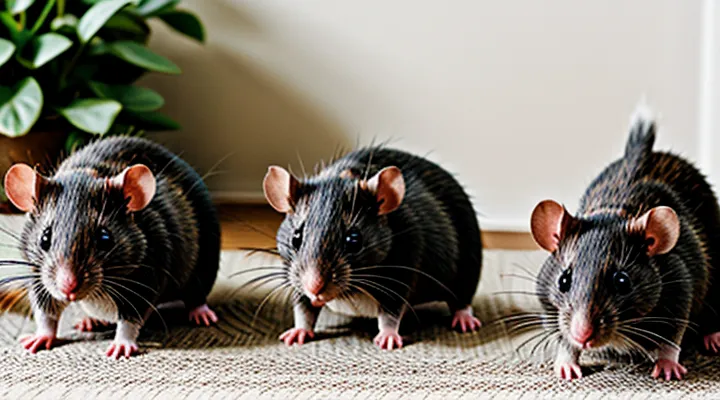
Understanding the Lifespan of Pet Rats
Average Lifespan
Factors Influencing Longevity
The longevity of ornamental pet rats maintained in domestic environments depends on multiple interrelated elements.
- Genetic quality and breed selection
- Nutritional balance and diet consistency
- Environmental temperature and humidity control
- Exposure to pathogens and parasite management
- Physical activity opportunities and enrichment
- Veterinary preventive care and routine health assessments
- Stress reduction through stable social structures and handling practices
High‑quality genetics provide a baseline for potential lifespan, while a diet rich in protein, fiber, and essential vitamins supports organ function and immune competence. Stable ambient conditions prevent thermoregulatory strain and respiratory irritation. Regular veterinary examinations enable early detection of disease, and prophylactic treatments reduce infection risk. Adequate space, climbing structures, and chew toys encourage natural behaviors, mitigating stress‑related hormonal effects. Consistent social grouping minimizes aggression and fosters emotional stability, further contributing to extended life expectancy.
Common Misconceptions
Decorative rats kept as companions often attract erroneous beliefs about how long they live. These myths can lead to inappropriate care decisions and premature loss of the animal.
- « Rats mature quickly and die within six months »
- « Small cages extend their lifespan »
- « Feeding only commercial pellets guarantees longevity »
- « Rats do not require veterinary attention unless visibly ill »
- « Their life expectancy matches that of wild counterparts »
The first belief ignores that most domestic varieties reach adulthood within two months and typically survive two to three years with proper nutrition and environment. The second misconception overlooks that cramped spaces increase stress, shorten life, and compromise health. The third statement fails to recognize that a balanced diet includes fresh vegetables, fruits, and occasional protein sources alongside pellets. The fourth claim disregards routine health checks that detect early signs of disease, dental overgrowth, and respiratory issues. The final myth misrepresents wild rats’ average lifespan of under a year, whereas well‑cared ornamental individuals regularly exceed two years.
Correct understanding of these points enables owners to provide housing, diet, and medical oversight that support optimal longevity for pet rats.
Key Factors for Extending Rat Lifespan
Nutrition and Diet
Balanced Diet Components
A well‑balanced diet directly influences the longevity of pet rats kept as decorative companions. Adequate nutrition supports immune function, organ health, and overall vitality, thereby extending the period these animals remain active and visually appealing in a household environment.
Key dietary components include:
- High‑quality animal‑based protein (e.g., cooked chicken, boiled eggs) to supply essential amino acids.
- Healthy fats (e.g., flaxseed oil, small amounts of unsalted nuts) for energy and skin health.
- Complex carbohydrates (e.g., whole‑grain cereals, cooked sweet potatoes) for sustained glucose release.
- Vitamins A, D, E, K and B‑complex in appropriate concentrations, obtainable from fortified mixes or fresh vegetables.
- Minerals such as calcium, phosphorus, magnesium, and trace elements, delivered through mineral blocks or calibrated supplements.
- Clean, fresh water available at all times.
Recommended proportions, expressed as a percentage of total daily intake, are approximately 20 % protein, 15 % fat, 45 % carbohydrates, and 20 % vitamins and minerals combined. Commercial rodent pellets formulated for ornamental rats typically meet these ratios; supplementation with fresh produce should not exceed 10 % of the diet to prevent excess moisture and spoilage.
Feeding schedules should consist of two to three measured meals per day, with portions adjusted based on the animal’s weight, activity level, and age. Regular monitoring of body condition and fecal consistency enables early detection of nutritional imbalances, allowing prompt dietary adjustments to maintain optimal health and prolong the decorative rat’s lifespan.
Harmful Foods to Avoid
Diet quality directly impacts the longevity of decorative rats kept as household companions. Nutrient deficiencies or toxic exposures shorten life expectancy and increase susceptibility to disease.
- «Chocolate» – contains theobromine, which rats cannot metabolize; leads to cardiac arrhythmia and seizures.
- «Caffeine» – stimulates the central nervous system, causing hyperactivity, tremors, and potential fatal overdose.
- «Alcohol» – depresses respiratory function and impairs liver metabolism, resulting in rapid health decline.
- «Raw beans (especially kidney beans)» – contain lectins that damage intestinal lining and provoke severe vomiting.
- «Citrus peels» – high acidity irritates digestive tract and may cause ulceration.
- «Processed meats with nitrites» – introduce carcinogenic compounds that accelerate organ degeneration.
- «High‑salt snacks» – elevate blood pressure, strain kidneys, and predispose to cardiovascular failure.
These items introduce toxins, metabolic stressors, or nutritional imbalances that compromise organ function. Eliminating them from the rat’s diet supports optimal health and extends the animal’s lifespan.
Supplements and Their Role
Dietary supplements can modify health parameters that influence the longevity of ornamental rats kept in domestic environments.
Key supplement categories include:
- Vitamin C and vitamin E, which support antioxidant defenses.
- Calcium and magnesium, essential for skeletal integrity and neuromuscular function.
- Probiotic blends, promoting gut microbiota balance and nutrient absorption.
- Omega‑3 fatty acids, contributing to cardiovascular health and inflammatory regulation.
- Joint‑support compounds such as glucosamine, aiding mobility in mature individuals.
Dosage must align with body weight, typically calculated on a milligram‑per‑kilogram basis. Veterinary‑approved formulations guarantee purity and bioavailability; unregulated products risk contamination and adverse reactions. Interactions may arise when multiple supplements are combined; staggered administration mitigates competitive absorption.
Consistent supplementation, when integrated with a balanced diet, correlates with extended median lifespan and reduced incidence of age‑related disorders in pet rats. Monitoring weight, coat condition, and activity levels provides feedback on supplement efficacy and guides adjustments.
Environmental Enrichment
Cage Size and Setup
A properly sized enclosure directly influences the health and longevity of ornamental rats kept in a domestic environment. Insufficient floor area restricts movement, reduces opportunities for natural behaviors, and accelerates the onset of musculoskeletal problems.
Recommended minimum dimensions for a single adult rat are:
- Floor space: at least 0.5 m² (approximately 5 ft²).
- Height: minimum 30 cm (12 in) to allow vertical exploration.
- For multiple rats, add 0.2 m² (2 ft²) per additional individual, maintaining the same height.
Materials should be sturdy, non‑toxic, and easy to disinfect. Metal frames with powder‑coated steel bars prevent rust and avoid sharp edges. Transparent acrylic panels permit visual monitoring without disturbing the animals. All components must be free of lead‑based paints or sealants.
Inside the enclosure, provide a layered setup that supports natural activities:
- A solid, absorbent base of paper‑based bedding, changed weekly.
- One or two climbing platforms made of untreated wood or natural rope, securely anchored to the cage walls.
- Hideaways such as PVC tunnels or ceramic houses, positioned away from direct drafts.
- Separate feeding and watering stations, placed on the cage floor to prevent spillage onto bedding.
Regular maintenance preserves air quality and reduces pathogen load. Clean the cage at least once a week, replacing bedding and sanitizing bars with a dilute chlorine solution (1 % concentration). Inspect all structural elements monthly for signs of wear or corrosion, replacing compromised parts immediately.
Adhering to these specifications creates an environment that promotes physical activity, mental stimulation, and overall well‑being, thereby extending the productive lifespan of decorative rats in home care.
Toys and Stimulation
Toys and mental stimulation are essential components of a well‑structured environment for ornamental rats kept as pets. Proper enrichment supports musculoskeletal health, reduces stress‑induced disorders, and encourages natural foraging behaviors, all of which contribute to extended vitality.
Effective enrichment includes:
- Chewable objects made of untreated wood, mineral blocks, or safe plastics to promote dental wear and jaw strength.
- Puzzle feeders that require manipulation to release food, fostering problem‑solving skills and preventing obesity.
- Tunnels and climbing structures that replicate burrowing habitats, enhancing agility and cardiovascular activity.
- Interactive toys such as balls with textured surfaces that respond to tactile engagement, stimulating sensory perception.
Routine rotation of items prevents habituation, maintains curiosity, and ensures continuous cognitive challenge. Monitoring interaction patterns allows caregivers to adjust the selection and frequency of toys, optimizing the overall health trajectory of decorative rats in domestic settings.
Social Interaction
Social interaction significantly influences the longevity of ornamental rats kept in domestic environments. Rats are inherently group‑living mammals; they establish hierarchies, exchange grooming, and communicate through ultrasonic vocalizations. Regular contact with conspecifics satisfies these innate behaviors, supporting physiological balance.
Isolation triggers chronic stress, manifested by elevated corticosterone levels, weakened immune response, and increased susceptibility to disease. Studies demonstrate that solitary rats exhibit reduced weight gain and shorter survival periods compared to individuals housed in compatible groups.
Effective management of social needs includes:
- Maintaining groups of two or more rats with compatible temperaments.
- Providing ample space to allow subordinate individuals to retreat without constant confrontation.
- Incorporating shared enrichment items such as tunnels, chew toys, and nesting material to encourage cooperative play.
- Monitoring group dynamics regularly; separating aggressive members prevents injuries that can compromise health.
Consistent social engagement, combined with appropriate housing conditions, extends the productive lifespan of decorative rats, enhances welfare, and reduces veterinary interventions.
Health and Veterinary Care
Common Health Issues in Rats
Rats kept as decorative companions experience a range of health conditions that directly affect their longevity. Early identification and appropriate care reduce mortality and improve quality of life.
- « Respiratory infections » – often caused by Mycoplasma pulmonis; symptoms include sneezing, nasal discharge, and labored breathing. Prompt antimicrobial therapy and humidified environments mitigate progression.
- « Skin parasites » – mites and lice infest the fur, leading to hair loss, itching, and secondary infections. Regular grooming and topical acaricides control infestations.
- « Dental malocclusion » – continuous growth of incisors can result in uneven wear, causing difficulty eating and weight loss. Routine dental examinations and provision of chew toys maintain proper alignment.
- « Gastrointestinal disorders » – dysbiosis, ileus, and enteritis present with diarrhea, reduced appetite, and abdominal distension. Balanced diets, fiber supplementation, and probiotic administration support gut health.
- « Tumors » – especially mammary and adrenal neoplasms appear in middle‑aged individuals; palpation and imaging enable early detection, allowing surgical or medical intervention.
Monitoring includes daily observation of activity, coat condition, and food intake; periodic veterinary examinations provide baseline data for comparison. Environmental controls such as stable temperature, low humidity, and clean bedding further reduce exposure to pathogens. Implementing these measures addresses the most prevalent ailments, thereby extending the lifespan of ornamental rats in domestic settings.
Recognizing Symptoms
Recognizing early signs of illness is essential for extending the life expectancy of ornamental rats kept as household companions. Prompt identification of health issues enables timely veterinary intervention, which directly influences survival duration.
Key indicators of compromised health include:
- Nasal or ocular discharge, especially when thick or colored.
- Labored breathing, wheezing, or audible rattling sounds.
- Noticeable weight loss despite unchanged feeding patterns.
- Diminished activity, prolonged periods of stillness, or reluctance to explore.
- Abnormal grooming behavior, such as excessive scratching or neglect of fur maintenance.
- Changes in stool consistency, including diarrhea or markedly hard feces.
- Unusual vocalizations, including persistent high‑pitched squeaks.
- Swelling or discoloration of limbs, tail, or genital area.
Routine observation should occur at least twice daily, with particular attention after environmental changes, dietary adjustments, or introduction of new companions. Recording temperature, respiration rate, and food intake provides baseline data for comparison when symptoms emerge.
When any of the listed signs appear, immediate consultation with a qualified exotic‑animal veterinarian is advised. Early treatment improves recovery prospects and contributes to longer, healthier lives for decorative rats in domestic care.
Preventive Measures
Proper preventive care extends the health span of ornamental rodents kept indoors. Adequate sanitation, environmental control, and routine health monitoring form the core of an effective strategy.
- Maintain cage hygiene: remove waste daily, replace bedding weekly, and disinfect surfaces with rodent‑safe cleaners.
- Regulate temperature and humidity: keep ambient temperature between 18 °C and 24 °C, humidity at 40‑60 %, and avoid drafts or direct sunlight.
- Provide balanced nutrition: offer a diet formulated for small mammals, supplement with fresh vegetables, and ensure constant access to clean water.
- Conduct regular health checks: inspect fur, eyes, and respiratory signs weekly; schedule veterinary examinations at least biannually.
- Implement pest‑free environment: seal entry points, store food in sealed containers, and limit exposure to insects or wild rodents.
Vaccination and parasite prophylaxis, prescribed by a qualified veterinarian, further reduce disease risk. Consistent application of these measures supports a longer, healthier life for decorative rats in domestic settings.
Regular Vet Check-ups
Regular veterinary examinations are a primary factor in extending the lifespan of decorative rats kept in domestic environments. Professional assessments identify early-stage diseases, verify proper nutrition, and confirm that housing conditions meet health standards. Frequent check‑ups reduce the risk of chronic conditions that commonly shorten the lives of small rodents.
During each appointment, the veterinarian evaluates several key parameters:
- Body condition score and weight trends
- Dental integrity and wear patterns
- Respiratory and gastrointestinal function
- Skin, fur, and nail health
- Vaccination status and parasite control
These elements provide a comprehensive health profile and enable timely interventions.
Neglecting scheduled visits leads to undetected ailments, delayed treatment, and accelerated decline. Consistent monitoring aligns preventive care with the specific needs of ornamental rats, thereby maximizing their longevity and quality of life. «Annual health assessment» serves as a benchmark for establishing a reliable care schedule.
Genetics and Breeding
Impact of Breeding Practices
Breeding strategies directly affect the longevity of ornamental rats kept as household pets. Selective pairing for specific coat colors or patterns often reduces genetic diversity, increasing the prevalence of hereditary disorders such as renal disease and respiratory issues. Overemphasis on aesthetic traits can also lead to the propagation of malformed skeletal structures, which impair mobility and elevate stress levels, thereby shortening overall lifespan.
Key breeding practices and their consequences include:
- Inbreeding – elevates homozygosity of deleterious alleles, resulting in higher mortality rates during early development.
- Extreme phenotype selection – prioritizes visual characteristics over health metrics, frequently producing individuals with compromised immune function.
- Lack of health screening – omits routine genetic testing, allowing carriers of recessive conditions to reproduce unchecked.
- Intensive breeding cycles – shortens recovery periods between litters, causing maternal depletion and reduced offspring viability.
Mitigation measures focus on maintaining broad gene pools, implementing mandatory health assessments, and balancing aesthetic goals with physiological well‑being. Adoption of outcrossing programs and adherence to established veterinary guidelines contribute to extended life expectancy for pet rats in domestic environments.
Hereditary Conditions
Hereditary conditions significantly affect the health trajectory of ornamental rats kept as pets. Genetic disorders can reduce average longevity, increase susceptibility to disease, and impair quality of life. Early identification of inherited traits enables targeted care and informed breeding decisions.
Common hereditary conditions include:
- Progressive retinal degeneration – gradual loss of vision beginning in early adulthood.
- Hydrocephalus – accumulation of cerebrospinal fluid leading to neurological impairment.
- Dystrophic cardiac myopathy – structural heart abnormalities causing premature cardiac failure.
- Renal amyloidosis – abnormal protein deposition in kidneys resulting in renal insufficiency.
Management strategies focus on genetic screening, selective breeding, and preventive health protocols. DNA testing of breeding stock identifies carriers, allowing exclusion of affected individuals from reproduction. Routine veterinary examinations detect early signs of hereditary disease, facilitating timely intervention. Environmental enrichment, balanced nutrition, and stress reduction support overall resilience, mitigating the impact of unavoidable genetic predispositions.
Choosing a Reputable Breeder
Choosing a reputable breeder directly influences the health and longevity of ornamental rats kept in domestic environments. Established breeders implement rigorous health screening, maintain clean facilities, and provide detailed lineage records, reducing the risk of hereditary disease and premature mortality.
Key criteria for evaluating a breeder include:
- Documentation of veterinary examinations for each litter, including tests for common conditions such as respiratory infections and dental problems.
- Transparent breeding practices that avoid inbreeding, supported by pedigrees showing genetic diversity.
- Clean, well‑ventilated housing that complies with animal welfare standards.
- Availability of a written health guarantee and a clear return policy for ill animals.
- Positive feedback from previous customers, verified through independent reviews or professional references.
Selecting a breeder that meets these standards maximizes the probability of acquiring robust, long‑lived decorative rats, thereby supporting successful home care outcomes.