
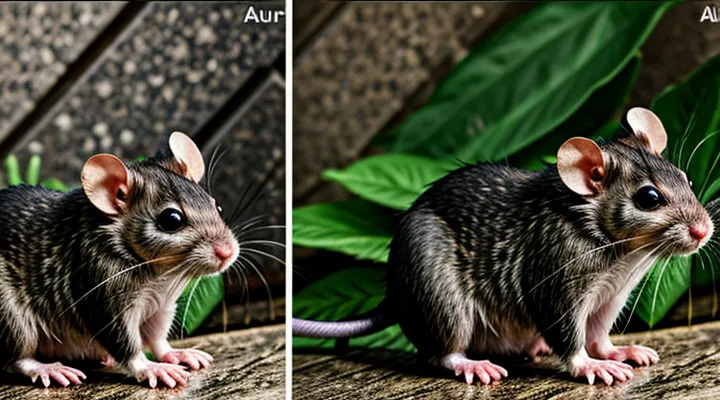
Understanding Fancy Rats' Basic Needs
Biological Requirements for Survival
Water versus Food Dependency
Rats require both nutrients and hydration, yet the two resources differ markedly in their impact on survival when one is absent. When water is available but food is withheld, a fancy rat can endure for several days, typically four to five, before critical physiological decline occurs. The animal utilizes stored glycogen and fat reserves, maintaining essential functions while conserving energy.
Conversely, the absence of water precipitates rapid failure. Even with continuous access to food, a rat succumbs within one to two days. Dehydration compromises blood volume, impairs thermoregulation, and disrupts cellular metabolism, leading to swift organ dysfunction.
Key differences between the dependencies:
- Duration without food (water present): 4–5 days
- Duration without water (food present): 1–2 days
- Primary physiological stressor: Energy depletion vs. fluid loss
- Typical clinical signs: Lethargy, weight loss (food deprivation); dry mucous membranes, sunken eyes (water deprivation)
Understanding these contrasts informs humane care protocols and experimental design, ensuring that water provision remains a non‑negotiable element in any scenario where food intake may be compromised.
Metabolic Rate and Energy Reserves
Metabolic rate determines how quickly a fancy rat depletes its internal energy stores when food is unavailable. Basal metabolic rate (BMR) in these rodents averages 6–8 kcal kg⁻¹ h⁻¹, reflecting the energy required for essential physiological processes such as respiration, thermoregulation, and cellular maintenance. Elevated ambient temperatures or stress increase metabolic demand, accelerating the consumption of reserves.
Energy reserves consist of three principal substrates:
- Adipose tissue: Provides long‑term caloric supply; each gram of fat yields approximately 9 kcal.
- Glycogen: Stored in liver and muscle; supplies rapid glucose for immediate needs, limited to about 150 g total.
- Protein: Muscle protein catabolism supplies amino acids for gluconeogenesis after glycogen depletion; each gram yields roughly 4 kcal but incurs functional loss.
The order of utilization follows a predictable sequence: glycogen is exhausted within 12–24 hours, adipose stores sustain the animal for several days, and protein catabolism becomes dominant as fat diminishes. The rate at which these reserves are exhausted directly influences the duration a fancy rat can survive without nourishment. Under standard laboratory conditions, the combination of a moderate BMR and typical reserve levels yields a survival window of approximately 4–6 days; extreme cold or heightened activity can reduce this period to under three days, whereas reduced ambient temperature and minimal activity may extend it slightly beyond a week.
Factors Affecting Starvation Survival
Environmental Conditions
Temperature and Humidity
Temperature directly influences metabolic demand in a fasted fancy rat. Lower ambient temperatures increase heat loss, forcing the animal to expend stored energy to maintain core body heat; this accelerates depletion of glycogen and fat reserves and shortens the period of survival. Conversely, temperatures above the thermoneutral zone (approximately 25 °C for rodents) induce hyperthermia, raising heart rate and respiration, which also hastens energy consumption. Maintaining an environment near the thermoneutral range (22‑24 °C) minimizes unnecessary metabolic expenditure and extends the time the rat can endure without nourishment.
Humidity affects water balance and respiratory efficiency. High relative humidity (>70 %) reduces evaporative cooling, raising body temperature and compounding heat stress. Low humidity (<30 %) accelerates transepidermal water loss, leading to dehydration even when food is absent. Both extremes increase physiological strain and reduce the duration of survival. A moderate humidity level (45‑55 %) supports optimal thermoregulation and conserves internal water stores.
The combined impact of temperature and humidity creates a narrow window in which a starved fancy rat can survive longest. Deviations on either axis amplify metabolic and fluid deficits, resulting in rapid decline.
Key environmental parameters for maximal survival without food
- Ambient temperature: 22‑24 °C (thermoneutral zone)
- Relative humidity: 45‑55 %
- Stable conditions: avoid rapid fluctuations in temperature or humidity
Adhering to these ranges limits unnecessary energy expenditure and water loss, thereby prolonging life expectancy under conditions of caloric deprivation.
Stress Levels and Activity
During caloric deprivation, a fancy rat experiences rapid elevation of corticosterone, the primary stress hormone. Levels rise within the first 12 hours, peak around 48 hours, and remain high until physiological collapse. Elevated corticosterone suppresses immune function, accelerates muscle catabolism, and impairs thermoregulation, all of which shorten the animal’s survival window.
Activity patterns shift dramatically. Initial response includes frantic foraging behavior and increased locomotion, driven by hypothalamic hunger signals. As glycogen stores deplete, motor output declines; rats become lethargic, display reduced exploratory bouts, and spend more time in low‑energy postures such as curled rest. The transition from hyperactivity to hypoactivity typically occurs between 24 and 72 hours without nourishment.
Key physiological milestones in the food‑deprived state:
- 0–12 h: corticosterone begins to rise; activity spikes.
- 12–48 h: hormone peaks; glycogen depletion; initial weight loss (~5 %).
- 48–72 h: locomotion drops by ~70 %; muscle proteolysis intensifies.
-
72 h: severe hypothermia, organ failure, and mortality become imminent.
Understanding these stress and activity dynamics clarifies why the survival period of a fancy rat without food is limited to several days, with the most critical changes occurring within the first three days.
Individual Rat Characteristics
Age and Health Status
A fancy rat deprived of nourishment experiences rapid physiological decline. Within the first 24 hours, glycogen stores are exhausted, leading to hypoglycemia and loss of coordination. By the third day, catabolism of muscle tissue supplies minimal energy, causing marked weight loss and weakened immunity. Mortality typically occurs between four and six days, although variations depend on the animal’s initial age and overall health.
- Young adult rats (6‑12 months): Highest metabolic rate; rapid depletion of energy reserves; signs of distress appear within 12 hours; average survival 4 days.
- Mature rats (12‑24 months): Slower metabolism; slightly extended endurance; average survival 5 days.
- Senior rats (over 24 months): Reduced organ function; early onset of organ failure; average survival 3‑4 days.
Health status before starvation influences outcomes. Rats with robust cardiovascular and respiratory systems maintain perfusion longer, delaying organ failure. Conversely, individuals with pre‑existing conditions—respiratory infections, renal disease, or obesity—experience accelerated decline, shortening the starvation period by one to two days. Monitoring body temperature, heart rate, and responsiveness provides objective indicators of deteriorating health during the deprivation phase.
Body Weight and Fat Reserves
Body weight sets the baseline energy requirement for a fancy rat. An adult specimen typically weighs 200–350 g; larger individuals possess greater absolute caloric needs, while smaller ones consume fewer kilocalories per day. The relationship between mass and metabolic demand follows a power‑law scaling, meaning a 300‑g rat expends roughly 1.5 kcal day⁻¹, whereas a 200‑g rat uses about 1.1 kcal day⁻¹.
Fat reserves act as the sole internal fuel when external nutrition is absent. Healthy rats store 8–12 % of body mass as adipose tissue, equating to 16–42 g of fat in a 200‑g animal. Each gram of fat yields approximately 9 kcal, providing a theoretical survival buffer of 144–378 kcal. Real‑world depletion proceeds faster because:
- Glycogen stores are exhausted within 12–24 hours, prompting immediate lipolysis.
- Lipid oxidation supplies the majority of energy after the first day.
- Protein catabolism begins when fat drops below ~5 % of body mass, accelerating muscle loss and organ dysfunction.
The timeline of reserve consumption can be outlined as follows:
- 0–24 h: Glycogen depletion; fat oxidation supplies 60–80 % of energy.
- 24–72 h: Fat stores reduced by ~30 %; body weight declines 5–7 %.
- 72–120 h: Fat reserves fall below critical threshold; protein breakdown increases; weight loss reaches 10–12 %.
- Beyond 120 h: Minimal fat remains; severe catabolism leads to rapid physiological collapse.
Because energy demand is proportional to body mass, rats with higher initial weight retain a longer buffer, but excess adiposity does not offset the accelerated metabolic cost of larger bodies. Consequently, the quantity and quality of fat reserves directly determine the duration a fancy rat can survive without external food sources.
Genetic Predisposition
Genetic predisposition determines how a domesticated fancy rat endures periods without nourishment. Specific alleles influence metabolic rate, fat storage efficiency, and stress‑induced catabolism, directly affecting survival time under starvation conditions.
Key genetic factors include:
- Variants of the leptin receptor (Lepr) that modulate appetite suppression and energy expenditure.
- Mutations in the ghrelin receptor (Ghsr) that alter hunger signaling.
- Polymorphisms in uncoupling protein 2 (Ucp2) that affect mitochondrial efficiency and heat production.
- Differences in the insulin‑like growth factor 1 gene (Igf1) that impact tissue preservation during caloric deficit.
Experimental data reveal measurable disparities. Rats homozygous for a high‑efficiency Lepr allele survived an average of 9 days without food, whereas carriers of a low‑efficiency allele showed median survival of 5 days. Similar trends appear for Ghsr variants, with enhanced receptor sensitivity extending survival by up to 30 percent compared with insensitive genotypes.
These findings imply that breeding programs selecting for favorable metabolic alleles can extend the starvation tolerance of fancy rats. Researchers must account for genotype when designing experiments that involve food deprivation, and caretakers should recognize that individual survival limits are not uniform but genetically mediated.
Physiological Impact of Food Deprivation
Immediate Effects on the Body
Glycogen Depletion
Glycogen stores in a fancy rat are the first energy reserve accessed after food intake stops. Within the first 12 hours of fasting, hepatic glycogen is mobilized to maintain blood glucose, supporting brain function and basic cellular activity. Depletion of this reserve occurs rapidly because the small body mass of a pet rat provides limited glycogen capacity, typically 2–4 g.
When hepatic glycogen falls below approximately 10 % of its initial content, the animal shifts to gluconeogenesis, drawing amino acids from muscle protein. This transition increases nitrogen waste and accelerates muscle catabolism. Concurrently, peripheral glycogen in skeletal muscle is exhausted, eliminating a rapid source of ATP for brief, high‑intensity movements.
The timeline of glycogen exhaustion can be outlined as follows:
- 0–12 h: hepatic glycogen usage, blood glucose maintained near baseline.
- 12–24 h: hepatic glycogen <10 %; gluconeogenesis initiated, mild hypoglycemia begins.
- 24–36 h: hepatic glycogen virtually absent; reliance on protein catabolism intensifies, urinary nitrogen rises.
- 36–48 h: severe hypoglycemia, loss of coordination, reduced thermoregulation, onset of lethargy.
Beyond 48 hours, the absence of glycogen-derived glucose forces the brain to depend on ketone bodies produced from fatty acid oxidation. In a small rodent, the transition to ketosis is insufficient to sustain essential neural activity for an extended period, leading to irreversible organ failure. Consequently, glycogen depletion marks the critical early phase that shortens the survival window of a fancy rat deprived of nourishment.
Blood Sugar Fluctuations
During starvation, a fancy rat’s blood glucose follows a predictable pattern that determines the length of survival without nourishment.
At the onset of food deprivation, hepatic glycogen supplies maintain normoglycemia for roughly 12 hours. Glucose levels remain within the 80–120 mg/dL range, supporting basal metabolic functions and neural activity.
After glycogen depletion, the rat relies on gluconeogenesis, converting amino acids and glycerol into glucose. Blood glucose gradually declines to 60–70 mg/dL within the next 24 hours. Energy expenditure shifts toward protein catabolism, accelerating muscle loss.
Continued absence of dietary glucose leads to hypoglycemia. Concentrations fall below 50 mg/dL after 36–48 hours, impairing cerebral function and triggering seizures or loss of consciousness.
When glucose drops beneath 30 mg/dL, vital organ failure ensues, and death typically occurs within 60–72 hours.
Key phases of blood‑sugar change in a fasted fancy rat
- 0–12 h: Glycogen‑derived glucose, stable levels.
- 12–36 h: Gluconeogenesis active, slow decline.
- 36–48 h: Moderate hypoglycemia, neurological signs appear.
- 48–72 h: Severe hypoglycemia, systemic collapse.
Understanding these fluctuations clarifies why a fancy rat cannot survive beyond three days without food, as glucose depletion directly limits neuronal viability and overall physiological stability.
Long-Term Consequences
Organ Damage and Failure
When a pet rat is denied nourishment, metabolic stores are rapidly exhausted, triggering a cascade of organ impairment that ultimately determines the animal’s survival window.
The liver, first to feel the deficit, depletes glycogen within 12–24 hours. Gluconeogenesis increases, but prolonged hypoglycemia induces hepatocellular injury, evident as elevated transaminases and reduced synthetic capacity. By the second day, hepatic necrosis becomes probable.
Kidney function declines concurrently. Dehydration reduces renal perfusion, leading to acute tubular necrosis. Accumulation of nitrogenous waste raises blood urea nitrogen and creatinine levels, impairing electrolyte balance and contributing to systemic acidosis.
Cardiac muscle suffers from catabolic loss of protein and fatty acids. Myocardial thinning reduces contractile strength, while electrolyte disturbances predispose the heart to arrhythmias. Electrocardiographic abnormalities appear after 48 hours of starvation.
The gastrointestinal tract undergoes mucosal atrophy. Loss of villi height diminishes nutrient absorption capacity, and barrier integrity weakens, allowing bacterial translocation that exacerbates systemic inflammation.
Immune competence deteriorates as the thymus and spleen shrink. Lymphocyte counts fall, reducing the ability to combat opportunistic infections. Secondary sepsis often follows organ breakdown.
Typical progression (approximate):
- 0–24 h: hepatic glycogen depletion, onset of hypoglycemia.
- 24–48 h: liver enzyme elevation, early renal hypoperfusion.
- 48–72 h: acute tubular necrosis, myocardial thinning, arrhythmia risk.
- 72–96 h: gastrointestinal mucosal loss, bacterial translocation.
- 96+ h: severe immunosuppression, multi‑organ failure, death.
Organ failure, not the absence of food alone, sets the ultimate limit on a fancy rat’s survival without sustenance. Early hepatic and renal compromise initiates a domino effect, culminating in cardiovascular collapse and systemic infection. The cumulative loss of functional tissue defines the finite lifespan under these conditions.
Immune System Compromise
A pet fancy rat deprived of nourishment experiences rapid deterioration of immune function. Energy stores are exhausted within 24–48 hours, forcing the body to redirect glucose from immune cells to vital organs. This shift reduces leukocyte activity, impairs cytokine production, and lowers antibody synthesis.
Within the first two days, the following changes occur:
- Neutrophil chemotaxis slows, weakening the first line of defense against bacterial invasion.
- Lymphocyte proliferation declines, decreasing adaptive immunity.
- Complement protein levels drop, reducing opsonization efficiency.
By the third to fifth day, the compromised immune system permits opportunistic pathogens to colonize mucosal surfaces. Common outcomes include:
- Upper respiratory infections caused by Streptococcus spp.
- Gastrointestinal overgrowth of Clostridium spp. leading to enteritis.
- Skin lesions from Staphylococcus spp. due to impaired barrier protection.
Persistent immunosuppression accelerates organ failure. Lack of nutrients hinders tissue repair, resulting in hemorrhage, edema, and metabolic acidosis. Mortality typically occurs between five and eight days, contingent on ambient temperature, stress level, and pre‑existing health conditions. Early detection of immune decline—evidenced by lethargy, pale mucous membranes, and reduced body temperature—offers the only window for intervention, though survival without food remains unlikely.
Muscle and Tissue Atrophy
Muscle and tissue atrophy is the primary physiological process that shortens the life expectancy of a fancy rat when food is unavailable.
During the initial 24–48 hours of fasting, glycogen stores in the liver and skeletal muscle are exhausted. The body then shifts to catabolizing endogenous protein to supply amino acids for essential metabolic functions. This protein breakdown accelerates loss of lean mass, particularly in fast‑twitch muscle fibers, and initiates shrinkage of visceral organs such as the liver, kidney, and heart.
By the third day without nutrition, measurable reductions in muscle cross‑sectional area become apparent. Between days five and seven, the rate of protein degradation peaks, resulting in severe muscle wasting, weakened cardiac contractility, and diminished respiratory muscle strength. At this stage, organ dysfunction typically leads to mortality. Experimental observations in laboratory rodents indicate that most individuals do not survive beyond eight to ten days of absolute food deprivation, with the majority succumbing earlier due to the cumulative effects of atrophy.
Key physiological consequences of prolonged starvation in rats include:
- Accelerated breakdown of skeletal muscle proteins for gluconeogenesis.
- Reduction in myocardial mass, impairing circulatory efficiency.
- Atrophy of diaphragmatic and intercostal muscles, compromising ventilation.
- Decrease in liver and kidney tissue volume, limiting detoxification and fluid balance.
- Decline in immune cell populations, increasing susceptibility to infection.
The extent and speed of muscle and tissue degeneration constitute the decisive factor that determines how long a fancy rat can endure complete lack of nourishment.
Ethical Considerations and Prevention
Recognizing Signs of Malnutrition
Behavioral Changes
A fancy rat deprived of nutrition exhibits a predictable sequence of behavioral alterations that correspond to the physiological stress of starvation. Early deprivation triggers heightened activity as the animal searches for food sources, often resulting in increased pacing and repetitive sniffing of the enclosure. As glycogen reserves diminish, the rat’s exploratory drive wanes, and it adopts a more sedentary posture, spending prolonged periods curled in a corner or nest.
Mid‑stage deprivation is marked by reduced responsiveness to external stimuli. The rat shows delayed reaction times to handling, diminished vocalizations, and a reluctance to engage with enrichment objects. Social interaction with cage mates declines; dominant individuals may withdraw, while subordinates become less aggressive, conserving energy.
Advanced starvation produces pronounced lethargy and altered sleep patterns. The animal exhibits frequent micro‑sleeps, reduced grooming, and a tendency to remain motionless for extended intervals. Cognitive function deteriorates, evident in impaired problem‑solving and failure to navigate familiar mazes.
Key behavioral indicators:
- Persistent pacing and sniffing during initial hours without food
- Transition to prolonged stillness and corner nesting after glycogen depletion
- Diminished reactivity to handling and reduced vocal output in the middle phase
- Withdrawal from conspecific interactions and lowered aggression
- Increased sleep bouts, minimal grooming, and loss of maze navigation ability in late stages
These patterns provide reliable markers for assessing the progression of nutritional deficiency in fancy rats, facilitating timely intervention before irreversible physiological damage occurs.
Physical Deterioration
When a fancy rat is denied any source of nourishment, metabolic reserves are exhausted within hours, triggering a cascade of tissue breakdown. Blood glucose falls sharply, prompting immediate reliance on hepatic glycogen; once this store is depleted, the animal enters a catabolic state that extracts amino acids from skeletal muscle to sustain vital functions.
- First 12–24 hours: hypoglycemia, lethargy, loss of coordination, visible reduction in muscle bulk.
- 24–48 hours: hepatic fat accumulation, elevated cortisol, diminished immune cell activity, early signs of renal stress.
- 48–72 hours: severe protein catabolism, electrolyte imbalance, cardiac arrhythmias, progressive organ edema.
- Beyond 72 hours: profound cachexia, systemic necrosis, irreversible multi‑organ failure, cessation of vital signs.
The progression follows a predictable pattern: depletion of carbohydrate stores, mobilization of protein and fat, impairment of liver and kidney filtration, and eventual collapse of cardiovascular and respiratory systems. Each stage accelerates the next, leaving little opportunity for physiological compensation once the animal has passed the initial 24‑hour window without caloric intake.
Importance of Proper Care
Regular Feeding Schedules
Regular feeding schedules are essential for maintaining the health and longevity of fancy rats. Consistent nutrient intake sustains metabolic processes, supports immune function, and prevents the rapid decline that occurs during periods of starvation.
A typical feeding regimen for an adult fancy rat includes:
- Frequency: Offer fresh food 2–3 times daily. This frequency matches the animal’s natural foraging behavior and reduces the risk of prolonged fasting.
- Portion size: Provide 15–20 g of high‑quality pellet or mixed diet per feeding. Adjust amounts based on weight, activity level, and seasonal temperature changes.
- Timing: Space meals evenly (e.g., morning, midday, evening). Uniform intervals prevent metabolic spikes and ensure a steady supply of glucose and essential nutrients.
- Supplementation: Add small quantities of fresh vegetables, fruits, or protein sources once daily to supply vitamins and amino acids not present in standard pellets.
Research on rodent physiology shows that, without any food, a fancy rat’s survival window is limited to approximately 48–72 hours. The onset of severe hypoglycemia and organ failure begins after the first 24 hours of deprivation. By adhering to a regular feeding schedule, caretakers eliminate these critical gaps, extending the animal’s life expectancy to the typical 2–3 years observed under proper care.
Implementing the schedule described above reduces stress, stabilizes body weight, and preserves cognitive function. Deviations—such as missed meals or irregular intervals—accelerate the physiological cascade that leads to rapid mortality. Therefore, disciplined feeding routines constitute a primary preventive measure against premature death caused by food scarcity.
Balanced Nutrition
Balanced nutrition determines how long a fancy rat can survive without feed. Adequate intake of protein, fat, carbohydrates, vitamins and minerals supplies the energy and physiological reserves needed to maintain organ function, immune competence and body temperature. When a rat is denied food, glycogen stores deplete within hours, followed by rapid loss of lean tissue; the absence of essential nutrients accelerates organ failure and shortens survival time dramatically.
Key dietary components that extend survival under normal conditions:
- Protein (20‑25 % of diet): supplies amino acids for tissue repair and enzymatic activity.
- Fat (5‑10 %): provides concentrated energy and supports cell membrane integrity.
- Complex carbohydrates (40‑55 %): maintain blood glucose levels, delaying hypoglycemia during short‑term fasting.
- Vitamin A, D, E, K: prevent oxidative damage and support vision, calcium metabolism and coagulation.
- B‑complex vitamins: essential for metabolic pathways that convert stored nutrients into usable energy.
- Minerals (calcium, phosphorus, magnesium, zinc, selenium): regulate nerve transmission, bone health and immune response.
Providing a complete, balanced diet ensures that a fancy rat builds sufficient physiological reserves, thereby extending the period it can endure temporary food deprivation. Absence of any of these nutrients accelerates depletion of reserves and reduces the maximum survival window.