
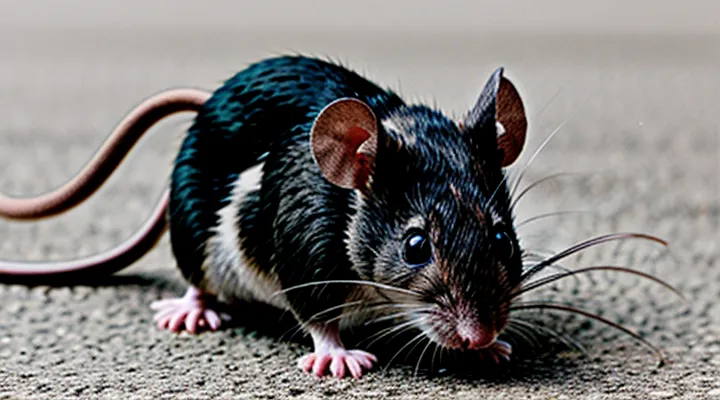
Understanding Mouse Bites
Initial Assessment of a Mouse Bite
A mouse bite typically results in a puncture wound a few millimeters in diameter, often accompanied by a small amount of bleeding. The bite may be painless at the moment of injury because rodent teeth are sharp and cause minimal tissue disruption.
The first step in assessment is visual inspection. Verify wound depth, presence of torn skin edges, and any visible foreign material such as fur or saliva. Apply gentle pressure to stop active bleeding; prolonged hemorrhage suggests arterial involvement and requires urgent medical attention.
Evaluation of infection risk focuses on two aspects: local signs and potential pathogen exposure. Local indicators include erythema extending beyond 2 cm, swelling, warmth, and purulent discharge. Systemic signs—fever, chills, malaise—may herald bacterial infection or viral transmission. Rodents can carry pathogens such as Leptospira, hantavirus, Salmonella, and Streptobacillus moniliformis (rat‑bite fever). The probability of disease transmission increases with deep punctures, delayed wound care, and exposure to wild or unknown rodents.
Immediate care actions:
- Clean the area with running water for at least 30 seconds.
- Disinfect using an iodine‑based solution or 70 % alcohol.
- Apply a sterile dressing and maintain gentle pressure if bleeding persists.
- Verify tetanus immunization status; administer a booster if the last dose exceeds ten years or if the wound is contaminated.
- Document the incident, including date, time, and circumstances, to aid medical evaluation.
Professional medical evaluation is warranted when any of the following conditions are present:
- Wound depth exceeds 5 mm or involves joint, tendon, or bone exposure.
- Rapid expansion of redness, increasing pain, or formation of pus.
- Fever, lymphadenopathy, or systemic symptoms develop within 24 hours.
- The bite originates from a wild mouse, a mouse with unknown health history, or occurs in an immunocompromised individual.
Prompt assessment and appropriate wound management significantly reduce the likelihood of complications and mitigate the health hazard associated with rodent bites.
Identifying Potential Risks from Mouse Bites
Rabies Risk and Mice
Mouse bites rarely involve rabies because rodents are not typical reservoirs for the virus. Surveillance data from North America and Europe show almost no confirmed cases of rabies in mice or other small rodents. The virus primarily circulates among carnivores such as bats, foxes, raccoons, and skunks, which are more efficient hosts for viral replication and transmission.
When a bite occurs, the immediate concern is bacterial infection rather than viral encephalitis. Standard wound care—thorough irrigation with soap and water, followed by antiseptic application—significantly reduces bacterial risk. Medical evaluation is advisable to assess the need for tetanus prophylaxis and to determine whether rabies post‑exposure prophylaxis (PEP) is warranted. PEP is recommended only if the mouse is known or suspected to be infected, which is extremely uncommon, or if the bite was associated with a rabid wildlife exposure in the area.
Key points for risk assessment and management:
- Rodents, including mice, have an exceptionally low incidence of rabies infection.
- Document the bite circumstances: location, animal behavior, and any observable illness in the rodent.
- Clean the wound promptly; apply pressure to stop bleeding.
- Seek professional medical advice to evaluate tetanus status and potential need for rabies PEP.
- Report the incident to local public health authorities if the animal’s health status is uncertain.
Hantavirus Risk and Mice
Hantavirus belongs to a family of rodent‑borne pathogens that can cause severe respiratory illness in humans. Transmission occurs primarily through inhalation of aerosolized particles from urine, feces, or saliva of infected rodents; direct contact, including bites, represents a secondary route.
Infection risk correlates with the presence of carrier mice in residential or occupational settings. Species such as the deer mouse, white‑footed mouse, and rice field mouse are recognized reservoirs. Bite incidents introduce virus directly into the bloodstream, bypassing the respiratory route, and may result in a rapid onset of symptoms.
Preventive actions:
- Seal entry points to eliminate rodent access to indoor environments.
- Store food in rodent‑proof containers and maintain strict sanitation.
- Use gloves and masks when cleaning areas contaminated with rodent droppings.
- Dispose of dead rodents promptly, employing double‑bagging and disinfection.
If exposure is suspected, seek immediate medical evaluation. Early diagnosis relies on serologic testing; antiviral therapy and supportive care improve outcomes when administered promptly.
Leptospirosis Risk and Mice
Leptospirosis is a bacterial infection caused by pathogenic Leptospira species. Rodents, especially mice, serve as primary reservoirs, maintaining the bacteria in their kidneys and shedding it in urine. Human exposure typically occurs through contact with contaminated water or soil, but direct inoculation via a mouse bite introduces the pathogen directly into subcutaneous tissue.
The risk associated with a mouse bite includes:
- Immediate transmission of Leptospira if the animal’s mouth contains contaminated urine.
- Development of acute leptospirosis within 5–14 days, presenting with fever, chills, myalgia, headache, and conjunctival suffusion.
- Potential progression to severe forms, such as Weil’s disease, characterized by jaundice, renal failure, hemorrhage, and pulmonary edema.
- Mortality rates ranging from 5 % to 15 % in untreated severe cases.
Diagnosis relies on serological testing (microscopic agglutination test) or polymerase chain reaction detection of bacterial DNA. Prompt antimicrobial therapy, usually doxycycline or penicillin, reduces disease duration and prevents complications.
Preventive measures focus on minimizing contact with rodent populations:
- Implementing rodent control programs in residential and occupational settings.
- Wearing protective gloves when handling materials potentially contaminated by rodent excreta.
- Immediate cleansing of bite wounds with antiseptic solution, followed by medical evaluation.
Overall, a mouse bite can constitute a credible vector for leptospirosis, warranting swift clinical assessment and appropriate antimicrobial intervention.
Other Bacterial Infections from Mouse Bites
Mouse bites can introduce a range of bacterial pathogens beyond the well‑known plague agent. These infections arise when oral flora or environmental microbes contaminate the wound during a bite.
- «Streptobacillus moniliformis» – causes streptobacillosis, presenting with fever, rash, and arthralgia; transmission occurs through bite‑induced skin breaches.
- «Pasteurella multocida» – produces cellulitis, abscess formation, and occasionally septic arthritis; rapid progression demands prompt antimicrobial therapy.
- «Leptospira interrogans» and related species – induce leptospirosis, characterized by flu‑like symptoms, jaundice, and renal involvement; exposure often linked to rodents’ urine.
- «Mycobacterium marinum» – rare after mouse bites, may lead to chronic skin lesions and granulomatous inflammation.
- «Bartonella henselae» – associated with cat‑scratch disease but reported in rodent‑bite cases, causing lymphadenopathy and fever.
Clinical manifestations vary with the organism but typically include localized pain, erythema, and systemic signs such as fever or malaise. Laboratory confirmation relies on culture, polymerase chain reaction, or serology, depending on the suspected pathogen. Empiric treatment commonly employs broad‑spectrum antibiotics (e.g., doxycycline or a beta‑lactam combined with a fluoroquinolone) until culture results guide targeted therapy.
Preventive measures focus on avoiding direct contact with wild mice, using protective gloves when handling rodents, and ensuring immediate wound cleansing with soap and antiseptic. Medical evaluation within 24 hours of a bite reduces the risk of severe bacterial complications.
Symptoms and Complications
Localized Symptoms at the Bite Site
Mouse bites often produce a distinct set of reactions at the point of contact. Immediate pain is common, followed by erythema that may spread a few centimeters from the puncture. Swelling typically develops within hours, occasionally accompanied by a warm sensation.
Typical local manifestations include:
- Sharp or throbbing pain at the entry site
- Redness and edema extending beyond the bite margins
- Pruritus that can arise as inflammation progresses
- Small hemorrhagic spots or bruising around the wound
- Purulent discharge indicating bacterial involvement
If the wound becomes increasingly painful, exhibits expanding redness, or releases pus, bacterial infection is likely. Common pathogens such as Staphylococcus aureus or Pasteurella species can cause cellulitis, abscess formation, or necrotic tissue. Fever, lymphadenopathy, or systemic signs suggest deeper infection and warrant prompt medical evaluation. Early cleaning with antiseptic solution and appropriate wound care reduce the risk of complications.
Systemic Symptoms Indicating Infection
A bite from a small rodent can transmit bacteria, viruses, or parasites that may progress beyond the wound site. When local signs do not fully explain the clinical picture, systemic manifestations suggest that an infection has spread throughout the body.
Common systemic indicators include:
- Fever exceeding 38 °C (100.4 °F)
- Chills or rigors
- Generalized fatigue or malaise
- Headache, often persistent
- Muscle aches or joint pain
- Enlarged, tender lymph nodes near the bite area or in regional chains
- Nausea, vomiting, or abdominal discomfort
- Rapid heart rate (tachycardia) or low blood pressure (hypotension) in severe cases
These symptoms typically develop within 24 to 72 hours after the bite, although some pathogens may have longer incubation periods. Appearance of any combination of the above warrants prompt medical evaluation, even if the wound appears minor.
Diagnostic assessment relies on clinical examination, laboratory tests such as complete blood count, inflammatory markers, and cultures when indicated. Empiric antimicrobial therapy is often initiated based on likely organisms, including Streptococcus spp., Staphylococcus aureus, and Pasteurella spp., while awaiting definitive results.
Early recognition of systemic involvement reduces the risk of complications such as sepsis, osteomyelitis, or organ‑specific infections. Patients should seek care at the first sign of widespread symptoms following a rodent bite.
Rare but Serious Complications
Mouse bites are uncommon sources of severe illness, yet documented cases reveal a spectrum of serious complications that warrant clinical awareness.
Bacterial infections dominate the risk profile. Streptobacillus moniliformis, the agent of rat‑bite fever, can be transmitted by mice and cause high fever, chills, rash, and arthralgia. Prompt antibiotic therapy is essential to prevent septicemia and endocarditis. Pasteurella multocida, another zoonotic bacterium, may induce cellulitis that progresses to necrotizing fasciitis if untreated.
Viral pathogens, though rare, present significant hazards. Hantavirus pulmonary syndrome has been linked to exposure to mouse saliva and urine; a bite can introduce the virus directly into the bloodstream, leading to rapid respiratory failure. Lymphocytic choriomeningitis virus (LCMV) may cause meningitis or encephalitis following a bite, especially in immunocompromised individuals.
Toxin‑mediated and allergic reactions also occur. Mouse venom contains proteins capable of triggering anaphylaxis in sensitized persons. Localized necrosis can develop from toxin release, occasionally requiring surgical debridement.
Tetanus remains a preventable yet critical concern. Inadequate immunization combined with deep puncture wounds creates an environment for Clostridium tetani proliferation, resulting in muscle rigidity and potentially fatal spasms.
Key preventive and therapeutic actions include:
- Immediate thorough irrigation of the wound with sterile solution.
- Assessment of tetanus immunization status; administration of booster if indicated.
- Empiric broad‑spectrum antibiotics covering typical rodent‑associated bacteria, adjusted according to culture results.
- Monitoring for systemic signs such as fever, rash, respiratory distress, or neurological changes; early diagnostic testing for hantavirus and LCMV when indicated.
Recognition of these rare but life‑threatening outcomes ensures timely intervention and reduces morbidity associated with mouse‑induced injuries.
First Aid and Medical Attention
Immediate Actions After a Mouse Bite
A mouse bite can introduce bacteria, viruses, and parasites; prompt care reduces infection risk and complications.
The first response must be swift and systematic.
- Clean the wound with running water for at least one minute.
- Apply mild soap, then rinse thoroughly.
- Disinfect with an antiseptic such as povidone‑iodine or chlorhexidine.
- Cover with a sterile dressing to control bleeding and prevent external contamination.
After initial cleaning, professional evaluation is required. Arrange a medical appointment within 24 hours. The clinician will assess the need for tetanus booster, evaluate rabies exposure based on the animal’s environment, and consider prophylactic antibiotics if signs of infection appear.
Monitoring the bite site for redness, swelling, increased pain, or discharge is essential. Any progression should trigger immediate reassessment by health‑care personnel.
When to Seek Medical Help
A mouse bite can introduce bacteria, viruses, and allergens into the body. Prompt medical evaluation reduces the risk of infection and complications. Seek professional care under any of the following conditions:
- Deep puncture or laceration exceeding 0.5 cm in length
- Persistent bleeding that does not stop with direct pressure within ten minutes
- Redness, swelling, or warmth spreading beyond the bite site
- Fever, chills, or malaise developing within 24 hours of the incident
- Signs of allergic reaction, such as hives, difficulty breathing, or swelling of the face or throat
- Presence of a dead mouse, especially if it was found in unsanitary conditions
- Immunocompromised status, including HIV infection, chemotherapy, or chronic steroid use
- Pregnancy, due to heightened vulnerability to infections
When any of these indicators appear, contact a healthcare provider immediately. Administration of tetanus prophylaxis, antibiotics, or rabies post‑exposure treatment may be required based on the assessment. Early intervention improves outcomes and minimizes long‑term health impacts.
Information to Provide to Medical Professionals
Rodent bite injuries pose a measurable risk of infection and systemic complications. Prompt assessment and evidence‑based management reduce morbidity and prevent occupational exposure among health‑care workers.
Common bacterial agents identified in rodent‑related wounds include:
- Streptococcus spp.
- Staphylococcus aureus
- Pasteurella spp.
- Leptospira spp.
- Salmonella spp.
- Clostridium spp.
- Yersinia pestis (rare, epidemiologically significant)
Clinical presentation varies from superficial puncture to deep tissue involvement. Typical signs encompass erythema, swelling, pain, purulent discharge, and, in severe cases, necrosis or systemic fever. Neurologic symptoms may indicate neurotoxic exposure, particularly with Yersinia infection.
Diagnostic protocol:
- Obtain detailed exposure history, including animal species, bite location, and time elapsed.
- Perform physical examination focusing on wound depth, vascular status, and signs of infection.
- Collect wound swabs or tissue samples for culture and sensitivity when purulence is evident.
- Order serologic testing for leptospirosis or plague if epidemiologic risk factors exist.
- Assess tetanus immunization status and consider rabies exposure based on regional prevalence.
Therapeutic recommendations:
- Immediate irrigation with sterile saline; debridement of necrotic tissue as needed.
- Empiric antibiotic coverage with a broad‑spectrum agent (e.g., amoxicillin‑clavulanate) pending culture results; adjust according to susceptibility.
- Administer tetanus prophylaxis per immunization guidelines.
- Initiate antileptospiral therapy (doxycycline or azithromycin) when serology or exposure suggests infection.
- Consider antiplague agents (streptomycin or doxycycline) in endemic areas with compatible clinical picture.
Preventive actions for health‑care settings include use of protective gloves, proper handling of rodents, and immediate reporting of bite incidents to occupational health services. Documentation of the event, wound care measures, and follow‑up outcomes should be integrated into patient records and institutional surveillance systems.
Prevention Strategies
Rodent Control in Homes and Businesses
Mouse bites can introduce pathogens such as bacteria, viruses, and parasites, creating a direct health threat. Effective rodent management in residential and commercial environments minimizes exposure to these hazards.
- Seal entry points with steel‑wool or caulking.
- Store food in airtight containers and remove waste promptly.
- Install snap traps or electronic devices in concealed locations.
- Deploy bait stations with anticoagulant pellets, following label instructions.
- Conduct regular inspections of walls, attics, and crawl spaces.
In business premises, additional measures include:
- Scheduling quarterly professional inspections.
- Maintaining strict sanitation protocols in kitchens and storage areas.
- Training staff to recognize signs of infestation, such as droppings or gnaw marks.
- Documenting control actions in a log for regulatory compliance.
Continuous monitoring, prompt removal of trapped rodents, and immediate disposal of contaminated materials prevent secondary infection. Engaging licensed pest‑control services ensures compliance with health standards and reduces the likelihood of bite‑related complications. «Preventing rodent infestations reduces disease transmission».
Personal Protective Measures
Mouse bites introduce bacteria, viruses, and parasites that can cause severe infections. Reducing exposure relies on systematic protective actions.
- Wear thick, puncture‑resistant gloves when handling rodents, cleaning traps, or inspecting storage areas.
- Use long‑sleeved clothing and reinforced footwear to shield skin from accidental contact.
- Apply rodent‑specific repellents or barriers around food preparation zones and waste containers.
- Maintain a clean environment: dispose of droppings, nest material, and contaminated bedding with sealed bags; disinfect surfaces with bleach‑based solutions.
- Implement integrated pest management: seal entry points, set snap traps or live‑capture devices, and monitor activity regularly.
- Treat any bite immediately: rinse the wound with running water, apply an antiseptic, and seek medical evaluation for possible tetanus or rabies prophylaxis.
Consistent adherence to these measures limits pathogen transmission and protects human health.
Educating Others About Rodent Dangers
Rodent bites can introduce pathogenic bacteria, viruses, and parasites directly into human tissue, creating a measurable health risk. Immediate symptoms often include pain, swelling, and redness; systemic signs may develop if infection spreads.
Key hazards associated with mouse-inflicted wounds:
- Bacterial agents such as Pasteurella multocida, Staphylococcus aureus, and Streptococcus species.
- Viral pathogens, notably hantavirus and lymphocytic choriomeningitis virus.
- Parasitic organisms, including mites and fleas that may accompany the bite.
Effective education strategies focus on three areas:
- Environmental control – sealing entry points, maintaining cleanliness, and employing traps or professional extermination.
- Personal protection – wearing thick gloves when handling rodents, avoiding direct contact with wild or stray mice.
- Prompt response – washing the wound with soap and water for at least five minutes, applying antiseptic, and seeking medical assessment without delay.
Post‑bite protocol recommended by health authorities:
- Clean the site thoroughly; avoid squeezing or manipulating the tissue.
- Apply a sterile dressing and monitor for increasing redness, fever, or pus formation.
- Consult a healthcare provider to evaluate the need for antibiotics, tetanus booster, or specific antiviral therapy.
- Report the incident to local public‑health agencies when the bite originates from a wild or unknown source.
By disseminating these concise guidelines, communities can reduce the incidence of serious complications arising from rodent bites and promote safer interactions with potential pest populations.