
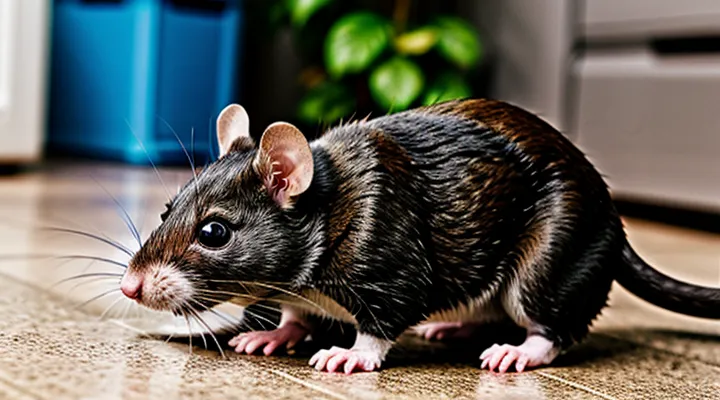
Understanding Rat Health Baselines
Normal Rat Behavior
Activity Levels
Pet rats normally display consistent, energetic behavior. A noticeable drop in activity signals a potential health problem and should prompt immediate observation.
Reduced movement may appear as:
- Reluctance to explore the cage or climb structures.
- Extended periods of stillness, even when the environment is enriched.
- Inability or unwillingness to engage in typical play, such as chasing toys or interacting with companions.
Conversely, hyperactivity can also indicate distress. Symptoms include frantic running, repetitive circling, or frantic attempts to escape. Both extremes suggest the animal is coping with discomfort or disease.
When a rat’s activity deviates from its baseline, verify additional signs—loss of appetite, changes in grooming, or abnormal vocalizations—to assess severity. If abnormal behavior persists for more than a few hours, consult a veterinarian experienced with small mammals. Prompt professional evaluation reduces the risk of complications and supports recovery.
Eating and Drinking Habits
Pet rats maintain a steady intake of food and water; any deviation may signal health problems. A healthy adult typically consumes 2–3 grams of pellets per 100 g of body weight each day and drinks 10–15 ml of water per 100 g. Consumption should be consistent across several days, with occasional variation due to temperature, activity level, or minor stress.
- Reduced food intake or complete refusal to eat
- Sharp decline in water consumption or excessive drinking
- Preference for wet or stale food over fresh pellets
- Chewing or gnawing at food without swallowing
- Presence of droppings that are unusually small, dry, or watery
- Sudden weight loss measured on a scale
When any of these patterns appear, record the amount eaten and drunk for at least 24 hours. Compare the data with the rat’s normal baseline. If the reduction persists beyond one day or is accompanied by other symptoms such as lethargy, nasal discharge, or abnormal stool, seek veterinary evaluation promptly. Adjust the diet temporarily by offering soft, easily digestible foods (e.g., cooked oatmeal or mashed banana) and ensure fresh water is always accessible. Monitoring eating and drinking habits provides an early, reliable indicator of a pet rat’s health status.
Grooming Routines
Regular grooming provides the most reliable opportunity to notice subtle health changes in a pet rat. When you handle a rat for cleaning, examine the entire body before any tools are applied. Look for uneven fur, bald patches, or crusty skin; these often signal dermatitis, parasites, or systemic infection. Check the eyes for cloudiness, redness, or discharge, and inspect the ears for wax buildup, swelling, or mites. The mouth should be free of sores, excessive drooling, or abnormal coloration of the gums. Observe the tail for swelling, lesions, or loss of fur, as tail problems frequently accompany metabolic disorders.
A consistent grooming schedule enhances early detection:
- Daily: Light brushing to remove loose hair and debris; visual scan of fur, eyes, ears, and mouth.
- Every 2–3 days: Gentle nail trimming to prevent overgrowth, which can cause gait issues and secondary infections.
- Weekly: Full body inspection, including the vent area, for signs of diarrhea, blood, or abnormal secretions.
- Monthly: Bath with a rat‑safe, mild cleanser if the animal tolerates it; re‑examine skin condition after drying.
Any deviation from normal appearance—such as sudden fur loss, crusted patches, swollen eyes, or foul odor—should prompt immediate veterinary evaluation. Maintaining these grooming practices not only keeps the rat comfortable but also creates a systematic health‑monitoring routine that quickly reveals illness.
Social Interaction
Social behavior provides a reliable window into a rat’s health; deviations from normal interaction patterns often precede visible physical symptoms. Because rats are highly gregarious, alterations in how they engage with cage mates or humans can signal underlying problems.
Typical social‑interaction warning signs include:
- Withdrawal from group activities; the rat isolates itself or hides more often than usual.
- Aggression toward familiar companions, such as biting or excessive chasing, which contrasts with a normally calm demeanor.
- Loss of interest in grooming others or being groomed, indicating reduced energy or discomfort.
- Decreased vocalizations during play or when approached, suggesting pain or malaise.
- Reluctance to accept handling, accompanied by rapid escape attempts or trembling.
When any of these behaviors appear, observe the rat for additional signs (e.g., changes in appetite, posture, or feces) and promptly consult a veterinarian experienced with rodents. Early intervention based on social cues can prevent disease progression and improve recovery outcomes.
Recognizing Common Sickness Signs
Physical Symptoms
Changes in Fur and Skin
Pet rats provide clear visual cues when health declines. Observing the coat and skin should be part of routine checks.
A healthy rat displays a glossy, evenly colored coat with smooth, pliable fur. Any deviation may indicate underlying problems. Look for:
- Patchy or thinning fur – areas where hair is missing or markedly thinner than surrounding regions.
- Dull or brittle hair – loss of shine, increased breakage, or a rough texture when stroked.
- Color changes – sudden greying, loss of the typical brown/black hue, or the appearance of yellowish or reddish tones.
- Excessive shedding – hair loss beyond normal molting cycles, especially when accompanied by scabs or raw spots.
- Skin lesions – ulcers, crusts, or open wounds that do not heal within a few days.
- Swelling or lumps – raised areas under the skin that feel firm or fluctuant.
- Dry, flaky skin – visible scaling or dry patches, often accompanied by itching behavior.
When any of these signs emerge, isolate the rat, monitor for additional symptoms (such as lethargy, respiratory changes, or appetite loss), and seek veterinary assessment promptly. Early detection through coat and skin inspection can prevent progression of disease and improve treatment outcomes.
Respiratory Issues
Respiratory problems are among the most common health concerns for domesticated rats and often indicate underlying illness. Recognizing these issues early can prevent severe complications.
Typical signs include:
- Persistent sneezing or nasal discharge, especially if the mucus is thick or colored.
- Open-mouth breathing, wheezing, or audible crackles when the animal inhales.
- Reduced activity, lethargy, or reluctance to move, suggesting reduced oxygen intake.
- Increased respiratory rate, detectable by counting breaths per minute; normal rates range from 70 to 120 breaths in a resting adult rat.
- Swelling around the nose or eyes, which may accompany sinus inflammation.
Potential causes span bacterial infections such as Mycoplasma pulmonis, viral agents, fungal pathogens, and environmental factors like poor ventilation, high humidity, or exposure to dust and strong odors. Overcrowding and inadequate cage cleaning can exacerbate the risk.
When respiratory distress is suspected, immediate steps should include:
- Isolating the affected rat to prevent transmission.
- Consulting a veterinarian experienced with rodents for diagnostic testing (e.g., radiographs, culture swabs).
- Initiating prescribed antimicrobial or antifungal therapy as directed.
- Providing a warm, stress‑free environment with clean, dry bedding and optimal airflow (approximately 10–15 air changes per hour).
Preventive measures focus on habitat management:
- Maintain cage temperature between 68–75 °F and humidity below 60 %.
- Perform weekly cage cleaning, removing soiled bedding and food waste.
- Use dust‑free bedding materials such as paper or aspen shavings.
- Avoid scented cleaning agents, aerosols, and strong fragrances near the enclosure.
Monitoring respiratory health should become a routine part of daily observation. Prompt identification of abnormal breathing patterns or nasal symptoms enables timely veterinary intervention and improves the likelihood of full recovery.
Eye and Nose Discharge
Eye and nose discharge are among the first external signs that a rat may be unwell. Clear, watery fluid occasionally appears after a brief exposure to dust or a sudden temperature change; this is normal and resolves quickly. Persistent or thick secretion indicates a problem and warrants closer observation.
Typical abnormal characteristics include:
- Color: Yellow, green, or reddish tint suggests bacterial infection or hemorrhage.
- Consistency: Mucoid, pus‑like, or crusted material points to inflammation or sinus involvement.
- Quantity: Continuous dripping or accumulation that does not clear within a few hours is a red flag.
- Accompanying signs: Sneezing, facial swelling, reduced appetite, lethargy, or changes in grooming behavior reinforce the need for veterinary assessment.
Common causes of pathological discharge are respiratory infections (e.g., Mycoplasma pulmonis), dental disease that spreads to the nasal passages, allergic reactions, and foreign bodies lodged in the nasal cavity. Immediate steps include isolating the affected rat, providing a clean, low‑dust environment, and monitoring temperature and humidity. If any of the listed abnormal traits persist for more than 24 hours, arrange a veterinary examination; early treatment with appropriate antibiotics or supportive care improves prognosis.
Weight Loss and Appetite Changes
Weight loss in a pet rat often appears as a visible reduction in body size, a thinner tail base, and a noticeable decrease in muscle tone. A rapid drop of more than 5 % of body weight within a week signals a problem that requires immediate attention. Regular weighing on a digital scale, recorded at the same time each day, provides the most reliable data for detecting subtle changes.
Appetite changes manifest as reduced food consumption, refusal of favorite treats, or a complete lack of interest in food. These behaviors may accompany gastrointestinal distress, metabolic disorders, or infections. When a rat eats less than half of its usual portion for several consecutive days, combine this observation with weight data to assess severity.
- Weigh the rat daily; record and compare to baseline.
- Monitor food intake; note quantity and type of food refused.
- Check for additional signs such as lethargy, nasal discharge, or abnormal stools.
- If weight loss exceeds 5 % or appetite remains diminished for more than three days, schedule a veterinary examination.
Swellings or Lumps
Swelling or a palpable lump on a rat’s body signals potential health problems that require immediate attention. Common locations include the abdomen, limbs, head, and genital area. When a mass is observed, note its size, texture, and whether it is painful to the touch. Rapid growth, discoloration, or ulceration indicates a higher likelihood of infection, tumor, or abscess.
Key observations:
- Size – Measure the largest dimension; growth exceeding 2 mm per day is concerning.
- Consistency – Firm, irregular masses suggest neoplasia; soft, fluctuant swellings often indicate fluid accumulation or abscess.
- Temperature – Warm or hot areas may reflect inflammation or infection.
- Mobility – Fixed masses attached to underlying tissue are more suspicious than freely movable ones.
- Associated symptoms – Loss of appetite, lethargy, respiratory changes, or altered grooming behavior often accompany serious conditions.
If any of these characteristics are present, isolate the rat to prevent stress to cage mates, and arrange a veterinary examination promptly. Diagnostic steps typically include physical examination, radiography, ultrasound, and, when necessary, fine‑needle aspiration or biopsy. Early detection through careful monitoring of swellings improves prognosis and guides appropriate treatment.
Diarrhea or Constipation
Abnormal fecal output is a reliable indicator of health problems in a pet rat. Diarrhea appears as loose, watery stools that may be accompanied by a strong odor, while constipation presents as hard, dry pellets that the animal struggles to pass.
- Watery, discolored, or foamy stool
- Frequent attempts to defecate without success
- Abdominal swelling or tension
- Reduced appetite or weight loss
- Lethargy or reluctance to move
Potential triggers include sudden dietary changes, stress, parasites, bacterial infections, or dehydration. Immediate steps are to assess hydration status, provide fresh water, and temporarily adjust the diet to a bland, easily digestible formula such as cooked plain rice mixed with a small amount of boiled chicken. If symptoms persist for more than 24 hours, if the rat shows signs of pain, or if there is blood in the stool, professional veterinary evaluation is required. Prompt treatment reduces the risk of severe complications and supports a quicker recovery.
Behavioral Symptoms
Lethargy or Reduced Activity
Lethargy or reduced activity is often the first observable indicator that a rat’s health is compromised. A normally energetic rat will spend most of its waking hours exploring, climbing, and interacting with its environment. When the animal becomes unusually still, sleeps for extended periods, or shows reluctance to move, these changes signal possible illness. Additional signs that accompany lethargy include a lack of interest in food and water, diminished grooming, and a flattened or drooping posture.
When reduced activity is noted, immediate steps should include:
- Observing the rat for at least 30 minutes to confirm the behavior is consistent and not a brief rest.
- Checking for other symptoms such as nasal discharge, wheezing, abnormal stool, or changes in weight.
- Ensuring the cage environment is clean, temperature‑controlled, and free of stressors.
- Offering fresh water and a small portion of favorite food to assess appetite.
- Contacting a veterinarian if lethargy persists for more than a few hours, worsens, or is accompanied by additional clinical signs.
Prompt recognition of diminished activity allows early intervention, improving the likelihood of a full recovery.
Hiding or Isolation
Pet rats normally explore their environment, interact with cage mates, and seek out food. When a rat begins to withdraw, spending excessive time hidden or isolated from companions, the behavior often signals a health problem.
Isolation may result from pain, fever, respiratory distress, or gastrointestinal upset. Discomfort prompts the animal to seek quiet, reducing movement to conserve energy and avoid aggravating symptoms.
Key indicators accompanying hiding behavior include:
- Reduced appetite or refusal to eat
- Lethargy, sluggish response to stimuli
- Labored breathing or wheezing sounds
- Abnormal droppings—runny, blood‑stained, or absent
- Visible sores, swelling, or discharge from eyes, nose, or mouth
If these signs appear, isolate the rat in a clean, well‑ventilated enclosure to prevent spread of infection and to allow close monitoring. Contact a veterinarian experienced with rodents promptly; provide a detailed record of the rat’s recent diet, environment, and any observed changes. Early intervention improves prognosis and reduces the risk of complications.
Aggression or Irritability
Aggressive or unusually irritable behavior in a domesticated rat often signals a health problem. A rat that normally tolerates gentle handling may snap, bite, or display rapid, tense movements when approached. This shift frequently accompanies pain, fever, or systemic infection, prompting the animal to protect vulnerable areas.
Typical indicators include:
- Biting or lunging without provocation.
- Rapid, jerky motions or stiff posture.
- Vocalizations such as high‑pitched squeaks when touched.
- Withdrawal from social interaction and avoidance of cage mates.
- Reduced grooming or excessive self‑biting.
These manifestations suggest underlying conditions such as respiratory infections, abscesses, dental disease, or gastrointestinal distress. Immediate veterinary assessment is advisable if aggression persists for more than a few hours, is accompanied by loss of appetite, weight loss, or abnormal discharge. Early intervention can prevent escalation and improve recovery outcomes.
Pain Vocalizations
Pet rats communicate discomfort through distinct vocalizations that differ from normal chatter or squeaks. A high‑pitched, abrupt squeal often occurs when the animal experiences sudden pain, such as after handling, a fall, or an injury. A prolonged, low‑frequency whine may indicate chronic distress, like dental problems or internal inflammation. These sounds are usually louder and more urgent than routine social calls.
Observing vocal patterns helps differentiate pain from other behaviors. Key indicators include:
- Sudden, sharp squeals during or immediately after manipulation of the body.
- Continuous, mournful whines when the rat is stationary or grooming.
- Increased frequency of vocalizations when the rat is isolated or placed in a new environment, suggesting heightened sensitivity.
When pain vocalizations are detected, assess the rat’s posture, mobility, and appetite. Examine for visible injuries, swelling, or signs of infection. Prompt veterinary consultation is essential; early intervention can prevent worsening conditions and improve recovery outcomes.
Uncoordinated Movement
Uncoordinated movement often signals an underlying health problem in a pet rat. Observe the animal for stumbling, wobbling, or an inability to maintain balance while climbing, navigating tunnels, or handling food. Such gait abnormalities may indicate neurological disorders, inner‑ear infections, or systemic issues that affect muscle control.
Typical manifestations include:
- Frequent falls or inability to right itself after a tumble
- Dragging or dragging one hind limb while walking
- Jerky, irregular motions when attempting to climb or jump
- Lack of precision when reaching for food or grooming tools
When these behaviors appear suddenly or worsen over a short period, seek veterinary assessment promptly. Early diagnosis improves the chance of effective treatment and reduces the risk of complications.
When to Seek Veterinary Care
Urgent Symptoms
Rats can deteriorate rapidly; recognizing signs that demand immediate veterinary attention can save a life. Symptoms that appear suddenly, worsen quickly, or affect basic functions should be treated as emergencies.
- Severe respiratory distress – open‑mouth breathing, wheezing, or persistent coughing.
- Bleeding or uncontrolled discharge – blood from the nose, mouth, anus, or any wound that does not stop.
- Profuse diarrhea or vomiting – liquid stools or vomit that is frequent, contains blood, or leads to dehydration.
- Sudden collapse or inability to stand – loss of balance, weakness, or complete immobility.
- Extreme lethargy – unresponsiveness, lack of movement for hours, or failure to respond to stimuli.
- Swelling of the abdomen or limbs – rapid enlargement indicating internal injury or infection.
- Fever above 104 °F (40 °C) – measured rectally, accompanied by shivering or panting.
- Seizures or tremors – uncontrolled shaking, loss of consciousness, or abnormal movements.
When any of these conditions are observed, contact a veterinarian without delay. Prompt professional care is essential to diagnose the underlying cause and initiate appropriate treatment.
Preparing for a Vet Visit
What Information to Provide
When a rat shows signs of illness, providing precise details enables accurate assessment and timely treatment.
- Age and weight at the onset of symptoms
- Breed or strain, noting any known hereditary issues
- Recent changes in diet, including new foods, treats, or supplements
- Environmental conditions: cage size, bedding type, temperature, humidity, and ventilation
- Observable symptoms: lethargy, respiratory sounds, nasal or ocular discharge, changes in grooming, fur condition, stool consistency, urine volume, eating or drinking patterns, and any abnormal behavior
- Duration and progression of each symptom, with timestamps if possible
- Recent exposures: new cage mates, other animals, visitors, or potential toxins such as cleaning agents or plants
- History of vaccinations, deworming, and previous illnesses or surgeries
- Medications or supplements currently administered, including dosage and frequency
Including these data points in a veterinary consultation reduces speculation, speeds diagnosis, and supports a targeted treatment plan.
Transporting Your Rat Safely
Transporting a rat correctly reduces stress and prevents the concealment of health problems that may become apparent only after a thorough examination. A calm animal provides more reliable clinical signs, enabling accurate diagnosis of illness.
Choose a carrier that fits the rat snugly yet allows movement. The enclosure should be ventilated, escape‑proof, and lined with a soft, absorbent material to maintain body temperature. Secure the carrier in a stable position during travel; avoid sudden jolts by using a seat belt or a dedicated pet bag holder.
Handle the rat gently but firmly. Support the body with both hands, keeping the spine aligned to prevent injury. If the rat shows signs of respiratory distress, fever, or lethargy, limit transport time and seek veterinary care immediately.
Maintain an appropriate environment inside the carrier:
- Temperature between 68–78 °F (20–26 °C).
- Low noise level; cover the carrier with a breathable cloth to block sudden light and sound.
- No food or water for trips longer than two hours to avoid spillage and contamination.
After arrival, observe the rat for at least 30 minutes. Check for abnormal breathing, discharge, limpness, or changes in behavior. Record findings and report any concerns to a veterinarian promptly.
Preventive Care for Rat Health
Diet and Nutrition
A pet rat’s diet provides immediate clues about its health. Sudden refusal of food, selective eating, or a noticeable decline in appetite often signals discomfort, infection, or metabolic imbalance. Observe the quantity and type of food consumed; a shift from standard pellets to only fresh produce may indicate gastrointestinal irritation or a desire for extra fiber due to constipation.
Key nutritional indicators include:
- Weight fluctuations: rapid loss suggests malabsorption, while sudden gain can result from fluid retention or reduced activity.
- Fur condition: dull, brittle coat or excessive shedding points to deficiencies in essential fatty acids or protein.
- Stool consistency: watery, blood‑tinged, or unusually hard feces reflect dietary imbalances or intestinal disease.
- Water intake: excessive drinking may accompany kidney issues; reduced drinking can precede dehydration.
Maintain a balanced regimen of high‑quality rat pellets, fresh vegetables (e.g., broccoli, carrots), limited fruits, and occasional protein sources such as boiled egg or mealworms. Ensure calcium‑rich foods (e.g., kale, fortified pellets) are available to prevent skeletal problems, and provide omega‑3 fatty acids through small amounts of fish oil or flaxseed to support skin and coat health.
Regularly assess feeding patterns. Record daily intake for at least a week; any deviation exceeding 20 % of normal consumption warrants veterinary evaluation. Adjust the diet promptly if signs of illness emerge, but avoid drastic changes without professional guidance, as abrupt shifts can exacerbate digestive distress.
Cage Environment and Hygiene
A healthy cage environment reduces stress and prevents many conditions that mimic illness in rats. Provide at least 18 inches of floor space per animal; overcrowding limits movement and encourages respiratory problems. Use solid-bottom cages with a deep layer (2–3 inches) of absorbent, dust‑free bedding such as paper pulp or aspen shavings. Replace soiled bedding daily and perform a full change weekly to eliminate ammonia buildup.
Maintain a regular cleaning schedule. Remove uneaten food, droppings, and wet bedding each day. Wash the cage with mild, unscented detergent, rinse thoroughly, and disinfect with a diluted solution of white vinegar or a rodent‑safe sanitizer. Rinse again to avoid residue that could irritate the respiratory tract.
- Clean food and water containers daily; replace water to prevent bacterial growth.
- Inspect the cage for signs of mold, mildew, or urine stains; address immediately.
- Ensure proper ventilation without drafts; stagnant air increases pathogen risk.
- Provide nesting material that is clean and changed regularly to prevent parasites.
A well‑maintained enclosure supports normal behavior and makes deviations—such as lethargy, loss of appetite, or abnormal droppings—more apparent, aiding early detection of health issues.
Regular Health Checks
Daily Observations
Routine monitoring provides the earliest clues that a pet rat’s health is compromised. Observers should record the animal’s status at the same times each day to detect subtle shifts.
- Activity level: sudden lethargy, reduced climbing, or reluctance to explore.
- Appetite: refusal of favorite foods, decreased water intake, or selective eating.
- Grooming: excessive fur loss, unkempt coat, or obsessive licking of a single area.
- Respiratory signs: audible wheezing, rapid breathing, or nasal discharge.
- Excretory output: diarrhea, blood‑tinged urine, or a marked change in frequency.
- Body condition: visible weight loss, bulging abdomen, or swelling of limbs.
- Vocalizations: increased squeaking, whimpering, or unusual silence.
Document each observation in a simple log, noting date, time, and any deviation from the baseline. Compare new entries with previous entries to identify trends rather than isolated incidents.
When multiple parameters shift simultaneously, or a single sign persists for more than 24 hours, contact a veterinarian experienced with rodents. Early intervention based on consistent daily records improves prognosis and reduces the risk of severe disease.
Weekly Inspections
Regular weekly checks are essential for early detection of illness in pet rats. Consistent observation of physical condition and behavior provides reliable indicators before symptoms become severe.
During each inspection, focus on the following areas:
- Coat quality: Look for dullness, loss of fur, or bald patches.
- Eyes and nose: Check for discharge, cloudiness, or swelling.
- Teeth: Verify that incisors are aligned, not overgrown, and that the rat can chew normally.
- Weight: Weigh the animal on a small digital scale; a loss of 5‑10 % of body weight signals potential health issues.
- Appetite and water intake: Note any reduction in food consumption or reluctance to drink.
- Activity level: Observe movement, climbing ability, and responsiveness to stimuli.
- Stool consistency: Identify diarrhea, blood, or abnormal texture.
- Respiratory sounds: Listen for wheezing, rattling, or labored breathing while the rat is at rest.
Record observations in a notebook or digital log, including date, weight, and any deviations from normal. Compare each week’s data to identify trends; a gradual decline often precedes more serious conditions.
If any item deviates from the baseline, isolate the rat and consult a veterinarian promptly. Prompt action based on weekly inspections reduces the risk of complications and supports the animal’s overall well‑being.