
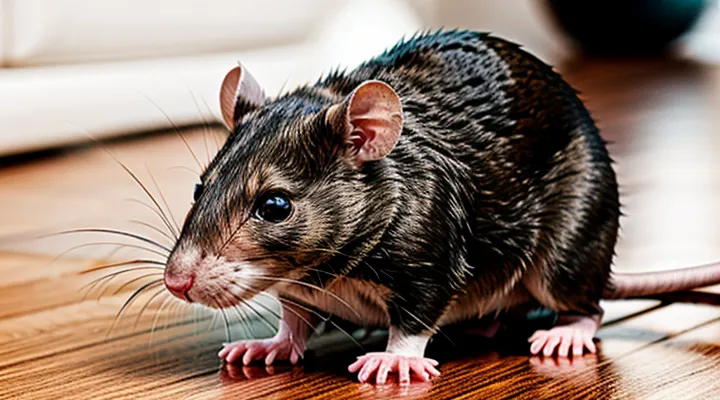
Understanding Rat Behavior and Needs
Rat Socialization and Communication Cues
Recognizing Playful vs. Aggressive Behavior
When engaging a rat in interactive sessions, distinguishing between playfulness and aggression prevents injury and builds trust. Recognize the following cues.
Playful behavior:
- Light, rhythmic nibbling that stops when the rat is gently redirected.
- Quick, low‑intensity darting across the enclosure without a stiff posture.
- Frequent grooming of the handler’s hand or body.
- Vocalizations such as soft chirps or squeaks, accompanied by relaxed whisker position.
- Tail held loosely, often swaying side to side.
Aggressive behavior:
- Persistent, forceful biting that targets the same area repeatedly.
- Sudden, high‑speed lunges combined with a rigid, arched back.
- Tail raised straight upward, often flicking sharply.
- Vocalizations that become harsh chattering or loud squeals.
- Ears flattened against the head and whiskers pressed forward.
If signs of aggression appear, cease interaction immediately, provide a safe retreat space, and reassess the rat’s environment for stressors. Consistent observation of these indicators ensures that play remains safe and constructive.
Interpreting Rat Body Language
Understanding a rat’s body language is a prerequisite for safe and effective interaction. Recognizing specific signals allows you to adjust your approach, prevent stress, and foster mutual enjoyment.
- Ears flattened or turned back – indicates fear or aggression; pause activity and give the rat space.
- Whiskers forward, head raised – signals curiosity and readiness to explore; gently introduce new toys or tunnels.
- Tail twitching rapidly – denotes excitement or agitation; monitor the intensity and intervene if the rat becomes overstimulated.
- Quiet, relaxed posture with fur smooth – reflects comfort; maintain current play style and reinforce with treats.
- Sudden freezing or low vocalizations – suggests uncertainty; reduce noise, lower lighting, and allow the rat to re‑establish confidence.
During play, translate these cues into concrete actions. If the rat displays forward‑leaning whiskers, extend a soft object and let it investigate at its own pace. When ear flattening occurs, withdraw hands, let the rat retreat to a hideout, and resume only after the posture normalizes. Tail twitching paired with rapid movements warrants brief pauses to avoid escalation.
Consistent observation builds trust. By matching your responses to the rat’s non‑verbal communication, you create an environment where the animal feels secure, reducing the risk of bites or injuries while enhancing the quality of the interaction.
Creating a Safe and Stimulating Play Environment
Rat-Proofing Your Play Area
A secure play environment prevents escape, injury, and contamination while you interact with a rat. Choose a space that can be closed off completely, eliminates gaps, and contains only safe materials.
- Install a solid, ventilated enclosure with lockable doors; use metal mesh no larger than ¼ inch.
- Seal all openings in walls, floors, and ceilings with silicone or steel wool; inspect regularly for new cracks.
- Remove chew‑able objects such as plastic cords, loose wires, and wooden splinters; replace with stainless‑steel accessories.
- Lay a washable, non‑absorbent floor covering; avoid bedding that can be shredded and ingested.
- Provide a designated feeding zone with a lidded container; keep food away from the enclosure’s edges.
- Position water bottles with metal spouts that lock in place; check for leaks each day.
- Place enrichment items (tunnels, climbing structures) inside the sealed area; ensure they are securely anchored.
- Maintain a routine cleaning schedule; disinfect surfaces with a rat‑safe solution after each session.
By following these measures, the play area remains fully rat‑proof, supporting safe and effective interaction without compromising the animal’s health or the surrounding environment.
Essential Toys and Enrichment Items
Providing rats with appropriate toys and enrichment items supports healthy behavior and safe interaction during play sessions. Quality objects stimulate natural instincts, reduce stress, and prevent destructive habits.
- Wooden chew blocks – dense, untreated wood that encourages gnawing and maintains dental health.
- Paper tunnels – flexible, collapsible tubes that mimic burrows, allowing exploration and escape routes.
- Climbing ladders – sturdy rungs attached to the cage interior, promoting vertical movement and muscle development.
- Puzzle feeders – containers that release food only when manipulated, fostering problem‑solving skills.
- Hanging ropes or hammocks – soft fibers suspended from the cage ceiling, offering resting spots and grip practice.
- Ball pits – shallow trays filled with shredded paper or safe plastic balls, creating a sensory play area.
- Interactive toys – battery‑free rollers or wheels with textured surfaces that respond to the rat’s motion.
Select items made from non‑toxic, chew‑safe materials; avoid plastic pieces that can splinter. Rotate toys weekly to sustain interest, and inspect each object for wear before reuse. Clean reusable accessories with mild soap and hot water, then dry thoroughly to prevent mold growth. Proper maintenance combined with varied enrichment ensures engaging, responsible play with a rat.
Engaging in Interactive Play
Types of Play Your Rat Will Enjoy
Chase and Pounce Games
Engaging a rat in chase and pounce games builds agility, mental stimulation, and a bond based on trust. These activities mimic natural predatory behavior, encouraging the animal to sprint, leap, and respond to quick movements. Proper execution requires a safe environment, appropriate timing, and clear signals that the rat can interpret.
- Choose a spacious, escape‑proof area free of sharp objects and gaps.
- Use a lightweight wand or a soft fabric tube to initiate movement; drag it slowly across the floor, then accelerate to prompt pursuit.
- Pause briefly after each sprint, allowing the rat to catch its breath before the next cue.
- Incorporate low platforms or small ramps to enable pouncing; place the lure just beyond the edge to motivate a leap.
- Observe the rat’s reaction; if hesitation appears, reduce speed or lower the height of the target.
Maintain consistency in the cue’s rhythm, and limit sessions to ten‑minute intervals to prevent fatigue. After play, provide a calm period with gentle handling to reinforce the positive experience. This structured approach ensures the rat remains active, confident, and receptive to future training.
Foraging and Puzzle Activities
Foraging and puzzle activities provide essential mental stimulation for a rat, reducing boredom and encouraging natural problem‑solving behaviors. Provide a variety of hidden food sources in safe containers, such as crumbled vegetables placed under paper towels, small treats concealed in cardboard tubes, or nuts tucked inside corks. Rotate locations daily to prevent pattern learning and maintain curiosity.
When introducing puzzles, select items that require manipulation without risking injury. Effective options include:
- Wooden block puzzles with removable compartments for treats.
- Plastic mazes that can be rearranged to create new pathways.
- PVC tubes fitted with sliding doors that release food when opened.
Each session should last 10–15 minutes, allowing the rat to explore without fatigue. Observe for signs of frustration, such as excessive gnawing on the cage bars, and adjust difficulty accordingly. Clean all components after use to prevent bacterial growth and replace worn parts promptly.
Progressive difficulty enhances cognitive development. Begin with simple hide‑and‑seek tasks, then advance to multi‑step challenges that demand sequential actions, such as unlocking a latch before accessing a treat chamber. Document successful strategies to refine future puzzles and ensure consistent enrichment.
Agility and Obstacle Courses
Training a rat for agility requires a secure environment, appropriate equipment, and a gradual increase in difficulty. Start with a flat, non‑slippery surface to prevent injuries. Place low ramps and short tunnels, ensuring that openings are wide enough for the animal to pass without hesitation.
Progression follows a predictable pattern:
- Introduce a single obstacle, allow the rat to explore, then reward successful navigation with a favored treat.
- Add a second element at a slight angle, creating a simple sequence.
- Combine three or more obstacles, forming a short course that demands coordination and confidence.
Consistency in timing and reward delivery reinforces learning. Use small, high‑value food items to maintain motivation without overfeeding. Limit each session to ten minutes; fatigue reduces focus and increases the risk of mishandling.
Safety considerations include regular inspection of all components for sharp edges, loose bolts, or worn fabric. Keep the course free of toxic substances and ensure that the rat cannot escape through gaps. Provide a quiet area for rest after each trial.
Benefits of obstacle work extend beyond physical fitness. Repetitive navigation improves spatial memory, sharpens problem‑solving abilities, and strengthens the bond between handler and animal.
When designing a custom course, prioritize variety in height, width, and texture. Introduce movable platforms to challenge balance, and incorporate rope bridges to develop grip strength. Adjust difficulty based on the rat’s age and skill level, never forcing a leap beyond its current capability.
Document progress by noting the time taken to complete each segment and the number of successful attempts. Use this data to fine‑tune the sequence, ensuring steady advancement without regression.
Building a Strong Bond Through Play
Gentle Handling Techniques
Gentle handling is essential for building trust and ensuring safety when interacting with a rat during play. Approach the animal calmly, allowing it to see your hands before making contact. Keep movements slow and predictable to avoid startling the rodent.
- Offer a hand palm‑up, allowing the rat to climb onto it voluntarily.
- Support the body with both hands, fingers under the torso and forepaws gently cradled.
- Use a light grip; pressure should be just enough to prevent slipping without restricting breathing.
- Maintain eye contact at the rat’s level to reduce perceived threat.
- When lifting, keep the animal close to your body to provide a sense of security.
During play, pause frequently to assess the rat’s reaction. Signs of tension—such as rapid breathing, vocalizations, or attempts to escape—indicate the need to reduce handling intensity. Reward calm behavior with soft spoken reassurance and occasional treats, reinforcing a positive association with human contact.
Consistent application of these techniques cultivates a cooperative environment, allowing the rat to engage in games without stress. Mastery of gentle handling therefore enhances both enjoyment and welfare for the animal.
Positive Reinforcement and Rewards
Positive reinforcement shapes a rat’s behavior by linking desired actions with immediate, valuable outcomes. When a rat performs a targeted maneuver—such as responding to a cue, navigating a maze, or engaging in gentle tug‑of‑war—the handler should deliver a reward within seconds to cement the association. Consistency in timing prevents confusion and accelerates learning.
Effective rewards include:
- Small pieces of fresh fruit (e.g., apple, banana) or commercial rat treats, offered in quantities that maintain motivation without causing weight gain.
- Brief sessions of tactile affection, such as a gentle hand‑stroke, when the animal exhibits calm interaction.
- Access to a favorite enrichment item (chew stick, tunnel) immediately after a correct response.
Key practices for applying reinforcement:
- Identify a clear, observable behavior to reinforce.
- Pair the behavior with a specific reward, delivering it no later than one second after the action.
- Record the frequency of successful trials to monitor progress and adjust reward size if performance plateaus.
- Gradually increase the difficulty of the task while maintaining reward consistency, ensuring the rat remains engaged.
By adhering to these principles, handlers cultivate reliable cooperation, reduce stress, and enhance the overall quality of rat‑focused play sessions.
Common Playtime Mistakes to Avoid
Overstimulation and Stress Signals
Rats engaged in play can quickly shift from curiosity to overstimulation, a condition that manifests through distinct stress signals. Recognizing these cues prevents injury and preserves the animal’s wellbeing.
Typical indicators include:
- Rigid posture or flattened ears
- Rapid, shallow breathing
- Sudden freezing or retreating
- High‑pitched squeaks or chattering
- Aggressive biting or lunging
To avoid overstimulation, follow these steps:
- Limit session length to five‑minute intervals, extending only if the rat remains relaxed.
- Observe body language continuously; pause interaction at the first sign of tension.
- Provide escape routes such as tunnels or hideouts, ensuring the rat can withdraw voluntarily.
- Alternate activity intensity; intersperse gentle handling with brief periods of rest.
- Keep the environment quiet, reducing loud noises and abrupt movements that amplify stress.
Effective play requires constant monitoring and immediate response to stress signals. Adjusting the pace or ending the session when warnings appear maintains a safe, enjoyable experience for both handler and rat.
Using Hands as Toys
When a rat is treated as a play partner, the hands become the primary tool for stimulation and bonding. The animal’s natural curiosity and agility respond best to deliberate, controlled movements that mimic natural foraging and exploration.
Safety begins with clean, dry hands. Wash thoroughly before each session, and remove rings, bracelets, or sharp objects that could injure delicate paws or whiskers. Keep nails trimmed to avoid accidental scratches; short, smooth nails reduce stress for both participants.
Effective hand‑based play relies on a few simple actions:
- Gentle tapping: Light taps on the forepaws or tail encourage the rat to lift its body and investigate.
- Slow rolling: Rotate the hand palm‑up, allowing the rat to climb and slide along the surface; this mimics the texture of bark or leaves.
- Finger teasing: Extend a fingertip just beyond the cage opening, then withdraw slowly; the rat will chase the moving point, exercising its sprint reflex.
- Paw offering: Present an open palm, palm‑down, for the rat to place a paw on; this builds trust and facilitates handling.
After each interaction, wipe the hands with a pet‑safe disinfectant or a damp cloth to eliminate scent residues that could linger in the enclosure. Store any toys or treats used during the session separately to prevent cross‑contamination.
Consistent, mindful hand play enhances a rat’s confidence, encourages physical activity, and reinforces the human‑animal bond without reliance on external objects. The approach remains simple: clean hands, measured gestures, and regular cleaning ensure a safe, engaging experience for both parties.
Neglecting Rest and Downtime
Neglecting rest and downtime during rat interaction undermines the animal’s physiological balance and compromises training outcomes. Continuous stimulation without scheduled pauses elevates cortisol levels, reduces appetite, and triggers stereotypic behaviors that erode trust between handler and rodent.
- Excessive grooming or self‑biting
- Decreased activity and exploration
- Aggressive or defensive reactions to gentle touch
- Loss of appetite or irregular feeding patterns
Implement a structured session plan that alternates active engagement with defined rest periods. Begin each interaction with a brief assessment of the rat’s posture and ear position; if signs of tension appear, insert a five‑minute pause. After 15‑20 minutes of play, provide a quiet enclosure equipped with nesting material, a hideaway, and fresh water. Limit total handling time to 30‑40 minutes per day for juveniles and up to one hour for mature individuals, adjusting based on observed fatigue markers.
Consistent downtime supports neurological consolidation, allowing learned cues to integrate into long‑term memory. It also gives the handler an opportunity to observe subtle health indicators, reducing the risk of chronic stress‑related illnesses. By respecting the rat’s need for recovery, the overall quality of interaction improves, fostering reliable responses and a sustainable, mutually beneficial routine.