
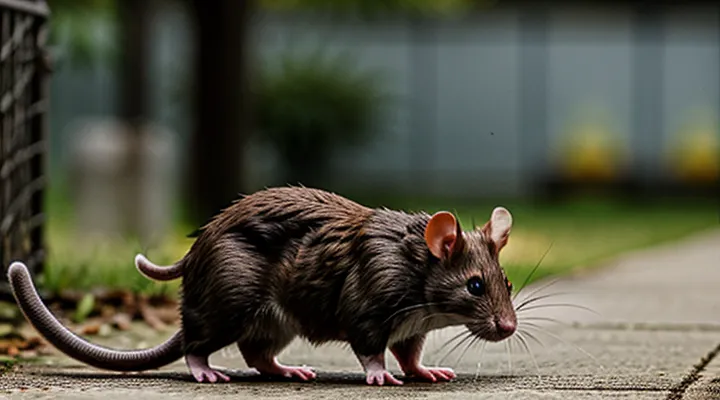
Understanding Rabies Transmission and Risk
Rabies in Rodents: A Rare Occurrence
Why Rats Are Low-Risk Carriers
Rats present a markedly lower probability of carrying rabies compared with typical reservoir species such as raccoons, skunks, and foxes. Their limited susceptibility results from several biological and ecological factors.
- Natural resistance: Laboratory studies demonstrate reduced viral replication in rodent neural tissue, leading to subclinical infections that rarely progress to transmissible disease.
- Habitat separation: Urban rat populations occupy niches with minimal overlap with wild carnivores that sustain rabies cycles, decreasing exposure risk.
- Short lifespan: Average rat longevity of 2–3 years limits the window for infection acquisition and viral shedding.
- Social structure: Hierarchical colonies reduce aggressive encounters, a primary transmission route for the virus.
Consequently, when evaluating a rodent for potential rabies infection, the likelihood of a true positive case is low. Diagnostic protocols should prioritize clinical signs—such as excessive salivation, neurological disturbances, and abnormal behavior—while recognizing that these manifestations are uncommon in rats. Confirmation through laboratory testing remains essential only when exposure to a confirmed rabid animal is documented.
« Rabies is primarily maintained in carnivorous mammals », emphasizing that surveillance resources are more effectively allocated toward species with higher reservoir competence.
General Symptoms of Rabies
Behavioral Changes
Rats infected with the rabies virus exhibit distinct alterations in activity, social interaction, and response to stimuli. Early stages often involve increased agitation, frequent biting of cage bars, and erratic movement patterns. As the disease progresses, the animal may display pronounced aggression toward conspecifics or handlers, coupled with a loss of fear of predators.
Observable behavioral shifts include:
- Hyperactivity or frantic pacing, especially during normally quiet periods.
- Uncharacteristic vocalizations, such as high‑pitched squeaks, that differ from typical distress calls.
- Sudden onset of paralysis in the hind limbs, leading to a hunched posture and inability to climb.
- Excessive salivation, resulting in drooling that may be mistaken for normal grooming.
Later phases are marked by lethargy, reduced responsiveness to external cues, and eventual coma. These signs, taken together, provide reliable indicators for diagnosing rabies in laboratory or pet rats without reliance on laboratory testing alone. Prompt recognition enables immediate containment measures and reduces the risk of transmission to humans and other animals.
Physical Manifestations
Physical manifestations provide the most reliable early indication of rabies infection in rats. Observable changes appear rapidly after the virus reaches the central nervous system and affect behavior, motor function, and autonomic regulation.
Typical signs include:
- Excessive salivation, often accompanied by foamy discharge at the mouth.
- Uncharacteristic aggression or extreme tameness, deviating from normal species‑specific reactions.
- Paralysis of the hind limbs, leading to difficulty in maintaining posture or moving.
- Unsteady gait, frequent stumbling, and loss of coordination (ataxia).
- Hyperthermia, with body temperature exceeding normal ranges for the species.
- Pupillary dilation and abnormal eye movements, suggesting central nervous system involvement.
- Inability to swallow, resulting in choking or coughing episodes.
These symptoms may emerge in various combinations, and the presence of multiple indicators increases diagnostic confidence. Prompt identification based on physical evidence is essential for timely veterinary intervention and public health measures.
Observing Rat Behavior and Physical Signs
Recognizing Abnormal Behavior
Unprovoked Aggression
Unprovoked aggression in a rat constitutes a primary behavioral indicator of rabies infection. Rats normally display avoidance of threats and limited territorial disputes; sudden attacks without apparent provocation suggest neurological disruption caused by the virus.
Key observations associated with this symptom include:
- Immediate onset of hostility toward humans or other animals.
- Biting or scratching without preceding stimulus.
- Persistent agitation despite handling or confinement.
Additional clinical signs that often accompany aggressive behavior are excessive salivation, difficulty swallowing, and tremors. The combination of these manifestations strengthens the suspicion of rabies.
Diagnostic protocol recommends isolation of the animal, documentation of behavioral changes, and prompt submission of brain tissue for laboratory testing. Early identification of unprovoked aggression enables timely implementation of quarantine measures and protects public health.
Disorientation and Paralysis
Disorientation appears as a sudden loss of spatial awareness. A rat may wander aimlessly, fail to navigate familiar tunnels, and exhibit erratic turning without a clear purpose. This change occurs rapidly and differs from normal exploratory behavior.
Paralysis manifests initially as weakness in the hind limbs, progressing to complete loss of motor control. Muscular rigidity may accompany the weakness, and the animal often adopts a recumbent posture, unable to right itself.
Key indicators to monitor:
- Aimless roaming and inability to locate food or shelter
- Unsteady gait, frequent stumbling, or inability to stand
- Progressive limb weakness leading to full paralysis
- Absence of normal grooming or nesting activities
Observation of these signs provides reliable evidence of rabies infection in a rat. Prompt identification allows for immediate containment and veterinary intervention.
Lack of Fear Towards Humans
Rats infected with rabies often display a marked reduction or complete loss of natural wariness toward people. This behavioral change is a reliable indicator when assessing potential infection.
Key observations related to diminished fear:
- Approaches humans without hesitation, even when approached aggressively.
- Allows handling for extended periods without attempts to escape or bite.
- Remains calm in environments that normally provoke flight responses, such as bright lights or sudden noises.
When these signs appear alongside other clinical manifestations—such as excessive salivation, paralysis of the hind limbs, or abnormal vocalizations—they warrant immediate diagnostic testing for rabies. Early recognition of the lack of fear response can accelerate containment measures and protect public health.
Identifying Physical Symptoms
Excessive Salivation («Foaming at the Mouth»)
Excessive salivation, often described as «Foaming at the Mouth», is a hallmark symptom of rabies infection in rodents. The virus attacks the salivary glands, causing uncontrolled secretion that may appear as a frothy layer coating the lips and whiskers. Observation of this sign requires close, safe inspection of the animal’s oral region, preferably with protective equipment to prevent exposure.
Key characteristics of rabies‑related salivation:
- Clear, abundant fluid that forms a visible film on the muzzle.
- Sudden onset, typically accompanied by agitation or paralysis.
- Persistence despite normal hydration levels.
Differentiation from non‑rabid causes:
- Dental disease produces localized drooling, not widespread froth.
- Heat stress induces panting and occasional drool, lacking the characteristic foam.
- Toxic exposure may cause drooling, but often includes additional systemic signs such as tremors or convulsions.
Procedural steps for accurate assessment:
- Secure the rat in a containment device that limits movement.
- Wear gloves, mask, and eye protection throughout the examination.
- Gently lift the head to expose the mouth without provoking stress.
- Note the presence, volume, and consistency of any fluid.
- Record accompanying behaviors, such as aggression, paralysis, or altered gait.
- If excessive salivation is confirmed, isolate the animal and contact a veterinary professional immediately.
Prompt identification of this symptom enables timely quarantine and reduces the risk of transmission to humans and other animals.
Self-Mutilation
Self‑mutilation is a noteworthy behavioral abnormality when assessing rodents for rabies infection. Rats infected with the virus often exhibit compulsive biting or gnawing of their own limbs, tail, or facial tissues. The behavior emerges from viral interference with the central nervous system, leading to loss of pain perception and heightened agitation.
Typical manifestations include:
- Repeated gnawing of the tail or hind limbs
- Persistent chewing of facial whiskers or ears
- Persistent removal of skin or fur patches without external provocation
These actions frequently precede more overt neurological signs such as ataxia, hypersalivation, or aggression. The presence of self‑inflicted injuries, especially when combined with other rabies‑related symptoms, strengthens the suspicion of viral involvement.
Observers should record the following details during examination:
- Location and extent of tissue damage
- Frequency and duration of biting episodes
- Accompanying signs: drooling, tremors, unsteady gait
- Environmental factors that might influence stress levels
Documented self‑injury, in conjunction with the above indicators, provides valuable evidence for confirming rabies in rat subjects. Prompt recognition enables timely implementation of containment and diagnostic protocols.
Unexplained Weakness or Paralysis
Unexplained weakness or paralysis in a rat may indicate a neurological disorder that warrants immediate investigation. Sudden loss of muscle tone, inability to grip, or asymmetrical limb movement often precede more severe clinical signs.
Rabies infection commonly presents with progressive motor impairment. Early stages involve tremors, incoordination, and partial paralysis, which can be mistaken for trauma or metabolic imbalance. Recognizing the pattern of weakness helps differentiate viral encephalitis from other etiologies.
Critical observations for assessment include:
- Onset within 24‑48 hours of exposure to a suspected carrier.
- Progressive spread from hind limbs to forelimbs and facial muscles.
- Absence of external injury or obvious pain response.
- Accompanying signs such as excessive salivation, agitation, or altered vocalization.
Laboratory confirmation requires brain tissue analysis after humane euthanasia, typically using direct fluorescent antibody testing. Until results are available, isolate the animal, implement strict biosecurity measures, and avoid handling without protective equipment.
Differential diagnoses encompass traumatic nerve damage, vitamin E deficiency, and toxic exposure. Distinguishing features—rapid progression, bilateral involvement, and concurrent rabies‑specific signs—guide the decision to treat the case as a potential rabies incident.
Differentiating Rabies from Other Conditions
Common Rat Diseases and Their Symptoms
Respiratory Illnesses
Respiratory infections in rats often produce clinical signs that overlap with those observed in viral encephalitis, complicating early detection of rabies. Common pathogens such as Mycoplasma pulmonis, Sendai virus, and Streptococcus pneumoniae cause nasal discharge, labored breathing, and lethargy, which may be mistaken for the initial neurological manifestations of rabies.
Distinguishing features focus on the progression and nature of symptoms. Rabies typically presents with sudden onset of hyperexcitability, excessive salivation, and paralysis of facial muscles, whereas respiratory diseases maintain a primary focus on the respiratory tract, including:
- Persistent nasal or ocular discharge
- Audible wheezing or crackles on auscultation
- Elevated respiratory rate without concurrent neurological hyperactivity
Neurological assessment should prioritize observation of:
- Aggressive or uncoordinated behavior absent in pure respiratory infections
- Hydrophobia or aversion to water, a hallmark of rabies
- Progressive paralysis beginning in the hind limbs, not associated with pulmonary distress
Laboratory confirmation requires sampling of brain tissue for rabies antigen detection, while respiratory pathogens are identified through culture of nasal swabs, PCR, or serology. Immediate isolation of symptomatic rats and implementation of biosafety measures reduce the risk of zoonotic transmission and prevent misdiagnosis.
Parasitic Infestations
Parasitic infestations can produce clinical signs that resemble rabies in rodents, complicating diagnosis. Recognizing the distinction prevents misinterpretation of neurological symptoms and guides appropriate treatment.
Common parasites affecting rats include:
- Mites (e.g., Myobia spp.) – cause itching, skin lesions, and occasional tremors. - Fleas (Xenopsylla cheopis) – transmit bacterial agents, may induce fever and lethargy. - Tapeworms (Hymenolepis nana) – lead to weight loss, abdominal discomfort, and occasional weakness. - Nematodes (e.g., Syphacia muris) – cause gastrointestinal upset, occasional irritability.
Symptoms that overlap with rabies:
- Unexplained agitation or aggression. - Tremors or uncoordinated movements. - Excessive salivation.
Key diagnostic steps:
1. Observe behavior for sudden changes in aggression or paralysis. 2. Conduct a thorough physical examination for external parasites, skin lesions, and signs of anemia. 3. Collect fecal samples for microscopic parasite identification. 4. Perform a direct fluorescent antibody test on brain tissue to confirm rabies presence; this test remains definitive.
When parasitic infestation is confirmed, initiate appropriate anthelmintic or ectoparasiticide therapy. Simultaneously, maintain biosafety protocols for rabies testing, including use of personal protective equipment and proper specimen handling. Accurate differentiation between parasitic disease and viral encephalitis ensures effective veterinary response and reduces unnecessary public health alarms.
Injuries
In rats, rabies infection frequently manifests through specific injuries that differ from trauma caused by other sources. Recognizing these injuries aids in rapid diagnosis and containment.
Typical injury patterns include:
- Unexplained bite marks on the head or neck, often irregular and deeper than ordinary scratches.
- Self‑inflicted wounds resulting from frantic attempts to escape, such as multiple lacerations on the forepaws.
- Necrotic lesions near the oral cavity, indicating progressive tissue damage associated with viral spread.
Additional indicators:
- Hemorrhagic discharge from the eyes or nose without external injury, reflecting neurological impairment.
- Sudden loss of coordination leading to falls and bruising on the torso and limbs.
These signs, when observed together, strongly suggest rabies presence in a rat and warrant immediate veterinary assessment and quarantine. Prompt identification based on injury assessment reduces transmission risk to other animals and humans.
Environmental Factors Affecting Rat Behavior
Exposure to Toxins
Toxin exposure can produce clinical signs that resemble rabies in rodents, complicating accurate diagnosis. Recognizing the distinction between toxin‑induced neurologic disturbances and true rabies infection is essential for reliable assessment.
Key toxins that may affect rats include:
- Rodenticide anticoagulants: cause internal bleeding, ataxia, and seizures that mimic rabies‑related paralysis.
- Organophosphates: generate muscle tremors, excessive salivation, and hyperactivity, overlapping with rabies‑associated hypersalivation.
- Heavy metals (lead, mercury): produce progressive weakness, gait abnormalities, and behavioral changes similar to rabies‑induced aggression.
Diagnostic approach:
- Review exposure history for recent contact with poisons, bait, or contaminated feed.
- Perform a thorough physical examination, noting the presence of hemorrhagic lesions, pupil dilation, or specific toxic signs such as cholinergic crisis.
- Collect brain tissue for direct fluorescent antibody testing; a positive result confirms rabies, while negative results prompt toxin analysis.
- Conduct toxicological screening of blood or organ samples to identify residues of anticoagulants, organophosphates, or heavy metals.
By systematically eliminating toxin‑related etiologies, the practitioner can focus on virological testing and achieve a definitive diagnosis.
Stress and Territory Disputes
Stress and territorial disputes frequently produce behavioral changes that resemble early rabies manifestations in rats. Aggressive encounters elevate cortisol levels, trigger hyper‑reactivity, and cause atypical grooming patterns. These responses can be mistaken for the neurological disturbances caused by the viral infection.
Physiological stress signs include rapid pacing, heightened bite response toward conspecifics, and sporadic vocalizations. Rabies, by contrast, progresses from initial agitation to paralysis, excessive salivation, and loss of coordinated movement. Distinguishing features are observable when the animal is monitored over time.
Key differences:
- Aggression from territorial conflict remains intermittent; rabies‑induced aggression persists and intensifies.
- Stress‑related hyperactivity is accompanied by normal appetite; rabies often produces anorexia and difficulty swallowing.
- Grooming abnormalities under stress appear as excessive licking; rabies leads to neglect of self‑care and fur loss.
- Neurological signs such as tremors or ataxia develop rapidly in rabies, whereas stress‑induced tremors are rare and mild.
Effective assessment requires systematic observation and diagnostic testing. Record behavioral patterns for at least 24 hours, noting frequency and context of aggression. Conduct a direct fluorescent antibody test on brain tissue if rabies is suspected. Isolation of the animal during observation prevents further territorial clashes and reduces stress‑related confounding factors.
When to Seek Professional Assistance
Safety Precautions
Avoiding Direct Contact with Wild Animals
Direct interaction with free‑living rodents presents a primary pathway for rabies exposure. Rats that exhibit neurological signs may carry the virus; eliminating physical contact removes the most immediate transmission vector.
Effective avoidance strategies include:
- Maintaining a minimum distance of several meters from observed rats.
- Employing disposable gloves and protective clothing when capture is unavoidable.
- Utilizing mechanical traps rather than manual capture.
- Disinfecting surfaces and tools immediately after any accidental contact.
- Reporting suspicious animal behavior to local health authorities without handling the animal.
Limiting exposure allows professionals to assess clinical signs without contamination, thereby supporting accurate disease identification while safeguarding public health.
Reporting Suspicious Animal Behavior
Identifying rabies in a rat depends on recognizing abnormal conduct and informing authorities without delay.
Typical signs include unprovoked aggression, excessive drooling, disorientation, and paralysis of the hind limbs. Any deviation from normal nocturnal activity, such as sudden daytime roaming or reluctance to flee when approached, warrants suspicion.
When suspicious behavior is observed, follow a structured reporting process:
- Record the date, time, and exact location of the incident.
- Note the animal’s appearance: size, color, visible injuries, and any unusual marks.
- Describe the behavior using objective terms, for example «aggressive biting» or «uncontrolled frothing».
- Contact the local animal control agency or public health department via the designated emergency number.
- Provide the collected details and request guidance on safe handling or removal.
Maintain a written log of the report, including the response received and any follow‑up actions. Preserve photographic evidence when safe to do so, as it assists veterinary assessment and epidemiological tracking. Prompt, accurate documentation supports timely intervention and reduces the risk of disease spread.
Contacting Animal Control or Wildlife Experts
Importance of Professional Assessment
Professional assessment is essential when suspecting rabies infection in a rat. Accurate diagnosis requires laboratory confirmation, which only qualified veterinarians or certified laboratories can provide. Misidentification can lead to unnecessary euthanasia, legal liability, and heightened public health risk.
Key reasons for seeking expert evaluation:
- Laboratory testing (e.g., direct fluorescent antibody assay) validates the presence of the virus.
- Experienced clinicians interpret clinical signs in the context of species‑specific manifestations.
- Certified professionals follow biosafety protocols that protect handlers and prevent environmental contamination.
- Official documentation satisfies regulatory requirements for disease reporting and quarantine measures.
Relying on untrained observation increases the probability of error and may compromise both animal welfare and community health. Engaging qualified personnel ensures that decisions are based on scientifically sound evidence and compliant with legal standards.
Proper Handling of Potentially Rabid Animals
Handling animals that may carry rabies demands strict adherence to safety protocols. Immediate isolation of the specimen prevents accidental exposure. Direct contact must be avoided until protective equipment is in place.
- Confine the animal in a sealed, ventilated container.
- Don disposable gloves, face shield, and a fluid‑impermeable gown.
- Use a certified respirator when aerosol generation is possible.
- Disinfect all surfaces with a validated virucidal solution after handling.
Personal protective equipment (PPE) must be inspected for integrity before use. Gloves should be double‑layered; gowns must cover the torso and limbs completely. After completion, remove PPE in a designated decontamination area, disposing of it according to hazardous waste regulations.
Transport the animal to a licensed diagnostic laboratory within a sealed secondary container. Maintain the specimen at a temperature that preserves viral integrity without compromising safety. If euthanasia is required, employ an approved method that minimizes aerosolization.
Document the incident promptly, including species, observed clinical signs, and handling measures taken. Notify local public health authorities and veterinary services to initiate contact tracing and post‑exposure prophylaxis if necessary.