
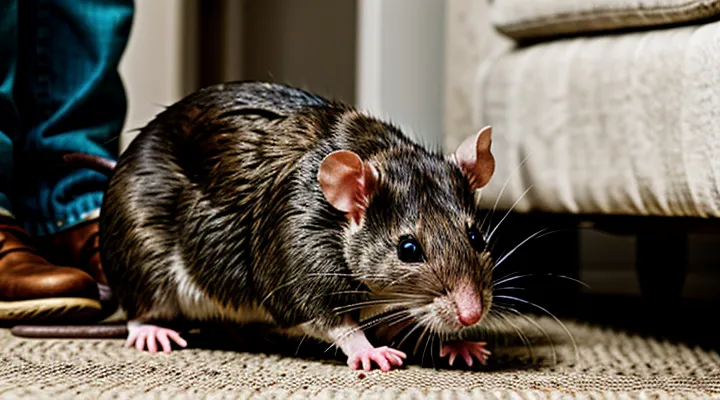
«Understanding Euthanasia and Its Ethical Considerations»
«Why Euthanize a Rat at Home?»
«Alleviating Suffering»
Alleviating suffering during humane euthanasia of a pet rat requires precise preparation, appropriate technique, and immediate post‑procedure care.
Select a method that induces rapid loss of consciousness followed by cardiac arrest. Preferred options include injectable barbiturates administered by a veterinarian, inhalation of isoflurane in a sealed chamber, or a carbon dioxide chamber calibrated to 70 % concentration. Each method must achieve unconsciousness within seconds to prevent pain perception.
Before execution, ensure the rat is restrained gently to avoid stress. Use a soft towel or a small restraining device that limits movement without applying pressure to the abdomen. Verify the equipment functions correctly; test gas flow rates or syringe dosage on a dummy model if possible.
Administer the chosen agent according to dosage guidelines based on body weight (approximately 0.5 ml of a 100 mg/ml barbiturate solution per 100 g of body mass). Observe the rat’s eye reflexes and breathing. Absence of corneal reflex and cessation of respiration indicate successful euthanasia.
After death, confirm the absence of pulse by palpating the femoral artery for at least 30 seconds. Dispose of the body in accordance with local regulations, using sealed bags to prevent odor and contamination.
Key points for minimizing distress:
- Use the most rapid, painless method available.
- Maintain a calm environment; limit exposure to loud noises and bright lights.
- Handle the animal gently, avoiding prolonged restraint.
- Verify unconsciousness before delivering the lethal agent.
- Conduct a post‑mortem check to ensure death has occurred.
Implementing these practices eliminates pain, reduces anxiety for the caretaker, and upholds ethical standards for small‑animal euthanasia performed at home.
«Practical Considerations»
Performing humane euthanasia of a rat in a domestic environment requires careful planning to ensure effectiveness, safety, and compliance with regulations. The following practical considerations should guide the process.
-
Method selection – Choose a technique recognized for rapid loss of consciousness and death, such as CO₂ inhalation, injectable anesthetic agents, or cervical dislocation performed by a trained individual. Verify that the chosen method is permitted for small mammals in your jurisdiction.
-
Equipment preparation – Assemble all necessary tools before beginning: calibrated CO₂ chamber or flowmeter, appropriate syringes and needles for injectable agents, a sharp, sterilized instrument for cervical dislocation, protective gloves, and a surface for disposal of carcass. Test equipment functionality to prevent malfunction during the procedure.
-
Environmental control – Conduct the procedure in a quiet, low‑stress area away from other pets. Ensure adequate ventilation when using gases and maintain a stable temperature to avoid additional physiological stress.
-
Dosage and exposure calculations – For gas euthanasia, calculate flow rate to achieve 30–50 % CO₂ concentration within the chamber, maintaining exposure for at least 5 minutes after the rat ceases movement. For injectable agents, follow manufacturer‑provided dosage guidelines based on body weight, and confirm complete loss of reflexes before proceeding.
-
Safety measures – Wear disposable gloves and eye protection to prevent accidental exposure to chemicals or biological material. Keep a first‑aid kit accessible in case of accidental self‑injection or gas inhalation.
-
Legal and ethical compliance – Review local animal welfare statutes to confirm that the method is legally acceptable. Document the procedure, including date, method, and personnel involved, to demonstrate accountability.
-
Post‑procedure disposal – Place the deceased animal in a sealed, biodegradable bag. Follow municipal regulations for animal carcass disposal, opting for burial, cremation, or authorized waste services as appropriate.
Adhering to these guidelines minimizes suffering, protects the caretaker, and aligns the act with professional standards for small‑animal euthanasia performed outside a veterinary clinic.
«Recognizing When Euthanasia is Necessary»
«Signs of Severe Illness or Injury»
Recognizing critical health deterioration in a pet rat is essential before considering humane termination. Observable indicators separate routine discomfort from life‑threatening conditions.
- Profound weight loss exceeding 20 % of normal body mass.
- Persistent lethargy, inability to move or stand without assistance.
- Labored breathing, audible wheezing, or open‑mouth respiration.
- Severe bleeding, uncontrolled wounds, or necrotic tissue.
- Uncontrolled seizures, tremors, or loss of motor coordination.
- Extreme dehydration, dry skin, and sunken eyes.
- Inappetence lasting more than 48 hours despite supportive care.
- Fever above 103 °F (39.5 °C) measured rectally.
When multiple signs appear concurrently, the animal’s quality of life is irreversibly compromised. Immediate veterinary consultation is advisable to confirm diagnosis; if professional care is unavailable, these symptoms justify proceeding with a compassionate and painless method.
«Quality of Life Assessment»
Assessing a rat’s quality of life is a prerequisite for deciding whether to end its suffering at home. Objective observation eliminates ambiguity and guides humane action.
Key indicators include:
- Body condition: weight loss exceeding 20 % of normal mass, visible rib prominence, or severe emaciation.
- Nutrition: inability or refusal to eat or drink for more than 48 hours.
- Mobility: persistent inability to move without assistance, frequent falls, or loss of balance.
- Grooming: neglected fur, matting, or persistent self‑mutilation.
- Pain: vocalization, guarding, or resistance to handling that persists despite analgesic attempts.
- Respiratory distress: rapid, labored breathing, audible wheezing, or cyanotic gums.
- Behavior: extreme lethargy, loss of interest in environment, or aggressive self‑injury.
A simple scoring system assigns one point per criterion. A total of three or more points signals a poor quality of life and justifies humane euthanasia. Record observations daily for at least 24 hours before reaching a decision; note any changes in condition.
When possible, contact a veterinarian for confirmation, even if the procedure will be performed at home. Documentation of the assessment protects both the animal’s welfare and the caretaker’s responsibility.
«Preparing for Home Euthanasia»
«Methods Not Recommended for Home Euthanasia»
«Why Certain Methods Are Inhumane»
Inhumane approaches fail to produce rapid loss of consciousness, causing prolonged suffering. Physical trauma such as crushing or blunt force can damage the spinal cord without immediately disrupting brain activity, allowing the animal to remain aware of pain. Chemical agents applied without proper dosage control may induce severe respiratory distress, nausea, and convulsions before death occurs.
Key physiological indicators of a humane procedure include:
- Immediate cessation of cortical activity
- Absence of reflexive responses within seconds
- No observable signs of pain or distress
Methods that lack these outcomes—such as exposure to carbon monoxide, improper use of injectable anesthetics, or immersion in cold water—are considered unethical because they do not guarantee swift, painless termination.
«Common Misconceptions»
Misconceptions about performing rat euthanasia in a domestic setting often lead to unnecessary distress for both animal and caretaker.
- Many believe that a quick blow to the head guarantees painless death. In reality, blunt force can cause severe trauma without immediate loss of consciousness; a properly administered inhalant agent is required for humane termination.
- Some assume that household chemicals such as chlorine bleach or alcohol are effective euthanasia solutions. These substances produce irritation rather than rapid unconsciousness and may prolong suffering.
- A frequent claim is that leaving a rat alone after administering a method ensures a painless outcome. Without continuous monitoring, complications such as incomplete apnea can occur, necessitating immediate intervention.
- Several owners think that a single dose of a sedative will suffice for euthanasia. Sedatives induce calm but do not guarantee cessation of vital functions; they must be combined with a confirmed method that stops respiration.
- The notion that “natural death” is preferable to assisted euthanasia is common. Uncontrolled disease often results in prolonged pain, whereas a carefully executed procedure eliminates suffering promptly.
Correcting these errors requires adherence to recognized veterinary guidelines, use of approved anesthetic agents, and vigilant observation until cessation of breathing and heartbeat is confirmed.
«Humane Methods for Home Euthanasia (If Applicable and Legal)»
«Carbon Dioxide Asphyxiation (Considerations and Precautions)»
Carbon dioxide (CO₂) asphyxiation is a common method for humane termination of laboratory rodents when performed with proper controls. The technique relies on displacing oxygen in a sealed environment, leading to loss of consciousness and death without pain when the gas concentration reaches sufficient levels.
Key considerations include the selection of a sealed chamber that can accommodate a single rat without excessive space, preventing gas leakage. The chamber material must be impermeable to CO₂ and easy to clean. A reliable source of medical‑grade CO₂, equipped with a regulator and flow meter, ensures accurate delivery of the gas.
Precautions to observe:
- Concentration: Maintain CO₂ at 70 %–100 % by volume. Concentrations below 70 % may cause distress before loss of consciousness.
- Flow rate: Introduce the gas at 30 %–50 % of the chamber volume per minute. A rapid influx reduces the time to unconsciousness.
- Exposure time: Observe the animal for at least 5 minutes after the gas reaches the target concentration to confirm cessation of breathing.
- Ventilation: After the procedure, ventilate the chamber thoroughly before reuse or disposal to avoid residual CO₂ exposure.
- Personal safety: Perform the process in a well‑ventilated area. Use a mask or respirator if there is a risk of inhaling high‑concentration CO₂.
- Monitoring: Employ a CO₂ sensor or indicator to verify that the desired concentration is achieved and maintained throughout the exposure.
- Disposal: Place the deceased animal in a sealed container for proper waste handling in accordance with local regulations.
Adhering to these parameters minimizes animal suffering and protects the operator from accidental exposure. Regular calibration of equipment and routine checks for chamber integrity are essential for consistent, humane outcomes.
«Cervical Dislocation (Requires Expertise and Training)»
Cervical dislocation is a method of rapid brain death that involves separating the skull from the spinal column. The technique produces immediate loss of consciousness and cessation of vital functions when executed correctly.
Successful application demands extensive training in rodent anatomy, precise hand‑eye coordination, and familiarity with the required force vectors. Practitioners should have completed a certified animal‑care course and practiced on cadaver specimens before attempting the procedure on live subjects.
Typical steps, presented in order:
- Restrain the rat securely but gently to prevent movement.
- Position the animal with the head extending beyond the forelimbs.
- Grip the skull at the occipital region using thumb and forefinger.
- Apply a swift, controlled downward force while simultaneously pulling the forelimbs forward, creating a rapid separation at the cervical vertebrae.
- Observe for immediate loss of reflexes and absence of heartbeat.
Risks include incomplete dislocation, resulting in prolonged suffering, and potential injury to the operator’s hands. Improper execution may also cause skeletal damage that obscures the assessment of death.
Because of the high skill threshold, most home settings lack the necessary expertise. Veterinary professionals or trained laboratory personnel should perform cervical dislocation whenever possible; otherwise, consider alternative methods that require less specialized training.
«Gathering Necessary Supplies»
«Creating a Calm Environment»
When performing humane termination of a pet rat in a domestic setting, the animal’s stress level directly affects the procedure’s effectiveness and the owner’s experience. A tranquil environment minimizes agitation, reduces physiological distress, and facilitates a swift, painless outcome.
Key environmental factors include sound, lighting, temperature, and tactile surroundings. Silence eliminates sudden noises that can trigger a fear response. Dim, steady lighting prevents visual overstimulation. A room kept at the rat’s comfortable temperature (approximately 20‑22 °C) avoids thermal shock. Soft, familiar bedding provides a gentle surface that the animal recognizes as safe.
Preparation steps:
- Choose a small, enclosed space free from windows, televisions, or music.
- Turn off all electronic devices that emit audible alerts.
- Cover bright lights with a thin cloth or use a low‑wattage lamp.
- Place a layer of clean, soft bedding on a stable surface.
- Keep a calm, steady hand; handle the rat gently but securely to prevent escape.
- Have all necessary tools within arm’s reach to avoid movement once the rat is placed.
By controlling auditory, visual, and tactile stimuli, the owner creates a setting that reduces the rat’s anxiety and supports a humane, efficient procedure. The result is a dignified process that respects the animal’s welfare and the owner’s responsibility.
«Post-Euthanasia Care Considerations»
After the procedure, confirm the animal shows no reflexes or heartbeat before proceeding with any further actions.
Dispose of the carcass in a manner that prevents disease transmission and respects local regulations. Common options include:
- Sealing the body in a double‑layered bag, then placing it in a freezer for at least 24 hours before discarding in a trash receptacle permitted for animal waste.
- Using a licensed animal carcass disposal service that provides biohazard containers.
- Rendering the remains into a compost system designed for small mammals, ensuring temperature and time parameters meet pathogen‑kill standards.
Sanitize all tools, surfaces, and containers that contacted the rat. Use a disinfectant effective against rodent pathogens (e.g., 10 % bleach solution) and allow a contact time of at least 10 minutes before rinsing and drying.
Clean the work area thoroughly. Remove organic debris, mop floors with a disinfectant, and launder any cloths or protective clothing separately from regular laundry.
Record the date, method, and disposal route in a logbook or digital file. Retain documentation for the period required by local animal welfare statutes.
Address the caretaker’s emotional response. Provide a quiet space for reflection, consider discussing the experience with a veterinary professional, and, if needed, seek support from a mental‑health resource.
«The Process of Euthanasia»
«Step-by-Step Guide for Chosen Method»
«Ensuring Proper Technique»
When performing humane euthanasia on a pet rat in a domestic setting, technique determines both animal welfare and operator safety. The following points outline essential elements of a proper procedure.
- Use an approved method such as inhalant anesthetic (e.g., isoflurane) administered in a sealed chamber, or a rapid intravenous injection of a barbiturate solution. Both methods produce loss of consciousness followed by cardiac arrest within seconds.
- Verify dosage calculations based on the animal’s weight. Typical barbiturate dosage ranges from 100 mg/kg, delivered intravenously into the lateral tail vein. Inhalant concentration should reach 5 % isoflurane in oxygen for a minimum of three minutes before confirming cessation of reflexes.
- Prepare a quiet, dimly lit environment to reduce stress. Place the rat on a soft surface, restraining gently only if necessary to insert the needle or position the mask.
- Employ personal protective equipment: nitrile gloves, eye protection, and a mask if using volatile agents. Ensure adequate ventilation to prevent operator exposure.
- After administration, observe for the absence of corneal reflex, lack of breathing movements, and a flat thoracic profile. Confirm death by checking for a pulse at the femoral artery for at least 30 seconds.
- Dispose of biological material according to local regulations. Seal used syringes in a puncture‑proof container and incinerate or return to a licensed disposal service. Clean the work area with an appropriate disinfectant.
Adhering to these steps guarantees a swift, painless outcome for the animal and minimizes risk to the caretaker.
«Monitoring for Effectiveness»
Effective monitoring after a rat is euthanized at home requires observation of specific physiological and behavioral indicators. The goal is to confirm that death has occurred promptly and without residual distress.
- Absence of respiration: Look for the lack of chest movement and listen for no audible breath sounds. Use a mirror or a piece of clear plastic placed near the nostrils; condensation will not form if breathing has stopped.
- No cardiac activity: Place a fingertip gently over the thoracic region to feel for a pulse. In the absence of a heartbeat, the pulse will be undetectable. A stethoscope can provide a more reliable assessment.
- Lack of response to stimuli: Apply a mild tactile stimulus, such as a light pinch on the hind paw. A dead animal will exhibit no reflexive movement or withdrawal.
- Muscle tone: Observe the body for flaccidity. Rigor mortis typically begins within a few hours; immediate flaccidity indicates cessation of muscular activity.
- Ocular signs: The eyes will appear glassy and unresponsive. Pupils will be dilated and fixed.
If any of these signs persist, repeat the euthanasia method or consider an alternative approach approved for humane animal care. Documentation of the observations, including time stamps, supports verification of the procedure’s success and provides a record for future reference.
«Confirming Death»
«Signs of Cessation of Life»
When confirming that a rat has passed after a home euthanasia procedure, observe the following objective indicators.
- Absence of respiratory movement; no chest or abdominal rise and no audible breath sounds.
- Lack of cardiac activity; no palpable pulse in the femoral artery and no detectable heartbeat with a stethoscope.
- Rigid, unresponsive musculature; limbs remain limp and do not react to gentle stimulation.
- Fixed, dilated pupils; eyes appear glassy, unresponsive to light.
- No reflexes; corneal, pinna, and withdrawal responses are absent upon tactile testing.
- Body temperature stabilizes at ambient level; the animal no longer generates heat.
Verification should involve multiple checks to eliminate false positives. Once all signs are present, the cessation of life is confirmed.
«What to Do If Unsure»
If you are uncertain about the correct procedure, cease any action immediately. Contact a licensed veterinarian or an animal‑care professional before proceeding. Explain the situation, describe the rat’s condition, and request guidance on the safest, most humane method.
Prepare a quiet, secure area where the animal will not be disturbed. Keep the space free of hazards that could cause injury to you or the rat. Have the veterinarian’s instructions or a recommended euthanasia agent readily available, and follow dosage and administration guidelines precisely.
Consider legal requirements. Some jurisdictions restrict the use of certain chemicals for home euthanasia; verify compliance with local regulations to avoid penalties. If the recommended method is unavailable, arrange for transport to a veterinary clinic or an approved animal‑control facility.
Typical steps, when professional advice is obtained:
- Verify the rat’s health status and confirm euthanasia is necessary.
- Obtain the prescribed agent from a reputable source.
- Measure the correct dose based on the rat’s weight.
- Administer the agent subcutaneously or intravenously as instructed.
- Observe until loss of consciousness and cessation of vital signs.
- Dispose of the carcass according to local health and environmental guidelines.
If you cannot secure professional advice promptly, postpone the procedure. Provide supportive care, maintain hydration, and keep the rat comfortable while seeking qualified assistance.
«Aftercare and Grieving»
«Disposing of the Body Respectfully»
«Burial Options»
After confirming the animal is no longer alive, plan a respectful final disposition that complies with local regulations and minimizes health risks.
- Backyard burial – Choose a site away from vegetable gardens and water sources. Dig a hole at least 12 inches (30 cm) deep, place the body in a biodegradable container, and cover with soil. Mark the spot if desired for future reference.
- Pet cemetery – Locate a licensed animal burial ground. Follow the facility’s guidelines for container type, depth, and any required permits.
- Cremation – Use a small, dedicated pet cremation service or a home‑safe electric cremator designed for small mammals. Ensure proper ventilation and follow manufacturer safety instructions.
- Composting – Place the rat in a sealed compost bin with high‑temperature organic material. Maintain temperatures above 130 °F (55 °C) for at least three days to ensure pathogen destruction.
- Freezer storage – If immediate burial is not possible, store the carcass in a sealed, labeled container in a freezer set to –20 °C (–4 °F) until disposal arrangements are made.
Each method requires consideration of odor control, pest prevention, and adherence to municipal ordinances. Use sturdy, sealed bags or containers to contain fluids and reduce contamination. Document the chosen approach for personal records and potential future reference.
«Cremation Services»
When a rat is humanely euthanized in a private setting, families often seek a respectful method for final disposition. Cremation services provide a controlled environment for the complete incineration of the animal’s remains, ensuring privacy and compliance with local regulations.
Professional pet crematoriums typically offer two options:
- Individual (direct) cremation: The rat is placed alone in a sealed chamber; the resulting ash is returned to the owner in a sealed container.
- Commingle (group) cremation: Multiple small animals are cremated together; the ash is not separated, and the owner receives a certificate confirming the process.
Key considerations for selecting a service include:
- Licensing and compliance: Verify that the provider holds the necessary permits and follows municipal health codes.
- Temperature control: Effective cremation requires chamber temperatures of 1,800‑2,200 °F to guarantee complete combustion and reduce odor.
- Turnaround time: Many facilities deliver ash within 24‑48 hours, though expedited options may be available for an additional fee.
- Documentation: Request a detailed receipt and, if desired, a pet memorial certificate to accompany the ashes.
- Cost structure: Direct cremation for small rodents generally ranges from $30 to $70; group cremation may be lower but does not provide individual remains.
Transporting the rat to the crematory should be done in a sealed, leak‑proof container to prevent contamination. Some providers offer home pickup services, which can simplify logistics and maintain discretion.
After receiving the ashes, owners may choose to keep them in an urn, scatter them in a designated outdoor area, or incorporate them into a memorial object. The chosen method should align with personal preferences and any applicable local ordinances regarding animal remains.
«Coping with Grief»
«Emotional Support Resources»
When a household rodent is humanely terminated, owners often experience grief, anxiety, or guilt. Access to professional and peer support can mitigate emotional distress and promote healthy coping.
- Licensed mental‑health clinicians with experience in animal‑related loss
- Veterinary staff offering post‑procedure counseling or referrals
- Pet‑loss support groups, both local meetings and virtual communities
- Crisis hotlines that address acute emotional reactions (e.g., national suicide prevention lines)
- Online forums dedicated to small‑animal care, providing shared experiences and advice
- Educational materials on grief processing and coping strategies, such as books or reputable websites
- Certified pet‑loss therapists who specialize in bereavement counseling
Engaging with these resources promptly after the procedure helps maintain mental well‑being and reduces the risk of prolonged psychological impact.
«Allowing Time for Healing»
Allow the animal a period of calm before the procedure. Place the rat in a quiet cage with familiar bedding, remove sources of loud noise, and keep lighting low. Offer water and a small amount of soft food if the animal is still able to eat; this reduces stress and prevents dehydration.
Observe the rat for signs of illness or injury that could affect the outcome. Record weight, respiratory rate, and any visible wounds. If the animal shows severe distress, consult a veterinarian before proceeding.
When the euthanasia method is ready, ensure the environment remains stable:
- Temperature between 20 °C and 24 °C.
- No sudden movements or sounds.
- Minimal handling; use gentle scooping rather than forced restraint.
After the injection or inhalation, keep the body undisturbed for at least 10 minutes. This interval allows the agent to take full effect and prevents premature handling that could cause tissue damage.
Dispose of the carcass according to local regulations after confirming the absence of reflexes. The waiting period also provides a clear indication that the process was complete, eliminating the need for additional verification steps.
«Preventing Future Situations»
«Regular Veterinary Check-ups»
Regular veterinary examinations provide objective health assessments for pet rats, allowing owners to identify disease, injury, or chronic pain before conditions become irreversible. Professional evaluation includes physical inspection, weight monitoring, and diagnostic testing when necessary.
Key advantages of scheduled check-ups:
- Early detection of illnesses that may lead to suffering.
- Guidance on pain relief, nutrition, and environmental enrichment.
- Informed recommendations regarding humane end‑of‑life decisions.
- Documentation of health history that supports ethical considerations.
Typical appointment frequency ranges from quarterly for young, healthy rats to bi‑monthly for seniors or individuals with known health issues. During each visit, the veterinarian will:
- Observe behavior and mobility.
- Measure body condition and weight.
- Examine oral cavity, skin, and limbs.
- Discuss any changes observed by the owner.
- Update vaccination or parasite control plans if required.
Consistent veterinary oversight reduces the likelihood that owners must resort to unsupervised euthanasia at home. When humane termination becomes necessary, a veterinarian can ensure the method complies with legal standards, minimizes distress, and provides post‑procedure support for the caregiver.
«Maintaining Optimal Care»
Maintaining optimal care before performing rat euthanasia at home ensures a humane and stress‑free process. Assess the animal’s health status daily; record weight, appetite, activity level, and any signs of pain. If the rat shows progressive decline, consult a veterinarian to confirm the need for euthanasia and to discuss the most appropriate method.
Prepare the environment by isolating the rat in a quiet, temperature‑controlled space free of loud noises and strong odors. Use a clean cage with familiar bedding to reduce anxiety. Ensure all equipment—CO₂ chamber, inhalant anesthetic, or injectable agent—is readily available, properly calibrated, and stored according to manufacturer guidelines.
Select a method that meets veterinary standards for rapid loss of consciousness and minimal distress. Common options include:
- CO₂ exposure at a flow rate of 30% of the cage volume per minute, monitored continuously.
- Overdose of an approved injectable anesthetic (e.g., pentobarbital), administered by a qualified professional or under veterinary guidance.
- Inhalant anesthetic (e.g., isoflurane) delivered via a sealed chamber, with flow adjusted to achieve deep anesthesia before cessation.
Administer the chosen agent according to dosage recommendations based on the rat’s weight. Observe respiratory rate and reflexes to confirm loss of consciousness within the expected timeframe. Maintain the animal in the chamber for an additional period to ensure complete cessation of cardiac activity.
After euthanasia, handle the carcass with gloves, place it in a sealed container, and follow local regulations for disposal or cremation. Clean and disinfect all equipment and surfaces to prevent pathogen transmission. Document the procedure, including method, dosage, and observations, for future reference and compliance with veterinary best practices.