
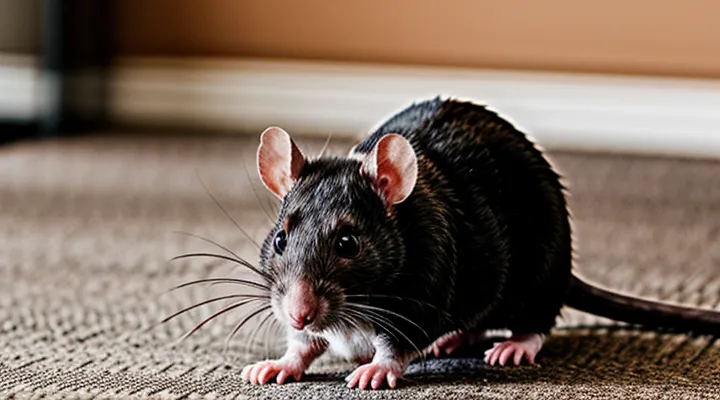
Understanding Your Pet Rat
The Social Needs of Rats
Rats thrive on social interaction; isolation increases stress and may lead to health problems. Keeping a single rat typically results in loneliness, whereas a small group provides companionship and opportunities for natural behaviors.
- Companionship: same‑sex partners or a trio of compatible individuals.
- Enrichment: tunnels, climbing structures, chewable items that stimulate exploration.
- Interaction: daily handling and play sessions reinforce trust and reduce anxiety.
- Hierarchy: stable groups develop clear social order, minimizing aggression.
Optimal group size depends on cage dimensions; a minimum of 2 ft × 2 ft × 1 ft per rat ensures sufficient space for movement and nesting. Introduce new rats gradually, using neutral territory and short supervised sessions to assess compatibility. Maintain consistent feeding schedules and provide multiple water bottles to prevent competition.
Signs of social deprivation include excessive grooming, repetitive circling, vocalizations, and weight loss. Address these symptoms by adding compatible companions, increasing enrichment, and extending handling time. Regular veterinary check‑ups help detect stress‑related ailments early.
Rat Behavior and Communication
Rats rely on a complex system of signals to convey needs, emotions, and social hierarchy. Recognizing these cues enables owners to anticipate health issues, reduce stress, and foster a stable colony.
Typical communication methods include:
- Body posture – upright stance indicates alertness; crouching suggests fear or submission.
- Tail movements – rapid flicks often accompany agitation; slow swaying may accompany curiosity.
- Vocalizations – high‑pitched squeaks usually signal distress; soft chirps express contentment.
- Scent marking – flank glands release odor to identify territory and reinforce bonds.
- Grooming behavior – mutual grooming reinforces social connections; excessive self‑grooming can signal irritation or illness.
Effective care strategies focus on observation and appropriate response. Provide a spacious cage with hiding places to allow natural posturing. Maintain a quiet environment to prevent unnecessary vocal distress. Offer diverse textures for scent marking and encourage group grooming by housing compatible individuals. Promptly address abnormal signals, such as persistent high‑pitched squeaking or aggressive tail flicks, by checking for injury, illness, or environmental stressors. Consistent monitoring of these behaviors supports the well‑being of pet rats and strengthens the caretaker‑animal relationship.
Setting Up Your Rat's Habitat
Choosing the Right Cage
Cage Size and Bar Spacing
A suitable enclosure for a pet rat must provide sufficient floor area to allow regular movement, exploration, and exercise. Minimum dimensions of 18 × 30 inches (45 × 76 cm) are acceptable for a single animal; each additional rat requires an extra 12 × 12 inches (30 × 30 cm). Larger cages improve air circulation and reduce stress, supporting healthier behavior.
Bar spacing directly influences safety. Horizontal bars should be no more than ½ inch (12 mm) apart to prevent escape and avoid entrapment of small limbs. Vertical spacing of ¼ inch (6 mm) or less prevents paws from slipping through. Metal mesh with a uniform grid meeting these measurements offers durability and easy cleaning.
Recommendations:
- Minimum floor space: 18 × 30 inches per rat, plus 12 × 12 inches for each extra rat.
- Horizontal bar gap: ≤ ½ inch.
- Vertical bar gap: ≤ ¼ inch.
- Material: corrosion‑resistant stainless steel or coated wire mesh.
Adhering to these specifications ensures a secure, spacious environment that promotes the well‑being of pet rats.
Cage Location Considerations
Choosing an appropriate spot for a rat enclosure directly affects health, behavior, and longevity. The location must provide stable temperature, adequate ventilation, minimal noise, and protection from predators or household hazards.
- Temperature stability: place the cage away from drafts, direct sunlight, heating vents, and air‑conditioning ducts. Ideal ambient range is 18‑24 °C; sudden fluctuations can stress rodents.
- Ventilation: ensure at least one side of the enclosure is open to fresh air while avoiding strong breezes. Over‑ventilation may cause chilling; insufficient airflow can lead to respiratory issues.
- Noise reduction: locate the cage in a low‑traffic area, away from televisions, speakers, and frequent foot traffic. Chronic loud sounds elevate stress hormones and disrupt sleep cycles.
- Safety from predators: keep the cage out of reach of cats, dogs, and other pets that might attempt to bite or claw the bars. Secure the enclosure to a stable surface to prevent tipping.
- Accessibility for cleaning: position the cage where routine maintenance is convenient, such as near a sink or a countertop with easy water access. This encourages regular sanitation without inconvenience.
- Lighting considerations: avoid direct exposure to bright sunlight; provide a consistent light‑dark cycle of approximately 12 hours each. Supplemental low‑intensity LED lighting can be used if natural light is insufficient, but it must not generate heat.
By adhering to these placement criteria, caretakers create an environment that supports the physiological and psychological needs of pet rats, promoting robust health and natural activity patterns.
Essential Cage Accessories
Bedding and Substrate Options
Choosing appropriate bedding directly influences a rat’s health, comfort, and behavior. Ideal substrate must absorb moisture, minimize dust, resist mold, and be safe for gnawing.
Key characteristics to evaluate:
- High absorbency prevents wet spots that can lead to skin infections.
- Low dust content reduces respiratory irritation.
- Non‑toxic material avoids chemical exposure.
- Soft texture supports nesting and allows teeth to wear naturally.
Common options and their attributes:
- Paper‑based products (e.g., shredded newspaper, commercial paper bedding) – excellent absorbency, virtually dust‑free, biodegradable; may be costlier than bulk alternatives.
- Aspen shavings – low aromatic oils, moderate dust, good absorbency; unsuitable for rats that chew extensively, as splinters can cause injury.
- Coconut fiber (coir) – high absorbency, natural scent, minimal dust; tends to retain moisture longer, requiring frequent changes.
- Corncob bedding – inexpensive, sturdy, low dust; low absorbency, can become hard when dry, limiting nesting comfort.
- Fleece liners – reusable, zero dust, washable; initial investment higher, requires thorough cleaning to prevent bacterial buildup.
For optimal hygiene, replace soiled bedding at least twice weekly, and fully refresh the substrate monthly. Combining a primary absorbent layer (paper or aspen) with a secondary nesting material (fleece or shredded paper) provides both cleanliness and enrichment.
Food Bowls and Water Bottles
Pet rats require sturdy, chew‑resistant containers for food and water to prevent contamination and ensure consistent intake.
For food bowls, select models that:
- are made of hard‑plastic or ceramic, eliminating the risk of gnawing through material;
- feature a shallow depth, allowing easy access for small paws;
- possess a smooth interior surface to discourage bacterial buildup;
- can be securely attached to the cage, preventing displacement during activity.
Water bottles should meet the following criteria:
- incorporate a stainless‑steel or reinforced plastic reservoir, resisting rodent damage;
- include a self‑closing spout that dispenses water only when the rat applies pressure, reducing spillage;
- provide a detachable cap for regular cleaning, ensuring hygiene;
- fit the cage’s bar spacing, allowing stable positioning without sagging.
Routine maintenance involves cleaning both containers with hot, unscented water and a mild detergent, rinsing thoroughly, and inspecting for cracks or wear before each refill. Consistent use of appropriate bowls and bottles supports reliable nutrition and hydration for pet rats.
Enrichment and Toys
Enrichment is essential for the physical health and mental stimulation of a domesticated rat. Providing a variety of safe, interactive objects prevents boredom, encourages natural foraging behavior, and supports dental health through constant chewing activity.
Key categories of enrichment include:
- Chewable items: untreated wood blocks, pine‑scented sticks, and cardboard tubes. These materials satisfy the rat’s instinct to gnaw and help maintain proper tooth wear.
- Puzzle devices: treat‑dispensing balls, maze‑like tubes, and stacked wooden ladders. Such toys require problem‑solving, promoting cognitive development.
- Climbing structures: woven hammocks, rope ladders, and multi‑level platforms. Vertical space replicates the rat’s natural inclination to explore heights.
- Sensory objects: fabric tunnels, textured mats, and scented pads. Varied textures and scents stimulate the tactile and olfactory senses.
Rotate toys every few days to sustain interest. Clean all accessories with mild, unscented soap and rinse thoroughly; avoid chemicals that could irritate the respiratory system. Inspect items regularly for splintered wood or frayed fabric, discarding any damaged pieces promptly.
A balanced enrichment program, combined with a spacious cage and regular handling, contributes to a robust, contented pet rat and aligns with best practices for small‑animal husbandry.
Nutrition for a Healthy Rat
Staple Diet Recommendations
A balanced staple diet provides the nutritional foundation for a healthy pet rat. Commercially formulated rat pellets should constitute the primary portion because they contain essential vitamins, minerals, and protein ratios tailored to rodent metabolism.
Supplement the pellets with fresh vegetables such as broccoli, kale, and carrots; offer a small selection daily to increase fiber intake and provide antioxidants. Limited fruits—apple slices, berries, or banana—can be added as occasional treats, not exceeding 10 % of the total diet. Additional protein sources, for example boiled egg white or cooked chicken breast, may be provided once or twice a week to support growth and tissue repair.
- Pellets: 70–80 % of daily intake
- Fresh vegetables: 15–20 %
- Fruit: ≤10 %
- Supplemental protein: 1–2 times per week, small portion
Feed rats two to three times daily, dividing the total amount into equal portions to encourage regular eating patterns and prevent overconsumption. Provide fresh water in a bottle or bowl that is changed daily and cleaned regularly.
Exclude toxic foods such as chocolate, caffeine, raw beans, onions, and citrus peels. Wash all produce thoroughly to remove pesticides, and discard any uneaten fresh food after a few hours to avoid spoilage. Monitoring weight and coat condition helps identify dietary adjustments promptly.
Approved Treats and Snacks
Approved treats and snacks supplement a nutritionally complete pellet or lab block diet, providing enrichment and supporting dental health.
- Small pieces of fresh fruit such as apple (seedless), banana, or berries; limit to one teaspoon per day.
- Fresh vegetables including carrot, broccoli, kale, or bell pepper; offer in bite‑size portions.
- Cooked lean protein, e.g., boiled chicken or scrambled egg, no more than a half‑teaspoon weekly.
- Whole‑grain cereals or plain oatmeal, served dry or lightly moistened.
- Commercial rat treats formulated without added sugars, salts, or artificial colors; follow manufacturer’s serving size.
Portion control prevents obesity and digestive upset. Treats should constitute no more than 10 % of total caloric intake. Offer treats once or twice daily, spacing them several hours apart from the main meal. Remove uneaten portions within two hours to avoid spoilage.
Items that pose health risks must be excluded:
- Citrus fruits, onions, garlic, and raw potatoes.
- Processed foods containing chocolate, caffeine, or high‑fat content.
- Sugary snacks, salty chips, and salty nuts.
- Any food with artificial sweeteners, especially xylitol.
Adhering to these guidelines ensures that treats enhance well‑being without compromising nutrition.
Foods to Avoid
Pet rats require a diet that excludes several common foods because they can cause digestive upset, nutritional imbalance, or toxicity. The following items should never be offered:
- Citrus fruits and juices (« orange », « lemon », « grapefruit ») – high acidity damages the stomach lining.
- Processed snacks containing salt, sugar, or artificial additives – lead to dehydration and obesity.
- Raw or undercooked beans, especially kidney beans – contain lectins that are poisonous to rodents.
- Chocolate and caffeine‑containing products – stimulant compounds are lethal in small doses.
- Dairy products – rats lack sufficient lactase, resulting in severe diarrhea.
- Onion, garlic, and related Allium species – cause hemolytic anemia by damaging red blood cells.
- Fruit pits and seeds (e.g., apple seeds, cherry pits) – contain cyanogenic glycosides that release cyanide when metabolized.
- High‑fat meats and fried foods – increase risk of pancreatitis and cardiovascular issues.
Providing only safe, balanced foods supports optimal health and longevity in pet rats.
Health and Hygiene for Pet Rats
Daily Care Routines
Spot Cleaning and Full Cage Cleaning
Spot cleaning removes waste and food remnants before they accumulate. Perform this task daily by discarding droppings, wiping soiled bedding, and rinsing water bottles. Use a small scoop or paper towel to collect debris, then replace with fresh bedding in the affected area.
Full cage cleaning restores a sanitary environment and prevents odor buildup. Schedule a thorough cleaning every two to four weeks, depending on cage size and number of rats. Follow these steps:
- Empty the cage, transferring rats to a secure temporary container.
- Discard all bedding, nesting material, and accessories that cannot be sterilized.
- Wash the cage, bars, and accessories with hot, soapy water; rinse thoroughly.
- Apply a diluted, pet‑safe disinfectant; let it sit for the manufacturer‑recommended time, then rinse again.
- Dry all components completely before reassembly.
- Re‑line the cage with fresh, absorbent bedding and replace toys, tunnels, and hideouts after cleaning.
Regular spot cleaning combined with periodic full cage cleaning maintains optimal health, reduces respiratory risk, and promotes a comfortable habitat for pet rats.
Nail Trimming and Grooming
Nail trimming is essential for maintaining mobility and preventing tissue injury. Trim every two to four weeks, depending on growth rate. Use a small animal nail clipper or human nail scissors with a fine tip. Restrain the rat gently by wrapping in a soft towel, exposing the claw while avoiding the quick, the pink vascular area visible through the translucent nail. Clip only the sharp tip; excessive shortening can cause bleeding and pain. Keep styptic powder or cornstarch nearby to stop accidental bleeding.
Regular grooming supports coat health and reduces the risk of skin problems. Provide a dust bath with chinchilla or mouse bedding at least once a week; the fine particles absorb excess oil and help remove loose fur. Spot‑clean the coat with a damp cotton swab to clear debris from the tail and hindquarters. Bathing in water should be reserved for severe soiling; use lukewarm water and a mild, rat‑safe shampoo, limiting exposure to five minutes to avoid hypothermia. Dry the animal thoroughly with a soft towel and a low‑heat hair dryer set on the coolest setting.
Monitoring during grooming reveals early signs of illness. Look for overgrown nails, cracked hooves, matting, or excessive oiliness, which may indicate nutritional deficiencies or underlying health issues. Address problems promptly by adjusting diet, providing additional enrichment, or consulting a veterinarian experienced with small rodents.
Recognizing Common Health Issues
Signs of Illness
Recognizing early signs of disease is essential for maintaining a healthy rat. Prompt detection allows timely veterinary intervention and reduces the risk of complications.
- Decreased activity or reluctance to explore, often accompanied by hunching or reduced climbing.
- Loss of appetite, refusal of familiar foods, or sudden weight loss measured over a few days.
- Neglected grooming, resulting in a rough or unkempt coat and increased odor.
- Respiratory distress, indicated by rapid breathing, audible wheezing, sneezing, or nasal discharge.
- Ocular or ear discharge, crusting, or swelling around the eyes and ears.
- Abnormal stool, such as diarrhea, blood, or a marked change in consistency and frequency.
- Swelling of the abdomen or limbs, which may suggest internal infection or injury.
- Excessive scratching, biting, or licking of a specific area, pointing to skin irritation or parasites.
- Lethargy combined with a feverish touch, where the body feels warmer than normal.
Any combination of these symptoms warrants immediate veterinary assessment to confirm diagnosis and initiate appropriate treatment.
When to Seek Veterinary Care
Timely veterinary intervention prevents serious health decline in pet rats. Recognizing when professional care is required protects the animal’s welfare and reduces the risk of complications.
Typical indicators that a rat needs veterinary assessment include:
- Persistent nasal discharge, coughing, or wheezing.
- Diarrhea lasting more than 24 hours or containing blood.
- Noticeable weight loss or failure to gain weight despite adequate nutrition.
- Lethargy, reduced activity, or inability to move normally.
- Swelling, lumps, or skin lesions that enlarge or become ulcerated.
- Abnormal eye secretions, cloudiness, or loss of vision.
Conditions demanding immediate attention involve:
- Sudden collapse or seizures.
- Severe trauma such as bite wounds, fractures, or burns.
- Ingestion of toxic substances, including cleaning agents, plants, or unfamiliar foods.
- Uncontrolled bleeding from any source.
- Rapid breathing or signs of respiratory distress.
Owners should locate a veterinarian experienced with small exotic mammals. Verify that the clinic offers rat-specific services, such as appropriate anesthesia protocols and diagnostic equipment. Establish a relationship with the professional before emergencies arise, ensuring prompt access to care when symptoms emerge.
Preventative Health Measures
Regular Health Checks
Regular health checks are essential for maintaining a pet rat’s well‑being and early detection of disease.
A typical schedule includes a brief visual inspection weekly, a comprehensive physical examination monthly, and a professional veterinary assessment at least once a year. Adjustments may be necessary for older rats or those with known health concerns.
Key aspects to evaluate during each check:
- Coat condition: smooth, glossy, free of bald patches or excessive shedding.
- Weight: measured with a digital scale; sudden loss or gain signals metabolic issues.
- Teeth: length and alignment; overgrown incisors require trimming.
- Eyes and ears: clear, free of discharge, redness, or swelling.
- Skin: absence of lesions, scabs, or parasites.
- Behavior: alertness, activity level, grooming habits, and appetite.
If any abnormality appears—such as respiratory sounds, nasal discharge, persistent diarrhea, or changes in mobility—prompt veterinary consultation is warranted. Early intervention reduces the risk of complications and supports a longer, healthier life for the rat.
Importance of Spaying/Neutering
Spaying or neutering a domestic rat eliminates the risk of reproductive‑related diseases, such as uterine tumors in females and testicular cancer in males. The procedure also reduces hormone‑driven aggression, decreasing the frequency of fights and injuries within multi‑rat households.
Health advantages include:
- Extended lifespan, with studies showing a 15‑20 % increase compared to intact counterparts.
- Lower incidence of urinary tract infections and prostatitis in neutered males.
- Prevention of unwanted pregnancies, eliminating the need for emergency care of oversized litters.
Behavioral benefits encompass:
- Decreased scent marking and territorial roaming, facilitating easier handling and enclosure cleaning.
- More consistent social dynamics, allowing stable group structures without frequent hierarchy disruptions.
Population control remains a critical factor; each neutered rat prevents the exponential growth of offspring, reducing strain on shelter resources and preventing accidental releases into the wild.
Veterinary guidelines recommend scheduling the surgery between eight and twelve weeks of age, when anesthesia risks are minimal and recovery is swift. Post‑operative care involves monitoring incision sites, providing a high‑fiber diet to avoid constipation, and limiting stress during the first 48 hours.
«Neutering eliminates the risk of uterine tumors», a statement frequently cited in rodent health literature, underscores the direct link between sterilization and disease prevention.
Implementing spaying or neutering as a standard component of rat husbandry ensures optimal health outcomes, stable social environments, and responsible pet ownership.
Handling and Bonding with Your Rat
Gentle Handling Techniques
Gentle handling is essential for a pet rat’s physical comfort and psychological well‑being. The rat’s delicate skeletal structure requires support of the hindquarters and tail during any interaction. Approach the animal slowly, allowing it to sniff the hand before contact. Place one hand under the chest, avoiding pressure on the spine, and the other hand beneath the hind legs. Lift the rat in a smooth motion, keeping the body horizontal to prevent stress on the limbs.
Key techniques for calm handling:
- Offer a treat while the rat is on a stable surface; this encourages voluntary movement toward the hand.
- Maintain a low, steady voice; sudden loud sounds can trigger a flight response.
- Limit handling sessions to five minutes for young rats and up to ten minutes for mature individuals, observing signs of agitation such as rapid breathing or tail flicking.
- Return the rat to its enclosure promptly after handling, ensuring the cage is free of obstacles that could cause injury.
When the rat shows signs of tension, pause, lower the animal, and allow it to settle before resuming any contact. Consistent, gentle handling builds trust, reduces fear, and facilitates routine health checks and grooming.
Building Trust and Affection
Consistent, gentle handling establishes the foundation of a trusting relationship with a pet rat. Approach the animal calmly, allowing it to sniff the hand before any contact. Offer a fingertip grip that supports the body without restricting movement; this posture reduces stress and signals safety.
Reward‑based interactions reinforce affection. Small pieces of fresh fruit, vegetables, or commercial rat treats serve as positive reinforcement when presented immediately after calm behavior. Pair treats with a soft voice to create an auditory cue associated with pleasant experiences.
Respecting personal boundaries prevents fear. If the rat retreats or shows signs of agitation—such as rapid foot‑tapping or vocalizations—pause the interaction and give space. Gradual exposure to handling, beginning with brief sessions and extending over weeks, builds confidence without overwhelming the animal.
A stable environment contributes to emotional security. Provide a spacious cage with hiding places, nesting material, and enrichment items. Regular cleaning schedules and predictable feeding times create routine, which rats perceive as reliability.
Daily, short interaction periods encourage bonding. Allocate several minutes each day for gentle petting, hand‑feeding, or supervised floor time. Consistency in timing and demeanor cultivates familiarity, strengthening the emotional connection.
Key practices for building trust and affection
- Approach calmly; allow sniffing before contact.
- Use a supportive fingertip grip.
- Offer immediate, small treats after calm behavior.
- Speak softly to associate voice with positive experiences.
- Observe and respect signs of discomfort; cease interaction when needed.
- Maintain a predictable cage routine and enrichment.
- Conduct brief, daily sessions of gentle handling or floor play.
Implementing these steps creates a reliable, affectionate bond, enhancing the rat’s well‑being and facilitating all aspects of care.
Training and Enrichment Activities
Training and enrichment keep pet rats physically fit and mentally sharp. Regular handling sessions build trust and improve responsiveness to cues. Gentle restraint for a few minutes each day conditions the rat to accept human contact without stress.
Structured activities provide predictable challenges that reduce boredom. Recommended practices include:
- Click‑training to reinforce simple commands such as “come” or “target”. Pair the click with a small food reward, repeat the pairing until the rat associates the sound with a positive outcome, then introduce a cue word.
- Obstacle courses constructed from safe, rat‑grade materials (cardboard tubes, plastic tunnels, wooden blocks). Arrange elements to require climbing, crawling, and balancing, then guide the rat through the course using a target stick.
- Foraging puzzles that hide treats inside shredded paper, tissue rolls, or commercial tube toys. Encourage the rat to manipulate the object to retrieve the food, promoting problem‑solving skills.
- Chew stations stocked with untreated wood blocks, willow branches, or mineral chews. Continuous access supports dental health and satisfies the natural gnawing instinct.
- Social play sessions with compatible cage mates. Observe interactions, separate individuals if aggression appears, and rotate partners to broaden social experiences.
Enrichment items should be rotated weekly to maintain novelty. Each rotation introduces a new texture, scent, or puzzle, preventing habituation. Monitoring the rat’s engagement level helps adjust difficulty; prolonged disinterest signals the need for a more complex challenge.
A consistent schedule—short training bouts of 5–10 minutes, followed by 15–20 minutes of free exploration—optimizes learning while respecting the rat’s short attention span. Recording progress in a simple log (date, activity, response) enables objective assessment and informs future adjustments.