
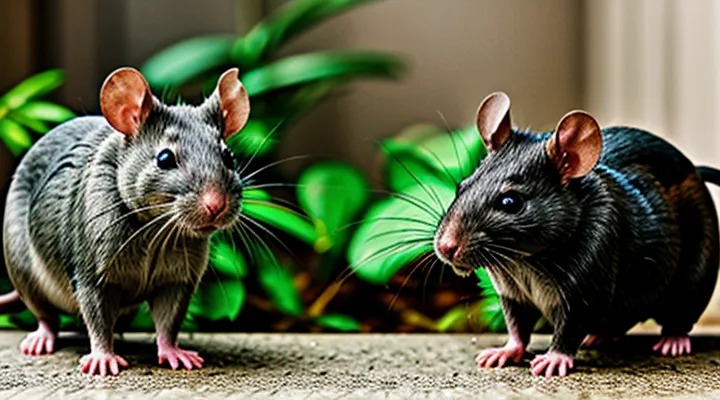
Understanding Rat Behavior and Socialization
Recognizing Signs of Stress and Fear
Recognizing stress and fear in rats is essential for establishing a trusting relationship with a pair of rodents. Observable indicators fall into three categories: behavioral, vocal, and physiological.
- Rapid grooming or excessive licking of fur, especially when directed toward a specific body part.
- Repeated attempts to escape the enclosure, including frantic running along the bars or climbing.
- Hunched posture with the back arched, ears flattened against the head, and tail tucked close to the body.
- Vocalizations such as high‑pitched squeaks, often emitted when a rat feels threatened.
- Dilated pupils and rapid breathing, visible as shallow, quick chest movements.
These signs frequently appear together. When a rat exhibits multiple indicators simultaneously, the likelihood of acute stress increases. Immediate response should include minimizing sudden movements, reducing noise, and providing a secure hideaway. Consistent exposure to calm handling, combined with a predictable routine, gradually reduces fear responses and facilitates bonding with both animals.
The Importance of Gradual Introductions
Why Hasty Introductions Fail
Establishing a bond with a pair of rats demands deliberate pacing. Rapidly presenting the animals to each other or to a caretaker creates immediate stress. Elevated cortisol levels trigger defensive behaviors, reducing openness to social interaction.
Key factors behind failed rushed introductions:
- Heightened anxiety disrupts normal exploration patterns.
- Overlapping territories provoke competition rather than cooperation.
- Mixed scents obscure individual recognition, hindering trust formation.
- Limited observation time prevents identification of subtle body signals.
A measured approach—separate acclimation periods, gradual scent exchange, and short, monitored meetings—allows each rat to adjust, recognize the other, and develop mutual tolerance. This method increases the likelihood of sustained companionship between the two rodents.
Benefits of a Slow Pace
When approaching two small rodents, a measured tempo allows the animals to observe behavior without feeling threatened. Gradual movements give each creature time to process sensory cues, reducing stress and encouraging curiosity.
Benefits of maintaining a slower rhythm include:
- Extended observation periods for the rats to assess safety.
- Increased likelihood of voluntary approach, as fear diminishes.
- Enhanced opportunity for subtle gestures, such as gentle hand extensions, to be recognized.
- Strengthened bond formation through repeated low‑intensity interactions.
A deliberate pace also supports consistent routine, enabling the pair to develop synchronized expectations. Predictable timing reinforces trust, making future cooperative activities more reliable.
Overall, adopting a restrained speed creates an environment where the rodents can engage willingly, laying the groundwork for lasting companionship.
Preparing for Introductions
Setting Up a Neutral Meeting Space
Ensuring Safety and Security
Establishing a secure environment is a prerequisite for gaining the trust of a pair of rats. Identify potential hazards, eliminate loose wires, and seal gaps that could allow escape. Provide a sturdy cage with lockable doors, and use chew‑resistant materials for bars and accessories. Maintain a consistent cleaning schedule to prevent the buildup of pathogens and odors that may stress the animals.
Key safety actions:
- Inspect the enclosure daily for signs of damage or wear.
- Use gloves when handling food or cleaning to avoid direct contact with saliva and urine.
- Store toxic substances such as cleaning agents and pesticides out of reach, preferably in locked cabinets.
- Keep the cage away from drafts, extreme temperatures, and direct sunlight.
- Provide a separate quarantine area for any new rat before introduction to the existing pair, reducing the risk of disease transmission.
Monitoring health indicators—such as activity level, coat condition, and breathing patterns—helps detect issues early. Prompt veterinary consultation should follow any abnormal signs. By maintaining these protocols, the process of building rapport with two rats proceeds without compromising safety or security.
Essential Supplies for Introductions
Introducing a new pair of rats requires preparation that minimizes stress and encourages trust. Proper equipment creates a safe environment for initial contact and establishes the foundation for a lasting relationship.
- Food treats : small pieces of soft fruit, unsalted peanuts, or commercially formulated rat bites.
- Bedding : low‑dust, absorbent material such as paper‑based or aspen shavings.
- Hideaways : small, opaque shelters that fit two animals, providing retreat spots.
- Handling tools : gentle gloves or a soft cloth for guided contact, avoiding direct finger pressure.
- Cleaning supplies : mild, unscented disinfectant and absorbent towels for immediate spill management.
- Enrichment items : chew‑safe tunnels, climbing ropes, and puzzle feeders to stimulate curiosity.
Each item serves a distinct purpose. Treats reward exploratory behavior and create positive associations during the first meeting. Bedding cushions the enclosure, reducing noise and temperature fluctuations that could provoke anxiety. Hideaways allow one rat to withdraw while the other approaches, preventing forced proximity. Handling tools enable controlled guidance without causing injury. Cleaning supplies maintain hygiene, preventing disease transmission that could undermine trust. Enrichment items occupy attention, redirecting potential aggression into constructive activity. By assembling these supplies before the initial encounter, the caretaker ensures a structured, low‑stress introduction that promotes mutual acceptance.
Scent Swapping Techniques
Transferring Scents Safely
Transferring scents between a pair of rats establishes a reliable communication channel that reduces aggression and encourages cooperative behavior. The process relies on preserving the integrity of olfactory cues while preventing contamination from external odors.
- Collect fresh bedding or nesting material from the donor rat’s enclosure. Place the material in a sealed, airtight container for no longer than two hours to maintain volatile compounds.
- Transfer the sealed container to the recipient’s habitat. Introduce the container on a neutral surface, avoiding direct contact with food or water supplies.
- Allow the recipient rat to investigate the scent for a period of five to ten minutes. Observe for calm sniffing and grooming behaviors as indicators of acceptance.
- Remove the container after the investigation phase. Dispose of the material in a dedicated waste bin to prevent cross‑contamination with other enclosures.
Consistency in timing and handling minimizes stress hormones that could distort scent signals. Employing gloves made of nitrile or latex prevents human odor from interfering with the transfer. Regular repetition, spaced by 24‑48 hours, reinforces familiar scent signatures and supports the development of a stable social bond between the two rodents.
Monitoring Reactions to Scent
Observing how each rat reacts to introduced odors provides a reliable indicator of trust development and social comfort. Initial measurements establish baseline activity levels, grooming frequency, and exploratory patterns without olfactory interference. Subsequent exposure to a chosen scent allows comparison of behavioral shifts that signal acceptance or stress.
- Record latency before approaching the scented source.
- Note changes in ear and whisker positions; forward orientation suggests curiosity, while flattened ears indicate apprehension.
- Count instances of rapid locomotion versus stationary sniffing; increased stationary sniffing often correlates with relaxed investigation.
- Monitor vocalizations, if detectable, for frequency alterations.
Data interpretation focuses on deviations from baseline. A reduction in escape attempts combined with prolonged contact near the scent source reflects growing familiarity. Conversely, heightened startle responses or avoidance of the scented area signal the need for scent desensitization or selection of a milder aroma.
Practical application recommends gradual scent introduction: start with a low-concentration diffusion of a neutral fragrance such as «lavender», increase exposure duration by 5‑10 minutes each session, and assess behavioral metrics after each increment. Consistent positive responses justify advancing to more complex olfactory cues, thereby reinforcing the bond between the caretaker and the pair of rodents.
The Introduction Process
Initial Crate-to-Crate Meetings
Observing Body Language
Observing the subtle cues conveyed by a pair of rats provides the most reliable pathway to establishing mutual trust. Each movement, ear position, and whisker orientation reflects the animal’s emotional state and readiness for interaction.
- Erect ears indicate alertness and curiosity; maintain a calm demeanor to avoid triggering defensive behavior.
- Flattened ears signal fear or submission; reduce sudden motions and allow the rats to approach voluntarily.
- Rapid, rhythmic whisker sweeps correspond to exploration; offer a safe surface for movement without imposing obstacles.
- A relaxed tail, loosely curled around the body, denotes comfort; gentle hand placement near the tail facilitates bonding without intrusion.
- Pacing with short pauses suggests indecision; pause the approach, allowing the rats to decide the next step.
When a rat displays an alert posture—upright ears, bright eyes, and a forward lean—initiate brief, low‑volume vocalizations and extend a fingertip toward the nose. If the animal responds with a brief sniff and a slight head tilt, maintain the contact for a few seconds before withdrawing. Conversely, a defensive stance—backed-up body, tucked tail, and flattened ears—requires immediate cessation of contact and a quiet retreat to a neutral zone.
Consistent observation of these behaviors, coupled with patient timing, transforms uncertainty into a predictable pattern of interaction. Mastery of body‑language interpretation eliminates guesswork, enabling a stable, affectionate relationship with both rodents.
Short, Supervised Interactions
Short, supervised interactions provide a reliable foundation for establishing trust with a pair of rats. Each session should last no longer than five minutes, allowing the animals to remain calm while the handler remains present and attentive.
Key practices for these brief encounters:
- Begin with the cage door open, offering a clean hand to sniff before any physical contact.
- Maintain a steady, low voice to reduce auditory stress.
- Allow the rats to approach voluntarily; avoid reaching in if they retreat.
- Reward calm behavior with a small, healthy treat placed nearby.
- End the session promptly once the rats display relaxed posture, preventing fatigue or overstimulation.
Consistency reinforces positive associations. Conducting the same routine at identical times each day creates predictability, which rats interpret as safety. Over successive sessions, the duration can be extended incrementally, but only after clear signs of comfort are observed.
Monitoring body language is essential. Indicators such as grooming, gentle nibbling, and relaxed whisker position signal readiness for longer interaction. Conversely, rapid breathing, elevated tail posture, or sudden darting indicate the need to pause and resume later.
Applying these concise, supervised meetings accelerates the development of mutual respect, laying groundwork for deeper companionship between the caretaker and both rodents.
Supervised Out-of-Cage Sessions
Managing Minor Disagreements
Managing minor disagreements is essential when establishing rapport with a pair of rats. Disputes typically arise over food access, preferred nesting spots, or perceived dominance. Recognizing the source of tension prevents escalation and supports a harmonious environment.
Effective strategies include:
- Provide separate feeding stations to eliminate competition for nourishment.
- Arrange multiple shelters so each rat can retreat without intrusion.
- Observe body language; signs such as flattened ears or rapid tail flicks indicate rising stress.
- Introduce short, supervised interaction periods, gradually extending duration as tolerance improves.
- Offer shared enrichment items—tunnels, chew toys—only after both individuals display calm behavior.
Continuous observation allows the caretaker to adjust resources promptly. When a rat displays avoidance, increase the number of safe zones or reduce overlapping activities. Consistent application of these measures cultivates «peaceful coexistence» and reinforces the bond between the animals.
When to Separate and Re-evaluate
Developing a bond with a pair of rats requires continuous assessment of their interaction dynamics. When cooperation turns into competition, stress levels rise, and progress stalls, immediate separation becomes essential for a clear re‑evaluation.
Key signs that separation is warranted:
- Persistent aggression, such as biting or chasing, despite previous habituation attempts.
- One rat monopolizing food, water, or shelter, leaving the partner deprived.
- Elevated vocalizations or frantic movement when housed together, indicating heightened anxiety.
- Lack of mutual grooming or play, suggesting disengagement.
Procedures for effective re‑evaluation:
- Isolate the individuals in identical, enriched environments for a minimum of 24 hours.
- Observe each rat’s behavior independently, noting appetite, activity, and comfort levels.
- Record physiological indicators, such as weight stability and grooming frequency.
- Conduct a brief health check to rule out illness that could influence aggression.
- After assessment, re‑introduce the rats gradually, starting with short supervised sessions and extending duration based on observed tolerance.
Implementing timely separation and systematic re‑evaluation prevents prolonged stress, promotes healthier social development, and accelerates the establishment of a stable, cooperative relationship between the two rodents.
Progressing to Shared Living
Gradual Increase in Shared Time
Increasing the amount of time spent together lays the foundation for trust between a pair of rats and a caretaker. Begin with brief, supervised interactions of five minutes, allowing the animals to explore the hand and the surrounding area without pressure. Observe body language; relaxed posture and gentle whisker movements indicate acceptance.
Progress the schedule in consistent increments. Typical progression follows a pattern of adding two to three minutes each session, maintaining a calm environment and avoiding sudden movements. A sample routine may appear as:
- Day 1‑3: 5 minutes of hand‑presence, no direct contact.
- Day 4‑6: 7‑8 minutes, gentle petting of the back.
- Day 7‑9: 10‑12 minutes, introduction of a small treat held in the palm.
- Day 10 onward: 15 minutes or more, allowing the rats to climb onto the arm and explore freely.
Consistency reinforces predictability, which reduces stress. Each extension should be contingent on observable calmness; if signs of agitation appear, revert to the previous duration before attempting further increase. Over time, the rats recognize the caretaker as a safe presence, facilitating deeper social bonds and cooperative behavior.
Permanent Housing Considerations
Providing a stable home for a pair of rats requires attention to space, durability, safety, and hygiene. Adequate floor area prevents territorial stress and encourages natural exploration. A minimum of 2 sq ft of solid floor per animal, supplemented by vertical climbing structures, supports healthy activity levels. Materials such as stainless steel or powder‑coated metal resist gnawing and simplify disinfection, reducing the risk of disease transmission.
Location influences temperature regulation and predator avoidance. Placing the enclosure away from direct sunlight, drafts, and household noise maintains a consistent ambient temperature of 18‑24 °C. Secure lids prevent escape while allowing sufficient airflow; mesh panels should have openings no larger than 0.5 cm to deter chewing. Regular cleaning schedules preserve odor control and prevent bacterial buildup.
Key considerations for permanent housing:
- Size: at least 0.2 m² floor space per rat, plus climbing platforms.
- Materials: chew‑proof, non‑porous surfaces; stainless steel preferred.
- Ventilation: mesh with fine gauge; sealed edges to block pests.
- Enrichment: tunnels, hammocks, chew toys anchored to the cage.
- Cleaning: removable trays for bedding; weekly deep sanitization with pet‑safe disinfectant.
- Safety: lockable doors, no sharp edges, stable base to prevent tipping.
«Rats flourish when their environment combines security, space, and stimulation». Implementing these parameters establishes a lasting, healthy habitat that supports social bonding and overall well‑being.