
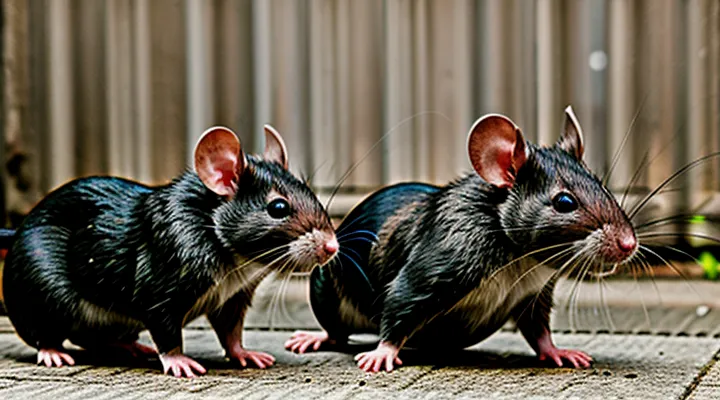
Understanding Rat Behavior and Needs
Rat Psychology Basics
Social Structures
Rats live in structured groups where a clear hierarchy determines access to resources, grooming partners, and nesting sites. Dominance is established through subtle postures, vocalizations, and occasional chases; subordinate members defer to higher‑ranking individuals. Social bonds are reinforced by mutual grooming, shared nesting, and coordinated foraging, creating a stable network that reduces stress and improves survival.
Recognizing the hierarchy allows a caregiver to approach the group without triggering aggression. Initial contact should focus on the dominant rat, offering food or gentle handling to signal respect. Observing grooming exchanges reveals which individuals are socially central; these rats often serve as connectors for introducing new members or humans into the group.
Practical actions for building rapport:
- Identify the top‑ranking rat by noting who initiates grooming and occupies preferred nesting spots.
- Offer treats directly to the dominant individual before extending food to others.
- Use slow, steady hand movements when reaching into the cage; avoid sudden gestures that may be perceived as threats.
- Initiate gentle grooming on the back or neck of a subordinate that frequently receives attention from the dominant rat; this reinforces existing bonds.
- Maintain a consistent routine for feeding and cleaning to reinforce predictability, which stabilizes the social order.
- Monitor interactions after each session; adjust handling intensity if signs of tension, such as increased vocalizations or rapid retreats, appear.
By aligning human behavior with the rat’s natural social framework, caregivers can foster trust, reduce fear, and establish lasting companionship.
Communication Cues
Understanding rat communication is essential for establishing trust. Rats convey emotions through posture, sounds, scent, and grooming behavior. Recognizing these signals enables consistent, positive interactions.
- Posture: A relaxed rat lies flat, stretches limbs, and exhibits a smooth back. Tension appears as a hunched back, raised fur, or rapid movements.
- Vocalizations: Soft chirps indicate curiosity or contentment; loud squeaks signal alarm or discomfort.
- Scent: Rats use scent marking to define territory and signal familiarity. A strong, neutral odor around a rat suggests confidence; excessive urine or feces may denote stress.
- Grooming: Mutual grooming reflects social bonding; a rat that offers to groom you is extending trust.
When a rat displays a relaxed posture, respond with gentle hand movements and slow blinking to reinforce calm. If a high-pitched squeak occurs, pause interaction, reduce noise, and allow the rat to retreat. Match scent cues by maintaining a clean cage and avoiding strong fragrances that could overwhelm the animal’s olfactory system. Encourage grooming by offering soft bedding and occasional hand‑feeding, which promotes reciprocal care.
Consistent observation and appropriate response to these cues build a reliable communication loop, fostering a lasting, amicable relationship with the rat.
Essential Rat Care
Housing Requirements
Rats thrive when their enclosure meets specific spatial, environmental, and safety standards. A cage measuring at least 24 × 18 × 18 inches provides sufficient room for a pair; larger groups require proportionally more floor area to prevent stress and aggression. Metal bars should be spaced no wider than ½ inch to prevent escapes while allowing airflow. Solid flooring covered with absorbent, dust‑free bedding—such as shredded paper or aspen shavings—offers comfort and facilitates waste management.
Key environmental factors include:
- Temperature: Maintain 68‑75 °F; avoid drafts and direct sunlight.
- Humidity: Keep relative humidity between 40 % and 60 % to prevent respiratory irritation.
- Ventilation: Ensure continuous fresh‑air exchange without creating strong currents that could chill the animals.
- Lighting: Provide a consistent 12‑hour light/dark cycle; use low‑intensity bulbs to mimic natural conditions.
Enrichment items must be safe, chew‑able, and easy to clean. Wooden tunnels, cardboard tubes, and climbing platforms promote natural behaviors and prevent boredom. All accessories should be free of toxic coatings and securely attached to avoid accidental ingestion.
Regular maintenance is essential. Spot‑clean debris daily, replace soiled bedding weekly, and perform a full cage deep‑clean every two weeks. Use mild, unscented detergents and rinse thoroughly to eliminate residue. Inspect the enclosure for sharp edges, loose wires, or rust before each cleaning session.
By adhering to these housing specifications, caretakers create an environment that supports health, reduces stress, and encourages the development of a trusting relationship with their rats.
Dietary Considerations
A balanced diet supports a rat’s health, reduces stress, and encourages positive interaction. Consistent nutrition creates predictable routines that rats quickly recognize as safe.
- Commercial rodent blocks formulated for laboratory or pet rats
- Fresh vegetables: carrots, broccoli, peas, kale (washed, chopped)
- Fruits in moderation: apple slices, berries, melon (seedless)
- Protein sources: cooked egg, plain boiled chicken, mealworms (occasional)
- Whole grains: rolled oats, brown rice, whole‑wheat pasta
Avoid items that can cause digestive upset or toxicity:
- Citrus fruits, onions, garlic, and raw potatoes
- Processed snacks high in salt, sugar, or artificial additives
- Dairy products beyond small cheese pieces (many rats are lactose intolerant)
- Nuts and seeds in large quantities (high fat content)
Feeding schedule matters. Offer fresh food daily, remove leftovers after 24 hours to prevent spoilage. Use small treats during handling sessions to reinforce trust; limit treats to less than 10 percent of total caloric intake. Monitor weight and coat condition weekly; adjust portions if the rat gains or loses weight rapidly. Consistent, appropriate nutrition lays the foundation for a cooperative and affectionate relationship.
Building Trust and Bonding with Your Rat
Initial Interactions
Gentle Handling Techniques
Gentle handling is the foundation of building trust with a pet rat. Move slowly, keep the hand relaxed, and allow the animal to approach before initiating contact. Offer a palm that is slightly cupped, providing a stable surface for the rat to climb onto without feeling forced.
Key techniques include:
- Approach from the side rather than from above; this reduces the perception of threat.
- Use a light, steady grip with fingers wrapped around the torso, avoiding pressure on the limbs or tail.
- Support the hindquarters with the opposite hand to maintain balance while the rat explores the palm.
- Maintain eye contact at a low level to appear non‑aggressive; look toward the rat’s head rather than staring directly into its eyes.
- Limit handling sessions to 5–10 minutes initially, extending duration as the rat shows signs of comfort.
Consistent application of these methods encourages the rat to associate human touch with safety, leading to calmer behavior and stronger rapport over time.
Scent Recognition
Rats rely heavily on scent to identify individuals, assess safety, and establish social hierarchies. Recognizing and respecting this sensory channel is essential for gaining their trust.
When a human introduces a new odor, a rat immediately evaluates it for familiarity and threat level. Neutral or familiar scents reduce stress, while unfamiliar or strong smells trigger defensive behavior. Consistent exposure to a mild, pleasant odor encourages a rat to associate the source with safety.
Practical steps for effective scent management:
- Choose a mild, natural fragrance such as diluted chamomile tea or a few drops of unscented almond oil diluted in water.
- Apply the scent to hands, feeding tools, or the cage interior, not directly onto the rat.
- Reapply the chosen scent daily for at least one week before attempting close contact.
- Avoid strong chemicals, citrus sprays, strong perfumes, or cleaning agents that contain ammonia or bleach.
- Rotate scents only after the rat shows no adverse reaction for several days, ensuring the new odor does not cause agitation.
Monitoring behavior provides feedback: relaxed posture, increased grooming, and exploratory sniffing indicate acceptance, while freezing, rapid retreat, or aggressive lunges signal discomfort. Adjust or discontinue the scent immediately if negative signals appear.
Integrating scent familiarity with consistent, gentle handling creates a reliable pathway to a rat’s confidence, laying the groundwork for a lasting, cooperative relationship.
Advanced Socialization
Playtime Activities
Engaging rats in regular, varied play sessions strengthens trust and encourages curiosity. Short, daily interactions keep the animals alert and receptive to handling, while consistent routines reinforce positive associations with the owner.
Effective play activities include:
- Tunnel exploration – provide cardboard or plastic tubes that mimic burrows; rats navigate them repeatedly, displaying confidence and seeking companionship.
- Puzzle toys – introduce treat-dispensing puzzles that require manipulation; problem‑solving promotes mental stimulation and rewards cooperative behavior.
- Climbing structures – install wooden ladders, branches, or mesh platforms; vertical movement enhances agility and offers opportunities for gentle petting during rest periods.
- Interactive games – use lightweight balls or feather wands to initiate chase sequences; pause frequently to allow the rat to approach and investigate the hand.
- Social sessions – pair compatible individuals in a neutral enclosure for brief supervised play; observe body language to ensure mutual interest and avoid aggression.
Rotate activities every few days to prevent habituation. Monitor the rats for signs of stress—such as excessive grooming or vocalization—and adjust the difficulty or duration accordingly. Consistent, enriching play fosters a reliable bond and prepares the animals for more extensive handling and training.
Training Basics
Training rats requires consistency, patience, and clear communication. Begin each session in a quiet environment to reduce distractions and allow the animal to focus on the handler’s cues. Use a calm voice and steady hand movements; abrupt gestures can trigger stress responses that hinder learning.
Key elements of an effective training routine include:
- Short, frequent sessions – five‑minute intervals three to four times daily maintain engagement without overwhelming the rat.
- Positive reinforcement – immediately reward desired behavior with a preferred treat or gentle petting; this strengthens the association between the action and the reward.
- Clear signal hierarchy – assign distinct verbal or tactile cues for each command (e.g., “come,” “stay,” “hand”) and apply them consistently across all sessions.
- Gradual difficulty increase – start with simple tasks such as stepping onto a hand, then progress to more complex tricks like navigating a miniature obstacle course.
Monitor the rat’s body language; signs of relaxation (soft whisker posture, slow breathing) indicate readiness to learn, while signs of tension (raised fur, rapid movements) suggest a pause is needed. Consistent application of these fundamentals builds trust, facilitates skill acquisition, and ultimately fosters a lasting companionship.
Addressing Common Challenges
Overcoming Shyness
Overcoming shyness is a prerequisite for establishing trust with rats. Confidence in one’s movements, voice, and handling technique signals safety to the animal, reducing its defensive reactions.
Begin with controlled exposure. Sit near the rat’s enclosure without making direct contact. Observe the animal’s behavior for several minutes, allowing it to become accustomed to your presence. Gradually reduce the distance while maintaining a calm demeanor.
Adopt the following practical steps:
- Maintain steady posture. Avoid sudden shifts that could startle the rat.
- Speak in a low, even tone. Consistent vocal patterns help the rat associate you with a non‑threatening environment.
- Offer food from the hand. Small, familiar treats presented gently encourage the rat to approach voluntarily.
- Use slow hand movements. Extend the hand toward the rat only after it shows signs of curiosity, such as sniffing or approaching the cage bars.
- Practice brief, repeatable interactions. Short sessions (5–10 minutes) performed daily reinforce the rat’s expectation of predictable contact.
Monitor the rat’s body language. Ears flattened, tail twitching, or rapid movement indicate discomfort; pause the interaction and resume after the animal settles. Positive signals—approach, nibbling, relaxed posture—confirm progress.
Incrementally increase interaction length and complexity. Introduce gentle grooming, light scratching, or brief holding once the rat consistently accepts hand‑offered food. Each new step should be introduced only after the previous behavior is stable.
Consistent, low‑stress practice reshapes the initial hesitation into a reliable routine, enabling a mutually beneficial relationship between human and rat.
Managing Nipping Behavior
Rats may bite when they feel threatened, overstimulated, or when they are protecting resources. Intervening early prevents the behavior from becoming entrenched.
- Identify triggers: sudden movements, loud noises, or handling that restricts the animal’s mobility often provoke nipping. Observe the rat’s posture; flattened ears, a stiff tail, or a lunging stance signal imminent aggression.
- Adjust handling technique: approach from the side, allow the rat to sniff your hand, and support its body with both hands. Avoid grabbing by the tail or scruff, which can be perceived as a threat.
- Use positive reinforcement: reward calm behavior with a small treat immediately after a gentle touch. Consistency links human interaction with a pleasant outcome, reducing the incentive to bite.
- Provide enrichment: chew toys, tunnels, and foraging opportunities lower stress levels. A well‑stimulated rat is less likely to resort to defensive bites.
- Implement a “no‑bite” protocol: when a nip occurs, pause interaction, withdraw the hand, and wait until the rat settles before resuming. Repeatedly exposing the rat to brief, non‑threatening contact teaches tolerance.
Gradual exposure, clear boundaries, and rewarding non‑aggressive responses create a reliable framework for managing nipping. Over time, the rat learns that human contact is safe, leading to a cooperative relationship.