
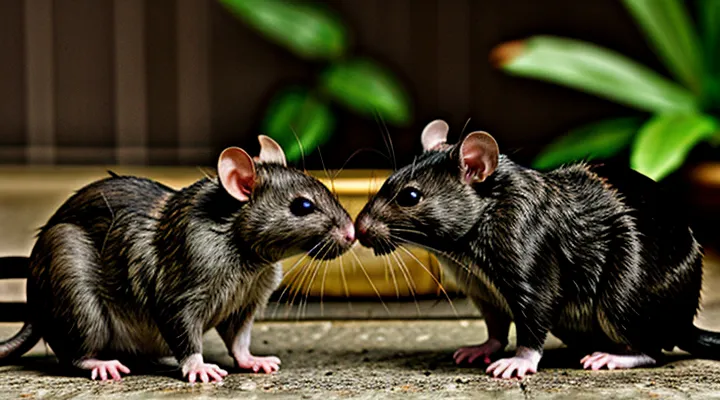
Understanding Rat Affection
The Social Nature of Rats
Rats thrive in groups, forming stable hierarchies that regulate access to resources and maintain colony cohesion. Their social structure relies on constant interaction, which facilitates the exchange of information and reduces stress among members.
Key behaviors that illustrate rat sociability include:
- Allogrooming – individuals clean each other’s fur, a process that reinforces bonds and signals trust.
- Huddling – rats nest together, sharing body heat and establishing a sense of safety.
- Reciprocal play – gentle wrestling and chasing serve as a means of establishing rank while preserving affiliative connections.
- Ultrasonic vocalizations – high‑frequency sounds emitted during close contact convey reassurance and signal positive emotional states.
- Scent exchange – licking and marking with urine distribute personal odors, enabling recognition and reinforcing group identity.
These interactions are not random; they follow predictable patterns that support cooperation, enhance reproductive success, and improve overall health. By consistently engaging in such activities, rats demonstrate a complex, highly organized social system that underpins their capacity for affection.
Recognizing Affectionate Behaviors
Rats communicate affection through a set of observable actions that can be distinguished from dominance or aggression. Careful observation of body language, vocalizations, and social routines reveals the presence of genuine bonding.
Key indicators include:
- Grooming of conspecifics – one rat repeatedly cleans another’s fur, especially around the head and neck.
- Nose‑to‑nose contact – brief, repeated touching of snouts, often followed by a pause in activity.
- Huddling – prolonged side‑by‑side resting in a relaxed posture, with minimal tension in the limbs.
- Ultrasonic chirps – low‑frequency calls emitted during close interaction, differing from distress or alarm calls.
- Playful chasing with gentle bites – pursuit that ends in mutual sniffing rather than escalated aggression.
These behaviors appear consistently across laboratory and wild populations, providing reliable criteria for assessing emotional attachment in rats. Recognizing them enables researchers and caretakers to monitor welfare, evaluate social compatibility, and interpret the quality of inter‑rat relationships without relying on ambiguous signs.
Common Ways Rats Show Affection
Grooming and Allogrooming
The Ritual of Mutual Grooming
Rats engage in a ritual of mutual grooming that serves as a primary indicator of social bonding. During this activity, one rat uses its forepaws and teeth to clean the fur, ears, and facial region of a partner. The groomed individual typically remains still, allowing precise removal of debris and parasites while exposing vulnerable skin areas.
The exchange follows a predictable pattern:
- Initiation: a rat approaches and makes gentle snout contact before beginning to lick.
- Alternation: partners often switch roles, each providing grooming for the other within minutes.
- Duration: sessions last from a few seconds to several minutes, depending on the pair’s familiarity.
- Repetition: frequent grooming episodes correlate with reduced aggression and higher tolerance for group density.
Physiological effects include the release of oxytocin-like compounds, lowered cortisol levels, and enhanced immune response. Observational studies report that pairs engaging in regular mutual grooming display faster recovery from stressors and maintain stable hierarchies without overt dominance displays.
Overall, the grooming ritual functions as a concise, measurable behavior that conveys trust, reinforces alliances, and stabilizes the social structure of rat colonies.
Identifying Affectionate Nips
Rats communicate affection through brief, gentle nips that differ from aggressive bites. These nips are short, low‑pressure, and occur during close social interaction such as grooming or cuddling.
- Pressure: barely enough to feel a light pinch, never causing pain or tissue damage.
- Duration: lasting less than a second, ending as soon as the target animal or human moves away.
- Context: delivered while the rat is relaxed, often accompanied by soft vocalizations or purring‑like sounds.
- Body language: ears forward, tail relaxed, and whiskers pointing toward the recipient.
- Frequency: repeated intermittently, not clustered in rapid succession.
When a rat nips in this manner, it signals trust and a desire for continued contact. A sudden increase in bite force, rapid snapping, or accompanying aggressive postures indicates a different motivation, such as fear or dominance, and should be interpreted separately from affectionate nipping. Recognizing these distinctions allows owners and researchers to assess the quality of rat‑human or rat‑rat relationships accurately.
«Bruxing» and «Boggling»
Interpreting Teeth Grinding
Rats communicate comfort and attachment through subtle actions; one of the most reliable signals is the gentle grinding of their incisors, often called bruxing. This sound differs from aggressive or stress‑related chattering by its low intensity and rhythmic pattern, indicating a relaxed state.
Key points for interpreting this behavior:
- Soft, continuous grinding while the rat is resting or being petted signals satisfaction and trust.
- Occurs most frequently during close physical contact, such as when the animal is nestled against a cage mate or a handler.
- Paired with relaxed body posture, slow breathing, and occasional eye‑tightening, the sound reinforces the impression of affection.
For caretakers, recognizing gentle bruxing helps assess the animal’s emotional well‑being. Providing environments that encourage such interactions—spacious habitats, regular handling sessions, and opportunities for social bonding—supports healthier, more content rodents.
Eye Wiggling as a Sign of Contentment
Rats produce rapid, rhythmic movements of the upper eyelids, often described as a “blink‑twitch” or “eye wiggle.” The motion occurs at a rate of 3–6 Hz and is most frequent when the animal is stationary, body temperature is stable, and respiratory rhythm is regular. Electrophysiological recordings link the pattern to increased parasympathetic activity and elevated dopamine levels, indicating a relaxed internal state.
Observational studies correlate eye wiggling with other markers of well‑being, such as:
- Slow, sustained grooming bouts
- Low‑tone vocalizations (soft chirps)
- Flattened ears and a relaxed posture
- Reduced heart rate measured by telemetry
When these signs appear together, the rat is reliably content. Isolated eye wiggling without accompanying stress indicators (elevated cortisol, rapid breathing) also predicts a positive affective condition.
For caretakers, the presence of eye wiggling provides a rapid, non‑invasive cue of emotional health. Regular monitoring allows early detection of discomfort; a sudden decline in frequency may signal illness, environmental stress, or inadequate social interaction. Adjustments to housing, enrichment, or handling can be guided by changes in this behavior, improving overall welfare.
Licking and Nuzzling
Gentle Licks on Owners
Rats demonstrate affection through gentle licking of their owners, a behavior that mirrors the grooming rituals observed within a colony. The act serves multiple functions: it reinforces social bonds, reduces stress, and signals trust. When a rat repeatedly brushes its teeth against a human’s hand or face, the motion is deliberate and soft, indicating a desire for close contact rather than a defensive bite.
Key characteristics of affectionate licking include:
- Consistent, low‑intensity pressure applied with the front teeth.
- Repetitive strokes directed toward the same area, often accompanied by relaxed body posture.
- Absence of rapid jaw movements or aggressive snapping.
Physiological drivers involve the release of oxytocin and dopamine, neurotransmitters linked to bonding and pleasure. Observing these patterns can help owners differentiate between genuine affection and exploratory nibbling.
To encourage gentle licking as a positive interaction:
- Offer the rat a calm environment with minimal sudden noises.
- Provide regular hand‑feeding sessions to associate human touch with nourishment.
- Respond to licking with gentle petting, reinforcing the behavior without startling the animal.
Understanding this specific expression of rat affection allows owners to strengthen the human‑rodent relationship and monitor the pet’s emotional well‑being.
Head Nuzzles and Bunting
Head nuzzles and bunting are deliberate contacts in which a rat presses its snout against another animal’s head or body. The action transfers scent from the donor’s flank glands to the recipient, creating a chemical signature that identifies the initiator as a familiar individual. This exchange occurs repeatedly during group formation, after periods of separation, and when a dominant rat reaffirms its status.
The behavior engages the vomeronasal organ, which processes pheromonal cues. Activation of this system triggers physiological responses that reduce stress hormones and increase oxytocin‑like peptides, reinforcing social cohesion. Bunting intensity correlates with the frequency of grooming bouts, indicating a shared neurochemical pathway that underlies affiliative interactions.
Observable outcomes include:
- Reduced aggression toward the bunting partner.
- Increased proximity during feeding and nesting.
- Elevated vocalizations that accompany the contact.
- Consistent repetition of the gesture in stable colonies.
Pet owners can promote healthy bonding by providing multiple enrichment items that encourage gentle head contact, such as soft tunnels and shared chew toys. Interference with bunting—by isolating individuals or restricting scent exchange—often leads to heightened anxiety and disrupted hierarchy. Maintaining an environment that permits frequent head nuzzles supports stable social structures and overall welfare.
«Poofing» and Relaxed Postures
Flattening as a Sign of Trust
Rats display affection through a distinctive posture known as flattening. In this posture the animal stretches its body, lowers its head, and often spreads its forelimbs outward, creating a broad, relaxed silhouette. The gesture replaces the typical alert stance, indicating a shift from vigilance to comfort.
Flattening appears most frequently when a rat trusts a familiar conspecific or a human caretaker. The behavior emerges after repeated positive interactions, such as gentle handling or shared nesting. Trust is further confirmed by the absence of defensive actions—no escape attempts, vocalizations, or aggressive bites—during the flattened state.
Research observations support the link between flattening and trust:
- Laboratory rats that receive daily handling exhibit flattening within seconds of being placed on a hand, while unhandled rats retain a tense posture.
- Field studies of wild colonies show individuals adopting the posture when entering a known burrow shared with a dominant partner.
- Physiological measurements reveal reduced heart rate and cortisol levels concurrent with flattening, suggesting lowered stress.
For handlers, recognizing flattening provides a reliable cue for safe interaction. Approaching a rat that is flattened reduces the risk of bite incidents and facilitates bonding. Maintaining consistent, gentle contact encourages the recurrence of the posture, reinforcing the trust cycle.
Sleeping Near or On You
Rats frequently demonstrate trust and attachment by choosing to rest close to a human caretaker. When a rat settles on a lap, pillow, or beside a sleeping person, it signals that the animal perceives the environment as safe and perceives the human as part of its social group.
Key indicators accompanying this behaviour include:
- Body contact lasting several minutes or longer without signs of agitation.
- Relaxed posture: limbs loose, ears forward, whiskers unfurled.
- Slow, regular breathing and occasional grooming of the rat’s own fur while lying next to the person.
The act of sleeping nearby also reinforces the bond. Physical proximity reduces the rat’s stress hormone levels, while the human’s steady presence provides a predictable source of warmth. Over time, repeated episodes of co‑sleeping encourage the rat to seek out the caretaker for comfort during periods of vulnerability, such as after a health check or a change in the cage environment.
In practice, owners can facilitate this expression of affection by:
- Maintaining a calm, quiet sleeping area.
- Offering a soft, clean surface that the rat can easily access.
- Allowing the rat to approach voluntarily, avoiding forced handling.
Observing a rat’s willingness to rest on or beside a person offers a reliable metric of its emotional connection and overall well‑being.
Playful Interactions
Gentle Play Bites
Rats communicate fondness through brief, lightly pressured nibbles that resemble play rather than aggression. The behavior involves a rapid, gentle bite followed by immediate release, often accompanied by grooming or relaxed body posture. These bites are short, lack the deep penetration seen in hostile bites, and are usually directed at the mouth, whiskers, or forepaws of a familiar companion.
Key characteristics of affectionate play bites:
- Light pressure, no tearing of skin
- Quick bite‑and‑release pattern
- Occurs during calm or social interaction sessions
- Followed by grooming, sniffing, or close contact
Rats use this action to test boundaries, reinforce social bonds, and engage in mutual stimulation. When a rat initiates a gentle bite, the recipient typically responds with a soft squeak, a lick, or a reciprocal nibble, confirming mutual acceptance. The exchange strengthens trust and maintains group cohesion.
Owners observing gentle play bites should differentiate them from aggressive bites by noting the context and the rat’s overall demeanor. A relaxed posture, ears forward, and normal breathing indicate affection, whereas stiff muscles, rapid lunges, and persistent biting suggest hostility. Proper interpretation allows caretakers to reinforce positive interactions and avoid misreading the behavior as a warning sign.
Chase Games and Wrestling
Rats convey affection through interactive play that includes rapid pursuit and physical grappling. When a rat initiates a chase, it often darts toward a familiar companion, pauses, and then darts back, creating a rhythmic pattern of approach and retreat. This sequence stimulates cardiovascular activity, releases endorphins, and reinforces social bonds by confirming mutual interest in shared movement.
Physical wrestling further strengthens the connection. During a bout, rats interlock forepaws, push against each other’s bodies, and tumble across the bedding. The behavior displays controlled aggression, allowing each animal to test strength while maintaining a safe distance. Successful bouts end with mutual grooming or quiet co‑resting, indicating trust and emotional closeness.
Key indicators of affectionate play:
- Repeated initiation of chase by both participants
- Alternating roles of pursuer and pursued without escalation to biting
- Balanced wrestling with frequent pauses for sniffing or grooming
- Post‑play proximity, such as side‑by‑side resting or shared nesting material
These patterns demonstrate that chase games and wrestling function as deliberate, reciprocal activities that reinforce pairwise attachment among rats.
Building a Bond with Your Rat
Positive Reinforcement and Training
Rats respond reliably to reward‑based training, which directly reinforces affectionate behaviors. When a rat receives a desirable outcome—typically a small food item or a brief petting session—immediately after performing a social action, the brain associates the action with pleasure, increasing the likelihood of repetition.
Effective reinforcement strategies include:
- Food rewards: tiny pieces of fruit, seed, or specially formulated rat treats delivered within one second of the target behavior.
- Clicker signaling: a brief, consistent click marks the exact moment of correct action, followed by a reward.
- Gentle handling: consistent, brief strokes or head scratches paired with a treat create a positive tactile association.
- Playful interaction: short games of chase or tunnel exploration rewarded with a treat encourage social engagement.
Consistent application produces measurable changes: rats exhibit more frequent grooming of handlers, increased willingness to approach, and extended periods of close contact. These behaviors serve as clear indicators of trust and attachment, confirming that reward‑driven training effectively shapes affectionate interactions.
Creating a Safe and Stimulating Environment
A secure, enriching habitat promotes the natural tendency of rats to express affection toward one another and toward their caretakers.
Adequate cage dimensions prevent stress caused by confinement. Minimum floor space of 2 sq ft per rat, solid walls, and a secure latch eliminate escape routes. Non‑toxic bedding, routine cleaning, and stable ambient temperature (18‑24 °C) protect health and encourage relaxed interaction.
Enrichment items stimulate curiosity and provide opportunities for bonding behaviors.
- Multi‑level platforms and climbing ladders
- PVC or cardboard tunnels that mimic burrows
- Untreated wood blocks for chewing
- Nesting material such as shredded paper or cotton pads
- Puzzle feeders that require manipulation to obtain treats
Social housing is essential. Grouping compatible individuals in the same enclosure establishes a hierarchy that reduces aggression and facilitates grooming, huddling, and gentle play. Introduce new rats gradually, monitoring for signs of dominance or stress.
Consistent maintenance preserves the environment’s effectiveness. Rotate toys weekly, replace worn items, and observe daily for changes in grooming frequency, vocalizations, or proximity to handlers. Promptly address health issues to maintain the conditions that support affectionate behavior.
Spending Quality Time Together
Rats demonstrate affection through prolonged, shared activities that reinforce social bonds. When two or more individuals occupy the same space for extended periods, they engage in behaviors that signal trust and mutual interest.
- Mutual grooming: each rat cleans the other’s fur, removes debris, and distributes scent, creating a shared chemical profile.
- Nest co‑occupation: rats build or occupy a single nest, maintaining close physical proximity throughout rest cycles.
- Synchronous movement: pairs or groups travel together, follow identical routes, and pause simultaneously, indicating coordinated attention.
- Vocal exchange: soft chirps and “purr‑like” sounds occur during joint exploration, reinforcing the connection.
These interactions are not merely incidental; they require deliberate choice to remain together despite potential distractions. The consistency of such engagements predicts stronger pairwise relationships and lower stress markers in laboratory observations. Consequently, quality time together serves as a primary metric for assessing affectionate attachment among rats.