
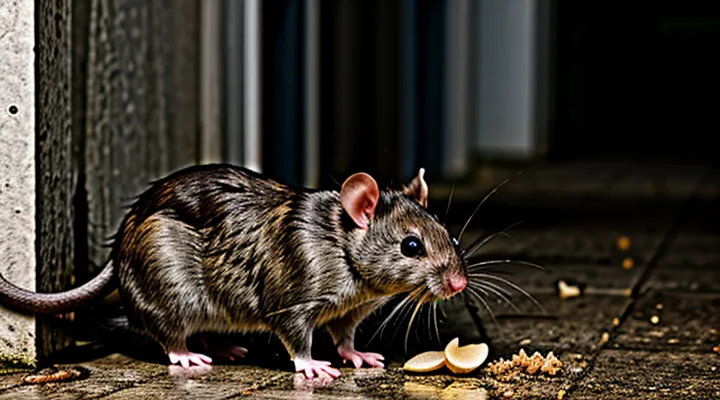
The Rodent Digestive System: An Overview
Anatomy of the Rat Digestive Tract
Mouth and Esophagus
Rats ingest food using continuously growing incisors that slice material into manageable pieces. The molars grind the food while the tongue positions it for efficient chewing. Salivary glands release a serous fluid rich in amylase, initiating carbohydrate breakdown and moistening the bolus for smooth passage.
The esophagus is a muscular tube approximately 4 cm long, lined with a stratified squamous epithelium that protects against abrasion. Sequential contractions of the circular and longitudinal muscle layers generate peristaltic waves that transport the bolus from the oral cavity to the stomach. The lower esophageal sphincter maintains a closed state until the stomach is ready to receive the chyme, preventing reflux.
Key characteristics of the rat oral‑esophageal segment:
- Incisors and molars adapted for gnawing and grinding hard seeds and grains.
- Saliva containing α‑amylase and mucins that begin starch hydrolysis and lubricate the bolus.
- Esophageal muscle architecture optimized for rapid, coordinated peristalsis.
- Mucosal lining equipped with goblet cells that secrete mucus, reducing friction.
The efficiency of these processes determines the rate at which nutrients become available for absorption in downstream sections of the gut. Rapid oral processing and effective esophageal transport limit the residence time of food before it reaches the stomach, influencing the composition of the intestinal contents that ultimately form feces. Consequently, the mouth and esophagus set the initial conditions that shape the consistency and frequency of rat droppings.
Stomach
Rats possess a simple, single-chambered stomach that initiates protein digestion through gastric acid secretion and the enzyme pepsin. The organ’s mucosal lining contains chief cells, which release pepsinogen, and parietal cells, which generate hydrochloric acid to lower pH and activate pepsin. This acidic environment denatures dietary proteins, facilitating their breakdown into smaller peptides.
Gastric motility in rodents is characterized by rhythmic contractions that mix ingested material with secretions, propelling the chyme toward the duodenum. The pyloric sphincter regulates the release of partially digested content, ensuring a controlled flow into the small intestine where further enzymatic activity occurs.
Key physiological aspects of the rat stomach include:
- High gastric acidity (pH 1.5–3.5) that supports rapid protein hydrolysis.
- A relatively short retention time, typically 30–45 minutes, allowing swift passage of nutrients.
- Adaptability to varied diets; the organ expands proportionally to food volume without compromising digestive efficiency.
Efficient gastric processing directly influences fecal composition. Efficient protein breakdown reduces nitrogenous waste in the feces, while rapid transit minimizes microbial fermentation in the colon, resulting in firmer, less odorous pellets. Consequently, the stomach’s functional characteristics are integral to the overall excretory pattern observed in rats.
Small Intestine
The small intestine of a rat extends approximately 80–100 cm, representing more than twice the animal’s body length. Its three segments—duodenum, jejunum, and ileum—are arranged in a tight coil that maximizes surface area for nutrient extraction. Villi and microvilli line the mucosa, increasing absorptive capacity to over 200 m² per kilogram of body weight.
During digestion, pancreatic enzymes and bile released into the duodenum break down proteins, lipids, and carbohydrates. The jejunum primarily absorbs monosaccharides, amino acids, and short-chain fatty acids, while the ileum recovers bile salts and vitamin B12. Active transporters and carrier proteins in the epithelial cells facilitate rapid uptake, allowing the rat to extract maximal energy from limited food intake.
Transit time through the small intestine averages 30–45 minutes, a speed that reflects the species’ high metabolic demand. Rapid passage limits microbial proliferation in the lumen, reducing competition for nutrients and influencing the composition of fecal matter. The final segment, the ileocecal valve, regulates entry of undigested material into the large intestine, thereby shaping the consistency and frequency of rat droppings.
Key characteristics of the rat small intestine:
- Length-to-body-size ratio exceeding 2:1
- Dense villi with a surface area >200 m² kg⁻¹
- Enzyme repertoire optimized for protein‑rich diets
- Transit time of 0.5–0.75 hours, supporting high metabolic turnover
These features collectively determine the efficiency of nutrient absorption and directly affect the pattern of excretion observed in laboratory and wild rodents.
Large Intestine and Cecum
The large intestine of the rat is the final segment of the gastrointestinal tract, extending from the ileocecal valve to the rectum. Its primary function is to reclaim water and electrolytes from the chyme, concentrating the material that will become feces. The mucosal surface is lined with simple columnar epithelium equipped with microvilli, which facilitates passive diffusion of water and selective absorption of sodium and chloride ions. Peristaltic waves progress slowly through this region, allowing sufficient time for fluid reabsorption and for the formation of solid pellets.
The cecum, positioned at the junction of the small and large intestines, serves as a fermentation chamber. It houses a dense population of anaerobic bacteria that break down resistant starches, cellulose, and other complex carbohydrates that escape digestion in the foregut. Fermentation produces short‑chain fatty acids (acetate, propionate, butyrate) that are absorbed across the cecal epithelium and contribute to the rat’s energy budget. The cecal wall contains lymphoid tissue, providing immune surveillance of the microbial community.
Key characteristics of these regions include:
- High capacity for water reclamation, reducing fecal moisture to around 30 % of the original chyme.
- Efficient electrolyte transport via Na⁺/H⁺ exchangers and Cl⁻ channels, maintaining osmotic balance.
- Dense microbial consortia in the cecum that generate volatile fatty acids and vitamins (e.g., B‑complex).
- Slow transit time (approximately 2–3 hours in the large intestine, longer in the cecum), promoting thorough fermentation and absorption.
Together, the large intestine and cecum shape the physical form and chemical composition of rat feces, ensuring that waste elimination occurs with minimal loss of valuable fluids and nutrients.
The Process of Digestion in Rats
Ingestion and Initial Breakdown
Rats capture food with their incisors, which continuously grow to compensate for constant gnawing. Saliva, rich in amylase, moistens the bolus and begins carbohydrate hydrolysis. The tongue directs material to the pharynx, where rhythmic contractions propel it into the esophagus.
- Stomach: muscular wall mixes ingesta with gastric secretions; hydrochloric acid lowers pH to 2–3, denaturing proteins.
- Pepsinogen activation: acid converts pepsinogen to pepsin, cleaving peptide bonds.
- Mucus layer: protects gastric epithelium from autodigestion.
- Limited lipid emulsification: bile salts from the liver enter the duodenum shortly after gastric emptying, preparing fats for pancreatic lipase.
These processes reduce food to a semi‑liquid chyme, primed for absorption in the small intestine and eventual formation of fecal pellets.
Nutrient Absorption
Rats extract the majority of dietary nutrients in the small intestine, where villi and microvilli increase surface area for efficient transfer. Enzymes such as pancreatic amylase, lipase, and proteases break macromolecules into absorbable units, which are then transported across enterocytes by specific carriers (e.g., SGLT1 for glucose, PEPT1 for dipeptides). The duodenum initiates absorption, while the jejunum and ileum complete the process, with the ileum handling bile salts and vitamin B12 via intrinsic factor.
The cecum and large intestine contribute to nutrient recovery through microbial fermentation. Microbes ferment resistant starches and fibers, producing short‑chain fatty acids (acetate, propionate, butyrate) that colonocytes absorb directly. This fermentation also generates microbial proteins and vitamins (K, B complex) that are reclaimed before fecal expulsion. The proportion of nutrients reclaimed in the colon influences the composition and moisture content of the final feces.
Key absorption features in rats:
- High density of nutrient transporters in the proximal small intestine.
- Rapid transit time (approximately 3–4 hours) balanced by extensive villous surface.
- Significant microbial activity in the cecum, yielding short‑chain fatty acids and vitamins.
- Reabsorption of electrolytes and water in the colon, reducing fecal mass.
These physiological traits determine the nutrient profile of rat droppings and reflect the animal’s adaptation to a high‑throughput digestive system.
Waste Formation
Rats convert ingested material into fecal pellets through a rapid, efficient digestive sequence. Food passes from the stomach to the small intestine, where enzymes and brush‑border transporters extract nutrients. The residual mass enters the cecum, where microbial fermentation breaks down resistant fibers, producing short‑chain fatty acids that the host absorbs. Undigested particles, microbial cells, and metabolic by‑products move into the colon, where water reabsorption concentrates the waste.
- Pellet formation: The colon’s circular muscles segment the chyme into uniform, cylindrical pellets, typically 2–3 mm in length for lab rats and up to 5 mm for wild individuals.
- Composition: Approximately 30 % dry matter, consisting of fiber, bacterial biomass, uric acid crystals, and trace minerals; the remaining 70 % is water.
- Storage: The distal colon holds a limited volume (≈0.5 ml) before a reflex triggers defecation.
- Elimination frequency: Rats defecate 5–15 times per hour during active periods, producing 0.2–0.5 g of fresh feces daily.
The high turnover rate reflects a short gastrointestinal transit time—often under three hours—which minimizes nutrient loss and reduces pathogen proliferation. Continuous cecal activity sustains a stable microbial community, influencing the chemical profile of the waste and providing a source of volatile compounds detectable in the environment.
Rat Feces: Characteristics and Significance
Appearance and Consistency
Rats produce small, cylindrical pellets that range from 0.3 cm to 0.6 cm in length and 0.1 cm to 0.2 cm in diameter. Healthy feces exhibit a uniform, firm texture that resists disintegration when pressed. The surface appears smooth, lacking cracks or ragged edges.
Typical visual and tactile attributes include:
- Color: Light brown to dark brown; occasional reddish tinge indicates high iron content, while pale or gray stools suggest reduced bile pigment.
- Moisture: Slightly moist to the touch, yet not wet; excess moisture produces a sticky or mushy consistency, whereas dryness yields brittle pellets that crumble easily.
- Shape: Consistent, elongated form with rounded ends; irregular or flattened shapes may reflect gastrointestinal distress.
Dietary composition directly influences these parameters. High-fiber diets increase bulk and promote a firmer, well‑shaped pellet, while protein‑rich or fat‑laden feeds can darken coloration and soften consistency. Inadequate water intake yields dry, crumbly feces; overhydration creates overly soft, smeared deposits.
Pathological conditions manifest through deviations from the norm. Blood‑tinged or black, tarry stools signal gastrointestinal bleeding; white or yellowish pellets indicate malabsorption or liver dysfunction. Persistent changes in size, shape, or texture warrant diagnostic evaluation to identify infection, obstruction, or metabolic disorder.
Frequency of Defecation
Rats typically produce fecal pellets at a rate of 30 – 50 per day under standard laboratory conditions, corresponding to one or two expulsions every 30–45 minutes. This high frequency reflects a rapid gastrointestinal transit time of roughly 3–4 hours, allowing continuous processing of ingested material.
The exact count varies with diet composition, hydration, and circadian rhythm. Protein‑rich or high‑fiber feeds increase bulk and may raise pellet output to 60–70 daily, while low‑calorie regimens can reduce it to 20–25. Light‑dark cycles influence timing; most expulsions occur during the dark (active) phase, with a noticeable decline during daylight.
Factors influencing defecation frequency include:
- Dietary fiber content: higher fiber accelerates gut motility.
- Water availability: adequate hydration softens stools, facilitating passage.
- Stress levels: acute stress can suppress or, paradoxically, stimulate output depending on the stimulus.
- Health status: gastrointestinal infections or dysbiosis often manifest as altered frequency.
- Age: juveniles exhibit faster transit than mature adults.
When compared with other rodent species, rats rank among the most prolific defecators. Mice average 15–20 pellets daily, while larger rodents such as guinea pigs produce fewer, around 10–12, reflecting longer intestinal passage times.
Understanding these patterns assists in interpreting experimental data, monitoring welfare, and designing housing that accommodates natural excretory behavior.
Ecological Role of Rat Droppings
Rat feces serve as a vector for nutrient redistribution within urban and rural ecosystems. Organic matter in the droppings decomposes rapidly, releasing nitrogen, phosphorus, and potassium that enhance soil fertility and support plant growth. This process accelerates nutrient turnover in habitats where rats are abundant.
The excrement also functions as a dispersal medium for microscopic seeds and fungal spores. Ingested plant material survives passage through the gastrointestinal tract, emerging viable in the feces and establishing new growth sites. Fungal propagules released from droppings contribute to mycorrhizal networks that improve host plant nutrient uptake.
Predatory and scavenger species rely on rat droppings as a supplemental food source. Insects such as beetles and flies develop within the moist substrate, providing prey for birds, amphibians, and small mammals. This trophic link reinforces biodiversity in environments where rats coexist with native fauna.
Pathogen dynamics are altered by the presence of fecal deposits. Bacteria, viruses, and parasites shed in the waste can persist in the environment, influencing disease prevalence among rodent populations and potentially spilling over to humans and domestic animals. Understanding the survivability of these agents in droppings informs public‑health mitigation strategies.
Overall, rat feces influence soil chemistry, seed and fungal propagation, food‑web interactions, and disease ecology, integrating the species into multiple ecological processes.
Factors Influencing Rat Defecation
Diet and Nutrition
Rats consume a varied omnivorous diet that directly influences the composition and frequency of their feces. Laboratory and wild specimens show a preference for grains, seeds, fruits, and protein sources such as insects or meat scraps. High‑energy carbohydrates provide rapid glucose absorption, while protein supplies essential amino acids for tissue maintenance and growth.
Nutrient balance determines fecal characteristics. Elevated fiber intake increases bulk and accelerates intestinal transit, producing smaller, drier pellets. Low‑fiber, high‑fat diets yield larger, softer stools with higher moisture content. Calcium and phosphorus ratios affect mineral deposition in fecal matter, altering hardness and pH.
Key dietary components:
- Cereals (wheat, corn, barley): primary carbohydrate source, supports energy demands.
- Legumes and soy: protein and essential fatty acids.
- Fresh produce (vegetables, fruits): vitamins, minerals, soluble fiber.
- Insect protein or meat scraps: complete amino acid profile.
- Water: essential for digestion; intake level correlates with stool moisture.
Adjusting these elements allows researchers to predict fecal output patterns and interpret digestive efficiency in experimental settings.
Hydration Levels
Rats maintain a narrow range of body water that directly influences fecal output. Adequate intake keeps stool moist, promotes regular passage, and prevents impaction. Dehydration reduces intestinal lumen water, yielding dry, compact pellets that pass less frequently and may increase the risk of gastrointestinal blockage.
Key physiological effects of hydration on rat excretion:
- Elevated plasma volume expands mucosal secretions, softening feces.
- Lowered water balance concentrates bile and digestive enzymes, accelerating colon transit time.
- Renal conservation of water reduces urine output, shifting fluid loss to the gastrointestinal tract and altering stool volume.
Experimental observations show that a 10 % increase in daily water consumption raises fecal mass by approximately 15 % and shortens the interval between defecations from 4 hours to 2–3 hours. Conversely, restricting water to 50 % of normal levels produces pellets with a 30 % higher dry matter content and lengthens the inter‑defecation interval by up to 50 %. These data confirm that hydration status is a primary determinant of rat fecal characteristics.
Environmental Stressors
Environmental stressors exert measurable effects on rodent gastrointestinal function, influencing both the frequency and composition of fecal output. Acute temperature shifts, high‑density housing, predator‑derived olfactory cues, chemical contaminants, and fluctuating nutrient availability each trigger physiological responses that modify gut motility and secretion.
- Temperature extremes accelerate intestinal transit, producing smaller, wetter pellets.
- Overcrowding elevates corticosterone levels, suppressing peristalsis and reducing defecation frequency.
- Predator odors activate sympathetic pathways, constricting mesenteric blood flow and slowing passage of digesta.
- Exposure to toxins disrupts epithelial integrity, increasing mucosal permeability and altering fecal microbial profiles.
- Variable diets alter substrate availability, reshaping microbial fermentation and resulting in changes to pellet mass and odor.
Stress‑induced activation of the hypothalamic‑pituitary‑adrenal axis releases glucocorticoids that modulate smooth‑muscle contractility and alter secretory cell activity. Concurrent sympathetic stimulation reduces parasympathetic tone, prolonging transit time and decreasing pellet output. These mechanisms produce observable shifts in fecal characteristics that serve as reliable biomarkers of environmental pressure.
Researchers and pest‑control professionals can exploit stress‑related fecal changes to assess habitat quality, evaluate intervention efficacy, and predict population health. Monitoring pellet size, moisture content, and microbial composition provides quantitative data on the impact of external stressors on rat digestive physiology.
Unique Aspects of Rat Digestion
Coprophagy: A Nutritional Strategy
Rats repeatedly ingest soft fecal pellets produced by the cecum, a behavior known as coprophagy. This practice restores vitamins, amino acids, and short‑chain fatty acids that escape absorption during the initial passage through the small intestine. The cecal material also contains microbial enzymes that complete the breakdown of complex carbohydrates, allowing the animal to extract additional energy from otherwise indigestible fibers.
Key physiological features of coprophagy include:
- Production of two distinct fecal types: hard, dry pellets expelled after the colon and soft, nutrient‑rich cecal pellets excreted shortly after feeding.
- Immediate consumption of cecal pellets, typically within minutes, to minimize loss of labile nutrients.
- Stimulation of cecal bacterial proliferation, which enhances synthesis of B‑vitamins and essential amino acids.
Experimental studies demonstrate that rats deprived of coprophagy exhibit reduced body weight gain, lower plasma levels of B‑vitamins, and impaired growth of intestinal mucosa. The behavior therefore functions as a self‑supplementary feeding strategy, compensating for the limited capacity of the rodent gut to absorb certain nutrients during the first digestive cycle.
Understanding coprophagy clarifies why rats maintain high reproductive rates and rapid tissue turnover despite a diet often low in micronutrients. It also informs laboratory husbandry practices, emphasizing the need to allow natural fecal reingestion to preserve physiological normalcy.
Specialized Microflora
Rats maintain a gut ecosystem that diverges sharply from that of many other mammals. Their microbial assemblage reflects a diet rich in grains, seeds, and occasional protein sources, fostering populations that efficiently process complex carbohydrates and nitrogenous waste.
The dominant bacterial phyla include Firmicutes, Bacteroidetes, and Proteobacteria, with genera such as Lactobacillus, Bifidobacterium, Clostridium, Prevotella, and Enterobacter present in high relative abundance. Fungal and archaeal members, notably Methanobrevibacter species, contribute to hydrogen consumption and short‑chain fatty acid production.
Key metabolic activities performed by this specialized microflora are:
- Fermentation of cellulose, hemicellulose, and resistant starch into acetate, propionate, and butyrate.
- Synthesis of B‑vitamins (e.g., B12, folate) that supplement the host’s dietary intake.
- Deconjugation of bile acids, influencing lipid absorption and fecal bile composition.
- Conversion of ammonia to microbial protein, reducing nitrogen loss in excreta.
- Production of antimicrobial peptides that modulate pathogen colonization.
These functions shape the physicochemical characteristics of rat feces, resulting in low pH, high short‑chain fatty acid content, and a distinctive odor profile. Comparative studies show that the rat microbiome adapts more rapidly to dietary shifts than that of larger rodents, providing a reliable model for investigating host‑microbe interactions in digestive physiology.
Health Implications Related to Rat Defecation
Disease Transmission
Rats excrete copious amounts of feces that frequently contain bacteria, viruses, and parasites capable of infecting humans and domestic animals. The high density of these droppings in urban and agricultural settings creates a persistent reservoir of pathogens.
- Leptospira spp. – bacteria responsible for leptospirosis, transmitted through contact with contaminated urine and feces.
- Salmonella enterica – causes gastroenteritis; survives in droppings and contaminates food surfaces.
- Hantavirus – primarily spread via aerosolized particles from dried feces.
- Yersinia pestis – the bacterium behind plague; can be carried in fecal matter and transferred by fleas.
- Giardia duodenalis – protozoan parasite that persists in rat feces and contaminates water sources.
Pathogen dissemination occurs when fecal material contacts food supplies, infiltrates water distribution systems, or becomes airborne as dust during cleaning activities. Direct ingestion, dermal exposure, and inhalation of aerosolized particles constitute the principal routes of infection. Secondary vectors, such as fleas and mites, acquire microorganisms from droppings and subsequently bite humans or livestock.
Effective control relies on integrated pest management, regular sanitation of premises, and routine environmental monitoring for rodent activity. Sealing entry points, employing bait stations, and promptly removing waste reduce the concentration of infectious material. Surveillance programs that test rodent populations for specific pathogens enable early detection and targeted interventions, limiting the spread of disease to vulnerable communities.
Indicators of Rodent Infestation
Rodent presence becomes evident through distinct physical and sensory clues. Recognizing these clues allows timely intervention before damage escalates.
- Dark, cylindrical droppings measuring 0.2–0.4 inches, often found along walls, in cabinets, or near food sources.
- Gnaw marks on wood, plastic, or wiring, characterized by clean, parallel cuts.
- Shiny, amber‑colored urine stains that darken with exposure to air, frequently visible on surfaces beneath active pathways.
- Runway tracks—visible footprints or smudge marks in dusty areas—indicating regular movement routes.
- Accumulated shredded paper, fabric, or insulation forming nests in concealed cavities.
- Chewed or punctured packaging, especially around grains, pet food, or stored produce.
- Persistent scratching or scurrying sounds heard at night from concealed voids.
Dropping morphology reflects the digestive system of rats, whose rapid intestinal transit produces uniform, pellet‑shaped feces. Concentrations near food storage suggest feeding activity, while scattered deposits along walls indicate exploratory behavior.
Assessment should consider droplet density, spatial distribution, and accompanying odor intensity. High‑density clusters in a single area point to a resident nest; dispersed patterns imply multiple entry points. Strong ammonia odor signals extensive urine deposition, often correlated with larger populations.
Early detection based on these indicators minimizes structural damage, contamination risk, and disease transmission. Prompt verification and targeted control measures are essential to restore a safe environment.