
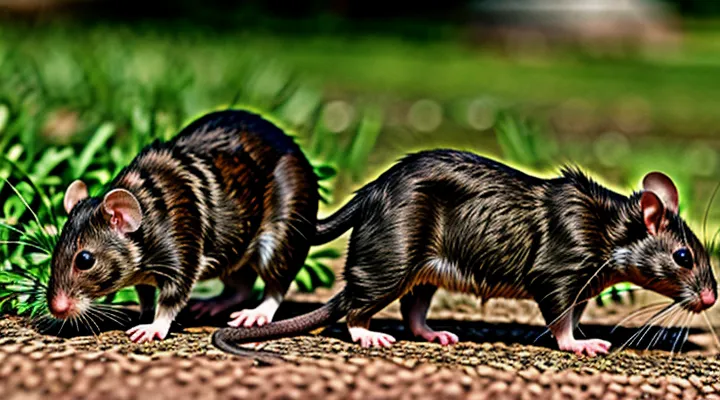
Rat Reproductive Biology
Sexual Maturity and Lifespan
Age of First Breeding
Rats achieve sexual maturity rapidly; females typically enter estrus for the first time between 5 and 7 weeks of age, while males become fertile slightly later, around 6 to 8 weeks. This window marks the earliest point at which breeding can occur under normal laboratory conditions.
Growth rate, nutrition, and ambient temperature heavily influence the precise timing. Adequate protein intake and stable temperatures (20‑24 °C) accelerate development, whereas caloric restriction or chronic cold can delay maturation by several days.
Key determinants of first breeding age:
- Strain differences (e.g., Norway rats mature earlier than some fancy varieties)
- Photoperiod exposure (longer daylight periods can advance estrus onset)
- Social environment (presence of adult conspecifics may stimulate earlier sexual activity)
Breeding before the lower end of the typical range often results in reduced litter size and lower pup survival, while waiting beyond the upper limit offers no reproductive advantage and may increase the risk of age‑related fertility decline.
Typical Reproductive Lifespan
Rats reach sexual maturity between 5 and 6 weeks of age, with females typically entering estrus earlier than males. Once mature, a female can produce litters throughout most of her adult life, which averages 2 to 3 years in laboratory conditions and up to 4 years in the wild. Reproductive output peaks during the first 12 to 18 months; after this period, litter size and frequency gradually decline.
The reproductive window is defined by several observable stages:
- Onset of fertility: 5‑6 weeks old.
- Peak breeding period: 3‑12 months, with 5‑8 litters per year.
- Gradual decline: 13‑24 months, litter size reduces by 20‑30 %.
- Senescence: beyond 24 months, estrous cycles become irregular and conception rates drop sharply.
Male rats maintain sperm production for a longer span, often remaining fertile until death, though sperm quality diminishes after the second year. Environmental factors such as diet, temperature, and population density can accelerate or delay the onset of senescence, but the intrinsic lifespan of reproductive capability remains bounded by the species’ overall life expectancy.
Mating Behavior
Estrus Cycle
The estrous cycle in laboratory rats lasts approximately 4–5 days and consists of four distinct phases: proestrus, estrus, metestrus, and diestrus. Hormonal fluctuations drive the progression of each stage. During proestrus, rising estrogen levels stimulate the development of ovarian follicles; the subsequent estrus phase marks the brief period of sexual receptivity and ovulation, typically occurring within 12 hours of the onset of estrus. Metestrus follows ovulation, characterized by a rapid decline in estrogen and a surge in progesterone, which prepares the uterus for potential implantation. Diestrus represents a quiescent interval with low gonadal hormone concentrations, during which the reproductive system resets for the next cycle.
Key physiological markers enable researchers to identify cycle stages without invasive procedures:
- Vaginal cytology: presence of nucleated epithelial cells (proestrus), cornified cells (estrus), a mixture of cell types (metestrus), and leukocytes (diestrus).
- Behavioral observation: increased lordosis posture during estrus.
- Hormone assays: elevated estradiol in proestrus, peak luteinizing hormone at the proestrus‑estrus transition, and heightened progesterone in metestrus.
Understanding the timing of the estrous cycle is essential for synchronizing mating, optimizing breeding efficiency, and interpreting experimental outcomes that depend on hormonal status. Accurate detection of estrus permits the deliberate pairing of females with males during the fertile window, ensuring successful conception and consistent litter production.
Courtship Rituals
Rats initiate courtship through chemical communication. Both sexes release volatile pheromones that travel through urine and glandular secretions, signaling reproductive readiness to nearby individuals.
The male approaches the female and engages in a series of tactile examinations. He sniffs the female’s anogenital region, then uses his whiskers to explore her body surface. The female typically responds by adopting a receptive posture, lifting her hindquarters and allowing close contact.
The mating sequence proceeds as follows:
- Male mounts the female from behind, aligning his genitalia with hers.
- Brief intromission occurs, lasting only a few seconds.
- After ejaculation, the male dismounts and may perform a grooming bout.
- The female may exhibit a brief period of immobility before resuming normal activity.
Post‑copulatory behavior includes increased grooming of the genital area by both partners and a temporary reduction in aggressive encounters. These actions help maintain hygiene and reinforce the pair bond until the female becomes pregnant, after which she begins nest preparation and maternal care.
Multiple Mates
Rats commonly engage in polyandrous mating, where a single female copulates with several males during one estrous period. This behavior maximizes the probability of fertilization and increases the genetic variability of the resulting litter.
Females enter estrus every four to five days, remaining receptive for 12–24 hours. During this window, they may accept copulations from multiple partners, each delivering a ejaculate that competes at the level of the oocyte and within the female reproductive tract. Sperm from different males can be stored in the uterotubal junction, allowing delayed fertilization and post‑copulatory selection.
Key outcomes of multiple mating include:
- Enhanced heterozygosity, reducing the incidence of recessive disorders.
- Sperm competition, which can improve overall sperm quality.
- Larger average litter size compared with monogamous pairings.
- Increased risk of pathogen transmission among mates.
- Potential for skewed paternal contribution, with dominant males siring a greater proportion of offspring.
In controlled breeding programs, limiting the number of mates per female simplifies pedigree tracking and reduces the spread of infectious agents. Researchers often isolate females after a single confirmed copulation to maintain genetic line integrity, whereas colony managers may allow unrestricted mating to promote vigor in outbred stocks.
Gestation and Birth
Pregnancy Period
Duration and Variability
Rats reach sexual maturity between five and eight weeks of age, after which females enter a regular estrous cycle lasting four to five days. Fertilization typically occurs within 12–24 hours of ovulation, and the gestation period averages 21–23 days, though slight extensions to 24 days may appear under low‑temperature conditions or when maternal nutrition is suboptimal.
Post‑birth development proceeds rapidly. Neonates are altricial, opening eyes around day 14 and achieving full fur coverage by day 10. The lactation phase extends for 21–28 days, after which pups are weaned and capable of independent feeding. Variability in these timelines correlates with several factors:
- Strain differences: laboratory strains such as Sprague‑Dawley display tighter gestational windows than wild‑caught populations.
- Environmental temperature: cooler environments prolong gestation and delay weaning milestones.
- Maternal health: malnutrition or stress lengthen estrous intervals and may reduce litter size, influencing offspring growth rates.
- Seasonal photoperiod: longer daylight exposure can shorten the estrous cycle, accelerating breeding turnover.
Understanding these temporal parameters enables precise planning of breeding programs and accurate interpretation of reproductive data.
Signs of Pregnancy
Rats exhibit several observable indicators when they become pregnant. Physical changes appear early and become more pronounced as gestation progresses. Abdominal distension emerges around day 10, accompanied by a steady increase in body weight. The mammary glands enlarge, and the nipples become pinker and more prominent. A slight swelling of the perineal area may also be visible.
Behavioral modifications provide additional clues. Pregnant females typically construct nests using shredded material, often beginning several days before delivery. Grooming frequency rises, especially around the ventral region. Activity levels decline, and the animal may display heightened territoriality toward other females. Food consumption often increases to meet the demands of developing embryos.
Physiological signs can be detected through careful observation or gentle examination. The estrous cycle ceases, eliminating the regular vaginal opening that characterizes non‑pregnant females. A thin, clear vaginal discharge may appear during the later stages of gestation. Skilled palpation of the abdomen can reveal the presence of embryos after approximately day 14, though this technique requires experience to avoid injury.
- Abdominal enlargement and weight gain
- Enlarged, pinker nipples and mammary glands
- Nest‑building activity
- Increased grooming, especially of the ventral area
- Reduced overall activity and heightened territorial behavior
- Cessation of estrous cycling
- Thin vaginal discharge in late gestation
- Palpable embryos after day 14
These indicators, taken together, allow reliable identification of pregnancy in laboratory or pet rats, facilitating appropriate care and monitoring throughout the gestational period.
Litter Characteristics
Average Litter Size
Rats typically produce litters of 6 to 12 pups, with the median count around eight for the common laboratory species (Rattus norvegicus). Wild populations show similar averages, though numbers can fall between four and ten depending on local conditions.
Factors that modify litter size include:
- Genetic lineage: selective breeding can raise averages to 14 or more.
- Maternal age: young females (<8 weeks) often have smaller litters; peak productivity occurs at 4–6 months.
- Nutrition: protein‑rich diets correlate with larger broods, while caloric restriction reduces numbers.
- Environmental stress: overcrowding, temperature extremes, and predator presence suppress reproductive output.
Compared with other small mammals, rats rank near the upper end of litter size. Mice average 5–8 pups, while hamsters typically produce 4–6. This relatively high reproductive capacity contributes to rapid population growth under favorable circumstances.
Variation in Litter Size
Rats display considerable variability in the number of pups produced per gestation. Average litter size ranges from three to twelve, with most domestic strains clustering around six to eight offspring. Several biological and environmental factors determine this variation.
- Genetic background: Inbred laboratory lines often have reduced litter sizes compared to outbred populations, reflecting selective pressures on reproductive traits.
- Maternal age: Younger females (≈8–12 weeks) typically generate larger litters than older breeders, whose reproductive efficiency declines after several months.
- Nutrition: Adequate protein and caloric intake during pre‑gestation and gestation correlates with increased pup numbers; deficiencies lead to smaller litters.
- Seasonal cues: Wild rats experience modest seasonal fluctuations, with peak litter sizes in periods of abundant food and mild climate.
- Parasitic load and disease: High parasite burdens or chronic infections suppress reproductive output, resulting in fewer pups.
Hormonal regulation also influences litter size. Elevated prolactin and estradiol levels during the estrous cycle promote follicular development, while adequate luteinizing hormone surges support ovulation of multiple oocytes. Stress hormones such as cortisol can inhibit these pathways, reducing the number of viable embryos.
Management practices that optimize genetics, age, diet, and health can deliberately modulate litter size, providing predictable outcomes for research colonies and commercial breeding operations.
Birthing Process
Nest Building
Rats construct nests to provide a stable microenvironment for gestation, birthing, and early pup development. The structure typically consists of a shallow depression lined with soft, insulating material that retains heat and reduces exposure to drafts.
Materials are collected from the surrounding habitat and include shredded paper, cotton fibers, dried plant matter, and synthetic fibers when available. Rats select items based on texture, availability, and moisture content, discarding unsuitable fragments.
The building process follows a recognizable sequence:
- Site selection: Rats prefer concealed locations such as corners of cages, burrows, or dense vegetation that limit predator access.
- Material gathering: Individuals transport pieces in their forepaws, depositing them within the chosen area.
- Layering: Soft fibers form the innermost layer, while coarser debris creates an outer barrier that shields against contaminants.
- Compaction: Repeated pressing with the body and forelimbs shapes a compact, dome‑like form that resists collapse.
Nest architecture influences pup survival. The insulated interior maintains temperatures between 30 °C and 34 °C, essential for neonatal thermoregulation. The enclosed space also concentrates the mother’s scent, facilitating pup recognition and reducing stress.
During lactation, the mother frequently rearranges the nest to accommodate growing pups and to remove waste. This dynamic maintenance ensures continuous protection and hygiene throughout the early developmental period.
Pups at Birth
Rat pups emerge completely dependent. At birth they weigh 5–7 g, are hairless or covered with a fine lanugo, and possess closed eyelids. Their forelimbs and hindlimbs are underdeveloped, limiting movement to a few tremors. The auditory canal is sealed, and the sense of smell is the primary means of locating the mother.
The mother rat initiates care immediately. She cleans each pup with her tongue, stimulating respiration and circulation. This grooming also removes the amniotic membrane and spreads scent marks that reinforce the bond. Pups remain in the nest for the first 10–12 days, during which they rely on the mother’s body heat; the nest temperature typically stays between 28–30 °C. Nursing begins within a few hours after birth; each pup receives milk rich in protein, fat, and antibodies that support immune development.
Key characteristics of newborn rat offspring:
- Weight: 5–7 g (≈ 0.2 oz)
- Fur: sparse lanugo, later replaced by dense coat after 5 days
- Eyes: closed, open around day 14
- Ears: folded, open with hearing around day 10
- Mobility: limited, gain coordinated locomotion by day 7
Litter size ranges from 6 to 12 pups, occasionally up to 20 in well‑nourished females. Birth intervals within a litter are typically 2–5 minutes, allowing the mother to attend to each pup sequentially. The gestation period for the species averages 21–23 days, after which the neonates enter this altricial stage that demands intensive maternal investment.
Offspring Care and Development
Early Pups Care
Nursing and Weaning
Rats begin nursing immediately after birth; the dam supplies milk for approximately 21 days. During this period the litter remains in a nest, and the mother spends most of her time in close contact, providing warmth and frequent grooming that stimulates pup development.
Milk produced by the dam contains high levels of protein (≈ 18 %), fat (≈ 12 %), and lactose, delivering the energy required for rapid growth. Immunoglobulins are transferred passively, affording early protection against pathogens.
Maternal care includes:
- Continuous nest maintenance to preserve temperature and hygiene.
- Regular nipple stimulation, prompting milk let‑down.
- Aggressive defense against intruders, reducing predation risk.
Weaning initiates around day 15, with a gradual shift toward solid food. Pups exhibit increased exploratory behavior, consume copious amounts of soft chow, and reduce suckling frequency. By day 21, most offspring are fully weaned, and the dam’s hormonal profile reverts, diminishing maternal aggression and promoting readiness for subsequent breeding cycles.
Parental Protection
Rats exhibit intense parental protection immediately after birth. The mother constructs a shallow nest from shredded material, positioning it in a concealed corner to shield neonates from predators and environmental stress. She maintains a stable microclimate by adjusting nest depth and adding insulation when ambient temperature drops.
During the first 10 days, the dam performs continuous pup grooming. Saliva applied during cleaning creates a scent mask that reduces detection by predators and parasites. Grooming also stimulates pup circulation and accelerates thermoregulation.
When external threats approach, the mother adopts aggressive defense tactics:
- Rapid vocalizations that alert neighboring colony members.
- Physical confrontation using sharp bites and swift lunges.
- Relocation of the entire litter to an alternate, pre‑prepared nest if the current site becomes compromised.
Paternal involvement is limited but observable in communal settings. Male rats occasionally assist by:
- Guarding the nest entrance while the female feeds.
- Delivering additional nesting material collected from the surrounding area.
- Providing scent cues that reinforce the mother’s territorial marking.
These coordinated actions ensure high pup survival rates, supporting rapid population growth in urban and wild habitats.
Developmental Stages
Sensory Development
Rat offspring emerge with underdeveloped sensory systems that mature rapidly under parental influence. Within the first 24 hours, pups rely on tactile cues from the mother’s fur to locate the nest and maintain body temperature. By day 3, whisker (vibrissae) function improves, allowing detection of air currents and facilitating navigation across the nest surface.
Auditory capability develops between days 8 and 10. Cochlear hair cells reach functional thresholds, enabling pups to respond to the dam’s vocalizations and the ultrasonic calls of littermates. This auditory awareness supports synchronized nursing cycles and prompts distress signals when separation occurs.
Vision remains the latest sense to mature. Photoreceptor activity becomes measurable around day 14, with full binocular coordination achieved near day 21. Light perception aids in the transition to independent foraging as the mother reduces direct feeding.
Sensory milestones correlate with behavioral changes:
- Day 4–6: enhanced whisker feedback triggers exploratory crawling.
- Day 10–12: auditory responsiveness initiates vocal exchange with the mother.
- Day 15 onward: visual cues contribute to spatial orientation outside the nest.
Maternal grooming supplies critical somatosensory stimulation, accelerating neural circuitry formation in the somatosensory cortex. Milk composition includes growth factors that influence synaptic pruning, ensuring efficient processing of tactile, auditory, and visual inputs. Consequently, the timing of sensory maturation aligns with the species’ reproductive strategy, optimizing offspring survival in a densely populated environment.
Mobility and Exploration
Rats rely on extensive movement to locate partners, establish territories, and assess the suitability of nesting sites. Frequent forays beyond the immediate burrow increase encounter rates with potential mates, thereby accelerating pair formation and subsequent gestation.
During the breeding season, males expand their home range by up to 30 % compared to non‑reproductive periods. This expansion serves two functions: it maximizes access to receptive females and provides information about resource distribution that will support future offspring.
Females exhibit selective exploration when choosing a nest. Criteria include:
- Proximity to reliable food sources
- Availability of dry, insulated chambers
- Minimal predator traffic, inferred from reduced scent marks of predators
After parturition, juvenile rats inherit the exploratory behavior of their parents. Early mobility is essential for:
- Development of spatial memory, which later guides foraging efficiency
- Acquisition of social cues through interaction with littermates and adults
- Gradual exposure to environmental hazards, fostering adaptive avoidance responses
Maternal care includes periodic relocation of pups to safer microhabitats. The mother’s ability to navigate complex tunnel networks determines the speed and success of these relocations, directly affecting pup survival rates.
Overall, the capacity for movement and environmental investigation underpins reproductive success and offspring viability in rat populations.
Socialization
Interaction with Siblings
Rat pups engage in constant physical and vocal contact with littermates from birth, establishing the primary social framework that shapes later adult behavior.
Within the nest, siblings perform several distinct actions:
- Mutual grooming removes parasites and stimulates blood circulation.
- Huddling conserves heat, especially during the first two weeks when thermoregulation is immature.
- Play fighting involves gentle bites and pushes, rehearsing the motor patterns needed for dominance negotiations.
These interactions accelerate neural development, enhance stress resilience, and clarify hierarchical positions that persist into adulthood. Early exposure to sibling competition promotes the ability to assess and respond to conspecific cues, a prerequisite for successful mating and territory defense.
When the dam weans the litter, individuals that have experienced robust sibling engagement display higher proficiency in maternal care, including nest building and pup retrieval, thereby perpetuating effective reproductive cycles across generations.
Learning from Mother
Mother rats provide the primary source of behavioral instruction for their pups. From birth, offspring remain in close contact with the dam, allowing continuous exposure to maternal actions that shape essential life skills.
Key competencies acquired through maternal guidance include:
- Construction and maintenance of a secure nest
- Identification and retrieval of food items
- Recognition of alarm signals and rapid escape responses
- Interpretation of social hierarchies within the litter
- Grooming techniques that promote hygiene and bonding
Learning occurs via several mechanisms. Visual observation enables pups to replicate nest‑building motions demonstrated by the dam. Tactile stimulation during nursing transmits temperature cues and rhythmic patterns that regulate physiological development. Chemical signals emitted by the mother reinforce feeding behaviors and stress resilience.
The result of this intensive early education is a measurable increase in juvenile survival rates, accelerated weaning, and enhanced adaptability to variable environments. Maternal instruction thus constitutes a critical component of rat reproductive success and offspring care.
Environmental Influences on Reproduction
Resource Availability
Food and Water
Rats require a balanced diet and constant access to clean water to support successful reproduction and the survival of newborns. Adequate nutrition supplies the energy and building blocks needed for gestation, milk production, and the rapid growth of pups.
During pregnancy, females benefit from a diet high in protein (20‑25 % of caloric intake) and enriched with essential amino acids, calcium, phosphorus, and vitamin D. These nutrients sustain fetal development and prepare the mother for lactation. Lactating rats need even greater protein levels (up to 30 % of calories) and increased calcium to maintain milk quality. Supplementary sources such as soy, whey, or commercial rodent breeding formulas provide the necessary concentrations without excess fat, which can impair fertility.
Water consumption rises markedly in gestating and nursing females. Fresh, uncontaminated water should be available at all times; a typical adult rat drinks 30‑50 ml per day, while a lactating female may require double that amount. Dehydration reduces milk output and can lead to lower pup weight and higher mortality.
Key nutritional guidelines:
- Protein: 20‑30 % of diet; prioritize high‑quality sources.
- Calcium & phosphorus: 1 % calcium, 0.8 % phosphorus; maintain a 1.2:1 ratio.
- Vitamins: Adequate levels of A, D, E, and B‑complex.
- Fat: 5‑10 % of diet; avoid excessive saturated fats.
- Water: Unlimited supply; replace daily to prevent bacterial growth.
Consistent provision of these dietary components directly influences litter size, pup viability, and the speed at which offspring reach weaning weight. Monitoring food intake and water availability is therefore essential for any breeding program aiming for optimal reproductive performance.
Shelter and Nesting Sites
Rats require secure, insulated shelters to support successful mating and the rearing of young. Preferred sites include burrows, wall voids, attics, and cluttered storage areas where temperature remains stable and access is limited. These locations provide protection from predators, extreme weather, and human disturbance, thereby increasing the likelihood of litter survival.
Nest construction begins shortly after copulation. The female gathers soft, dry materials such as shredded paper, fabric fibers, plant matter, and insulation scraps. She arranges them into a compact, dome‑shaped structure that retains heat and cushions newborns. The nest is typically positioned in the deepest part of the shelter, away from entry points, to minimize exposure to contaminants and intruders.
Key characteristics of effective nesting sites:
- Temperature regulation: Ambient temperature between 20 °C and 30 °C reduces the energetic cost of thermoregulation for both mother and pups.
- Humidity control: Moderate humidity prevents desiccation of newborns while avoiding mold growth.
- Limited traffic: Low human or predator traffic reduces stress and the risk of nest abandonment.
- Structural stability: Solid walls or buried soil prevent collapse and maintain nest integrity throughout the 3‑week lactation period.
During the lactation phase, the mother remains inside the nest for most of the day, providing warmth and feeding the pups. She periodically leaves to forage, returning with food and additional nesting material as needed. The shelter’s concealment allows the mother to perform these trips without exposing the litter to external threats.
When shelters become compromised—by cleaning, renovation, or predator intrusion—rats relocate to alternate sites that meet the same criteria. This flexibility ensures continuity of breeding cycles and minimizes reproductive delays.
Population Density
Impact on Breeding Success
Rats achieve high reproductive output when conditions align with their physiological requirements. Genetic compatibility between mates determines litter size and pup viability; inbreeding reduces hatch rates, while heterozygosity enhances embryonic development.
Environmental variables such as temperature, humidity, and cage density directly affect mating frequency and gestation length. Optimal ambient temperature (20‑24 °C) shortens estrous cycles, and moderate group sizes prevent aggression that can suppress ovulation.
Nutrition and health status provide the final determinant of breeding success. Adequate protein (≥20 % of diet) supports spermatogenesis and milk production; uncontrolled parasites or respiratory infections increase embryonic loss and neonatal mortality.
Key factors influencing breeding outcomes:
- Genetic diversity of breeding pairs
- Ambient temperature within the optimal range
- Relative humidity between 40‑60 %
- Cage density that balances social interaction and stress avoidance
- Dietary protein content and micronutrient balance
- Prevention and treatment of common pathogens
- Consistent lighting schedule to synchronize estrous cycles
Managing these variables systematically yields larger, healthier litters and improves overall reproductive efficiency in laboratory and captive rat populations.
Stress and Reproduction
Stress profoundly influences rat reproductive physiology. Elevated glucocorticoid levels suppress gonadotropin‑releasing hormone (GnRH) secretion, reducing luteinizing hormone (LH) and follicle‑stimulating hormone (FSH) pulses. The resulting hormonal imbalance delays estrus onset, prolongs the diestrus phase, and can halt ovulation entirely. In males, chronic stress diminishes testosterone synthesis, impairs spermatogenesis, and reduces sperm motility.
Key stressors affecting breeding outcomes include:
- Environmental disturbances: noise, overcrowding, and frequent cage cleaning.
- Social challenges: dominance hierarchies, introduction of unfamiliar conspecifics, and maternal separation.
- Physiological pressures: food deprivation, temperature extremes, and disease exposure.
Each factor activates the hypothalamic‑pituitary‑adrenal (HPA) axis, leading to cortisol spikes that interfere with the hypothalamic‑pituitary‑gonadal (HPG) axis. The net effect is lower conception rates, smaller litter sizes, and increased embryonic resorption.
Mitigation strategies focus on stabilizing the HPA response. Recommendations:
- Maintain a quiet, temperature‑controlled environment with a 12‑hour light/dark cycle.
- Limit cage density to prevent aggressive encounters; house compatible pairs or small groups.
- Provide consistent feeding schedules and high‑quality nutrition to avoid metabolic stress.
- Reduce handling to essential procedures; employ gentle techniques when interaction is unavoidable.
Implementing these measures restores hormonal balance, enhances mating frequency, and improves offspring viability, thereby supporting successful rat breeding programs.
Predation Pressure
Effect on Litter Survival
Rats produce large litters, yet survival rates vary widely. Understanding the determinants of offspring viability informs both laboratory management and pest‑control strategies.
Maternal condition exerts a direct influence on litter outcomes. Adequate protein intake, stable body weight, and absence of disease correlate with higher pup survival. Lactating females that receive consistent nutrition maintain milk production, reducing early‑life starvation. Parental grooming and nest‑building behaviors also protect neonates from hypothermia and predation.
Environmental parameters shape the developmental window. Optimal ambient temperature (28–30 °C) prevents heat loss; excessive cold raises mortality. Sufficient nesting material enables females to construct insulated chambers, improving thermoregulation. Overcrowding increases stress hormones and competition for resources, lowering survival percentages.
Genetic factors contribute to resilience. Heterozygosity at loci linked to immune function enhances disease resistance, while inbreeding depresses vigor and elevates susceptibility to infections.
Practical measures that improve survival include:
- Providing a balanced diet enriched with essential fatty acids and vitamins.
- Maintaining a stable temperature and humidity regime within the breeding enclosure.
- Supplying ample, clean nesting material such as shredded paper or cotton.
- Limiting cage density to avoid excessive social stress.
- Monitoring health status of breeding females and intervening promptly at signs of illness.
Collectively, these variables determine the proportion of pups that reach weaning, guiding effective reproductive management.
Maternal Protective Instincts
Maternal rats exhibit a suite of protective behaviors that commence immediately after parturition. Hormonal shifts, chiefly elevated prolactin and oxytocin, trigger nest construction, pup retrieval, and heightened vigilance.
The mother’s nest is a compact, insulated chamber composed of shredded material. She continuously rearranges the lining to maintain optimal temperature and moisture levels, preventing hypothermia and fungal growth.
Protective actions toward offspring include:
- Immediate grooming of each pup, stimulating respiration and thermoregulation.
- Frequent positioning of pups against the ventral surface, ensuring direct contact with body heat.
- Aggressive response to intruders, characterized by rapid lunges, vocalizations, and scent marking to deter predators.
- Selective cannibalism of weak or diseased neonates, reducing competition for resources and limiting pathogen spread.
These instinctive responses are reinforced by sensory feedback; tactile stimulation from the pups sustains maternal arousal, while auditory cues from frantic squeaks prompt rapid retrieval. The combination of hormonal regulation and sensory-driven behavior secures pup survival during the critical first two weeks of life.
Reproductive Strategies and Adaptations
Rapid Breeding Cycle
High Reproductive Rate
Rats achieve rapid population expansion through several physiological and behavioral traits. Sexual maturity occurs at 5–6 weeks for females and slightly later for males, allowing breeding cycles to commence within two months of birth. A single estrous cycle lasts 4–5 days, and females can become pregnant immediately after giving birth, eliminating any postpartum infertility period.
Gestation averages 21–23 days, after which litter sizes range from 6 to 12 pups, with occasional extremes of 14 or more. Offspring reach weaning weight by 21 days, and females attain reproductive competence shortly thereafter. This combination of short gestation, large litters, and swift maturation yields exponential growth under favorable conditions.
Key parameters influencing the reproductive output:
- Breeding frequency: Up to 10 litters per year in temperate climates; continuous breeding possible in controlled environments.
- Litter size variability: Dependent on maternal age, nutrition, and population density; younger, well‑fed females produce larger litters.
- Survival rate: High in sheltered habitats; predation and disease are primary mortality factors.
The cumulative effect of these factors enables rat colonies to double their numbers in less than a month, underscoring the species’ capacity for rapid demographic shifts.
Short Generation Time
Rats reach sexual maturity within a few weeks, allowing populations to expand quickly. Females become fertile at approximately 5–6 weeks of age, while males mature slightly later. This rapid onset of breeding capability shortens the interval between generations.
Gestation lasts about 21–23 days, after which a litter of 6–12 pups is born. Neonates develop rapidly: eyes open around day 14, fur appears by day 10, and they are capable of independent feeding by week 3. Weaning occurs at 21 days, and the young are ready to reproduce by the fifth week of life.
Key factors that compress the generational cycle:
- Early sexual maturity – females fertile at 5 weeks, males shortly after.
- Brief gestation – just over three weeks.
- Accelerated neonatal development – sensory and motor functions mature within two weeks.
- Early weaning – pups separate from mother at three weeks.
- High reproductive frequency – females can produce a new litter every 4–5 weeks.
These characteristics enable rat populations to increase exponentially under favorable conditions, making short generation time a defining element of their reproductive strategy.
Parental Investment
Mother’s Role in Survival
The mother rat supplies the only source of nutrition for newborns until the pups develop the ability to ingest solid food. She produces a high‑fat milk that meets the rapid growth demands of the litter, delivering calories and antibodies essential for early immune protection.
- Constructs a nest of shredded material that maintains a stable temperature, preventing hypothermia during the first days of life.
- Positions herself over the litter to provide warmth through body heat, adjusting posture as ambient conditions change.
- Licks each pup to stimulate circulation, clear respiratory passages, and spread scent markers that reinforce group cohesion.
- Defends the nest from predators and conspecific intruders, using aggressive vocalizations and physical deterrence when threats arise.
After approximately three weeks, the mother reduces nursing frequency and introduces solid food, encouraging exploratory behavior. She gradually withdraws from constant contact, allowing pups to develop independent foraging skills while still offering occasional grooming and protection until they achieve full self‑sufficiency.
Adaptation to Harsh Environments
Rats thriving in arid deserts, polluted urban slums, or cold high‑altitude habitats rely on reproductive traits that buffer environmental stress. Short gestation (≈ 21 days) and rapid sexual maturation (≈ 5 weeks) enable multiple litters per year, compensating for high juvenile mortality caused by extreme temperatures, scarce water, or toxic pollutants. Females adjust litter size to resource availability; in food‑rich conditions, litters may reach twelve pups, while scarcity prompts reductions to three or four, preserving maternal health and increasing offspring survival odds.
Maternal behavior further enhances resilience. Mothers construct nests from locally abundant materials—dry grasses, shredded plastic, or snow‑packed debris—providing thermal insulation and protection from predators. In cold regions, females increase nest thickness and incorporate body heat, sustaining pup temperature without external warming sources. Neonates receive a rich milk composition high in lipids and proteins, supplying rapid energy for thermoregulation and growth during the first two weeks when ambient conditions are most hostile.
Physiological adaptations support reproduction under stress. Rats exhibit elevated cortisol tolerance, preventing reproductive suppression during chronic stressors such as high salinity or heavy metal exposure. Renal efficiency improves water reabsorption, allowing gestating females to maintain hydration while foraging on limited moisture sources. Genetic plasticity, evidenced by rapid allele frequency shifts in populations exposed to toxins, yields offspring with enhanced detoxification pathways, reducing embryonic loss.
Key adaptive mechanisms:
- Accelerated reproductive cycle (short gestation, early puberty)
- Flexible litter size linked to resource assessment
- Nest construction using available substrates for thermal regulation
- Milk composition optimized for energy‑dense growth
- Hormonal resilience to chronic environmental stress
- Renal adaptations for water conservation
- Genetic variability facilitating rapid selection for toxin resistance
Collectively, these strategies ensure that rat populations persist and expand even when faced with severe climatic extremes, contamination, or resource scarcity.