
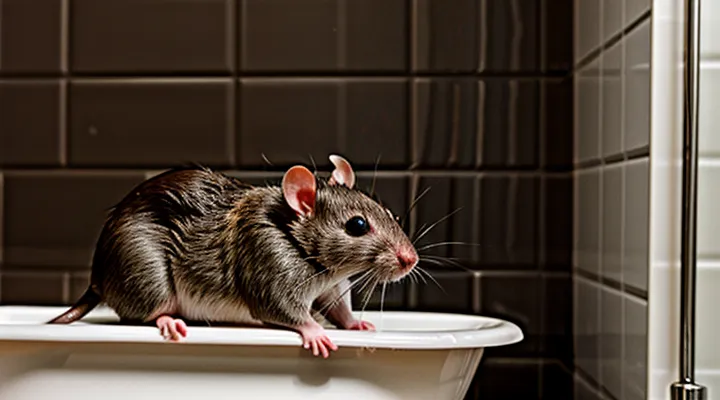
The Importance of Grooming in Rat Society
Social Implications of Cleanliness
Rats devote considerable time to self‑cleaning, a behavior that extends beyond individual health and influences group dynamics. Grooming sessions create tactile contact that reinforces social bonds, reduces aggression, and establishes dominance hierarchies. Clean individuals are more frequently accepted into communal nesting sites, while visibly unclean rats experience reduced access to resources.
Hygiene practices also shape disease transmission within colonies. Regular bathing lowers external parasite loads, decreasing the probability of pathogen spread among close‑contact individuals. Consequently, groups with high grooming frequencies exhibit lower mortality rates and maintain stable population structures.
Human communities respond to rodent cleanliness in several ways. Visible grooming activity can diminish fear, encouraging coexistence in urban environments. Conversely, the perception of rats as inherently dirty persists, influencing pest‑control policies and public health messaging.
Key social implications of rodent cleanliness include:
- Reinforcement of social hierarchy through grooming‑based signaling.
- Mitigation of parasite and disease prevalence within colonies.
- Modification of human attitudes toward rats, affecting management strategies.
- Enhancement of colony stability, supporting reproductive success and resource allocation.
Health Benefits of Regular Bathing
Regular bathing provides rodents with a consistent means of removing debris, excess oils, and microbial contaminants from the skin surface. This process directly supports the integrity of the epidermal barrier, preventing lesions that could develop into infections.
Bathing stimulates circulation in peripheral tissues, delivering oxygen and nutrients more efficiently. Enhanced blood flow promotes faster wound healing and reduces the likelihood of chronic skin conditions. The removal of ectoparasites during grooming sessions also diminishes the risk of vector‑borne diseases.
Key health advantages of routine immersion include:
- Decreased bacterial load on fur and skin
- Lower incidence of fungal growth
- Prevention of mite and flea infestations
- Improved thermoregulation through cleaner fur insulation
- Reduced stress levels as grooming fulfills a natural behavioral need
Consistent hygiene practices contribute to overall vitality, extending lifespan and supporting reproductive success. Implementing scheduled bathing aligns with the species’ innate grooming behavior, ensuring that health benefits are realized without disrupting normal activity patterns.
The Mechanics of Rat Bathing
Licking and Saliva Application
Rats maintain body cleanliness primarily through self‑grooming that involves extensive licking. The tongue’s rough papillae mechanically dislodge debris from fur, while saliva spreads across the coat, creating a thin moist layer.
Saliva composition includes enzymes such as lysozyme and peroxidase, which exhibit antimicrobial activity. The fluid also contains lipids that reduce surface tension, facilitating even distribution of moisture and aiding in the removal of pathogens.
Key outcomes of licking and saliva application are:
- Detachment of soil, parasites, and dead hair
- Reduction of bacterial load on skin and fur
- Regulation of body temperature through evaporative cooling
- Preservation of fur integrity by preventing matting
Frequent grooming cycles occur throughout the day, with increased intensity after exposure to contaminants or during stress periods. The behavior is innate, coordinated by neural circuits that trigger tongue movements and saliva secretion without conscious deliberation.
Overall, licking combined with saliva serves as an efficient, self‑contained hygiene system, ensuring that rats remain free of external irritants and maintain optimal physiological function.
Fur Combing and Detangling
Hind Leg Usage
Rats employ their hind limbs extensively during bathing to achieve thorough body coverage. Muscular strength in the posterior limbs enables the animal to push against surfaces, creating leverage that lifts the torso and facilitates access to the ventral region.
The hind legs perform several distinct actions:
- Extension of the hind paws to scrape debris from the hindquarters.
- Pressing the hind feet against the substrate to generate water flow across the lower abdomen.
- Supporting the body while the forelimbs manipulate grooming tools, such as whiskers or forepaws, to clean the head and forelimbs.
Coordination between hind and forelimbs ensures efficient removal of contaminants. While the forelimbs concentrate on the anterior segments, the hind limbs maintain balance and generate rhythmic motions that drive water over the animal’s back. This dual‑limb strategy reduces the time required for a complete cleaning cycle.
Field observations record that laboratory rats increase hind‑leg activity by approximately 30 % when introduced to a shallow water source. Video analysis shows repeated stamping motions that dislodge soil particles and promote circulation of water across the skin. The resulting reduction in microbial load has been quantified in several studies, confirming the functional significance of posterior limb usage in rodent hygiene.
Forepaw Manipulation
Rats employ their forepaws as primary tools for self‑cleaning, integrating tactile precision with rapid movements. The digits grasp, lift, and reposition fur, allowing access to concealed skin surfaces. This manipulation supports removal of debris, parasites, and excess oils, contributing to overall coat health.
Key actions of forepaw grooming include:
- Fur lifting – digits separate overlapping hairs to expose the underlying layer.
- Targeted cleaning – pads and claws scrape the skin while the opposite paw steadies the area.
- Moisture distribution – paws spread saliva across the coat, facilitating evaporation and thermal regulation.
During a grooming bout, a rat typically follows a repeatable sequence: facial cleaning with the left forepaw, dorsal fur inspection using the right forepaw, followed by alternating strokes along the flank. Each motion is brief, lasting fractions of a second, yet collectively ensures comprehensive hygiene.
Neurophysiological studies reveal that forepaw activity is coordinated by sensorimotor circuits in the cerebral cortex, which synchronize motor output with tactile feedback. This integration enables precise adjustments in pressure and angle, optimizing debris removal without damaging delicate skin.
The efficiency of forepaw manipulation reduces the need for external bathing, conserving energy and minimizing exposure to predators. Consequently, forepaw‑driven grooming remains a central component of rat hygiene behavior.
Head and Face Cleaning Techniques
Rats devote a substantial portion of their daily routine to grooming the head and face. The process involves coordinated movements of the forepaws, incisors, and tongue, each serving a distinct function in maintaining cleanliness of sensory structures.
- Tongue licking: a rapid, repetitive motion that removes loose debris from the whiskers, eyes, and nasal area.
- Forepaw manipulation: paws are positioned around the snout, then flexed to sweep away larger particles and distribute saliva, which contains antimicrobial enzymes.
- Incisor scraping: incisors are used to trim excess fur and dislodge stubborn material adhered to the muzzle or ear edges.
These actions occur while the animal adopts a perched stance, often supported by the hind limbs. The posture allows precise access to the eyes, ears, and vibrissae without compromising balance. Grooming sessions typically last several minutes and may be repeated multiple times throughout daylight hours.
The resulting cleanliness supports optimal sensory perception. Unobstructed whiskers detect tactile cues; clear ocular surfaces facilitate visual acuity; and open ear canals prevent blockage of auditory signals. Continuous head and face cleaning thus underpins the overall hygiene strategy observed in rodent populations.
Environmental Factors Influencing Hygiene
Availability of Water and Substrates
Rats rely on immediate access to water and suitable substrates to maintain effective grooming routines. Fresh water sources enable regular licking and occasional soaking, which remove debris and reduce pathogen load on fur and skin. In laboratory and domestic settings, water dispensers positioned at ground level or within reach of cage walls ensure that rodents can drink and wet their paws without excessive effort.
Substrate choice directly influences bathing behavior. Absorbent materials such as paper bedding or wood shavings retain moisture, allowing rats to roll and spread dampness across their bodies. Loose, non‑absorbent substrates, for example plastic beads, limit the spread of moisture and may compel animals to seek alternative cleaning methods, such as increased self‑licking.
Key considerations for optimal hygiene environments:
- Continuous supply of clean water, refreshed daily to prevent bacterial growth.
- Placement of water containers at multiple points within the enclosure to reduce competition and encourage frequent contact.
- Selection of substrates with high absorbency and low dust production to facilitate effective wet grooming.
- Regular replacement of bedding to maintain moisture balance and prevent mold formation.
Ensuring both water availability and appropriate substrate composition supports natural bathing habits, reduces stress, and promotes overall health in rodent populations.
Impact of Habitat on Grooming Frequency
Rats adjust grooming frequency according to the physical characteristics of their environment. In dense, cluttered burrows, frequent nibbling of fur and paws removes debris accumulated from soil and nesting material. Open laboratory cages, where bedding is regularly changed, prompt shorter grooming bouts because external contaminants are less persistent.
Key habitat factors influencing grooming behavior include:
- Substrate composition – coarse wood shavings increase tactile irritation, leading to more frequent cleaning of hindquarters and tail.
- Humidity level – high moisture promotes fungal growth on the skin, triggering additional licking sessions to maintain dryness.
- Space restriction – limited floor area concentrates waste, encouraging rats to groom more often to prevent fouling of the coat.
- Presence of enrichment objects – plastic tunnels and chew toys introduce novel textures that stimulate cleaning after interaction.
Seasonal variation interacts with habitat, as colder outdoor settings drive rats to huddle, reducing exposure to dust and thereby lowering grooming rates. Conversely, warm outdoor habitats expose rodents to parasites, increasing self‑inspection and grooming cycles.
Overall, the structure and conditions of a rat’s surroundings dictate the regularity and intensity of its hygiene rituals, ensuring coat integrity and health across diverse environments.
Unique Aspects of Rodent Hygiene
Comparing Rat Grooming to Other Animals
Rats maintain cleanliness through a combination of self‑grooming and communal activities. Their grooming routine includes meticulous whisker cleaning, fur brushing with the forepaws, and frequent face washing using their tongues. These actions reduce parasite load and preserve sensory function.
Compared with other mammals, rat grooming exhibits distinct patterns:
- Cats – employ a high‑frequency licking motion, covering the entire body; grooming sessions can last up to 30 minutes and serve both hygiene and thermoregulation.
- Dogs – rely primarily on self‑scratching and occasional licking; they supplement grooming with external tools such as brushes and dental chews, focusing less on fur maintenance than rats.
- Rabbits – perform rapid, repetitive strokes with their forepaws, concentrating on the head and ears; grooming serves primarily to remove loose fur and stimulate circulation.
- Birds – use beak‑based preening to align feathers and spread preen oil; this activity is essential for waterproofing, a function not required by rats.
Key differences emerge in duration, technique, and purpose. Rats allocate shorter, more frequent grooming bouts, emphasizing tactile cleaning of facial structures, whereas cats and birds engage in longer, more comprehensive sessions aimed at coat integrity and waterproofing. Dogs exhibit the least self‑directed grooming, often relying on human intervention. Rabbits share the rapid, paw‑based approach but focus on different body regions.
Overall, rat grooming reflects an efficient, targeted strategy that balances parasite control with sensory preservation, distinguishing it from the broader, often longer‑lasting grooming behaviors observed in other animal groups.
Adaptations for Self-Cleaning
Rats possess a suite of anatomical and physiological traits that enable efficient self‑maintenance without external bathing. Specialized fur structures, including fine, overlapping guard hairs and a dense undercoat, create a brush‑like surface that captures debris while facilitating its removal during grooming. The hind‑foot digits feature elongated, curved claws that act as precise combs, allowing the animal to navigate tight body regions and dislodge particles.
Skin glands produce a thin, oily secretion that spreads across the coat, reducing friction and preventing moisture loss. This sebum also exhibits mild antimicrobial properties, limiting bacterial proliferation on the fur surface. Saliva, rich in enzymes, contributes to the cleaning process by breaking down organic residues and providing additional antimicrobial action when the animal licks its body.
Behavioral patterns complement these physical adaptations. Rats engage in frequent, short grooming bouts that target specific body zones, ensuring continuous removal of contaminants. Social grooming sessions extend the cleaning effect, allowing individuals to access hard‑to‑reach areas such as the head and neck.
Key self‑cleaning adaptations include:
- Brush‑like fur architecture for particle capture and release.
- Curved hind‑foot claws optimized for combing motions.
- Sebaceous gland secretion that lubricates and protects the coat.
- Enzyme‑rich saliva with antimicrobial activity.
- Repetitive, targeted grooming cycles performed individually and communally.
Common Misconceptions About Rat Cleanliness
Rats are often labeled as dirty animals, yet their grooming behavior contradicts this stereotype. They devote considerable time each day to self‑cleaning, using their paws and teeth to remove debris and distribute natural oils across their fur.
Common misconceptions about rat cleanliness include:
- «Rats live in filthy conditions and never bathe.»
- «Rodents cannot control parasites without human intervention.»
- «All rat species produce foul odors that cannot be eliminated.»
- «Rats do not recognize or avoid contaminated food sources.»
Each of these statements overlooks documented observations. Rats perform meticulous grooming sessions lasting up to 15 minutes, comparable to the routine of many domestic pets. Their saliva contains antimicrobial compounds that reduce bacterial growth on the skin. Social grooming further spreads these benefits among group members, enhancing colony hygiene.
Parasite management relies on both innate behavior and environmental factors. Rats actively seek dry, clean nesting material and will discard heavily soiled bedding. In laboratory settings, regular cage cleaning minimizes ectoparasite loads, but wild rats also exhibit selective nesting choices that limit infestations.
Odor production primarily stems from urine marking and scent glands used for communication, not from lack of cleanliness. Regular grooming removes excess secretions, keeping the coat relatively odor‑free. Proper ventilation and diet reduce the intensity of any residual smell.
Overall, evidence demonstrates that rats possess sophisticated self‑maintenance mechanisms, challenging the pervasive belief that they are inherently unhygienic.