
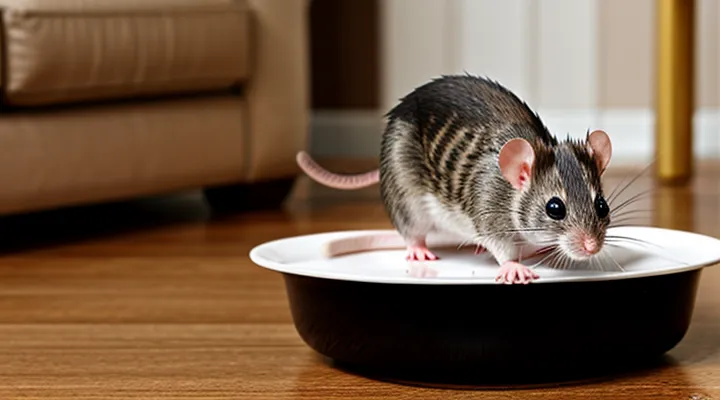
Understanding Fancy Rat Weight
What's Considered a «Normal» Weight for Fancy Rats?
Average Weight Ranges by Sex
Fancy rats exhibit clear sexual dimorphism in body mass, a factor that influences feeding schedules, health monitoring, and enclosure design. Empirical surveys of established breeding colonies reveal consistent weight intervals for mature individuals.
- Males: 120 – 180 g (average 150 g).
- Females: 100 – 150 g (average 125 g).
These ranges apply to fully grown rats aged eight weeks or older, assuming standard laboratory nutrition and regular veterinary care. Specific strains may shift the limits by ±10 g, while obesity or malnutrition can produce outliers beyond the stated intervals. Accurate weighing at routine health checks enables early detection of deviations from the normative bands and supports optimal husbandry practices.
Factors Influencing Rat Weight
The weight of a fancy rat varies widely, and understanding the variables that affect it is essential for accurate measurement and proper husbandry.
Genetic background sets the baseline range; different breeds and color lines display distinct growth patterns. Age determines the stage of development, with juveniles gaining mass rapidly until reaching adult plateau. Sex influences average mass, as males typically exceed females by a modest margin. Nutritional intake directly adds or subtracts weight; high‑calorie diets, excess treats, and inconsistent feeding schedules promote adiposity, while balanced formulations maintain lean body condition. Health status plays a critical role: parasites, respiratory infections, and metabolic disorders can cause rapid weight loss or gain. Activity level modifies muscle development; rats with ample space and enrichment retain higher lean mass compared to sedentary individuals. Environmental temperature affects metabolism; cooler conditions increase caloric demand, potentially leading to weight fluctuation. Hormonal changes from breeding, pregnancy, or spaying/neutering alter body composition and overall weight.
Key factors can be summarized:
- Genetics (breed, lineage)
- Age and developmental stage
- Sex
- Diet composition and feeding frequency
- Medical conditions (illness, parasites)
- Physical activity and environmental enrichment
- Ambient temperature and housing conditions
- Reproductive status and hormonal influences
Monitoring these variables allows caretakers to assess whether a rat’s weight aligns with expected norms and to adjust care protocols accordingly.
Detailed Weight Measurements
Weight of Male Fancy Rats
Typical Weight for Adult Males
Adult male fancy rats typically weigh between 300 and 500 grams (10.5–17.5 ounces). The most common weight observed in healthy individuals falls around 350 g (12.3 oz). Variation within this range reflects differences in strain, diet, and activity level.
Factors influencing weight include:
- Genetic lineage: larger breeds such as the Giant or Dumbo often approach the upper limit of the range.
- Nutritional intake: high‑calorie feeds can shift weight upward, while restrictive diets may reduce it.
- Exercise: active rats maintain leaner body composition, whereas sedentary individuals tend to accumulate fat.
Accurate measurement requires a digital scale with a precision of at least 1 gram. Weigh the rat at the same time of day, preferably after a brief fasting period, to minimize fluctuations caused by recent food consumption. Regular monitoring helps detect health issues early; a sudden loss or gain of more than 10 % of body weight warrants veterinary evaluation.
Growth Stages and Weight Changes in Males
Male fancy rats progress through distinct developmental phases, each associated with predictable weight increments. Newborn pups weigh approximately 5–7 g and rely entirely on maternal milk. By the end of the first week, weight typically reaches 10–12 g, reflecting rapid growth driven by frequent nursing.
Weaning occurs around days 21–28, when individuals transition to solid food. At this stage, males commonly attain 30–35 g. Proper diet formulation—high‑quality pellets supplemented with occasional fresh vegetables—supports continued muscle development and prevents underweight conditions.
Juvenile growth continues until sexual maturity, usually between 8 and 10 weeks of age. Mature males generally fall within the 100–150 g range. Weight variation depends on strain, genetic line, and husbandry practices. Regular monitoring ensures that deviations beyond ±10 % of the expected range trigger health assessments.
Adult male fancy rats maintain a stable body mass for several months. Typical weights span 120–180 g, with larger specimens reaching 200 g. Consistent feeding schedules, access to chewable enrichment, and routine veterinary checks sustain optimal condition.
Senior rats, beyond 18 months, often exhibit gradual weight loss of 5–10 % per year. Monitoring for muscle wasting, dental wear, and metabolic shifts becomes critical. Adjusting caloric density and providing easily chewable foods mitigate age‑related decline.
Key weight benchmarks for male fancy rats:
- Neonate: 5–7 g
- One week: 10–12 g
- Weaning (3 weeks): 30–35 g
- Sexual maturity (8–10 weeks): 100–150 g
- Adult (3–12 months): 120–180 g
- Senior (18 months+): gradual decline, monitor for 5–10 % loss annually
Accurate weight tracking across these stages informs dietary adjustments, health interventions, and breeding decisions, ensuring male fancy rats achieve and maintain appropriate body condition throughout their lifespan.
Weight of Female Fancy Rats
Typical Weight for Adult Females
Adult female fancy rats usually weigh between 150 g and 250 g. The lower end of the range applies to slender individuals, while the upper end reflects robust, well‑conditioned specimens. Weight can fluctuate by 10 %–15 % depending on age, diet, and activity level.
Key factors influencing female weight:
- Genetics – Breeds such as the Dumbo or Rex often lean lighter than larger, stockier types.
- Nutrition – High‑quality pellets supplemented with fresh vegetables maintain lean body mass; excessive treats raise fat stores.
- Health status – Illness, parasites, or hormonal imbalances may cause sudden loss or gain.
- Environmental enrichment – Opportunities for climbing and exercise promote muscle development, preventing obesity.
Accurate measurement requires a digital scale with 1 g resolution. Place the rat in a small, breathable container to avoid stress, then record the weight. Repeat weekly to track trends; a gradual increase of more than 5 g per week may signal overfeeding, while a drop of 10 g or more could indicate health concerns.
Weight management guidelines:
- Provide a balanced diet calibrated to the rat’s size; adjust portions if weekly readings exceed the target range.
- Offer daily enrichment (tunnels, wheels) to encourage movement.
- Conduct routine health checks—monitor coat condition, appetite, and behavior—to catch early signs of weight‑related problems.
Maintaining adult females within the 150 g–250 g window supports optimal reproductive health, longevity, and overall vitality.
Growth Stages and Weight Changes in Females
Female fancy rats progress through four distinct growth phases, each characterized by a predictable weight range when provided with standard nutrition and housing conditions.
- Neonatal (birth to 3 weeks): Average body mass rises from 5 g at birth to approximately 30 g at the end of the third week.
- Weaning (3 weeks to 6 weeks): Weight increases steadily, reaching 70–90 g as the young rat transitions to solid food.
- Juvenile (6 weeks to 4 months): Growth accelerates, with most females attaining 120–150 g by four months of age.
- Adult (4 months onward): Mature females typically maintain a stable weight of 150–250 g, depending on strain and diet.
Weight fluctuations beyond these benchmarks often signal physiological or environmental influences. Key factors include:
- Dietary composition: High‑protein or calorie‑dense feeds can add 10–20 g within a month, while low‑nutrient rations may cause a gradual decline.
- Reproductive status: Pregnancy adds 30–50 g, and lactation can temporarily raise adult weight by 20–40 g.
- Health conditions: Parasite infestations, gastrointestinal disorders, or chronic disease may produce rapid weight loss of 5–15 g per week.
- Ambient temperature: Cold environments stimulate metabolic heat production, potentially increasing daily intake and modest weight gain; excessive heat can suppress appetite and lead to weight reduction.
Monitoring female rats at each stage provides early detection of deviations. Regular weighing—preferably weekly during the first two months and monthly thereafter—combined with visual assessment of body condition, ensures that any abnormal trend is addressed promptly through dietary adjustment, medical evaluation, or environmental modification.
Recognising Underweight and Overweight Rats
Signs of Being Underweight
Fancy rats that fall below the healthy weight range exhibit clear physical and behavioral cues. A slender body frame, with ribs and spine easily visible through a thin layer of fur, signals insufficient body mass. The abdomen may appear sunken rather than rounded, and the tail can look disproportionately long compared to the torso. Reduced muscle tone leads to a limp gait, and the rat may struggle to climb or explore its enclosure as usual. Appetite changes are common; an underweight rat often shows diminished interest in food, yet may also become overly selective, rejecting familiar foods. Skin elasticity declines, so when gently pinched, the skin does not snap back quickly. Additional red flags include lethargy, prolonged periods of inactivity, and a dull, lackluster coat that loses its typical sheen.
Key indicators of undernourishment:
- Prominent ribs and spine through sparse fur
- Sunken abdominal contour
- Tail appearing excessively long relative to body
- Weak, unsteady movement and reduced climbing ability
- Decreased or erratic feeding behavior
- Poor skin elasticity on gentle pinch test
- Lethargic demeanor and dull coat
Monitoring these signs enables timely intervention, ensuring the rat receives appropriate nutritional support and veterinary care.
Signs of Being Overweight
Understanding when a fancy rat exceeds a healthy weight is essential for effective management. Overweight rats display physical and behavioral indicators that differ from normal conditions.
Visible signs include a rounded abdomen that obscures the spine, a thickened tail base, and reduced definition of the ribcage. The skin may appear stretched, especially over the flanks, and the rat may have difficulty fitting into standard cages or tunnels. Weight gain often correlates with a slower gait, reduced activity, and a tendency to rest more frequently. Excess fat can also cause difficulty breathing, evident by quicker, shallow respirations during mild exertion.
Objective assessment relies on regular weighing and body condition scoring. A practical scoring system uses a scale from 1 (emaciated) to 5 (obese). Rats scoring 4 or 5 exhibit the following measurable traits:
- Body length unchanged while weight increases markedly.
- Palpable fat deposits over the lumbar vertebrae and hindquarters.
- Inability to pinch a thin layer of skin without resistance.
- Reduced mobility in climbing structures.
Monitoring these parameters enables early intervention, preventing complications such as joint stress, metabolic disorders, and reduced lifespan. Adjusting diet, increasing enrichment, and scheduling veterinary evaluations constitute the core response once overweight signs emerge.
Care Considerations Related to Weight
Diet and Nutrition for Healthy Weight
Recommended Food Types and Portions
A balanced diet directly influences a rat’s body condition and helps maintain a stable weight. Nutrient‑dense foods should form the core of each meal, while treats remain occasional.
- Commercial rat pellets: ¼ cup (approximately 20 g) per adult, divided into two feedings.
- Fresh vegetables: leafy greens (e.g., kale, romaine) 1‑2 tbsp per meal; root vegetables (e.g., carrots) ½ tbsp per meal.
- Fruit: small pieces (e.g., apple, berries) no more than ¼ tsp per day.
- Protein sources: cooked egg white, plain cooked chicken, or low‑fat cottage cheese, ½ tsp per feeding.
- Grains and legumes: cooked quinoa or lentils, ½ tsp per feeding.
Water must be available at all times; replace daily and keep containers clean.
Feeding schedule should consist of two equal portions spaced 12 hours apart. Adjust quantities if the rat shows rapid weight gain or loss, using body condition scoring as a guide. Avoid high‑fat seeds, nuts, and sugary snacks, as they contribute excess calories without essential nutrients.
The Role of Treats and Supplements
Treats and supplements directly affect a fancy rat’s body condition, calorie intake, and nutrient balance. When evaluating weight and overall health, these additions must be quantified and managed with the same precision applied to regular feed.
- Choose treats with low fat and sugar content; natural options such as small pieces of carrot, apple, or unsweetened dried fruit provide flavor without excessive calories.
- Limit treat portions to no more than 5 % of total daily energy, measured in grams rather than vague “a few bites.”
- Record each treat’s caloric value in a log alongside regular meals to detect trends that could lead to overweight or underweight states.
Supplements should address specific deficiencies identified through veterinary assessment or blood work. Administer only products formulated for rodents, and follow manufacturer dosage expressed in milligrams per kilogram of body weight. Adjust amounts when the rat’s weight changes, ensuring that the supplement contribution to total caloric intake remains negligible.
Integrate treats and supplements into a weight‑monitoring routine by weighing the rat weekly, noting any deviation from the target range, and modifying treat frequency or supplement dosage accordingly. Consistent documentation creates a reliable data set for evaluating the impact of dietary extras on growth, maintenance, and health outcomes.
Exercise and Enrichment for Weight Management
Importance of Daily Activity
Daily movement directly affects a fancy rat’s body composition. Regular exercise increases metabolic rate, helping the animal maintain a weight within the typical range of 150–300 grams. When activity levels drop, excess calories are stored as fat, leading to rapid weight gain and potential health issues such as obesity‑related organ strain.
Consistent locomotion also strengthens skeletal and muscular systems. Muscles used during climbing, running, and foraging develop greater endurance, which supports joint stability and reduces the risk of injuries during handling. A rat that moves frequently shows improved coordination and fewer signs of lethargy.
Behavioral benefits accompany physical ones. Engaging in daily exploration reduces stress hormones, resulting in calmer temperament and more reliable responses during health assessments. Active rats are less likely to develop stereotypic behaviors, such as excessive grooming or repetitive pacing.
Practical measures to ensure sufficient activity:
- Provide a multi‑level cage with ropes, ladders, and platforms.
- Rotate enrichment items weekly to stimulate curiosity.
- Schedule short supervised play sessions outside the enclosure, using safe, chew‑resistant toys.
- Monitor weight weekly; adjust diet if the rat’s mass deviates from the expected range.
By integrating these practices, caretakers can maintain optimal weight, enhance physiological resilience, and promote overall well‑being in fancy rats.
Cage Setup for Active Rats
A well‑designed enclosure is essential for rats that are constantly moving, especially when their health and growth are being monitored. The cage must accommodate their size, provide space for exercise, and support routine husbandry practices.
The base of the cage should be a solid platform at least 12 inches high to prevent escape. A minimum floor area of 2 sq ft per rat allows comfortable movement; larger groups benefit from 3 sq ft per animal. Wire mesh with a ½‑inch spacing prevents foot injuries while allowing airflow. For active rats, a solid bottom covered with paper bedding or aspen shavings offers a stable surface for digging and nesting.
Enrichment items contribute to physical activity and mental stimulation. Include:
- Multi‑level platforms or ramps with non‑slip surfaces.
- Climbing structures such as wooden branches, PVC tubes, or woven hammocks.
- Chew‑safe toys made from untreated wood, cardboard, or natural fibers.
- A small exercise wheel that rotates smoothly and is large enough (minimum 12 cm diameter) to avoid spinal strain.
Placement of the cage should avoid direct sunlight, drafts, and loud vibrations. A quiet corner of a room with a stable temperature (18‑24 °C) supports normal metabolism and weight regulation.
Cleaning protocols must balance hygiene with the rats’ sensitivity to scent changes. Spot‑clean soiled areas daily, replace bedding weekly, and perform a full cage cleaning bi‑weekly. Use mild, unscented soap and rinse thoroughly to prevent residue that could affect the animals’ respiratory health.
By adhering to these guidelines, owners create an environment that promotes active behavior, facilitates accurate weight monitoring, and supports overall well‑being.
Monitoring Your Rat's Weight
How Often to Weigh Your Rat
Regular weighing is essential for monitoring a pet rat’s health and detecting early signs of illness. A healthy adult fancy rat typically maintains a stable weight range of 300–500 g, depending on breed and sex. Deviations of more than 5 % from the baseline warrant veterinary consultation.
- Weekly weighing for new or adolescent rats (under six months) establishes growth patterns and identifies rapid weight loss or gain.
- Bi‑weekly weighing for mature, stable adults provides sufficient data while minimizing stress.
- Monthly weighing during periods of illness, pregnancy, or after a significant diet change ensures timely adjustments to care.
Weigh the rat at the same time of day, preferably after a brief fasting period of 2–4 hours, to reduce variability caused by recent food intake. Use a digital kitchen scale with a minimum capacity of 1 kg and an accuracy of ±1 g. Place the cage liner or a small container on the scale, tare it, then gently transfer the rat. Record the measurement in a log, noting date, age, diet, and any health observations.
Consistent records enable owners to calculate growth curves, assess the effectiveness of dietary modifications, and provide veterinarians with objective data during examinations.
Tools and Techniques for Accurate Measurement
Accurate weight assessment of fancy rats requires reliable equipment and consistent methodology. A digital pocket scale with a capacity of 500 g and a readability of 0.1 g provides the precision needed for small mammals. Laboratory-grade analytic balances, calibrated weekly with certified weight standards, offer higher accuracy for research settings. A hanging scale equipped with a small cage or harness allows measurement without direct handling, reducing stress‑induced weight fluctuations. A portable spring scale, calibrated before each use, serves as a backup when electronic devices are unavailable.
Effective technique begins with tare adjustment: place the empty cage or weighing platform on the scale, reset to zero, then introduce the rat. Weigh the animal at the same time each day, preferably in the early morning after a brief fasting period, to minimize digestive weight variation. Use gentle restraint to prevent movement, but avoid excessive pressure that could compress the body and alter the reading. Record each measurement in a log that includes date, time, ambient temperature, and any recent health interventions. Perform at least two consecutive readings; if they differ by more than 0.2 g, repeat the measurement until consistency is achieved.
Regular maintenance of the scale—cleaning the surface, checking battery levels, and verifying calibration with known masses—prevents systematic errors. Storing data in a spreadsheet with built‑in formulas for average, standard deviation, and growth rate facilitates longitudinal analysis and early detection of health issues. By combining calibrated instruments, standardized procedures, and meticulous record‑keeping, owners and researchers can obtain precise weight data essential for the proper care and monitoring of fancy rats.
Addressing Weight Issues
Consulting a Veterinarian for Weight Concerns
Monitoring a fancy rat’s body condition is a routine part of responsible care. If a rat’s weight falls outside the typical range of 150–300 grams, professional assessment becomes necessary.
Veterinary consultation provides objective data. The clinician will:
- Weigh the animal on a calibrated scale designed for small mammals.
- Measure body length from nose to base of the tail to calculate a body‑condition index.
- Perform a physical exam to detect muscle loss, fat deposits, or underlying disease.
- Order diagnostic tests such as blood work or imaging if weight deviation suggests metabolic or organ issues.
Owners should schedule an appointment when any of the following occur:
- Sudden weight loss of more than 10 % within a week.
- Persistent weight gain despite a balanced diet.
- Visible changes in coat quality, activity level, or appetite.
- Signs of gastrointestinal distress, respiratory problems, or abnormal behavior.
During the visit, the veterinarian will discuss dietary adjustments, feeding frequency, and enrichment strategies tailored to the rat’s specific needs. Follow‑up appointments may be recommended to track progress and modify the care plan as required.
Strategies for Weight Gain
Fancy rats often require deliberate nutritional adjustments to achieve healthy weight gain. A balanced approach combines diet enrichment, feeding schedule refinement, and environmental support.
- Increase caloric density by adding small portions of high‑quality protein sources such as boiled egg white, cooked chicken breast, or commercial rat treats formulated for growth.
- Supplement meals with healthy fats, for example a teaspoon of unsalted peanut butter or a few drops of olive oil, mixed into regular chow.
- Incorporate fiber‑rich vegetables like cooked sweet potato or pumpkin to stimulate appetite without causing digestive upset.
- Offer fresh fruit in limited amounts (e.g., banana slices or apple wedges) to provide additional sugars that contribute to energy intake.
Adjust feeding frequency to two or three small meals per day rather than a single large portion. This pattern reduces waste and encourages consistent consumption. Ensure water availability at all times; hydration aids nutrient absorption.
Monitor body condition weekly by gently feeling the rib cage and spine. A gradual increase of 1–2 grams per week signals appropriate progress; rapid gains may indicate overfeeding and risk obesity. Record weight measurements on a digital scale with 0.1‑gram precision to track trends accurately.
Environmental factors influence metabolism. Provide a warm, draft‑free enclosure (temperature 20–24 °C) and avoid excessive handling stress, which can suppress appetite. Enrich the cage with chew toys and tunnels to promote activity, but balance exercise with adequate rest periods to allow muscle development.
If weight gain stalls after several weeks, consult a veterinarian experienced with small rodents. Professional guidance may include parasite screening, metabolic assessment, or prescription dietary formulas tailored to the individual rat’s needs.
Strategies for Weight Loss
Understanding the typical mass of a domesticated fancy rat provides a baseline for evaluating whether an individual is under‑ or overweight. Adult females usually range from 150 to 250 g, while males can reach 200 to 300 g. Deviations from these figures often signal dietary excess or insufficient activity, prompting targeted weight‑loss interventions.
Effective weight‑reduction methods for pet rats involve three core components: nutrition adjustment, physical stimulation, and health monitoring.
- Caloric moderation: Replace high‑fat treats with low‑calorie vegetables such as kale, carrots, and cucumber. Limit commercial pellets to the recommended daily portion, typically 5 g per 100 g body weight.
- Structured play: Provide climbing apparatus, tunnels, and chew toys that encourage natural foraging movements. Schedule 20‑minute active periods twice daily to increase energy expenditure.
- Portion control: Measure each feeding with a digital scale. Record daily intake and compare against the target caloric range of 3.5–4.0 kcal per gram of body weight.
- Hydration management: Ensure fresh water is constantly available, but avoid sugary solutions that add unnecessary calories.
- Regular weighing: Use a precision gram scale weekly. Document trends; a steady loss of 5–10 g per week indicates a healthy trajectory.
Implementing these steps within the broader framework of rat health care helps maintain optimal body condition, supports longevity, and reduces the risk of obesity‑related complications.