
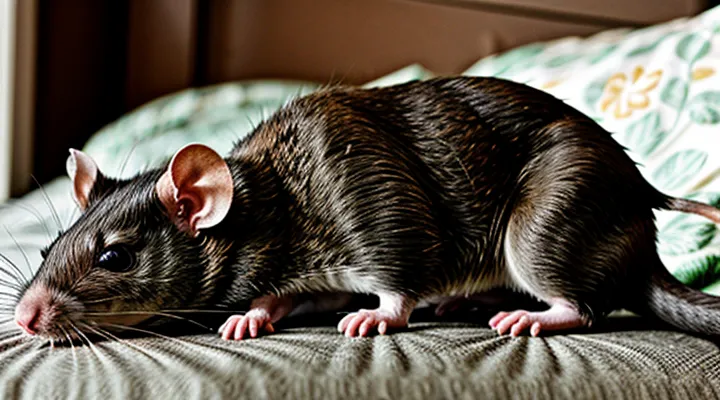
Average Sleep Duration for Pet Rats
Factors Influencing Sleep Duration
Pet rats do not adhere to a single sleep schedule; the amount of rest they obtain fluctuates according to several measurable variables.
- Age – Juvenile rats sleep up to 14 hours daily, while adults often reduce total sleep to 10–12 hours.
- Health status – Illness, injury, or chronic conditions can shorten or fragment sleep periods.
- Environmental lighting – Exposure to consistent light‑dark cycles promotes regular sleep; irregular or excessive illumination disrupts circadian rhythms.
- Temperature – Ambient temperatures between 20 °C and 24 °C support optimal rest; colder or hotter conditions increase wakefulness.
- Dietary composition – High‑protein or high‑fat meals may alter metabolic rate, influencing sleep depth and duration.
- Social interaction – Presence of cage mates can lead to shared nesting and longer uninterrupted sleep; solitary housing often results in more frequent awakenings.
- Stressors – Loud noises, sudden movements, or frequent handling elevate cortisol levels, reducing total sleep time.
Each factor interacts with the rat’s innate circadian system. Younger animals prioritize growth, necessitating longer sleep, whereas mature individuals balance rest with increased activity. Health challenges introduce physiological demands that compete with sleep. Stable lighting and temperature reinforce the suprachiasmatic nucleus, the brain region governing daily rhythms. Nutrient intake affects neurotransmitter pathways that modulate sleep pressure. Social dynamics provide safety and warmth, encouraging deeper sleep bouts, while stress hormones activate arousal circuits that fragment rest. Understanding these determinants enables caretakers to create conditions that maximize healthy sleep patterns in domestic rats.
Diurnal vs. Nocturnal Habits
Pet rats are primarily nocturnal, with peak activity occurring shortly after dark. During daylight hours they rest in secluded corners of the cage, often curled in a nest of bedding. Sleep bouts are fragmented; a typical pet rat accumulates 12–15 hours of rest over a 24‑hour period, divided into multiple short cycles rather than a single long sleep.
When a rat is exposed to a consistent light‑dark schedule, its internal clock aligns with the external cues. In a dark phase lasting 12 hours, a rat will spend roughly 70–80 percent of that time awake, engaging in foraging, grooming, and social interaction. The remaining 20–30 percent is spent sleeping or dozing. In the light phase, the animal reverses this pattern, allocating the majority of the period to sleep.
Key factors influencing diurnal versus nocturnal behavior include:
- Light intensity: brighter illumination suppresses activity, encouraging rest.
- Feeding schedule: meals provided during the dark phase reinforce nocturnal habits.
- Cage enrichment: toys and tunnels stimulate activity when presented at night.
- Age: younger rats may display more flexible activity patterns, while adults adhere closely to nocturnal cycles.
Pet owners seeking to align a rat’s schedule with household routines can gradually shift feeding times and adjust lighting, but abrupt changes disrupt circadian rhythms and may reduce total sleep. Maintaining a stable 12‑hour light/12‑hour dark cycle supports natural nocturnal behavior and optimal rest periods.
Recognizing Healthy Rat Sleep Patterns
Signs of Adequate Rest
Pet rats require regular, uninterrupted sleep cycles to maintain health, and owners can assess rest quality through observable behaviors. Adequate rest manifests as stable body temperature, relaxed muscle tone, and consistent activity patterns when awake.
- Quiet, curled posture with eyes closed
- Minimal twitching or rapid breathing during sleep bouts
- Regular sleep intervals lasting 10‑12 hours per day, spread across multiple phases
- Quick recovery from mild stressors after waking
- Consistent grooming and social interaction during active periods
When these indicators are present, rats demonstrate sufficient restorative sleep, supporting immune function, growth, and cognitive performance. Absence of these signs—frequent agitation, fragmented sleep, or prolonged lethargy—suggests a need to evaluate housing conditions, diet, and environmental stressors.
Common Sleep Positions
Pet rats exhibit several typical postures while resting, each reflecting comfort and safety needs. The most frequently observed positions include:
- Curled ball – the rat folds its body into a tight sphere, tail tucked around the back. This stance conserves heat and protects vulnerable limbs.
- Extended stretch – the animal lies flat on its belly or side, limbs fully extended. It indicates a relaxed state after a period of deep sleep.
- Side‑lying with one eye open – the rat rests on one side, often with a half‑closed eye. This semi‑alert pose allows quick response to potential threats while maintaining rest.
- Nest burrow – the rat settles deep within a nest of shredded paper or bedding, body partially hidden. The enclosed environment enhances insulation and reduces disturbance.
Researchers tracking sleep cycles note that rats alternate between these positions several times per hour, adjusting based on ambient temperature, light levels, and perceived safety. The choice of posture can influence the depth of sleep; curled and nest burrow positions are associated with slower brain activity, whereas extended stretches correspond with lighter, transitional sleep stages. Understanding these common sleep positions assists caretakers in providing optimal bedding, temperature control, and environmental enrichment to support healthy rest patterns in pet rats.
Differentiating Sleep from Inactivity
Pet rats spend a substantial portion of their day in a state that appears quiet, yet not all quiet periods constitute true sleep. Accurate assessment hinges on recognizing physiological and behavioral markers that separate genuine slumber from mere rest.
During genuine sleep, rats exhibit a relaxed body posture, often curled or stretched with limbs loosely extended. Their eyes are either fully closed or display a characteristic rapid flicker known as “sleep twitches.” Muscle tone diminishes, and the animal remains motionless for extended intervals, typically ranging from several minutes to over an hour.
In contrast, inactivity without sleep includes alert sitting, grooming, or brief pauses while the rat remains semi‑alert. Eyes may be open or only partially narrowed, and subtle movements—such as whisker adjustments or ear twitches—persist. Muscle tone remains higher, and the animal can be roused with minimal stimulus.
Researchers differentiate the two states by applying the following criteria:
- Eye status: closed or rapid eyelid flickering → sleep; open or partially open → inactivity.
- Muscle tone: reduced, limp limbs → sleep; sustained tension → inactivity.
- Responsiveness: delayed reaction to gentle touch → sleep; immediate response → inactivity.
- Brain activity: electroencephalogram (EEG) showing slow-wave patterns → sleep; mixed-frequency signals → inactivity.
Observational studies of domestic rats indicate that true sleep occupies roughly 12–14 hours within a 24‑hour cycle, while periods of quiet wakefulness account for an additional 4–6 hours. Distinguishing between these states ensures accurate reporting of pet rat sleep duration and supports proper care guidelines.
Factors Affecting Rat Sleep Quality
Environmental Stimuli
Pet rats are highly responsive to changes in their surroundings, and these responses directly shape the amount and quality of their rest. Light exposure is the most immediate factor; bright or fluctuating illumination triggers alertness and can fragment sleep cycles. Consistent dim lighting that mimics twilight encourages longer periods of deep sleep, while sudden bursts of light during the night cause brief awakenings.
Noise levels also modulate sleeping behavior. Continuous low‑frequency sounds, such as the hum of a refrigerator, are typically tolerated, whereas sharp, intermittent noises—door slams, vacuum cleaners, or loud conversation—prompt rapid arousal. Maintaining a quiet environment, especially during the rats’ nocturnal active phase, supports uninterrupted rest.
Temperature influences metabolic rate and therefore sleep duration. Ambient temperatures between 68 °F and 75 °F (20 °C–24 °C) align with the species’ thermoneutral zone, allowing stable sleep patterns. Temperatures below this range increase shivering and wakefulness; higher temperatures induce panting and frequent position changes, both of which reduce sleep efficiency.
Cage configuration contributes to perceived safety, a prerequisite for sustained sleep. Features that enhance security include:
- Solid hiding spots (e.g., tunnels, enclosed shelters)
- Elevated platforms that allow quick escape routes
- Stable bedding that does not shift excessively
When rats can retreat to secure locations, they enter longer bouts of REM and non‑REM sleep. Conversely, open or cluttered spaces elevate vigilance and shorten sleep intervals.
Human interaction exerts a dual effect. Gentle handling and predictable routine reinforce a sense of safety, leading to deeper sleep. Abrupt handling, loud voices, or irregular feeding times increase stress hormones, which suppress sleep onset and fragment ongoing sleep.
In practice, optimizing environmental conditions—steady low light, minimal sudden noises, stable temperature, secure cage design, and consistent human contact—maximizes the total sleep time of pet rats and improves the proportion of restorative sleep stages.
Cage Setup and Comfort
The quality and quantity of a rat’s rest depend heavily on the conditions inside its enclosure. A well‑designed cage provides the space, security, and environmental stability needed for uninterrupted sleep cycles.
- Minimum floor area: 2 sq ft per adult rat.
- Height: at least 12 in to allow vertical climbing.
- Bar spacing: no more than ½ in to prevent injury.
- Secure door locks to eliminate drafts and sudden openings.
Comfortable bedding supports natural nesting behavior and regulates body temperature. Recommended materials include paper‑based products, shredded tissue, or untreated cotton fibers. Avoid cedar, pine, or scented litters, which release volatile compounds that can irritate respiratory passages.
Stable temperature (65–75 °F) and consistent low‑level lighting promote deep rest. Provide a dimming schedule that mimics dusk and dawn, and keep the cage away from direct sunlight, heating vents, or loud appliances. Noise levels should remain below 50 dB to prevent frequent awakenings.
Privacy zones enhance sleep quality. Incorporate a closed tunnel, a hide‑box, or a stacked platform with a fabric cover. These structures allow rats to withdraw from activity and maintain a sense of safety throughout the night.
Proper cage setup, combined with appropriate bedding, climate control, and secluded resting spots, creates an environment where pet rats can achieve their typical 12–15 hours of sleep per day.
Diet and Nutrition
Pet rats typically rest between 12 and 15 hours each day, and their sleep patterns are closely linked to dietary intake. Adequate nutrition supports the brain’s production of neurotransmitters that regulate circadian rhythms, while nutrient deficiencies can lead to fragmented rest and reduced total sleep time.
Key nutritional elements influencing sleep:
- Protein: Supplies amino acids such as tryptophan, a precursor to serotonin and melatonin, hormones that promote sleep onset.
- Complex carbohydrates: Stabilize blood glucose, preventing spikes that may cause agitation during rest periods.
- Essential fatty acids: Omega‑3 and omega‑6 fatty acids contribute to neuronal membrane health, enhancing signal transmission involved in sleep regulation.
- Vitamins and minerals: Vitamin B6 assists in converting tryptophan to serotonin; magnesium and calcium help maintain muscle relaxation and calm nervous activity.
A balanced diet for a pet rat should consist of high‑quality rodent pellets as the staple, supplemented with fresh vegetables (e.g., carrots, broccoli) and occasional protein sources (e.g., boiled egg, cooked chicken). Treats high in sugar or fat should be limited, as they can disrupt glucose balance and interfere with sleep cycles.
Consistent feeding schedules reinforce predictable metabolic rhythms, which in turn stabilize sleep‑wake patterns. Providing fresh water at all times prevents dehydration, a condition that can cause restlessness and shortened sleep duration. Monitoring body condition and adjusting portions to maintain a healthy weight further supports uninterrupted rest.
Health Conditions and Sleep Disturbances
Pet rats normally rest between 12 and 14 hours each day, but illness can shorten or fragment that period. Respiratory infections, such as Mycoplasma pulmonis, produce nasal discharge and coughing that interrupt sleep cycles. Dental overgrowth creates constant chewing discomfort, leading to frequent awakenings. Gastrointestinal upset, including diarrhea or constipation, generates abdominal pain that prevents deep rest. Obesity adds pressure on the diaphragm, reducing breathing efficiency during sleep. Parasite infestations—mites, fleas, or pinworms—cause itching and restlessness. Neurological disorders, such as seizures or vestibular disease, disrupt the normal transition between sleep stages. Pain from injuries or arthritis produces frequent shifts in position and shortened sleep bouts.
Typical sleep disturbances manifest as:
- Increased number of brief awakenings per hour
- Reduced duration of rapid eye movement (REM) episodes
- Irregular timing of active periods, with activity spilling into usual rest phases
- Visible signs of fatigue, such as slowed movement and diminished grooming
Monitoring includes daily observation of sleep posture, duration of quiet periods, and any changes in vocalization or grooming. A consistent cage temperature of 20‑24 °C, low noise levels, and a darkened area for nesting support uninterrupted rest. Prompt veterinary assessment of respiratory symptoms, dental health, weight changes, and parasite load prevents chronic sleep disruption. Regular health checks and environmental stability maintain the sleep quantity and quality essential for a pet rat’s wellbeing.
Promoting Optimal Sleep for Your Pet Rat
Establishing a Consistent Routine
Pet rats thrive when their daily schedule mirrors natural rhythms. Consistency signals safety, reduces stress, and stabilizes the amount of time they spend resting.
A regular routine should include:
- Fixed feeding times, spaced 2–3 hours apart during the active (dark) phase.
- Predictable light‑dark cycles, typically 12 hours of darkness followed by 12 hours of light.
- Scheduled cleaning and enrichment sessions, performed at the same hour each day.
- Consistent bedtime, where lights are dimmed and the cage is left undisturbed for at least 8 hours.
Implementing these elements creates a clear pattern that pet rats can anticipate. When the environment changes abruptly—such as irregular feeding or sudden light exposure—rats may fragment their sleep, leading to shorter total rest periods.
Monitoring sleep can be done by observing quiet, curled‑up behavior during the dark cycle. If a rat frequently awakens or shows signs of agitation, review the schedule for deviations. Adjustments should be incremental, altering one variable at a time to gauge impact.
By adhering to a structured daily plan, owners promote uninterrupted rest, which supports healthy growth, immune function, and overall wellbeing in domestic rats.
Providing a Safe and Quiet Sleeping Area
Pet rats require a secure, low‑noise environment to achieve the 12‑15 hours of daily sleep typical for the species. A well‑designed resting zone reduces stress and supports healthy sleep cycles.
- Place the enclosure in a quiet room away from doors, appliances, and high‑traffic areas.
- Use a solid‑bottom cage with a sturdy lid to prevent drafts and external disturbances.
- Provide a deep layer of absorbent, dust‑free bedding (e.g., shredded paper or aspen shavings) at least two inches thick to cushion the rats and retain body heat.
- Include multiple closed hideouts made of untreated wood or plastic; each rat should have access to a private chamber for uninterrupted rest.
- Maintain ambient temperature between 68 °F and 75 °F (20 °C–24 °C) to avoid thermal stress that can fragment sleep.
- Ensure consistent, dim lighting; a low‑intensity night‑light mimics natural dusk and discourages sudden illumination.
- Clean the sleeping area regularly, removing soiled bedding and waste to prevent odor buildup and respiratory irritation.
Implementing these measures creates a stable, tranquil sleeping space, allowing pet rats to reach their typical sleep duration without interruption.
Enriching Their Environment
Enriching a pet rat’s environment directly influences its sleep quality and duration. A stimulating habitat reduces stress, encourages natural behaviors, and promotes regular rest cycles. When rats have access to varied sensory input, they are less likely to experience the fragmented sleep patterns associated with boredom and anxiety.
Key enrichment elements include:
- Complex tunnels and climbing structures – Provide opportunities for exploration and physical exercise, which help rats expend energy before their nightly rest.
- Materials for gnawing – Wooden blocks, safe cardboard, or untreated branches satisfy dental needs and occupy the mind, preventing overstimulation that can disrupt sleep.
- Hideaways and nesting zones – Dark, secure spots allow rats to retreat and feel safe, facilitating deeper, uninterrupted sleep periods.
- Interactive toys – Puzzle feeders and treat-dispensing devices engage problem‑solving skills, reducing idle time that might lead to restless behavior.
- Varied textures and scents – Introducing natural bedding, herbs, or safe foliage adds sensory richness, supporting mental well‑being and stable sleep rhythms.
Consistent rotation of enrichment items prevents habituation. Replacing or rearranging objects every two to three weeks maintains novelty without overwhelming the animal. Monitoring the rat’s sleep after each change helps identify which modifications yield the most restorative rest.
Overall, a thoughtfully designed enclosure that balances physical activity, mental stimulation, and secure resting areas creates optimal conditions for a pet rat to achieve regular, restorative sleep.
When to Consult a Veterinarian Regarding Sleep Issues
Pet rats normally rest between 12 and 14 hours a day, but deviations from this pattern may signal health problems that require professional assessment.
Veterinary consultation is warranted when a rat displays any of the following conditions:
- Sleep duration consistently less than eight hours or exceeding sixteen hours without a clear environmental cause.
- Sudden onset of lethargy, unresponsiveness, or inability to awaken after a normal rest period.
- Repetitive, uncontrolled movements during sleep, such as twitching, convulsions, or vocalizations.
- Audible breathing difficulties, gasping, or irregular respiratory rhythm while the animal is at rest.
- Noticeable weight loss, fur deterioration, or changes in appetite accompanying altered sleep behavior.
- Persistent diarrhea, vomiting, or signs of pain that coincide with nighttime activity.
Additional circumstances that justify veterinary attention include:
- Exposure to extreme temperatures, drafts, or excessive lighting that disrupts normal rest cycles.
- Introduction of new companions or changes in cage setup that lead to chronic stress and sleep disruption.
- Age-related decline in activity where a senior rat shows marked reduction in wakeful periods compared to its usual baseline.
When any of these indicators appear, schedule an examination promptly. Early diagnosis can differentiate between reversible environmental factors and underlying medical conditions such as respiratory infections, neurological disorders, or metabolic imbalances. Timely veterinary intervention improves recovery prospects and helps maintain the rat’s overall well‑being.