
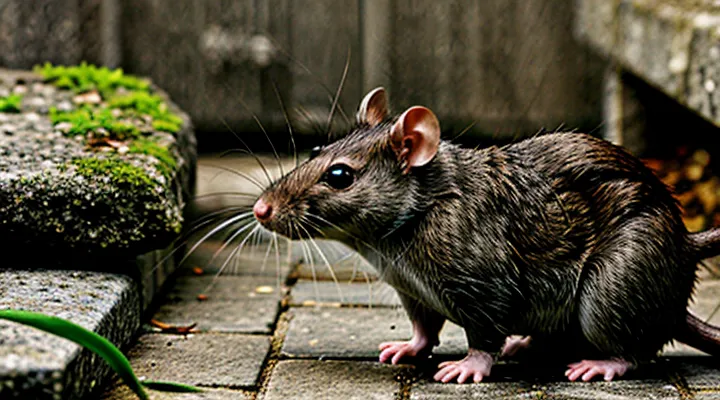
Factors Influencing Wild Rat Lifespan
Predation Pressure
Common Predators
Rats in natural environments face constant predation, which significantly limits their average lifespan. Mammalian hunters, avian raptors, and reptilian predators each contribute to mortality rates that keep wild rat populations below their physiological maximum.
- Red-tailed hawk, Cooper’s hawk, and other diurnal raptors attack during daylight, using keen eyesight and swift dives.
- Great horned owl and barn owl hunt at night, exploiting low-light vision and silent flight.
- Red fox, coyote, and feral cat rely on speed and stealth to capture rats in open fields and near human structures.
- Snake species such as the common garter snake and the northern water snake seize rats through ambush or pursuit in moist habitats.
- Larger carnivores, including bobcats and raccoons, opportunistically consume rats when other prey are scarce.
Predation pressure reduces the typical wild rat lifespan to approximately one to two years, far shorter than the potential three‑year lifespan observed under optimal captive conditions. Mortality peaks correspond to periods of heightened predator activity, such as breeding seasons for raptors and increased hunting efficiency of nocturnal owls. Consequently, the presence and abundance of these predators are primary determinants of how long rats survive in the wild.
Evasion Techniques
Rats that survive in natural habitats typically reach ages ranging from one to three years, depending on species, climate, and predation pressure. Their ability to avoid threats directly influences this lifespan, as successful evasion reduces injury and exposure to disease.
Key strategies employed by wild rodents include:
- Nocturnal activity – operating under low-light conditions limits encounters with visual predators.
- Burrow networks – complex tunnel systems provide immediate refuge and allow rapid escape routes.
- Keen auditory and olfactory senses – detecting approaching predators or toxic substances triggers swift flight or avoidance behavior.
- Social vigilance – group members emit alarm calls, prompting collective dispersal when danger is sensed.
- Adaptive foraging routes – shifting feeding locations prevents pattern recognition by predators and reduces parasite load.
These mechanisms collectively enhance survival odds, thereby extending the potential life expectancy of free‑living rats.
Food Availability and Quality
Impact of Scarcity
Wild rats typically survive one to two years, with occasional individuals reaching three years under favorable conditions. Their longevity depends heavily on environmental pressures, especially the availability of essential resources.
Scarcity of food limits caloric intake, leading to reduced body mass, compromised immune function, and heightened susceptibility to disease. When nourishment is insufficient, growth rates decline, and reproductive cycles shorten, accelerating mortality rates.
Limited access to water forces rats to expend energy searching for reliable sources, increasing exposure to predators and harsh weather. Dehydration further impairs physiological processes, shortening lifespan.
A deficit of suitable nesting sites forces individuals to occupy marginal shelters that offer little protection from temperature extremes and predation. Higher competition for these sites elevates stress hormone levels, which can suppress immune responses and diminish overall health.
Key consequences of resource scarcity on wild rat lifespan:
- Decreased body condition and weakened immunity
- Accelerated reproductive aging and reduced litter success
- Increased predation risk due to exposed foraging and nesting behavior
- Elevated stress hormones leading to chronic health decline
Collectively, limited food, water, and shelter create a cascade of physiological stresses that reduce the average lifespan of rats living in natural habitats.
Nutritional Needs
Wild rats typically survive one to two years in natural environments, and their dietary intake directly influences this duration. Adequate protein intake, primarily from seeds, insects, and carrion, supports rapid growth, tissue repair, and immune function. Insufficient protein accelerates muscle loss and heightens susceptibility to disease, shortening the average lifespan.
Carbohydrate sources such as grains and fruits provide the energy required for foraging, reproduction, and thermoregulation. Excessive reliance on low‑quality carbohydrates can lead to obesity, reduced mobility, and increased predation risk, all of which diminish longevity.
Essential micronutrients—including calcium, phosphorus, magnesium, and trace elements like zinc and iron—are obtained from soil‑contaminated foods and small vertebrates. Deficiencies impair bone development, blood formation, and enzymatic processes, resulting in higher mortality rates, especially in juveniles.
Water availability is a critical factor. Rats obtain moisture from both free water sources and high‑water‑content foods. Dehydration impairs kidney function and accelerates aging; consistent access to water correlates with longer survival.
Typical nutritional composition for wild rats can be summarized:
- Protein: 15–20 % of daily intake
- Carbohydrates: 45–55 %
- Fat: 10–15 %
- Moisture: 10–12 %
- Essential minerals and vitamins: quantities vary with seasonal food availability
Seasonal shifts alter food composition, forcing rats to adjust intake ratios. During lean periods, reliance on low‑nutrient items increases, which can reduce body condition and shorten life expectancy. Conversely, abundant high‑quality resources during breeding seasons promote better health and may extend individual lifespan toward the upper end of the typical range.
Disease and Parasites
Common Rat Diseases
The average lifespan of wild rats rarely exceeds a few years, primarily because they encounter a range of infectious and parasitic agents that reduce longevity. Mortality rates rise sharply after the first year as exposure to pathogens accumulates in the natural environment.
Common diseases affecting wild rat populations include:
- Leptospirosis – bacterial infection transmitted through contaminated water; causes kidney failure and hemorrhage.
- Hantavirus – rodent-borne virus that can lead to severe respiratory illness; prevalence rises with population density.
- Salmonellosis – gastrointestinal infection caused by Salmonella spp.; results in diarrhea and dehydration.
- Pneumonia – bacterial or viral agents induce lung inflammation, limiting oxygen exchange.
- Trematode and nematode infestations – intestinal parasites such as Hymenolepis spp. and Strongyloides spp. impair nutrient absorption.
- Mycobacteriosis – mycobacterial species cause chronic granulomatous lesions, weakening immune response.
- Tularemia – zoonotic bacterial disease that can be fatal, especially in young individuals.
These pathogens shorten the natural lifespan by accelerating organ damage, compromising immune function, and increasing susceptibility to predation. Control of disease prevalence in wild habitats directly influences the number of years a rat can survive without human intervention.
Impact on Survival
Wild rats typically survive between one and three years, with most individuals dying before reaching the second anniversary of birth. Longevity varies markedly across habitats and is tightly linked to survival pressures.
Factors that directly alter survival rates include:
- Predation by birds, snakes, and carnivorous mammals, which removes a large proportion of juveniles and weak adults.
- Disease outbreaks such as leptospirosis, hantavirus, and parasitic infestations, which can cause rapid mortality spikes.
- Food scarcity during seasonal droughts or after habitat disruption, leading to starvation and reduced reproductive output.
- Extreme temperatures, where heat stress or prolonged cold exposure exceeds physiological tolerance.
- Intraspecific competition for nesting sites and resources, resulting in aggressive encounters and increased injury risk.
- Human activities, including pest control measures, urban development, and road mortality, which introduce acute lethal threats.
These pressures compress the natural lifespan, shifting the average from the potential three‑year maximum toward the observed one‑year norm in many wild populations.
Environmental Conditions
Climate Extremes
Wild rats typically reach adulthood within a few months, yet their overall lifespan in natural habitats averages between one and two years. This relatively short expectancy is heavily influenced by environmental stressors, particularly extreme weather conditions that challenge physiological stability and resource availability.
- Heat waves: Elevated ambient temperatures raise metabolic rates, increase water loss, and can lead to hyperthermia. Heat stress reduces foraging efficiency and accelerates mortality, often shortening the average lifespan by several months.
- Severe cold snaps: Prolonged exposure to low temperatures forces rats to expend additional energy to maintain body heat. Limited shelter and reduced food access during winter storms elevate starvation risk and increase predation vulnerability.
- Drought: Diminished precipitation curtails vegetation growth and reduces insect populations, the primary food sources for many rat species. Water scarcity compels longer travel distances for hydration, exposing individuals to predators and disease.
- Flooding: Rapid water rise destroys burrow systems, forces displacement, and creates breeding grounds for pathogens. Mortality spikes occur when rats cannot escape rising waters or when contaminated habitats promote infection.
These climate extremes act synergistically; a heat wave followed by drought intensifies dehydration, while flooding after a cold snap disrupts shelter recovery. Consequently, the lifespan of rats in the wild fluctuates in direct proportion to the frequency and severity of such environmental events, often falling below the upper range of two years in regions experiencing recurrent extreme weather.
Shelter Availability
Shelter directly influences the longevity of wild rats. Access to secure nesting sites reduces exposure to predators, extreme temperatures, and disease vectors, all of which shorten life expectancy.
Common shelter sources include:
- Burrows dug in loose soil or sand
- Abandoned rodent or insect nests
- Crevices in rocks, logs, or building foundations
- Man‑made structures such as wall voids, sewer systems, and agricultural equipment
When suitable shelters are abundant, rats can maintain stable body temperature, conserve energy, and avoid injuries, resulting in average lifespans of 1–2 years and occasional individuals reaching up to 3 years. Scarcity of safe nesting locations forces frequent relocation, heightens stress, and increases mortality rates, often limiting survival to less than a year.
Habitat fragmentation that eliminates natural cover or blocks entry to human structures further reduces shelter availability. Conservation of diverse microhabitats—ground cover, debris piles, and undisturbed subterranean spaces—supports longer lifespans by providing continuous refuge options throughout seasonal cycles.
Typical Lifespan Ranges
Brown Rat (Rattus norvegicus) Lifespan
The brown rat (Rattus norvegensis) generally survives 1–2 years in natural habitats. Survival beyond two years is uncommon because predation, disease, and fluctuating food supplies impose continuous pressure.
Environmental conditions shape individual longevity. Dense urban colonies experience higher mortality from rodenticides and vehicular traffic, while rural populations encounter seasonal scarcity and parasite loads. Genetic factors and social hierarchy also affect access to resources, influencing life expectancy.
Field studies in North America and Europe report a median wild lifespan of 18 months, with occasional individuals reaching 3 years under favorable circumstances. Mark‑recapture data from sewer systems in London documented a rat living 28 months before disappearance.
In contrast, captive specimens routinely exceed 3 years, with some reaching 5 years when provided constant nutrition, veterinary care, and protection from predators. The disparity illustrates the impact of external stressors on survival.
Key mortality agents in the wild include:
- Avian and mammalian predators
- Rodenticides and poisons
- Vehicular collisions
- Infectious diseases (e.g., leptospirosis, hantavirus)
- Intraspecific aggression and competition
These factors collectively limit the brown rat’s natural lifespan to roughly a year and a half, with occasional extensions under optimal conditions.
Black Rat (Rattus rattus) Lifespan
The black rat (Rattus rattus) typically survives 1‑2 years in natural habitats. Survival beyond two years is rare, as predation, disease, and limited food resources accelerate mortality. In contrast, individuals kept under controlled conditions may reach 3‑4 years, demonstrating the impact of environmental pressures.
Key factors that shorten wild lifespan include:
- High predation risk from birds of prey, snakes, and mammals.
- Exposure to parasites such as fleas, ticks, and internal worms.
- Seasonal fluctuations in temperature and food availability.
- Competition with other rodents and human‑derived hazards.
Population studies across temperate and tropical regions report average ages at death of 18‑24 months, with occasional outliers up to 30 months. Juvenile mortality rates exceed 60 % within the first three months, further reducing the effective lifespan of the species in the wild.
Comparison with Domesticated Rats
Wild rats typically survive one to two years in natural habitats, with occasional individuals reaching three years under favorable conditions. Their limited longevity results from predation, disease exposure, seasonal food fluctuations, and harsh environmental stressors.
Domesticated rats regularly achieve two to three years of life, and with optimal husbandry—balanced nutrition, veterinary oversight, and protection from predators—some individuals exceed four years. The controlled environment eliminates many mortality factors present in the wild.
Key factors influencing the disparity:
- Predation pressure: Wild populations face constant threats from birds, snakes, and mammals; captive rats encounter none.
- Health management: Veterinary care, vaccinations, and parasite control extend lifespan in domesticated settings.
- Diet consistency: Laboratory or pet diets provide balanced nutrients, whereas wild rats rely on opportunistic and often nutritionally variable food sources.
- Stress exposure: Environmental extremes and competition for shelter increase physiological stress in the wild, reducing longevity.
Overall, the lifespan gap reflects the transition from a high‑risk, resource‑limited ecosystem to a stable, managed environment that mitigates most external threats.
Survival Strategies
Reproductive Rates
Rats that survive in natural habitats typically live only a few years, a constraint that shapes their breeding strategy. Early sexual maturity, rapid gestation, and frequent litters compensate for the brief adult phase.
- Sexual maturity: 5–6 weeks for most species.
- Gestation period: 21–23 days.
- Litter size: 5–12 pups on average, with occasional extremes of 15 or more.
- Breeding interval: females can become pregnant again within 24 hours after giving birth.
- Litters per year: up to 7–8 cycles under favorable conditions.
High reproductive output offsets mortality caused by predation, disease, and competition. Juvenile survival rates remain low, often below 30 %, but the sheer number of offspring ensures population stability. Consequently, despite a lifespan measured in years rather than decades, rat populations persist through relentless breeding cycles.
Adaptability
Rats surviving outside human environments typically live between one and three years. Their relatively short lifespan results from a combination of predation, disease, and fluctuating resources, but adaptability mitigates these pressures.
Adaptability manifests in several concrete ways:
- Dietary flexibility – rats consume seeds, insects, carrion, and human waste, allowing them to exploit seasonal food spikes and scarce periods alike.
- Habitat versatility – burrowing, climbing, and nesting in abandoned structures enable occupation of forests, fields, and urban ruins.
- Reproductive plasticity – females can breed year‑round when conditions are favorable, producing litters of up to twelve pups, which compensates for high mortality.
- Disease resistance – exposure to diverse pathogens selects for immune robustness, reducing the impact of infections that would otherwise shorten life.
- Behavioral learning – individuals adjust foraging routes and predator avoidance tactics based on experience, improving survival odds.
These adaptive traits collectively extend the average wild rat’s lifespan beyond the minimum expected for small mammals, while still limiting it to a few years due to relentless external threats.
Social Structure and Survival
Rats that live outside human settlements typically survive for one to two years, a span shaped by their social organization and ecological pressures. Individuals form colonies that consist of dominant breeding pairs and subordinate members, creating a hierarchy that regulates access to food, nesting sites, and mates. Dominance is established through aggressive encounters, scent marking, and vocalizations, allowing the colony to allocate resources efficiently and reduce internal conflict.
Reproductive output is concentrated among the dominant pair, while subordinate rats assist in caring for pups, maintaining burrows, and alerting the group to predators. This cooperative brood care increases juvenile survival rates, offsetting the high mortality caused by predation, disease, and harsh weather. Colonies often occupy complex tunnel networks that provide shelter, temperature regulation, and escape routes, enhancing overall resilience.
Key aspects of rat social structure that influence lifespan include:
- Territorial defense: Established boundaries limit encroachment by rival groups, reducing lethal fights.
- Resource sharing: Food caches are distributed among members, ensuring steady nutrition during scarcity.
- Disease transmission control: Grooming and hierarchical segregation limit pathogen spread within the colony.
- Predator vigilance: Sentinel individuals emit alarm calls, prompting collective flight responses.
Survival strategies such as opportunistic foraging, rapid breeding cycles, and flexible social roles enable rats to persist in diverse habitats despite a relatively brief life expectancy.