
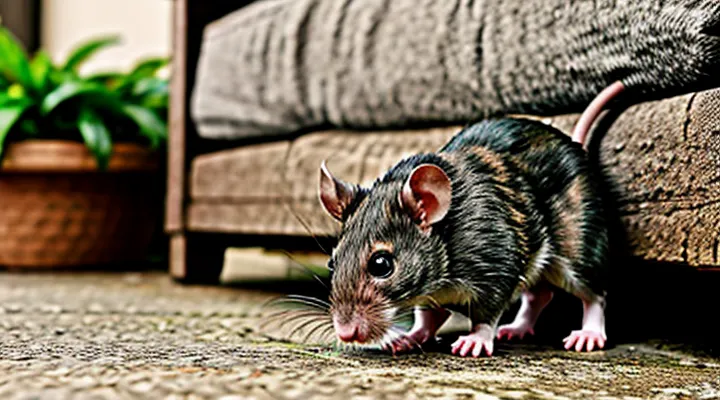
The Reproductive Cycle of Rats
Understanding Rat Reproduction
Sexual Maturity and Lifespan
Rats reach sexual maturity at approximately five to six weeks of age. Males develop functional testes and exhibit sperm production shortly after this period, while females experience their first estrus cycle and become capable of conception. The onset of fertility is closely linked to rapid growth rates and hormonal activation, allowing breeding to commence within a narrow window of early life.
The reproductive lifespan of a laboratory rat typically extends from the first estrus until around twelve to fifteen months of age. During this interval, females can produce a new litter every 21 to 23 days, assuming optimal health and environmental conditions. The total number of litters a single female can generate therefore ranges from eight to twelve, depending on factors such as diet, housing density, and genetic strain.
Key parameters influencing overall offspring output:
- Age at first breeding: 5–6 weeks
- Inter‑litter interval: 21–23 days
- Reproductive span: 12–15 months
- Average litter size: 6–12 pups
- Potential total progeny per female: 48–144 pups
Longevity directly limits the cumulative number of offspring. In wild populations, where predation and disease shorten lifespan, the effective reproductive period may be reduced to six to eight months, consequently lowering total progeny. In contrast, controlled laboratory environments extend survival, enabling maximal reproductive potential. Understanding the timing of sexual maturity and the duration of the breeding window provides a precise framework for estimating the total reproductive output of a rat.
Mating Behaviors
Rats reach sexual maturity at 5–6 weeks for females and 8–10 weeks for males, initiating a brief estrous cycle that lasts 4–5 days. During proestrus, females emit ultrasonic vocalizations and pheromones that attract males, prompting increased roaming and scent marking. Males respond by mounting, pelvic thrusting, and ejaculation typically within a few minutes of copulation. A single mating event often results in successful fertilization because females can store sperm for up to 48 hours, allowing multiple copulations to increase conception probability.
Key aspects of rat mating behavior influencing litter size include:
- Estrous timing: Synchronization of mating with the peak of ovulation maximizes ovum availability.
- Copulatory frequency: Repeated copulations within the fertile window raise the number of fertilized ova.
- Male dominance: Dominant males achieve higher mating success, contributing to larger litters when paired with receptive females.
- Female receptivity: Increased grooming and lordosis posture signal readiness, facilitating efficient sperm transfer.
These behaviors collectively determine reproductive output, with typical litters ranging from 6 to 12 pups, though optimal mating conditions can produce up to 14 offspring. Environmental factors such as nutrition, housing density, and stress modulate the effectiveness of these behaviors, ultimately affecting the number of young produced per breeding cycle.
Factors Influencing Litter Size
Genetic Predisposition
Rats exhibit considerable variation in litter size, and a substantial portion of this variation is encoded in their genome. Specific alleles at loci such as Fgf8, Gnrh1, and Prl modulate ovarian follicle development, sperm production, and uterine receptivity, directly influencing the number of pups per gestation. Studies on inbred strains reveal that the average litter size ranges from six to twelve, while selective breeding can shift this range by up to 30 % within a few generations, confirming a strong heritable component.
Heritability estimates for litter size in laboratory rats typically fall between 0.25 and 0.45, indicating that roughly one‑quarter to one‑half of the observed differences are attributable to genetic factors. Genome‑wide association analyses have identified quantitative trait loci (QTL) on chromosomes 4, 7, and 12 that together explain about 15 % of the phenotypic variance. These QTL contain candidate genes involved in hormonal regulation, embryonic implantation, and placental efficiency.
Environmental influences—nutrition, stress, and housing conditions—interact with genetic predisposition. Epigenetic modifications, such as DNA methylation of the Igf2 promoter, can amplify or suppress the genetic potential for larger litters, demonstrating that genotype alone does not determine reproductive output.
Practical implications for breeding programs include:
- Genotyping breeding pairs for known favorable alleles to increase expected litter size.
- Monitoring epigenetic markers in dams to assess the likelihood of expressing genetic potential.
- Adjusting husbandry practices to minimize environmental suppression of genetically driven fecundity.
Understanding the genetic architecture of rat reproductive capacity enables precise manipulation of breeding outcomes and provides a model for studying fecundity genetics in other mammals.
Environmental Conditions
Food Availability and Nutrition
Food availability directly determines the number of pups a female rat can produce. When caloric intake meets or exceeds the species’ basal metabolic requirements, females typically generate litters of six to eight pups under laboratory conditions. Reduced food supply shortens estrous cycles, prolongs gestation, and often results in litters of three to four offspring.
Nutrient composition further modulates reproductive performance. High‑protein diets (≥20 % protein) increase both litter size and pup survival rates, whereas diets low in essential amino acids depress ovulation frequency. Adequate levels of vitamins A, D, and E support embryonic development; deficiencies correlate with increased embryonic loss and smaller litters.
Seasonal fluctuations in wild populations illustrate the same principles. During periods of abundant seed and insect prey, average litter sizes rise to nine or ten pups, while harsh winters with scarce resources reduce average litters to two or three. Supplemental feeding experiments confirm that adding a modest amount of high‑energy food (approximately 10 % of body weight per day) can raise litter size by 20 % within one breeding cycle.
Key dietary factors influencing rat fecundity:
- Caloric surplus versus deficit
- Protein percentage and amino‑acid profile
- Micronutrient adequacy (vitamins A, D, E, B‑complex)
- Fat quality (omega‑3 versus saturated fats)
Optimizing these elements yields the highest reproductive output, while inadequate nutrition imposes a measurable decline in both the number and viability of offspring.
Stress and Predator Presence
Rats typically produce litters ranging from five to twelve pups, with the exact number depending on strain, age, and environmental conditions. Reproductive output declines when individuals experience chronic stress or detect predator cues, because physiological mechanisms that regulate fertility become suppressed.
- Elevated glucocorticoid levels inhibit gonadotropin‑releasing hormone, reducing ovulation frequency and sperm production.
- Exposure to predator odors (e.g., fox or cat scent) triggers the hypothalamic‑pituitary‑adrenal axis, increasing cortisol and decreasing prolactin, a hormone essential for lactation and maternal behavior.
- Laboratory rats housed with predator scent markers show a 20‑30 % reduction in average litter size compared with control groups.
- Field studies of wild populations report fewer offspring per breeding season in habitats with high predator density, even when food availability remains constant.
Stress‑induced hormonal changes also affect embryo viability. Cortisol excess can impair implantation and increase embryonic resorption, leading to fewer surviving pups. Predator presence intensifies these effects by adding a perceived threat that elevates baseline stress levels, thereby compounding the reduction in reproductive success.
Management of laboratory colonies and conservation of wild rat populations should therefore consider mitigation of chronic stressors and minimization of predator‑related cues to maintain optimal reproductive performance.
Maternal Health
Age of the Mother
Female rats reach sexual maturity at 5‑6 weeks, but optimal reproductive performance occurs after several estrous cycles. Studies of laboratory strains show a clear relationship between the mother’s age and the size of each litter.
- 5–8 weeks (young breeders): average litter size 5–7 pups; variability high, many litters below the species maximum.
- 9–12 weeks (prime age): average litter size 8–10 pups; peak fertility, consistent gestation length, minimal pup mortality.
- 13–20 weeks (early middle age): average litter size 9–11 pups; slight increase in total offspring, but onset of physiological decline not yet evident.
- 21–30 weeks (late middle age): average litter size 7–9 pups; reduction in uterine capacity and hormone levels begins to affect embryo implantation.
- >30 weeks (senior females): average litter size 4–6 pups; marked decrease in conception rates, increased incidence of stillbirths and pup abnormalities.
The decline in litter size after the third month of life correlates with reduced ovarian reserve, diminished estradiol production, and age‑related changes in uterine musculature. Experimental data from Rattus norvegicus confirm that a 10‑week‑old female produces approximately 30 % more pups per year than a 35‑week‑old counterpart when breeding frequency is held constant. Consequently, maternal age is a primary determinant of reproductive output in rats, with peak productivity confined to the 9‑ to 20‑week window.
Previous Pregnancies
Rats that have experienced one or more prior litters typically produce larger subsequent litters than first‑time mothers. The increase results from physiological adaptations that enhance uterine capacity and hormonal efficiency after the initial pregnancy.
Key patterns observed across studies:
- Parity 1 (first pregnancy) yields an average of 6–8 pups.
- Parity 2–4 often reaches 9–12 pups, with the most pronounced rise occurring between the first and second litters.
- Litters beyond the fourth parity show a plateau or slight decline, stabilizing around 10–11 pups.
- Age interacts with parity; younger multiparous females maintain higher offspring counts than older counterparts.
These trends indicate that a rat’s reproductive history is a primary determinant of litter size, influencing both the number of embryos implanted and the survival rate of neonates.
The Gestation Period and Birth
Duration of Pregnancy
Rats reach sexual maturity quickly, and their reproductive cycle hinges on a relatively brief gestation. The pregnancy of a common laboratory or brown rat (Rattus norvegicus) lasts approximately 21 to 23 days, with the average being 22 days. This interval is consistent across most strains and is influenced minimally by environmental temperature and nutrition; optimal conditions may shorten gestation by a day, while stressors can extend it slightly.
Key points regarding the gestational timeline:
- Fertilization occurs soon after mating; sperm can be stored in the female’s reproductive tract for up to 24 hours.
- Embryonic development proceeds rapidly, with organogenesis completed by day 14.
- The final phase, known as the “parturition window,” spans days 20‑22, during which uterine contractions intensify and the litter is expelled.
Because the gestation period is short, a single female can produce several litters each year, contributing to the high reproductive output typical of the species. Understanding the precise duration of pregnancy is essential for managing breeding programs, laboratory studies, and pest‑control strategies.
The Birthing Process («Parturition»)
Rats reach parturition after a gestation period of approximately 21–23 days. The hormonal cascade that triggers labor involves a sharp increase in prolactin and a decline in progesterone, which together relax the uterine smooth muscle and initiate rhythmic contractions. Oxytocin released from the posterior pituitary intensifies these contractions, facilitating the expulsion of the pups.
During delivery, the dam adopts a crouched posture, positioning the tail to one side to allow unobstructed passage of the offspring through the birth canal. Each pup is born encased in a thin amniotic membrane; the mother instinctively bites the membrane, exposing the neonate to air and stimulating its first breaths. The newborn begins to crawl toward the nipples, guided by scent and tactile cues.
The entire birthing sequence typically lasts 30–90 minutes for a standard litter. Complications such as prolonged labor or dystocia are uncommon in healthy adults but may arise in primiparous females or those with nutritional deficits. Prompt veterinary attention is required if the dam shows signs of distress, failure to deliver, or excessive bleeding.
Key elements of the rat birthing process:
- Hormonal shift: rise in prolactin, drop in progesterone, surge of oxytocin.
- Uterine contractions: rhythmic, coordinated, driven by oxytocin.
- Maternal behavior: tail positioning, membrane biting, pup retrieval.
- Duration: 0.5–1.5 hours for a typical litter.
Understanding these physiological and behavioral components clarifies how rats efficiently produce and rear multiple offspring in a single reproductive event.
Post-Natal Care and Development
Rearing the Pups
Nursing and Weaning
Rats commonly produce litters ranging from five to twelve pups, with an average of eight. The number of offspring directly influences the demands placed on the dam during the nursing phase, as each pup competes for access to milk.
During the nursing period, which lasts approximately 21 days, the mother displays the following behaviors:
- Frequent positioning of pups on her abdomen to facilitate suckling.
- Production of nutrient‑rich milk containing high levels of protein, fat, and lactose.
- Maintenance of a stable nest temperature to support pup thermoregulation.
- Limited movement outside the nest to reduce exposure to predators and pathogens.
Weaning begins around day 21, marked by these observable changes:
- Pup initiation of exploratory behavior and reduced reliance on maternal milk.
- Introduction of solid food, typically laboratory chow, alongside continued occasional nursing.
- Gradual decline in maternal grooming of pups as independence increases.
- Completion of the transition by day 28, when pups sustain growth solely on solid diet.
Successful weaning correlates with improved weight gain and immune competence, preparing the juveniles for sexual maturity and subsequent reproductive cycles.
Parental Involvement
Rats typically produce litters of 6‑12 pups, with extremes ranging from 4 to 14 depending on strain, age, and nutritional status. Gestation lasts about 21‑23 days, after which the newborns are altricial and require immediate maternal care.
Maternal responsibilities begin with nest construction using shredded material to provide insulation. The mother then:
- Positions pups for optimal warmth
- Provides continuous milk secretion for the first three weeks
- Performs regular grooming to stimulate circulation and eliminate waste
- Protects the nest from predators and environmental disturbances
These actions maintain pup body temperature, prevent hypothermia, and supply essential nutrients, directly influencing survival rates. Litters receiving uninterrupted maternal care achieve a 70‑85 % survival probability, whereas abandoned litters experience mortality exceeding 90 % within the first week.
Male rats seldom engage in direct offspring care. Observations show occasional attendance at the nest, primarily to guard against intruders, but no involvement in feeding or grooming. Paternal presence does not measurably alter litter size or pup growth metrics.
Overall, the extent and quality of maternal involvement determine the proportion of offspring that reach weaning age, while paternal participation remains marginal in the species’ reproductive strategy.
Survival Rates and Threats
Infanticide
Rats commonly produce litters of 5–12 pups, with laboratory strains averaging 8–9 and wild populations ranging from 4 to 14 depending on food availability, season, and female condition. Gestation lasts about 21–23 days, and females can breed every 4–5 weeks, allowing multiple cohorts per year.
Infanticide in rats occurs primarily under three circumstances:
- Resource scarcity – limited food or nesting sites prompt females to eliminate excess offspring to increase survival chances for the remaining litter.
- Male competition – newly arrived males may kill unrelated pups to accelerate the female’s return to estrus and secure future mating opportunities.
- Stress or overcrowding – high population density or environmental stressors trigger hormonal changes that increase the likelihood of pup killing.
The presence of infanticidal behavior reduces effective litter size, complicates estimates of reproductive output. Researchers must account for pup loss when calculating breeding efficiency, and husbandry protocols often include measures such as providing ample nesting material, minimizing male–female turnover, and maintaining optimal cage density to suppress lethal care.
Disease and Predation
Rats achieve high reproductive rates, yet disease and predation impose substantial limits on the number of offspring a female can raise each year.
Common pathogens that affect rats include leptospirosis, hantavirus, salmonellosis, and various ectoparasites such as mites and fleas. These agents can reduce fertility by impairing ovulation, shortening gestation, or causing embryonic loss. Infected females often experience lower litter sizes and higher pup mortality, which directly decreases the annual offspring count.
Predators exert continual pressure on rat populations. Primary hunters comprise barn owls, hawks, snakes, feral cats, and red foxes. Predation removes breeding adults, shortens the reproductive window, and forces survivors to allocate energy to vigilance rather than reproduction. The resulting decrease in adult survival translates into fewer breeding cycles and smaller litters.
The combined effect of disease‑induced infertility and predator‑driven mortality typically reduces the theoretical maximum of 10‑12 pups per litter and up to seven litters per year to an observed average of 5‑7 viable offspring per female annually.
Key disease agents
- Leptospira spp.
- Hantavirus
- Salmonella spp.
- Mites and fleas
Principal predators
- Barn owl
- Hawk species
- Snakes
- Feral cat
- Red fox
Rat Population Dynamics
Reproductive Potential
Rats possess a high reproductive capacity that enables rapid population expansion. A female can become fertile as early as five weeks of age, with a gestation period of approximately 21–23 days. After giving birth, she may conceive again within 24–48 hours, allowing for continuous breeding cycles.
Typical reproductive parameters include:
- Litter size: 6–12 pups on average; extremes range from 4 to 20.
- Breeding frequency: Up to 7 litters per year under optimal conditions.
- Lifetime output: A single female can produce 50–100 offspring over a three‑year lifespan.
Factors influencing these numbers are nutrition, housing density, temperature, and genetic strain. Adequate protein intake and stable ambient temperatures (20–26 °C) maximize litter size, while overcrowding or stress reduces fecundity. Selective breeding lines, such as the Sprague‑Dawley, often display larger litters compared with wild‑type populations.
The cumulative effect of short gestation, minimal postpartum interval, and sizable litters results in exponential growth potential. In a controlled environment, a pair of rats can generate a colony exceeding several hundred individuals within a year if reproduction is unchecked.
Rapid Proliferation
Rats achieve extraordinary population expansion through a combination of short gestation, large litters, and brief recovery periods between births. A female can become fertile at five to six weeks of age, allowing a breeding cycle to commence within two months of birth.
- Gestation lasts approximately 21‑23 days.
- Average litter size ranges from 6 to 12 pups, with occasional extremes of 20 or more.
- Post‑partum estrus enables a female to conceive again within 24‑48 hours after delivering.
- Weaning occurs around three weeks, after which juveniles may join the breeding pool.
These factors generate a theoretical multiplication factor of roughly 8‑10 offspring per female each month. Assuming optimal conditions and no mortality, a single pair can produce several hundred descendants within a year. Real‑world populations are moderated by predation, disease, and resource limits, yet the intrinsic reproductive capacity remains the principal driver of rapid increase.
Effective management therefore requires interruption of one or more reproductive stages—such as limiting access to food, preventing early sexual maturation, or employing sterilization—to curb the exponential trajectory inherent to rat biology.
Impact on Ecosystems
Rats produce up to a dozen offspring per litter and can generate several litters annually, resulting in rapid population growth under favorable conditions. This reproductive capacity exerts measurable pressure on ecological communities.
High rodent densities increase competition for seeds, insects, and detritus, reducing available resources for co‑occurring small mammals and ground‑dwelling birds. Over‑exploitation of these food bases can trigger declines in native species that rely on the same trophic niche.
Elevated rat numbers supply abundant prey for a range of predators, including owls, snakes, and mustelids. Predator populations may expand in response, altering top‑down control dynamics and potentially suppressing other prey species through increased predation pressure.
Frequent breeding amplifies the role of rats as disease reservoirs. Dense colonies facilitate transmission of pathogens such as hantavirus, leptospirosis, and plague, which can spill over to wildlife, livestock, and human populations, thereby influencing health outcomes across the ecosystem.
Burrowing and foraging activities disturb soil layers, promote seed dispersal, and modify microhabitat structure. These physical alterations affect plant regeneration patterns and influence the composition of understory vegetation.
Key ecosystem effects of rat reproductive output:
- Resource competition leading to native species displacement
- Support for predator population growth and consequent trophic cascades
- Enhanced pathogen circulation with cross‑species infection risk
- Soil turnover and seed movement that reshape plant community dynamics
Collectively, the prolific breeding of rats drives measurable shifts in species interactions, energy flow, and disease ecology within affected habitats.