
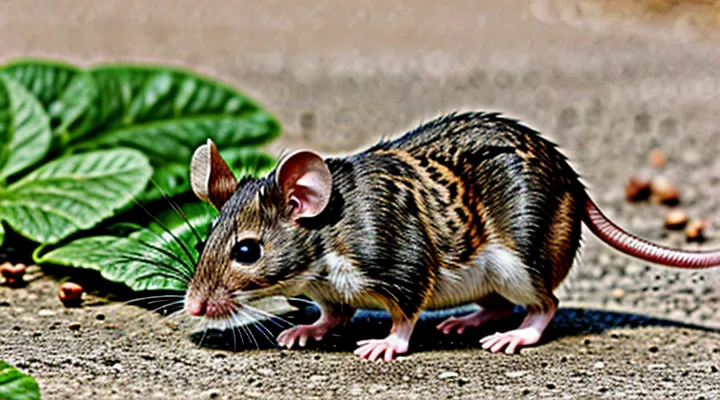
Understanding Mouse Reproduction
The Reproductive Cycle of a Mouse
Estrus Cycle Duration
The estrus cycle in laboratory mice averages 4–5 days, encompassing proestrus, estrus, metestrus, and diestrus phases. Estrus, the period of sexual receptivity, typically lasts 12–24 hours, after which ovulation occurs. Cycle length can vary with strain, age, and environmental factors such as photoperiod and nutrition.
- C57BL/6 strain: 4.5 days average; estrus 14 hours.
- BALB/c strain: 4 days average; estrus 12 hours.
- Aged females (>12 months): 5–6 days average; estrus may extend to 18 hours.
- High‑fat diet: slight prolongation to 5 days; estrus duration unchanged.
Shorter cycles correlate with higher breeding efficiency because females reach the receptive phase more frequently. In a typical breeding program, a female can experience 8–10 estrus events per month, allowing potential conception intervals of roughly 3 days. Consequently, estrus cycle duration directly influences the number of litters a mouse can produce within a given timeframe, informing colony management and experimental design.
Gestation Period
The gestation period of the common laboratory mouse (Mus musculus) averages 19–21 days from conception to birth. This interval is remarkably consistent across most inbred and outbred strains when housed under standard laboratory conditions.
Key variables that can modify the duration include:
- Genetic background – some wild‑type strains exhibit gestations as short as 18 days or as long as 23 days.
- Ambient temperature – temperatures below 20 °C tend to prolong gestation, while optimal ranges (22–24 °C) maintain the standard length.
- Maternal nutrition – protein‑deficient diets may extend gestation by 1–2 days; excess caloric intake generally has no effect.
- Parity – first‑time breeders often have slightly longer gestations than experienced females.
Gestation length influences reproductive output. Litters born after the typical 19‑day interval contain 5–8 pups on average, whereas extended gestations (>22 days) are frequently associated with smaller litters (3–4 pups). Conversely, shortened gestations (<18 days) often result in reduced pup viability.
Compared with other small rodents, mice have one of the briefest prenatal periods. Domestic rats complete gestation in 21–23 days, while hamsters require 16–18 days, and guinea pigs exceed 60 days. The mouse’s rapid prenatal development contributes to its capacity for multiple breeding cycles each year, supporting high reproductive rates.
Factors Influencing Reproductive Rate
Age and Maturity
Mice reach sexual maturity quickly. Female mice typically become fertile between 5 and 6 weeks of age (approximately 35–42 days post‑birth). Male mice attain reproductive capability slightly later, usually between 6 and 8 weeks (42–56 days). Puberty is marked by the first estrus cycle in females and the appearance of sperm in the testes of males.
The reproductive window is short but intense. Peak fecundity occurs from the second to the fourth month of life. During this period, females can produce a litter roughly every 21–23 days, assuming optimal conditions. As mice age beyond six months, litter size and frequency decline, and the incidence of infertility rises sharply.
Key age‑related reproductive parameters:
- Onset of fertility: 5–6 weeks (females), 6–8 weeks (males)
- Peak breeding age: 2–4 months
- Typical litter interval: 21–23 days
- Reproductive decline: noticeable after 6 months; near‑zero after 12 months
Understanding these age milestones clarifies how the total number of offspring per mouse is constrained by the limited period of maximal fertility.
Environmental Conditions
Environmental variables exert measurable influence on the number of pups a mouse produces per breeding cycle. Controlled laboratory studies demonstrate that deviations from optimal ranges can reduce litter size by 10‑30 % compared to baseline values recorded under standard conditions.
- Ambient temperature: 22 ± 2 °C yields the highest reproductive output. Temperatures below 18 °C or above 26 °C correlate with delayed estrus, decreased conception rates, and smaller litters.
- Photoperiod: A 12‑hour light/12‑hour dark cycle supports regular estrous cycles. Extended illumination (>16 h) accelerates puberty but may increase embryonic loss; shortened cycles (<8 h) suppress ovulation.
- Nutrient availability: Diets providing 18‑20 % protein, balanced fatty acids, and adequate micronutrients sustain average litter sizes of 6‑8 pups. Protein restriction (<12 %) reduces pup numbers to 4‑5, while excess fat (>30 % of calories) impairs fertility.
- Housing density: Group housing at 3‑4 animals per cage maintains normal breeding performance. Overcrowding (>6 per cage) elevates stress hormones, leading to reduced conception frequency and litters of 4‑5 pups.
- Relative humidity: 45‑55 % humidity preserves sperm viability and embryo development. Values below 30 % increase dehydration stress; above 70 % promote respiratory infections that indirectly lower reproductive success.
- Noise and vibration: Continuous sound levels exceeding 70 dB interfere with hormonal regulation, resulting in a 15 % drop in average pup numbers.
These parameters interact; optimal reproductive output is achieved when all factors align within the specified ranges. Adjusting any single condition outside its ideal window produces a predictable decrement in the number of offspring per mouse.
Nutritional Intake
Nutritional intake directly influences the number of pups a mouse can produce per litter. Adequate protein, energy, and micronutrients support ovarian development, ovulation rate, and embryonic survival, thereby increasing litter size.
A diet high in casein or soy protein (approximately 20 % of total calories) raises average litter size by 1–2 pups compared with low‑protein regimens (10 % protein). Energy density also matters; a diet providing 3.5 kcal g⁻¹ yields larger litters than one offering 2.5 kcal g⁻¹ when other factors remain constant.
Key nutrients affecting reproductive output:
- Calcium and phosphorus: essential for bone formation in developing embryos; deficiencies reduce pup viability.
- Vitamin E and selenium: antioxidant protection improves embryo survival; supplementation can increase litter size by up to 10 %.
- Essential fatty acids (ω‑3, ω‑6): regulate hormone synthesis; balanced ratios enhance ovulation frequency.
- B‑vitamins (especially folic acid): support DNA synthesis; adequate levels prevent early embryonic loss.
Feeding regimes that alternate between ad libitum access and controlled restriction demonstrate that chronic caloric restriction (30 % reduction) lowers average litter size from 7–8 pups to 4–5 pups. Conversely, short‑term overfeeding before mating does not further increase litter size, indicating a ceiling effect governed by genetic potential.
Overall, optimal reproductive performance in mice requires a diet that meets or slightly exceeds standard laboratory rodent nutrient recommendations, with particular attention to protein quality, energy density, and essential micronutrients.
Stress Levels
Stress profoundly influences the number of pups a mouse can produce. Elevated glucocorticoid levels suppress gonadotropin-releasing hormone, reduce estrous cycles, and impair sperm quality, leading to smaller litters.
Experimental data show a consistent decline in litter size under chronic stress conditions. In laboratory strains, a 7‑day restraint protocol decreased average offspring from 8.2 ± 0.3 to 5.6 ± 0.4 per female. Social isolation for 4 weeks reduced mean litter size by 22 % compared with group‑housed controls. Exposure to unpredictable mild stressors (noise, temperature fluctuations) lowered pup numbers by 15 % on average.
Key stressors and typical reproductive impact:
- Restraint stress: ‑31 % litter size reduction
- Social isolation: ‑22 % reduction
- Environmental noise: ‑12 % reduction
- Crowding (high density): ‑18 % reduction
Acute stress events produce transient hormonal spikes but rarely affect total offspring count unless repeated. Chronic stressors, especially those that elevate corticosterone over weeks, reliably diminish fecundity. Managing environmental variables and minimizing handling stress are essential for maintaining optimal reproductive output in mouse colonies.
The Numbers: Offspring Production
Average Litter Size
Mice typically give birth to litters containing six to eight pups. Laboratory strains such as C57BL/6 often average 6.5 ± 1.2 offspring per gestation, while outbred stock may reach 8–9. Wild populations display a broader range, from four in resource‑limited environments to ten in abundant habitats.
Factors influencing litter size include:
- Genetic background: inbred lines produce more consistent numbers than heterogenous groups.
- Maternal age: prime‑reproductive females (8‑12 weeks) yield larger litters than younger or older individuals.
- Nutritional status: diets rich in protein and calories correlate with increased pup counts.
- Seasonal variation: longer daylight periods can elevate reproductive output in some species.
Overall, the average number of offspring per mouse pregnancy centers around seven, with modest fluctuations driven by genetics, environment, and maternal condition.
Frequency of Litters
Mice reach sexual maturity at 5–8 weeks, allowing breeding cycles to commence shortly after weaning. The estrous cycle lasts 4–5 days, and females can become pregnant immediately after giving birth, resulting in a minimal postpartum interval. Consequently, a healthy laboratory mouse can produce a new litter roughly every 3–4 weeks under optimal conditions.
Typical reproductive output for a standard laboratory strain includes:
- 5–7 litters per year for females housed in controlled environments;
- Up to 10–12 litters annually when nutrition, temperature, and lighting are tightly regulated;
- Seasonal variation in wild populations, with peak litter frequency during spring and early summer.
Factors that modify litter frequency encompass age, health status, population density, and stress levels. Younger adults exhibit the highest breeding rate, while older or compromised individuals display longer intervals between parturitions. Maintaining stable environmental parameters maximizes the regularity of litters and supports consistent data collection in reproductive studies.
Total Offspring Per Year
Laboratory and wild house mice reach sexual maturity between five and eight weeks of age, allowing breeding cycles to commence early in life. The gestation period lasts approximately 19–21 days, after which females can become pregnant again within a day of giving birth. Consequently, a healthy female can produce up to ten litters per year under optimal conditions.
Typical litter sizes range from three to eight pups, with a median of five. Seasonal variations, nutrition, and housing density influence both litter frequency and size, but controlled environments consistently yield the higher end of this spectrum.
Combining maximum litter frequency with median litter size provides a realistic estimate of annual reproductive output:
- Maximum litters per year: 10
- Median pups per litter: 5
- Approximate total offspring per year: 50
In less favorable settings, reduced litter numbers (six to eight per year) and smaller litters (three to four pups) lower the annual total to roughly 20–30 offspring. These figures illustrate the mouse’s capacity for rapid population growth when environmental constraints are minimal.
Lifespan Reproductive Potential
Mice reach sexual maturity at 5–6 weeks of age, and the reproductive window extends until approximately 12–18 months, depending on strain and environmental conditions. Estrous cycles occur every 4–5 days, allowing females to conceive shortly after weaning of a previous litter.
Typical litter size ranges from 5 to 8 pups, with occasional extremes of 12–14. Gestation lasts 19–21 days, and postpartum estrus enables a new pregnancy within 24 hours after delivery. Under optimal laboratory conditions, a female can produce a new litter every 3–4 weeks.
Estimating total offspring over a lifespan requires multiplying average litter size by the number of litters possible within the reproductive period:
- Average litter size: 6.5 pups
- Litters per year (optimal): 12–13
- Reproductive span: 1 year (average)
Potential total offspring ≈ 78–85 pups per female under ideal conditions. Field observations report lower totals (30–50) due to predation, disease, and resource limitation.
Male mice remain fertile throughout the same period, contributing to each litter without a defined limit on the number of copulations. Consequently, a single male can sire hundreds of offspring when paired with multiple females over the same timeframe.
Mouse Species Variation
Common House Mouse (Mus musculus)
The common house mouse (Mus musculus) reproduces rapidly under favorable conditions. Females reach sexual maturity at 5–6 weeks and can produce a new litter roughly every 21–30 days. Gestation lasts 19–21 days, after which a litter is born.
Typical litter size ranges from 3 to 14 pups, with the most frequent counts between 5 and 8. The following figures summarize observed outcomes in laboratory and field studies:
- Minimum recorded litter: 3 pups
- Median range: 5–8 pups
- Maximum recorded litter: 14 pups
Litter size correlates with maternal age, nutritional status, and environmental temperature. Younger females (first estrus) often produce smaller litters, while prime‑aged females (2–4 months) generate the largest numbers. Adequate protein intake and ambient temperatures around 22–25 °C increase pup numbers; extreme cold or scarcity of food reduces them.
A single female can produce 5–10 litters per year, resulting in an annual output of 30–80 offspring. Over a typical lifespan of 1–2 years, a house mouse may generate 100–200 descendants, assuming continuous access to resources and absence of predation.
Deer Mouse (Peromyscus maniculatus)
The deer mouse (Peromyscus maniculatus) typically produces small litters, with most records indicating an average of 4–6 pups per birth. Litter size can vary with environmental conditions, but extremes rarely exceed eight offspring.
Reproductive cycles are rapid. Females reach sexual maturity at 6–8 weeks, experience a gestation period of approximately 21–23 days, and may breed throughout most of the year in temperate regions. Under favorable circumstances, a single female can generate three to five litters annually, resulting in a potential total output of 12–30 offspring per year.
Key reproductive parameters:
- Sexual maturity: 6–8 weeks
- Gestation length: 21–23 days
- Average litter size: 4–6 pups
- Maximum litter size reported: 8 pups
- Annual breeding potential: 3–5 litters
- Estimated yearly offspring per female: 12–30 pups
Other Mouse Species
Various mouse species display distinct reproductive output, measured by litter size, gestation period, and frequency of breeding cycles. Data collected from laboratory and field studies reveal that litter sizes range from three to twelve pups, while gestation spans 19–30 days, depending on the species.
- Deer mouse (Peromyscus maniculatus) – average litter of 5 – 6 pups; gestation 22–23 days; up to 5 litters annually in temperate zones.
- Wood mouse (Apodemus sylvaticus) – typical litter of 4 – 7 pups; gestation 19–21 days; 3–4 litters per year, with increased frequency in southern latitudes.
- Algerian mouse (Mus spretus) – litter size 4 – 8 pups; gestation 20–22 days; 4–5 litters annually under laboratory conditions.
- California mouse (Peromyscus californicus) – smaller litters of 2 – 4 pups; gestation 28–30 days; usually 2–3 litters per year, reflecting a slower reproductive strategy.
- Harbor mouse (Mus musculus domesticus) – litter of 6 – 8 pups; gestation 19–21 days; up to 10 litters per year in optimal environments.
Reproductive parameters correlate with ecological pressures. Species inhabiting variable climates tend to produce fewer, larger litters and extend gestation, while those in stable, resource‑rich habitats maximize offspring number through rapid, multiple breeding cycles. Comparative analysis confirms that mouse reproductive capacity is highly adaptable, with each species optimizing offspring production to its specific environmental niche.
Implications of High Reproductive Rates
Population Dynamics
Mice reproduce rapidly, producing multiple litters annually with sizable offspring numbers per litter. Typical laboratory strains yield 5–8 pups per gestation, while wild populations often average 6–9. Females can become fertile as early as six weeks of age and may generate 6–10 litters each year, resulting in potential annual output of 30–80 progeny per female under optimal conditions.
Key reproductive parameters influencing population trajectories:
- Gestation period: 19–21 days.
- Weaning age: 21 days post‑birth.
- Inter‑litter interval: 21–30 days.
- Sex ratio at birth: approximately 1:1.
These metrics drive exponential growth when resources are abundant. Intrinsic rate of increase (r) for house mice often exceeds 0.5 day⁻¹, enabling population doubling within two to three weeks. Density‑dependent factors—food limitation, predation, disease—moderate this expansion, establishing a carrying capacity that varies with habitat quality. High reproductive output thus renders mouse populations highly responsive to environmental fluctuations, necessitating vigilant management in laboratory and pest‑control settings.
Pest Control Challenges
Mice generate new litters every three to four weeks, with each litter containing four to twelve pups. This reproductive speed produces exponential population growth when food and shelter are abundant, creating a persistent pressure on control programs.
- Short generation interval limits the window for effective eradication; new cohorts appear before previous treatments reach full efficacy.
- Hidden nesting locations in wall voids, attics, and underground burrows impede bait placement and reduce detection rates.
- Rapid turnover fosters quick development of bait aversion and resistance to common rodenticides.
- High reproductive output accelerates recolonization after partial removal, requiring repeated interventions.
- Regulatory constraints on toxicants and environmental safety restrict chemical options, demanding alternative strategies.
Effective mitigation relies on integrated approaches: continuous monitoring to detect early infestations, sanitation to eliminate food sources, structural sealing to block entry points, and targeted use of rodenticides combined with biological agents. Coordinated implementation reduces the reproductive advantage of mice and stabilizes population levels within acceptable limits.
Ecological Impact
Mice produce multiple litters annually, each containing several pups, resulting in exponential population growth under favorable conditions. This high reproductive capacity directly influences ecosystem dynamics.
- Rapid increase in mouse numbers elevates predation pressure on seeds, insects, and invertebrates, reducing plant regeneration and altering community composition.
- Elevated prey availability supports higher densities of predators such as owls, snakes, and carnivorous mammals, potentially shifting predator–prey balances.
- Frequent turnover of individuals accelerates the transmission of zoonotic pathogens, increasing disease risk for wildlife, livestock, and humans.
- Intensive foraging by dense mouse populations intensifies competition with other small rodents, leading to displacement or local extinction of less fecund species.
- Accumulation of mouse carcasses and droppings contributes organic matter to soil, affecting nutrient cycling and microbial activity.
Overall, the prolific breeding of mice generates cascading effects that reshape trophic interactions, influence species diversity, and modify biogeochemical processes within affected habitats.
Research and Laboratory Settings
Laboratory mice typically produce litters ranging from five to eight pups, with average values differing among commonly used strains. For example, C57BL/6J females often deliver six to seven offspring per gestation, whereas BALB/cJ females may average five to six. These figures represent the standard reproductive output observed under controlled breeding conditions.
Factors that influence litter size in research facilities include:
- Genetic background of the strain
- Age of the dam, with peak fertility occurring between 8 and 12 weeks
- Number of previous pregnancies, as primiparous females usually have smaller litters than multiparous ones
- Nutritional regimen, particularly protein and energy density of the diet
- Housing density, with overcrowding reducing reproductive performance
- Light cycle and ambient temperature, both affecting hormonal regulation
Standard breeding protocols aim to maximize consistency. Female mice are paired with males for a defined period, typically 24–48 hours, after which the male is removed to prevent stress‑induced implantation failures. Pregnancy is confirmed by weight gain and abdominal palpation around gestation day 10. Litters are counted at birth, and pups are weaned at 21 days to maintain uniform growth trajectories.
Data collection follows strict documentation practices. Each breeding cage receives a unique identifier, and litter size, sex ratio, and pup weight are recorded in a centralized database. This systematic approach enables reliable comparisons across experiments and supports reproducibility in biomedical research.