
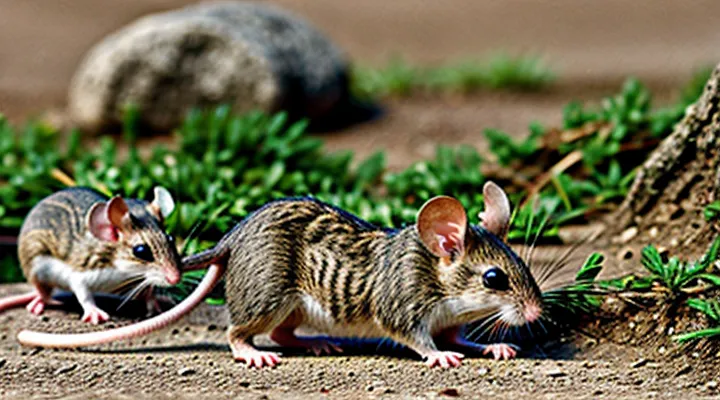
Understanding Mouse Lifespans in Their Natural Habitat
The Short but Complex Life of a Wild Mouse
Predation as a Primary Limiting Factor
Predation accounts for a substantial portion of mortality in wild mouse populations, directly limiting individual lifespan and overall population turnover. Studies of field‑collected individuals indicate that more than half of deaths in typical temperate grasslands result from predator attacks, with the proportion rising to 70 % in habitats where avian hunters are abundant.
The principal predators include:
- Barn owls (Tyto alba) and other nocturnal raptors, which locate prey by sound and low‑light vision.
- Red foxes (Vulpes vulpes), employing scent tracking and opportunistic hunting during crepuscular periods.
- Snakes such as the common garter snake (Thamnophis sirtalis), which exploit burrow entrances and surface foraging activity.
- Larger mammals, including feral cats (Felis catus) and weasels (Mustela nivalis), which pursue mice in dense cover.
Predation pressure shapes behavioral and physiological adaptations. Mice exhibit heightened nocturnality, reduced surface activity during peak predator hours, and increased use of complex burrow systems. Hormonal stress responses triggered by predator cues accelerate metabolic rates, shortening the effective lifespan even in survivors.
Spatial variation in predator density creates geographic differences in mouse longevity. Areas with dense raptor colonies report average wild mouse lifespans of 6–9 months, whereas regions with limited aerial predators extend median survival to 10–12 months. Seasonal fluctuations also affect predation intensity; breeding seasons of many predators coincide with peak mouse reproduction, intensifying mortality rates among juvenile cohorts.
Quantitative models that integrate predation mortality with other factors (disease, food scarcity) consistently assign predation the highest coefficient of mortality. Consequently, any assessment of wild mouse life expectancy must prioritize predator dynamics as the dominant limiting influence.
Environmental Stressors and Their Impact
Wild mice typically survive 6–12 months in natural settings, a period markedly shorter than that of laboratory strains. Their lifespan is constrained by a suite of abiotic and biotic stressors that accelerate mortality and reduce reproductive output.
- Predation pressure – birds of prey, snakes, and small carnivores account for the majority of deaths. Continuous threat induces heightened vigilance, limiting foraging time and increasing energy expenditure.
- Temperature extremes – exposure to sub‑zero conditions or heat waves provokes hyperthermia and hypothermia. Insufficient shelter forces mice to allocate metabolic resources to thermoregulation, shortening life expectancy.
- Food scarcity – seasonal fluctuations in seed and insect availability produce periods of caloric deficit. Chronic undernutrition impairs immune function and accelerates senescence.
- Pathogen load – parasites (e.g., Trichuris muris), viral agents (e.g., hantavirus), and bacterial infections spread rapidly in dense populations. Disease outbreaks can reduce cohort survival by up to 40 % in affected locales.
- Habitat fragmentation – agricultural conversion and urban development isolate colonies, limiting dispersal and increasing inbreeding. Reduced genetic diversity correlates with heightened susceptibility to disease and environmental change.
- Chemical contaminants – pesticide residues and heavy metals accumulate in soil and vegetation. Sub‑lethal exposure impairs reproduction and elevates mortality rates.
Collectively, these stressors interact synergistically. For example, habitat loss often forces mice into marginal areas with harsher climates and greater predator exposure, compounding mortality risk. Understanding the relative contribution of each factor enables more accurate predictions of wild mouse longevity and informs conservation strategies aimed at mitigating adverse environmental influences.
Disease and Parasitism in Wild Populations
Wild mice rarely escape disease pressure; infections and parasites constitute a primary source of mortality, shortening average life expectancy to 8–12 months in most habitats. Pathogen load fluctuates with seasonal changes, population density, and resource availability, producing marked variation among individuals and colonies.
Common agents include:
- Bacterial infections – Salmonella spp. and Yersinia spp. cause septicemia and gastrointestinal distress, often lethal in young rodents.
- Viral pathogens – Lymphocytic choriomeningitis virus (LCMV) and hantavirus trigger acute fever, neurologic impairment, and high fatality rates.
- Fungal diseases – Candida spp. and dermatophytes lead to systemic mycoses and skin lesions, compromising nutrition and thermoregulation.
- Ectoparasites – Fleas (e.g., Ctenophthalmus spp.) and mites (Myobia musculi) transmit secondary bacterial infections and cause anemia through blood loss.
- Endoparasites – Intestinal nematodes (Heligmosomoides polygyrus), cestodes (Hymenolepis spp.), and protozoa (Giardia spp.) impair digestion, reduce weight gain, and increase susceptibility to other pathogens.
Parasitic infestations intensify during periods of high crowding, such as breeding peaks. Heavy ectoparasite burdens elevate stress hormone levels, suppressing immune function and accelerating senescence. Endoparasite-induced malabsorption reduces body condition, limiting reproductive output and shortening lifespan.
Environmental factors modulate disease dynamics. Moist microhabitats favor fungal proliferation, while warm, dry conditions limit ectoparasite survival. Predation pressure indirectly influences infection rates: reduced predation allows higher mouse densities, fostering pathogen transmission. Conversely, predator removal can lead to epidemic outbreaks, as observed in grassland studies where rodent populations surged and mortality from LCMV rose sharply.
Overall, disease and parasitism represent decisive determinants of mouse longevity in natural settings, accounting for the majority of deaths observed in field surveys. Effective management of rodent-borne disease risk therefore requires monitoring pathogen prevalence, parasite load, and habitat conditions across seasonal cycles.
Factors Influencing Wild Mouse Lifespan
Genetic Predisposition and Variation
Inbreeding and Its Consequences
In wild mouse populations, repeated mating among closely related individuals reduces genetic diversity and accelerates the expression of deleterious alleles. This process shortens average lifespan by compromising physiological resilience.
Key outcomes of limited gene flow include:
- Elevated incidence of congenital defects, such as skeletal malformations and cardiac anomalies, which increase early mortality.
- Diminished immune competence, leading to higher susceptibility to bacterial, viral, and parasitic infections.
- Reduced reproductive output; females produce fewer viable offspring, and male fertility declines due to impaired sperm quality.
- Accelerated aging markers, evident in earlier onset of cataracts, fur greying, and loss of muscle mass.
These effects combine to lower survival rates across all life stages, from juvenile to adult. Populations that experience frequent inbreeding show a measurable shift in life‑table parameters: the median age at death drops, and the proportion of individuals reaching the maximum possible age declines sharply. Conservation of genetic heterogeneity, therefore, directly influences how long mice can persist in natural habitats.
Adaptation to Local Environments
Mice survive in diverse habitats by modifying behavior, physiology, and genetics to match local conditions. In arid regions, they reduce water loss through highly concentrated urine and limit activity during the hottest periods. In temperate forests, dense undergrowth provides shelter, prompting the development of agile climbing abilities and enhanced sensory perception for predator avoidance.
Dietary flexibility supports longevity across ecosystems. Populations in grain‑rich agricultural fields exploit abundant seeds, leading to rapid growth and earlier reproduction. Those inhabiting rocky outcrops rely on insects and scattered vegetation, which slows metabolism and extends the interval between breeding cycles.
Reproductive strategies adjust to environmental stability. In predictable climates, multiple litters per year increase population turnover, while in unpredictable or resource‑scarce settings, mice produce fewer, larger litters, allocating more parental care to improve offspring survival.
These adaptations collectively influence survival rates, shaping the overall lifespan of wild mice in each ecological niche.
Resource Availability and Diet Quality
Impact of Food Scarcity on Survival
Food scarcity directly reduces the average lifespan of free‑living mice by limiting energy intake required for maintenance, growth, and reproduction. When caloric resources decline, mice prioritize essential physiological processes, resulting in slower weight gain, delayed sexual maturity, and increased mortality rates. Field studies across temperate grasslands report median survival drops from 12–14 months under abundant forage to 6–8 months during drought‑induced scarcity.
Key physiological responses to limited nutrition include:
- Decreased basal metabolic rate to conserve energy.
- Suppressed immune function, leading to higher susceptibility to parasites and bacterial infections.
- Reduced reproductive output; females produce smaller litters or skip breeding cycles altogether.
- Accelerated senescence markers, such as telomere shortening and oxidative damage accumulation.
Population-level effects become evident as food shortages trigger higher turnover, lower recruitment, and altered age structure. In ecosystems where seed production fluctuates seasonally, mouse cohorts experience periodic bottlenecks, with only the most efficient foragers surviving to the next breeding season. Consequently, the overall longevity of the species in the wild reflects the frequency and intensity of these nutritional constraints.
Nutritional Value of Natural Food Sources
Wild mice survive on a diet composed primarily of seeds, grains, insects, fruits, and vegetation, each providing a distinct nutrient profile that influences physiological processes and longevity.
Seeds and grains supply carbohydrates and protein in ratios that support rapid growth and energy demands. Typical protein content ranges from 10 % to 20 % of dry weight, delivering essential amino acids such as lysine and methionine. Fiber levels, often exceeding 5 % of dry mass, aid digestive efficiency and regulate gut microbiota.
Insects contribute high-quality protein (up to 60 % of dry weight) and abundant lipids rich in polyunsaturated fatty acids, notably omega‑3 and omega‑6. These fatty acids contribute to membrane fluidity, neural development, and inflammatory modulation.
Fruits and leafy vegetation add vitamins, minerals, and antioxidants. Key micronutrients include:
- Vitamin C: enhances immune function and collagen synthesis.
- Vitamin E: protects cellular membranes from oxidative damage.
- Calcium and phosphorus: essential for skeletal integrity.
- Iron and zinc: support hemoglobin formation and enzymatic activity.
The balance of macronutrients and micronutrients directly affects survival rates. Adequate protein and essential fatty acids correlate with higher reproductive success and reduced predation risk due to improved agility. Sufficient antioxidant intake mitigates oxidative stress, a known factor limiting lifespan in small mammals.
Overall, the nutritional composition of natural food sources determines growth velocity, disease resistance, and ultimately the length of life for wild mice.
Reproductive Strategies and Longevity
The Energy Cost of Reproduction
Reproductive effort imposes a substantial metabolic burden on wild mice, directly influencing their survival window. Energy allocated to gamete production, gestation, and parental care must be drawn from limited reserves, reducing resources available for maintenance and immune function.
Key components of the reproductive energy demand include:
- Spermatogenesis and mating activity: rapid turnover of sperm cells and frequent courtship increase basal metabolic rate.
- Gestation: embryonic development elevates oxygen consumption by 30–40 % compared with non‑pregnant females.
- Lactation: milk synthesis represents the most costly phase, often doubling daily caloric intake.
- Nest building and pup protection: physical activity and thermoregulation during the early post‑natal period add further expenditure.
Empirical observations reveal that mice reproducing early in life experience a measurable decline in lifespan relative to non‑breeding conspecifics. The trade‑off manifests as:
- Accelerated telomere shortening due to heightened oxidative stress during reproductive periods.
- Suppressed somatic repair mechanisms as nutrients prioritize offspring development.
- Increased susceptibility to predation and disease linked to reduced vigilance while caring for young.
Consequently, the energetic calculus of reproduction dictates a balance: high fecundity enhances gene propagation but contracts individual longevity in natural habitats. Understanding this balance clarifies why wild mouse populations exhibit variable age structures, with reproductive timing and frequency serving as primary determinants of lifespan limits.
Balancing Survival and Procreation
Mice in natural environments allocate limited resources between staying alive and producing offspring, a balance that directly shapes their average lifespan. High predation risk forces individuals to prioritize rapid growth and early breeding, shortening the period available for maintenance functions such as immune defense and tissue repair. Consequently, many wild mice reach sexual maturity within a few weeks and reproduce multiple times before mortality typically occurs at one to two years.
Energy distribution reflects this trade‑off:
- Reproductive effort (spermatogenesis, gestation, lactation) consumes a large share of caloric intake, reducing reserves for fat storage and thermoregulation.
- Survival mechanisms (escape behavior, vigilance, wound healing) demand protein synthesis and hormonal regulation, which compete with gamete production.
- Seasonal food fluctuations intensify the conflict; abundant resources permit higher litter sizes, whereas scarcity triggers reduced fecundity and extended intervals between breeding cycles.
Genetic strategies reinforce the balance. Populations experiencing intense predator pressure exhibit alleles that favor early reproduction and shorter inter‑birth intervals, while groups in more stable habitats show selection for traits that enhance longevity, such as improved stress resistance and delayed senescence. The resulting demographic pattern—high turnover in hostile settings, slower turnover where conditions are favorable—illustrates how the interplay of survival and procreation determines the lifespan of mice living outside captivity.
Comparing Wild vs. Captive Mouse Lifespans
The Protective Environment of Captivity
Absence of Predators and Disease Control
The removal of natural predators markedly extends the average lifespan of wild mice. Without constant predation pressure, mortality rates drop, allowing individuals to survive multiple breeding cycles. Longer survival increases the likelihood of reaching the upper limits of the species’ genetic potential for longevity.
Effective disease regulation produces a comparable effect. Populations that experience low pathogen prevalence exhibit reduced physiological stress, fewer opportunistic infections, and slower age‑related decline. Control mechanisms such as herd immunity, limited exposure to parasites, and stable environmental conditions contribute to a healthier cohort.
Key outcomes of predator absence and disease control:
- Decreased annual death rate
- Extended reproductive period
- Higher proportion of individuals reaching senior age classes
- Improved overall population stability
These factors together shift the survival curve upward, resulting in a measurable increase in the life expectancy of mice living in environments free from predatory threats and major disease outbreaks.
Consistent Access to Food and Water
Consistent availability of food and water directly influences mouse longevity in natural habitats. Adequate nutrition sustains body weight, supports immune function, and accelerates recovery from injuries, all of which extend the average lifespan from roughly six to eight months to up to twelve months in favorable conditions. Reliable water sources prevent dehydration‑induced stress, maintain renal health, and enable efficient thermoregulation, further contributing to survival.
Key effects of steady resource access:
- Stable body condition reduces susceptibility to parasites and bacterial infections.
- Energy reserves allow prolonged foraging periods during seasonal scarcity.
- Enhanced reproductive output increases population stability, indirectly supporting individual health through cooperative behaviors in some species.
Conversely, intermittent food or water supply shortens life expectancy by increasing mortality from starvation, disease, and predation, as weakened individuals become less agile and more exposed. Maintaining consistent resources therefore represents a primary determinant of mouse lifespan in the wild.
Genetic Differences in Laboratory Strains
Breeding for Specific Traits
Breeding programs that focus on particular characteristics alter the genetic composition of mouse populations, which in turn affects their average longevity in natural environments. Selection pressure—whether imposed by researchers, pet trade, or inadvertent human influence—shifts allele frequencies toward traits deemed desirable, often at the expense of other fitness components.
Commonly targeted attributes include:
- Increased body mass, which correlates with higher metabolic demand and reduced survival under limited food availability.
- Distinct coat pigmentation, linked to altered camouflage efficiency and higher predation risk.
- Enhanced docility, associated with reduced ability to evade predators and lower stress resilience.
The relationship between trait selection and lifespan follows predictable patterns. Genes that promote rapid growth or extreme phenotypes frequently incur physiological costs, such as impaired immune function or accelerated cellular aging. Conversely, selection for traits that improve environmental adaptability—e.g., efficient foraging behavior—tends to extend life expectancy.
Researchers must account for these trade‑offs when designing breeding schemes. Prioritizing traits without evaluating their impact on survival can produce populations that thrive under controlled conditions but experience markedly shorter lifespans once released or exposed to wild pressures. Conservation programs that aim to reintroduce captive‑bred mice should therefore incorporate longevity metrics alongside phenotypic goals.
Implications for Generalizing Lifespan Data
Understanding the variability of mouse longevity in natural settings is essential before extrapolating findings to broader biological contexts. Field studies reveal lifespans ranging from six months to over two years, depending on species, predation pressure, climate, and resource availability. This heterogeneity challenges the assumption that laboratory-derived lifespan metrics reliably represent wild populations.
Key considerations for applying wild mouse lifespan data to other species or to general aging theories include:
- Ecological specificity – Survival rates are tightly linked to habitat characteristics; transferring results to organisms in different ecosystems requires adjustment for distinct mortality factors.
- Genetic diversity – Wild populations exhibit greater genetic variation than inbred laboratory strains, influencing resilience to stressors and disease susceptibility, which in turn affect longevity.
- Environmental stochasticity – Fluctuations in temperature, food supply, and predator density introduce temporal mortality spikes not captured in controlled environments, necessitating statistical models that incorporate such variability.
- Methodological consistency – Accurate age estimation in the field relies on mark‑recapture, dental wear, or molecular markers; inconsistencies across studies can produce biased lifespan averages, limiting comparability.
When integrating wild mouse lifespan data into comparative aging research, analysts must calibrate models to reflect these ecological and genetic parameters. Failure to do so risks overgeneralization, leading to erroneous conclusions about universal aging mechanisms. Robust generalizations therefore depend on rigorous cross‑species validation, transparent reporting of field conditions, and the inclusion of confidence intervals that capture the full spectrum of observed lifespans.