
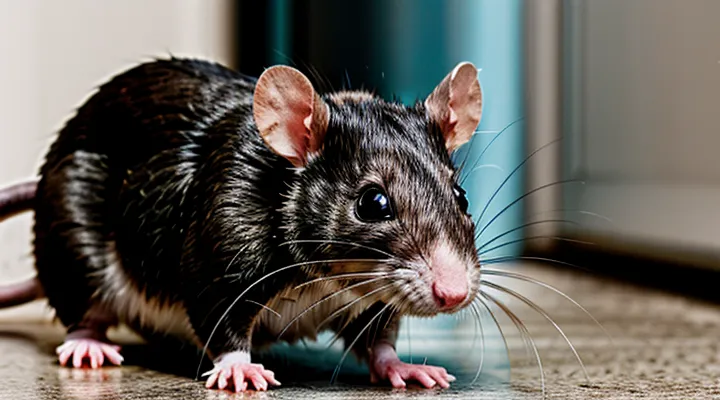
The Critical Role of Water for Pet Rats
Understanding Rat Physiology and Hydration Needs
Metabolic Rate and Water Loss
Rats possess a basal metabolic rate markedly higher than that of larger mammals, resulting in rapid energy turnover. Elevated metabolism accelerates cellular respiration, which generates heat and drives increased respiratory water loss.
Water loss in rodents occurs through three primary pathways: evaporative loss from the respiratory tract, excretory loss via dilute urine, and fecal moisture. The renal system of a pet rat can concentrate urine, yet maximal concentration is limited; consequently, a substantial portion of daily water requirements is met through inhaled air and skin diffusion.
Because metabolic demand dictates fluid turnover, a rat deprived of drinking water experiences a swift decline in plasma volume. Empirical observations indicate that a healthy adult rat may survive approximately 24 to 48 hours without water, depending on ambient temperature, activity level, and body condition. Higher temperatures amplify respiratory evaporation, reducing the survival window.
Pet owners should recognize early signs of dehydration—dry mucous membranes, sunken eyes, lethargy—and provide immediate access to clean water. Preventive measures include maintaining moderate ambient humidity and avoiding prolonged exposure to heat sources.
Consequences of Dehydration
Dehydration rapidly impairs physiological functions in small rodents. Within hours of water deprivation, a pet rat experiences reduced blood volume, leading to decreased cardiac output and lowered tissue perfusion. The resulting hypovolemia compromises kidney filtration, accelerates the accumulation of metabolic waste, and predisposes the animal to acute renal failure.
Typical manifestations of fluid deficit include:
- Lethargy and reduced activity
- Sunken eyes and dry nasal passages
- Weight loss exceeding 5 % of body mass in a single day
- Elevated heart rate and weak peripheral pulses
- Darkened urine or complete absence of urination
If the condition persists beyond 24 hours, cellular dehydration disrupts electrolyte balance, causing hypernatremia and potential seizures. Extended periods without water (48 hours or more) often culminate in irreversible organ damage and fatal outcomes. Prompt restoration of hydration, preferably through subcutaneous administration of sterile saline, can reverse early-stage effects but may be insufficient once renal failure is established. Monitoring fluid intake and ensuring constant access to fresh water remain essential to prevent the cascade of adverse health consequences.
Factors Influencing Survival Time Without Water
Environmental Conditions
Temperature and Humidity
Temperature directly influences the rate of water loss in rodents. Higher ambient temperatures increase respiratory evaporation and skin transpiration, shortening the period a pet rat can endure without fluid intake. Conversely, cooler environments slow metabolic processes, extending survival time.
- At 20 °C (68 °F) with moderate activity, dehydration may become critical after approximately 48 hours.
- At 25 °C (77 °F), critical dehydration typically occurs within 24–36 hours.
- At 30 °C (86 °F) or higher, severe dehydration can develop in 12–18 hours.
Humidity modifies the effect of temperature by altering the gradient for evaporative loss. Low relative humidity accelerates water loss, while high humidity reduces it.
- Relative humidity below 30 % combined with temperatures above 25 °C can halve the survival window compared with the same temperature at 60 % humidity.
- Relative humidity between 50 % and 70 % mitigates evaporative cooling, allowing the rat to maintain hydration longer under identical temperature conditions.
- Saturated humidity (near 100 %) slows water loss but may predispose to respiratory issues; the net effect on survival without water remains modestly positive.
When temperature and humidity interact, the shortest survival periods arise in hot, dry settings, whereas cool, humid environments provide the most favorable conditions for prolonged dehydration tolerance. Maintaining ambient temperature between 18 °C and 22 °C and relative humidity around 55 % optimizes the rat’s ability to survive brief interruptions in water access.
Air Circulation
Air circulation directly influences the rate at which a pet rat loses moisture through respiration and skin. Increased airflow reduces ambient humidity, accelerating evaporative water loss and shortening the period a rat can survive without drinking. Conversely, stagnant air maintains higher humidity levels, slowing dehydration.
Key environmental parameters affected by ventilation:
- Air exchange frequency – higher turnover lowers relative humidity.
- Temperature stability – adequate flow prevents heat buildup, which otherwise raises metabolic water demand.
- Dust and odor removal – clean air reduces respiratory stress that can increase fluid consumption.
Optimizing ventilation involves maintaining a gentle, continuous breeze without creating drafts that lower body temperature. Use cages with mesh sides or adjustable vents, and monitor humidity with a hygrometer to keep levels between 45 % and 55 %. Proper airflow therefore extends the window a rat can endure without direct water intake by limiting excessive water loss.
Individual Rat Characteristics
Age and Health Status
Age significantly influences a rat’s capacity to endure water deprivation. Juvenile rats, whose metabolic rate exceeds that of adults, lose body fluids more rapidly and may exhibit critical dehydration within 12–24 hours. Adult rats, typically 4–12 months old, possess more stable fluid balance and can survive up to 48 hours under optimal conditions. Senior rats, beyond 18 months, experience diminished renal efficiency and reduced thirst response, shortening the safe deprivation period to 24 hours or less.
Health status modifies the baseline limits set by age. Rats suffering from renal disease, respiratory infections, or gastrointestinal disorders display impaired water conservation and accelerated electrolyte loss. Chronic conditions such as diabetes mellitus increase urinary output, further decreasing survival time. Conversely, a healthy individual with no underlying pathology maintains normal kidney function and can approach the upper age‑related threshold.
The interaction of age and health produces a spectrum of tolerance:
- Juvenile, healthy – 12–24 hours
- Adult, healthy – 24–48 hours
- Senior, healthy – up to 24 hours
- Any age with renal or systemic disease – 12 hours or less
Owners should monitor fluid intake closely, especially for young or elderly rats and those with known medical issues. Immediate provision of clean water at the first sign of reduced drinking prevents irreversible organ damage and reduces mortality risk.
Activity Level and Stress
Activity level directly influences a rat’s water requirements. Elevated movement raises metabolic rate, accelerates respiration, and increases fluid loss through urine and sweat. Consequently, an active rat depletes its internal water stores faster than a sedentary counterpart, shortening the period it can endure without external hydration. Conversely, a low‑energy rat conserves water, extending survival time under water‑deprived conditions.
Stress amplifies physiological demands and disrupts normal water balance. Acute stress triggers the release of catecholamines, which elevate heart rate and respiratory frequency, thereby increasing evaporative water loss. Chronic stress can impair kidney function, reducing the efficiency of water reabsorption. The combined effect of heightened activity and stress can reduce a pet rat’s tolerance for water scarcity to a matter of hours rather than days.
Key considerations:
- Monitor cage enrichment and handling frequency to prevent unnecessary activity spikes.
- Provide a stable, low‑stress environment to maintain optimal renal function.
- Ensure constant access to fresh water, especially for rats exhibiting high locomotor behavior or signs of anxiety.
Diet Composition
Diet composition directly influences a pet rat’s capacity to endure periods without drinking water. High‑quality protein sources, such as cooked chicken or boiled egg, provide essential amino acids that support tissue maintenance and reduce metabolic stress during dehydration. Adequate fiber, supplied by plain rolled oats, wheat bran, or fresh leafy greens, promotes gut motility and helps retain moisture within the gastrointestinal tract. Moderate fat levels, sourced from small amounts of sunflower seed oil or nuts, supply energy while minimizing excess heat production that could increase fluid loss. Essential vitamins and minerals, particularly vitamin C, B‑complex, potassium, and sodium, sustain cellular functions and electrolyte balance, mitigating the physiological impact of limited water intake.
Key dietary elements can be summarized as follows:
- Protein : 15‑20 % of total calories, from lean animal or plant sources.
- Fiber : 5‑7 % of diet, primarily insoluble fiber to enhance water absorption in the intestines.
- Fat : 5‑8 % of calories, emphasizing unsaturated fats.
- Vitamins : adequate levels of vitamin C and B‑complex to prevent oxidative stress.
- Minerals : balanced potassium‑sodium ratio to maintain osmotic equilibrium.
Maintaining this nutritional profile reduces the urgency for immediate water consumption and extends the interval a rat can survive without direct hydration. Properly balanced meals also limit the accumulation of metabolic waste, which otherwise would accelerate dehydration‑related complications.
The Immediate Dangers of Water Deprivation
Rapid Onset of Symptoms
Dehydration in a pet rat triggers physiological distress within a short period. The absence of water forces the body to conserve fluid, resulting in a cascade of observable changes that emerge rapidly.
Key manifestations appear typically within six to twelve hours of water deprivation:
- Lethargy and reduced activity levels
- Sunken or glossy eyes
- Dry, less elastic skin
- Decreased urine output, often concentrated and amber‑colored
- Weight loss of 5 % or more of body mass
- Rapid breathing and elevated heart rate
The underlying mechanism involves a decline in plasma volume, which reduces blood pressure and impairs tissue perfusion. Cellular dehydration follows, disrupting electrolyte balance and leading to metabolic acidosis. If fluid intake is not restored promptly, organ function deteriorates, and irreversible damage may occur within 24 hours.
Early detection relies on vigilant observation of behavior and physical condition. Immediate rehydration, preferably via subcutaneous sterile saline, stabilizes circulatory volume and mitigates symptom progression. Continuous monitoring after intervention ensures that vital signs return to normal and prevents recurrence.
Organ Failure Risks
Dehydration in a pet rat triggers swift disruption of homeostasis, accelerating the onset of organ dysfunction. Within twelve to twenty‑four hours without water, cellular metabolism falters, and the risk of irreversible damage escalates dramatically.
- Kidney failure – reduced blood volume impairs glomerular filtration, leading to azotemia and electrolyte imbalance.
- Liver impairment – hypoperfusion diminishes detoxification capacity, causing accumulation of metabolic waste.
- Cardiovascular collapse – decreased plasma volume lowers cardiac output, precipitating hypotension and shock.
- Neurological damage – inadequate cerebral perfusion results in confusion, seizures, and potential coma.
Early signs include lethargy, sunken eyes, dry mucous membranes, and rapid weight loss. Prompt rehydration within the first six hours can prevent permanent organ loss; delays beyond twelve hours markedly increase mortality risk. Continuous access to fresh water remains the essential preventive measure for maintaining organ integrity in small rodents.
Recognizing Dehydration in Pet Rats
Behavioral Indicators
Lethargy and Weakness
Dehydration in pet rats manifests rapidly as reduced activity and diminished muscle tone. The onset of «lethargy» and «weakness» signals a critical drop in circulating fluids, impairing oxygen delivery and metabolic processes.
Physiological stress caused by water loss reduces plasma volume, leading to lower blood pressure and insufficient nutrient transport to tissues. Muscles receive less glucose and oxygen, resulting in fatigue and an inability to maintain normal movement patterns.
Observable signs include:
- Slow or absent response to stimuli
- Reluctance to explore or climb
- Drooping posture and flattened ears
- Decreased grooming and feeding behavior
These symptoms typically appear within 12–24 hours of complete water deprivation. As dehydration progresses, the rat’s core temperature may fall, and organ function begins to deteriorate, shortening the remaining viable period.
If «lethargy» and «weakness» are detected, immediate provision of fresh water is essential. Continuous monitoring of drinking behavior, weight, and activity levels should follow. Persistent signs despite rehydration require veterinary assessment to prevent irreversible damage and to determine the appropriate supportive care.
Reduced Appetite and Activity
Dehydration in a pet rat manifests quickly as a noticeable decline in food consumption and a slowdown of normal movements. When water intake ceases, the animal’s plasma volume drops, prompting hormonal signals that suppress hunger and reduce muscular activity to conserve energy.
The physiological response includes elevated vasopressin levels, which limit urine output and diminish metabolic rate. Consequently, the rat’s drive to explore, groom, and seek food diminishes. This behavioral shift serves as an early warning that the animal is approaching a critical hydration deficit.
Practical guidance for caretakers:
- Observe daily food intake; a reduction of more than 30 % signals imminent danger.
- Monitor activity patterns; prolonged inactivity or reluctance to climb indicates severe fluid loss.
- Provide fresh water at the first sign of reduced appetite; restoration of hydration typically reverses lethargy within a few hours.
Timely intervention based on these behavioral cues extends survival and prevents irreversible organ damage.
Changes in Urination
Water deprivation triggers immediate alterations in a pet rat’s urinary output. The kidneys conserve fluid by reducing urine volume and increasing concentration, a physiological response that accelerates as dehydration progresses.
Urination frequency declines sharply. A rat normally excretes urine several times a day; after several hours without water, voiding may occur only once or twice within a 24‑hour period. The reduced frequency reflects the body’s effort to retain every possible milliliter of fluid.
Urine appearance changes markedly. Concentrated urine acquires a deep amber hue, often described as «dark amber». Specific gravity rises, indicating heightened solute load. The odor becomes stronger, a by‑product of intensified metabolic waste accumulation.
Clinical indicators of hazardous dehydration include:
- Minimal or absent urine spots on bedding
- Dark, sticky urine droplets
- Signs of renal stress such as lethargy or reduced activity
- Elevated blood urea nitrogen and creatinine levels on laboratory analysis
Prompt rehydration restores normal urination patterns. Providing fresh water and, if necessary, subcutaneous saline can reverse the concentrated urine state within hours. Continuous monitoring of urine volume and color is essential to ensure that renal function returns to baseline and to prevent irreversible kidney damage.
Physical Signs
Skin Turgor Test
The skin turgor test provides a rapid, non‑invasive assessment of hydration status in a pet rat. By evaluating the elasticity of the skin, the test distinguishes between adequate fluid balance and varying degrees of dehydration, which directly influences the animal’s survival window without water.
To perform the test, gently grasp a fold of skin on the dorsal neck or flank, lift it briefly, and release. Observe the speed at which the skin returns to its original position. The procedure requires minimal handling stress and can be repeated at regular intervals during a water‑restriction episode.
Interpretation of the response:
- Immediate return to normal shape – indicates proper hydration.
- Delayed recoil (1–2 seconds) – suggests mild dehydration, warranting increased fluid provision.
- Prolonged lag (>2 seconds) or persistent tenting – signals moderate to severe dehydration, correlating with a critical reduction in the rat’s survival period.
Dehydration progresses rapidly in small mammals; a pet rat may endure only a few days without water before physiological collapse. The skin turgor test serves as an early warning system, allowing caretakers to intervene before irreversible organ damage occurs. Regular monitoring of turgor, combined with clinical signs such as sunken eyes and lethargy, offers the most reliable estimate of how much time remains before emergency hydration is required.
Sunken Eyes and Dry Mucous Membranes
Sunken eyes and dry mucous membranes are primary clinical indicators of dehydration in pet rats. When fluid intake ceases, plasma volume declines, causing reduced intra‑ocular pressure that pulls the eyes inward. Simultaneously, reduced secretions lead to desiccation of the oral and nasal mucosa, producing a visibly dry appearance.
Physiological response progresses rapidly. Within three to six hours of water deprivation, ocular recession becomes apparent, and mucous membranes lose their typical pink, moist texture. These signs intensify as the animal approaches a critical hydration deficit, beyond which organ failure accelerates.
Survival without water is limited. Healthy adult rats typically endure a maximum of 24–48 hours before irreversible damage occurs. The appearance of «sunken eyes» and «dry mucous membranes» signals that the animal is approaching the lower end of this range, often within the first twelve hours of water loss.
Prompt intervention is essential. Immediate oral or subcutaneous fluid administration restores plasma volume, reverses ocular depression, and re‑moistens mucosal surfaces. Continuous observation of eye depth and mucosal moisture provides a practical metric for assessing rehydration progress.
Changes in Fur Appearance
Dehydration in pet rats produces distinct alterations in coat condition that can serve as early indicators of insufficient fluid intake. Within the first twelve to twenty‑four hours of water restriction, the fur often loses its natural sheen, becoming dull and matte. The underlying hair shaft may appear slightly flattened, reducing its ability to reflect light.
Progressive fluid deficit leads to increased brittleness. By the second day, individual hairs are prone to breakage when gently brushed, and the overall density may appear reduced as microscopic gaps develop between strands. The skin underneath may exhibit a subtle pallor, reflecting reduced blood perfusion.
Typical manifestations include:
- Dull, lackluster coat
- Brittle, easily broken hairs
- Slight thinning or patchy appearance
- Pale, less vascular skin surface
If water deprivation extends beyond forty‑eight hours, fur may become dry and flaky. Keratin proteins lose moisture, causing a coarse texture that feels rough to the touch. In severe cases, the coat can develop small, dry patches that detach easily, indicating advanced dehydration.
Monitoring coat quality alongside other physiological signs provides a practical, non‑invasive method for assessing a rat’s hydration status. Immediate restoration of water access generally reverses these changes within 24‑48 hours, restoring luster and elasticity to the fur. «Prompt rehydration mitigates permanent coat damage».
Preventing Dehydration: Best Practices for Rat Owners
Ensuring Constant Access to Fresh Water
Water Bottle Maintenance
Proper water bottle maintenance directly influences a pet rat’s ability to stay hydrated, which determines the maximum period the animal can survive without water. A clean, functional bottle prevents dehydration‑related health risks and supports normal physiological functions.
Key maintenance practices include:
- Daily inspection of the spout for clogs, cracks, or leakage; replace or repair the bottle immediately if any damage is observed.
- Weekly cleaning with warm water and a mild, animal‑safe detergent; rinse thoroughly to eliminate residue that could deter drinking.
- Monthly sterilization using a diluted vinegar solution (1 part vinegar to 4 parts water) or a commercial pet‑safe sanitizer; allow the bottle to air‑dry completely before refilling.
- Regular rotation of bottle position within the cage to prevent mold growth at the base and to ensure consistent access from all sides of the enclosure.
- Verification of water level at each refill; maintain a minimum depth of 2 cm to keep the drinking tube primed and functional.
Additional considerations:
- Choose bottles made of durable, BPA‑free plastic or glass; these materials resist bacterial colonization better than low‑quality plastics.
- Install the bottle at a height that aligns with the rat’s natural drinking posture, typically 4–5 inches above the cage floor.
- Monitor the water for discoloration, foul odor, or floating debris; such signs indicate contamination and require immediate bottle replacement.
Consistent adherence to these procedures minimizes the risk of water deprivation, thereby extending the period a pet rat can endure without access to fresh water.
Bowl Options and Placement
Providing a reliable water source is essential for the health of a pet rat; dehydration can become fatal within a short period. Selecting an appropriate drinking vessel and positioning it correctly within the cage reduces the risk of water loss and promotes consistent intake.
Bowl options
- Stainless‑steel bowl: durable, resistant to chewing, easy to clean; heavy enough to stay in place.
- Ceramic bowl: non‑porous, stable, available in various colors; must be glazed to prevent cracks.
- Food‑grade plastic bowl: lightweight, inexpensive; prone to gnawing, may develop scratches that harbor bacteria.
- Water bottle with attached bowl: combines constant drip supply with a shallow dish for drinking; requires regular inspection of the tubing for leaks.
Placement considerations
- Position the bowl on a solid surface away from food dishes to prevent cross‑contamination.
- Locate the vessel at a height accessible to all cage inhabitants, avoiding corners where dominant rats might block access.
- Ensure the bowl is placed on a non‑slippery area, such as a silicone mat, to prevent accidental spills.
- Keep the water source away from bedding that can become damp, reducing the likelihood of mold growth.
Regularly inspect the chosen bowl for signs of wear, contamination, or displacement, and replace or reposition as needed to maintain uninterrupted hydration.
Supplementing Water Intake Through Diet
Hydrating Foods and Treats
Hydrating foods provide a substantial portion of the fluid rats require when access to a water bottle is limited. Many fresh vegetables and fruits contain water percentages exceeding 80 %, allowing the animal to maintain hydration through regular consumption.
• Cucumber – approximately 95 % water, low fiber, safe in small portions.
• Watermelon – about 92 % water, high sugar; limit to prevent digestive upset.
• Celery – roughly 95 % water, contains calcium and potassium, cut into bite‑size pieces.
• Bell pepper – 92 % water, rich in vitamin C, offers texture variety.
• Zucchini – 94 % water, mild flavor, can be served raw or lightly steamed.
Treats formulated with moisture‑rich bases, such as gelatin‑infused pellets or yogurt‑based snacks, contribute additional fluid. Products labeled “hydro‑gel” or “moisture‑enhanced” typically contain 30–50 % water and can be offered as occasional supplements. Ensure any treat complies with the rat’s dietary restrictions and does not contain added sugars or artificial sweeteners.
When water sources are unavailable, the combined intake of high‑water foods and moisture‑rich treats can extend survival by several days, depending on the animal’s age, health status, and ambient temperature. Monitoring body condition and adjusting portion sizes helps prevent dehydration while avoiding overfeeding. Regular re‑introduction of fresh water should occur as soon as the source becomes accessible.
Monitoring Water Consumption
Monitoring water intake is essential for maintaining a pet rat’s health. Adequate hydration supports kidney function, digestion, and thermoregulation; insufficient water leads to rapid dehydration and organ failure. Continuous observation of consumption patterns enables early detection of health issues and informs adjustments to diet or environment.
Practical methods for tracking intake include:
- Use of calibrated water bottles equipped with graduated markings; record the volume before and after a 24‑hour period.
- Daily weighing of the bottle to calculate exact consumption, accounting for spillage.
- Implementation of a log sheet or digital spreadsheet documenting date, time, and measured volume.
- Periodic visual inspection of the bottle’s tip for blockages or leakage that could affect availability.
Typical water requirements for an adult rat range from 20 ml to 30 ml per 100 g of body weight. Deviations of more than 10 % from expected intake warrant immediate veterinary consultation, as prolonged lack of water can reduce survival time to a matter of hours. Regular monitoring thus safeguards against critical dehydration and extends the animal’s lifespan.
Emergency Preparedness
Recognizing and Addressing Issues Promptly
Dehydration poses an immediate threat to a pet rat’s health. Early identification relies on observable changes: skin loss of elasticity, sunken eyes, reduced urine output, lethargy, and dry nasal passages. Prompt intervention prevents rapid decline and supports recovery.
Action steps should be executed without delay:
- Offer fresh water in a shallow, easily accessible dish.
- Wet food or provide a water‑rich supplement such as cucumber or apple slices.
- Monitor intake for at least one hour; if consumption remains low, administer a few drops of sterile saline using a syringe.
- Contact a veterinarian if signs persist beyond 12 hours or if the rat exhibits collapse, tremors, or respiratory distress.
Timely response shortens the period a rat can endure without hydration, reducing the risk of organ damage and increasing the likelihood of full recovery.
Consulting a Veterinarian
When a pet rat stops drinking, professional evaluation becomes essential. Veterinarians possess the expertise to determine dehydration severity, identify underlying causes, and prescribe appropriate interventions.
Typical indicators of insufficient fluid intake include:
- Sunken eyes or recessed skin around the ears
- Lethargic behavior and reduced mobility
- Dry, brittle whiskers or nose
- Decreased urine output or concentrated feces
- Weight loss evident over a short period
Veterinary assessment proceeds through a systematic examination. Physical inspection gauges skin elasticity and mucous membrane moisture. Blood analysis measures hematocrit and electrolyte balance, revealing the extent of fluid deficit. Intravenous or subcutaneous fluids are administered based on calculated needs, often accompanied by electrolytes to restore homeostasis. Additional diagnostics, such as urinalysis, may uncover infections or metabolic disorders contributing to reduced water consumption.
Preventive guidance from the veterinarian focuses on environmental management and diet. Recommendations typically cover humidified housing, readily accessible water dispensers, and regular monitoring of intake. Early detection protocols, including daily visual checks for the signs listed above, enable swift veterinary contact before critical dehydration develops.
«Prompt veterinary consultation mitigates the risk of irreversible organ damage and improves survival prospects for dehydrated rats».