
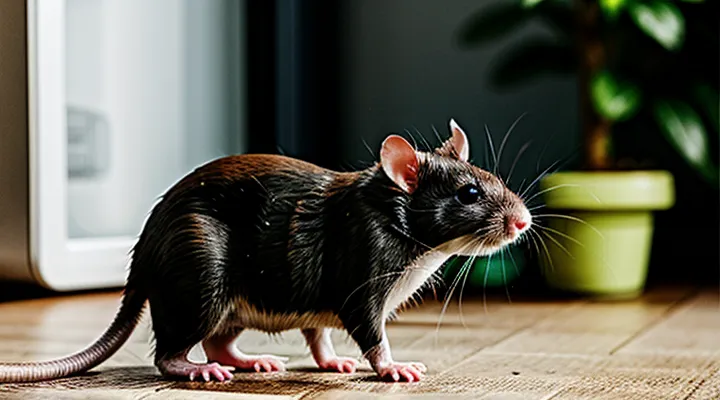
Understanding Rat Metabolism
High Metabolic Rate and Energy Needs
Pet rats possess a basal metabolic rate significantly higher than that of larger mammals. Their small body size and rapid heart rate demand continuous energy intake to maintain core temperature, organ function, and neuronal activity. When food is withheld, glycogen stores in the liver and muscles deplete within a few hours, prompting a swift shift to fat oxidation and, subsequently, protein catabolism. This metabolic acceleration shortens the window of survival compared to species with slower energy turnover.
Key physiological consequences of the high metabolic demand include:
- Rapid decline of blood glucose levels, leading to hypoglycemia within 6–8 hours of fasting.
- Early onset of ketosis as fatty acids become the primary fuel source, often observable after 12 hours.
- Accelerated loss of lean body mass; protein breakdown intensifies after 24 hours, compromising immune function and tissue repair.
- Increased susceptibility to dehydration, because water intake typically accompanies food consumption and the kidneys cannot conserve water efficiently under prolonged catabolism.
Consequently, a healthy domesticated rat can endure only a limited period without nourishment—generally not exceeding 24–36 hours before critical physiological failure ensues. Immediate veterinary intervention is required if a rat refuses food for more than 12 hours, as the combination of hypoglycemia, ketosis, and dehydration can rapidly become fatal.
The Role of Constant Access to Food
Constant availability of nourishment prevents rapid depletion of glycogen stores in a pet rat. Within the first 12‑24 hours of food deprivation, liver glycogen falls below 20 % of normal levels, triggering a shift to gluconeogenesis and increased cortisol production. This metabolic transition accelerates muscle protein breakdown and compromises immune function, reducing survival time to approximately three to five days under typical conditions.
Continuous feeding eliminates the need for these emergency metabolic adaptations. Benefits include:
- Maintenance of stable blood glucose, avoiding hypoglycemic episodes that can cause seizures.
- Preservation of lean body mass, supporting normal growth and tissue repair.
- Reduced stress hormone spikes, which lower susceptibility to infections.
- Consistent gut motility, preventing ileus and bacterial overgrowth.
When food is removed, a rat’s body weight can drop 10‑15 % within 48 hours, and dehydration often follows due to reduced water intake from food. Providing water alone does not sustain life; the lack of calories forces rapid catabolism.
Optimal care protocols recommend offering fresh pellets and occasional treats at least twice daily. This schedule ensures that the animal never experiences a gap longer than a few hours without calories, effectively extending its lifespan and preserving overall health.
Factors Influencing Survival Time Without Food
Age and Health Status
Age significantly influences a rat’s capacity to endure a period without nourishment. Young rats, particularly those under eight weeks, possess limited fat reserves and a high metabolic rate, causing rapid depletion of energy stores. Consequently, they may experience critical hypoglycemia within 12–24 hours of food deprivation. In contrast, mature adults (8 weeks to 18 months) typically retain sufficient adipose tissue to sustain basic physiological functions for a longer interval, often extending to 48 hours before severe complications arise.
Health status further modulates survivability. Rats with chronic conditions—such as renal insufficiency, respiratory disease, or gastrointestinal disorders—exhibit impaired glucose regulation and reduced ability to mobilize stored energy. These individuals can succumb to organ failure considerably sooner than healthy counterparts, sometimes within 18 hours of starvation. Conversely, robust animals with no underlying pathology display greater resilience, maintaining homeostasis longer under the same circumstances.
Key factors determining survival without food:
- Body condition: Lean individuals lack protective fat layers, accelerating energy loss.
- Metabolic rate: Younger, rapidly growing rats consume energy faster, shortening safe fasting periods.
- Underlying disease: Conditions affecting liver, kidney, or gastrointestinal function compromise nutrient mobilization.
- Hydration: Access to water mitigates dehydration but does not offset the impact of absent calories; dehydration can become lethal within 24 hours regardless of age.
Veterinarians recommend monitoring weight, activity level, and signs of hypoglycemia (tremors, lethargy) in any rat that has missed meals. Immediate veterinary intervention is essential for young or ill animals, as their window for recovery narrows dramatically.
Young and Old Rats: Increased Vulnerability
Young rats possess higher metabolic rates and limited fat reserves, making them especially prone to rapid decline when food is unavailable. Within 24 hours of complete deprivation, most juveniles exhibit marked weight loss, reduced activity, and hypoglycemia. By the second day, signs of organ dysfunction appear, and mortality often occurs between 48 and 72 hours.
Older rats experience diminished physiological resilience. Age‑related loss of lean muscle mass and impaired glucose regulation reduce their capacity to mobilize internal energy stores. After 48 hours without nourishment, senior rodents typically show severe lethargy and dehydration. Mortality frequently follows between 72 and 96 hours, although individual outcomes vary with health status and body condition.
Key factors influencing survival without food:
- Metabolic demand: Juveniles require more calories per gram of body weight than adults.
- Energy reserves: Fat and glycogen stores decline with age, limiting emergency fuel.
- Hydration: Lack of water accelerates organ failure in both age groups; access to fresh water can extend survival by several hours.
- Underlying health: Pre‑existing conditions (respiratory disease, dental problems) shorten the window of survivability.
Providing continuous access to clean water and monitoring weight loss are essential preventive measures for both young and elderly pet rats. Prompt veterinary intervention at the first sign of anorexia can prevent irreversible damage and improve outcomes.
Pre-existing Health Conditions
Pre‑existing health conditions dramatically alter the period a pet rat can endure without nourishment. Compromised organ function reduces the animal’s ability to mobilize energy reserves, accelerating the onset of critical physiological failure.
Typical conditions that shorten starvation tolerance include:
- Diabetes mellitus – impaired glucose regulation forces early hypoglycaemia.
- Chronic kidney disease – reduced waste elimination leads to rapid toxin buildup.
- Liver insufficiency – diminished glycogen storage limits emergency glucose supply.
- Respiratory disorders – increased metabolic demand accelerates depletion of fat stores.
- Severe gastrointestinal disease – impaired absorption hinders utilization of any residual nutrients.
Rats with robust health may survive several days, whereas those with the ailments listed above often succumb within 24–48 hours of complete food deprivation. Age and body condition further modify outcomes; older or underweight individuals possess smaller energy reserves and exhibit faster decline.
Veterinarians recommend immediate intervention when a rat with any of these conditions stops eating. Prompt rehydration, caloric support, and treatment of the underlying disease improve survival prospects and reduce the risk of irreversible organ damage.
Environmental Conditions
Environmental conditions exert a direct impact on the length of time a pet rat can endure a period without food. Metabolic rate, fluid balance, and stress responses shift markedly with changes in temperature, humidity, and cage environment, thereby altering survival thresholds.
Key environmental variables:
- Ambient temperature – Rats maintain a core temperature of 37 °C; exposure to temperatures below 20 °C accelerates energy consumption, reducing fasting endurance by up to 30 %. Conversely, temperatures above 30 °C increase respiratory water loss, hastening dehydration and organ failure.
- Relative humidity – Low humidity (below 30 %) intensifies evaporative cooling, prompting higher caloric burn. High humidity (above 70 %) impairs thermoregulation, leading to heat stress and quicker decline.
- Ventilation – Stagnant air raises carbon dioxide levels, causing respiratory acidosis that shortens survival time. Adequate airflow maintains gas exchange and delays metabolic collapse.
- Cage size and enrichment – Constrained spaces elevate stress hormones, which elevate basal metabolism. Providing adequate floor area and enrichment objects mitigates stress‑induced energy expenditure.
- Water availability – Even when food is absent, access to clean water sustains renal function and delays fatal electrolyte imbalance. Deprivation of water alongside food can halve the survival period.
In practice, a rat kept at 22 °C, 50 % humidity, with proper ventilation, ample space, and unrestricted water can survive without nourishment for approximately 3–5 days. Adjust any of the listed conditions outside optimal ranges, and the viable window contracts proportionally. Monitoring and maintaining these parameters is essential for accurate assessment of fasting tolerance in domestic rats.
Temperature Extremes and Energy Expenditure
Temperature extremes profoundly influence a rat’s metabolic rate, thereby altering the period it can endure without nourishment. In cold environments, thermoregulation demands increased heat production; brown adipose tissue activates, and shivering may occur. This elevated metabolic activity accelerates depletion of glycogen stores and body fat, shortening survival time. Conversely, high ambient temperatures reduce the need for heat generation but impose stress on the cardiovascular and respiratory systems. Heat dissipation mechanisms, such as panting and vasodilation, increase oxygen consumption and may raise basal metabolic rate modestly, also curtailing the fasting window.
Key physiological responses that determine fasting endurance under temperature stress include:
- Basal metabolic rate (BMR) shift – cold raises BMR up to 30 %; moderate heat may increase it by 10–15 %.
- Energy substrate utilization – cold favors rapid carbohydrate oxidation; heat encourages greater lipid oxidation, both leading to faster depletion of reserves.
- Hydration balance – elevated temperatures accelerate fluid loss, compounding the effects of starvation on organ function.
- Stress hormone release – cortisol and catecholamines rise in temperature extremes, promoting catabolism and further depleting energy stores.
Empirical observations in laboratory rodents suggest that a pet rat maintained at a comfortable room temperature (≈22 °C) can survive without food for approximately 4–5 days before critical organ failure ensues. When ambient temperature drops to 10 °C, survival may decline to 2–3 days due to heightened thermogenic demands. At 30 °C, the window contracts to roughly 3 days, reflecting combined metabolic and dehydration pressures. Maintaining a stable, moderate temperature therefore extends the period a rat can tolerate food deprivation, emphasizing the importance of environmental control in emergency or experimental settings.
Stress Levels and Their Impact
Pet rats experience physiological stress when food is unavailable. Elevated cortisol and adrenaline increase basal metabolic rate, causing faster depletion of glycogen stores. The heightened energy demand shortens the window in which the animal can survive without nourishment.
Stress also disrupts hormonal regulation of appetite. Elevated glucocorticoids suppress ghrelin release, reducing the drive to seek food. Simultaneously, insulin resistance may develop, impairing glucose utilization and accelerating catabolism of muscle tissue.
Immune function declines under chronic stress. Reduced leukocyte activity and diminished cytokine production increase susceptibility to infection, which further drains energy reserves and lowers survivability.
Key effects of stress on fasting endurance:
- Increased metabolic rate → faster energy loss
- Suppressed hunger signals → delayed feeding behavior
- Impaired glucose metabolism → reliance on protein catabolism
- Weakened immune response → higher risk of disease
Collectively, these factors can reduce the duration a pet rat can endure without food by several days compared with a low‑stress counterpart. Monitoring environmental stressors—noise, handling, temperature fluctuations—helps extend the animal’s capacity to survive short periods of food scarcity.
Water Intake
Pet rats require constant access to clean water, especially when food is unavailable. Dehydration accelerates organ failure and reduces the time a rat can survive without nutrition. Without water, a healthy adult rat typically succumbs within 24–48 hours; with water, survival can extend to several days, depending on age, health, and ambient temperature.
Typical water consumption ranges from 5 ml to 15 ml per 100 g of body weight daily. Smaller or ill rats may drink less, increasing the risk of rapid dehydration. Providing water in a sipper bottle or shallow dish prevents spillage and contamination, ensuring the animal can drink freely.
Signs of inadequate hydration include:
- Sunken eyes
- Dry, tacky skin
- Lethargy
- Reduced urine output
If any of these appear, immediate access to fresh water is essential. In emergency situations where food is absent, maintaining hydration is the single most effective measure to prolong survival. Regular monitoring of water intake and prompt replacement of stale water are critical components of responsible rat care.
The Critical Interplay of Food and Water
Pet rats rely on a continuous supply of nutrients to maintain basal metabolism, yet water availability determines the immediate threshold for survival. When food intake ceases, glycogen reserves in the liver and muscles provide energy for roughly 12–24 hours, after which protein catabolism begins. Without hydration, plasma volume drops, renal function fails, and death occurs within 48–72 hours regardless of remaining energy stores.
Key physiological effects of simultaneous food deprivation and water access:
- Energy depletion: Glycogen exhaustion leads to rapid muscle wasting; ketone production compensates only after several days.
- Hydration maintenance: Drinking water sustains blood pressure, supports kidney filtration, and delays organ failure.
- Thermoregulation: Adequate fluid intake preserves body temperature; dehydration accelerates hypothermia in small mammals.
- Immune function: Fluid balance influences leukocyte activity; dehydration impairs infection resistance more quickly than caloric deficit.
If a rat receives water but no food, survival typically extends to 5–7 days, contingent on age, health status, and ambient temperature. Conversely, denial of both nutrients and fluid reduces the window to less than three days. The interaction between nourishment and hydration therefore defines the critical limit for a pet rat’s endurance under starvation conditions.
Dehydration as a Primary Threat
Pet rats can survive for several days without solid food, but water loss becomes the limiting factor. When food intake stops, metabolic processes continue to consume water, leading to rapid dehydration. Dehydration impairs cellular function, reduces blood volume, and triggers organ failure far sooner than caloric deficiency alone.
Key physiological consequences of dehydration in a starving rat include:
- Decreased plasma osmolarity, causing electrolyte imbalance.
- Reduced kidney filtration rate, leading to toxin accumulation.
- Impaired thermoregulation, resulting in hyperthermia.
- Diminished blood pressure, compromising circulation to vital organs.
The rate of fluid loss depends on ambient temperature, humidity, and the animal’s activity level. In a typical indoor environment (20‑22 °C, moderate humidity), a pet rat may become critically dehydrated within 24‑48 hours without water. Survival beyond this window is unlikely, even if minimal food residues remain.
Providing constant access to fresh water dramatically extends the survival period. Even small amounts—approximately 5 ml per day for an adult rat—maintain plasma volume and support essential metabolic functions. Consequently, dehydration, rather than lack of calories, determines the ultimate survival limit for a pet rat without nourishment.
Consequences of Food Deprivation
Physiological Effects
Pet rats subjected to prolonged food deprivation undergo a rapid shift in metabolic pathways. Glycogen stores in the liver and skeletal muscle are exhausted within 12–24 hours, prompting gluconeogenesis from amino acids and glycerol. As glucose availability declines, the brain increasingly relies on ketone bodies, leading to measurable ketosis after 48 hours.
The physiological cascade includes:
- Protein catabolism: Muscle tissue breaks down to supply substrates for glucose production, resulting in progressive loss of lean mass.
- Electrolyte imbalance: Sodium, potassium, and calcium concentrations drop, impairing neuromuscular function and cardiac rhythm.
- Organ dysfunction: Hepatic fatty infiltration occurs as the liver processes excess fatty acids; renal filtration rate diminishes, reducing waste clearance.
- Immune suppression: White‑blood‑cell activity declines, heightening susceptibility to opportunistic infections.
- Thermoregulatory failure: Core temperature falls as metabolic heat generation wanes, leading to hypothermia and eventual circulatory collapse.
If food deprivation extends beyond 72 hours, irreversible damage to the central nervous system and multiple organ systems typically culminates in mortality. Early intervention—re‑feeding within the first 24 hours—mitigates most adverse effects and improves survival prospects.
Weight Loss and Muscle Atrophy
Pet rats rely on stored energy to maintain vital functions when food is unavailable. The first observable change is a reduction in body mass as adipose tissue is mobilized for fuel. Fat loss typically begins within 12–24 hours of fasting, accounting for most of the early weight decrease.
Concurrently, protein catabolism escalates to supply glucose through gluconeogenesis. Muscle tissue supplies amino acids, leading to measurable atrophy. Signs include diminished muscle tone, reduced grip strength, and a noticeable thinning of the hind‑limb musculature. The rate of muscle loss accelerates after the initial 48 hours, especially when fat reserves become depleted.
Key physiological milestones during prolonged starvation:
- 24–48 hours: primary reliance on glycogen stores; minimal muscle impact.
- 48–72 hours: shift to fat oxidation; onset of mild muscle catabolism.
- 72 hours onward: increasing muscle protein breakdown; rapid weight decline.
- 5–7 days: severe muscle wasting; organ function compromised; survival probability drops sharply.
Overall, a pet rat can sustain life for several days without nourishment, but weight loss and muscle atrophy progress predictably, reducing the animal’s capacity to recover even if food is reintroduced after the critical window. Prompt intervention before extensive muscle degradation is essential for a favorable outcome.
Organ Damage and Failure
Pet rats deprived of nutrition experience rapid metabolic decline, leading to progressive organ injury. Within the first 24 hours, glycogen stores in the liver are exhausted, prompting gluconeogenesis and the release of stress hormones. This shift elevates blood cortisol and catecholamine levels, which accelerate protein catabolism and increase the burden on the kidneys as they filter excess nitrogenous waste.
By the second to third day, hepatic cells begin to accumulate fat and develop steatosis, impairing liver function and reducing the organ’s capacity to detoxify blood. Simultaneously, the pancreas suffers from reduced insulin secretion, causing hyperglycemia that further stresses vascular tissues. The heart experiences decreased contractility due to loss of myocardial glycogen and electrolyte imbalances, heightening the risk of arrhythmias.
Continued starvation leads to systemic organ failure:
- Kidneys: Elevated blood urea nitrogen and creatinine indicate declining filtration; tubular necrosis may develop.
- Liver: Progressive steatosis progresses to hepatitis and, eventually, hepatic insufficiency.
- Heart: Myocardial atrophy reduces output; arrhythmic events become common.
- Brain: Glucose deprivation triggers neuronal apoptosis, resulting in seizures or coma.
- Gastrointestinal tract: Mucosal thinning and loss of barrier integrity increase susceptibility to infection.
When multiple organs reach critical thresholds, the animal’s survival window closes. Clinical observation suggests that a pet rat typically cannot sustain life beyond five to seven days without any caloric intake, as cumulative organ damage becomes irreversible. Immediate veterinary intervention, including fluid therapy and nutrient support, is required to prevent or mitigate this cascade.
Behavioral Changes
When a pet rat is deprived of nourishment, its behavior shifts in recognizable stages that correspond to the length of survival without food.
In the initial 12‑24 hours, the rat displays reduced exploratory activity. It spends more time resting in a corner, shows diminished interest in toys, and may pause during grooming. These signs indicate the body’s early conservation of energy.
Between the second and third day, the animal becomes progressively lethargic. It may adopt a hunched posture, reduce vocalizations, and reject attempts at handling. Food‑seeking instincts weaken, and the rat may isolate itself from cage mates, signaling a deeper metabolic slowdown.
Beyond 72 hours, severe behavioral deterioration emerges. The rat exhibits uncoordinated movements, loss of muscle tone, and a marked decline in responsiveness to external stimuli. Signs of distress, such as trembling or frantic pacing, may appear briefly before the animal becomes immobile.
Typical behavioral indicators of starvation include:
- Decreased activity and exploration
- Prolonged resting periods
- Reduced grooming and self‑care
- Hunched posture and limited movement
- Diminished social interaction
- Weakness and unsteady gait
These observations provide a practical framework for assessing the health status of a rat during periods without food and help determine the critical window for intervention.
Lethargy and Weakness
Lethargy and weakness are the earliest external indicators that a pet rat is experiencing severe caloric deficit. Within 12–24 hours of food deprivation, metabolic stores become insufficient to sustain normal activity levels, resulting in reduced movement, diminished response to stimuli, and a tendency to remain motionless for extended periods. Muscle tone declines as glycogen reserves are depleted, causing the animal to appear floppy and unable to support its body upright.
Key physiological changes accompanying these signs include:
- Lowered blood glucose, leading to impaired neuronal function and slower reflexes.
- Decreased body temperature, which further reduces metabolic rate and exacerbates fatigue.
- Reduced heart rate, reflecting the body’s effort to conserve energy.
If lethargy and weakness persist beyond 48 hours, organ systems begin to fail, and the likelihood of recovery diminishes sharply. Immediate re‑feeding, preferably with easily digestible, high‑energy food, is essential to reverse the condition. Delayed intervention can result in irreversible damage and rapid progression toward death.
Increased Stress and Aggression
When a pet rat is denied nourishment, its body initiates a stress response that quickly alters behavior. Elevated cortisol and adrenaline levels intensify nervous system activity, producing heightened sensitivity to environmental stimuli.
The stress response triggers specific aggressive behaviors, such as:
- Increased biting frequency
- Rapid, defensive lunging
- Persistent territorial marking
- Reduced tolerance for handling
These actions stem from the animal’s instinct to protect limited energy reserves. Aggression can lead to self‑inflicted wounds or conflicts with cage mates, which in turn raises the risk of infection and blood loss. Simultaneously, chronic stress suppresses immune function, diminishing the rat’s ability to combat disease.
Together, stress‑induced aggression and weakened immunity shorten the period a rat can endure without food. While a well‑fed rat might survive several days without eating, the added burden of stress and aggression can reduce that window by a measurable margin, accelerating decline and increasing mortality risk.
Preventing Food Deprivation
Establishing a Consistent Feeding Schedule
A regular feeding routine is essential for maintaining a rat’s metabolic stability and preventing rapid decline when food is unavailable. Consistency reduces stress, supports digestive health, and extends the window of survival during accidental fasting periods.
- Offer meals at the same times each day, ideally every 12 hours, to align with the animal’s natural feeding pattern.
- Provide a measured amount that meets the recommended caloric intake for the rat’s age, weight, and activity level; adjust portions only after documented weight changes.
- Use the same type of food in each feeding to avoid gastrointestinal upset caused by sudden dietary shifts.
- Record the exact time of each meal in a log to detect missed feedings promptly.
Monitoring the schedule is as critical as establishing it. Check the cage daily for uneaten food to confirm consumption, and weigh the rat weekly to verify that body condition remains stable. If a feeding is missed, offer a small supplemental portion within one hour to mitigate the risk of dehydration and organ stress.
By adhering to a disciplined feeding timetable, owners minimize the period a rat can survive without nourishment, thereby safeguarding the pet’s health and longevity.
Monitoring Food Levels and Replenishment
Accurate assessment of a pet rat’s food supply directly influences its survival window when feeding is interrupted. Rats possess limited glycogen reserves; once depleted, organ function deteriorates rapidly. Continuous observation of food availability enables timely intervention before physiological decline becomes irreversible.
Effective monitoring involves:
- Daily inspection of food containers for leftover crumbs or compacted pellets.
- Weighing the bowl each morning; a decrease exceeding 5 % of the initial mass signals consumption.
- Recording the time elapsed since the last refill in a log to detect irregularities.
- Using automated dispensers equipped with sensors that trigger alerts when feed levels fall below a preset threshold.
Prompt replenishment based on these metrics prevents the onset of starvation. Maintaining a minimum of 24 hours of accessible nutrition, adjusted for the rat’s age, size, and activity level, safeguards health and extends the animal’s viable lifespan during unforeseen feeding gaps.
Emergency Preparedness for Pet Owners
Pet rats can survive without nourishment for a limited period, typically ranging from 24 to 48 hours before severe health decline begins. In emergencies—power failures, natural disasters, or sudden evacuations—owners must act quickly to prevent starvation and reduce stress on the animal.
Key actions for emergency preparedness:
- Maintain a stock of ready‑to‑eat rat food (pellets, seeds, or formulated mixes) in airtight containers; rotate supplies every six months.
- Keep a small reserve of water bottles or collapsible containers; water is more critical than food during the first 12 hours.
- Assemble a portable cage or travel carrier with bedding, food, and water, allowing rapid relocation.
- Create a written checklist that includes feeding schedule, medication dosages, and contact information for a veterinarian experienced with rodents.
- Identify a backup power source (battery‑operated feeder or insulated cooler) to keep food fresh if refrigeration fails.
If a rat goes without food beyond the 48‑hour window, signs of hypoglycemia, lethargy, and weight loss emerge. Immediate veterinary intervention is required; intravenous glucose may be administered to stabilize the animal.
Regular drills—testing the carrier, verifying food freshness, and rehearsing evacuation routes—ensure that owners can provide sustenance promptly, preserving the rat’s health during unforeseen disruptions.