
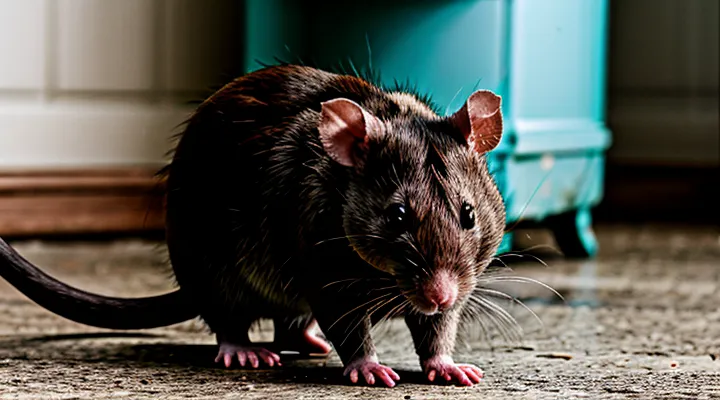
Understanding Genital Bleeding in Rats
Anatomy and Physiology of the Rat Reproductive System
Female Reproductive System
The female reproductive tract of rats consists of the ovary, oviduct, uterus, cervix and vagina. Ovarian follicles produce estradiol and progesterone, which drive cyclic changes in the uterine lining and cervical mucus. The uterus is a muscular organ capable of rapid expansion and contraction; its inner endometrium undergoes proliferation and shedding in response to hormonal cues. The cervix provides a barrier to external contaminants while allowing passage of sperm and, during estrus, permits vaginal discharge.
Hemorrhagic episodes in the genital region arise when normal regulatory mechanisms fail. Primary sources include:
- Hormonal dysregulation (e.g., prolonged estrus, anovulation)
- Infectious agents (bacterial, viral, parasitic inflammation of the uterus or vagina)
- Neoplastic growths (uterine leiomyoma, vaginal carcinoma)
- Traumatic injury (penile intromission, cage‑related abrasions)
- Uterine pathology (pyometra, endometrial hyperplasia, uterine torsion)
Accurate identification of the cause relies on a combination of methods. Visual inspection detects active bleeding and discharge. Vaginal cytology reveals estrous stage and inflammatory cells. Ultrasonography evaluates uterine size, wall thickness and fluid accumulation. Blood panels assess anemia, leukocytosis and coagulation status. Histopathology of excised tissue confirms neoplasia or infectious lesions.
Therapeutic interventions are selected according to etiology:
- Hormonal modulation: administration of progesterone analogues or GnRH antagonists to suppress estrus and stabilize the endometrium.
- Antimicrobial therapy: broad‑spectrum antibiotics for bacterial infections; antiparasitic agents when indicated.
- Hemostatic agents: tranexamic acid or topical fibrin sealants applied to localized wounds.
- Surgical options: ovariectomy to eliminate cyclic hormonal drive; uterine evacuation or resection for pyometra or tumor removal.
- Supportive care: fluid replacement, iron supplementation and analgesia to mitigate systemic effects.
Research protocols that involve female rats should incorporate routine monitoring of estrous cycles, periodic vaginal examinations and prompt intervention at the first sign of bleeding. Environmental enrichment, proper cage design and gentle handling reduce trauma risk, while prophylactic hormonal regulation can prevent hormonally driven hemorrhage. These measures improve animal welfare and enhance data reliability in studies addressing genital bleeding.
Male Reproductive System
The male reproductive system of laboratory rats consists of the testes, epididymides, vas deferens, seminal vesicles, prostate, and urethra. These organs generate sperm, store and transport it, and produce accessory fluids that form the ejaculate. Vascular networks surrounding the testes and accessory glands are dense, making them susceptible to hemorrhagic events.
Bleeding within the genital tract may originate from several sources. Damage to testicular parenchyma, rupture of epididymal vessels, inflammation of the prostate, or ulceration of the urethral mucosa can each produce visible hemorrhage. The proximity of the spermatic cord to major arteries increases the risk that trauma or pathological dilation leads to blood loss.
Common contributors to genital bleeding in male rats include:
- Mechanical injury (e.g., cage aggression, handling mishaps)
- Bacterial or fungal infection of the prostate, epididymis, or urethra
- Neoplastic growths in testes, seminal vesicles, or prostate
- Hormonal dysregulation causing vascular fragility
- Congenital or acquired vascular malformations
Accurate diagnosis requires a combination of visual examination, microscopic analysis of tissue samples, and imaging techniques such as high‑frequency ultrasound. Hematological profiling (complete blood count, coagulation panel) assists in identifying systemic coagulopathies that may exacerbate local bleeding.
Therapeutic interventions are selected based on etiology and severity:
- Immediate hemostasis through pressure application or cauterization
- Broad‑spectrum antibiotics for confirmed infections, with culture‑guided adjustments when possible
- Surgical excision of neoplastic lesions or damaged tissue, followed by suturing of vascular structures
- Hormone therapy (e.g., anti‑androgens) to reduce vascular pressure in cases of hormonal imbalance
- Supportive care including fluid replacement, analgesics, and monitoring of hematocrit levels
Effective management integrates prompt control of hemorrhage, targeted treatment of underlying pathology, and ongoing observation to prevent recurrence.
Causes of Genital Bleeding in Female Rats
Uterine and Vaginal Conditions
Pyometra
Pyometra is a suppurative infection of the uterine cavity that frequently presents with vaginal hemorrhage in female rats. The condition develops when bacterial colonization of the endometrium coincides with hormonal stimulation, typically during the luteal phase of the estrous cycle. Elevated progesterone levels suppress uterine immunity, allowing opportunistic organisms such as Escherichia coli to proliferate and produce toxins that damage the endometrial lining. Tissue necrosis and increased vascular permeability result in persistent blood loss from the genital tract.
Clinical indicators include:
- Persistent vaginal discharge containing blood and pus
- Abdominal distension due to uterine enlargement
- Anemia reflected by reduced hematocrit values
- Elevated body temperature and leukocytosis
Diagnostic confirmation relies on ultrasonographic visualization of an enlarged, fluid‑filled uterus and cytological examination of vaginal smears for inflammatory cells and bacterial presence. Hematological profiling assists in assessing the severity of hemorrhagic loss.
Therapeutic intervention consists of:
- Immediate antimicrobial therapy targeting Gram‑negative bacteria; broad‑spectrum agents such as enrofloxacin are commonly employed.
- Surgical removal of the infected uterus (ovariohysterectomy) when medical management fails or when the animal exhibits signs of systemic compromise.
- Supportive care including fluid replacement, iron supplementation, and analgesia to mitigate pain and restore blood volume.
Prognosis improves markedly with early detection and prompt treatment. Preventive measures focus on regulating breeding cycles, minimizing hormonal fluctuations, and maintaining strict hygiene to reduce bacterial exposure.
Endometrial Hyperplasia
Endometrial hyperplasia in laboratory rats manifests as a proliferative thickening of the uterine lining, frequently accompanied by vaginal hemorrhage. The condition directly contributes to abnormal genital bleeding and serves as a model for studying similar pathologies in other species.
Causes
- Chronic exposure to high‑dose estrogen or estrogen‑mimicking chemicals.
- Persistent hyperprolactinemia.
- Obesity‑related adipose conversion of androgens to estradiol.
- Inflammatory processes within the uterine wall.
- Genetic predisposition affecting steroid hormone receptors.
Pathophysiology
Excessive estrogen stimulation drives glandular and stromal cell proliferation, resulting in an expanded, highly vascularized endometrium. Fragile neovascular networks rupture under normal uterine contractility, producing intermittent bleeding.
Diagnostic approaches
- Histological examination of uterine tissue reveals glandular crowding and stromal edema.
- Transabdominal ultrasonography detects increased endometrial thickness.
- Serum assays measure estradiol, progesterone, and prolactin concentrations to identify hormonal imbalance.
Therapeutic interventions
- Progesterone administration restores hormonal equilibrium, induces secretory transformation, and reduces bleeding.
- Gonadotropin‑releasing hormone (GnRH) agonists suppress ovarian estrogen output.
- Selective estrogen receptor modulators (SERMs) block estrogenic stimulation of the endometrium.
- Surgical excision of hyperplastic tissue (partial hysterectomy) for refractory cases.
- Dietary modification to limit phytoestrogen intake and control body weight.
Preventive measures
- Eliminate or limit exposure to environmental estrogenic compounds.
- Maintain optimal body condition through calibrated feeding regimens.
- Implement regular hormonal monitoring in breeding colonies to detect early dysregulation.
Effective management of endometrial hyperplasia mitigates genital bleeding, improves animal welfare, and enhances the reliability of experimental outcomes involving reproductive physiology.
Uterine Tumors
Uterine tumors are a frequent source of abnormal uterine bleeding in laboratory rats. These neoplasms develop from endometrial, stromal, or smooth‑muscle cells and can be classified as benign (e.g., leiomyomas) or malignant (e.g., adenocarcinomas). Tumor growth disrupts the normal architecture of the uterine wall, leading to erosion of blood vessels and intermittent or persistent hemorrhage.
Key factors that predispose rats to uterine tumor formation include:
- Chronic exposure to estrogenic compounds or endocrine disruptors.
- Genetic mutations affecting cell‑cycle regulators (e.g., p53, PTEN).
- Advanced age, which correlates with increased incidence of spontaneous neoplasia.
Effective management of tumor‑induced bleeding relies on both pharmacologic and surgical interventions. Pharmacologic options focus on hormonal modulation and hemostasis:
- Anti‑estrogen agents (tamoxifen, fulvestrant) to reduce proliferative stimulus.
- Gonadotropin‑releasing hormone (GnRH) antagonists to suppress ovarian hormone production.
- Intravenous tranexamic acid or ε‑aminocaproic acid to stabilize clots.
When medical therapy fails or the tumor presents a high risk of malignancy, surgical removal is indicated. Hysterectomy, performed under sterile conditions with appropriate anesthesia, eliminates the bleeding source and provides tissue for histopathological evaluation. Post‑operative care includes analgesia, infection prophylaxis, and monitoring for recurrence through periodic ultrasound or necropsy.
Understanding the etiological spectrum of uterine neoplasms and applying targeted treatment protocols reduces morbidity associated with genital hemorrhage in rat models, thereby improving the reliability of experimental outcomes.
Vaginitis
Vaginitis is a frequent source of genital hemorrhage in laboratory rats and can interfere with experimental outcomes. The condition arises when the vaginal epithelium becomes inflamed, leading to increased vascular permeability, tissue edema, and occasional bleeding. Recognizing vaginitis early helps prevent misinterpretation of bleeding data as a primary pathology.
Typical etiologic factors include:
- Microbial infection – bacterial, fungal, or viral agents colonize the vaginal mucosa, provoking inflammatory responses.
- Chemical irritation – exposure to irritants such as disinfectants, bedding materials, or experimental compounds can damage the epithelium.
- Hormonal imbalance – estrous cycle disruptions or exogenous hormone administration alter mucosal immunity and vascular stability.
- Trauma – handling, catheterization, or mating attempts may cause mechanical injury to the vaginal wall.
- Systemic disease – underlying immunodeficiency or metabolic disorders predispose rats to secondary vaginal inflammation.
Effective management relies on a combination of diagnostic confirmation and targeted therapy:
- Microbial culture and sensitivity testing to identify pathogenic organisms, followed by appropriate antimicrobial agents (e.g., broad‑spectrum antibiotics for bacterial infections, azole antifungals for yeast).
- Removal of irritants by switching to low‑dust bedding, using non‑toxic cleaning agents, and ensuring proper ventilation.
- Hormonal regulation through controlled administration of estradiol or progesterone to stabilize the estrous cycle when hormonal fluctuations are implicated.
- Supportive care including analgesics (e.g., meloxicam) for pain relief and anti‑inflammatory drugs (e.g., corticosteroids) when inflammation is severe but infection is excluded.
- Environmental enrichment and gentle handling to minimize stress‑induced immune suppression and reduce the risk of mechanical injury.
Monitoring protocols should incorporate regular vaginal swabs, visual inspection for discharge or blood, and weight tracking. Prompt intervention curtails the duration of bleeding, preserves animal welfare, and maintains the integrity of experimental data involving genital tract pathology.
Prolapse of the Uterus or Vagina
Prolapse of the uterus or vagina is a frequent source of genital hemorrhage in laboratory rats. The condition occurs when the reproductive tract descends through the vulvar opening, exposing mucosal surfaces to trauma and infection. Typical triggers include high estrogen levels, rapid weight gain, constipation, and excessive handling. Strains predisposed to reproductive abnormalities, such as Sprague‑Dawley and Wistar, display higher incidence rates.
Clinical presentation consists of visible protrusion, reddened tissue, and continuous bleeding that may range from slight spotting to profuse loss. Animals often exhibit reduced grooming, reluctance to move, and signs of pain. Palpation confirms loss of structural support, while visual inspection determines the extent of tissue involvement.
Diagnostic steps:
- External examination under gentle restraint.
- Assessment of bleeding volume and tissue viability.
- Evaluation for concurrent infections through swab culture if discharge is present.
- Radiographic or ultrasonographic imaging only when internal organ involvement is suspected.
Therapeutic measures focus on immediate hemostasis and restoration of anatomical position:
- Apply sterile saline-moistened gauze to control bleeding.
- Administer analgesics (e.g., buprenorphine) and broad‑spectrum antibiotics (e.g., enrofloxacin) to prevent infection.
- Perform manual reduction under anesthesia, using a lubricated gloved finger to reposition the prolapsed segment.
- If reduction fails, suture the vaginal or uterine wall with absorbable material (e.g., 5‑0 polyglactin) to maintain closure.
- Monitor for recurrence; repeat reduction or consider ovariectomy in chronic cases.
Preventive strategies include maintaining appropriate body condition, providing high‑fiber diet to reduce constipation, minimizing hormonal fluctuations by limiting exogenous estrogen exposure, and ensuring gentle handling during cage cleaning and experimental procedures. Regular health checks allow early detection and prompt intervention, reducing mortality associated with genital bleeding.
Ovarian and Hormonal Issues
Ovarian Cysts
Ovarian cysts are fluid‑filled structures that develop on the rat ovary and frequently contribute to abnormal genital bleeding. They arise from follicular arrest, luteinization defects, or hormonal imbalances that prevent normal ovulation. Cysts enlarge the ovarian capsule, disrupt vascular integrity, and may rupture, releasing blood into the uterine tract.
Typical manifestations include intermittent vaginal spotting, enlarged ovaries detectable by palpation or imaging, and altered estrous cycles. Diagnosis relies on transabdominal ultrasonography, which identifies anechoic or hypoechoic lesions, and histopathological examination confirming cystic epithelium without malignant features.
Therapeutic strategies focus on eliminating the cyst and restoring hormonal equilibrium:
- Surgical excision or oophorectomy for large, refractory cysts.
- Hormonal therapy with gonadotropin‑releasing hormone agonists to suppress follicular development.
- Administration of progesterone analogues to stabilize the endometrium and reduce bleeding.
- Anti‑inflammatory agents to mitigate local tissue irritation.
Preventive measures emphasize consistent monitoring of estrous patterns, avoidance of endocrine disruptors in feed or water, and maintenance of optimal environmental conditions that minimize stress‑induced hormonal fluctuations. Regular ultrasonographic screening of breeding colonies allows early detection and intervention before cysts provoke significant hemorrhage.
Hormonal Imbalances
Hormonal dysregulation frequently underlies genital hemorrhage in laboratory rats. Elevated estrogen without compensatory progesterone destabilizes the vaginal epithelium, while deficient progesterone prolongs endometrial proliferation, both conditions increasing vessel fragility. Abnormal prolactin secretion can disrupt the estrous cycle, leading to irregular bleeding episodes. Imbalances in luteinizing hormone and follicle‑stimulating hormone further perturb ovarian output, aggravating mucosal integrity.
Diagnostic assessment relies on serum hormone profiling and histopathological examination of reproductive tissues. Quantitative ELISA for estradiol, progesterone, prolactin, LH, and FSH identifies deviations from normative ranges. Microscopic analysis reveals epithelial thinning, edema, and vascular ectasia consistent with hormonal influence.
Therapeutic interventions target restoration of endocrine equilibrium:
- Estrogen antagonists (e.g., tamoxifen) to counteract hyperestrogenism.
- Progesterone supplementation (medroxyprogesterone acetate) to promote epithelial stabilization.
- Dopamine agonists (bromocriptine) to reduce excess prolactin.
- Gonadotropin‑releasing hormone analogs to normalize LH and FSH secretion.
Adjunctive measures include supportive care with iron supplementation and monitoring of bleeding frequency. Continuous hormone level verification ensures sustained remission and prevents recurrence.
Systemic Diseases and Injuries
Coagulopathies
Coagulopathies represent a primary physiological disturbance behind hemorrhage from the genital tract in laboratory rats. Deficiencies or dysfunctions in clotting factors, platelet abnormalities, and secondary fibrinolytic activation each impair hemostasis, allowing blood loss to persist despite normal vascular integrity. In experimental settings, these disorders often arise spontaneously in genetically predisposed strains, are induced by toxicants, or develop secondary to systemic disease.
Common coagulopathic conditions observed in rats include:
- Deficiency of clotting factor VIII or IX (hemophilia models)
- Vitamin K antagonism leading to reduced prothrombin and factors VII, IX, X
- Immune‑mediated thrombocytopenia causing severe platelet depletion
- Disseminated intravascular coagulation (DIC) triggered by endotoxemia or severe trauma
Accurate diagnosis relies on quantitative assays: plasma prothrombin time (PT), activated partial thromboplastin time (aPTT), platelet counts, and fibrin degradation product measurements. Comparative analysis of these parameters distinguishes primary clotting factor deficits from consumptive coagulopathies such as DIC.
Therapeutic interventions target the underlying defect and support hemostasis. Effective measures comprise:
- Replacement therapy with recombinant clotting factors or plasma-derived concentrates for factor deficiencies.
- Administration of vitamin K1 (phytonadione) to reverse antagonism and restore synthesis of vitamin‑dependent factors.
- Immunosuppressive protocols (e.g., corticosteroids) to mitigate antibody‑mediated platelet destruction.
- Antifibrinolytic agents (e.g., tranexamic acid) to curb excessive fibrinolysis in DIC.
Supportive care, including controlled fluid therapy and avoidance of additional trauma, enhances recovery. Monitoring of coagulation profiles throughout treatment ensures timely adjustment of dosing and prevents complications.
Trauma
Trauma to the perineal and reproductive structures is a frequent precipitant of genital hemorrhage in laboratory rats. Direct blunt force, accidental lacerations during handling, and surgical incisions can rupture vascular networks, producing rapid blood loss. The severity of bleeding correlates with the depth of tissue disruption and the involvement of major vessels such as the pudendal artery.
Immediate management focuses on hemostasis and stabilization. Recommended steps include:
- Application of sterile pressure to the wound for 3–5 minutes to control active bleeding.
- Administration of isotonic crystalloid solution (e.g., 0.9 % saline) at 10 ml kg⁻¹ h⁻¹ to maintain circulatory volume.
- Intravenous injection of a short‑acting vasoconstrictor (e.g., phenylephrine, 0.5 µg kg⁻¹) when pressure alone is insufficient.
- Placement of a temporary ligature on the affected vessel if direct compression fails, using absorbable suture material (e.g., 5‑0 polyglactin).
After hemostasis, analgesia and infection prophylaxis are essential. Buprenorphine (0.05 mg kg⁻¹ SC) provides effective pain control, while a single dose of enrofloxacin (10 mg kg⁻¹ SC) reduces bacterial contamination risk. Continuous monitoring for signs of hypovolemia, such as reduced heart rate and pale mucous membranes, guides fluid therapy adjustments.
Long‑term outcomes depend on the extent of tissue damage. Minor lacerations typically heal within 7–10 days, with no impact on reproductive performance. Extensive trauma may cause fibrosis, impairing fertility; histological assessment at 14 days post‑injury can identify such complications. In cases of persistent bleeding or delayed healing, re‑exploration of the wound and possible vascular repair are warranted.
Causes of Genital Bleeding in Male Rats
Preputial and Penile Conditions
Balanoposthitis
Balanoposthitis, inflammation of the glans penis and prepuce, is a frequent source of genital hemorrhage in laboratory rats. The condition arises from microbial invasion, traumatic injury, or chemical irritation, each capable of disrupting mucosal integrity and provoking bleeding.
Typical manifestations include swelling, erythema, purulent discharge, and intermittent blood spotting on the cage bedding. Palpation may reveal tenderness, while visual inspection confirms ulceration or necrotic tissue. Histopathology distinguishes acute suppurative inflammation from chronic fibrotic changes, guiding therapeutic choices.
Effective management combines:
- Antimicrobial therapy – broad‑spectrum antibiotics (e.g., enrofloxacin, amoxicillin‑clavulanate) administered intraperitoneally or orally for 7–10 days.
- Anti‑inflammatory agents – non‑steroidal drugs (meloxicam, carprofen) to reduce edema and pain.
- Local care – gentle cleaning with sterile saline, application of antiseptic ointments (chlorhexidine, povidone‑iodine) twice daily.
- Supportive measures – analgesia, fluid therapy, and nutritional supplementation to promote healing.
Preventive strategies focus on maintaining hygienic housing, avoiding excessive cage cleaning chemicals, and monitoring for aggressive grooming or mating behaviors that may precipitate trauma. Regular health checks enable early detection, limiting progression to severe bleeding and reducing experimental variability.
Penile Injury
Penile injury is a frequent source of genital hemorrhage in laboratory rats and can compromise experimental outcomes if not promptly recognized and managed. Injuries arise from direct mechanical trauma, surgical manipulation, exposure to caustic substances, or infectious agents that compromise vascular integrity.
Common causes include:
- Accidental crush or laceration during cage cleaning or handling.
- Incision or suturing errors in procedures involving the urethra or preputial tissue.
- Application of irritant chemicals such as phenol or formaldehyde.
- Bacterial or fungal infection leading to ulceration and vessel erosion.
Effective treatment protocols consist of:
- Immediate compression with sterile gauze to achieve hemostasis.
- Application of topical hemostatic agents (e.g., thrombin gel or ferric sulfate).
- Administration of analgesics (buprenorphine or meloxicam) to reduce pain‑induced stress.
- Systemic antibiotics (enrofloxacin or amoxicillin‑clavulanate) when infection is suspected.
- Daily inspection and documentation of bleeding, swelling, and wound healing until complete resolution.
Monitoring parameters such as hemoglobin levels, body weight, and behavior provide objective assessment of recovery and guide adjustments to supportive care. Prompt, evidence‑based intervention minimizes blood loss, reduces morbidity, and preserves the validity of research data involving genital health in rats.
Preputial Gland Abscess
Preputial gland abscesses frequently accompany genital hemorrhage in laboratory rats, representing a localized infection that can exacerbate bleeding and compromise animal welfare. The gland, situated ventrally to the prepuce, becomes inflamed when bacterial invasion follows trauma, obstruction, or systemic disease.
Typical etiologic factors include:
- Penetrating injury to the prepuce or surrounding skin
- Blockage of the glandular duct by debris or keratinous material
- Opportunistic bacteria such as Staphylococcus aureus or Streptococcus spp.
- Immunosuppression resulting from experimental manipulations or concurrent illness
Clinical signs manifest as swelling of the preputial area, palpable fluctuant mass, erythema, and occasional discharge. Hemorrhagic discharge may accompany the abscess, intensifying genital bleeding. Animals often exhibit reduced grooming, altered mating behavior, and signs of pain.
Diagnosis relies on visual examination, palpation, and, when necessary, ultrasonography to assess fluid accumulation. Sampling of purulent material for culture and sensitivity guides antimicrobial selection.
Effective treatment protocol involves:
- Systemic antibiotics chosen according to culture results; empiric therapy may start with broad‑spectrum agents such as enrofloxacin or amoxicillin‑clavulanate.
- Surgical drainage or needle aspiration to evacuate pus, followed by lavage with sterile saline.
- Analgesic administration (e.g., meloxicam) to control pain and reduce stress.
- Monitoring for resolution of swelling and cessation of bleeding over 3–5 days.
Preventive measures focus on maintaining clean housing conditions, regular inspection of the prepuce, and prompt removal of any foreign material that could obstruct the glandular duct. Reducing stressors and avoiding unnecessary trauma further diminish the risk of abscess formation and associated genital bleeding.
Urethral and Bladder Issues
Urethral Stones
Urethral calculi represent a significant source of hemorrhage within the male rat’s reproductive tract. Stones form when mineral salts precipitate in the urethra, often in conjunction with urinary stasis or infection. The resulting obstruction elevates intraluminal pressure, leading to mucosal rupture and bleeding that may extend to the genital region.
Typical precipitating factors include:
- High dietary calcium or oxalate levels
- Chronic urinary tract infection with urease‑producing bacteria
- Urinary pH imbalances favoring crystal formation
- Structural abnormalities such as urethral strictures
Clinical signs consist of visible blood at the penile orifice, reduced urine output, and discomfort manifested by excessive grooming of the genital area. Diagnosis relies on palpation of a firm mass within the urethra, ultrasonographic identification of echogenic foci, and analysis of urine sediment for crystalline material.
Effective management comprises:
- Immediate relief of obstruction through gentle catheterization or surgical urethrotomy
- Administration of broad‑spectrum antibiotics targeting common rodent pathogens
- Correction of metabolic disturbances by adjusting dietary calcium, oxalate, and water intake
- Post‑procedural monitoring of urine flow and repeat imaging to confirm stone clearance
Long‑term prevention focuses on maintaining optimal urinary pH, providing a balanced mineral diet, and regular screening for recurrent infections. Implementing these measures reduces the incidence of urethral stones and associated genital bleeding in laboratory rat colonies.
Bladder Tumors
Bladder tumors are a frequent source of genital tract hemorrhage in laboratory rats. Tumor growth disrupts the mucosal lining, leading to blood loss that appears as vaginal or perineal bleeding. The condition frequently co‑occurs with urinary obstruction, weight loss, and reduced fertility, complicating experimental outcomes.
Typical etiologies include:
- Chemical carcinogens such as N‑nitrosodimethylamine administered in drinking water.
- Genetic predisposition in strains like Wistar‑Han and F344.
- Chronic irritation from urinary catheters or persistent infections.
Diagnostic procedures rely on:
- Palpation and ultrasound imaging to locate masses.
- Cystoscopic examination for direct visual assessment.
- Histopathological analysis of biopsy specimens to determine tumor grade.
Therapeutic interventions focus on controlling hemorrhage and reducing tumor burden:
- Surgical excision of accessible lesions, combined with hemostatic suturing.
- Intravesical chemotherapy using agents such as mitomycin C to limit local spread.
- Radiation therapy applied in fractionated doses for non‑resectable tumors.
- Supportive care with transfusions and iron supplementation to address anemia.
Prophylactic measures emphasize minimizing exposure to known carcinogens, maintaining sterile catheter protocols, and selecting rat strains with lower spontaneous tumor incidence. Implementing these strategies reduces the likelihood of bladder tumor‑related genital bleeding and improves the reliability of experimental data.
Systemic Diseases
Coagulopathies
Coagulopathies represent disorders of the hemostatic system that impair clot formation or stability. In laboratory rats, these conditions frequently underlie hemorrhage from the genital tract, complicating experimental outcomes and animal welfare. Typical mechanisms include deficiencies of clotting factors, platelet dysfunction, and excessive fibrinolysis.
Common etiologies of coagulopathy in rats are:
- Genetic mutations affecting factor VIII, IX, or V production.
- Acquired deficiencies caused by hepatic injury, vitamin K antagonism, or massive blood loss.
- Immune-mediated platelet depletion or inhibition.
- Exposure to anticoagulant rodenticides or therapeutic agents such as heparin.
Diagnostic evaluation begins with complete blood count, prothrombin time, activated partial thromboplastin time, and fibrinogen measurement. Confirmatory assays for specific factor activities and platelet aggregation studies refine the diagnosis. Rapid identification of the underlying defect guides therapeutic intervention.
Treatment strategies prioritize restoration of hemostasis while minimizing systemic toxicity. Approaches include:
- Administration of plasma or factor concentrates to replace deficient clotting proteins.
- Transfusion of platelet-rich plasma for thrombocytopenic states.
- Use of antifibrinolytic agents (e.g., tranexamic acid) when hyperfibrinolysis is evident.
- Cessation of anticoagulant exposure and reversal with vitamin K or protamine as appropriate.
Effective management of coagulopathies reduces genital bleeding incidence, stabilizes experimental variables, and improves overall health status of the animal cohort. Continuous monitoring of coagulation parameters throughout treatment ensures timely adjustment of therapy and prevents recurrence.
Diagnosis of Genital Bleeding
Physical Examination
Visual Inspection
Visual inspection serves as the first diagnostic step when genital hemorrhage is observed in laboratory rats. The examiner evaluates external anatomy, noting the presence, location, and intensity of blood. Color of the exudate distinguishes fresh arterial bleeding (bright red) from older venous or coagulated loss (dark red or brown). The extent of swelling, edema, or tissue discoloration provides clues about underlying inflammation or trauma.
Key elements to assess during inspection include:
- Bleeding site – pinpoint the exact orifice (vulva, preputial slit, perineal region) where blood emerges.
- Volume estimation – compare the area covered by blood to a standardized grid or use calibrated swabs to gauge quantity.
- Tissue integrity – look for lacerations, ulcerations, or necrotic patches that may indicate mechanical injury or infection.
- Concurrent signs – record any discharge, exudate odor, or abnormal secretions that suggest bacterial involvement.
- Behavioral cues – observe grooming, locomotion, or signs of discomfort that correlate with the severity of the hemorrhage.
Documentation should capture high‑resolution photographs with a scale reference, and a brief narrative describing each observation. Photographs must be stored in a secure, indexed database to allow longitudinal comparison.
Interpretation of visual findings guides subsequent interventions. Minor superficial bleeding without tissue damage may be managed with local hemostatic agents and monitoring. Extensive lacerations or persistent arterial flow require immediate surgical repair or pharmacologic hemostasis. Presence of purulent discharge alongside bleeding signals secondary infection, prompting antimicrobial therapy.
Regular visual checks, performed at defined intervals (e.g., every 2 hours during the acute phase), ensure timely detection of progression or resolution. Consistent methodology across personnel reduces variability and supports reliable data collection for experimental outcomes.
Palpation
Palpation provides direct tactile information about the presence and severity of genital hemorrhage in laboratory rats. The method involves gentle manual examination of the ventral abdomen and perineal region while the animal is restrained in a supine or lateral position. Skilled pressure distinguishes between normal tissue turgor, fluid accumulation, and clotted blood within the reproductive tract.
During palpation, the examiner assesses:
- Tissue firmness: increased rigidity suggests edema or clot formation.
- Tenderness: resistance to pressure indicates inflammation or ongoing bleeding.
- Masses: palpable nodules may represent hematomas or proliferative lesions.
- Temperature: localized warmth can accompany active hemorrhage.
Accurate interpretation depends on consistent technique. The practitioner should apply steady, low‑force pressure with the fingertips, avoiding excessive compression that could exacerbate bleeding. Repeating the examination at regular intervals (e.g., every 12–24 hours) tracks changes in tissue consistency and guides therapeutic decisions.
When palpation reveals persistent firmness or expanding masses, immediate intervention—such as hemostatic agents, surgical drainage, or adjustment of anticoagulant therapy—is warranted. Conversely, a return to normal tissue pliability signals effective control of the bleeding source and supports continuation of the current treatment regimen.
Diagnostic Imaging
X-rays
X‑ray imaging provides a rapid, non‑invasive method for visualizing the pelvic and perineal regions of laboratory rats when genital hemorrhage is suspected. Standard radiographic systems equipped with high‑resolution detectors capture fine bony and soft‑tissue details, allowing clinicians to identify structural abnormalities that may underlie bleeding.
In practice, rats are positioned in dorsal recumbency with the hind limbs extended to expose the pelvis. Exposure parameters are adjusted to deliver a peak kilovoltage of 35–45 kV and a milliamperage‑seconds setting of 0.5–1 mAs, producing images with sufficient contrast while keeping the absorbed dose below 0.1 Gy. Micro‑computed tomography can be employed when three‑dimensional assessment of vascular lesions or tumor infiltration is required.
Typical radiographic signs associated with genital bleeding include:
- Localized soft‑tissue opacity consistent with hematoma formation.
- Disruption or irregularity of the pelvic bone margins suggesting traumatic fracture.
- Radiopaque masses indicating neoplastic growth that may erode vascular structures.
- Presence of contrast extravasation when iodinated agents are administered intravenously.
Radiation safety protocols mandate the use of lead shielding around the animal’s torso and the implementation of dose‑monitoring software to prevent cumulative exposure that could interfere with experimental outcomes. Calibration of the imaging system before each session ensures reproducibility and accuracy.
X‑ray findings directly inform therapeutic decisions. Surgeons rely on the identified location and extent of hematoma to plan incision sites and minimize tissue disruption. Interventional radiology techniques, such as percutaneous embolization, can be guided by fluoroscopic visualization of bleeding vessels. Post‑treatment radiographs verify hemostasis and detect potential complications, including re‑bleeding or infection.
Overall, X‑ray modalities furnish essential anatomical information, support precise intervention, and enable objective monitoring of recovery in rats experiencing genital bleeding.
Ultrasound
Ultrasound provides real‑time visualization of the reproductive tract in laboratory rats, enabling precise identification of hemorrhagic sites. High‑frequency transducers penetrate the abdominal wall, producing images that differentiate blood accumulation from surrounding tissues. This capability shortens diagnostic latency and informs therapeutic decisions without sacrificing the animal.
Key applications include:
- Detecting active bleeding in the vagina, uterus, or accessory glands.
- Measuring the volume of collected blood to assess severity.
- Guiding minimally invasive interventions such as needle aspiration or localized drug delivery.
- Monitoring post‑treatment resolution through serial scans.
When employing ultrasound for genital hemorrhage, follow a standardized protocol:
- Anesthetize the rat using an inhalant or injectable agent that does not alter vascular tone.
- Apply a warm, conductive gel to the ventral abdomen to ensure acoustic coupling.
- Position the animal supine; align the probe longitudinally along the midline to capture the full reproductive axis.
- Adjust depth and gain settings to optimize contrast between echogenic blood clots and soft tissue.
- Record baseline images, then repeat at defined intervals (e.g., 30 min, 2 h, 24 h) to track changes.
Ultrasound also facilitates differential diagnosis by revealing alternative causes of bleeding, such as neoplastic lesions or inflammatory masses, which may demand distinct treatment pathways. Integration of this imaging modality into experimental workflows improves outcome reliability and reduces animal welfare concerns.
Laboratory Tests
Complete Blood Count (CBC)
The complete blood count (CBC) provides quantitative data essential for evaluating rats with genital hemorrhage. It measures red and white cell parameters, hemoglobin concentration, hematocrit, and platelet indices, all of which reflect the physiological response to bleeding and guide therapeutic decisions.
Red‑cell metrics reveal the extent of blood loss. A decline in hemoglobin, hematocrit, or red‑cell count indicates acute or chronic anemia, prompting fluid replacement or transfusion. Reticulocyte elevation signals bone‑marrow compensation and may influence the timing of interventions.
White‑cell analysis distinguishes inflammatory or infectious contributors. Neutrophilia suggests bacterial involvement, whereas lymphocytosis may accompany viral or immune‑mediated processes. Eosinophil increases point to parasitic or allergic etiologies. These patterns help prioritize antimicrobial or anti‑inflammatory treatment.
Platelet count and function assess hemostatic capacity. Thrombocytopenia or impaired platelet indices (mean platelet volume, platelet distribution width) increase bleeding risk and may require platelet transfusion or agents that enhance platelet activity. Conversely, thrombocytosis can indicate reactive changes to inflammation.
A typical CBC profile for rats experiencing genital bleeding includes:
- Reduced hemoglobin, hematocrit, and red‑cell count.
- Elevated reticulocyte percentage.
- Neutrophil predominance or mixed leukocyte shift.
- Decreased platelet number or abnormal platelet indices.
Interpretation of these values must consider species‑specific reference ranges and the timing of sample collection relative to the bleeding episode. Serial CBCs allow monitoring of therapeutic efficacy, detecting resolution of anemia, normalization of leukocyte distribution, and restoration of platelet counts.
Urinalysis
Urinalysis supplies direct information about the physiological status of rats exhibiting genital hemorrhage. The test detects substances that correlate with the underlying cause of bleeding and guides therapeutic decisions.
- Presence of red blood cells or hemoglobin confirms concurrent urinary tract bleeding.
- Protein concentration identifies glomerular injury or severe inflammation.
- Specific gravity and osmolality assess renal concentrating ability, indicating dehydration or renal insufficiency.
- pH value reveals metabolic disturbances that may influence clotting.
- Leukocyte count and bacterial growth indicate infection of the urinary system.
Interpretation of these results distinguishes primary genital sources from secondary urinary involvement. Detectable hematuria suggests urethral or bladder trauma, while elevated protein without hematuria points to renal pathology that could exacerbate bleeding. Abnormal specific gravity coupled with high leukocyte counts signals infection‑induced inflammation, requiring antimicrobial therapy.
Therapeutic protocols incorporate urinalysis findings: fluid replacement corrects dehydration indicated by low specific gravity; diuretics are avoided when renal function is compromised; antibiotics are selected based on cultured organisms; and analgesics are adjusted according to the severity of urinary irritation. Continuous monitoring of urine parameters ensures that treatment remains effective and that complications such as renal failure are identified early.
Coagulation Profile
A coagulation profile provides quantitative data on the hemostatic system of rats experiencing genital hemorrhage. The profile typically includes prothrombin time (PT), activated partial thromboplastin time (aPTT), fibrinogen concentration, platelet count, thrombin time, and D-dimer level. Each parameter reflects a specific component of the clotting cascade and helps identify deficiencies or hyper‑coagulable states that may exacerbate bleeding.
PT and aPTT measure the extrinsic and intrinsic pathways, respectively. Prolonged values indicate reduced activity of clotting factors VII, X, V, II, or deficiencies in factors VIII, IX, XI, XII. Fibrinogen, an acute‑phase protein, drops when consumption exceeds synthesis; low concentrations suggest disseminated intravascular coagulation. Platelet count assesses primary hemostasis; thrombocytopenia directly impairs clot formation at the injury site. Thrombin time evaluates conversion of fibrinogen to fibrin; an extended time can result from hypofibrinogenemia or fibrinogen dysfunction. Elevated D‑dimer reflects increased fibrinolysis and ongoing clot breakdown.
Interpretation of the profile guides therapeutic decisions. When PT or aPTT is prolonged, supplementation with fresh frozen plasma or specific clotting factor concentrates restores clotting potential. Vitamin K administration corrects deficiencies in vitamin K‑dependent factors. Low fibrinogen levels respond to cryoprecipitate or fibrinogen concentrate. Thrombocytopenia warrants platelet transfusion or agents that stimulate megakaryopoiesis. Persistent fibrinolysis, indicated by high D‑dimer, can be mitigated with antifibrinolytic drugs such as tranexamic acid.
Routine monitoring of these indices before and after intervention allows assessment of treatment efficacy and early detection of secondary coagulopathies.
Hormone Assays
Hormone assays provide quantitative data essential for diagnosing the endocrine disturbances that often precede or accompany reproductive tract bleeding in laboratory rats. By measuring circulating concentrations of estrogen, progesterone, luteinizing hormone (LH), and prolactin, researchers can identify hormonal imbalances that trigger endometrial hyperplasia, vascular fragility, or coagulopathy, all of which contribute to vaginal hemorrhage.
Typical assay formats include:
- Enzyme‑linked immunosorbent assay (ELISA) – high sensitivity, suitable for small plasma volumes.
- Radioimmunoassay (RIA) – reliable for low‑abundance steroids, requires specialized facilities.
- Chemiluminescent immunoassay (CLIA) – rapid turnaround, compatible with automated platforms.
- Mass‑spectrometry–based quantification – precise profiling of multiple steroids in a single run.
Sample collection must occur at defined estrous phases to reduce physiological variability. Blood is drawn from the tail vein or retro‑orbital sinus, centrifuged within 30 minutes, and serum stored at –80 °C until analysis. Validation steps include calibration with reference standards, assessment of intra‑ and inter‑assay coefficients of variation, and confirmation of assay specificity through cross‑reactivity testing.
Interpretation of results links hormonal status to therapeutic choices. Elevated estradiol with suppressed progesterone suggests estrogen‑driven endometrial proliferation; treatment may involve anti‑estrogenic agents or progesterone supplementation. Low LH and high prolactin indicate pituitary dysregulation, guiding the use of dopamine agonists. Hormone assay data also serve to monitor the efficacy of interventions, with serial measurements documenting normalization of hormone levels and correlating with cessation of bleeding.
Common pitfalls involve hemolysis, which interferes with optical readouts, and improper timing relative to the estrous cycle, leading to misleading concentrations. Implementing strict sampling protocols and employing assay controls mitigates these risks, ensuring reliable hormone profiling that directly informs the management of genital bleeding in rat models.
Cytology and Biopsy
Genital hemorrhage in laboratory rats demands rapid, accurate diagnosis to guide therapeutic interventions and maintain colony health. Cytological examination and tissue biopsy provide complementary information on the underlying pathology.
Cytology obtains exfoliated cells from the vaginal or uterine mucosa using sterile swabs, lavage, or brush techniques. Samples are immediately transferred to a fixative (e.g., ethanol or methanol) and stained with rapid methods such as Diff‑Quik or Papanicolaou. Microscopic assessment identifies inflammatory infiltrates, epithelial dysplasia, infectious agents, and necrotic debris. Quantitative criteria—cellular density, nuclear-to-cytoplasmic ratio, presence of mitotic figures—allow differentiation between acute irritation and neoplastic processes.
Biopsy acquires a solid tissue fragment for histological analysis. Preferred approaches include:
- Transvaginal punch biopsy: small circular cutter introduced through the vulva under brief anesthesia.
- Laparoscopic excisional biopsy: endoscopic instruments retrieve a segment of the uterine wall or cervix with minimal disruption.
- Post‑mortem core sampling: for severe cases where in‑life sampling is impractical.
Specimens are fixed in 10 % neutral‑buffered formalin, embedded in paraffin, sectioned at 4–5 µm, and stained with hematoxylin‑eosin. Additional stains (Masson’s trichrome, immunohistochemistry for Ki‑67 or cytokeratin) reveal fibrosis, vascular proliferation, and cellular origin. Histopathology confirms diagnoses suggested by cytology, identifies malignant transformation, and assesses margin status when surgical excision is contemplated.
Integrating cytological screening with targeted biopsy streamlines the diagnostic workflow. Initial cytology screens large cohorts, flags abnormal cases, and directs biopsy to lesions with the highest probability of serious disease. Histological confirmation then informs treatment choices—antibiotic therapy for infectious inflammation, hormonal modulation for estrous cycle disorders, or surgical resection for neoplasia. This combined approach reduces animal morbidity, optimizes resource allocation, and supports evidence‑based management of reproductive tract bleeding in rats.
Treatment Approaches for Genital Bleeding
Medical Management
Antibiotics
Antibiotic therapy addresses secondary bacterial infections that commonly accompany genital hemorrhage in laboratory rats. Prompt antimicrobial administration reduces the risk of septic complications, supports tissue repair, and improves survival rates during experimental protocols.
Typical agents include:
- Enrofloxacin, a fluoroquinolone with broad‑spectrum activity against Gram‑negative and Gram‑positive organisms.
- Amoxicillin–clavulanic acid, a β‑lactam combination effective against many anaerobes and β‑lactamase‑producing strains.
- Trimethoprim‑sulfamethoxazole, useful for opportunistic pathogens such as Pseudomonas spp. and Staphylococcus spp.
Dosage regimens must reflect the animal’s weight, infection severity, and pharmacokinetic properties. Intraperitoneal injection provides rapid systemic exposure; oral administration via gavage may be preferable for prolonged treatment. Therapeutic monitoring should include clinical signs, hematologic parameters, and, when feasible, culture‑sensitivity testing to confirm pathogen susceptibility.
Adjunct measures enhance antibiotic efficacy:
- Maintain a clean environment to limit re‑contamination.
- Provide analgesia to reduce stress‑induced immunosuppression.
- Ensure adequate hydration and nutrition to support immune function.
Failure to address bacterial invasion can transform a localized hemorrhagic event into a systemic infection, compromising experimental outcomes and animal welfare. Proper selection and administration of antibiotics constitute a critical component of the overall management strategy for genital bleeding in rats.
Anti-inflammatory Medications
Anti‑inflammatory agents are integral to managing genital hemorrhage in laboratory rats when inflammation aggravates vascular injury. Their primary function is to suppress prostaglandin synthesis, thereby reducing edema, pain, and secondary bleeding. Selection depends on the severity of the lesion, the animal’s physiological status, and the experimental timeline.
Commonly employed non‑steroidal anti‑inflammatory drugs (NSAIDs) include:
- Meloxicam – 1–2 mg kg⁻¹ day⁻¹, subcutaneous or oral; long‑acting, minimal impact on platelet aggregation at therapeutic doses.
- Carprofen – 5 mg kg⁻¹ day⁻¹, oral or intraperitoneal; effective for moderate inflammation, monitor for gastrointestinal irritation.
- Ketoprofen – 5 mg kg⁻¹ day⁻¹, subcutaneous; rapid onset, may prolong bleeding time at higher concentrations.
Corticosteroids provide a broader immunosuppressive effect:
- Dexamethasone – 0.2 mg kg⁻¹ day⁻¹, intramuscular; powerful anti‑inflammatory action, can impair wound healing and increase infection risk.
When using NSAIDs, consider the following precautions:
- Avoid concurrent anticoagulants; additive effects on clotting can exacerbate hemorrhage.
- Adjust dosage for aged or compromised rats; reduced renal clearance heightens toxicity.
- Observe for signs of ulceration, especially with prolonged therapy.
Corticosteroid therapy requires careful timing. Initiating treatment before hemostasis may delay clot formation, while delayed administration can mitigate persistent inflammation without compromising clot stability. Monitoring includes daily inspection of the genital area, measurement of bleeding volume, and assessment of hematocrit levels.
In experimental protocols, anti‑inflammatory medication should be documented with exact dose, route, and timing relative to the bleeding event. This ensures reproducibility and enables accurate interpretation of therapeutic outcomes.
Hormone Therapy
Hormone therapy is employed to modulate reproductive tract bleeding in laboratory rodents when endocrine imbalance is identified as a contributing factor. Administration of estradiol or progesterone can stabilize the endometrial lining, reducing the incidence of spontaneous hemorrhage. Dosage regimens are typically based on body weight (µg/kg) and delivered via subcutaneous injection or implanted osmotic pumps to maintain steady plasma concentrations.
Key considerations for effective hormonal intervention include:
- Selection of hormone type according to the underlying pathology (e.g., estrogen supplementation for hypoestrogenic states, progesterone for luteal phase deficiencies).
- Initiation of treatment after confirming hormonal profiles through serum assays.
- Monitoring of bleeding frequency and volume using standardized scoring systems at 24‑hour intervals.
- Adjustment of dose in response to observed side effects such as weight gain, behavioral changes, or secondary organ pathology.
Clinical outcomes reported in controlled studies demonstrate a reduction of bleeding episodes by 45‑70 % when therapy is initiated within three days of symptom onset. Long‑term administration may lead to endometrial hyperplasia; therefore, treatment courses are limited to 7‑14 days, followed by a tapering schedule to prevent rebound hemorrhage.
Blood Transfusions
Blood transfusion is a primary intervention when severe genital hemorrhage in laboratory rats leads to rapid blood loss and hemodynamic instability. The procedure restores circulating volume, improves oxygen delivery, and supports organ perfusion while underlying causes are addressed.
Indications
- Estimated blood loss exceeding 20 % of total blood volume.
- Persistent hypotension despite fluid resuscitation.
- Signs of tissue hypoxia, such as cyanosis or decreased activity.
Donor selection
- Healthy, age‑matched rats of the same strain.
- Negative for common pathogens; screened for hemolytic antibodies.
- Blood drawn from the tail vein or retro‑orbital sinus under anesthesia.
Collection and preparation
- Anticoagulant (e.g., citrate‑phosphate‑dextrose) added at 1 mL per 10 mL of blood.
- Whole blood filtered to remove clots; plasma separated if needed.
- Stored at 4 °C for no longer than 24 h; warmed to body temperature before infusion.
Administration
- Volume calculated as 0.2–0.3 mL per 100 g body weight, infused over 5–10 minutes.
- Infusion rate adjusted to avoid overload; monitor heart rate, blood pressure, and respiratory pattern.
- Post‑transfusion observation includes checking for signs of transfusion reaction (e.g., hemolysis, fever, agitation).
Risks and mitigation
- Immunologic incompatibility: mitigate by using strain‑matched donors.
- Over‑transfusion: avoid by adhering to calculated volumes and reassessing vital signs.
- Infection: reduce through aseptic technique and donor health screening.
Adjunctive measures
- Concurrent administration of isotonic crystalloids to maintain intravascular pressure.
- Hemostatic agents (e.g., tranexamic acid) applied locally to the bleeding site.
- Analgesics and antibiotics as required for pain control and infection prophylaxis.
Effective transfusion protocols, combined with rapid hemostasis and supportive care, increase survival rates in rats suffering from genital bleeding. Continuous monitoring ensures early detection of complications and guides timely adjustments to therapy.
Surgical Interventions
Ovariohysterectomy
Ovariohysterectomy, the surgical removal of the ovaries and uterus, is a definitive intervention for persistent genital hemorrhage in laboratory rats. The procedure eliminates cyclic hormonal fluctuations that can trigger endometrial hyperplasia, uterine neoplasia, or estrous‑related bleeding. By excising the reproductive tract, the source of blood loss is permanently removed, reducing the need for repeated pharmacological management.
Pre‑operative preparation includes fasting for 12 hours, administration of a broad‑spectrum antibiotic, and induction of anesthesia with isoflurane or injectable ketamine‑xylazine. The ventral midline incision provides access to the abdominal cavity; careful ligation of the ovarian pedicles and uterine body prevents postoperative hemorrhage. Closure of the abdominal wall with absorbable sutures restores tissue integrity.
Post‑operative care focuses on pain control, infection prevention, and monitoring for signs of abdominal distension or anemia. Analgesia with meloxicam or buprenorphine is typically continued for 48–72 hours. Daily inspection of the incision site and measurement of body weight support early detection of complications. Recovery is usually complete within 7–10 days, after which the animal exhibits normal behavior and stable hematocrit values.
Key considerations for employing this surgery as a treatment option:
- Indications: chronic uterine bleeding unresponsive to hormonal or medical therapy, uterine tumors, or severe endometrial pathology.
- Contraindications: severe systemic illness, coagulopathy, or advanced age with compromised healing capacity.
- Expected outcomes: immediate cessation of genital bleeding, elimination of hormone‑driven reproductive cycles, and reduction of morbidity associated with chronic blood loss.
- Potential risks: intra‑operative hemorrhage, infection, postoperative adhesions, and transient hypothermia.
When performed by trained personnel under aseptic conditions, ovariohysterectomy offers a reliable solution for controlling genital hemorrhage in rats, aligning surgical management with experimental welfare standards.
Tumor Removal
Tumor removal is a primary intervention when a neoplastic lesion causes genital tract hemorrhage in laboratory rats. Malignant or benign growths within the reproductive organs can erode vascular structures, leading to persistent bleeding that compromises animal welfare and experimental outcomes.
Surgical excision eliminates the source of blood loss and restores tissue integrity. The procedure includes:
- Pre‑operative assessment: imaging (ultrasound or MRI) to define tumor size and vascular involvement; complete blood count to evaluate anemia.
- Anesthesia: inhalational agents (isoflurane) with analgesic pre‑medication (buprenorphine) to ensure stable physiological parameters.
- Aseptic exposure: midline or flank incision according to tumor location; careful retraction to preserve surrounding musculature.
- Tumor isolation: blunt and sharp dissection to separate the mass from adjacent vessels; ligation of feeding arteries with absorbable sutures.
- Resection: complete excision with clear margins; intra‑operative frozen section, if available, to confirm tumor boundaries.
- Hemostasis: electrocautery or topical hemostatic agents applied to residual bleeding points.
- Closure: layered suturing of muscle, fascia, and skin; postoperative drainage if indicated.
Post‑operative management focuses on controlling residual bleeding, preventing infection, and monitoring recovery. Daily inspection of the surgical site, analgesic continuation for 48–72 hours, and hematologic checks until hemoglobin stabilizes are essential. When complete removal is achieved, genital bleeding typically resolves within 24–48 hours, reducing the need for adjunctive pharmacologic therapy.
Abscess Drainage
Abscess formation within the genital region of laboratory rats frequently accompanies hemorrhagic episodes. The accumulation of purulent material elevates pressure, disrupts vascular integrity, and exacerbates bleeding. Prompt evacuation of the collection restores tissue perfusion, reduces inflammatory mediators, and limits further blood loss.
The drainage procedure follows a sterile protocol:
- Anesthetize the animal with an injectable agent (e.g., ketamine‑xylazine) to achieve a surgical plane of anesthesia.
- Prepare the operative field using iodine‑based antiseptic and sterile drapes.
- Make a small incision (3‑5 mm) over the most fluctuant area identified by palpation.
- Insert a sterile blunt‑tipped cannula or fine scissors to open the abscess cavity.
- Express pus gently with sterile forceps or a syringe attached to a low‑vacuum system.
- Irrigate the cavity with warm sterile saline until effluent is clear.
- Place a loosely fitting absorbable gelatin sponge or a small drainage tube if continuous outflow is expected.
- Close the skin with a single absorbable suture or surgical glue; apply a topical antiseptic ointment.
Post‑procedure management includes:
- Analgesia (e.g., buprenorphine) administered at regular intervals for 48 hours.
- Broad‑spectrum antibiotics targeting common rodent pathogens (e.g., enrofloxacin) for 5‑7 days.
- Daily monitoring of incision site for swelling, discharge, or recurrence of bleeding.
- Adjustment of housing conditions to maintain a dry, low‑stress environment.
When performed correctly, abscess drainage mitigates the source of genitourinary hemorrhage, accelerates wound healing, and improves overall experimental outcomes.
Supportive Care
Pain Management
Pain control is a prerequisite for any protocol addressing genital hemorrhage in laboratory rats. Effective analgesia reduces stress‑induced physiological alterations that can confound experimental outcomes and improves animal welfare.
Assessment of discomfort relies on observable parameters. Typical indicators include:
- Reduced locomotion or nesting activity.
- Altered grooming patterns.
- Changes in facial expression scores (e.g., Rat Grimace Scale).
- Elevated heart rate or respiratory frequency measured by telemetry.
Pharmacologic interventions should be selected for rapid onset, reliable efficacy, and minimal interference with hemostatic processes. Common choices are:
- Non‑steroidal anti‑inflammatory drugs (NSAIDs): meloxicam 1–2 mg kg⁻¹ subcutaneously every 24 h; ibuprofen 30 mg kg⁻¹ orally every 12 h.
- Opioids: buprenorphine 0.05 mg kg⁻¹ subcutaneously every 8–12 h; fentanyl patches delivering 0.018 mg kg⁻¹ day⁻¹ for continuous coverage.
- Local anesthetics: lidocaine 2 % infiltrated around the affected area before surgical manipulation.
Adjunctive measures complement drug therapy:
- Warm, quiet recovery cages to limit agitation.
- Soft bedding and nesting material to encourage natural behaviors.
- Gentle handling to minimize additional stress.
Analgesic regimens must be reviewed at least twice daily. Adjustments are based on the severity of bleeding, observed pain scores, and any adverse drug reactions. Documentation of dosing intervals, drug concentrations, and behavioral observations ensures reproducibility and compliance with institutional guidelines.
Fluid Therapy
Fluid therapy is a primary intervention for rats experiencing hemorrhage from the genital tract. Rapid loss of plasma volume reduces cardiac output, lowers tissue perfusion, and accelerates hypovolemic shock. Replacing lost fluid restores circulatory stability, supports renal function, and facilitates clot formation.
Crystalloid solutions, such as isotonic saline (0.9 % NaCl) or balanced electrolyte mixes (e.g., Lactated Ringer’s), are preferred for initial resuscitation. Typical dosing begins with 10 mL kg⁻¹ administered over 15–30 minutes, followed by maintenance rates of 2–4 mL kg⁻¹ h⁻¹. Adjustments depend on ongoing blood loss, urine output, and body temperature.
Colloids (e.g., hydroxyethyl starch or albumin) may be added when severe hypo‑oncotic pressure persists despite crystalloid replacement. Dosage ranges from 5 to 10 mL kg⁻¹, delivered slowly to avoid sudden intravascular volume spikes.
Administration routes include:
- Subcutaneous injection for small volumes or when intravenous access is unavailable.
- Intravenous catheterization of the lateral tail vein for precise control of larger volumes.
- Intraosseous infusion as an emergency alternative when vascular access fails.
Monitoring parameters are essential:
- Heart rate and respiratory pattern.
- Capillary refill time.
- Skin turgor and mucous membrane color.
- Blood lactate concentration and hematocrit values.
Potential complications include fluid overload, electrolyte imbalance, and dilutional coagulopathy. To mitigate risks, limit total volume to 30–40 mL kg⁻¹ within 24 hours and periodically assess serum electrolytes.
When hemorrhage originates from a specific lesion (e.g., uterine rupture or vaginal ulcer), fluid therapy should be combined with hemostatic measures such as surgical ligation, topical agents, or systemic tranexamic acid. The coordinated approach maximizes survival chances and promotes rapid recovery.
Nutritional Support
Nutritional management is essential when addressing genital hemorrhage in laboratory rats, as inadequate diet can exacerbate blood loss and impede recovery. Energy deficits, protein deficiency, and micronutrient shortages directly affect clotting mechanisms, mucosal integrity, and immune function, all of which influence the severity of bleeding.
Key nutrients that support hemostasis and tissue repair include:
- Protein: High‑quality casein or soy protein at 20–25 % of the diet promotes synthesis of clotting factors and collagen.
- Vitamin K: Supplementation with 0.5–1 mg/kg feed enhances γ‑carboxylation of clotting proteins.
- Vitamin C: 100 mg/kg diet assists in collagen stabilization and reduces capillary fragility.
- Iron: 150 ppm elemental iron compensates for loss through bleeding and supports hemoglobin regeneration.
- Zinc: 30 ppm improves epithelial barrier function and wound healing.
- B‑complex vitamins: Particularly B₆ and B₁₂, which aid in red blood cell production and metabolic stability.
Dietary adjustments should replace standard chow with a formulation enriched in the above nutrients, while reducing components that may aggravate bleeding, such as excessive omega‑6 fatty acids or antithrombotic phytochemicals. Fluid intake must be maintained at 10–12 ml/100 g body weight daily; electrolyte‑balanced solutions can prevent hypovolemia.
Implementation protocol:
- Initiate enriched diet immediately after diagnosis.
- Provide fresh, palatable feed twice daily to ensure consumption of at least 90 % of offered food.
- Re‑evaluate hematocrit, plasma protein, and coagulation parameters every 48 hours.
- Adjust supplementation levels based on laboratory results, aiming for normalized clotting times within 5–7 days.
Consistent nutritional support, combined with targeted pharmacologic therapy, reduces the duration of bleeding episodes and promotes full recovery in affected rats.
Prognosis and Prevention
Prognosis Based on Underlying Cause
Genital hemorrhage in laboratory rats signals an underlying pathology that directly determines clinical outcome. Immediate identification of the etiologic factor allows accurate prediction of recovery probability and informs therapeutic intensity.
- Traumatic rupture of the vaginal or uterine wall: rapid blood loss, high mortality within 24 h if untreated; prompt surgical repair and fluid resuscitation raise survival to 60‑70 % in young adults.
- Neoplastic invasion (e.g., uterine leiomyosarcoma, vaginal carcinoma): progressive bleeding, chronic anemia; median survival 10‑14 days without chemotherapy, extending to 3‑4 weeks with cytotoxic agents and supportive care.
- Infectious inflammation (e.g., Mycoplasma spp., bacterial sepsis): variable hemorrhagic component, systemic signs; prognosis improves to 70‑80 % survival when broad‑spectrum antibiotics and anti‑inflammatory therapy commence within 12 h.
- Coagulopathy (e.g., vitamin K deficiency, hepatic dysfunction): diffuse bleeding, prolonged clotting times; correction of clotting cascade restores hemostasis, yielding 80‑90 % recovery in otherwise healthy animals.
- Hormonal dysregulation (e.g., estrus cycle disruption, endocrine tumors): intermittent spotting, mild anemia; prognosis favorable, with spontaneous resolution in 70‑80 % of cases after hormonal normalization.
Prognostic assessment must integrate cause, animal age, and physiological reserve. Early diagnostic imaging or necropsy clarifies the source, enabling targeted intervention. When the underlying factor is reversible (trauma, coagulopathy, infection, hormonal imbalance), survival exceeds 70 % with timely treatment. Malignant etiologies present limited long‑term outlook despite aggressive therapy.
Preventive Measures
Regular Veterinary Check-ups
Regular veterinary examinations are essential for early detection and management of genital hemorrhage in laboratory rats. Routine visits allow clinicians to observe subtle changes in behavior, coat condition, and perineal appearance that may precede overt bleeding. Early identification of underlying causes—such as hormonal imbalances, infectious agents, or traumatic injury—facilitates prompt intervention and reduces morbidity.
Key components of a standard check‑up include:
- Visual inspection of the genital region for erythema, discharge, or lesions.
- Palpation of the abdomen to assess uterine or ovarian enlargement.
- Collection of blood samples for complete blood count and biochemical profiling, which can reveal anemia, coagulopathies, or systemic infection.
- Urinalysis and fecal examination to rule out concurrent urinary or gastrointestinal pathology.
- Evaluation of weight trends and food intake, providing indirect evidence of discomfort or disease progression.
Scheduling guidelines recommend examinations at least once every four weeks for breeding colonies and biweekly for high‑risk groups, such as animals undergoing hormonal manipulation or experimental procedures involving the reproductive tract. Additional visits should be arranged immediately if any signs of genital bleeding appear.
During the appointment, veterinarians may perform diagnostic imaging (ultrasound or radiography) to visualize internal reproductive structures and identify masses, cysts, or uterine rupture. Cytological smears from discharge can detect bacterial or fungal pathogens, guiding targeted antimicrobial therapy.
Preventive strategies integrated into regular check‑ups include vaccination updates, parasite control, and environmental management to minimize stress and injury. Documentation of findings in a centralized health record enables trend analysis, facilitating population‑level interventions and refinement of experimental protocols.
In summary, systematic veterinary monitoring provides the clinical foundation for diagnosing, treating, and preventing genital bleeding in rats, ensuring animal welfare and the reliability of research outcomes.
Proper Diet and Environment
A balanced diet and a stable environment are fundamental for preventing and managing genital hemorrhage in laboratory rats. Nutritional adequacy supports mucosal integrity, coagulation pathways, and immune function, while environmental stability reduces stress‑induced physiological disturbances that can exacerbate bleeding.
Key dietary components include:
- Protein content of 18–22 % of total calories from high‑quality sources (e.g., casein, soy) to maintain tissue repair.
- Adequate levels of vitamin K (≈0.5 mg/kg feed) to ensure proper clotting factor synthesis.
- Sufficient omega‑3 fatty acids (≈1 % of diet) to modulate inflammatory responses.
- Micronutrients such as zinc (≈30 ppm) and vitamin C (≈150 ppm) to reinforce vascular health.
- Low‑phosphate and low‑sodium formulations to prevent renal overload, which can indirectly affect bleeding risk.
Environmental parameters that influence genital bleeding:
- Temperature maintained at 20–24 °C and relative humidity at 45–55 % to avoid dehydration and heat‑stress‑related vasodilation.
- Bedding made of non‑abrasive, absorbent material (e.g., paper pulp) to prevent mechanical irritation of the perineal area.
- Cage enrichment that limits excessive activity while providing stimulation, thereby reducing catecholamine spikes that can impair hemostasis.
- Light cycle of 12 h light/12 h dark to synchronize circadian rhythms, supporting hormonal regulation of coagulation.
- Air filtration achieving ≥ 15 ACH (air changes per hour) to limit exposure to airborne pathogens that may trigger inflammatory bleeding.
Implementing these dietary specifications and environmental controls reduces the incidence of genital bleeding, accelerates recovery when hemorrhage occurs, and improves overall experimental reliability.
Early Detection of Symptoms
Early identification of genital hemorrhage in laboratory rats requires systematic observation of behavioral and physiological changes. Researchers should monitor the following indicators:
- Discoloration or swelling of the perineal region, visible as erythema or edema.
- Presence of blood clots or wetness around the vulva or anal opening.
- Decreased grooming activity, especially in the genital area.
- Altered posture or reluctance to move, suggesting discomfort.
- Reduced food and water intake, which may accompany pain or systemic involvement.
Routine physical examinations, performed at least twice weekly, increase detection probability. Visual inspection should be conducted under consistent lighting conditions to avoid misinterpretation of normal coloration. Palpation of the genital tissues can reveal underlying hematomas before external bleeding becomes apparent.
Complementary diagnostic tools include:
- Hematological analysis to detect anemia or elevated inflammatory markers.
- Ultrasonography for identifying internal lesions or vascular disruptions.
- Histopathological sampling of suspect tissue when necropsy is warranted.
Implementing a standardized scoring system for these signs enables quantitative assessment and facilitates early therapeutic intervention. Prompt treatment—whether surgical hemostasis, pharmacological anticoagulation reversal, or supportive care—reduces morbidity and improves experimental outcomes.