
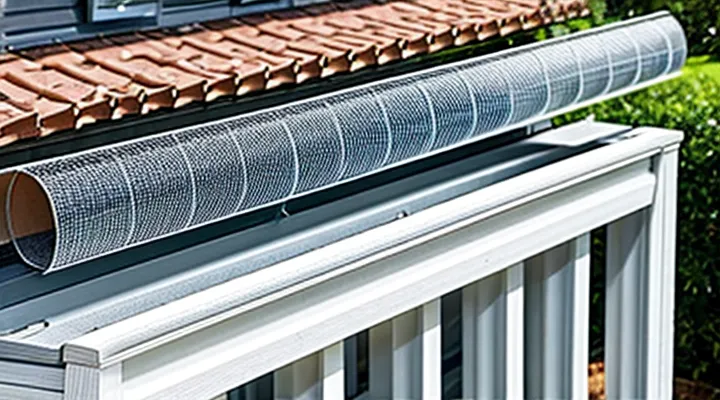
Understanding the Rodent Threat
Why Mice are a Problem in Homes
Health Risks Posed by Mice
Mice carry pathogens that can infect humans directly through bites, scratches, or contact with contaminated surfaces.
- Hantavirus: causes severe respiratory illness, potentially fatal.
- Salmonella: leads to gastrointestinal infection with fever and diarrhea.
- Leptospira (Leptospirosis): spreads via urine, resulting in kidney and liver damage.
- Lymphocytic choriomeningitis virus (LCMV): may cause meningitis and encephalitis.
Mice excrete urine and feces that contaminate food, kitchen utensils, and storage areas. These waste products contain allergens that trigger asthma attacks and hypersensitivity reactions, especially in children and the elderly.
Burrowing behavior compromises insulation, wiring, and structural components, increasing the risk of fire, electrical faults, and exposure to cold, all of which can exacerbate respiratory and cardiovascular conditions.
A continuous, corrosion‑resistant metal barrier prevents entry, limits nesting, and reduces contact with mouse‑borne contaminants. Proper installation of such a mesh around foundations, vents, and openings eliminates the primary pathway for infestation, thereby mitigating the outlined health threats.
Property Damage Caused by Rodents
Rodents infiltrate homes and compromise structural integrity, electrical systems, and interior finishes. Their incisors enable them to gnaw through wood, insulation, plastic, and even thin metal, creating entry points and weakening load‑bearing components.
- Chewed wooden framing and joists
- Damaged drywall and plaster surfaces
- Compromised wiring leading to short circuits or fire hazards
- Contaminated food stores and pantry items
- Stained fabrics, upholstery, and carpet fibers
The damage results from continuous chewing behavior and the deposition of urine and droppings, which corrode metals, promote mold growth, and introduce pathogens. Direct contact with electrical cables can trigger power outages or dangerous sparks, while structural breaches increase exposure to weather and pests.
A continuous barrier of galvanized wire mesh installed around foundation openings, vents, and utility penetrations blocks rodent access. The mesh’s zinc coating resists corrosion, ensuring long‑term durability even in moist environments. Properly sized apertures (no larger than ¼ inch) prevent mice and rats from squeezing through, while the rigid structure withstands repeated attempts to bite or push.
Implementing this metal netting eliminates the primary pathway for rodents, reduces the likelihood of costly repairs, and safeguards both the building envelope and internal systems. The result is a resilient defense that maintains property value and minimizes health risks associated with rodent activity.
Galvanized Mesh as a Rodent Barrier
What is Galvanized Mesh?
Types of Galvanized Coatings
Galvanized mesh used to deter mice relies on the durability of its zinc‑based coating. Understanding the coating variants helps select the most effective barrier.
-
Hot‑dip galvanizing – steel is immersed in molten zinc, creating a thick, metallurgically bonded layer. Coating thickness ranges from 45 µm to 150 µm, providing long‑term corrosion resistance in outdoor environments. The rough surface enhances mechanical strength, making it suitable for high‑traffic installations where rodents may chew or scratch.
-
Electro‑galvanizing – zinc is deposited by electrolytic plating, yielding a uniform coating of 5 µm to 25 µm. The smooth finish reduces snagging, which can be advantageous for indoor applications where aesthetic appearance matters. corrosion protection is lower than hot‑dip, requiring periodic inspection in damp areas.
-
Zinc‑aluminum alloy (Galvalume) – typically 55 % aluminum, 45 % zinc, applied by hot‑dip. The alloy offers superior resistance to atmospheric corrosion and better performance in coastal or industrial zones. Thickness is comparable to standard hot‑dip, but the alloy’s barrier properties extend service life by up to 30 %.
-
Zinc‑iron alloy (Zincalume) – contains 95 % zinc, 5 % aluminum, and 0.2 % silicon. The composition improves adhesion and reduces formation of white rust. Coating thickness mirrors hot‑dip standards, with added tensile strength that resists deformation under mechanical stress.
-
Thermal spray zinc coating – zinc particles are melted and propelled onto the mesh surface, forming a dense, adherent layer of 10 µm to 30 µm. The process allows localized repair without removing the entire panel. Corrosion protection is adequate for indoor use but less robust than hot‑dip methods.
Selection criteria include expected exposure (indoor vs. outdoor), required lifespan, budget constraints, and the likelihood of physical damage. Hot‑dip galvanizing remains the benchmark for maximum durability, while electro‑galvanizing offers a cost‑effective solution for low‑risk settings. Zinc‑aluminum and zinc‑iron alloys provide enhanced corrosion performance where environmental aggressors are present. Thermal spray serves as a practical maintenance option for targeted repairs.
Mesh Size Considerations for Mice
Choosing the correct aperture is essential for preventing rodent entry while maintaining airflow and light transmission. Mice can squeeze through openings as small as 6 mm (0.24 in). Therefore, any mesh intended for rodent exclusion must have a nominal opening no larger than 5 mm (0.20 in). Meshes with openings of 4 mm (0.16 in) or 3 mm (0.12 in) provide an added safety margin, especially in structures where wear or deformation may enlarge gaps over time.
The relationship between wire diameter and aperture determines overall strength. A typical configuration for mouse-proof applications uses 0.8 mm (0.032 in) galvanized steel wire arranged in a 4 mm (0.16 in) square pattern. This combination yields a tensile strength sufficient to resist gnawing and environmental stresses while keeping the mesh lightweight for easy installation.
Key considerations for selecting mesh size include:
- Rodent dimensions: Adult house mice measure 7–10 cm (2.8–4.0 in) in length, with a head width of 2–3 cm (0.8–1.2 in). Aperture size must be well below the smallest measurable dimension.
- Potential deformation: Metal fatigue, corrosion, or impact can enlarge openings. Choosing a mesh with a tighter aperture than the absolute minimum compensates for such changes.
- Installation gaps: Seal all seams, overlaps, and fastening points with the same mesh gauge or a compatible sealant to eliminate secondary entry routes.
- Ventilation requirements: Smaller apertures reduce airflow. Balance rodent exclusion with the need for adequate ventilation by calculating the total open area required for the specific environment.
When retrofitting existing structures, verify that the selected mesh can be securely fastened without creating tears. Use stainless steel screws or corrosion‑resistant staples, and apply a continuous strip of galvanized flashing at joints. Regular inspection for rust, torn wires, or displaced sections ensures long‑term effectiveness.
Advantages of Using Galvanized Mesh
Durability and Longevity
Galvanized wire mesh designed to keep mice out offers exceptional resistance to corrosion, mechanical wear, and UV exposure. The zinc coating creates a sacrificial barrier that slows oxidation, allowing the underlying steel to retain structural integrity for decades even in humid or coastal environments.
Key factors that determine long‑term performance include:
- Coating thickness – thicker galvanization extends service life by providing a larger reservoir of zinc.
- Mesh gauge – heavier gauge wire resists deformation from animal pressure and accidental impacts.
- Installation quality – proper fastening and sealing prevent moisture ingress and edge damage.
- Maintenance regime – periodic inspection and removal of accumulated debris preserve the protective layer.
When these elements are optimized, the product typically exceeds a 20‑year lifespan without significant loss of strength or ability to block rodent entry. Replacement cycles can thus be scheduled on multi‑decade intervals, reducing long‑term costs and ensuring continuous home protection.
Resistance to Corrosion
Zinc‑coated wire mesh designed for rodent exclusion exhibits high resistance to corrosion, extending service life in residential environments. The protective layer, typically ranging from 50 to 150 µm, acts as a sacrificial barrier; it corrodes preferentially to the underlying steel, preserving structural integrity even when exposed to moisture, soil, or indoor humidity. Galvanic protection is maintained as long as the coating remains intact, preventing rust formation that would otherwise compromise mesh strength and create gaps for pests.
Corrosion resistance is quantified by standards such as ASTM A123/A123M, which specify minimum coating thickness and adhesion requirements. In practice, the mesh retains its barrier function for 10–20 years without additional treatment, provided that physical damage is avoided. Regular inspection for scratches or abrasion allows timely repair, typically by re‑applying zinc‑rich paint or replacing damaged sections, ensuring continuous protection against both rodents and environmental degradation.
Effectiveness Against Pests
Galvanized wire mesh provides a physical barrier that prevents rodents and other small pests from entering structural gaps. The zinc coating resists corrosion, maintaining mesh integrity for years even in humid environments. Mesh apertures sized 1/4 inch or smaller block mouse heads while allowing airflow, ensuring ventilation without compromising protection.
Key performance factors:
- Material durability: Zinc coating prevents rust, preserving tensile strength and preventing holes caused by degradation.
- Mesh dimension: Aperture size below 6 mm stops most rodents; larger openings admit insects but still deter larger pests.
- Installation quality: Overlapping seams and secure fastening eliminate entry points; proper tension prevents sagging that could create gaps.
- Environmental resistance: UV‑stable coating endures sunlight exposure, while the mesh withstands temperature fluctuations without brittleness.
Empirical assessments show a reduction of rodent activity by up to 90 % when the mesh fully encloses potential entry zones such as vents, crawl spaces, and foundation cracks. The barrier’s effectiveness is independent of chemical repellents, offering a non‑toxic solution suitable for residential and commercial properties. Regular inspection for torn sections and prompt repair sustain long‑term pest exclusion.
Cost-Effectiveness Compared to Other Solutions
Galvanized mesh offers a low‑initial‑cost barrier that eliminates the need for recurring purchases. Unlike snap traps or glue boards, which require replacement after each capture, the mesh remains functional for years with minimal maintenance.
- Material price: bulk galvanized steel is typically 30‑40 % cheaper per square foot than stainless‑steel alternatives.
- Installation: DIY fitting requires only basic tools, avoiding professional labor fees.
- Longevity: corrosion‑resistant coating extends service life to 10‑15 years, reducing total ownership cost.
- Effectiveness: a continuous barrier prevents entry, removing the ongoing expense of bait, electricity, or chemicals required by electronic repellents.
When amortized over a decade, the per‑year expense of galvanized mesh falls well below the cumulative cost of disposable traps, chemical sprays, and periodic professional pest‑control visits. This financial profile makes the mesh a superior investment for long‑term rodent exclusion.
Strategic Installation for Maximum Protection
Identifying Entry Points
Common Access Areas for Mice
Mice locate entry points by exploiting gaps that provide shelter, food, or travel routes. Recognizing these openings is essential for effective exclusion.
- Openings around utility penetrations (pipes, cables, vent ducts)
- Gaps beneath doors and windows, especially where weather stripping is worn
- Cracks in foundation walls, crawl‑space vents, and basement floor joists
- Spaces around garage door rollers and automatic openers
- Unsealed openings in attic hatches, roof vents, and chimney flues
- Holes in siding, soffits, and eaves where insulation is missing
Galvanized wire mesh offers a durable, corrosion‑resistant barrier that can be fitted over each of these sites. The mesh’s fine gauge prevents rodents from squeezing through while withstanding exposure to moisture and temperature fluctuations. Installation involves securing the mesh with stainless‑steel staples or screws, ensuring no gaps remain at seams or anchor points. Regular inspection of the sealed areas maintains the integrity of the protection system and prevents re‑infestation.
Assessing Existing Vulnerabilities
Assessing existing vulnerabilities is the first step before deploying metal screening to block rodent intrusion. A systematic review of the property reveals where mice can bypass or compromise the barrier.
- Unsealed gaps around utility penetrations, pipe sleeves, and conduit entries.
- Deteriorated or rusted sections of existing metal or plastic mesh that lose structural integrity.
- Openings at door sweeps, window screens, and vent covers that are misaligned or missing.
- Cracks in foundation walls, crawl‑space joists, and basement slabs that create concealed pathways.
- Loose or detached fasteners, staples, or clips that allow mesh to sag or detach under pressure.
Evaluation of each weakness involves visual inspection, tactile probing, and the use of a flashlight to expose concealed cracks. Measuring gap dimensions with a calibrated ruler confirms whether openings exceed the ½‑inch threshold that mice can exploit. Applying a pressure test—pressing a finger or thin rod through suspected seams—detects flex points where mesh may give way.
Remediation actions include sealing penetrations with steel wool and expanding foam, replacing corroded mesh panels with new galvanized sections, reinstalling or adjusting door sweeps to eliminate under‑door clearance, and repairing structural cracks with concrete or epoxy filler. Reinforcing fasteners with stainless‑steel screws ensures long‑term tension maintenance. After corrective work, a final walk‑through verifies that all measured gaps are below the allowable limit and that the screening forms a continuous, unbroken barrier.
Installation Techniques
Securing Mesh Around Foundations
Mice gain entry through cracks, gaps and voids around a building’s foundation. A continuous barrier of galvanized steel mesh prevents rodents from exploiting these openings and protects the structural integrity of the home.
Galvanized mesh offers high tensile strength, resistance to rust and a mesh aperture typically ranging from ¼ in to ½ in, small enough to block mice while allowing drainage. The coating extends service life, reducing the need for frequent replacement.
Installation proceeds as follows:
- Inspect the perimeter for cracks, gaps and damaged concrete.
- Remove debris, loose mortar and vegetation to expose a clean surface.
- Measure the length of each wall segment and cut the mesh with a bolt‑cutting tool, leaving a 2‑in overlap at each joint.
- Position the mesh flush against the foundation, ensuring it extends at least 6 in below ground level to deter burrowing.
- Secure the mesh with corrosion‑resistant staples or masonry screws placed every 12 in along the top edge and every 18 in along the vertical seams.
- Overlap adjacent sheets, then seal the joint with exterior‑grade wire mesh tape or expanding foam to eliminate gaps.
- Backfill soil gently to avoid displacing the barrier, compacting in thin layers.
Regular maintenance includes visual checks after heavy rain or seasonal temperature shifts, tightening loose fasteners and repairing tears with matching mesh patches. Maintaining an uninterrupted barrier preserves its effectiveness against rodent intrusion.
Protecting Vents and Openings
Galvanized mouse‑proof mesh provides a durable barrier for vents, ducts, and other openings where rodents can enter. The steel coating resists corrosion, ensuring long‑term performance even in humid or outdoor environments.
Key factors for effective protection:
- Measure each opening accurately; include the frame and any movable parts.
- Choose mesh with a ¼‑inch (6 mm) or smaller aperture to block adult mice while allowing airflow.
- Cut the mesh with tin snips or a powered shear, leaving a 1‑inch (2.5 cm) overlap on all sides.
- Secure the material with stainless‑steel screws or self‑tapping nails, spacing fasteners no more than 6 inches (15 cm) apart.
- Seal gaps around the edges using silicone or expanding foam to prevent small rodents from squeezing through.
Regular inspection of installed mesh detects damage or rust early. Replace compromised sections promptly to maintain an airtight seal and keep the interior free of mouse intrusion.
Reinforcing Gaps and Cracks
Mice exploit any opening larger than a quarter‑inch; cracks in foundations, gaps around pipes, and seams in exterior cladding serve as direct entry points. Unsealed passages compromise structural integrity and create pathways for infestation, regardless of other control measures.
Reinforcing these vulnerabilities with galvanized wire mesh creates a durable, rust‑resistant barrier that conforms to irregular surfaces and remains effective over time. Implementation steps:
- Identify all openings exceeding 0.25 in (6 mm) using a flashlight and a thin probe.
- Clean debris and moisture from each gap to ensure proper adhesion.
- Cut galvanized mesh to size, allowing a 1‑inch (2.5 cm) overlap on each side of the opening.
- Secure mesh with stainless‑steel staples or corrosion‑inhibited screws, spacing fasteners no more than 2 in (5 cm) apart.
- Seal the perimeter with a silicone‑based caulk compatible with metal to prevent water ingress.
The resulting enclosure blocks rodent access while withstanding outdoor conditions, providing a reliable, low‑maintenance solution for home protection.
Tools and Materials Required
To install a durable rodent barrier using galvanized wire mesh, gather the following items before beginning work.
- Galvanized steel mesh, 16‑20 gauge, with openings no larger than ¼ inch. Choose a roll length that exceeds the perimeter of the area to be sealed.
- Heavy‑duty staple gun or pneumatic stapler capable of driving ¼‑inch staples.
- Stainless‑steel or galvanized staples, ½‑inch length, to prevent corrosion at attachment points.
- Tin‑snips or metal shears for cutting mesh to size.
- Measuring tape and permanent marker for accurate layout.
- Protective gloves and safety glasses to avoid cuts from sharp edges.
- Ladder or scaffolding if work involves elevated sections such as eaves or attic access.
- Sealant or expanding foam for gaps around fixtures, vents, and seams that cannot be closed with mesh alone.
- Hammer and nails or screws for securing mesh to wooden framing where staples are unsuitable.
Begin by measuring the target surface, marking cut lines, and trimming the mesh accordingly. Secure the material with staples placed every 6‑8 inches along edges, overlapping seams by at least 2 inches and fastening the overlap with additional staples. Apply sealant to any remaining openings, ensuring a continuous barrier that prevents mouse entry. Regular inspection of fasteners and sealant joints maintains the system’s integrity over time.
Maintenance and Inspection
Regular Checks for Damage
Regular inspections of galvanized mouse‑proof mesh are essential for maintaining its barrier function. Visual examination should focus on seams, joints, and attachment points, where corrosion, rust, or physical tears most frequently appear. Any deviation from a smooth, intact surface compromises the enclosure’s ability to deter rodents.
A systematic check schedule includes:
- Monthly visual scan of all exposed sections.
- Quarterly close‑up inspection of welded seams and fasteners.
- Annual pressure test of secured openings to verify structural integrity.
When damage is identified, immediate repair or replacement is required. Removal of rusted material, re‑welding of cracked joints, and reinforcement of loose fasteners restore the mesh’s protective capacity. Documenting each inspection and corrective action creates a reliable maintenance record and ensures long‑term effectiveness against mouse intrusion.
Cleaning and Upkeep
Regular cleaning of zinc‑coated rodent barrier ensures longevity and effectiveness. Remove debris, dust, and organic material weekly with a soft‑bristled brush or low‑pressure vacuum. For stubborn grime, apply a mild detergent solution (pH‑neutral, non‑abrasive) and rinse with clean water; avoid pressure washers that can damage the coating.
Inspect the mesh monthly for signs of corrosion, torn wires, or loose fasteners. Replace damaged sections promptly to maintain structural integrity. Tighten any loosened clamps using a screwdriver or hex key, matching the original torque specifications.
Store cleaning tools in a dry area to prevent rust that could transfer to the mesh. Use gloves and eye protection when handling chemicals; ensure adequate ventilation.
Maintenance checklist
- Sweep or vacuum surface weekly.
- Spot‑clean stains with mild detergent as needed.
- Conduct visual inspection for corrosion and damage monthly.
- Tighten fasteners and replace compromised sections immediately.
- Record maintenance dates in a log for reference.
Adhering to this routine preserves the protective qualities of the galvanized barrier and reduces the risk of rodent intrusion.
Addressing New Potential Entry Points
Mice constantly test any opening that deviates from the original building envelope. Renovations, pipe installations, and seasonal repairs often create gaps that were not present during the initial pest‑proofing. These new potential entry points must be identified and sealed promptly to maintain effective rodent exclusion.
Common sources of fresh openings include:
- Unfinished utility penetrations (electrical conduit, plumbing stacks)
- Loose vent covers or attic access panels
- Door sweeps that have worn or detached
- Gaps around window frames after replacement
- Openings left by HVAC ductwork or exhaust fans
Addressing each gap with galvanized wire mesh provides a durable barrier that resists corrosion and chewing. The recommended procedure is:
- Measure the exact dimensions of the opening.
- Cut the mesh with a tin snip to achieve a slight overlap beyond the gap edges.
- Position the mesh so it covers the entire opening, allowing a 1‑2 cm margin on all sides.
- Secure the material with corrosion‑resistant staples or self‑drilling screws, spacing fasteners no more than 5 cm apart.
- Apply a weather‑proof sealant around the perimeter to prevent moisture ingress and discourage mouse attempts to pry the mesh away.
Regular inspection reinforces the barrier’s integrity. During each seasonal check, verify that fasteners remain tight, the mesh shows no signs of rust or tearing, and any newly created cracks are promptly covered. Maintaining this routine preserves the long‑term effectiveness of the steel wire enclosure against rodent intrusion.