
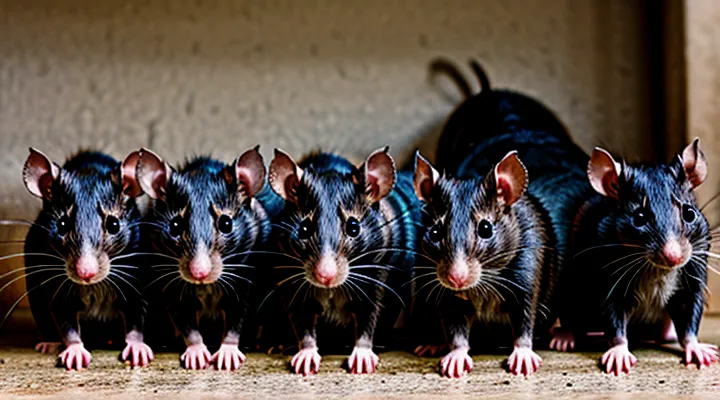
The Art of Naming Your Female Rat
Choosing a name for a female rat involves balancing personality cues, physical traits, and thematic inspiration. A concise, memorable moniker enhances bonding and simplifies handling. Prioritize names that are easy to pronounce, distinct from commands, and reflective of the rat’s character.
Consider these naming criteria:
- Behavioral traits – agile, curious, mischievous, gentle.
- Physical attributes – coat color, size, markings.
- Cultural references – literary figures, mythological heroines, pop‑culture icons.
- Wordplay – puns, alliteration, diminutives that evoke humor.
Examples of effective, light‑hearted names:
- Nibbles
- Squeakette
- Whiskerina
- Pixel
- Marmalade
- Luna
- Tinker
- Poppy
- Ember
- Zippy
When selecting, test the name aloud to ensure clarity in the cage environment. Avoid overly long or complex terms that may cause confusion during training or veterinary visits. Consistency across all caretakers reinforces recognition and strengthens the rat’s sense of identity.
Adorable & Sweet Nicknames
Classic & Cute
«Bella»
Bella, a short, melodic name, fits a female rat that exudes charm and confidence. The vowel‑rich sound makes it easy for the animal to recognize, while the meaning “beautiful” reinforces positive reinforcement during training. Its popularity among rodent owners stems from three practical advantages:
- Clarity: Two syllables provide a clear cue without ambiguity, reducing the chance of misinterpretation by other pets.
- Versatility: Bella pairs well with affectionate diminutives such as “Bell,” “Bells,” or “Bellie,” allowing owners to vary tone while maintaining the core identifier.
- Human appeal: The name carries a familiar, friendly vibe that encourages social interaction between the rat and its caretaker, enhancing bonding sessions.
When selecting Bella for a pet rat, consider these guidelines to maximize effectiveness:
- Introduce the name consistently during feeding and playtime to establish a strong associative link.
- Pair verbal cues with a gentle tactile signal—light paw tap or cheek stroke—to reinforce recognition.
- Avoid overlapping the name with other household pets’ calls to prevent confusion.
Overall, Bella offers a concise, pleasant, and functional option for anyone seeking an engaging moniker for a female rat.
«Daisy»
Daisy works as a playful moniker for a female rat because it combines a gentle floral image with the energetic personality typical of pet rodents. The name suggests brightness, approachability, and a touch of whimsy, qualities owners often seek in a small companion.
Key reasons to choose Daisy include:
- Contrast: The soft, garden‑related term offsets the common perception of rats as gritty, creating an endearing paradox.
- Pronunciation: Two syllables and a clear vowel‑consonant pattern make the name easy for both humans and the animal to recognize.
- Visual cue: A daisy’s white petals and yellow centre evoke a friendly, inviting appearance, reinforcing positive associations during training sessions.
When paired with a brief, upbeat tone, “Daisy” encourages a sense of familiarity that can enhance bonding. The name also lends itself to themed accessories, such as flower‑shaped chew toys or pastel‑colored cages, reinforcing the chosen identity without additional explanation.
«Ruby»
Ruby works well as a lively moniker for a pet rat. The name evokes the gemstone’s bright hue, matching the typical reddish‑brown coat of many female rats. It also suggests energy and curiosity, traits commonly observed in these rodents.
Choosing Ruby as a base allows easy creation of related nicknames that retain the original charm while adding personality. Consider the following options:
- Ruby‑Red: highlights the vivid color of the fur.
- Ruby‑Whisker: combines the gemstone theme with a distinctive physical feature.
- Ruby‑Scout: conveys a sense of adventurous exploration.
- Ruby‑Spark: emphasizes quick, bright movements.
- Ruby‑Mischief: blends the jewel’s allure with a playful attitude.
Each variant preserves the core appeal of the original name while providing a distinct identity for the individual rat. The flexibility of Ruby makes it a practical choice for owners seeking a memorable and affectionate label.
Food-Inspired Cuteness
«Cupcake»
Choosing a name for a she‑rat involves matching the animal’s appearance and temperament with a memorable, light‑hearted label. “Cupcake” fulfills this requirement by evoking a sense of smallness, sweetness, and charm that many owners associate with their pet.
The nickname aligns with typical rat traits: compact size resembles a bite‑size treat; a glossy coat can mirror the frosting’s sheen; playful, gentle behavior mirrors the comforting connotation of a dessert. The word itself carries an easy‑to‑say, two‑syllable rhythm that suits daily interaction.
- Simple pronunciation ensures clear communication during handling.
- Positive association encourages affectionate bonding.
- Complements other confection‑themed names, facilitating cohesive group naming (e.g., “Muffin,” “Donut”).
- Distinct enough to avoid confusion with common commands or other pets.
Adopting “Cupcake” as a moniker provides a concise, endearing identifier that reflects both the physical and behavioral qualities of a female rat, reinforcing the owner‑pet connection without complexity.
«Cookie»
“Cookie” serves as a concise, endearing identifier for a female rat. The name evokes a small, sweet treat, aligning with the animal’s diminutive size and often gentle disposition. Owners who observe a brown‑ish coat or a habit of nibbling on food may find the association especially apt.
Key reasons to select “Cookie” include:
- Visual similarity: fur tones reminiscent of baked goods reinforce the nickname.
- Behavioral link: frequent foraging or chewing mirrors a rat’s “snack‑seeking” nature.
- Vocal simplicity: two syllables facilitate clear, quick calls during handling.
When applying the name, consider the following factors:
- Coat coloration matches the baked‑good imagery.
- Personality exhibits curiosity and affection, traits commonly linked to comfort foods.
- Owner’s ability to pronounce the nickname consistently in daily interactions.
Related alternatives that preserve the confectionary theme are “Chocolate Chip,” “Oreo,” and “Sugar.” Each retains the playful, food‑related motif while offering subtle variations for individual preferences.
«Muffin»
Muffin is a compact, affectionate moniker that captures the soft, rounded silhouette of many female rats. The name evokes the gentle rise of a baked treat, mirroring the subtle fluff of a rat’s fur and the comforting presence it provides as a companion. Its syllabic simplicity makes it easy to call out during handling, reinforcing a calm interaction between owner and pet.
Key attributes that make Muffin an effective nickname include:
- Visual association – the plump, rounded form of a muffin parallels the typical body shape of a well‑nourished rat, creating an immediate mental image.
- Auditory appeal – the soft “m” and “f” sounds produce a soothing tone, reducing stress for both animal and caretaker.
- Versatility – suitable for a wide range of personalities, from shy and timid to energetic and curious, without implying any specific trait.
- Memorability – short, two‑syllable structure ensures quick recall, facilitating consistent use in training and daily routines.
Adopting Muffin as a nickname reinforces a positive bond, encourages gentle handling, and adds a playful element to the identity of a female rat without resorting to overly elaborate or generic titles.
Nature-Inspired Charms
«Willow»
Willow works as a playful moniker for a female rat because the name evokes slender, flexible branches that bend without breaking. The image matches the agility and graceful movements typical of domesticated rats, reinforcing a sense of elegance while retaining a light‑hearted tone.
Rats named Willow often display curiosity and quick reflexes, traits that parallel the swaying motion of a willow tree in a breeze. The name also suggests a gentle demeanor, making it suitable for pets with calm or affectionate personalities.
When using Willow, consider these practical points:
- Pair the name with a short call sign such as “Will” for ease of training.
- Combine with a descriptive suffix, e.g., Willow‑Tail or Willow‑Whisk, to highlight a distinctive feature.
- Use the nickname consistently during handling to strengthen the animal’s recognition of its name.
Alternative nicknames that share the same thematic feel include:
- Birch
- Aspen
- Cedar
- Hazel
- Reed
These options maintain the botanical motif while offering variety for owners seeking a distinct yet cohesive naming scheme.
«Hazel»
Hazel works well as a playful moniker for a female rat because the name evokes the warm, amber hue of the animal’s eyes and fur, creating an immediate visual connection. The syllable structure—two crisp sounds—mirrors the quick, inquisitive nature of rodents, making it easy to call out during handling or training sessions.
- Hazelnut – adds a sweet, food‑related twist that reinforces a friendly bond.
- Hazelina – introduces a feminine suffix while preserving the core sound.
- Haze – shortens the name for rapid vocal cues, useful when the rat darts away.
- Hazelle – offers a slightly exotic spelling, increasing distinctiveness among multiple pets.
When introducing Hazel to a new rat, pronounce the name consistently and pair it with a specific treat or gentle petting routine. Consistency strengthens the association, allowing the rat to respond reliably within minutes. Regular use of the chosen nickname during enrichment activities—such as maze navigation or foraging games—reinforces the connection and supports positive reinforcement training.
«Ivy»
Ivy captures the sleek, climbing spirit of a female rat with a name that suggests agility and natural charm. The syllable‑short structure makes it easy to call out, while the botanical reference adds a touch of elegance without sacrificing playfulness.
Key reasons Ivy works as a nickname:
- Visual association – Ivy vines twist and cling, mirroring a rat’s tendency to scale and explore tight spaces.
- Sound profile – Two crisp consonants and a soft vowel create a memorable, gentle call.
- Gender neutrality – Though suitable for any rat, the subtle femininity of the plant name aligns well with a female pet.
- Versatility – Ivy fits both casual conversation and formal documentation, such as veterinary records or breeding logs.
When introducing Ivy to a new environment, pair the name with consistent reinforcement: use the word during feeding, handling, and play sessions. Over time the rat will associate the sound with positive experiences, strengthening the bond between owner and pet.
Playful & Sassy Nicknames
Mischievous Monikers
«Pippa»
Pippa works well as a light‑hearted nickname for a female rat because it sounds sprightly, is easy to pronounce, and carries a friendly, approachable vibe. The brevity of the name suits the quick movements and curious nature typical of pet rodents, making it memorable during handling and training sessions.
- Conveys energy without being overly cutesy.
- Fits comfortably alongside other common pet names, allowing seamless integration into mixed‑species households.
- Offers a gender‑neutral feel that still leans toward a feminine impression, useful when the rat’s personality is playful rather than overtly delicate.
When assigning Pippa, consider pairing it with a short, distinct call sign (e.g., “Pippa, come!”) to reinforce recognition. The name pairs nicely with accessories or enclosure labels that use bright colors, enhancing visual association. Regular use in daily routines—feeding, cleaning, playtime—will cement the nickname, ensuring the rat responds reliably.
«Noodle»
"Noodle" captures the slender, playful spirit of a female rat with a long, flexible body. The name highlights agility, suggesting swift movements through tunnels and quick reflexes when exploring new environments. Its soft, melodic sound contrasts with the animal’s energetic nature, creating an appealing paradox that makes the nickname memorable.
Key reasons to choose "Noodle" for a pet rat:
- Emphasizes slender physique and graceful locomotion.
- Conveys a light‑hearted, approachable personality.
- Easy to pronounce and recall, facilitating interaction with owners and visitors.
- Fits well with other food‑themed or whimsical names, allowing seamless integration into a broader naming scheme.
When adopting "Noodle," owners often notice increased enthusiasm during handling sessions, as the name reinforces positive associations. The nickname also lends itself to playful wordplay in social media posts and informal conversations, enhancing the rat’s public profile.
«Squiggles»
Squiggles captures the playful, wriggling motion of a female rat, making it an instantly recognizable moniker. The name emphasizes the animal’s natural tendency to twist and turn while exploring tunnels, feeding stations, or climbing structures. Its brevity ensures easy recall during handling, training, or social interaction within a colony.
Key reasons to adopt Squiggles:
- Highlights the animal’s characteristic movement pattern, reinforcing a visual cue for caretakers.
- Offers a gender‑neutral base that can be softened with a feminine suffix (e.g., “Squiggles‑Belle”) if desired.
- Stands out among conventional pet names, reducing confusion in multi‑rat environments.
- Encourages a lighthearted atmosphere, which can improve observer engagement and documentation quality.
When introducing Squiggles to a new rat, pair the nickname with consistent positive reinforcement. Use the name during feeding, grooming, and enrichment sessions to strengthen the association. Over time, the rat will respond to the distinct sound, facilitating smoother handling and clearer communication among staff or hobbyists.
Pop Culture Inspired
«Leia»
Choosing a memorable moniker for a female rat enhances the bond between owner and pet while reflecting the animal’s character. Names that evoke pop‑culture icons often resonate with owners who appreciate humor and familiarity.
“Leia” draws directly from the iconic Star Wars heroine. The name suggests bravery, leadership, and a touch of mischief—traits commonly observed in agile, inquisitive rats. Its two‑syllable structure is easy for a rodent to recognize, and the strong consonant ending aids in clear vocal cues during training.
- Strong cultural reference recognisable by most owners.
- Concise phonetics improve auditory discrimination.
- Conveys confidence without excessive formality.
- Flexible for affectionate variations (e.g., “Lei‑Lei,” “Princess Leia”).
When introducing “Leia” to a new pet, repeat the name in a calm, consistent tone during feeding and handling. Pair the utterance with a gentle petting motion to reinforce positive association. Over time, the rat will respond reliably to the chosen nickname, confirming its suitability as a playful yet dignified identifier.
«Hermione»
Hermione makes a witty nickname for a female rat because it evokes the clever, resource‑ful character from the Harry Potter series, traits often admired in pet rodents. The name suggests intelligence, curiosity, and a touch of mischief, aligning well with a rat’s natural behavior.
- Recognizable literary reference adds charm.
- Conveys sharp mind and problem‑solving ability.
- Short, easy to pronounce, and distinct from common pet names.
- Offers a playful contrast between a small animal and a famous wizard‑studied heroine.
«Katniss»
Katnish, derived from the iconic heroine of a popular dystopian saga, works as a lively moniker for a female rat. The name carries connotations of agility, resilience and a rebellious spirit, traits often observed in active, inquisitive rodents.
The nickname offers practical advantages. Its two‑syllable structure enables quick vocal cues during handling. The hard “K” sound cuts through ambient noise, ensuring the animal responds promptly. The spelling variation distinguishes the pet’s identity from the literary source while preserving recognizability.
Key attributes that justify Katnish as a fitting choice:
- Speed – echoes the character’s skill with a bow, mirroring a rat’s swift navigation of tunnels.
- Independence – reflects the animal’s tendency to explore and solve problems autonomously.
- Charisma – captures the pet’s ability to attract attention and affection from owners.
- Memorability – short, distinctive, easy to recall in daily interaction.
Adopting Katnish signals an appreciation for both the pet’s dynamic nature and the cultural reference, creating a memorable bond between owner and animal.
Mythical & Magical
«Athena»
Athena, drawn from the Greek goddess of wisdom, serves as an elegant yet playful moniker for a female rat. The name conveys intelligence, strategic behavior, and a touch of mythic charm, making it memorable among pet owners and enthusiasts.
- Highlights the rat’s curiosity and problem‑solving abilities.
- Offers a contrast to typical rodent nicknames, adding sophistication.
- Easy to pronounce, suitable for calling in a household setting.
- Provides a thematic link for owners who favor mythological or scholarly references.
Choosing Athena reflects an appreciation for the animal’s keen perception and adaptable nature, reinforcing the bond between caretaker and companion while standing out in informal discussions about creative pet names.
«Freya»
Freya, drawn from the Norse goddess of love, beauty, and fertility, makes a spirited moniker for a female rat. The name conveys elegance while hinting at a mischievous charm that many owners observe in their pets.
Rats bearing the name Freya often display confident exploration, social bonding, and a tendency to seek out cozy nesting spots—behaviors that echo the goddess’s nurturing aspects. The juxtaposition of mythic grandeur with a small, agile rodent creates an endearing contrast that many find appealing.
- Freya‑Belle
- Freyja (alternative spelling)
- Frey
- Freyling
- Freya‑Star
Choose Freya when the rat exhibits a regal demeanor, enjoys interaction with humans, or possesses a glossy, reddish‑brown coat reminiscent of the goddess’s fiery symbolism. The nickname works well for both newly adopted pups and long‑term companions, providing a memorable identity that reflects personality and mythic flair.
«Pixie»
Pixie suits a petite, energetic rat. The name conveys a sense of mischief and agility, matching the quick movements and playful nature typical of many female rodents. Its short, two‑syllable structure makes it easy to call out, which aids in training and daily interaction.
Key attributes that align with the nickname:
- Small stature: Pixie suggests a diminutive size, reinforcing the visual impression of a tiny pet.
- Lively behavior: The term evokes sprites that dart about, mirroring a rat’s tendency to explore and scamper.
- Friendly tone: The soft “ie” ending creates a warm, affectionate sound, encouraging a bond between owner and animal.
When selecting Pixie, consider the following practical points:
- Verify that the rat responds positively to the name during initial sessions; consistent reinforcement will solidify recognition.
- Pair the nickname with a simple cue word (e.g., “Come, Pixie”) to streamline communication.
- Avoid using the same name for multiple pets in the same household to prevent confusion.
Overall, Pixie provides a concise, memorable label that reflects both physical traits and personality, making it an effective choice among whimsical monikers for female rats.
Unique & Creative Nicknames
Whimsical & Quirky
«Flicker»
“Flicker” captures the swift, darting motion typical of an active female rat. The name suggests brief bursts of light, mirroring the animal’s quick scurrying across a cage or play area. It conveys energy without relying on overt descriptors, allowing owners to reference personality with a single word.
Key reasons to choose “Flicker” for a pet rat:
- Highlights agility and speed, traits often prized in small rodents.
- Offers a memorable, easy‑to‑call nickname that stands out among more conventional options.
- Allows playful wordplay; variations such as “Flicker‑Tail” or “Flicker‑Flash” can be added as the rat’s character develops.
When introducing the nickname, use a consistent tone and pair it with positive reinforcement. Repeating “Flicker” during feeding, handling, and training sessions strengthens the association, helping the rat respond promptly to its new moniker.
«Gidget»
Gidget, a compact and lively name, fits a female rat with a spirited personality. The nickname evokes the classic television character known for curiosity and quick wit, traits commonly seen in domestic rats. Its short, two‑syllable structure makes it easy to call out during handling, training, or playtime. Owners often choose Gidget for rats that display:
- Agile movements and energetic exploration
- A confident, slightly mischievous demeanor
- A petite size that matches the name’s diminutive sound
The name also carries a nostalgic pop‑culture reference without being overly common, helping the animal stand out in a group of similarly named pets. Its phonetic simplicity reduces the risk of miscommunication, ensuring the rat responds reliably to the owner’s voice.
«Zinnia»
Zinnia serves as a lively nickname for a female rat. The name derives from a bright, multicolored flower, instantly suggesting vigor and charm—qualities often seen in active pet rodents.
The floral origin adds visual symbolism; a rat named Zinnia may display a coat pattern reminiscent of the flower’s petals or exhibit a spirited personality. The word’s two‑syllable structure ensures easy recall and clear vocalization during handling.
Practical aspects favor Zinnia: short length avoids confusion with commands, distinct sound reduces overlap with common pet‑care terms, and rarity minimizes duplication in multi‑rat households. The name also pairs well with affectionate diminutives such as “Zin” or “Nia,” offering flexibility for owners.
Alternative variations include:
- Zinn
- Nia
- Zinnie
- Zinnster
Each retains the core floral reference while providing a slightly different tonal feel. Selecting Zinnia or one of its variants gives a female rat a memorable, upbeat identity within a collection of playful pet names.
Literary Allusions
«Alice»
Alice is a playful moniker that suits a female rat with a curious and adventurous personality. The name evokes the classic literary heroine who explores strange worlds, mirroring a rat’s natural tendency to investigate every nook and cranny of its environment.
The sound of “Alice” is short, easy to pronounce, and distinct enough for a pet owner to call across a cage. Its two‑syllable structure fits well with the typical cadence of rodent‑focused commands, ensuring the animal responds reliably.
Variations and related nicknames expand the original choice while retaining its whimsical character:
- Ally – a friendly, informal short form.
- Lissy – a softer, affectionate twist.
- A‑Lice – a playful spelling that emphasizes the “A” initial.
- Alice‑Mice – a humorous pairing that highlights the rat’s rodent nature.
- Wonder Alice – a nod to the wonder‑filled journeys of the literary figure.
When selecting Alice as a nickname, consider the rat’s behavior: inquisitive, bold, and quick to explore. Pair the name with positive reinforcement during training sessions to strengthen the association between the call and desired actions. Consistency in usage will solidify the bond and make “Alice” an unmistakable identifier within the household.
«Scout»
Scout is a compact, energetic nickname that captures a female rat’s natural curiosity and agility. The term evokes a small explorer constantly investigating tunnels, food sources, and new objects, making it a fitting label for a pet that darts between hiding spots with confidence.
Rats named Scout often display traits such as quick decision‑making, keen awareness of surroundings, and a willingness to lead other cage‑mates to hidden treats. The name reinforces positive reinforcement during training, as owners can associate the call “Scout” with exploratory tasks and reward‑based games.
Common applications of the nickname include:
- Training sessions where “Scout” signals the start of a maze challenge.
- Social interactions, using the name to highlight a rat’s role as a group leader.
- Online pet‑profile listings, where “Scout” adds a memorable, playful identifier.
Choosing Scout as a moniker aligns the animal’s innate investigative behavior with a concise, memorable label that owners can easily call out during daily care.
«Jo»
“Jo” works as a compact, easy‑to‑call moniker for a female rat with a sprightly personality. Its two‑letter form fits comfortably on a collar tag, in a pet‑care app, or in casual conversation, reducing the chance of mispronunciation. The name carries a hint of familiarity without being overly diminutive, making it suitable for owners who treat their rodents as companions rather than mere pets.
The sound of “Jo” aligns with the quick, inquisitive movements typical of rats. Its single syllable matches the animal’s rapid response time, allowing the owner to issue commands or praise without delay. Because the name lacks gender‑specific suffixes, it avoids reinforcing stereotypes while still sounding feminine when paired with affectionate modifiers.
Variants and related nicknames expand the basic “Jo” while preserving its brevity:
- Jo‑Bee
- Jo‑Mite
- Jo‑Pip
- Jo‑Squeak
- Jo‑Whisk
Each derivative adds a playful element that references common rat traits—speed, small size, or characteristic noises—without sacrificing the original’s simplicity. When selecting a nickname, consider the animal’s temperament, the owner’s vocal habits, and the ease of distinguishing the name from other household sounds. “Jo” and its extensions meet these criteria, offering a functional yet endearing label for any female rat.
Exotic & Elegant
«Esme»
Esme is a charming, feminine nickname that fits a female rat with a gentle disposition. The name originates from the French word for “loved,” lending a sense of affection that matches the pet’s personable nature.
- Soft, two‑syllable sound makes it easy to call and recognize.
- Feminine tone distinguishes it from typical rodent names.
- Short form allows quick vocal cues during handling.
- Unique enough to avoid confusion with common pet names such as “Molly” or “Bella.”
- Works well alongside themed naming sets, for example “Esme and Luna.”
When using Esme, pronounce it “EZ‑mee” to ensure clarity. Pair the nickname with a descriptive tag (e.g., “Esme the Explorer”) for added personality. The name adapts to various coat colors and sizes, maintaining relevance whether the rat is sleek gray or fluffy white. Consistent use reinforces the bond between owner and animal, reinforcing the affectionate meaning embedded in the name.
«Zara»
Zara suits a female rat that exhibits sleek movement, curious demeanor, and a touch of elegance. The name conveys speed and style without sounding overly cutesy, making it appropriate for owners who prefer a nickname that balances charm with sophistication.
- Short, easy to pronounce; rats respond quickly to brief sounds.
- Contains a sharp “z” consonant that captures attention during training sessions.
- Evokes the exotic feel of the fashion brand, reinforcing a sense of individuality.
- Works well alongside other playful rodent monikers, allowing seamless integration into a themed naming set.
Choosing Zara reflects an appreciation for the animal’s graceful agility and distinct personality, providing a memorable identifier for both pet and owner.
«Celeste»
Celeste works well as a whimsical moniker for a pet rat because the name evokes a sky‑blue hue and a sense of lightness, traits often associated with the sleek coats and agile movements of female rodents. The word’s Latin root, caelestis, translates to “heavenly,” reinforcing a playful contrast between the animal’s earthy habits and an ethereal identity.
Key reasons to choose Celeste for a female rat:
- The syllable structure (three‑beat, vowel‑consonant‑vowel) matches the natural rhythm of rodent vocalizations, making it easy for the animal to recognize.
- The soft “C” and “e” sounds are gentle on the ear, suitable for a pet that is frequently handled and spoken to.
- The name’s celestial connotation pairs nicely with accessories such as blue‑tinted cages, star‑patterned bedding, or glittery toys, creating a cohesive theme.
When introducing Celeste to a new rat, repeat the name in a calm, consistent tone during feeding and grooming sessions. Consistency helps the rat associate the sound with positive experiences, strengthening the bond and reinforcing the nickname’s effectiveness.