
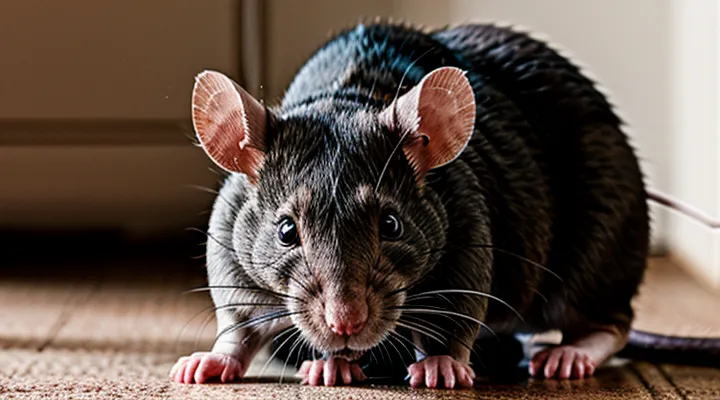
Rat Hindlimb Anatomy and Functions
Skeletal Structure of the Hindlimb
Femur: «Thigh Bone»
The femur, commonly referred to as the thigh bone, is the longest and strongest skeletal element in the rat’s hind limb. Its proximal end articulates with the acetabulum of the pelvis, forming the hip joint, while the distal condyles connect to the tibia and fibula, establishing the knee joint. The bone’s shaft (diaphysis) is cylindrical, composed of compact cortical tissue that resists bending and torsional forces generated during locomotion.
Key structural characteristics include:
- A robust head with a spherical articular surface for hip articulation.
- A slightly oblique neck that positions the shaft relative to the pelvis.
- Two prominent distal condyles (medial and lateral) that guide knee movement.
- A central medullary cavity filled with yellow marrow, providing metabolic support.
Functional contributions of the rat femur are:
- Transmission of muscular forces from the gluteal, quadriceps, and hamstring groups to the lower leg, enabling propulsion and weight support.
- Stabilization of the hip joint, maintaining alignment during rapid sprints and climbing.
- Serving as a lever arm for limb extension, influencing stride length and speed.
- Housing nutrient vessels and nerves that supply the surrounding musculature and skin.
Histologically, the femur exhibits a dense outer layer of lamellar bone, an inner trabecular network within the epiphyses, and a periosteal membrane rich in osteogenic cells. These features allow continuous remodeling in response to mechanical loading, essential for the rat’s high‑activity lifestyle.
Tibia and Fibula: «Lower Leg Bones»
The tibia and fibula constitute the distal segment of a rat’s hind limb, forming the structural core of the lower leg. The tibia is the larger, load‑bearing bone, extending from the knee joint to the ankle, while the fibula is slender, positioned laterally, and articulates with the tibia at both proximal and distal ends. Both bones are enveloped by compact cortical tissue, with trabecular marrow cavities that accommodate hematopoietic activity and store calcium reserves.
Key functional aspects of these bones include:
- Transmission of muscular forces from the gastrocnemius and soleus to the foot, enabling propulsion and stabilization during locomotion.
- Support of the ankle joint, providing attachment sites for ligaments that maintain joint integrity under varying loads.
- Contribution to the overall rigidity of the hind limb, allowing efficient weight bearing while preserving flexibility through the interosseous membrane that links tibia and fibula.
Morphologically, the rat tibia exhibits a pronounced distal expansion forming the medial malleolus, whereas the fibula terminates in a modest lateral malleolus. This configuration balances strength and maneuverability, essential for the species’ characteristic rapid, agile movements.
Tarsals, Metatarsals, and Phalanges: «Foot Bones»
The rat’s pedal skeleton consists of three bone groups—tarsals, metatarsals, and phalanges—each contributing to locomotion, balance, and substrate interaction.
Tarsal bones form the proximal segment of the foot. Seven distinct elements compose the tarsal region: calcaneus, talus, navicular, cuboid, and four distal tarsals (tarsus I‑IV). The calcaneus anchors the Achilles tendon, transmitting muscular force to the ground. The talus articulates with the tibia and fibula, enabling ankle flexion and extension. The remaining tarsals create a flexible yet stable platform for weight distribution.
Metatarsals occupy the intermediate segment. Four elongated metatarsals extend from each distal tarsal toward the digits. Their shafts provide leverage for the intrinsic foot muscles and serve as attachment sites for tendons that control digit movement. The metatarsal heads form the dorsal surface of the foot, supporting the animal’s posture during quadrupedal gait.
Phalanges constitute the distal segment. Each fore‑ or hind‑foot digit contains three phalanges—proximal, middle, and distal—except the fifth digit, which bears only two (proximal and distal). The phalanges form the claws and pads, allowing precise grasping, climbing, and substrate penetration. Joint surfaces between phalanges permit flexion and extension essential for tactile exploration.
Key anatomical facts:
- Tarsal count: 7 per foot
- Metatarsal count: 4 per foot
- Phalangeal count: 14 per foot (3 × 4 + 2 for the fifth digit)
- Primary functions: force transmission, weight support, digit articulation, environmental interaction
Collectively, these bone groups enable the rat to navigate complex terrains, maintain stability, and execute rapid, coordinated movements.
Musculature of the Hindlimb
Major Muscle Groups and Their Actions
The forelimb of a rat contains a compact arrangement of muscles that generate the movements required for locomotion, climbing, and object manipulation. These muscles are grouped into functional clusters that act on the shoulder, elbow, wrist, and digits.
- Shoulder flexors and extensors – Pectoralis major and deltoid muscles produce forward and backward limb displacement; the supraspinatus and infraspinatus provide stabilization and abduction.
- Elbow flexors – Biceps brachii and brachialis contract to draw the forearm toward the body, enabling grasping and climbing.
- Elbow extensors – Triceps brachii extends the forearm, allowing the limb to straighten during propulsion.
- Wrist flexors – Flexor carpi radialis and flexor carpi ulnaris bend the wrist toward the palm, facilitating substrate contact.
- Wrist extensors – Extensor carpi radialis and extensor carpi ulnaris straighten the wrist, contributing to release and repositioning of the paw.
- Digit flexors – Flexor digitorum superficialis and profundus close the digits, creating a firm grip on objects or surfaces.
- Digit extensors – Extensor digitorum communis opens the digits, allowing rapid release and repositioning during locomotor cycles.
These muscle groups cooperate to produce the coordinated motions observed in the rat’s four-legged locomotor system, supporting tasks ranging from rapid sprinting to precise manipulation of food items.
Tendons and Ligaments: «Connective Tissues»
Tendons and ligaments in the rat’s fore and hind limbs are dense connective tissues that transmit forces and maintain joint stability. Tendons attach skeletal muscle fibers to the phalangeal bones, converting muscular contraction into precise digit movement. Their collagen fibers are aligned parallel to the direction of pull, providing high tensile strength while allowing limited elasticity for shock absorption. Ligaments connect adjacent bones within each paw joint, reinforcing capsular structures and restricting excessive angular displacement. The collateral ligaments on the metacarpophalangeal and metatarsophalangeal joints prevent lateral deviation, whereas the palmar and plantar ligaments secure the flexor tendons to the bone surface, guiding tendon glide during flexion.
Key structural features:
- Dense regular collagen bundles arranged in parallel sheets.
- Fibroblast cells embedded within the extracellular matrix, responsible for collagen turnover.
- Sparse vascular network supplying nutrients through diffusion from surrounding synovial fluid.
Functional implications:
- Direct transmission of muscular force to bone, enabling rapid paw placement and grip.
- Stabilization of joint articulation during locomotion and climbing.
- Distribution of mechanical load, reducing risk of bone fracture under high‑impact activity.
- Facilitation of coordinated digit flexion and extension through precise tendon pathways.
The integrity of these connective tissues determines the rat’s ability to manipulate objects, navigate complex terrains, and execute swift escape responses. Damage to tendons or ligaments compromises load transfer, leads to joint laxity, and impairs overall limb performance.
Neurovascular System of the Hindlimb
Nerves: «Motor and Sensory Pathways»
The rat’s four extremities rely on a compact network of motor and sensory nerves that transmit signals between the central nervous system and limb muscles, joints, and skin. Motor commands originate in the motor cortex, descend through the pyramidal tract, and reach the spinal cord’s ventral horn. From there, corticospinal fibers synapse on spinal interneurons that activate the median, ulnar, and radial peripheral nerves. These nerves branch into muscle‑specific motor axons, producing precise contraction of flexor, extensor, and intrinsic paw muscles. The rubrospinal and reticulospinal systems supplement corticospinal output, especially during rapid adjustments and locomotor rhythm.
Sensory information follows a parallel route. Primary afferent neurons reside in dorsal root ganglia and enter the dorsal spinal cord. Low‑threshold mechanoreceptors and proprioceptors travel in the dorsal column, ascend to the gracile and cuneate nuclei, and terminate in the somatosensory cortex. Nociceptive and temperature signals use the spinothalamic tract, crossing to the contralateral side within a few spinal segments before reaching thalamic relay nuclei. Cutaneous receptors on the paw pads relay fine tactile data, while joint receptors convey joint angle and load.
Key peripheral nerves and their principal functions:
- Median nerve: innervates flexor muscles of the forepaw, provides sensation to the palmar surface.
- Ulnar nerve: supplies intrinsic paw muscles, conveys tactile information from the medial paw pad.
- Radial nerve: controls extensor muscles, delivers sensation to the dorsal paw surface.
The integration of these pathways enables coordinated grasping, locomotion, and environmental exploration. Disruption of either motor or sensory fibers produces measurable deficits in paw placement, grip strength, and withdrawal reflexes, confirming the essential role of the described neural circuits.
Blood Vessels: «Arteries and Veins»
Arteries in the rat forelimb form a high‑pressure network that originates from the subclavian trunk and branches into the brachial, radial, and ulnar vessels. Their walls contain a thick tunica media composed of concentric smooth‑muscle layers, enabling rapid pressure transmission from the heart to distal tissues. Elastic laminae in the intima provide resilience against pulsatile flow, while the adventitia supplies structural support and houses vasa vasorum for nutrient exchange.
Veins constitute a low‑pressure conduit returning deoxygenated blood to the central circulation. They possess thinner muscular walls, larger lumens, and valves that prevent retrograde flow. The primary venous channels—brachial, radial, and ulnar veins—converge into the axillary vein, which empties into the superior vena cava. Their compliance allows accommodation of varying blood volumes during locomotor activity.
- Structural differences
- Arterial walls: thick tunica media, prominent elastic fibers.
- Venous walls: thin tunica media, extensive adventitial tissue.
- Functional attributes
- Physiological implications
- Arterial rigidity influences pulse wave velocity.
- Venous capacitance affects blood pooling during prolonged standing.
Functional Adaptations of the Hindlimb
Locomotion: «Running and Jumping»
The rat’s fore and hind limbs are adapted for rapid ground locomotion and vertical displacement. Muscular architecture combines fast‑twitch fibers in the gastrocnemius and quadriceps with slower fibers in the flexor groups, delivering high stride frequency while preserving endurance. Tendon elasticity in the Achilles and patellar regions stores kinetic energy during stance, releasing it at toe‑off to increase propulsion without additional muscular effort.
Joint morphology further supports speed and agility. The hip and shoulder joints exhibit a wide range of motion, allowing the limbs to swing forward at angles exceeding 70°, while the elbow and knee joints flex sharply to shorten the limb during the aerial phase of a jump. The carpal and tarsal arches act as spring‑like structures, compressing under load and expanding to assist lift.
Key functional outcomes include:
- Accelerated sprinting: Coordinated contraction of the hind‑limb extensors generates forward thrust; forelimbs synchronize to balance the body and steer.
- Efficient jumping: Rapid extension of the hind limbs, combined with stored tendon energy, propels the rat upward; forelimbs reach forward to grasp landing surfaces, reducing impact forces.
- Maneuverability: High joint flexibility and muscular control enable quick changes in direction, essential for navigating complex environments.
Neural control relies on spinal central pattern generators that produce rhythmic locomotor bursts, while proprioceptive feedback from muscle spindles and Golgi tendon organs fine‑tunes limb placement. The integration of musculoskeletal design and neural circuitry results in a locomotor system capable of sustained running speeds of 1–2 m s⁻¹ and vertical jumps up to 15 cm.
Climbing and Grasping: «Prehensile Abilities»
The rat’s forelimbs exhibit a sophisticated prehensile system that enables both vertical climbing and precise object manipulation. Muscular architecture combines powerful flexor groups with fine‑tuned extensor fibers, allowing rapid adjustment of grip strength while maintaining stability on irregular surfaces. Tendon arrangements transmit force from the forearm to the digits, producing coordinated movements essential for navigating complex environments.
Key anatomical components contributing to prehensile performance include:
- Flexor digitorum profundus and superficialis – generate strong digit closure for secure grasp.
- Extensor digitorum – controls digit extension, facilitating release and repositioning.
- Opposable first digit (thumb) – provides lateral opposition, expanding the range of grip configurations.
- Carpal and metacarpal joints – possess a high degree of rotational freedom, supporting adaptive wrist positioning.
- Sensory receptors – densely populate the paw pads, delivering tactile feedback that modulates grip force in real time.
These structures operate synergistically, allowing rats to ascend vertical shafts, cling to narrow ledges, and manipulate food items with precision. The integration of muscular strength, joint mobility, and sensory input defines the rat’s exceptional climbing and grasping capability.
Digging and Burrowing: «Environmental Modification»
The rat’s quartet of limbs is specially adapted for excavating soil and constructing tunnels. The forelimbs possess robust humeri, enlarged deltoid crests, and reinforced scapular blades that provide a wide range of motion and high torque. Enlarged, curved claws on the digits increase grip on loose substrate, while the digital pads contain dense, keratinized epidermis that resists abrasion. Muscular architecture emphasizes the flexor and extensor groups, especially the flexor digitorum profundus and extensor carpi radialis, delivering powerful pulling and pushing forces during digging cycles.
Key functional aspects of the digging process include:
- Soil displacement: Sequential strokes of the forelimbs lift and push soil backward, creating a clear path.
- Tunnel reinforcement: Muscular contractions compress surrounding earth, increasing tunnel stability.
- Ventilation maintenance: Repeated excavation introduces fresh air, preventing hypoxia within burrow networks.
The resulting environmental modifications serve several ecological purposes. Burrows provide shelter from predators, regulate temperature, and create microhabitats for invertebrates. By reshaping soil structure, rats enhance aeration and nutrient mixing, influencing plant root growth and microbial activity. Their burrowing activity also contributes to soil turnover rates comparable to those of larger fossorial mammals, despite the rat’s modest size.
Rat Forelimb Anatomy and Functions
Skeletal Structure of the Forelimb
Scapula and Clavicle: «Shoulder Girdle»
The rat shoulder girdle consists of a scapula and a reduced clavicle that together anchor the forelimb to the axial skeleton. The scapula is a broad, flat bone positioned laterally on the thorax; its dorsal surface bears the supraspinous and infraspinous fossae, while the ventral side presents the glenoid cavity that articulates with the humeral head. The bone includes a prominent acromion process and a medial spine that supports muscular attachment.
The clavicle in rats is a slender, rod‑like element that extends from the sternum to the scapular acromion. Its ossification is incomplete, allowing limited flexibility. The clavicle serves as a conduit for the pectoralis major and minor muscles, linking the forelimb musculature to the thoracic cage and stabilizing the scapular position during locomotion.
Functionally, the scapula provides a movable platform for the humerus, enabling a wide range of forelimb motions required for climbing, burrowing, and handling food. The clavicle contributes to the transmission of forces generated by the pectoral muscles, maintaining scapular alignment and preventing excessive displacement during rapid movements.
Key muscle attachments:
- Supraspinatus and infraspinatus: attach to the supraspinous and infraspinous fossae of the scapula, control humeral rotation.
- Subscapularis: lines the ventral scapular surface, stabilizes the glenoid cavity.
- Pectoralis major and minor: insert on the clavicle and scapular acromion, drive protraction and adduction of the forelimb.
- Trapezius (cranial part): connects to the scapular spine, elevates the scapula.
Together, the scapula and clavicle form a compact, yet versatile, shoulder girdle that integrates muscular forces, supports joint articulation, and contributes directly to the rat’s quadrupedal locomotor performance.
Humerus: «Upper Arm Bone»
The humerus is the single long bone forming the rat’s upper forelimb, linking the scapular glenoid cavity with the elbow joint. Its proximal end presents a rounded head, a shallow groove for the long head of the biceps, and two tubercles that serve as attachment sites for the pectoral and subscapular muscles. The shaft narrows into a modest deltoid tuberosity before expanding into the distal condyles that articulate with the radius and ulna.
Key anatomical landmarks include:
- Head and anatomical neck, defining the shoulder joint capsule.
- Greater and lesser tubercles, anchoring rotator‑cuff musculature.
- Deltoid tuberosity, providing leverage for the deltoid muscle.
- Medial and lateral epicondyles, supporting forearm flexor and extensor tendons.
Functional contributions of the humerus are:
- Forming a hinge at the elbow, permitting flexion and extension of the forelimb.
- Acting as a lever arm for muscular forces that generate pronation, supination, and abduction.
- Transmitting weight and locomotor stresses during climbing, digging, and quadrupedal gait.
In rats, the humerus exhibits a relatively slender profile compared with larger mammals, reflecting adaptation for rapid, precise movements required in narrow tunnels and arboreal environments. Its morphology balances structural stability with the need for a wide range of motion essential to the animal’s foraging and escape behaviors.
Radius and Ulna: «Forearm Bones»
The rat’s forearm contains two long bones, the radius and the ulna, which together form the distal segment of the forelimb. Both bones extend from the elbow joint to the wrist, flanking the manus and providing structural support for the hand.
The radius is the lateral element, slender and slightly curved, terminating in a distal head that articulates with the carpal bones. It bears the attachment of the extensor carpi radialis and pronator teres muscles, which influence wrist extension and forearm pronation. The ulna occupies the medial position, thicker and longer, ending in a prominent olecranon process that forms the elbow’s posterior projection. It serves as the origin for the brachialis and flexor carpi ulnaris muscles, contributing to forearm flexion and stabilization.
Functional contributions of the radius and ulna include:
- Transmission of muscular forces from the shoulder to the hand, enabling precise manipulation of objects.
- Maintenance of forearm rigidity during locomotion, allowing efficient weight bearing while the rat navigates narrow tunnels.
- Facilitation of pronation and supination, essential for adjusting grip orientation during foraging and grooming.
Adaptations specific to rodents involve a relatively elongated radius, which enhances pronation range, and a robust ulna with a reinforced olecranon, supporting powerful digging motions. These morphological traits align with the rat’s versatile forelimb usage in environments that demand both delicate handling and forceful excavation.
Carpals, Metacarpals, and Phalanges: «Hand Bones»
The rat forelimb contains three distinct bone groups that enable manipulation, locomotion, and sensory exploration. The carpals form a compact wrist assembly of eight irregular bones arranged in two rows. The proximal row includes the scaphoid, lunate, and triquetral, while the distal row comprises the pisiform, trapezium, trapezoid, capitate, and hamate. This configuration permits limited rotational movement and stabilizes the hand during weight bearing.
The metacarpals extend from the distal carpal row toward the digits. Rats possess five metacarpal shafts, each slender and slightly curved. The first metacarpal supports the enlarged thumb-like digit, whereas the remaining four correspond to the standard digits. Their length and cross‑sectional geometry influence grip strength and reach.
The phalanges constitute the terminal segments of the digits. Each of the four primary digits contains three phalanges—proximal, intermediate, and distal—while the thumb-like digit terminates with a single distal phalanx. The distal phalanges end in keratinized ungual pads that provide traction on varied substrates. Joint articulation between phalanges follows a hinge pattern, allowing flexion and extension essential for precise object handling.
Key functional attributes of these bone groups include:
- Mechanical leverage: The arrangement of carpals and metacarpals creates a lever system that amplifies muscular force.
- Flexibility: Articular surfaces between carpals, metacarpals, and phalanges enable a range of motion suited to burrowing and climbing.
- Structural support: The compact carpal cluster distributes load, reducing stress on individual bones during rapid locomotion.
Understanding the architecture of the rat’s hand bones informs comparative studies of mammalian locomotor adaptations and guides biomedical research involving rodent models.
Musculature of the Forelimb
Major Muscle Groups and Their Actions
The rat’s forelimb and hindlimb each contain a set of large muscle groups that generate the movements required for locomotion, manipulation, and balance. These groups can be categorized by their primary actions: flexion, extension, pronation, supination, and intrinsic digit control.
-
Flexor muscles – located on the ventral side of the limb, they contract to bend the elbow, wrist, and digits. Key members include the biceps brachii, brachialis, flexor digitorum profundus, and flexor digitorum superficialis. Their action pulls the paw toward the body, enabling grasping and pulling motions.
-
Extensor muscles – situated dorsally, they straighten the elbow, wrist, and digits. Principal extensors are the triceps brachii, extensor digitorum communis, and extensor carpi radialis. Extension lifts the paw away from the substrate, facilitating stride extension and obstacle clearance.
-
Pronator muscles – such as the pronator teres and pronator quadratus, rotate the forearm so the palm faces downward. This rotation adjusts the paw’s orientation during feeding and terrain negotiation.
-
Supinator muscles – including the supinator and biceps brachii (when acting as a supinator), turn the forearm so the palm faces upward. Supination prepares the paw for climbing and precise placement of the digits.
-
Intrinsic paw muscles – small muscles within the paw itself, like the lumbricals and interossei, fine‑tune digit positioning. They produce subtle abduction, adduction, and flexion of individual toes, essential for delicate object handling and tactile exploration.
The hindlimb mirrors this organization. Major flexors (hamstrings, gastrocnemius) pull the leg backward, while extensors (quadriceps, tibialis anterior) push it forward. The gastrocnemius and soleus generate powerful plantarflexion, propelling the rat during rapid runs. Intrinsic muscles of the hind paw, analogous to those in the forepaw, control toe spread and grip on uneven surfaces.
Together, these muscle groups coordinate to produce the rapid, agile movements characteristic of rodent locomotion, allowing the animal to climb, dig, and manipulate objects with precision.
Tendons and Ligaments: «Connective Tissues»
Tendons in the rat’s four limbs are dense collagenous cords that attach skeletal muscle fibers to the distal bones of each paw. Their composition—primarily type I collagen fibers arranged in parallel bundles—provides high tensile strength, enabling rapid transmission of contractile force during locomotion, climbing, and manipulation of objects. The flexor digitorum profundus tendon, for example, extends from the forearm musculature to the distal phalanges, controlling precise digit flexion required for grasping. Extensor tendons run along the dorsal side of each paw, linking extensor muscles to the metacarpal and metatarsal bones and facilitating digit extension and release of grip.
Ligaments complement tendons by stabilizing joints and limiting excessive movement. In each paw, the collateral ligaments of the metacarpophalangeal and metatarsophalangeal joints restrict lateral displacement, preserving alignment during weight‑bearing and agile maneuvers. The interosseous membrane between the radius and ulna, as well as between the tibia and fibula, distributes compressive loads across the fore‑ and hind‑limbs, enhancing structural integrity under variable forces.
Key structural features of these connective tissues include:
- Hierarchical organization: fibrils → fibers → fascicles → tendon/ligament.
- High collagen content (≈ 85 % dry weight) with minimal elastin, conferring stiffness.
- Vascular supply through the surrounding epitenon and paratenon, allowing nutrient exchange and repair.
- Presence of fibroblasts and specialized tenocytes that regulate matrix turnover.
Functionally, tendons convert muscular contraction into skeletal motion with minimal energy loss, while ligaments maintain joint congruity, protect cartilage, and provide proprioceptive feedback via embedded mechanoreceptors. Together, they enable the rat to execute swift sprints, navigate narrow passages, and manipulate food items with dexterous paw movements.
Neurovascular System of the Forelimb
Nerves: «Motor and Sensory Pathways»
The rat’s forelimbs and hindlimbs receive distinct motor and sensory innervation that coordinates locomotion, manipulation, and environmental perception. Motor pathways originate in the spinal ventral horn, travel through peripheral nerves, and terminate on skeletal muscles. In the forelimb, the median, ulnar, and radial nerves convey efferent fibers to flexor and extensor groups, while the musculocutaneous nerve supplies the brachialis and biceps brachii. Hindlimb motor supply is dominated by the sciatic nerve, which branches into tibial and common peroneal divisions to activate posterior and anterior compartment muscles; the femoral nerve innervates quadriceps femoris.
Sensory pathways ascend from cutaneous receptors, joint capsules, and muscle spindles via dorsal root ganglia. Primary afferents in the forelimb travel through the same peripheral nerves as motor fibers, delivering mechanoreceptive, thermoreceptive, and nociceptive information to the dorsal spinal cord. The hindlimb’s sensory input follows the sciatic, femoral, and saphenous nerves, providing continuous feedback on limb position and load.
Integration of motor and sensory signals occurs at spinal interneurons and supraspinal centers, enabling reflex arcs and voluntary control. Key reflexes include the withdrawal response mediated by flexor muscles through the radial nerve and the stance maintenance reflex coordinated by the tibial nerve. Proprioceptive feedback from muscle spindles and Golgi tendon organs, transmitted via Ia and Ib afferents, fine‑tunes muscle activation patterns during gait.
Typical organization of the innervation can be summarized:
- Forelimb motor nerves: median, ulnar, radial, musculocutaneous
- Forelimb sensory pathways: same nerves, dorsal root ganglia, spinal dorsal horn
- Hindlimb motor nerves: sciatic (tibial & common peroneal), femoral, obturator
- Hindlimb sensory pathways: sciatic, femoral, saphenous, dorsal columns
Understanding these pathways clarifies how the rat’s four paws achieve precise movement and adapt to tactile stimuli.
Blood Vessels: «Arteries and Veins»
The rat’s forelimb circulatory network consists of a high‑pressure arterial system and a low‑pressure venous system that together sustain muscular activity and tissue viability. Arteries convey oxygen‑rich blood from the heart, maintain pulsatile flow, and possess thick tunica media composed of smooth muscle cells and elastic fibers. The primary arterial trunk entering the forelimb is the brachial artery, which branches into the radial and ulnar arteries, supplying the paw pads, digits, and associated musculature. Distal arterial branches form a dense capillary mesh within the digital pads, facilitating rapid gas exchange.
Veins return deoxygenated blood to the central circulation, operating under low pressure and relying on valvular structures to prevent backflow. The main venous conduit is the brachial vein, which receives blood from the radial and ulnar veins and merges into the axillary vein. Superficial veins run alongside the skin of the paw, providing an accessible route for thermoregulation and fluid balance. Venous walls contain thinner tunica media and a well‑developed adventitial layer that supports compliance.
Key structural differences between the two vessel types include:
- Wall thickness: arteries > veins
- Elastic lamina: prominent in arteries, minimal in veins
- Lumen diameter: veins > arteries at comparable points
- Presence of valves: exclusive to veins
Physiological consequences of these differences are reflected in pressure gradients, flow velocity, and response to autonomic regulation. Sympathetic stimulation induces arterial vasoconstriction, raising systemic resistance, while venous tone adjustments modulate blood pooling in the paws during locomotion. Understanding these mechanisms is essential for interpreting experimental data on rat limb perfusion and for designing interventions that target vascular function.
Functional Adaptations of the Forelimb
Manipulation and Handling: «Food and Objects»
Rats possess a quartet of paws that serve as primary tools for interacting with their environment. Each forelimb features a flexible wrist joint, five dexterous digits, and a claw that can be retracted or extended. The musculature includes flexor and extensor groups that generate precise grip forces, while the digital pads provide tactile feedback through dense mechanoreceptor arrays.
When handling food, the forepaws execute a sequence of movements: grasp, lift, reposition, and bite. The thumb‑like digit (digit I) opposes the remaining fingers, creating a pincer action capable of securing small seeds, grains, or fragments of larger items. The pads detect texture and temperature, allowing the rat to adjust grip strength and avoid slippage. Rapid adjustments are mediated by the somatosensory cortex, which processes input from the paw receptors and coordinates motor output.
Manipulation of non‑nutritive objects follows the same anatomical principles. Rats can lift, carry, and manipulate objects such as nesting material, tools, or experimental devices. The combination of strong flexor muscles and agile digits enables the transport of items weighing up to 30 % of the animal’s body mass. Fine motor control is evident in tasks requiring rotation or insertion of objects, where the wrist joint provides a range of motion exceeding 150 degrees.
Key functional attributes of rat paws in food and object handling:
- Grip strength: up to 0.5 N per digit, sufficient for secure hold on irregular surfaces.
- Sensory resolution: mechanoreceptor density of ~500 units cm⁻², supporting discrimination of surface roughness at micrometer scale.
- Dexterity: ability to perform independent digit movements, enabling complex manipulations such as peeling or untangling.
- Adaptability: rapid reconfiguration of grip pattern in response to changing object shape or size.
These anatomical and functional characteristics make the rat’s paws highly effective for acquiring nourishment and interacting with a wide variety of objects in both natural and laboratory settings.
Grooming and Self-Care: «Hygiene Activities»
Rats devote considerable time to grooming, a behavior that depends on the precise morphology of their forelimbs. The five‑digit arrangement, equipped with sharp ungual tips and flexible joints, provides the dexterity required to manipulate fur and reach delicate areas. Muscles such as the flexor digitorum and extensor carpi act in coordinated bursts, generating the force and speed needed for rapid strokes.
Key anatomical elements that facilitate hygiene activities include:
- Curved claws that act as natural combs for detangling hair.
- Highly innervated pads that detect tactile feedback, guiding precise movements.
- Extensible tendons that allow the digits to spread widely, covering the dorsal and ventral surfaces of the body.
Typical grooming actions performed by rats are:
- Scratching the head and neck to remove debris and ectoparasites.
- Rubbing the forepaws against the flank to clean the ventral fur.
- Pressing the paws against the hindquarters to maintain tail hygiene.
- Manipulating whiskers to eliminate dust and restore sensory function.
These activities yield several physiological advantages. Mechanical removal of parasites reduces infection risk, while regular fur maintenance improves thermal insulation. By keeping whiskers free of contaminants, rats preserve the accuracy of their primary tactile sensors. The forelimb’s repetitive motions also promote circulation in the distal limbs, supporting tissue health.
Overall, grooming represents a tightly integrated system in which the structural design of the rat’s paws directly supports essential self‑care processes, contributing to survival and well‑being.
Exploration and Tactile Sensation: «Environmental Interaction»
Rats employ their quartet of paws as primary instruments for probing surroundings, converting mechanical contact into neural signals that guide locomotion and foraging. Each paw integrates a dense network of mechanoreceptive units—Merkel cells, Meissner corpuscles, Ruffini endings, and Pacinian receptors—distributed across the plantar skin and digital pads. These receptors detect static pressure, vibration, stretch, and rapid indentation, allowing the animal to discriminate texture, shape, and compliance of objects encountered.
During exploration, coordinated paw placement generates sequential tactile maps. The forepaws initiate contact, delivering high‑resolution texture data, while the hindpaws confirm substrate stability and adjust posture. This bidirectional flow of information supports real‑time adjustments in gait and grip force, essential for navigating complex terrains such as narrow burrows, uneven surfaces, or cluttered environments.
Key tactile components of a rat’s paws:
- Merkel cells – sustained pressure detection, enabling assessment of object firmness.
- Meissner corpuscles – light touch and low‑frequency vibration, critical for surface texture discrimination.
- Ruffini endings – skin stretch sensing, informing joint angle and limb position.
- Pacinian corpuscles – high‑frequency vibration, facilitating detection of rapid movements or predator‑induced tremors.
The integration of these sensory inputs with proprioceptive feedback from muscles and joints produces a comprehensive spatial representation. This representation drives rapid decision‑making, such as selecting a foothold, avoiding obstacles, or exploiting food sources. Consequently, tactile exploration through the paws constitutes a fundamental mechanism by which rats interact with, adapt to, and manipulate their environment.