
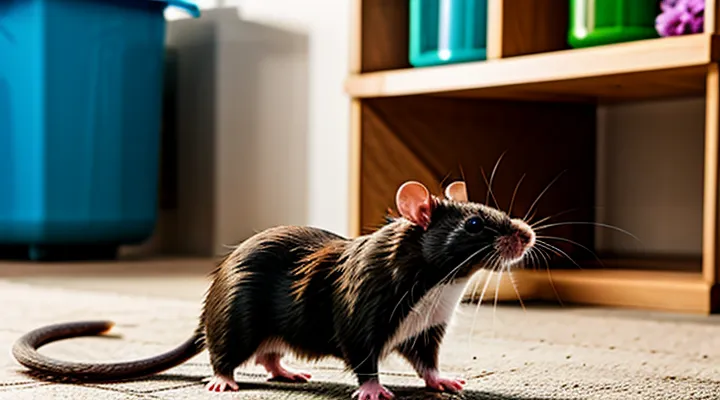
Understanding Fleas on Pet Rats
Identifying Flea Infestation
Common Symptoms of Fleas
Pet rats infested with fleas display several observable signs that indicate the need for immediate intervention. Recognizing these indicators allows owners to act quickly and prevent worsening health issues.
- Persistent scratching or vigorous grooming, often directed toward the head, neck, and back.
- Small, dark specks visible on the fur or skin; these are flea feces (digested blood) and may appear as tiny black dots.
- Red, inflamed patches where fleas bite, frequently accompanied by raised hair follicles.
- Noticeable hair loss in localized areas, especially around the ears, tail base, and abdomen.
- Signs of anemia such as pale gums, lethargy, or reduced activity, resulting from blood loss in severe infestations.
- Excessive skin irritation leading to scabs or crusty lesions, sometimes progressing to secondary bacterial infections.
Early detection of these symptoms is essential for selecting an effective flea control regimen tailored to the unique physiology of pet rats. Prompt treatment reduces discomfort, prevents disease transmission, and supports overall well‑being.
Visual Confirmation: What to Look For
When evaluating a flea control product for a rat, visual inspection provides the most reliable evidence of infestation. Examine the animal in a well‑lit area, using a white surface or a fine‑tooth comb to reveal any foreign particles. Look for the following indicators:
- Small, dark, oval specks that move quickly when the rat is disturbed; these are adult fleas.
- Tiny, white, oval eggs attached to the fur near the base of the tail, abdomen, or under the ears.
- Red or pink patches of skin irritation, often accompanied by hair loss or thinning.
- Excessive scratching, grooming, or signs of discomfort such as a hunched posture.
- Small, black droppings resembling ground coffee, found on the bedding or in the cage.
Confirming these signs confirms the presence of fleas and validates the need for an appropriate treatment regimen.
Risks Associated with Fleas for Pet Rats
Health Complications
Fleas on pet rats can trigger a range of medical issues that compromise welfare and may require immediate veterinary intervention. Direct blood loss leads to anemia, especially in young or underweight individuals; symptoms include pale mucous membranes, lethargy, and reduced appetite. Flea saliva contains allergens that provoke dermatitis, characterized by itching, hair loss, and crusted lesions, which can become portals for secondary bacterial infections. Vector‑borne pathogens, such as Rickettsia spp. and Bartonella spp., may be transmitted during feeding, producing fever, weight loss, and organ dysfunction.
Improper or delayed treatment exacerbates these problems. Over‑dosage of insecticides designed for larger mammals can cause neurotoxicity, manifested by tremors, seizures, or respiratory distress. Inadequate dosing permits flea survival, sustaining the cycle of infestation and prolonging exposure to irritants and pathogens. Resistance development in flea populations reduces the efficacy of standard products, increasing the likelihood of persistent infection.
Key health complications to monitor:
- Anemia: rapid decline in red blood cell count, weakness, and pallor.
- Allergic dermatitis: intense scratching, skin ulceration, secondary infection.
- Vector‑borne disease: fever, splenomegaly, organ inflammation.
- Toxic reactions: neurological signs, respiratory compromise.
- Chronic infestation: ongoing irritation, stress‑related immunosuppression.
Early detection and selection of a safe, rat‑appropriate flea control regimen minimize these risks. Regular health checks, accurate dosing based on weight, and consultation with a veterinarian experienced in exotic rodents constitute best practice for preserving rat health while managing ectoparasites.
Secondary Issues
When selecting a flea control product for a domesticated rat, attention must extend beyond the primary efficacy claim.
First, assess the safety profile. Verify that the active ingredient is approved for small rodents and that toxicological data exclude adverse effects on the rat’s respiratory and integumentary systems. Products formulated for larger mammals often contain concentrations that exceed the tolerable limit for a rat’s low body mass.
Second, consider dosage precision. Reliable packaging should provide a clear weight‑based dosing chart; ambiguous instructions increase the risk of under‑ or overdosing. When possible, choose formulations that allow measurement in milligrams rather than milliliters, as the latter can introduce variability.
Third, evaluate the method of administration. Topical solutions may cause grooming‑related ingestion, while oral tablets require acceptance by the animal. Inhalable sprays pose a risk of respiratory irritation. Preference should be given to delivery systems that align with the rat’s behavior and the owner’s handling capability.
Fourth, examine the potential for resistance development. Products based on a single class of insecticide can lose effectiveness after repeated use. Rotating between agents with different modes of action, or selecting a combination product, mitigates this risk.
Fifth, review compatibility with concurrent medications. Many flea treatments interact with anticoagulants, antibiotics, or hormonal therapies. Cross‑reference the active substance with the rat’s existing prescription regimen to avoid pharmacological conflicts.
Sixth, factor in storage requirements. Stability can be compromised by exposure to heat, light, or moisture. Choose products that remain effective under typical household conditions and include clear expiration dates.
Seventh, calculate the long‑term cost. While a low‑price option may appear attractive, frequent reapplication due to short residual activity can increase overall expenditure. Balance unit price against duration of protection.
Eighth, confirm the availability of veterinary guidance. Products that are recommended or prescribed by a qualified exotic‑animal veterinarian provide an additional layer of assurance regarding suitability and monitoring.
By systematically addressing these secondary considerations, owners can make an informed decision that safeguards the health of their pet rat while ensuring sustainable flea control.
Choosing the Right Flea Treatment for Pet Rats
Factors to Consider Before Treatment
Rat's Age and Weight
When treating fleas on pet rats, age and weight dictate dosage, application frequency, and product safety. Younger rats—particularly those under eight weeks—have immature liver and kidney function, limiting the use of systemic insecticides. Products designed for adult rodents may cause toxicity in juveniles; therefore, only topical or environmental treatments with proven safety for neonates should be considered.
Weight directly influences the amount of active ingredient required. Manufacturers label dosage per gram of body mass; applying a dose intended for a 200‑gram rat to a 100‑gram animal doubles the exposure and raises the risk of adverse reactions. Accurate weighing before treatment ensures the correct milligram‑per‑kilogram ratio.
Key considerations for selecting an appropriate flea control:
- Verify the product’s age restriction; choose formulations approved for the rat’s developmental stage.
- Match the dosage to the measured weight; use a scale with at least 1‑gram precision.
- Prefer products with a short systemic half‑life for younger rats to reduce accumulation.
- Check for ingredient compatibility with other medications the rat may be receiving.
- Review the withdrawal period before breeding or showing to avoid residual contamination.
By aligning flea treatment choices with the rat’s specific age bracket and precise weight, owners minimize toxicity risk while maintaining effective ectoparasite control.
Severity of Infestation
Assessing the level of flea infestation is the first step toward selecting an effective control method for pet rats. Accurate evaluation prevents over‑treatment, reduces stress on the animal, and limits unnecessary exposure to chemicals.
- Light infestation: occasional fleas observed on the rat’s fur, no visible bites on the skin, and no signs of anemia. Treatment may involve a single application of a topical agent or a short‑term oral medication, complemented by regular cage cleaning.
- Moderate infestation: multiple fleas detected during grooming, occasional bite marks, and mild irritation of the skin. An integrated approach is advisable—combine a weekly topical product with a fortnightly oral dose, and introduce environmental sprays or powders in the habitat.
- Heavy infestation: dense flea population, frequent scratching, extensive bite lesions, and possible blood loss. Requires aggressive therapy: a series of topical treatments applied every three days for two weeks, accompanied by a daily oral remedy for the same period. The cage must be thoroughly disinfected, bedding replaced, and all accessories treated with an insecticide approved for small rodents.
Severity determines both the intensity and duration of medication. Light cases resolve with minimal intervention, while heavy cases demand a comprehensive regimen that targets adult fleas, larvae, and eggs. Monitoring after each treatment cycle confirms effectiveness; a decline in flea counts and absence of new bite marks indicate successful control.
Underlying Health Conditions
When treating a pet rat for fleas, underlying health conditions dictate the safety and efficacy of any medication. Chronic respiratory disease, such as wheezing or nasal discharge, can be aggravated by topical insecticides that contain volatile compounds. Kidney impairment reduces the animal’s ability to excrete certain systemic agents, increasing the risk of toxicity. Liver dysfunction compromises metabolism of oral flea tablets, leading to accumulation of active ingredients. Immunodeficiency, whether caused by stress, infection, or genetic factors, heightens susceptibility to secondary skin infections after a flea bite, making aggressive treatment less advisable. Allergic dermatitis, identified by pruritus and erythema, may be triggered by ingredients in flea sprays, requiring hypo‑allergenic options.
To align flea control with these conditions, follow these steps:
- Obtain a veterinary assessment confirming any organ dysfunction or immune compromise.
- Choose products labeled for small rodents that specify minimal systemic absorption.
- Prefer non‑chemical methods—regular grooming, environmental sanitation, and heat treatment of bedding—when organ disease is present.
- If medication is necessary, select dosage forms with proven safety profiles in rats with compromised kidneys or liver, and monitor for adverse reactions.
- Document any observed side effects and adjust the regimen promptly under professional guidance.
By matching the flea control strategy to the rat’s specific medical background, owners can minimize harm while effectively eliminating parasites.
Types of Flea Treatments
Topical Spot-Ons
Topical spot‑on treatments are a practical option for controlling fleas on pet rats. The formulation is applied directly to the skin, typically at the base of the neck, where the animal cannot easily groom it off. Absorption through the cutaneous membrane delivers an insecticide that spreads across the body via the bloodstream, targeting fleas at all life stages.
When selecting a spot‑on product, evaluate the following criteria:
- Active ingredient safety – Choose compounds with proven low toxicity in rodents, such as fipronil or selamectin, and verify dosage limits specific to small mammals.
- Dosage precision – Ensure the package provides a dosage chart calibrated for rats weighing between 150 g and 300 g; inaccurate dosing can cause irritation or systemic effects.
- Duration of efficacy – Prefer formulations offering at least four weeks of protection to reduce the frequency of application and minimize handling stress.
- Resistance profile – Opt for products that incorporate multiple modes of action to prevent flea populations from developing resistance.
- Regulatory approval – Confirm that the product is approved by relevant veterinary authorities for use on rats or small exotic pets.
Application technique influences effectiveness. Part the fur gently, place the recommended drop directly on the skin, and allow the area to dry before returning the rat to its enclosure. Avoid contact with bedding or cage accessories until the spot‑on has fully absorbed, typically within five minutes.
Monitoring after treatment is essential. Observe the rat for signs of skin irritation, excessive scratching, or behavioral changes within 24 hours. Conduct a flea count weekly; a declining trend indicates successful control, while persistent infestations may require a different class of insecticide or adjunct environmental measures.
Oral Medications
Oral flea medications are the most common systemic option for controlling infestations in pet rats. These products contain insecticidal agents that are absorbed through the gastrointestinal tract and distributed via the bloodstream, reaching parasites that bite the host.
The primary active ingredients used in rat‑appropriate oral treatments include:
- Nitenpyram – rapid‑acting, kills adult fleas within 30 minutes; effective for a single dose.
- Spinosad – provides up to 30 days of protection; effective against adult fleas and immature stages.
- Afoxolaner – belongs to the isoxazoline class; offers month‑long coverage and also targets ticks.
Dosage calculations must be based on the animal’s exact body weight. Most manufacturers list a minimum weight threshold (often 30 g) and a maximum (typically 200 g). Exceeding the recommended range can cause toxicity or insufficient efficacy. Veterinarians should verify weight before prescribing and may adjust the dose in fractional increments if necessary.
Safety considerations include:
- Avoiding products labeled for cats or dogs, as species‑specific metabolism can cause adverse reactions in rats.
- Checking for contraindications with other medications, especially those affecting the central nervous system or liver enzymes.
- Monitoring for signs of gastrointestinal upset, lethargy, or neurological symptoms within the first 24 hours after administration.
Administration tips:
- Measure the dose with a calibrated syringe or dropper.
- Deliver the liquid directly into the mouth using a gentle pipette technique to prevent aspiration.
- Offer a small treat afterward to encourage swallowing and reduce stress.
Effectiveness depends on consistent use according to the product’s interval schedule. Interrupting the regimen before the final dose can allow surviving fleas to repopulate, undermining control efforts. Regular environmental treatment—such as cleaning cages, washing bedding, and applying appropriate insecticide sprays—complements oral therapy and reduces reinfestation risk.
Flea Combs and Manual Removal
Flea combs provide a mechanical method for detecting and extracting fleas from a rat’s fur. The fine-toothed design separates parasites from hair without chemicals, allowing immediate visual confirmation of removal. Regular combing—ideally once or twice daily—reduces the likelihood of an infestation establishing, because each session eliminates adult fleas, larvae, and eggs before they can reproduce.
Manual removal complements combing by targeting fleas that cling to the skin or hide in hard-to-reach areas such as the ventral abdomen and tail base. The process involves:
- Securing the rat gently but firmly to prevent sudden movements.
- Using a pair of fine-tipped tweezers to grasp the flea’s body close to the skin.
- Pulling steadily outward to avoid tearing the flea’s abdomen, which could release allergens.
- Disposing of each captured flea in a sealed container with alcohol.
Both techniques require consistent application and thorough inspection of the entire coat. Combining a high-quality flea comb with disciplined manual extraction offers a reliable, chemical‑free strategy for controlling ectoparasites on pet rats.
Environmental Control Measures
Effective flea management for pet rats begins with environmental control. Clean the cage thoroughly after each litter change; remove all droppings, food debris, and shed fur. Replace bedding with a low‑dust, washable material and wash it at temperatures above 60 °C to kill any remaining insects.
Maintain low humidity within the enclosure, ideally below 50 %. Flea eggs and larvae require moisture to develop; a drier atmosphere interrupts their life cycle. Use a hygrometer to monitor levels and adjust ventilation accordingly.
Vacuum the surrounding area daily, focusing on carpets, rugs, and corners where fleas may hide. Empty the vacuum canister into a sealed bag and discard it outside the home to prevent re‑infestation.
Apply a non‑toxic insect growth regulator (IGR) to the cage and nearby surfaces. IGRs inhibit the maturation of eggs and larvae, reducing the population without harming the rats. Follow the product label for correct dosage and re‑application intervals.
Isolate any newly introduced rats for at least two weeks before mixing them with the existing colony. During isolation, inspect the animal and its bedding daily for signs of fleas, and treat the environment as described above.
Implement a regular schedule: clean the cage weekly, replace bedding monthly, and conduct full enclosure disinfection every three months. Consistent adherence to these measures limits flea proliferation and supports overall health of the rats.
Safe and Effective Flea Treatment Options
Veterinarian-Recommended Products
Veterinarians advise owners of pet rats to select flea control products that are specifically labeled for small rodents or have been proven safe in laboratory studies. Products containing fipronil, selamectin, or imidacloprid are frequently recommended because they target adult fleas and early developmental stages while exhibiting low toxicity in rats when administered at the proper dose.
Topical spot‑on solutions provide a single application per month and distribute through the skin’s oil layer. Oral tablets, such as those with a selamectin base, offer systemic protection and are useful for rats that groom frequently, reducing the chance of product removal. Sprays formulated for rodents can be applied to cages and bedding, helping to break the flea life cycle in the environment.
When choosing a product, consider the following criteria:
- Explicit approval for use in rats or documented veterinary endorsement.
- Precise dosing instructions based on the animal’s weight.
- Minimal risk of irritation to the sensitive skin of rats.
- Proven efficacy against common flea species (Ctenocephalides felis, C. canis).
- Availability of a prescription option for higher‑strength formulations when needed.
Environmental control complements direct treatment. Insecticide‑treated bedding, regular cleaning of cages, and vacuuming of surrounding areas reduce reinfestation risk. Combining a veterinarian‑approved product with diligent habitat maintenance offers the most reliable protection against fleas in pet rats.
Over-the-Counter Options: What to Avoid
When selecting a flea remedy for a pet rat, avoid any medication marketed for dogs, cats, or other larger mammals. These products are formulated for different metabolic rates and skin permeability, making them unsuitable for rodents.
- Spot‑on treatments containing pyrethrins, permethrin, or imidacloprid.
- Oral tablets or chewable pills designed for canine or feline use.
- Flea shampoos with harsh surfactants or high concentrations of insecticidal chemicals.
- Sprays labeled “universal” that do not list rat‑specific safety data.
- Home‑brew mixtures that include essential oils, alcohol, or vinegar without veterinary endorsement.
The listed items share common hazards: toxic active ingredients that can penetrate a rat’s thin skin, dosage levels far exceeding safe thresholds, and lack of testing on rodent physiology. Ingestion or dermal absorption can cause seizures, respiratory distress, or fatal organ failure.
Safe practice requires confirming that a product explicitly states compatibility with rats or obtaining a prescription from a qualified veterinarian. Only approved, rat‑specific formulations should be applied according to the manufacturer’s dosage instructions.
Natural Remedies: Efficacy and Risks
Natural options are frequently chosen for flea control on small rodents because owners seek treatments perceived as less harsh than synthetic insecticides. Their appeal rests on the assumption that plant‑derived substances pose minimal danger to delicate mammals.
Efficacy varies among products. Commonly cited agents include:
- Lavender oil (1–2 % solution) – demonstrated limited flea mortality in laboratory tests; effectiveness on live rats remains inconsistent.
- Diatomaceous earth (food‑grade, thin dusting) – works by desiccating insects; success depends on keeping the material dry and avoiding respiratory exposure.
- Neem seed extract (5 % spray) – shows repellency in several flea species; direct contact may reduce adult survival but does not eradicate eggs.
- Chamomile tea rinse (cooled, no additives) – provides mild soothing effect; no reliable data support flea kill rates.
Risks accompany each remedy:
- Essential oils – can cause hepatic toxicity, skin irritation, or respiratory distress when applied undiluted or in excess.
- Diatomaceous earth – inhalation of fine particles may provoke lung inflammation; ingestion of large amounts can lead to gastrointestinal blockage.
- Neem – high concentrations produce vomiting, lethargy, or liver enzyme alteration.
- Herbal rinses – insufficiently studied; potential for allergic reactions exists.
Veterinary guidance is essential before implementing any botanical or mineral product. Accurate dosing, observation for adverse signs, and integration with proven flea‑preventive measures (environmental cleaning, regular cage maintenance) increase the likelihood of safe, effective control.
Administering Flea Treatment
Proper Application Techniques
Effective flea control on pet rats depends on precise application. Use a product specifically formulated for small rodents; products intended for cats or dogs can cause toxicity. Measure the dose according to the rat’s weight, typically expressed in milligrams per gram. Apply the medication directly to the skin, avoiding the eyes, nose, and mouth. A dropper or calibrated syringe ensures accurate delivery; do not guess or use household spoons.
Key steps for proper administration:
- Weigh the rat to determine the exact dosage.
- Prepare the applicator, checking for leaks or blockages.
- Restrain the animal gently but firmly, supporting the back to keep the neck stable.
- Locate a thin area of skin, such as the dorsal neck region, and clean it with a mild, alcohol‑free wipe.
- Dispense the calculated amount in a single spot; spread the liquid lightly with a sterile cotton swab if the product requires a thin film.
- Observe the rat for at least five minutes to ensure the medication stays in place and does not spread to the face.
- Record the date, time, and product batch number for future reference.
After treatment, monitor the rat for signs of irritation, excessive grooming, or lethargy. If adverse reactions appear, contact a veterinarian immediately. Repeat the application according to the product’s interval schedule, typically every 30 days, to maintain continuous protection.
Dosage Guidelines
When treating pet rats for fleas, accurate dosing prevents toxicity and maximizes efficacy. Calculate the dose based on the animal’s body weight, expressed in grams or ounces, and use the exact measurement indicated on the product label. Do not approximate; a digital scale provides the required precision.
Key considerations for dosage:
- Weight‑based calculation – Multiply the rat’s weight by the recommended milligrams per kilogram (or pounds). For example, a medication prescribing 0.5 mg/kg for a 150‑g rat results in a 0.075 mg dose.
- Formulation type – Oral tablets require the whole dose to be administered at once; topical solutions are applied to a specific skin area, typically the back of the neck, and must be spread evenly.
- Frequency – Most flea products for rodents are given every 30 days. Some fast‑acting oral agents may require a repeat dose after 7–10 days if infestation persists.
- Maximum limits – Do not exceed the product’s upper safety threshold, often expressed as a maximum milligram amount per kilogram. Exceeding this limit increases the risk of liver or kidney damage.
- Age restrictions – Juvenile rats under 4 weeks of age are generally excluded from treatment; verify the minimum age on the label.
- Monitoring – Observe the rat for signs of adverse reactions (e.g., lethargy, loss of appetite) within 24 hours. If symptoms appear, discontinue use and consult a veterinarian.
Always follow the manufacturer’s instructions precisely, adjust the dose for any weight change, and keep the medication out of reach of other pets. Proper dosing safeguards the rat’s health while eliminating fleas efficiently.
Monitoring for Side Effects
After applying any flea control product to a pet rat, observe the animal continuously for any adverse reactions. Immediate signs may include respiratory distress, excessive salivation, sudden lethargy, or uncontrolled shaking. Delayed manifestations can involve loss of appetite, diarrhea, skin irritation, or abnormal behavior such as aggression or excessive hiding.
Maintain a log that records the following details for each treatment session:
- Date and time of application
- Product name, active ingredient, and dosage administered
- Environmental conditions (temperature, humidity) at the time of treatment
- All observed symptoms, with timestamps and severity ratings
If any of the listed symptoms appear, assess their intensity. Mild reactions, such as transient itching, often resolve within a few hours and may be managed with a brief wash of the rat’s fur using warm water. Severe or rapidly progressing signs—such as labored breathing, seizures, or persistent vomiting—require immediate veterinary intervention. Contact a veterinarian trained in exotic small‑animal care and provide the complete treatment log.
Regular monitoring should continue for at least 48 hours post‑application, as some side effects emerge later. Adjust future flea‑control strategies based on the animal’s response, opting for products with lower toxicity profiles when adverse reactions are documented.
Preventing Future Flea Infestations
Regular Cage Cleaning
Regular cleaning of a rat’s enclosure directly reduces the environment where fleas can survive, thereby supporting any selected flea‑control regimen. Removing waste, uneaten food, and shed fur eliminates organic material that serves as a breeding substrate for flea eggs and larvae.
- Remove all bedding, droppings, and debris at least once a week.
- Wash the cage with hot water (minimum 60 °C) and a mild, non‑toxic detergent; rinse thoroughly.
- Disinfect with a solution approved for small mammals, such as a diluted chlorine bleach (1 % concentration) or a veterinary‑grade sanitizer; allow a contact time of 10 minutes before rinsing.
- Replace bedding with a clean, low‑dust substrate that does not retain moisture.
- Inspect all accessories (toys, hideouts, water bottles) and clean them with the same protocol; discard any items showing signs of wear or infestation.
Consistent cage hygiene minimizes the need for potent chemical treatments, allowing owners to opt for safer, targeted flea products—such as topical spot‑on formulations or oral medications—without risking overexposure. When evaluating flea control options, consider how a clean environment complements the efficacy of the chosen product, reduces the likelihood of resistance, and supports the rat’s overall health.
Environmental Pest Control
Effective flea management for pet rats depends on integrating environmental pest control with safe treatment options. The environment where the rat lives can either amplify or reduce flea populations, making it a critical factor in any selection process.
- Maintain a clean cage: remove bedding weekly, wash all accessories with hot water, and disinfect surfaces with a rat‑safe sanitizer.
- Control humidity: keep relative humidity below 50 % to discourage flea development.
- Use rodent‑approved traps or sticky pads around the cage area to capture adult fleas before they reach the animal.
- Eliminate wild rodent access: seal gaps in walls and vents to prevent external infestations from entering the home.
When choosing a flea product, verify that it is labeled for use on rats, contains an active ingredient with low toxicity to small mammals, and is compatible with the cage’s cleaning routine. Preference should be given to topical or oral formulations that do not leave residues on bedding, reducing the risk of re‑infestation after each cleaning cycle.
By combining rigorous cage hygiene, humidity management, and targeted chemical or mechanical controls, owners can select a flea solution that works reliably while preserving a safe habitat for their pet rats.
Limiting Exposure to Other Animals
Limiting contact with other animals reduces the risk of flea infestation in pet rats. Fleas can transfer between species, and a single bite can introduce a colony that quickly spreads in a cage environment. By controlling the rats’ interactions, owners minimize external sources of parasites and protect the health of their small pets.
Practical steps to restrict exposure:
- Keep the rat’s enclosure in a room that does not house dogs, cats, or other rodents.
- Avoid free‑roaming periods in areas where wild rodents or insects are present.
- Use a dedicated playpen that can be sealed when not in use, preventing accidental entry of stray animals.
- Clean and disinfect any objects (toys, tunnels, bedding) that have been in contact with other species before introducing them to the cage.
- Implement a quarantine protocol for new rats, allowing at least two weeks of observation and treatment before mixing with existing pets.
These measures create a controlled environment, decreasing the likelihood that fleas will be introduced from external animal vectors.