
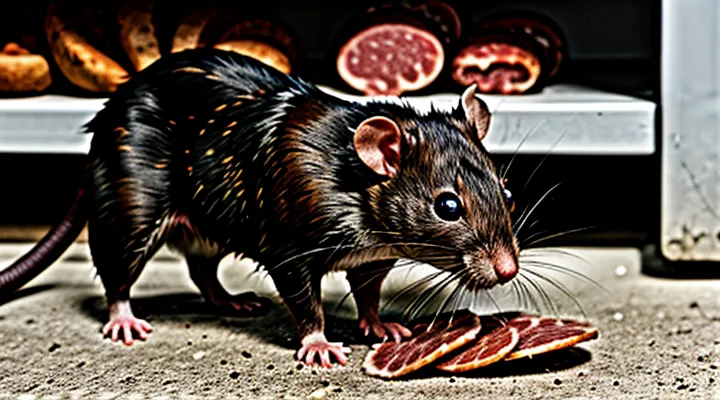
Understanding the Rat's Natural Diet
Dietary Adaptations of Wild Rats
Wild rats thrive on a highly variable diet, reflecting their status as opportunistic omnivores. Their natural foraging range includes seeds, fruits, insects, carrion, and processed human waste. This breadth of food sources drives several physiological and behavioral adaptations that enable efficient utilization of raw animal tissue.
The dentition of rats consists of continuously growing incisors and robust molars, allowing them to slice flesh and crush bone. Jaw musculature generates forces sufficient to break down tough connective tissue. Salivary enzymes, particularly amylase, initiate carbohydrate breakdown, while gastric secretions produce a low pH environment (pH ≈ 2) that denatures proteins and inactivates many pathogens commonly present in raw meat.
Gut microbiota in wild rats is highly diverse, dominated by Firmicutes and Bacteroidetes species capable of fermenting both plant polysaccharides and animal proteins. This microbial community produces short‑chain fatty acids that supply energy and support intestinal health, even when the diet is rich in protein and fat.
Metabolic pathways are adapted to fluctuating nutrient availability. Rats can up‑regulate hepatic enzymes such as cytochrome P450 isoforms to detoxify compounds found in decaying tissue. They also store excess fat in adipose depots, providing an energy reserve during periods of scarcity.
Key adaptations relevant to the practice of offering uncooked meat to domesticated rats include:
- Strong incisors and molars for mechanical breakdown of flesh.
- Gastric acidity that reduces bacterial load in ingested tissue.
- Enzymatic systems for rapid protein digestion and detoxification.
- A versatile gut microbiome that processes both plant and animal matter.
- Metabolic flexibility allowing efficient use of high‑protein, high‑fat diets.
When applying these insights to captive care, the inherent capacity of rats to handle raw meat does not eliminate health risks. Pathogens such as Salmonella, Campylobacter, and parasites may survive gastric passage despite low pH. Nutritional imbalances can arise if raw meat replaces essential micronutrients found in balanced rodent chow. Therefore, any inclusion of uncooked animal tissue should be limited, sourced from reputable suppliers, and complemented with a complete diet to match the nutritional profile of a wild rat’s varied intake.
What Do Wild Rats Eat?
Wild rats are opportunistic omnivores that consume whatever food sources are accessible in their environment. Their diet reflects seasonal availability and the proximity of human activity.
Typical components of a wild rat’s intake include:
- Grains, seeds, and nuts
- Fresh fruit and vegetable matter
- Insects, arachnids, and other arthropods
- Small vertebrates such as amphibians or other rodents
- Carrion and discarded animal tissue
- Human refuse, including processed foods and kitchen waste
Raw animal tissue forms a natural, though irregular, part of this diet. Rats obtain it from carrion, predation, or scavenging, but consumption is sporadic and often accompanied by exposure to environmental microbes.
When considering raw meat for captive rats, the following precautions are advisable:
- Offer only fresh, high‑quality meat to reduce bacterial load.
- Limit portion size to a small percentage of total daily intake.
- Monitor the animal for signs of digestive upset or illness.
- Ensure meat is free from bones that could cause injury.
Understanding the natural feeding habits of wild rats clarifies that raw meat is not a staple but an occasional resource, informing safe feeding practices for pet rats.
Potential Risks of Feeding Raw Meat to Pet Rats
Bacterial Contamination
Salmonella and E. coli
Raw meat can harbor pathogenic bacteria, notably Salmonella and Escherichia coli, which pose significant health risks to pet rats.
Salmonella species are gram‑negative, facultative anaerobes that survive in uncooked muscle tissue. Ingestion leads to gastrointestinal inflammation, characterized by watery diarrhea, reduced appetite, and lethargy. Severe cases may progress to septicemia, especially in young or immunocompromised rodents.
Pathogenic E. coli strains, such as O157:H7, produce Shiga toxins that damage intestinal epithelium. Clinical signs include hemorrhagic diarrhea, abdominal pain, and rapid dehydration. Mortality rates increase when toxin‑mediated kidney injury develops.
Risk reduction relies on strict handling and preparation protocols:
- Obtain meat from reputable, inspected suppliers; discard visibly spoiled portions.
- Freeze meat at –20 °C for at least 72 hours to lower bacterial load.
- Thaw in a refrigerator, never at ambient temperature.
- Wash hands, utensils, and surfaces with hot, soapy water after contact.
- Consider briefly cooking (e.g., 70 °C internal temperature) to ensure bacterial elimination while preserving nutritional value.
Adhering to these measures minimizes exposure to Salmonella and E. coli, supporting the health and longevity of rats fed uncooked protein sources.
Listeria
Listeria monocytogenes is a Gram‑positive bacterium that thrives in refrigerated, moist environments and can survive on raw animal tissue for weeks. When raw meat is offered to pet or laboratory rats, the pathogen may be present despite the meat’s appearance or smell.
Risk factors
- Inadequate refrigeration or prolonged storage at temperatures above 4 °C.
- Cross‑contamination from cutting boards, knives, or hands that have touched other raw foods.
- Use of meat sourced from farms with poor hygiene or without pathogen testing.
Clinical signs in rats
- Lethargy, reduced feed intake, and weight loss.
- Neurological symptoms such as tremors or ataxia, reflecting central nervous system invasion.
- Diarrhea, sometimes with blood, indicating gastrointestinal involvement.
Diagnostic approach
- Culture of brain, liver, or spleen tissue on selective agar.
- Polymerase chain reaction (PCR) targeting Listeria‑specific genes for rapid confirmation.
- Serology is rarely informative due to low antibody titers in early infection.
Preventive measures
- Store raw meat at 0–4 °C and use it within 48 hours of purchase.
- Freeze meat at –20 °C for at least 72 hours to reduce bacterial load; thaw in a refrigerator, not at room temperature.
- Employ separate utensils and work surfaces for raw meat; sanitize with a 1 % bleach solution after each use.
- Conduct routine health monitoring of rat colonies, including periodic bacterial cultures from fecal samples.
Response to confirmed infection
- Initiate antimicrobial therapy with high‑dose ampicillin or penicillin G, adjusted for the animal’s weight and renal function.
- Isolate affected individuals to prevent spread within the colony.
- Review and revise handling protocols to eliminate future contamination sources.
Listeria’s ability to persist in cold, low‑oxygen conditions makes raw meat a potential vector for infection in rats. Strict hygienic practices, proper storage, and vigilant health surveillance are essential to mitigate this risk.
Parasitic Concerns
Toxoplasmosis
Feeding rats uncooked meat introduces the possibility of Toxoplasma gondii infection. The parasite completes its sexual cycle in felids, while rodents serve as intermediate hosts. Ingesting tissue cysts present in raw meat can establish infection in a rat, leading to systemic spread and formation of brain cysts.
Infected rats often exhibit no outward signs, but may develop subtle neurological changes that affect behavior and experimental outcomes. Chronic infection can persist for the animal’s lifetime, complicating disease‑model studies and posing a zoonotic risk to handlers.
Preventive actions:
- Obtain meat from reputable suppliers with documented parasite testing.
- Freeze meat at –20 °C for at least seven days before offering it to rats; freezing reduces cyst viability.
- Cook meat to an internal temperature of 71 °C (160 °F) to ensure complete inactivation of T. gondii.
- Use commercial rodent diets formulated to meet nutritional requirements without raw animal components.
- Implement regular health screening of colonies, including serological tests for T. gondii antibodies.
Adhering to these practices minimizes the likelihood of toxoplasmosis transmission through raw meat and protects both animal welfare and research integrity.
Trichinellosis
Feeding rats uncooked animal tissue carries a risk of transmitting Trichinella parasites, the cause of trichinellosis. The parasite’s life cycle requires a host in which muscle larvae develop after ingestion of infected meat. When a rat consumes raw meat containing encysted larvae, the cysts dissolve in the stomach, releasing larvae that migrate to the intestine, mature, and produce new larvae that embed in skeletal muscle. This process can lead to clinical disease in the rodent and, if the rat is later used as food for other animals or humans, may propagate the infection.
Key points regarding trichinellosis risk in rats:
- Source of infection: Raw pork, game, or wild‑caught meat are common reservoirs of Trichinella spp.
- Incubation in rats: Symptoms may appear within 7–14 days, including reduced activity, weight loss, and muscle inflammation.
- Detection: Larvae can be identified by digesting muscle tissue in a saline solution and examining the sediment under a microscope.
- Prevention: Heat‑treat meat to an internal temperature of at least 71 °C (160 °F) for 10 minutes, or freeze at –20 °C for a minimum of 3 weeks, which kills most Trichinella species.
- Treatment: Anthelmintic drugs such as albendazole or mebendazole, administered promptly, reduce parasite burden and mitigate tissue damage.
Laboratory protocols that involve feeding rats raw meat should incorporate mandatory parasite screening of the meat supply and enforce thermal or freezing decontamination steps. Failure to implement these controls increases the likelihood of experimental distortion, animal welfare concerns, and potential zoonotic transmission.
Nutritional Imbalances
Imbalance of Macronutrients
Feeding rats exclusively raw meat often leads to a disproportionate intake of protein and fat while virtually eliminating carbohydrates. Rats require a balanced ratio of macronutrients to maintain metabolic homeostasis; excess protein can strain renal function, and high fat levels may predispose animals to obesity and hepatic lipidosis. The absence of dietary fiber, typically supplied by plant material, impairs gastrointestinal motility and reduces short‑chain fatty acid production, essential for colon health.
Key consequences of macronutrient imbalance include:
- Elevated blood urea nitrogen and creatinine, indicating renal overload.
- Increased serum triglycerides and cholesterol, reflecting lipid dysregulation.
- Decreased body weight gain despite high caloric density, due to inadequate carbohydrate-derived energy.
- Impaired immune response, linked to insufficient micronutrient co‑factors normally present in balanced diets.
To mitigate these risks, incorporate commercially formulated rodent chow or a mixed diet containing grains, vegetables, and controlled protein sources. Adjust raw meat portions to supplement, not replace, the core diet, ensuring protein contributes no more than 20 % of total caloric intake, fat remains below 10 %, and carbohydrates provide at least 55 % of energy. Regular monitoring of weight, blood chemistry, and stool consistency helps identify early signs of macronutrient disruption.
Lack of Essential Vitamins and Minerals
Providing rats with uncooked flesh often fails to meet their full micronutrient requirements. Meat supplies protein and fat but contains limited quantities of several vitamins and minerals that rodents must obtain from varied diets.
Key nutrients typically scarce in a raw‑meat‑only regimen include:
- Vitamin A – essential for vision and immune function; absent in muscle tissue.
- Vitamin D – required for calcium metabolism; low in most animal flesh.
- Vitamin E – antioxidant protecting cell membranes; minimal in lean meat.
- B‑complex vitamins (especially B1, B2, B6, B12) – involved in energy production; meat provides B12 but not the full spectrum.
- Calcium – critical for bone health; meat offers negligible amounts.
- Magnesium – supports neuromuscular activity; low in muscle tissue.
- Phosphorus – while present, the calcium‑to‑phosphorus ratio becomes imbalanced without supplemental calcium.
- Iron – abundant, yet excess without proper chelation can cause oxidative stress.
Rats relying solely on raw meat may develop deficiencies that manifest as poor growth, skeletal abnormalities, impaired reproduction, and weakened immunity. Balanced feeding protocols typically incorporate fortified pellets, vegetables, or supplements to ensure adequate intake of these micronutrients.
Safe Alternatives and Considerations
Cooked Meat for Rats
Safe Preparation Methods
Providing rats with uncooked meat requires strict handling to prevent bacterial contamination and nutritional imbalances. The following procedures ensure that raw protein sources are safe for laboratory or pet rodents.
- Purchase meat from reputable suppliers that guarantee freshness and proper refrigeration.
- Store meat at 0‑4 °C and use it within 24 hours of purchase.
- Before offering, trim visible fat, bone fragments, and connective tissue that could cause choking or digestive upset.
- Rinse the meat under running water to remove surface debris, then pat dry with disposable paper towels.
- Apply a validated pasteurization step: immerse the meat in a water bath at 63 °C for 30 minutes, or steam it for 5 minutes, then cool rapidly to room temperature. This reduces pathogens without fully cooking the protein.
- Portion the meat into 1‑2 g servings per rat, using sterilized utensils and containers.
- Label each portion with the date and source; discard any leftovers after 12 hours at room temperature.
Maintain a clean work area: sanitize countertops, knives, and cutting boards with a 70 % ethanol solution before and after preparation. Record all handling steps in a logbook to track compliance and traceability. By adhering to these measures, raw meat can be incorporated into a rat’s diet without compromising health.
Recommended Portions
Raw meat can serve as a protein source for pet rats, but the amount must align with the animal’s overall dietary balance. A typical adult rat weighing 250–300 g requires approximately 10–12 % of its daily caloric intake from animal protein. Translating that to weight, 1–2 g of raw meat per day satisfies the protein requirement without displacing essential fiber, vitamins, and minerals supplied by a high‑quality pellet base.
Guidelines for portion size:
- Weight‑based calculation: 0.4–0.6 % of the rat’s body weight in raw meat per day (e.g., a 300 g rat → 1.2–1.8 g).
- Frequency: Offer raw meat no more than three times per week to prevent excess fat and cholesterol accumulation.
- Variety: Alternate between lean muscle (chicken breast, turkey), organ meat (liver, kidney) and occasional lean red meat (beef). Organs should not exceed 10 % of the total meat portion due to high vitamin A content.
- Preparation: Trim visible fat, remove bones, and freeze meat for at least 48 hours to eliminate parasites before thawing and serving.
Monitoring body condition score weekly helps verify that the portion remains appropriate. Weight loss or excessive gain signals the need to adjust the meat amount or overall diet composition.
Commercial Rat Foods and Supplements
Commercial rat foods are formulated to meet the complete nutritional requirements of laboratory and pet rodents. They typically contain a balanced blend of protein (15‑20 % for adults, up to 24 % for growing rats), fat (4‑6 %), fiber, vitamins, and minerals. Ingredients often include grain‑based pellets, soy or fish meals, and fortified premixes that supply vitamin A, D, E, B‑complex, calcium, phosphorus, and trace elements such as zinc and selenium. The manufacturing process follows Good Manufacturing Practices (GMP) and, in many regions, complies with AAFCO or FDA guidelines for animal feed, ensuring consistent nutrient composition and limiting microbial contamination.
Supplements augment base diets when specific needs arise. Common formats include:
- Powdered vitamin‑mineral mixes for easy incorporation into moist foods.
- Freeze‑dried or lyophilized protein concentrates derived from chicken, turkey, or fish, providing high‑quality amino acids without excess fat.
- Probiotic blends containing Lactobacillus spp. that support gut health and may reduce pathogen load.
- Calcium carbonate or calcium‑phosphate tablets for breeding females and juveniles.
When raw meat is introduced as part of a rat’s diet, commercial products serve as a safety buffer. They provide essential nutrients that raw meat alone may lack, such as balanced calcium‑phosphorus ratios and stable vitamin levels. Moreover, commercial pellets and supplements undergo testing for pathogens (Salmonella, E. coli) and heavy metals, reducing the risk of infection that can accompany unprocessed flesh.
Safety considerations include:
- Verifying that supplements are labeled for rodent use; human‑grade products may contain additives unsuitable for rats.
- Checking expiration dates; nutrient degradation and microbial growth accelerate in moist environments.
- Monitoring for signs of nutrient imbalance, such as excessive weight gain from high‑fat meat supplements or dental wear from overly hard pellets.
In practice, a diet that combines a high‑quality commercial rat feed with measured portions of raw meat, supplemented by targeted vitamin‑mineral powders, offers a controlled approach. This strategy leverages the nutritional completeness of commercial formulations while allowing the protein benefits of raw meat, without compromising health or regulatory compliance.
Consulting a Veterinarian
When considering a diet that includes uncooked animal tissue for pet rodents, professional veterinary guidance is indispensable. A qualified veterinarian can evaluate the animal’s health status, identify nutritional gaps, and advise on safe sourcing and handling of raw products.
Key aspects to discuss with the vet include:
- Current health metrics (weight, coat condition, activity level)
- Potential pathogen exposure from raw meat (Salmonella, E. coli)
- Required supplementation to balance deficiencies (vitamins, minerals)
- Proper storage, thawing, and portion control procedures
- Monitoring protocols for digestive upset or allergic reactions
The veterinarian may recommend diagnostic tests such as fecal cultures or blood panels to detect hidden infections before introducing raw food. If the animal exhibits signs of gastrointestinal distress, weight loss, or abnormal behavior after dietary changes, immediate veterinary assessment is warranted.
Documentation of the meat’s origin, handling timeline, and any observed health changes should be kept for reference during follow‑up appointments. This systematic approach ensures that the diet aligns with the rodent’s physiological needs while minimizing health risks.
Expert Opinions and Research
Veterinarian Perspectives on Raw Diets
Veterinarians assess raw meat diets for rats by weighing nutritional benefits against health hazards. Clinical observations show that high‑quality raw protein can meet a rat’s amino acid requirements, but the diet often lacks essential micronutrients such as calcium, vitamin D, and certain B‑vitamins. Without targeted supplementation, deficiencies may develop rapidly.
Pathogen exposure represents the primary concern. Raw meat can harbor Salmonella, Campylobacter, and Clostridium species, which may cause enteric disease in rats and pose zoonotic risks to owners. Laboratory testing of meat batches confirms that even commercially sourced products occasionally contain low‑level contamination.
Digestive physiology influences tolerance. Rats possess a relatively short gastrointestinal tract optimized for omnivorous intake; abrupt introduction of large, unprocessed meat portions can overwhelm enzymatic capacity, leading to diarrhea, gastric upset, or intestinal obstruction. Gradual adaptation and portion control mitigate these effects.
Veterinary guidance for safe implementation includes:
- Purchase meat from reputable suppliers with documented pathogen testing.
- Freeze meat for at least 72 hours before thawing to reduce bacterial load.
- Trim visible fat and connective tissue to improve digestibility.
- Incorporate a balanced vitamin‑mineral supplement formulated for rats.
- Monitor body condition, stool consistency, and behavior weekly; adjust diet if adverse signs appear.
Overall, veterinary consensus recommends raw meat only as a controlled supplement within a complete, balanced diet, emphasizing rigorous sourcing, preparation, and ongoing health assessment.
Scientific Studies on Rodent Nutrition
Scientific investigations into rodent diets reveal that protein source, digestibility, and pathogen exposure critically influence health outcomes. Studies comparing purified diets with whole‑food components consistently demonstrate that raw animal tissue delivers high biologically available protein, yet also introduces variable microbial loads.
Key findings from peer‑reviewed research:
- Protein efficiency: Controlled trials in laboratory rats show that raw muscle meat yields nitrogen retention rates 10–15 % higher than soy‑based pellets, reflecting superior amino acid profile utilization.
- Microbial risk: Surveys of raw meat samples indicate contamination frequencies of Salmonella (≈4 %) and Campylobacter (≈2 %). Experimental infection models confirm that ingestion of contaminated meat can precipitate gastrointestinal inflammation and systemic spread within 48 hours.
- Vitamin and mineral balance: Analyses of raw meat diets reveal excess iron and zinc, potentially leading to hepatic accumulation, while lacking calcium and vitamin D, which are essential for skeletal integrity. Supplementation trials mitigate these deficiencies but require precise dosing.
- Long‑term health metrics: Longitudinal studies over 12 months report increased lifespan in rats receiving balanced raw meat formulations supplemented with essential micronutrients, contrasted with elevated incidence of neoplastic lesions in groups fed unprocessed meat without nutritional correction.
Overall, empirical evidence supports the nutritional adequacy of raw meat when it is pathogen‑free, nutritionally balanced, and complemented by essential vitamins and minerals. Unprocessed meat alone poses measurable health hazards; rigorous sourcing and dietary formulation are necessary to ensure safety.