
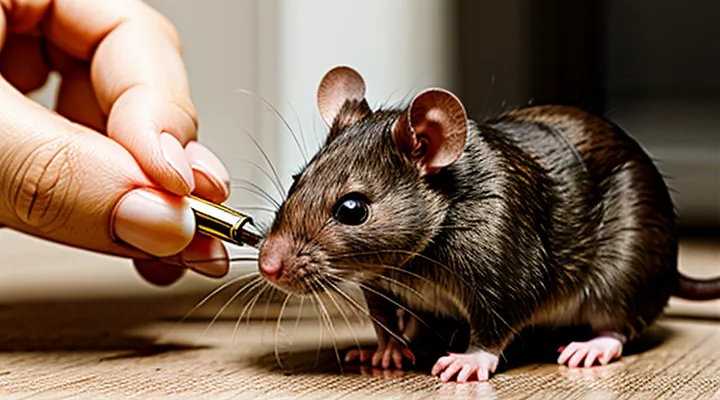
The Natural Process
Wild Rats vs. Domesticated Rats
Wild rats experience continuous claw abrasion while navigating rough surfaces, burrows, and vegetation. Natural wear keeps claw length within functional limits, eliminating the need for regular intervention.
Domesticated rats live on smooth cages, plastic wheels, and soft bedding. Limited abrasive contact leads to slower claw reduction, resulting in overgrowth that can impede locomotion and cause tissue damage.
Overgrown claws in pet rats present measurable risks: difficulty climbing, self‑injury, and compromised hygiene. Preventive management includes routine inspection and, when necessary, precise clipping.
Typical indicators that clipping is required:
- Visible extension beyond the toe pad
- Frequent snagging on cage accessories
- Redness or swelling at the claw base
- Audible clicking when the rat walks on hard surfaces
Effective clipping follows these steps:
- Secure the rat gently but firmly.
- Identify the clear demarcation between the hard claw tip and the softer nail bed.
- Trim only the hardened portion, avoiding the pink vascular region.
- Apply a mild antiseptic to the cut surface if bleeding occurs.
Regular assessment of claw length, combined with occasional clipping, maintains optimal mobility and health for captive rats, contrasting sharply with the self‑regulating wear observed in their wild counterparts.
The Necessity of Nail Trimming
When Trimming Becomes Essential
Rats’ claws grow continuously because the outer keratin layer wears away only during natural activities such as climbing and digging. When a rat’s environment lacks sufficient abrasive surfaces, the nails may extend beyond the paw pads, creating a risk of self‑injury and mobility impairment.
Signs that nail trimming has become essential include:
- Nails reaching or surpassing the paw pad surface
- Visible cracks or splits in the claw tip
- Reluctance to walk or frequent limping
- Bleeding or soreness after contact with objects
Excessively long claws can puncture soft tissue, leading to infections, reduced ability to grip, and chronic pain. In severe cases, overgrowth may cause deformation of the digit bones, compromising overall skeletal health.
Preventive trimming should occur before any of the listed symptoms appear. Regular inspection—at least once a week—allows owners to schedule a trim when nails approach the pad margin. Trimming tools must be sharp, clean, and appropriate for small mammals to avoid crushing the nail matrix.
When overgrowth is already present, immediate clipping of the protruding portion reduces pressure on the paw and prevents further tissue damage. If bleeding occurs, applying gentle pressure with a sterile swab stops hemorrhage. Persistent issues warrant veterinary assessment to rule out underlying metabolic or nutritional disorders that accelerate nail growth.
Identifying Overgrown Nails
Identifying overgrown nails in pet rats requires careful observation of the animal’s paws and behavior. Overgrown claws can cause discomfort, impair mobility, and lead to tissue damage if left unchecked.
Signs of excessive nail length include:
- Visible extension of the claw beyond the toe pad, often curving downward.
- Difficulty climbing or gripping surfaces, resulting in frequent slipping.
- Redness, swelling, or ulceration around the nail base, indicating tissue irritation.
- Audible clicking or scraping sounds when the rat walks on smooth flooring.
- Unusual grooming behavior, such as persistent paw licking or biting.
Physical examination should involve gently restraining the rat and inspecting each paw under adequate lighting. The nail’s keratin sheath should be compared to the surrounding pad; any portion extending beyond the natural edge warrants trimming. Regular checks, at least once weekly, help maintain optimal claw length and prevent complications associated with overgrowth.
Visual Cues
Visual assessment provides the primary method for determining whether a rat’s claws require trimming. Regular observation of nail length, shape, and interaction with the environment reveals the need for maintenance.
Key visual indicators include:
- Nails extending beyond the soft pad of the toe, exposing a sharp tip.
- Curved or hooked claws that catch on bedding, cages, or clothing.
- Discoloration or cracking of the nail surface, suggesting overgrowth or damage.
- Difficulty walking, frequent slipping, or reluctance to climb, observable during normal activity.
- Audible clicking or scraping when the animal moves across hard surfaces, indicating excessive length.
Effective inspection follows a consistent routine. Position the rat on a flat surface, use a bright light or magnifying lamp to enhance clarity, and compare each nail to the underlying pad. Gently spread the toes to expose the full length; any protrusion beyond the pad signals trimming necessity. Conduct this check at least once a week, adjusting frequency for young or rapidly growing individuals.
Accurate visual cues enable timely nail care, preventing injuries, discomfort, and potential complications associated with overgrown claws.
Behavioral Indicators
Rats exhibit specific behaviors that signal overgrown claws, indicating the need for regular nail maintenance. Persistent scratching of cage bars, especially when the animal appears uncomfortable, often reflects claws contacting hard surfaces. Excessive grooming of the paws, accompanied by visible swelling or reddening, suggests irritation caused by elongated nails. Reluctance to climb or frequent slipping on smooth flooring points to reduced traction due to excessive length. Vocalizations of distress when handling the hind limbs may also be an alarm sign.
Observable signs include:
- Repeated attempts to dig into bedding with front paws, creating deep tunnels that compensate for reduced grip.
- Visible nail curvature extending beyond the toe pad, sometimes catching on fabric or wire.
- Frequent paw licking or chewing, indicating self‑directed attempts to alleviate discomfort.
- Changes in gait, such as a cautious shuffle or lifting of the affected limb.
Monitoring these indicators allows caretakers to determine the appropriate interval for claw trimming, ensuring rat welfare and preventing injury. Regular assessment reduces the risk of pododermatitis and maintains optimal mobility.
How to Trim Rat Nails
Preparation for Trimming
Proper preparation is essential for safe and effective nail trimming in pet rats. The process minimizes stress, prevents injury, and promotes healthy claw growth.
- Assemble appropriate tools: small animal nail clippers or scissors, a fine‑grain file, and a styptic powder for accidental bleeding.
- Provide a calm environment: quiet room, low lighting, and a stable surface such as a padded tray.
- Secure the rat gently: use a soft cloth or a specialized restraint tube to limit movement without causing panic.
- Inspect claws beforehand: identify the quick, the pink vascular area, and any overgrown or broken nails.
- Clean the paws with a mild antiseptic solution to remove debris and reduce infection risk.
- Have a cotton swab or gauze ready for immediate application of styptic powder if bleeding occurs.
Avoid using human‑size clippers, applying excessive force, or trimming too close to the quick. Regular short sessions, combined with proper restraint and tool selection, ensure the procedure remains painless and reduces the likelihood of complications.
Essential Tools
Rats require regular claw maintenance to avoid overgrowth, which can lead to pain, impaired mobility, and damage to cage furnishings. Proper equipment ensures safe, precise trimming and reduces stress for both animal and caretaker.
Essential tools include:
- Small‑animal nail clippers or scissors designed for delicate bones;
- Styptic powder or cornstarch to halt bleeding from accidental cuts;
- Gentle restraint device, such as a soft mesh pouch or hand‑held holder;
- Stable grooming surface that prevents slipping;
- Magnifying lamp or headlamp for clear visibility of the quick.
The process begins with gentle restraint, followed by inspection of each claw under adequate lighting. Clippers should be positioned just beyond the transparent quick, applying a swift, clean cut. Immediate application of styptic powder controls any minor hemorrhage. Regular use of these items maintains optimal claw length and promotes overall health.
Creating a Calm Environment
A tranquil setting reduces anxiety in rodents during nail maintenance, allowing precise clipping without sudden movements.
- Choose a room with minimal external noise; soft background sounds such as white noise can mask sudden disturbances.
- Dim lighting prevents glare and creates a soothing atmosphere; a low‑intensity lamp provides sufficient visibility without startling the animal.
- Place a familiar nesting material on the work surface; the scent of the home cage fosters a sense of security.
- Maintain a stable temperature between 20 °C and 24 °C; abrupt temperature shifts provoke stress responses.
Consistent handling techniques reinforce calmness. Gently restrain the rat using a soft cloth, supporting the body without excessive pressure. Perform a brief pre‑trim routine—light petting and soft vocalizations—to signal a non‑threatening interaction. After clipping, offer a small treat to associate the procedure with positive reinforcement.
Implementing these measures creates an environment where nail trimming proceeds efficiently, minimizing the risk of injury to both animal and caretaker.
The Trimming Technique
Proper nail trimming for pet rodents involves a systematic approach that minimizes stress and prevents injury. The process begins with appropriate equipment: a pair of small, sharp, straight‑cutting nail clippers designed for rodents, a clean towel or soft restraint cloth, and a bright light source to illuminate the nail’s growth plate.
The animal should be gently wrapped in the towel, leaving only the forelimbs or hindlimbs exposed. This restraint reduces sudden movements while allowing clear access to the claws. With the light focused on the nail, locate the translucent band near the tip, known as the quick, which contains blood vessels and nerves. Only the hardened portion beyond the quick should be trimmed to avoid bleeding.
A step‑by‑step technique:
- Position the claw between the clipper’s blades, ensuring the quick remains out of the cutting zone.
- Apply a smooth, decisive squeeze to remove a small segment, typically 1‑2 mm.
- Inspect the cut edge; if any bleeding occurs, apply a tiny amount of styptic powder or cornstarch to stop it.
- Release the limb, allow the rat a brief period of recovery, then repeat on the remaining claws.
Regular intervals—approximately every four to six weeks—maintain optimal nail length. Monitoring for signs of overgrowth, such as difficulty climbing or audible clicking on hard surfaces, indicates the need for more frequent trimming. This methodical routine supports the animal’s mobility and overall health while preserving a calm handling experience.
Holding Your Rat Safely
Handling a rat correctly prevents injury and reduces stress, which is essential when assessing claw health. The animal should be approached calmly, allowing it to sniff the hand before contact. Support the hindquarters with one hand, placing the palm gently under the abdomen, while the other hand stabilizes the chest and forelimbs. This position distributes weight evenly and avoids pressure on the spine.
Key practices for safe handling:
- Keep nails trimmed to a length that does not interfere with gripping; overly long claws can catch on fabric and cause sudden movements.
- Use a soft, non‑slip surface such as a fleece pad to hold the rat if longer periods of restraint are required.
- Monitor the rat’s breathing and posture; rapid breathing or a hunched back indicates discomfort and the need to release the animal immediately.
- Wash hands before and after handling to maintain hygiene and reduce the risk of transmitting pathogens.
When a rat shows signs of anxiety, pause and allow it to retreat to its enclosure. Re‑approach after a short interval, reinforcing a predictable routine. Consistent, gentle handling builds trust, making future nail‑maintenance procedures smoother and safer for both the pet and the caretaker.
The Proper Cut
Rats maintain claw health through regular trimming; improper length leads to overgrowth, tissue damage, and impaired mobility. The proper cut removes only the transparent, non‑pigmented portion of the nail, avoiding the pink blood vessel (the quick).
Technique:
- Secure the animal on a stable surface, using a gentle restraint that prevents sudden movements.
- Inspect each claw to locate the clear tip; the quick appears as a pink line extending from the base.
- Position a small, sharp nail clipper at a 45‑degree angle to the clear tip.
- Clip a minimal amount, no more than 1 mm, ensuring the quick remains untouched.
- Apply a styptic powder or cornstarch to any minor bleeding, allowing clotting within seconds.
Frequency depends on activity level and diet; active rats with abrasive surfaces may require trimming every four to six weeks, while less active individuals may need it every eight weeks. Regular observation of nail length and occasional trimming prevent complications and support overall wellbeing.
What to Avoid
Proper nail care is essential for the health and comfort of pet rats. Incorrect handling can lead to bleeding, infection, or stress.
What to avoid
- Using human nail clippers that lack a fine, precise tip; they may crush the nail rather than cleanly cut it.
- Cutting too close to the pink, vascular portion of the nail (the quick); this results in painful bleeding.
- Restraining the animal with excessive force; stress can cause sudden movements and accidental injury.
- Trimming nails in a noisy or brightly lit environment; heightened anxiety reduces cooperation.
- Ignoring signs of nail overgrowth, such as difficulty climbing or abnormal foot posture; delayed intervention may cause joint problems.
- Applying chemicals or disinfectants directly to the nail bed; these substances can irritate delicate tissue.
- Using dull blades; they increase the risk of splintering the nail.
Avoiding these common errors ensures safe, effective nail maintenance for rats.
Cutting the Quick
The quick is the pink, vascular core that runs through the distal portion of a rat’s claw. It supplies blood and nerves; damage causes bleeding and pain.
When trimming claws, exposure of the quick indicates that the cut was too deep. Immediate bleeding, a dark red ooze, and the rat’s sudden withdrawal signal injury.
To prevent cutting the quick, follow these steps:
- Inspect each claw against a light source; the quick appears as a darker line within the translucent tip.
- Trim only the clear, white portion that extends beyond the quick.
- Use a sharp, purpose‑built nail clipper; apply a single, clean cut rather than multiple snips.
- If the quick is difficult to see, limit the cut to no more than 1 mm from the tip.
- In case of accidental contact, apply a sterile powder or styptic agent to stop bleeding promptly.
After trimming, monitor the claws for a few minutes. Absence of continued bleeding and normal grooming behavior confirm a successful procedure. Regular, careful trimming maintains claw health and prevents overgrowth without harming the vascular core.
Causing Stress
Nail maintenance in pet rats can provoke stress if performed without proper technique. The procedure involves handling, restraint, and potential discomfort, each capable of triggering a physiological stress response.
Stress arises from several sources during clipping. Sudden grasping of the animal may activate fear circuits; excessive pressure on the paw can cause pain; bright lighting and unfamiliar sounds elevate arousal levels. Even the scent of antiseptic solutions contributes to anxiety.
Observable signs include rapid breathing, vocal squeaks, freezing, aggressive bites, and excessive grooming after the session. Elevated cortisol levels have been documented in rats subjected to prolonged restraint, confirming the hormonal impact of stressful handling.
To reduce stress, follow these practices:
- Acclimate the rat to gentle handling for several days before the first trim.
- Use a soft, padded surface and minimal restraint, allowing the animal to support its own weight.
- Employ specialized, sharp clippers to limit the number of cuts required.
- Perform the procedure under low, steady illumination to avoid startling the animal.
- Offer a favored treat immediately after clipping to create a positive association.
Implementing these measures minimizes fear, limits hormonal spikes, and promotes a calm environment for effective nail care.
Alternatives and Prevention
Providing Enrichment for Natural Wear
Rats naturally file their claws through activities such as climbing, gnawing and scratching. Providing enrichment that encourages these behaviors supplies continuous abrasion, reducing the frequency of manual nail trimming.
Effective enrichment includes:
- Multi‑level cage structures with wooden ramps, branches and platforms.
- Textured surfaces, such as sisal rope, cork blocks and rough stone tiles, positioned for regular paw contact.
- Chewable items, for example untreated wood blocks, mineral chews and dense cardboard, that also serve as scratching posts.
- Hidden foraging toys that require manipulation and digging, prompting frequent paw placement on abrasive materials.
Consistent use of such elements promotes even claw wear, prevents overgrowth, and supports overall limb health. Regular observation of claw length remains advisable, but well‑designed enrichment markedly lowers the need for routine trimming.
Rough Surfaces and Toys
Rats with excessively long claws experience difficulty moving, reduced ability to grip, and increased risk of injury. Natural wear occurs when claws contact abrasive materials during daily activity.
«Rough surfaces» such as untreated wood, cement blocks, or sandpaper strips placed in the enclosure create constant friction. This friction gradually shortens the nail tips, decreasing the need for frequent manual trimming. Regular exposure to these textures also encourages natural gnawing behavior, which supports overall dental health.
«Toys» designed for climbing, scratching, and chewing contribute to nail wear. Items with textured surfaces—rope ladders, sisal ropes, and plastic tunnels with ridges—force the animal to use its paws actively. Consistent interaction with such toys produces incremental nail reduction while providing mental stimulation.
Key considerations for effective nail management without relying solely on trimming:
- Include at least one abrasive element in the cage layout; replace or rotate materials to maintain effectiveness.
- Choose toys that require paw engagement, avoiding smooth or purely decorative objects.
- Monitor claw length weekly; replace worn surfaces if nails cease to show measurable reduction.
- Ensure abrasive materials are securely attached to prevent accidental ingestion or injury.
Combining appropriate enclosure textures with engaging toys reduces the frequency of manual nail maintenance while preserving the rat’s natural grooming instincts.
Regular Exercise
Regular exercise contributes directly to the maintenance of healthy claws in pet rodents. Active movement encourages natural abrasion of the nail surface, which reduces the frequency of manual trimming. When rats engage in climbing, tunneling, and running, the dorsal edges of the nails encounter resistant substrates, leading to gradual shortening. Consequently, the risk of overgrown nails and associated complications diminishes.
Key outcomes of consistent physical activity include:
- Enhanced wear of nail tips through interaction with cage accessories such as wheels, tunnels, and chew toys.
- Strengthened forelimb muscles that support proper nail alignment and prevent deformation.
- Improved overall agility, reducing the likelihood of nail injury caused by sudden impacts or entanglement.
Owners should provide enrichment items that promote climbing and exploration. Regularly rotating toys and adjusting cage layout maintains motivation and ensures varied contact points for nail wear. Monitoring the condition of the claws remains essential; any signs of excessive length or uneven growth warrant immediate assessment, even in highly active individuals.
Professional Assistance
Professional nail care for pet rats often requires expertise beyond typical home grooming. Trained specialists possess the tools and techniques necessary to trim claws safely, minimizing the risk of injury and infection. Their experience includes proper restraint methods, precise cutting angles, and immediate response to any bleeding.
Benefits of seeking expert assistance:
- Accurate assessment of nail length relative to the animal’s activity level.
- Use of sterilized instruments that reduce pathogen transmission.
- Immediate application of hemostatic agents if bleeding occurs.
- Guidance on a maintenance schedule tailored to the individual rat’s growth rate.
Veterinary clinics and certified rodent groomers typically offer comprehensive services. Appointments usually involve a brief health check, allowing detection of underlying conditions such as pododermatitis that may affect trimming technique. Documentation of each session provides a record for future reference, supporting consistent care.
When evaluating providers, consider credentials, client testimonials, and compliance with animal welfare standards. Selecting a qualified professional ensures that nail maintenance contributes to overall health without compromising the rat’s comfort.
Potential Complications of Untrimmed Nails
Health Risks
Overgrown claws in pet rats create pressure on toe joints, leading to painful deformation and reduced mobility. Continuous growth without regular trimming forces the animal to adopt abnormal gait patterns, increasing the likelihood of musculoskeletal injury.
Key health risks include:
- Soft tissue lacerations caused by claws catching on cage bars or bedding.
- Development of ingrown nails that penetrate the paw pad, resulting in infection.
- Chronic inflammation of the digit, which can progress to osteomyelitis if untreated.
- Self‑mutilation when rats attempt to relieve discomfort by gnawing at their own paws.
Preventive care involves scheduled claw maintenance, typically every two to four weeks, using appropriate trimming tools. Monitoring nail length during routine health checks allows early detection of overgrowth, reducing the chance of severe complications. Regular grooming also supports overall hygiene, limiting bacterial colonisation around the digit.
Injury to Paws
Overgrown claws frequently puncture the soft tissue of a rat’s foot, producing acute pain and bleeding. Sharp edges can catch on cage bars or bedding, causing the nail to snap and leaving a jagged fragment embedded in the pad. Such trauma often leads to swelling, reduced mobility, and secondary bacterial infection if the wound is not promptly cleaned.
Typical injuries resulting from untreated nails include:
- Puncture wounds of the paw pad
- Fractured or broken claw fragments
- Inflammation and swelling of the digit
- Abscess formation due to bacterial invasion
Preventive care consists of regular claw assessment and trimming to a length that allows the nail to clear the foot without contacting surfaces. Trimming should be performed with a small, sharp rodent nail clipper, removing only the tip to avoid cutting the quick, the vascular core of the nail. After each session, the paws should be inspected for signs of bleeding or irritation, and any minor cuts cleaned with a dilute antiseptic solution. Consistent maintenance eliminates the risk of paw injury and supports overall health.
Impaired Movement
Overgrown claws can restrict a rodent’s gait, leading to reduced mobility and altered posture. Excessive nail length interferes with the natural placement of the foot pads, causing the animal to shift weight onto the toes. This shift increases pressure on joints and may result in limping, difficulty climbing, or reluctance to explore.
Signs of movement impairment include:
- Uneven or dragging steps
- Preference for one side of the body
- Reluctance to use ladders or tubes
- Visible swelling around the paws
If untreated, chronic discomfort can progress to secondary injuries such as tendon strain or joint degeneration. Regular nail maintenance mitigates these risks by preserving the natural range of motion and preventing excessive pressure on the musculoskeletal system.
Recommended protocol:
- Inspect claws weekly for visible growth beyond the toe pad.
- Trim only the free edge, avoiding the quick, which appears as a pink line within the nail.
- Use a small animal‑specific clipper to ensure a clean cut.
- Provide a soft bedding surface post‑trimming to reduce stress on the paws.
Consistent claw care supports optimal locomotion, reduces the likelihood of gait abnormalities, and promotes overall health in pet rats.
Impact on Rat Comfort and Behavior
Overgrown claws restrict a rat’s stride, generate pressure on the foot pads, and can lead to painful lesions. When nails extend beyond the natural curve, the animal may drag the tips across cage surfaces, causing abrasions that interfere with normal grooming. Chronic discomfort often manifests as reduced exploration, decreased use of exercise wheels, and a tendency to withdraw from social interaction.
Trimming nails restores natural foot mechanics, allowing smooth contact with substrate and facilitating efficient climbing. Improved mobility encourages active play, enhances foraging behavior, and supports normal territorial marking. Rats that experience less physical strain display lower cortisol levels and exhibit fewer signs of stress‑related aggression.
Key behavioral indicators of adequate claw maintenance:
- Consistent use of all limbs during locomotion
- Regular engagement with enrichment items (tunnels, wheels, climbing structures)
- Balanced grooming patterns without excessive licking of paws
- Stable hierarchy positions within group housing, without heightened dominance displays
Neglecting claw care predisposes rats to musculoskeletal strain, compromises hygiene, and can alter social dynamics. Routine nail management, performed with appropriate tools and restraint techniques, directly contributes to the animal’s overall well‑being.