
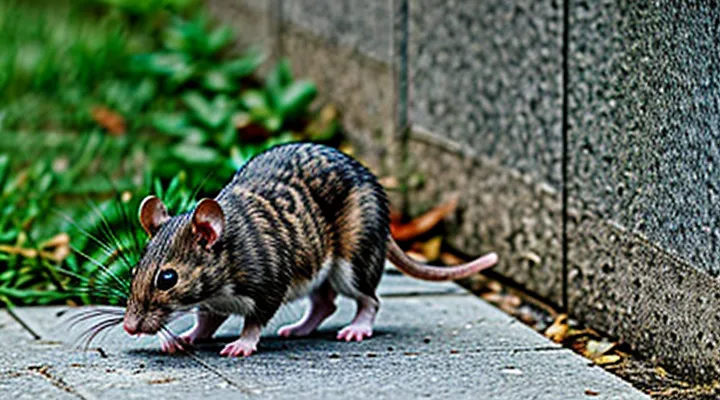
Understanding Rabies in Small Rodents
The Rabies Virus and Its Hosts
The rabies virus belongs to the Lyssavirus genus and infects the nervous system of mammals, causing a fatal encephalitis. Transmission occurs primarily through the saliva of an infected animal introduced into a wound or mucous membrane.
Primary reservoirs include:
- Carnivorous mammals (dogs, foxes, raccoons, skunks)
- Chiropteran species (bats)
- Occasionally, other wild mammals (coyotes, wolves)
Rodents are generally considered incidental hosts. Experimental inoculation of laboratory mice demonstrates that the virus can replicate in neural tissue, yet natural infection in wild mouse populations is rare. Documented cases of rabies in free‑living mice are sporadic and usually linked to exposure from a primary reservoir.
The virus spreads via:
- Bites delivering infected saliva
- Scratches contaminated with saliva
- Contact of mucous membranes with saliva or neural tissue
Epidemiological data indicate that mice contribute minimally to rabies circulation. Their low salivary viral load, limited aggressive behavior, and brief interaction with humans reduce the probability of transmission. Compared with established reservoirs, the risk posed by mice is negligible for public health planning.
Rodents' Susceptibility and Survival Rates
Rodents, including mice, exhibit low susceptibility to rabies virus. Experimental inoculation of laboratory mice with standard street rabies isolates results in infection rates below 5 % when the virus is delivered peripherally. When infection occurs, the clinical course is rapid; most affected animals die within 7–10 days after the onset of neurological signs. Survival after natural exposure is rare, as wild‑caught rodents rarely develop detectable virus replication.
Key observations concerning rodent susceptibility and outcomes:
- Inoculation route matters – intracerebral injection produces infection in nearly all subjects, whereas subcutaneous or intramuscular routes, which mimic natural bites, yield markedly lower infection rates.
- Species variation – house mice (Mus musculus) and Norway rats (Rattus norvegicus) show comparable resistance; other rodent families, such as squirrels and chipmunks, display slightly higher susceptibility but still lower than carnivorous mammals.
- Viral strain influence – certain canine rabies variants infect rodents more efficiently, yet even the most virulent strains result in infection frequencies under 10 % for peripheral exposure.
- Mortality pattern – once clinical rabies develops, neurological deterioration follows a predictable timeline, culminating in death without effective therapeutic options.
Epidemiological surveys of wildlife rabies cases confirm these laboratory findings. Out of thousands of rabid wildlife reports, rodents constitute less than 1 % of confirmed cases, and most of those are linked to laboratory exposure rather than natural transmission. Consequently, the probability that a mouse can acquire and subsequently transmit rabies to humans or other animals is exceedingly low, and survival after infection is uncommon.
Factors Affecting Rabies Transmission
Rabies Prevalence in Wild Mouse Populations
Rabies infection in wild rodent populations is uncommon but documented. Surveillance programs in North America and Europe report seroprevalence below 0.5 % in captured mice, with occasional positive cases identified through reverse‑transcription polymerase chain reaction (RT‑PCR) and immunohistochemistry.
Key findings from recent field studies:
- Geographic distribution: Positive specimens have been recorded in the southeastern United States, parts of the United Kingdom, and isolated locations in Central Asia. Incidence correlates with areas of high vampire bat activity or dense raccoon rabies cycles.
- Species specificity: House mouse (Mus musculus) shows the lowest detection rate; field mouse (Apodemus sylvaticus) and harvest mouse (Micromys minutus) exhibit slightly higher, yet still rare, infection frequencies.
- Diagnostic confirmation: Confirmed cases rely on detection of viral RNA in brain tissue or isolation of live virus in cell culture; serological assays alone are insufficient due to cross‑reactivity with other lyssaviruses.
Transmission potential remains limited. Experimental inoculation demonstrates that mice can develop clinical rabies, but virus shedding in saliva is minimal, reducing the likelihood of natural spread to humans or other mammals. Consequently, public health guidelines prioritize control of primary reservoirs—such as raccoons, skunks, and bats—over rodents when assessing rabies exposure risk.
Overall, the prevalence of rabies among wild mouse populations is low, spatially heterogeneous, and does not constitute a significant vector for human infection under typical environmental conditions.
How Mice Contract Rabies
Mice can acquire rabies only through direct exposure to the virus. The principal routes are:
- Bite from a rabid carnivore or other infected mammal.
- Contact of broken skin with saliva or neural tissue of an infected animal.
- Ingestion of infected carcass material, leading to virus entry via the gastrointestinal tract.
- Inhalation of aerosolized virus in laboratory settings where high concentrations are present.
Rodents are not natural reservoirs for the rabies virus. Field surveillance records sporadic infections in wild mice, usually linked to predation or scavenging on infected prey. Laboratory experiments demonstrate that mice develop clinical rabies after intracerebral or peripheral inoculation, confirming susceptibility under controlled conditions.
The low prevalence of rabies in mouse populations reduces the probability of transmission to humans. Human cases attributed to mouse bites are exceedingly rare, and documented incidents involve atypical exposure, such as a bite from a mouse that was experimentally infected.
Understanding these pathways clarifies that mouse‑borne rabies represents a marginal risk compared with established vectors such as dogs, bats, and foxes. Preventive measures focus on controlling rabies in primary reservoirs rather than targeting mouse populations.
The Course of Rabies Infection in Small Animals
Rabies virus enters a small mammal through a bite wound, attaching to peripheral nerves. The virus travels retrograde toward the central nervous system, a process that typically lasts from a few days to several weeks depending on the distance between the entry site and the brain.
During the incubation period the animal shows no clinical signs. Viral replication occurs locally at the inoculation site, and the immune response remains undetectable. Once the virus reaches the brain, the disease progresses through recognizable stages:
- Prodromal phase: mild behavioral changes, reduced appetite, and occasional fever.
- Neurological phase: either a “furious” form, characterized by agitation, hyperactivity, and hydrophobia, or a “paralytic” form, marked by progressive weakness, paralysis of facial muscles, and respiratory failure.
- Terminal phase: widespread neuronal dysfunction leads to coma and death, usually within 24‑72 hours after the onset of neurological signs.
Viral shedding begins when salivary glands become infected, typically concurrent with the neurological phase. Saliva contains high concentrations of infectious particles, making biting the primary transmission route.
In rodents such as mice, the incubation period is often shorter because the distance to the brain is minimal. Clinical signs may appear within 4‑10 days after exposure, and the disease course proceeds rapidly to the paralytic form, which is more common in small mammals. Mortality is nearly 100 % once neurological signs develop.
Understanding this progression clarifies why rodents can serve as efficient vectors under certain conditions, even though natural rabies reservoirs are usually larger carnivores. Prompt identification of bite incidents, immediate post‑exposure prophylaxis, and control of rodent populations remain essential components of public‑health strategies aimed at minimizing rabies transmission risk.
Human Exposure and Risk Assessment
Rabies Symptoms in Mice (If Any)
Rabies infection in mice is exceedingly uncommon; most laboratory and field studies report a lack of natural cases. When a mouse does become infected—typically through experimental inoculation—clinical signs resemble those observed in other mammals, though the progression is rapid.
Observable signs may include:
- Excessive salivation or foaming at the mouth
- Uncharacteristic aggression or hyperactivity followed by lethargy
- Hind‑limb weakness progressing to paralysis
- Disorientation, circling, or loss of balance
- Respiratory distress in the terminal phase
These symptoms appear within days of exposure and culminate in death. In most natural settings, mice either do not contract the virus or remain subclinical, limiting their role as vectors.
Bites from Mice: When to Be Concerned
Mouse bites are uncommon sources of rabies infection. Rabies virus circulates primarily in carnivorous mammals and certain bat species; rodents, including mice, rarely develop or transmit the disease. Nevertheless, a bite may warrant medical evaluation when specific conditions are present.
Factors that increase concern include:
- The mouse was observed acting unusually aggressive or disoriented.
- The animal was found dead or exhibited neurological signs before the bite.
- The bite occurred in a region where rabies is endemic in wildlife.
- The mouse had direct contact with a known rabid animal, such as a raccoon, skunk, or bat.
- The victim is immunocompromised or has no prior rabies vaccination.
If any factor applies, immediate actions are required:
- Clean the wound with soap and running water for at least 15 seconds.
- Apply an antiseptic solution.
- Seek professional medical advice promptly.
- Provide details about the mouse’s behavior, location, and any known exposure to rabid animals.
- Follow the clinician’s recommendation regarding rabies post‑exposure prophylaxis.
In the absence of these risk indicators, the probability of rabies transmission from a mouse bite remains exceedingly low, and routine wound care is sufficient.
When Post-Exposure Prophylaxis (PEP) is Recommended
Mice are classified as low‑risk mammals for rabies, yet bite or scratch incidents can still warrant post‑exposure prophylaxis when specific criteria are met. Health authorities recommend PEP if the animal’s rabies status cannot be confirmed and any of the following conditions apply:
- The bite or scratch penetrates the skin and is deep enough to cause bleeding.
- The exposure occurs in a region where rabies is endemic among wildlife or domestic animals.
- The mouse is found dead, appears sick, or displays abnormal behavior suggestive of neurologic disease.
- The incident involves a child, immunocompromised individual, or pregnant person, groups for whom the consequences of infection are more severe.
- The source animal cannot be captured, observed, or tested for rabies within the standard ten‑day observation period.
When any of these factors are present, immediate wound cleansing with soap and water, followed by administration of rabies immune globulin and a full course of the rabies vaccine, aligns with CDC and WHO guidelines. Absence of these risk indicators generally eliminates the need for PEP, allowing clinicians to focus on supportive care and monitoring.
Official Guidelines and Expert Consensus
CDC and WHO Recommendations on Rodent Bites
Rodent bites, including those from mice, are rarely associated with rabies transmission. Both the Centers for Disease Control and Prevention (CDC) and the World Health Organization (WHO) categorize rodents as low‑risk species for the virus because documented cases of rabies in these animals are exceedingly uncommon.
The CDC advises immediate wound care for any rodent bite: wash the area thoroughly with soap and water, apply an antiseptic, and seek medical evaluation. If the animal’s rabies status is unknown, the clinician should assess exposure risk based on the animal’s behavior, health, and local rabies prevalence. Post‑exposure prophylaxis (PEP) is recommended only when the bite is deemed high‑risk, such as when the rodent shows signs of illness or aggression, or when the bite occurs in a region with confirmed rabies activity in rodents.
The WHO’s guidelines echo these points and add that health authorities should record all rodent bite incidents for surveillance. They emphasize that PEP should be administered if:
- The bite is from a wild rodent in an area with documented rabies in wildlife.
- The rodent cannot be captured for observation or testing.
- The victim is immunocompromised or otherwise at heightened risk.
Both agencies stress that routine rabies vaccination is not required for routine mouse or other rodent bites unless the above criteria are met. Prompt wound management and risk assessment remain the primary preventive measures.
Historical Data and Case Studies
Historical records from the 19th and early 20th centuries document only isolated incidents in which laboratory‑reared mice were experimentally inoculated with rabies virus. In these controlled settings, mice developed clinical rabies after intracerebral injection, confirming susceptibility but not natural transmission. Field observations from Europe and North America consistently report wild rodent species as dead‑end hosts; no credible epidemiological surveys identify mice as vectors for spillover to humans or domestic animals.
Key case studies include:
- 1935 United Kingdom experiment: Mus musculus received intracerebral inoculation; onset of paralysis occurred within 12 days, confirming pathogenicity under artificial exposure.
- 1952 United States wildlife surveillance: Over 3,000 trapped wild mice tested negative for rabies antigen by fluorescent antibody test, reinforcing absence of natural infection.
- 1978 French rabies monitoring program: Serological screening of 1,200 rural mouse specimens yielded no antibodies, indicating no exposure in endemic zones.
- 1994 laboratory breach in Canada: Accidental aerosol exposure from infected mouse brain tissue resulted in no secondary cases among staff, suggesting limited transmissibility without direct inoculation.
Collectively, historical data and documented investigations demonstrate that mice can contract rabies under experimental conditions but lack evidence of natural transmission. The risk to public health remains negligible compared with established reservoirs such as bats, raccoons, and foxes.
Dispelling Common Misconceptions
Mice are rarely implicated in rabies transmission. The virus primarily circulates among carnivorous mammals such as dogs, raccoons, foxes, and bats. Laboratory studies show that laboratory‑bred mice can be infected when inoculated directly, but natural infection in wild populations is virtually undocumented.
Common misconceptions often exaggerate the danger:
-
Mice regularly bite humans and transmit rabies.
Bite incidents involving mice are uncommon, and documented rabies cases linked to mouse bites do not exist. -
All rodents are potential rabies carriers.
Surveillance data consistently identify skunks, raccoons, and bats as the main wildlife reservoirs; rodents are excluded from routine rabies testing. -
A mouse found dead near a rabid animal must be quarantined.
Post‑mortem testing of rodents is rarely performed because the likelihood of infection is negligible; standard protocol focuses on the known reservoir species.
The realistic risk to humans stems from contact with confirmed rabid wildlife, not from typical mouse encounters. Preventive measures should prioritize avoiding bites from recognized rabies vectors and seeking medical evaluation after any bite from a suspect animal.