
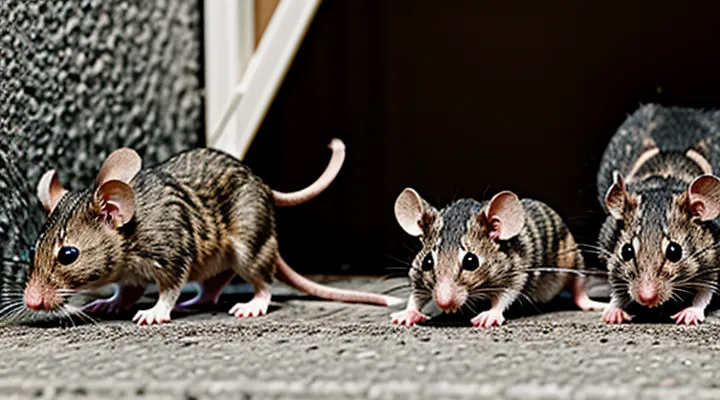
Understanding Mouse Bites
Do All Mice Bite?
Wild Mice Versus Pet Mice
Wild mice exhibit heightened aggression compared with domesticated mice. Their natural environment demands rapid responses to predators, resulting in frequent defensive biting when threatened. In contrast, pet mice are selectively bred for docility; they bite only when provoked by mishandling, sudden movements, or inadequate socialization.
Key factors influencing bite risk:
- Habitat exposure: Wild mice encounter diverse pathogens and parasites, increasing stress levels that can trigger biting. Pet mice live in controlled cages, limiting external stressors.
- Dietary differences: Wild mice consume variable, often scarce food sources, leading to heightened competition and defensive behavior. Pet mice receive balanced nutrition, reducing competition-driven aggression.
- Human interaction history: Wild mice have minimal habituation to humans, perceiving people as predators. Pet mice are regularly handled from a young age, fostering tolerance.
Precautionary measures for each group:
- Wild mouse encounters: Wear thick gloves, use tools (tongs, traps) to avoid direct contact, and disinfect any surfaces touched by the animal. Avoid cornering the mouse; allow an escape route to reduce defensive responses.
- Pet mouse handling: Wash hands before and after contact, support the mouse’s body to prevent sudden jumps, and provide enrichment to lower stress. Inspect teeth regularly for overgrowth that can cause unintended bites.
Understanding these distinctions enables effective risk management when dealing with mice in any setting.
Situations That Provoke Bites
Mice may bite when they perceive a threat, experience discomfort, or encounter stimuli that trigger defensive behavior. Understanding the contexts that elicit bites helps prevent injuries and reduces stress for both animal and handler.
- Sudden movements or abrupt handling that startle the mouse. Rapid hand gestures, dropping objects, or unexpected contact can cause an immediate defensive bite.
- Confinement in cramped or unfamiliar cages. Overcrowding, lack of hiding places, or sudden changes in enclosure layout increase agitation and the likelihood of biting.
- Handling during molting, illness, or after injury. Physical pain or weakened immunity makes mice more irritable and prone to defensive aggression.
- Presence of predators or strong odors. The scent of cats, dogs, or other carnivores, as well as strong cleaning chemicals, can provoke a fight‑or‑flight response resulting in bites.
- Inadequate social conditions. Dominant individuals forced to share space with subordinates may bite to establish hierarchy, especially when resources such as food or nesting material are limited.
- Improper restraint techniques. Gripping the tail or applying pressure to the body without supporting the animal’s posture can be interpreted as a threat, prompting a bite.
Avoiding these triggers requires gentle, predictable handling, spacious and enriched housing, routine health monitoring, and restraint methods that respect the mouse’s natural defensive instincts. Implementing these precautions minimizes bite incidents and promotes a safer environment for both researchers and pet owners.
Signs of a Mouse Bite
Visual Identification
Visual identification is the first line of defense when assessing the likelihood of mouse bites. Accurate recognition of rodent presence and behavior enables timely intervention and reduces exposure to potential injuries.
Key visual indicators include:
- Small, dark droppings measuring 2–6 mm, often found along walls, in corners, or near food sources.
- Gnaw marks on wires, insulation, wood, or packaging, typically 2–4 mm wide with smooth edges.
- Grease or oil trails left by the animal’s fur, appearing as faint, shiny lines along baseboards or cabinets.
- Nests constructed from shredded paper, fabric, or insulation, commonly located in concealed areas such as behind appliances or within wall cavities.
- Live sightings of mice, characterized by a slender body, large ears, and a pointed snout; activity peaks at night, so visual encounters may occur during low‑light conditions.
Observing these signs allows for rapid risk assessment. When any of the above are present, implement containment measures, seal entry points, and consider professional pest control to prevent bites and associated health concerns.
Symptoms Beyond the Mark
Mouse bites can produce more than a puncture wound. Immediate redness, swelling, and warmth often indicate a local inflammatory response. Persistent pain, spreading erythema, or the appearance of pus suggests bacterial infection and warrants medical evaluation.
Allergic reactions may manifest as hives, swelling of the face or throat, or difficulty breathing. Rapid onset of these symptoms after a bite requires emergency treatment with antihistamines or epinephrine.
Pathogens carried by rodents, such as Streptobacillus moniliformis (rat‑bite fever) or hantavirus, can cause systemic illness. Early signs include fever, chills, muscle aches, and headache. Progression to rash, nausea, or respiratory distress signals the need for prompt diagnostic testing and targeted therapy.
Psychological effects, though invisible, can be significant. Anxiety, heightened vigilance, or avoidance of areas where mice are present may develop after an encounter. Persistent fear or sleep disturbance benefits from counseling or behavioral strategies.
Key indicators that extend beyond the bite site:
- Enlarged lymph nodes near the injury
- Unexplained joint pain or swelling
- Persistent low‑grade fever lasting more than 48 hours
- Unusual skin eruptions distant from the wound
- Sudden onset of shortness of breath or wheezing
Recognition of these additional symptoms enables timely medical intervention, reduces complications, and supports overall safety when dealing with rodent exposure.
Risks Associated with Mouse Bites
Potential Health Hazards
Bacterial Infections
Mice can transmit several bacterial pathogens through bite wounds. The most common agents include:
- Streptobacillus moniliformis – cause of rat‑bite fever, also associated with mouse bites.
- Leptospira spp. – lead to leptospirosis, often contracted via contaminated urine that enters bite sites.
- Pasteurella spp. – produce local cellulitis and can progress to systemic infection.
- Salmonella spp. – may colonize oral cavities and cause gastrointestinal illness after ingestion of wound exudate.
Bite injuries create a direct route for bacteria from the mouse’s oral flora into subcutaneous tissue. Prompt wound management reduces infection risk. Recommended actions:
- Apply pressure to stop bleeding, then irrigate the wound with sterile saline for at least one minute.
- Clean surrounding skin with an antiseptic solution such as povidone‑iodine.
- Cover with a sterile dressing and seek medical evaluation within 24 hours.
- If signs of infection appear—redness, swelling, warmth, pus, fever—initiate antibiotic therapy as directed by a healthcare professional. Empiric coverage often includes a beta‑lactam antibiotic effective against Pasteurella and Streptobacillus.
Prevention focuses on minimizing contact with wild or laboratory mice. Use gloves and protective clothing when handling rodents, maintain cages free of debris, and ensure proper hand hygiene after any interaction. Regular veterinary health checks of pet mice reduce carrier prevalence, thereby lowering bite‑related bacterial transmission.
Viral Diseases
Mouse bites can transmit several zoonotic viruses, each with distinct clinical implications. Lymphocytic choriomeningitis virus (LCMV) causes febrile illness, meningitis, or encephalitis after exposure to infected rodent saliva or tissues. Hantavirus species, notably Seoul virus, are carried by wild and laboratory mice; infection may result in hemorrhagic fever with renal syndrome or pulmonary syndrome. Atypical arenaviruses, such as the mouse-associated mammarenavirus, have been identified in limited outbreaks, producing flu‑like symptoms that can progress to severe respiratory distress.
Risk assessment depends on bite circumstances. Factors increasing viral transmission include:
- Deep puncture wounds that breach skin integrity.
- Presence of blood or saliva from a mouse known to carry LCMV or hantavirus.
- Immunocompromised status of the bite victim.
- Lack of immediate wound cleansing.
Preventive measures focus on bite avoidance and post‑exposure management:
- Store food in sealed containers; eliminate attractants that draw mice into living areas.
- Maintain rodent‑proof barriers on doors, windows, and utility openings.
- Use traps or professional pest control to reduce mouse populations.
- Wear thick gloves when handling captured rodents or cleaning contaminated sites.
- Flush bite sites with sterile saline for at least 30 seconds; apply antiseptic and cover with a sterile dressing.
- Seek medical evaluation promptly; request testing for LCMV and hantavirus if exposure risk is evident.
- Document the incident, including date, location, and any known rodent health information, to aid diagnostic decisions.
Early identification of viral infection relies on serologic testing and polymerase chain reaction assays. Antiviral therapy is limited; supportive care remains the mainstay for hantavirus pulmonary syndrome, while ribavirin may be considered for severe LCMV cases. Timely intervention improves outcomes and reduces complications.
Allergic Reactions
Allergic reactions can occur after a mouse bite, even when the wound appears minor. The immune system may recognize proteins in mouse saliva, urine, or dander as allergens, triggering a cascade of histamine release.
Typical manifestations include localized swelling, redness, and itching at the bite site, progressing to hives, respiratory distress, or anaphylaxis in severe cases. Onset ranges from minutes to several hours post‑exposure; rapid progression warrants immediate medical attention.
Preventive measures focus on minimizing contact and preparing for potential hypersensitivity:
- Avoid handling wild or laboratory mice without gloves and protective clothing.
- Wash hands thoroughly after any interaction with rodents or their habitats.
- Carry an epinephrine auto‑injector if a known rodent allergy exists.
- Keep antihistamines and topical corticosteroids accessible for mild reactions.
If a bite occurs, clean the area with antiseptic, monitor for escalating symptoms, and seek emergency care at the first sign of airway compromise, throat swelling, or systemic rash. Documentation of the incident assists healthcare providers in diagnosing and managing rodent‑related allergies.
When to Seek Medical Attention
Immediate Care
When a mouse bite occurs, swift action reduces infection risk and promotes healing. First, apply pressure with a clean cloth or gauze to stop bleeding; maintain pressure for one to two minutes until bleeding subsides. Next, rinse the wound thoroughly under running water for at least thirty seconds, using mild soap around the edges but avoiding direct soap contact with the tissue. After cleaning, disinfect with an antiseptic solution such as povidone‑iodine or chlorhexidine; allow the area to air‑dry before covering.
- Apply a sterile, non‑adhesive dressing to protect the site.
- Monitor for signs of infection: increasing redness, swelling, warmth, pus, or fever.
- Seek medical evaluation promptly if any of the following appear:
Tetanus prophylaxis must be reviewed; administer a booster if the last dose exceeds ten years, or five years for high‑risk wounds. Document the incident, including date, location, and circumstances, to aid healthcare providers in assessing potential disease exposure.
Long-Term Monitoring
Long‑term monitoring provides continuous data that enable reliable assessment of mouse bite hazards in residential, laboratory and commercial settings. By recording bite incidents, health indicators and environmental conditions over months or years, stakeholders can identify patterns that single‑event evaluations miss.
Key elements of an effective monitoring program include:
- Systematic observation of rodent activity and interaction with humans.
- Regular health checks of individuals exposed to mice, focusing on wound status and infection markers.
- Periodic inspection of habitats for signs of infestation, structural damage and sanitation lapses.
Consistent data collection supports early detection of emerging bite trends, facilitates statistical analysis of incidence rates, and informs adjustments to control measures before problems intensify. Evidence of rising bite frequency prompts immediate review of traps, bait placement and educational outreach.
Implementation follows a structured routine:
- Establish a reporting schedule (weekly logs, monthly summaries).
- Record specific details for each bite event: date, location, severity, species identification, and any medical treatment administered.
- Conduct quarterly habitat audits, noting rodent signs and sanitation scores.
- Analyze aggregated data to calculate incidence per 1,000 person‑hours, compare against baseline thresholds, and generate actionable recommendations.
Sustained monitoring reduces uncertainty, improves preventive strategies, and protects health by ensuring that bite‑related risks are managed with evidence‑based precision.
Preventing Mouse Bites
In and Around Your Home
Rodent Control Strategies
Mice are capable of delivering bites that may transmit pathogens such as Streptobacillus moniliformis and Leptospira spp. Reducing bite incidents requires effective rodent control measures.
Maintaining a hostile environment for mice limits their presence. Actions include:
- Eliminating food sources by storing grains, cereals, and pet food in sealed containers.
- Removing clutter, debris, and standing water that provide shelter.
- Inspecting structures for gaps larger than ¼ inch and sealing openings with steel wool, caulk, or metal flashing.
Mechanical capture remains a reliable option. Available devices are:
- Snap traps positioned along walls, behind appliances, and near droppings.
- Live‑catch traps for temporary removal, followed by humane euthanasia or relocation in compliance with local regulations.
- Electronic traps delivering a rapid, lethal shock, useful in areas where traditional traps are impractical.
Chemical interventions supplement physical methods when infestations exceed manageable levels. Guidelines for rodenticide use include:
- Selecting products labeled for indoor or outdoor application as appropriate.
- Placing bait stations out of reach of children and non‑target animals.
- Monitoring bait consumption and disposing of expired material according to manufacturer instructions.
An integrated pest management (IPM) framework coordinates these tactics. IPM emphasizes regular inspection, documentation of activity, and adjustment of controls based on observed efficacy. Combining sanitation, exclusion, trapping, and judicious chemical use achieves sustained reduction of mouse populations and minimizes the risk of bites.
Sealing Entry Points
Sealing entry points is a primary method for preventing mouse encounters that can lead to bites. Mice exploit gaps as small as a quarter‑inch; eliminating these openings removes the pathway to food, shelter, and human contact.
Identify all potential access routes. Conduct a systematic inspection of the building envelope, focusing on foundations, walls, doors, windows, utility penetrations, and roof eaves. Pay special attention to areas where pipes, cables, or ventilation ducts pass through walls.
Apply appropriate sealing materials. Use steel wool or copper mesh to fill larger voids, then cover with caulk, expanding foam, or cement to create a durable barrier. For gaps around doors and windows, install weatherstripping or compression seals. Replace damaged screens and repair cracked foundation slabs promptly.
Maintain the sealed environment. Perform regular checks for new cracks or damage caused by settling, weather, or pest activity. Reapply sealing agents as needed to ensure continuous protection against mouse intrusion and the associated bite risk.
Proper Food Storage
Proper food storage reduces the likelihood of mouse encounters and the potential for bites. Secure containers made of metal or thick plastic prevent rodents from accessing crumbs, pet food, and raw materials. Store items in sealed, airtight packages and keep them off the floor to eliminate easy entry points.
Effective practices include:
- Using containers with lock‑tight lids for all dry goods.
- Placing food in refrigerators or freezers when not in immediate use.
- Removing packaging waste promptly and disposing of it in sealed bins.
- Inspecting storage areas regularly for signs of gnawing or droppings.
Maintaining a clean, organized pantry limits attractants, discourages mouse activity, and supports overall bite risk mitigation.
Handling Pet Mice Safely
Best Practices for Interaction
When handling rodents, the primary objective is to minimize the likelihood of a bite while ensuring the animal’s welfare. Effective interaction relies on preparation, technique, and ongoing observation.
- Wash hands thoroughly before and after contact to remove scents that may alarm the mouse.
- Use clean, dry gloves or a soft cloth to provide a barrier without restricting the animal’s movement.
- Approach the cage slowly, allowing the mouse to become accustomed to your presence. Sudden gestures trigger defensive behavior.
- Offer a treat or gentle scent to create a positive association with human contact.
- Support the mouse’s body with both hands: one hand cradles the torso, the other stabilizes the hindquarters. This grip distributes pressure evenly and prevents choking.
- Keep the interaction time brief, especially with unfamiliar individuals, to reduce stress.
Continuous monitoring of the mouse’s body language is essential. Flattened ears, rapid breathing, or a stiff tail indicate heightened tension; pause the interaction and give the animal space. If a bite occurs, clean the wound with antiseptic, apply pressure to stop bleeding, and seek medical advice for possible infection.
Implementing these practices consistently lowers bite risk, promotes trust, and supports safe, humane handling of mice.
Educating Children
Mice are common in homes, schools, and playgrounds, and children may be tempted to touch or chase them. Accurate information about bite potential helps prevent injuries and reduces fear.
Bite incidents are rare but can occur when a mouse feels threatened, is cornered, or is handling food. When a bite happens, bacteria from the animal’s mouth may enter the wound, creating a risk of infection that sometimes requires medical treatment.
- Explain that mice bite only when provoked or stressed.
- Emphasize the need to keep a safe distance from any rodent.
- Teach hand‑washing with soap and water after any contact with animals or their droppings.
- Instruct children to report any bite or scratch to an adult immediately.
- Show how to recognize signs of infection: redness, swelling, warmth, or pus.
Use age‑appropriate language, visual aids, and role‑playing scenarios to reinforce safe behavior. Demonstrate proper hand hygiene, and practice “stop‑and‑ask” routines before approaching any small animal. Supervise outdoor play areas and inspect storage spaces for signs of rodent activity.
Parents, teachers, and caregivers should inspect homes for entry points, seal gaps, and maintain cleanliness to deter mice. Providing children with clear, consistent guidance reduces the likelihood of bites and promotes responsible interaction with wildlife.
After a Mouse Bite: First Aid and Next Steps
Immediate Care Measures
Cleaning the Wound
When a rodent bite occurs, immediate wound care reduces infection risk and limits tissue damage. Rinse the area with clean running water for at least one minute, using mild soap only on surrounding skin, not directly in the wound. Apply gentle pressure with sterile gauze to stop bleeding, then inspect for debris or puncture depth.
- Disinfect with an antiseptic such as povidone‑iodine or chlorhexidine; avoid hydrogen peroxide, which may impair healing.
- Cover with a sterile, non‑adhesive dressing; change daily or if it becomes wet.
- Seek medical evaluation promptly for possible tetanus booster, antibiotic therapy, and assessment of rabies exposure, especially if the bite originates from a wild mouse.
Document the incident, noting time, location, and any observable animal signs. Follow healthcare provider instructions regarding follow‑up visits and signs of infection, such as increasing redness, swelling, pus, or fever.
Disinfecting
Disinfecting surfaces that may attract or harbor rodents reduces the likelihood of bite incidents and limits pathogen transmission. Rodent saliva, urine, and feces contain bacteria such as Salmonella and Leptospira that can survive on contaminated materials for weeks. Regular sanitization eliminates these reservoirs and discourages mice from frequenting the area.
Effective disinfection requires:
- Selection of EPA‑registered rodent‑specific disinfectants or broad‑spectrum agents (e.g., quaternary ammonium compounds, hydrogen peroxide, diluted bleach solutions).
- Application according to manufacturer‑specified contact time to ensure microbial kill.
- Thorough coverage of entry points, food storage zones, and any surfaces showing signs of gnawing or droppings.
Precautionary measures while disinfecting:
- Wear impermeable gloves and eye protection to avoid direct contact with toxic chemicals and contaminated debris.
- Ventilate the area to disperse fumes from chlorine‑based or aerosolized products.
- Dispose of used cleaning cloths and disposable wipes in sealed bags before discarding.
Routine protocol:
- Inspect premises weekly for rodent activity.
- Clean visible droppings with a disposable towel, then spray the affected spot with a chosen disinfectant.
- After the required dwell time, wipe the surface with a fresh damp cloth and allow it to air dry.
Implementing these steps creates an environment that deters mice, lowers bite risk, and protects occupants from associated infections.
Follow-Up Actions
Observing for Symptoms
Observing for symptoms after a potential mouse bite is essential for early intervention. Bite wounds may appear minor but can develop complications within hours or days.
Key signs to monitor include:
- Redness spreading beyond the wound edges
- Swelling or warmth around the bite site
- Increasing pain or throbbing sensation
- Pus, fluid discharge, or foul odor
- Fever, chills, or unexplained fatigue
- Nausea, vomiting, or abdominal discomfort (possible systemic infection)
- Rapid heartbeat, shortness of breath, or swelling of lips and tongue (possible allergic reaction)
Document the onset, intensity, and progression of each symptom. Record the date and time of the bite, any immediate first‑aid measures, and any changes observed during the first 24–48 hours.
If any of the following occur, seek medical attention promptly: high fever (>38 °C), rapidly expanding redness, severe pain unrelieved by over‑the‑counter analgesics, or signs of anaphylaxis. Early treatment reduces the risk of infection, including bacterial pathogens commonly carried by rodents.
Regular self‑assessment, combined with timely professional evaluation, mitigates health risks associated with mouse encounters.
Consulting a Healthcare Professional
Mouse bites can introduce bacteria, viruses, and toxins that may progress rapidly without proper medical oversight. A qualified practitioner evaluates the wound, determines the need for antibiotics, and assesses the likelihood of rabies exposure, tetanus status, and allergic reactions. Prompt professional assessment reduces complications and guides appropriate treatment.
When you seek medical care, expect the following actions:
- Thorough cleaning and debridement of the bite site
- Evaluation of tetanus immunization and administration of a booster if required
- Prescription of antibiotics targeting common rodent‑borne pathogens such as Streptococcus and Pasteurella species
- Assessment of rabies risk based on animal behavior, location, and local prevalence, followed by immunoglobulin or vaccine administration when indicated
- Documentation of the incident for legal and health‑record purposes
- Recommendations for wound care at home and signs that warrant immediate re‑evaluation
Timely consultation ensures accurate diagnosis, prevents infection spread, and provides personalized guidance on avoiding future exposures. Maintaining an up‑to‑date health record and following the clinician’s instructions are essential components of effective risk management after a mouse bite.