
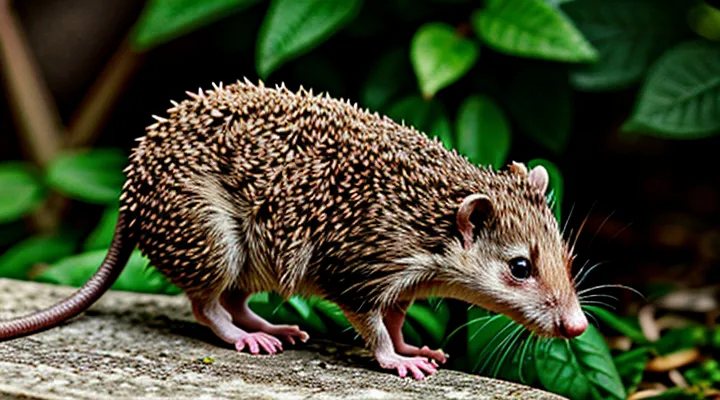
The Hedgehog's Diet: An Overview
Natural Diet of Hedgehogs
Insects and Invertebrates
Hedgehogs are primarily insectivores; their stomachs are adapted to process soft-bodied prey rather than the dense muscle and bone of small mammals. When evaluating whether they include mice or rats in their diet, the nutritional composition of insects and other invertebrates provides a more accurate indicator of typical consumption patterns.
The digestive system of a hedgehog contains a short, acidic stomach suited for rapid breakdown of chitin and protein found in arthropods. Enzymes target the exoskeletons of beetles, caterpillars, and earthworms, allowing efficient nutrient extraction. Rodent tissue requires longer gastric retention and stronger proteolytic activity, which hedgehogs lack.
Typical invertebrate items observed in wild and captive hedgehog meals include:
- Beetles (Coleoptera)
- Caterpillars and moth larvae (Lepidoptera)
- Earthworms (Oligochaeta)
- Slugs and snails (Gastropoda)
- Millipedes and centipedes (Myriapoda)
Occasional ingestion of mouse or rat carcasses may occur when such prey is readily available, but it remains an exception rather than a regular dietary component. The predominance of insects and other invertebrates confirms that hedgehogs are not adapted to rely on rodents as a primary food source.
Small Vertebrates
Hedgehogs are primarily insectivorous, yet they will consume small vertebrates when available. Laboratory observations and field studies show that adult European hedgehogs (Erinaceus europaeus) and African pygmy hedgehogs (Atelerix albiventris) include the following vertebrate prey in their diet:
- Juvenile mice (Mus spp.) up to 30 g body mass
- Young rats (Rattus spp.) up to 50 g body mass
- Small shrews (Sorex spp.)
- Tadpoles of pond-breeding amphibians
- Newly hatched lizards (e.g., Lacerta spp.)
Prey selection depends on size, mobility, and seasonal abundance. Hedgehogs typically capture immobilized or slow‑moving individuals, using their acute sense of smell and tactile whiskers. Consumption of vertebrates contributes protein and lipids that complement the insect diet, especially during autumn when insect activity declines.
In captivity, offering live or freshly killed small vertebrates is optional. Many caretakers provide only invertebrates because vertebrate prey can introduce parasites and increase the risk of injury. When vertebrate prey is offered, it should not exceed 10 % of the total daily intake by weight.
Ecologically, predation on juvenile rodents can reduce local pest populations, but hedgehog impact is limited by their low density and opportunistic feeding pattern. Their role as occasional vertebrate predators complements their function as insect controllers.
Fruits and Fungi
Hedgehogs primarily consume invertebrates, yet they regularly supplement their diet with plant material when insects are scarce.
Common fruits offered to hedgehogs include:
- Apples (seedless, cut into small pieces)
- Berries such as strawberries, blueberries, and raspberries
- Pears (skin removed, no core)
- Melon flesh, limited to occasional treats
Fruit provides simple sugars and vitamins, but excessive intake can disrupt digestive balance and promote obesity; portions should remain small and infrequent.
Fungi also appear in hedgehog foraging behavior. Edible species accepted by hedgehogs are limited to:
Mushrooms supply protein, fiber, and micronutrients. However, hedgehogs lack the ability to discriminate toxic varieties; ingestion of poisonous fungi can cause rapid hepatic failure. Only vetted, commercial mushroom products should be introduced.
Overall, fruits and fungi serve as auxiliary nutrients for hedgehogs, enhancing dietary variety while requiring strict control to avoid health complications.
Do Hedgehogs Prey on Rodents?
Primary Food Sources vs. Opportunistic Feeding
Evidence from Wild Hedgehog Studies
Field studies consistently show that wild hedgehogs rarely include small rodents in their diet. Stomach‑content examinations across Europe reveal that insects constitute more than 80 % of ingested biomass, while vertebrate remains are occasional and represent less than 5 % of total mass. When mammals are present, they are identified as juvenile shrews, amphibians, or occasional bird chicks, not adult mice or rats.
Camera‑trap surveys in suburban gardens and agricultural margins record predation events on rodents in less than 1 % of observed feeding bouts. The few documented cases involve captive or unusually large hedgehogs that capture weakened or juvenile rodents, often after other prey sources have been exhausted.
Key observations from wild populations:
- Gastro‑intestinal analyses: vertebrate fragments detected in 3–4 % of samples; identified species are primarily shrews and amphibians.
- Direct observations: less than ten confirmed instances of hedgehogs killing or eating adult mice or rats over a decade of monitoring.
- Seasonal variation: vertebrate intake peaks in late autumn when insect activity declines, yet rodent consumption remains marginal.
- Habitat influence: higher rodent occurrence in urban sites does not correspond to increased predation rates.
Overall evidence indicates that hedgehogs are opportunistic feeders with a strong preference for invertebrates; consumption of mice and rats is rare, incidental, and not a significant component of their natural diet.
Conditions Leading to Rodent Consumption
Hedgehogs are primarily insectivores, yet they may consume small rodents when specific conditions arise.
- Limited availability of natural prey such as beetles, caterpillars, and earthworms forces hedgehogs to seek alternative food sources.
- Prolonged fasting or high metabolic demand, for instance during breeding or cold periods, increases the likelihood of predation on mice and rats.
- Captivity environments that lack appropriate invertebrate supply often lead caretakers to supplement diets with rodent meat, creating a learned acceptance of such prey.
- Presence of injured, juvenile, or weakened rodents provides an easily captured target, reducing the energy cost of hunting.
These factors collectively determine whether a hedgehog will incorporate rodents into its diet.
Nutritional Value of Rodents for Hedgehogs
Potential Benefits
Hedgehogs that consume small rodents can contribute to pest control in residential and agricultural settings. By reducing mouse and rat populations, they lower the risk of crop damage, structural contamination, and disease transmission associated with these pests.
Potential benefits include:
- Decreased need for chemical rodenticides, which minimizes environmental toxicity and non‑target wildlife exposure.
- Reduced incidence of zoonotic pathogens such as hantavirus and leptospirosis, lowering public health concerns.
- Enhanced biodiversity in gardens and farms, as natural predation supports balanced ecosystems.
These outcomes support sustainable management practices and promote healthier human‑environment interactions without reliance on synthetic interventions.
Potential Risks
Hedgehogs that occasionally capture mice or rats expose themselves to several hazards.
- Parasites such as fleas, ticks, and intestinal worms often inhabit wild rodents. Ingestion can introduce these organisms to the hedgehog’s digestive system, leading to anemia, gastrointestinal distress, or secondary infections.
- Bacterial pathogens, including Salmonella, Leptospira, and Yersinia, are common in rodent populations. Consumption may result in acute enteritis or systemic illness, compromising the animal’s immune response.
- Toxic residues accumulate in many urban and agricultural rodents. Pesticides, rodenticides, and heavy metals can persist in tissue; ingestion transfers these toxins to the hedgehog, causing organ damage or lethal poisoning.
- Physical injury is a realistic outcome. Rodents possess sharp teeth and strong jaws capable of inflicting bite wounds, which may become infected or impair the hedgehog’s foraging ability.
- Ecological disruption may occur if hedgehogs begin to rely heavily on rodent prey. Shifts in diet can reduce their consumption of insects, altering local pest control dynamics and potentially affecting biodiversity.
Veterinarians and wildlife rehabilitators recommend limiting exposure to rodent prey, monitoring for signs of infection, and providing balanced nutrition to mitigate these risks.
Hedgehog Behavior and Hunting Strategies
Nocturnal Foraging Habits
Hedgehogs become active after sunset and search for food throughout the night. Their foraging strategy relies on keen smell and tactile perception rather than vision, allowing efficient detection of prey hidden in leaf litter and soil.
Typical nocturnal prey includes:
- Beetles, caterpillars, earthworms, and other invertebrates
- Slugs, snails, and occasional arthropods such as spiders
- Small vertebrates, primarily juvenile mice and young rats
The hunting sequence follows a predictable pattern: scent detection, slow approach, brief capture using the mouth, and immediate consumption. Spines protect the animal while it maneuvers through dense undergrowth, reducing risk of injury from defensive prey.
Scientific examinations of stomach contents and fecal samples reveal that mouse and rat remains appear sporadically, confirming that hedgehogs can capture these rodents but do not depend on them as a staple. Captive trials show successful predation on laboratory mice, while field studies report juvenile mouse bones in wild specimens. The frequency of such items increases when insect populations decline.
During colder months, hedgehogs expand their diet to incorporate more vertebrate tissue, supplementing the reduced availability of insects. This seasonal shift maintains energy balance and supports survival through winter.
Sensory Abilities for Prey Detection
Hearing
Hedgehogs rely on acute auditory perception to locate small, nocturnal prey. Their ear canals are long and flexible, allowing sound waves to be captured efficiently even at low intensities. Frequency sensitivity peaks around 2–5 kHz, matching the typical vocalizations of rodents such as mice and rats. This alignment enables hedgehogs to detect rustling or squeaking movements beneath leaf litter and in burrows.
The auditory system integrates with tactile whisker input, creating a rapid response loop. When a sound indicative of a rodent is identified, the animal adjusts its foraging path within seconds. This swift orientation reduces the chance of missing fleeting prey and compensates for the hedgehog’s limited visual range in darkness.
Key hearing traits that support rodent predation:
- Broad dynamic range, tolerating quiet rustles and louder scurrying.
- High temporal resolution, distinguishing brief chirps from background noise.
- Neural pathways that prioritize sudden, high‑frequency sounds typical of small mammals.
Smell
Hedgehogs rely on a highly developed olfactory system to locate food. Their nasal epithelium contains millions of receptors that detect volatile compounds released by potential prey. When a mouse or rat moves, it emits pheromones, urine, and skin secretions that create a distinct scent profile. Hedgehogs can discriminate these signals from background odors, allowing them to assess the presence and size of a rodent before approaching.
The scent of a rodent also influences hedgehog foraging decisions. Studies show that hedgehogs preferentially investigate odors associated with small mammals rather than insects when both are available. This preference correlates with observed instances of hedgehogs capturing and consuming rodents in the wild. The olfactory cue triggers a predatory response, leading to stalking, biting, and swallowing of the prey.
Key olfactory factors that affect rodent predation:
- Presence of mammalian urine and fecal odor
- Release of stress-related compounds during movement
- Concentration of scent trails in confined habitats
These factors together enable hedgehogs to identify and capture mice and rats, confirming that smell is a decisive element in their ability to consume such prey.
Rodents as a Food Source: A Rare Occurrence
Size and Defense Mechanisms of Mice and Rats
Mice typically measure 6–10 cm in body length, weigh 10–30 g, and possess a slender, flexible skeleton that facilitates rapid movement through narrow openings. Rats are larger, with body lengths of 15–25 cm, weights ranging from 150 g to over 300 g, and a more robust build that supports powerful jaws and greater stamina.
Both species rely on several defensive strategies that reduce vulnerability to small predators such as hedgehogs.
- Speed and agility: Muscular hind limbs generate bursts of acceleration, enabling escape from sudden attacks.
- Tactile and auditory sensitivity: Vibrissae detect airflow changes; acute hearing captures low‑frequency sounds, prompting immediate flight responses.
- Burrowing behavior: Construction of complex tunnel networks provides refuge and limits exposure to surface hunters.
- Social warning signals: Rats emit ultrasonic calls when threatened, alerting conspecifics to danger.
- Reproductive resilience: High litter sizes and short gestation periods compensate for losses, ensuring population stability despite predation pressure.
The combination of modest size in mice and greater mass in rats, together with these defensive mechanisms, shapes the likelihood of successful predation by hedgehogs. Smaller mice may be captured more readily during brief encounters, whereas rats’ size and defenses often deter or delay capture, influencing the overall predator‑prey dynamics.
Preference for Easier Prey
Hedgehogs are primarily insectivorous mammals; their stomach contents frequently contain beetles, caterpillars, earthworms and other soft‑bodied invertebrates. Their dentition and digestive system are adapted to processing small, easily subdued organisms.
When presented with a range of potential foods, hedgehogs select items that demand minimal handling time and low risk of injury. Soft insects meet these criteria, whereas vertebrate prey such as mice or rats presents several obstacles: larger body mass, rapid escape responses, and protective fur or skin. Field observations and gut‑content analyses consistently show that rodents constitute a negligible proportion of the hedgehog diet.
Instances of rodent consumption are limited to circumstances where the animal is unusually vulnerable—juvenile, injured, or otherwise immobilized. Even then, the effort required to subdue and ingest the prey often outweighs the caloric benefit, leading hedgehogs to abandon the attempt in favor of more accessible insects.
Factors influencing prey choice:
- Size compatibility with the hedgehog’s mouth and throat.
- Mobility and likelihood of successful capture.
- Energy yield relative to handling time.
- Local abundance of alternative, easier prey.
Overall, hedgehogs display a marked preference for prey that can be captured and processed with little exertion. Consequently, they rarely target mice or rats, focusing instead on the abundant, low‑effort invertebrate resources that dominate their natural diet.
Environmental Factors Influencing Diet
Hedgehogs' willingness to consume mice and rats depends on a range of environmental variables that shape prey accessibility and nutritional value.
- Seasonal fluctuations alter the abundance of small mammals; peak rodent activity in spring and autumn increases encounter rates.
- Habitat structure influences hunting efficiency; dense ground cover and leaf litter provide concealment for both predator and prey, while open lawns reduce ambush opportunities.
- Temperature extremes affect metabolic demand; colder periods raise energy requirements, prompting hedgehogs to expand their diet to include larger, calorie‑dense rodents when available.
- Human‑driven changes, such as pesticide application, can diminish insect populations, forcing hedgehogs to rely more heavily on vertebrate prey.
- Presence of competing predators, notably foxes and domestic cats, limits rodent availability by reducing local populations or causing hedgehogs to avoid contested foraging zones.
Research indicates that hedgehogs exhibit opportunistic feeding behavior, selecting prey based on immediate availability rather than strict preference. In ecosystems where insects are scarce, rodents constitute a significant portion of stomach contents, confirming that environmental pressures directly influence the inclusion of mice and rats in their diet.
Impact of Human Interaction on Hedgehog Diet
Urban vs. Rural Environments
Hedgehogs are insectivores, yet observations confirm they occasionally capture small mammals, including mice and rats. The frequency of such predation varies markedly between city settings and countryside habitats.
In urban areas, hedgehogs encounter limited natural insect prey due to habitat fragmentation and pesticide use. Consequently, they expand their diet to include readily available rodents found near garbage bins, gardens, and building basements. Urban individuals also face higher competition for food, prompting opportunistic feeding on mammals when insects are scarce.
Rural environments provide abundant insect populations in fields, hedgerows, and woodland edges. Hedgehogs there rely primarily on beetles, slugs, and worms, reducing the need to hunt mice or rats. When rodents are hunted, it typically occurs during periods of low insect activity, such as cold weather or drought.
Key differences:
- Food diversity: urban hedgehogs show broader diet breadth; rural hedgehogs remain insect‑focused.
- Rodent predation rate: higher in cities, lower in countryside.
- Seasonal influence: both groups increase mammal consumption during insect shortages, but the effect is more pronounced in urban populations.
These patterns illustrate that habitat type directly shapes hedgehog feeding behavior, influencing how often they consume small mammals.
Availability of Alternative Food Sources
Hedgehogs are primarily insectivores, but their diet can expand when insects are scarce. Seasonal fluctuations, habitat alteration, and pesticide use often reduce the abundance of beetles, caterpillars, and earthworms. In such periods, hedgehogs turn to supplementary prey, including small vertebrates, to meet caloric requirements.
- Juvenile and adult earthworms, when plentiful, supply the bulk of protein.
- Beetles, slugs, and snails remain the most reliable sources throughout the year.
- Fruit, berries, and fallen nuts provide carbohydrates during autumn.
- Small amphibians, such as frogs and toads, are opportunistically taken when insects are limited.
- Occasionally, hedgehogs capture mice or rats, especially in agricultural or suburban settings where rodent populations surge.
The presence of these alternative foods influences the likelihood that hedgehogs will prey on rodents. When insects, worms, and plant matter are readily available, the incidence of rodent consumption declines sharply. Conversely, in habitats where conventional prey is depleted, hedgehogs exhibit greater dietary flexibility, incorporating more vertebrate prey to maintain energy balance.
Consequences of Supplementary Feeding
Supplementary feeding of hedgehogs alters their natural foraging patterns. When high‑calorie kibble or meat scraps are offered regularly, hedgehogs reduce the time spent hunting small mammals such as mice and rats. This shift can lead to a decline in predation pressure on rodent populations, potentially affecting local pest control dynamics.
The dietary composition of supplemental foods often differs from the insects and small vertebrates that constitute a hedgehog’s optimal diet. Excess protein or fat from processed feeds may cause gastrointestinal disturbances, weight gain, and reduced immune function. In some cases, inappropriate food items introduce pathogens or toxins that compromise health.
Reliance on human‑provided resources creates a dependency that persists even after the supplemental supply stops. Hedgehogs accustomed to easy meals may struggle to locate and capture live prey, limiting their ability to survive in habitats where supplemental feeding is unavailable.
Ecological repercussions extend beyond individual animals. Lower predation rates can increase rodent densities, leading to heightened crop damage and disease transmission. Conversely, reduced hedgehog activity may diminish seed dispersal and soil aeration services that hedgehogs provide through their natural movements.
Key outcomes of supplemental feeding include:
- Decreased hunting of mice and rats
- Nutritional imbalances and health risks
- Behavioral dependence on artificial food sources
- Potential escalation of rodent‑related problems in the ecosystem
Owners and wildlife managers should weigh these effects before implementing regular feeding programs.
Understanding Hedgehog Predation Patterns
Differentiating Predation from Scavenging
Hedgehogs occasionally capture small rodents such as mice and rats, but the nature of these interactions depends on whether the animal is alive at the time of consumption. Predation involves a live prey being killed and eaten by the predator, whereas scavenging refers to the consumption of already dead tissue. Distinguishing the two behaviors in hedgehogs requires observation of hunting tactics, prey condition, and digestive evidence.
When a hedgehog actively pursues a moving rodent, uses its snout to locate the animal, and delivers a bite that severs the spinal cord or crushes the skull, the event meets the criteria for predation. The hedgehog’s sharp, spiny coat and low‑profile body enable it to approach quietly, and its strong forelimbs can grasp and immobilize live prey. After killing, the hedgehog typically consumes the soft tissues while discarding indigestible parts such as fur and bones.
In contrast, hedgehogs found feeding on rodents that are already dead—whether discovered in a garden, a compost heap, or after being killed by another predator—exhibit scavenging. The animal does not display pursuit behavior, and the carcass shows signs of decomposition rather than fresh trauma. Hedgehogs will ingest the flesh, but their stomach contents will contain a higher proportion of degraded muscle and organ tissue, indicating a reliance on opportunistic carrion.
Key indicators for differentiating the two behaviors:
- Prey status: alive (predation) vs. dead (scavenging).
- Hunting behavior: active chase, stalking, or ambush versus passive discovery.
- Injury pattern: fresh bite marks, spinal severing, or skull crushing versus post‑mortem decay.
- Digestive analysis: presence of intact muscle fibers versus partially decomposed tissue.
Research on hedgehog diet composition shows that rodents constitute a minor portion of overall intake, with insects comprising the majority. When rodents appear in the diet, the majority of records describe predatory events, while scavenging incidents are documented less frequently but still occur in environments where carrion is readily available. Understanding these distinctions clarifies hedgehog feeding ecology and informs assessments of their impact on rodent populations.
Factors Affecting Predatory Success
Hedgehogs occasionally capture mice and rats, but successful predation depends on several biological and environmental variables.
- Body size relative to prey: larger hedgehogs can subdue bigger rodents; smaller individuals may abandon attempts.
- Prey activity pattern: nocturnal rodents align with hedgehog foraging hours, increasing encounter rates.
- Habitat structure: dense leaf litter or hedgerows provide cover for ambush; open ground reduces stealth.
- Seasonal energy demand: winter fasting or reproductive periods raise hunger, prompting riskier hunts.
- Sensory acuity: acute olfaction and hearing locate hidden prey; impaired senses lower success.
- Competition and predator pressure: presence of larger carnivores can deter hedgehogs from pursuing conspicuous prey.
- Prey defensive adaptations: strong jaws or aggressive escape behavior can cause hedgehogs to retreat.
When these factors converge—adequate size, synchronized activity, suitable cover, heightened energy needs, and effective sensory detection—the probability that a hedgehog will kill and consume a mouse or rat rises markedly. Conversely, unfavorable conditions markedly reduce predatory success.
Misconceptions and Observations
Hedgehogs are primarily insectivores; their natural diet consists of beetles, caterpillars, earthworms, and other invertebrates. Field studies and captive‑feeding trials consistently show that small mammals such as mice and rats form a negligible portion of their intake.
Common misconceptions
- Hedgehogs regularly hunt and kill rodents.
- Presence of a dead mouse near a hedgehog indicates predation.
- Pet hedgehogs can be used to control rodent populations.
Observed facts
- Stomach‑content analyses of wild European hedgehogs (Erinaceus europaeus) reveal less than 2 % mammalian material, often incidental ingestion of juvenile rodents.
- Laboratory experiments with domestic hedgehogs (Atelerix albiventris) demonstrate a strong preference for live insects over live mice, even when rodents are offered in equal numbers.
- Behavioral recordings show that hedgehogs lack the hunting strategies and dentition required for efficient rodent capture; they may opportunistically consume a dead mouse found during foraging but do not actively pursue such prey.
Consequently, the notion that hedgehogs serve as effective rodent predators is unsupported by empirical evidence. Their ecological role remains centered on invertebrate regulation rather than mammalian pest control.