
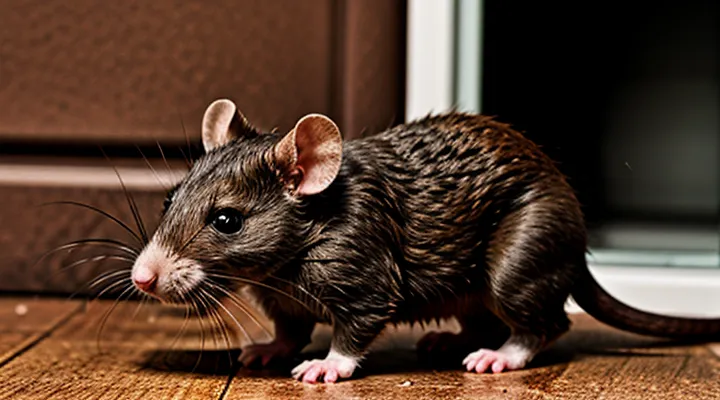
History of the Curly Rat
Origins of the Curly Coat
The curly coat of the domestic curly rat results from a single‑gene autosomal recessive mutation that alters keratin structure in the hair follicles. Homozygous individuals display tightly coiled fur, while heterozygotes retain a standard texture.
The mutation first appeared in laboratory colonies during the mid‑20th century, when researchers observed spontaneous curly offspring among standard‑coat stock. Genetic analysis confirmed that the trait segregated according to Mendelian ratios, prompting intentional breeding programs.
Selective breeding refined the phenotype:
- Early 1960s: Isolation of the curly allele and establishment of a stable breeding line.
- 1970s: Introduction of the trait into pet‑trade populations through collaboration between laboratory breeders and hobbyists.
- 1980s–1990s: Expansion of the gene pool by crossing with diverse color strains, preserving the curl while enhancing visual variety.
- 2000s onward: Consolidation of breed standards, formal recognition by rat‑fancy societies, and widespread availability in pet stores.
The curly coat persists because the underlying mutation does not impair health, allowing breeders to maintain the trait without compromising vitality.
Recognition of the Breed
The curly rat breed can be identified by a distinct set of physical markers that separate it from straight‑haired varieties. The most immediate cue is the coat: densely curled, spring‑like fur that forms tight, uniform spirals across the body. The hair length ranges from short to medium, but the curl pattern remains consistent, giving a plush appearance. Skin underneath appears pink to light brown, and the whiskers are normal in length, not affected by the curl gene.
Key characteristics for recognition include:
- Body shape: compact, muscular torso with a slightly rounded back; hindquarters are well‑developed but not overly bulky.
- Head: broad skull with a short, blunt nose; ears are small, set low on the head, and covered with the same curled fur.
- Eyes: dark, round, and set wide apart, providing a clear view of the animal’s alert expression.
- Tail: short to medium length, often less curled than the body coat but still exhibiting a subtle wave.
Breed standards maintained by specialty clubs require that the curl be uniform across the entire coat, without patches of straight hair. Registrations typically involve a visual inspection by a certified judge, supplemented by genetic testing when available. Documentation of lineage, such as pedigree records, supports the identification process and ensures adherence to breeding protocols.
Characteristics of the Curly Rat
Physical Features
Coat Type
The curly‑haired rat exhibits three primary coat textures, each affecting grooming routine and health monitoring.
- Tight curls – dense, spring‑like spirals covering the entire body. Skin underneath is prone to matting; daily brushing with a soft‑bristle comb prevents tangles and reveals early signs of irritation.
- Wavy curls – looser, wave‑shaped fur that lies closer to the skin. Requires brushing every other day; the reduced density lowers the risk of fur loss but still demands regular inspection for parasites.
- Rosette pattern – a combination of tight curls on the back and looser waves on the sides and limbs. Maintenance involves alternating between the two brushing frequencies to address differing matting tendencies.
Coat condition reflects overall health; excessive shedding, bald patches, or persistent dampness indicate potential dermatological issues and warrant veterinary evaluation. Proper diet rich in omega‑3 fatty acids supports coat integrity across all texture types.
Body Structure
The curly‑haired rat possesses a compact, muscular body adapted for active exploration. Adult individuals typically weigh 150–250 g and measure 20–30 cm from nose to tail tip. The coat consists of tightly curled fur that lies close to the skin, providing insulation while reducing the risk of matting.
Key anatomical features include:
- Head: Rounded skull with a short, broad muzzle; dental formula identical to other laboratory rats, featuring continuously growing incisors.
- Ears: Small, rounded ears positioned low on the head, covered by a thin layer of fur; auditory canals open anteriorly.
- Eyes: Large, dark eyes with a wide field of vision; pupils dilate rapidly to adjust to varying light levels.
- Limbs: Four well‑developed limbs; forelimbs bear five digits with dexterous pads, hind limbs possess five digits with strong claws for climbing and digging.
- Tail: Long, slender tail lacking fur; vertebrae are flexible, aiding balance during rapid movements.
- Skeletal structure: Robust vertebral column with pronounced lumbar curvature; ribcage expands laterally to accommodate a sizable respiratory system.
- Musculature: Prominent pectoral and gluteal muscles support powerful jumps and sustained running; abdominal muscles provide core stability.
Overall, the body architecture of the curly rat combines a sturdy frame with specialized adaptations that support high activity levels, efficient thermoregulation, and effective foraging behavior.
Size and Weight
Curly-haired rats typically reach a body length of 8–10 cm, measured from the nose to the base of the tail. Tail length adds an additional 6–8 cm, resulting in a total length of 14–18 cm when fully extended.
Weight varies with age, sex, and nutrition. Adult females usually weigh 85–120 g; males are slightly heavier, ranging from 95–130 g. Juveniles progress through the following approximate milestones:
- 4 weeks: 30–45 g
- 8 weeks: 55–70 g
- 12 weeks: 75–95 g
Factors influencing size and weight include genetic line, diet quality, and health status. Consistent feeding of a balanced laboratory‑grade pellet diet, supplemented with fresh vegetables and occasional protein treats, supports optimal growth. Regular health monitoring helps identify deviations from expected weight ranges, which may signal underlying issues such as parasites or metabolic disorders.
Temperament
Social Behavior
Curly‑haired rats exhibit strong group cohesion, forming stable colonies that rely on constant interaction. Individuals communicate through scent marking, vocalizations, and tactile contact, establishing a clear social hierarchy. Dominant rats maintain position by brief displays of aggression, while subordinates demonstrate submissive postures, reducing conflict within the group.
Frequent social contact promotes mental health and reduces stereotypic behaviors. Isolation leads to heightened stress responses, measurable by elevated cortisol levels and increased self‑grooming. For this reason, housing multiple compatible individuals is a standard recommendation in responsible breeding and husbandry.
Human interaction follows the same principles of mutual recognition. Rats that receive regular, gentle handling develop trust, allowing easier health checks and routine procedures. Short, consistent sessions encourage positive associations and improve cooperation during veterinary examinations.
Effective management of social dynamics includes:
- Providing at least two compatible rats per enclosure to satisfy affiliative needs.
- Supplying multiple nesting sites and shelters to allow subordinate members to retreat.
- Introducing new rats gradually, using a neutral space and visual barriers before full integration.
- Monitoring hierarchy changes after breeding cycles or when individuals are removed, adjusting group composition as needed.
Understanding these behavioral patterns enables breeders and caretakers to create environments that support natural social structures, thereby enhancing overall welfare and reproductive success.
Intelligence and Trainability
Curly-coated rats demonstrate problem‑solving abilities comparable to other pet rodents. They navigate mazes, locate hidden food, and manipulate objects with dexterity. Observations show rapid adaptation to new environments and consistent recall of learned tasks.
Training success relies on predictable reinforcement and clear cues. Effective methods include:
- Positive reinforcement – deliver a small treat immediately after the desired behavior.
- Clicker conditioning – pair a distinct sound with reward delivery to mark correct responses.
- Short sessions – limit training to 5‑10 minutes to maintain focus and prevent fatigue.
- Consistent commands – use the same word or hand signal for each action to avoid confusion.
- Progressive difficulty – start with simple tasks (e.g., target touching) and increase complexity gradually (e.g., obstacle navigation).
Curly rats respond well to routine. Regular handling builds trust, reduces stress, and enhances willingness to cooperate. Social interaction with conspecifics also improves cognitive stimulation, leading to higher trainability scores.
Care and Husbandry
Housing Requirements
Cage Size and Type
When housing curly-haired rats, select a cage that accommodates active movement and provides secure ventilation.
- Minimum floor area: 2 sq ft per pair of rats; larger groups require additional 1 sq ft per extra animal.
- Height: at least 12 in to allow climbing and vertical enrichment.
- Bar spacing: ½ in or less to prevent escape.
- Material: stainless steel or powder‑coated metal; avoid plastic cages that can crack under chewing.
Choose a cage type that supports easy cleaning and enrichment placement.
- Wire-bottom cages with a removable tray simplify waste removal; add a solid platform for sleeping.
- Solid-bottom cages with a deep bedding layer enable natural foraging behavior; ensure a separate water bottle and food dish to keep bedding dry.
- Modular systems allow expansion as the colony grows; verify that connectors lock securely to maintain structural integrity.
Regularly inspect the cage for wear, loose bars, or rust. Replace damaged components promptly to preserve a safe environment.
Bedding and Substrate
Choosing appropriate bedding is essential for the health and comfort of curly‑coated rats. The material must absorb moisture, control odor, and avoid irritating the respiratory system.
- Paper‑based products (e.g., shredded paper, paper pellets) provide high absorbency, low dust, and easy cleanup.
- Aspen shavings offer a natural texture, minimal aromatic oils, and good ventilation.
- Coconut fiber (coir) supplies softness and moderate absorbency, but should be used in thin layers to prevent mold.
- Avoid cedar, pine, or scented litters; volatile compounds can damage delicate nasal passages.
Substrate depth influences temperature regulation and waste management. A layer of 2–3 cm allows rats to burrow without creating excessive humidity. Replace soiled sections daily; perform a complete change weekly to prevent bacterial growth.
Supplementary enrichment, such as untreated cardboard tunnels or tissue paper rolls, can be interspersed with the primary bedding. These items should be inspected regularly for wear and removed if they become soiled or frayed.
Monitoring the enclosure for dust levels, odor intensity, and skin condition will indicate whether the selected bedding meets the species’ requirements. Adjust the composition promptly if any signs of respiratory irritation or excessive moisture appear.
Enrichment and Toys
Enrichment is critical for the physical and mental health of curly‑haired rats. A stimulating environment reduces stress, encourages natural behaviors, and supports longevity.
Provide a variety of safe objects that satisfy chewing, climbing, and foraging instincts. Rotate items weekly to maintain interest and prevent habituation.
- Chew toys: Untreated wood blocks, natural pine or apple sticks, and sisal rope. Replace when worn to avoid splinters.
- Climbing structures: Wire mesh ladders, PVC pipes, and acrylic tunnels. Secure to the cage to prevent collapse.
- Foraging opportunities: Cardboard tubes filled with small treats, puzzle boxes with removable lids, and shredded paper nests. Ensure openings are large enough for the rat to manipulate but small enough to keep food contained.
- Sensory enrichment: Fabric scraps with different textures, scented herbs (e.g., mint or rosemary) placed in a breathable pouch, and gentle background sounds. Monitor for any adverse reactions.
- Social interaction: Pairing compatible individuals and providing supervised playtime outside the cage. Observe hierarchy to avoid aggression.
Maintain cleanliness by inspecting toys for wear, removing droppings, and disinfecting non‑porous items with a mild, rodent‑safe solution. Replace damaged objects promptly to prevent injury.
A balanced enrichment program combines physical activity, problem‑solving, and sensory stimulation, fostering robust health and behavioral stability in curly rats.
Diet and Nutrition
Staple Diet
Curly-haired rats require a diet that meets high protein and moderate fiber needs while avoiding excessive fat. A balanced staple diet consists of the following components:
- Commercial rodent pellets formulated for laboratory or pet rats; choose a product with at least 18 % protein and low added sugars.
- Fresh vegetables such as kale, carrot tops, and broccoli, introduced in small quantities (approximately 1 – 2 tablespoons per rat per day) to provide vitamins and minerals.
- Limited fruits (e.g., apple slices, berries) offered no more than twice weekly to prevent sugar overload.
- Small portions of whole grains like cooked oatmeal or barley, supplying additional fiber and energy.
- Constant access to clean, fresh water, refreshed daily.
Supplemental items should be used sparingly. Hard-boiled egg whites, cooked lean chicken, or low‑fat cottage cheese can serve as occasional protein boosts, not exceeding 10 % of the total diet. Avoid foods toxic to rats, including raw beans, avocado, chocolate, and citrus peels.
Feeding schedule: provide pellets in a measured amount each morning, supplement with fresh produce in the afternoon, and remove uneaten fresh foods after four hours to maintain hygiene. Monitoring body condition and adjusting portions ensures optimal health and supports the unique coat characteristics of curly rats.
Supplements and Treats
Supplements for curly‑haired rats should address common deficiencies without overwhelming their delicate digestive systems. A balanced multivitamin formulated for small rodents supplies vitamin C, B‑complex, and trace minerals; administer a ¼ tablet weekly, mixed into fresh food, and observe for changes in appetite or stool consistency. Calcium supplements are unnecessary for adult rats, but a low‑dose calcium carbonate may be indicated for growing litters under veterinary guidance. Probiotic powders designed for rodents help maintain gut flora; a pinch sprinkled on a fresh vegetable serving two to three times per week supports digestion after antibiotic treatment.
Treat selection requires attention to sugar content, fat levels, and potential allergens. Freeze‑dried insects (mealworms, crickets) provide protein and chitin, but limit portions to 2–3 grams per day to prevent obesity. Fresh fruits such as apple slices, berries, or melon should be offered in bite‑size pieces no more than once daily; remove seeds and cores to avoid toxicity. Low‑fat cheese cubes, plain yogurt, or small pieces of cooked chicken serve as occasional protein treats, each limited to a single bite per session. Commercial rat treats that contain nuts, seeds, or chocolate must be avoided due to high fat and toxic compounds.
Monitoring is essential. Record each supplement and treat administered, noting quantity and frequency. Look for signs of over‑supplementation—excessive urination, weight gain, or loose stool—and adjust dosages accordingly. Consult a qualified exotic‑pet veterinarian before introducing new products, especially when dealing with breeding colonies or rats with known health issues.
Health Considerations
Common Ailments
Curly-haired rats are prone to several health issues that can develop quickly if unnoticed. Respiratory infections, often caused by Mycoplasma pulmonis, present with sneezing, nasal discharge, and labored breathing. Prompt veterinary assessment and antibiotic therapy are essential to prevent lung damage.
Dental problems arise from continuously growing incisors. Overgrowth leads to malocclusion, weight loss, and difficulty eating. Regular inspection of tooth length and provision of chewable materials help maintain proper wear.
Dermatological conditions include fur rot and mites. Fur rot appears as reddened, moist patches that may emit odor; mites cause itching and hair loss. Clean housing, routine grooming, and targeted parasitic treatments reduce incidence.
Parasitic infestations such as pinworms manifest through visible eggs around the anus and occasional diarrhea. Fecal examinations confirm diagnosis; deworming agents administered according to veterinary guidelines eliminate the parasites.
Key preventive measures
- Maintain humidity between 40‑60 % to discourage respiratory pathogens.
- Provide a balanced diet rich in fiber to support dental health.
- Clean cages weekly, replace bedding regularly, and use dust‑free substrates.
- Schedule quarterly health checks with a small‑animal veterinarian.
Early detection and consistent care minimize suffering and extend the lifespan of curly-furred rats.
Preventive Care
Preventive care for the curly-haired rat focuses on disease avoidance, environmental management, and routine health monitoring.
Vaccinations are not standard for this species; instead, immunity relies on maintaining optimal conditions. Regular veterinary examinations, at least twice annually, allow early detection of respiratory infections, skin disorders, and dental abnormalities.
Key preventive actions include:
- Housing hygiene: Clean cages weekly, replace bedding completely every two weeks, and use dust‑free substrates to reduce respiratory irritants.
- Temperature control: Keep ambient temperature between 18‑24 °C (64‑75 °F) and avoid drafts.
- Nutrition: Provide a balanced pellet diet supplemented with fresh vegetables; monitor for excess fat to prevent obesity‑related issues.
- Enrichment: Rotate toys and tunnels weekly to prevent boredom‑induced stress, which can compromise immune function.
- Parasite management: Inspect fur and skin for mites or fleas during each health check; apply veterinarian‑approved treatments promptly.
Monitoring parameters such as weight, coat condition, and activity level should be recorded weekly. Sudden weight loss, nasal discharge, or changes in grooming behavior warrant immediate veterinary consultation.
By adhering to these systematic practices, owners can minimize health risks and promote the long‑term well‑being of curly-haired rats.
Veterinary Needs
Curly‑haired rats require veterinary attention tailored to their unique physiology and common health concerns. Routine examinations should include weight measurement, dental inspection, and assessment of coat condition. Early detection of malocclusion, respiratory infection, and skin disorders prevents complications.
Key veterinary requirements:
- Dental care: Verify proper incisor alignment; schedule trimming if uneven wear is observed.
- Respiratory health: Monitor for nasal discharge, sneezing, or labored breathing; initiate antimicrobial therapy promptly when bacterial infection is confirmed.
- Dermatological monitoring: Inspect for alopecia, dermatitis, or fungal growth; apply appropriate topical treatments and maintain optimal humidity to reduce skin irritation.
- Vaccination and parasite control: Administer recommended vaccines for viral agents; implement regular ectoparasite prophylaxis using safe, rat‑approved products.
- Reproductive evaluation: For breeding individuals, conduct fertility assessments and screen for uterine or testicular abnormalities.
Blood work, including complete blood count and chemistry panel, should be performed annually or when clinical signs emerge. Imaging—radiography or ultrasound—assists in diagnosing internal masses, organ enlargement, or skeletal issues. Establish a relationship with a veterinarian experienced in exotic small mammals to ensure prompt, knowledgeable care.
Grooming
Coat Maintenance
Proper coat care is essential for curly‑haired rats to prevent matting, reduce shedding, and maintain skin health. Regular grooming removes loose fur and detangles curls before they become problematic.
- Brush with a soft, stainless‑steel comb or a finger brush twice weekly.
- Inspect for knots; gently separate using a slicker brush or a fine‑tooth comb.
- Trim excess hair around the ears and tail with small, rounded scissors only when tangles appear.
- Bathe sparingly; use a lukewarm water bath with a mild, rodent‑safe shampoo no more than once a month. Rinse thoroughly and dry with a low‑heat hairdryer or towel.
A balanced diet rich in omega‑3 fatty acids supports coat elasticity. Provide clean bedding and keep the enclosure dry to discourage fungal growth. Monitor skin for redness, bald patches, or parasites; address issues promptly with veterinary guidance.
Nail Trimming
Nail trimming is a routine component of proper husbandry for curly‑haired rats. Overgrown claws can cause discomfort, interfere with locomotion, and lead to injuries on furniture or cage bars.
Regular assessment should occur at least once a month. Visible signs of excess length include the claw touching the ground when the animal stands, snagging on bedding, or a noticeable change in gait. If any of these indicators appear, trim promptly.
Required tools
- Small animal nail clipper or precision scissors
- Fine‑grain sandpaper or a nail file
- Styptic powder or cornstarch for bleeding control
- Towel or soft restraint device
Procedure
- Secure the rat gently on a towel, exposing the paws without causing stress.
- Identify the clear, non‑vascular portion of each claw; avoid the pink, blood‑filled matrix.
- Clip only the tip, leaving a small margin to prevent cutting into the matrix.
- Apply a light file to smooth rough edges.
- If bleeding occurs, dab the tip with styptic powder or cornstarch until it stops.
After trimming, observe the animal for a few minutes to ensure normal movement and no signs of pain. Offer fresh water and a treat to reinforce a positive experience.
Consistent nail maintenance reduces the risk of claw‑related injuries and supports overall health in curly‑coated rats.
Dental Care
Dental health is a critical component of overall well‑being for curly‑haired rats. Their continuously growing incisors require regular wear to prevent overgrowth, which can impair eating and lead to oral injuries.
- Provide a diet rich in fibrous foods such as timothy hay, fresh vegetables, and chewable treats. These items naturally file the teeth during mastication.
- Offer safe wooden chew toys or mineral blocks designed for rodents. Rotate items to maintain interest and encourage consistent gnawing.
- Monitor food intake daily. A sudden decrease may signal dental discomfort or malocclusion.
Typical dental problems include:
- Overgrown incisors – teeth extend beyond the lips, causing difficulty chewing and potential self‑injury.
- Malocclusion – uneven tooth alignment that creates abnormal wear patterns.
- Dental abscesses – infections that present as swelling, discharge, or facial asymmetry.
Early detection relies on visual inspection and behavioral cues. Look for:
- Visible tooth length beyond the normal edge.
- Redness, swelling, or discharge around the mouth.
- Reluctance to eat, weight loss, or excessive salivation.
If any of these signs appear, schedule a veterinary examination promptly. Professional care may involve trimming or filing of incisors, corrective orthodontic procedures, and antibiotic therapy for infections.
Routine maintenance includes weekly oral checks and monthly replacement of chew items. Maintaining a clean cage environment reduces the risk of bacterial contamination that can exacerbate dental issues. Consistent dental attention promotes longevity and quality of life for curly rats.
Breeding Considerations
Genetics of the Curly Coat
The curly coat of the Curly Rat results from a single autosomal recessive mutation that alters keratin expression in the skin. The mutation, often denoted as c, replaces the wild‑type allele (C) and disrupts normal hair shaft formation, producing the characteristic tight curl. Homozygous c/c individuals display the curly phenotype, while heterozygous C/c rats retain a standard coat but carry the allele.
Inheritance follows Mendelian ratios. When two carriers (C/c) are mated, offspring distribution is:
- 25 % C/C – normal coat, no carrier status
- 50 % C/c – normal coat, carrier
- 25 % c/c – curly coat
If a curly rat (c/c) is bred with a normal rat (C/C), all progeny will be carriers (C/c) and exhibit a standard coat. Breeding two curly individuals guarantees curly offspring but eliminates genetic diversity, increasing the risk of linked recessive disorders.
Effective breeding programs rely on genetic testing to identify carriers. Recommended practices include:
- Test all breeding stock for the c allele.
- Pair carriers only when the goal is to produce curly litters, accepting a 50 % carrier rate among offspring.
- Avoid repeated matings of closely related carriers to limit homozygosity of undesirable recessive traits.
Health implications are minimal; the curly coat itself does not predispose rats to dermatological problems. However, excessive inbreeding can amplify other recessive conditions, so maintaining a broad gene pool remains essential for overall vitality.
Ethical Breeding Practices
Ethical breeding of curly‑coated rats demands rigorous health screening, controlled pairings, and transparent record‑keeping. Breeders must evaluate prospective parents for hereditary conditions such as spinal deformities and respiratory issues, discarding carriers to prevent propagation of defects.
Key practices include:
- Comprehensive veterinary examinations before mating.
- Genetic diversity management through careful selection of unrelated lines.
- Maintenance of detailed lineage logs and health histories.
- Provision of enriched housing that meets species‑specific behavioral needs.
- Clear communication of animal origin, health status, and care requirements to buyers.
Compliance with local animal welfare statutes and adherence to recognized breeding standards protect both the animals and the reputation of the breeding community. Continuous education on emerging health research ensures that breeding decisions remain evidence‑based and humane.
Potential Health Issues in Offspring
Curly-haired rats can inherit several health concerns that manifest early or later in life. Recognizing these conditions enables timely intervention and improves survivability.
- Respiratory infections: Dense fur traps moisture, encouraging bacterial growth in the nasal passages. Symptoms include sneezing, nasal discharge, and labored breathing. Prompt veterinary antibiotics reduce complications.
- Dental malocclusion: Genetic predisposition to uneven incisor growth leads to difficulty eating and weight loss. Regular inspection of tooth alignment and provision of chewable enrichment prevent severe wear.
- Skin disorders: The curlier coat retains humidity, fostering fungal or bacterial dermatitis. Red, scaly patches, itching, and hair loss signal infection; antifungal or antibacterial treatment is required.
- Metabolic syndrome: Some lines exhibit insulin resistance, resulting in elevated blood glucose and obesity. Monitoring body condition score and offering a balanced diet with controlled caloric intake mitigate risk.
- Reproductive anomalies: Inherited uterine or ovarian malformations can cause infertility or dystocia. Ultrasound screening of breeding females identifies abnormalities before breeding attempts.
Preventive measures include routine health examinations, environmental humidity control, appropriate diet, and genetic record‑keeping. Selecting breeding pairs without known issues lowers the incidence of hereditary disorders in subsequent litters.