
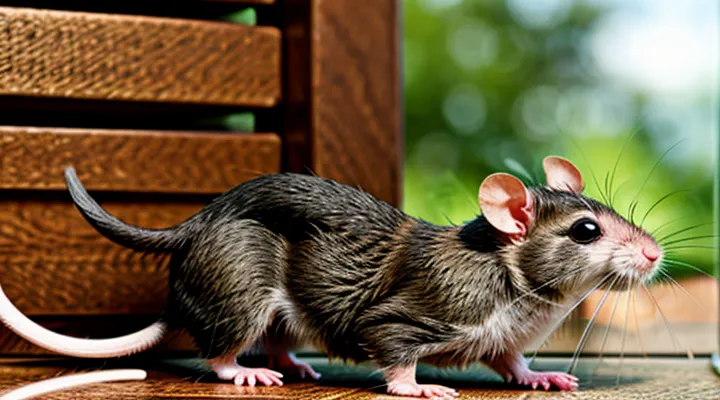
Bringing Your Fancy Rat Home
Choosing the Right Rat
Single or Paired
Keeping a fancy rat alone or with a companion influences health, behavior, and enrichment. Rats are social mammals; isolation can lead to stress, reduced activity, and increased susceptibility to illness. Pairing rats provides constant interaction, promotes natural grooming, and encourages exercise. However, a bonded pair requires double the space, additional feeding supplies, and vigilant monitoring for aggression. If a single rat is chosen, owners must compensate with daily handling, varied toys, and regular out‑of‑cage time to prevent loneliness.
Key considerations when deciding:
- Health monitoring: Paired rats often show fewer signs of depression, yet illness can spread quickly; quarantine new arrivals before introduction.
- Space requirements: Minimum cage size for two rats is 24 × 12 inches, with multiple levels to allow independent zones.
- Social compatibility: Observe temperament during a neutral‑area introduction; compatible pairs display mutual grooming and play without persistent fighting.
- Owner commitment: Single rats demand at least 30 minutes of dedicated interaction each day; pairs share social duties but still need daily cleaning and enrichment rotation.
Recommendation: For most owners, a bonded pair delivers optimal welfare, provided the cage meets size guidelines and health checks are routine. A solitary rat may be acceptable only when the caretaker can deliver extensive human interaction and environmental stimulation.
Breeder vs. Pet Store
When acquiring a fancy rat, the source determines initial health, temperament, and long‑term care requirements. Breeders typically raise rats in controlled environments, selecting for specific colors, patterns, and behaviors. This results in animals that are often more predictable in size, activity level, and social needs. Breeders usually provide health records, including vaccination status, parasite treatments, and a brief lineage chart. They also offer guidance on diet, enrichment, and handling based on the rat’s background.
Pet stores supply rats that have been sourced from large, often anonymous, breeding operations. These animals may have limited health documentation and can exhibit a broader range of temperaments due to mixed genetics and high‑traffic housing. Store‑bought rats are frequently exposed to stressors such as frequent handling by customers and confinement in small cages, which can affect immune function and increase the likelihood of respiratory issues. Information on optimal nutrition and enrichment may be minimal or generic.
Key considerations for prospective owners:
- Health screening – Breeders usually perform regular veterinary checks; stores rarely provide detailed health histories.
- Genetic consistency – Breeders can predict coat and size traits; store rats may display unpredictable variations.
- Socialization – Rats raised by breeders often experience regular, gentle handling; store rats may be accustomed to brief, inconsistent contact.
- Support – Breeders often remain available for post‑sale advice; pet store staff may lack specialized knowledge.
Choosing a reputable breeder aligns with proactive health management and predictable behavior, while purchasing from a pet store may involve higher uncertainty and potential additional veterinary expenses. Evaluate the source against the specific care plan you intend to implement, ensuring the rat’s environment, diet, and social interaction meet established standards for optimal well‑being.
Preparing the Habitat
Cage Size and Type
A suitable cage is essential for the health and well‑being of a fancy rat. Minimum floor space should allow the animal to stretch fully, turn around without obstruction, and explore multiple levels. Recommended dimensions for a single adult rat are at least 24 in × 18 in × 12 in (length × width × height). For two rats, increase the floor area to 30 in × 24 in × 12 in. Adding a second tier adds roughly 6 in of usable floor space per level, but each tier must retain the minimum floor dimensions.
Key characteristics of an appropriate cage include:
- Solid bottom; wire flooring causes foot injuries and hampers hygiene.
- Bar spacing no greater than ½ in to prevent escape and injury.
- Secure latch system that cannot be opened by a curious rat.
- Easy‑to‑remove panels for cleaning and inspection.
- Adequate ventilation without drafts.
Common cage types:
Wire cages: Provide excellent airflow and visibility. Must be fitted with a solid base, such as a plastic tray or wood platform, to protect the feet. Suitable for breeders who need quick access to the interior.
Plastic or acrylic enclosures: Offer a fully enclosed environment that retains heat and reduces noise. Ensure the material is sturdy, non‑toxic, and includes removable doors for cleaning. Bar spacing must meet the ½ in requirement, often achieved with integrated mesh panels.
When selecting a cage, prioritize durability, ease of maintenance, and the ability to expand the interior with enrichment items such as tunnels, hideaways, and climbing structures. Proper sizing and construction reduce stress, prevent injuries, and support the natural behaviors of fancy rats.
Bedding Options
Bedding directly affects hygiene, comfort, and odor management for pet rats. Selecting a material that absorbs moisture, minimizes dust, and poses no toxicity is essential for a healthy enclosure.
Key properties to evaluate include:
- High absorbency to reduce wet spots.
- Low particulate release to protect respiratory health.
- Non‑chemical composition; avoid scented or treated fibers.
- Ability to withstand chewing without splintering.
Common bedding choices are:
- Paper‑based bedding (e.g., shredded paper, cellulose pellets). Absorbs well, produces minimal dust, and is safe for chewing. Requires regular replacement to prevent mold.
- Aspen shavings. Naturally low in aromatic oils, low dust, and provides a familiar nesting substrate. Must be kept dry to avoid fungal growth.
- Coconut fiber (coir). Offers good moisture control and a pleasant texture. Can become compacted; occasional fluffing maintains airflow.
- Hemp bedding. Highly absorbent, low dust, and biodegradable. Slightly more expensive but durable over multiple weeks.
- Corncob bedding. Excellent absorbency, low dust, and inexpensive. Not suitable for rats that chew heavily, as fragments may cause dental wear.
Maintain cleanliness by removing soiled sections daily and performing a full substrate change weekly. Spot‑cleaning prevents ammonia buildup, while a complete refresh eliminates lingering odors and bacterial colonies.
Food and Water Set-Up
Providing a reliable food and water system is essential for the health of a fancy rat. Consistent access to clean water and a balanced diet reduces stress, supports growth, and prevents common illnesses.
Water should be offered in a sturdy, leak‑proof bottle with a stainless‑steel tip. The bottle must be attached securely to the cage wall, positioned away from bedding to prevent contamination. Replace the bottle daily, and rinse the tip with warm water at least once a week to remove biofilm. A shallow water dish can be used for supplemental hydration, but it requires cleaning after each use and should never be left unattended for extended periods.
Diet consists of a high‑quality commercial rat mash supplemented with fresh vegetables and occasional protein sources. Provide a measured portion of dry mix each morning; excess should be removed before the evening to avoid spoilage. Offer small pieces of carrot, broccoli, or leafy greens two to three times weekly, ensuring they are washed and chopped into bite‑size pieces. Avoid sugary treats and foods high in fat, as they can lead to obesity and digestive issues. Store dry feed in an airtight container in a cool, dry place to preserve nutritional value.
Maintain hygiene by inspecting water bottles and food trays at the start of each day. Remove uneaten fresh produce, discard any wet or moldy feed, and clean surfaces with mild, unscented soap followed by a thorough rinse. Record daily observations—such as water consumption volume and food intake—to identify changes in appetite that may indicate health concerns.
Enrichment and Toys
Enrichment keeps a fancy rat physically active, mentally stimulated, and behaviorally balanced. Providing varied challenges reduces boredom‑related behaviors and supports natural foraging instincts.
- Physical enrichment: climbing structures, tunnels, hammocks, and running wheels sized for rats (minimum 12‑inch diameter).
- Cognitive enrichment: puzzle feeders, treat‑dispensing toys, and hide‑and‑seek games that require problem‑solving.
- Sensory enrichment: textured bedding, safe chew blocks, scented herbs (e.g., rosemary, mint), and gentle background sounds.
Select toys made from non‑toxic, chew‑resistant materials such as untreated wood, solid plastic, or stainless steel. Rotate items every few days to maintain novelty. Inspect regularly for splinters, sharp edges, or loose parts; replace damaged pieces promptly. Clean reusable toys with mild soap and hot water, rinse thoroughly, and dry before returning to the cage.
DIY options include bundled paper rolls, cardboard mazes, and natural branches trimmed to remove bark and thorns. Ensure all homemade items are free of glue, paint, or adhesives. Provide a mix of solitary and group‑play accessories to accommodate both individual exploration and social interaction.
Daily Care Essentials
Nutrition for a Healthy Rat
Commercial Rat Blocks
Commercial rat blocks are engineered to provide a safe, chew‑resistant environment for pet rats. They combine durable materials, such as high‑density polyethylene, with a texture that satisfies a rat’s natural gnawing instinct while preventing damage to cages and accessories.
When choosing a block, consider the following factors:
- Material certification confirming non‑toxicity and compliance with pet‑product standards.
- Dimensions that fit standard cage sizes without obstructing ventilation.
- Surface texture offering varied resistance levels to encourage dental wear.
- Integrated cleaning features, such as smooth edges or removable panels, to simplify sanitation.
Proper placement enhances effectiveness. Position the block near frequently used areas, such as the feeding zone or climbing structures, to encourage regular interaction. Ensure the block is secured to prevent rolling or shifting, which could create hazards.
Maintenance involves weekly rinsing with warm water and mild, unscented soap, followed by thorough drying. For deep cleaning, submerge the block in a diluted vinegar solution for ten minutes, then rinse. Replace the block when signs of excessive wear, cracking, or discoloration appear, as compromised integrity may pose injury risks.
Commercial rat blocks also serve as a preventive measure against dental malocclusion. By offering consistent chewing opportunities, they help maintain proper incisor length, reducing the need for veterinary intervention.
In summary, selecting a certified, appropriately sized, and easily cleaned block, positioning it strategically, and adhering to a regular sanitization schedule constitute best practices for integrating commercial rat blocks into a fancy rat care regimen.
Safe Fresh Foods
Fresh produce can enhance a fancy rat’s diet when offered correctly. Nutrient‑rich vegetables and fruits provide vitamins, minerals, and hydration, supporting coat health and immune function.
- Leafy greens: romaine lettuce, kale, spinach (washed, chopped)
- Cruciferous vegetables: broccoli florets, cauliflower, Brussels sprouts (small pieces)
- Root vegetables: carrots, sweet potato, beetroot (cooked, cooled, diced)
- Squash varieties: zucchini, butternut, pumpkin (soft, seed‑free)
- Fruit options: apple (core removed), pear, berries, melon, banana (thin slices)
- Herbs: parsley, cilantro, basil (fresh, limited amount)
Each item should be introduced gradually, limited to 1–2 teaspoons per day, and removed if uneaten within an hour to prevent spoilage. Wash all produce thoroughly to eliminate pesticide residues; peel when necessary. Cook tougher vegetables (e.g., carrots, sweet potato) until soft, then cool before serving.
Avoid foods that pose toxicity or digestive risk: raw potatoes, avocado, citrus peel, onion, garlic, chocolate, caffeine, and processed snacks. Eliminate any item showing mold, rot, or strong odor. Maintaining a consistent schedule for fresh offerings reduces stress and encourages healthy eating habits.
Foods to Avoid
Proper nutrition is essential for the health and longevity of a pet rat. Certain foods can cause digestive upset, nutritional deficiencies, or toxic reactions and should never be offered.
- Citrus fruits and juices – high acidity can irritate the stomach and damage enamel of teeth.
- Chocolate and caffeine‑containing products – contain theobromine and caffeine, both lethal to rodents in small amounts.
- Raw or undercooked beans – contain phytohemagglutinin, a toxin that induces severe vomiting and diarrhea.
- Processed meats (bacon, salami, hot dogs) – high in salt, fat, and preservatives; increase risk of kidney strain and obesity.
- Dairy products – rats lack sufficient lactase; consumption leads to diarrhea and gas.
- Sugary snacks and candy – provide empty calories, promote dental disease, and can cause rapid blood‑sugar spikes.
- Avocado (especially skin and pit) – contains persin, which can cause respiratory distress and heart damage.
- Onions, garlic, and chives – contain compounds that damage red blood cells, leading to anemia.
- Alcohol and fermented foods – toxic at any dose, causing central nervous system depression.
- High‑salt foods (chips, pretzels, seasoned nuts) – elevate blood pressure and strain renal function.
Eliminating these items from a rat’s diet reduces the likelihood of acute illness and supports optimal growth, reproduction, and overall well‑being.
Hydration and Water
Providing adequate hydration is essential for the health of a fancy rat. Fresh water should be available at all times in a container that prevents contamination and spillage. Stainless‑steel or heavy‑duty plastic bottles with a sipper tube are preferred because they resist gnawing and reduce bacterial growth.
Key practices for maintaining proper water intake:
- Fill the bottle or bowl with clean, room‑temperature water daily; replace it at least once every 24 hours.
- Position the water source on a stable surface to avoid tipping; rats often drink while perched on cage bars.
- Use a water bottle with a chew‑proof nozzle; check the flow regularly to ensure it is not blocked.
- Offer a shallow dish of water in addition to the bottle for rats that prefer drinking from a bowl; clean the dish after each use.
- Add a small amount of electrolyte solution (commercially formulated for rodents) only when a rat shows signs of dehydration, under veterinary guidance.
Recognizing dehydration prevents serious complications. Observe the following indicators:
- Skin that does not snap back quickly when gently lifted.
- Sunken eyes or a dry, tacky nose.
- Lethargy or reduced activity.
- Dull coat and reduced grooming.
If any of these signs appear, increase water availability immediately and consult a veterinarian. Consistent monitoring of water consumption, combined with a reliable delivery system, supports optimal physiological function and longevity in fancy rats.
Handling and Socialization
Gentle Handling Techniques
Gentle handling reduces stress, promotes trust, and prevents injury in a pet rat. Consistent, calm contact encourages a rat to accept routine care such as grooming, health checks, and cage cleaning.
- Approach from the side, avoid direct eye contact that may appear threatening.
- Extend a hand slowly, allowing the rat to sniff before attempting to lift.
- Use both palms to support the body, keeping the spine aligned; avoid gripping the tail.
- Maintain a low, steady voice; sudden loud sounds can startle the animal.
- Keep handling sessions brief (1–2 minutes) until the rat shows relaxed posture, then gradually extend duration.
- When transferring to a new surface, place a familiar object (e.g., a tunnel) nearby to provide a sense of security.
- After each session, return the rat to its enclosure promptly and observe for signs of discomfort, adjusting technique as needed.
Regular practice of these methods builds a cooperative relationship, simplifies veterinary examinations, and supports overall well‑being.
Playtime and Interaction
Playtime provides essential physical exercise and mental stimulation for fancy rats, preventing obesity, boredom, and stress. Regular sessions also strengthen the bond between pet and owner, making handling easier and more reliable.
- Offer a solid‑surface tunnel or PVC pipe for climbing; rats navigate these structures quickly and safely.
- Include a rotating wheel with a diameter of at least 12 cm; a smooth surface prevents foot injuries.
- Provide chewable toys such as untreated wood blocks, natural cardboard, or sisal ropes to satisfy dental wear needs.
- Introduce puzzle feeders that release small treats when manipulated; these encourage problem‑solving and foraging instincts.
- Rotate items weekly to maintain novelty and reduce habituation.
Interaction should be gentle, consistent, and responsive to the rat’s signals. Begin each session by allowing the rat to approach the hand voluntarily; avoid forced grabs. Use a calm voice and slow movements to minimize startled reactions. When the rat climbs onto the palm, support the hindquarters and keep the grip light, enabling quick release if tension appears. Reward calm behavior with brief treats or soft petting on the head and neck, avoiding excessive handling of the tail or hind limbs.
Schedule multiple short play periods—5 to 10 minutes each—spread throughout the day rather than one long session. This pattern aligns with the rat’s natural burst activity, keeping energy levels stable and reducing fatigue. Monitor for signs of fatigue, aggression, or illness; discontinue play if the rat shows reluctance, excessive squeaking, or disorganized movements. Consistent, varied play and attentive interaction promote a healthy, confident fancy rat.
Cage Cleaning and Hygiene
Daily Spot Cleaning
Daily spot cleaning keeps a fancy rat’s enclosure sanitary and prevents odor buildup. Remove visible waste, uneaten food, and soiled bedding each day. Use a dedicated scoop or tweezers to transfer debris into a sealed container for disposal.
- Replace any wet or damp bedding patches with fresh material.
- Wipe the cage floor and walls with a damp cloth soaked in diluted white vinegar (1 part vinegar to 4 parts water) or a pet‑safe disinfectant.
- Rinse the cloth with clean water, then dry the surfaces with a paper towel to avoid excess moisture.
- Clean feeding bowls, water bottles, and toys with warm, soapy water; rinse thoroughly before returning them to the cage.
Inspect corners, mesh panels, and hiding spots for hidden droppings or mold. Spot‑clean any areas showing discoloration or stickiness immediately to maintain a healthy environment. Rotate cleaning tools daily to prevent cross‑contamination. Consistent practice reduces the need for extensive weekly deep cleaning and supports the rat’s respiratory health.
Weekly Deep Clean
A weekly deep clean is a critical component of maintaining a healthy environment for a fancy rat. Regular thorough cleaning removes accumulated urine, feces, and food residue that can harbor bacteria and compromise respiratory health.
- Strip the cage of all bedding, toys, and accessories.
- Wash the cage interior with hot water and a non‑toxic cleanser; a 1% diluted bleach solution or white vinegar works effectively.
- Rinse all surfaces until no cleaning agent remains.
- Disinfect toys, feeding dishes, and water bottles; replace any items showing signs of wear or mold.
- Refill the cage with fresh, absorbent bedding and arrange enrichment items.
Use only unscented, pet‑safe products. After cleaning, allow the cage to dry completely before reassembly to prevent moisture buildup. Replace water daily and monitor the rat for signs of stress or illness after each cleaning cycle; prompt detection of changes supports timely veterinary care.
Health and Well-being
Recognizing Common Health Issues
Respiratory Problems
Respiratory problems are a common health issue in fancy rats and require prompt attention. Recognizing early signs prevents progression and reduces the risk of severe complications.
Typical symptoms include:
- Sneezing or nasal discharge
- Labored breathing or audible wheezing
- Lethargy and reduced activity
- Loss of appetite
- Persistent coughing
Primary causes are:
- Overcrowded or poorly ventilated housing
- Exposure to drafts, dust, or strong odors
- High humidity levels fostering bacterial growth
- Underlying infections such as Mycoplasma pulmonis
- Stress‑related immunosuppression
Preventive measures:
- Maintain a clean cage, changing bedding weekly and removing waste daily.
- Ensure adequate airflow without creating direct drafts; aim for 12‑15 air changes per hour.
- Keep humidity between 40‑50 % using a hygrometer and a controlled humidifier if necessary.
- Avoid scented cleaning agents, incense, and aerosol sprays.
- Provide a balanced diet rich in vitamin C to support immune function.
If symptoms appear, isolate the affected rat, monitor temperature, and seek veterinary care within 24 hours. Veterinarians may prescribe antibiotics, anti‑inflammatory medication, or supportive oxygen therapy based on diagnostic testing. Early intervention improves recovery rates and reduces the likelihood of chronic respiratory disease.
Skin Conditions
Fancy rats require regular observation of their skin to prevent and address problems promptly. Healthy skin appears smooth, pink, and free of lesions; any deviation warrants immediate attention.
Common skin conditions include:
- Dry, flaky patches caused by low humidity or inadequate nutrition.
- Dermatitis, often triggered by allergens such as bedding material or cleaning agents.
- Fungal infections, typically presenting as circular, moist lesions.
- Parasitic infestations, especially mites, which produce intense scratching and hair loss.
- Ulcers or sores, frequently developing on the tail or paws after injury or pressure.
Effective management consists of:
- Maintaining ambient humidity between 45 % and 55 % using a humidifier or water dish.
- Providing a balanced diet rich in essential fatty acids, for example, adding a small amount of high‑quality seed oil.
- Selecting dust‑free, paper‑based bedding; avoiding cedar or pine shavings.
- Cleaning the enclosure with mild, fragrance‑free disinfectants; rinsing thoroughly before reuse.
- Conducting weekly visual checks for redness, scaling, or open wounds; isolating affected individuals for treatment.
- Consulting a veterinarian experienced with rodents for diagnosis and prescription of topical or systemic medications when infections are suspected.
Prompt response to skin abnormalities reduces the risk of secondary complications and supports overall well‑being. Regular grooming, proper environmental control, and vigilant monitoring form the core of skin health maintenance for fancy rats.
Tumors
Tumors are a common health concern in pet rats, especially those kept as companions. Early identification and appropriate management can significantly improve outcomes.
Typical manifestations include:
- Rapid swelling of the abdomen or limbs
- Visible masses under the skin
- Unexplained weight loss
- Lethargy or reduced activity
- Bleeding or ulcerated skin lesions
Physical examination by a veterinarian is essential when any of these signs appear. Diagnostic tools may involve fine‑needle aspiration, biopsy, or imaging such as ultrasound or X‑ray to determine tumor type and stage.
Common tumor categories in rats are:
- Fibrosarcomas, often found on the tail or limbs
- Mammary adenocarcinomas, primarily in females
- Lymphomas, affecting internal organs
- Skin papillomas, usually benign but may progress
Preventive measures focus on minimizing risk factors:
- Provide a balanced diet rich in fresh vegetables and low in high‑fat treats
- Maintain a clean, stress‑free environment to support immune function
- Schedule regular health checks, especially for older animals
When a tumor is confirmed, treatment options depend on size, location, and aggressiveness:
- Surgical removal offers the best chance for cure in localized masses
- Chemotherapy may be considered for malignant or metastatic disease
- Palliative care, including pain management and supportive nutrition, helps maintain quality of life when curative treatment is not feasible
Owners should monitor their rats closely, record any changes, and consult a veterinarian promptly. Timely intervention is the most effective strategy for managing tumor development in pet rats.
When to See a Vet
Finding an Exotic Vet
Finding a veterinarian who handles exotic small mammals is essential for maintaining a fancy rat’s health. General practice clinics often lack the equipment and experience required for rodent diagnostics, medication dosing, and surgical procedures. Selecting a qualified professional reduces the risk of misdiagnosis and ensures appropriate preventive care.
To locate a suitable specialist, follow these steps:
- Search online directories of exotic animal veterinarians; reputable sites list practitioners by region and species expertise.
- Contact local animal shelters or rodent rescue groups; they frequently collaborate with veterinarians familiar with rats.
- Verify credentials by confirming that the clinic holds a license for exotic animal practice and that the veterinarian has completed additional training or certification in small mammal medicine.
- Inquire about available services, such as routine physical exams, dental checks, parasite screening, and emergency care.
- Request references from other rat owners or from the clinic’s existing exotic pet clientele.
When evaluating a clinic, assess the following criteria:
- Availability of a dedicated examination area for small rodents, equipped with appropriate lighting, handling tools, and a quiet environment to reduce stress.
- Access to laboratory facilities capable of processing rodent blood samples, fecal examinations, and imaging studies.
- Experience with common rat health issues, including respiratory infections, skin conditions, and nutritional disorders.
- Clear communication about treatment plans, medication dosages, and follow‑up appointments.
After confirming that a veterinarian meets these requirements, schedule an initial wellness visit. Bring the rat’s health records, a detailed diet log, and any recent observations of behavior or symptoms. A thorough baseline assessment establishes a reference point for future care and allows the veterinarian to tailor preventive strategies to the individual animal.
Emergency Situations
When a pet rat experiences a medical emergency, swift assessment and immediate action are critical. Observe for sudden collapse, uncontrolled bleeding, severe respiratory distress, seizures, or inability to move. Each symptom signals a life‑threatening condition that requires urgent veterinary intervention.
First‑aid steps include:
- Clear the airway of obstructions; gently tilt the head back and open the mouth to check for blockages.
- Apply pressure with a clean gauze to stop active bleeding; avoid excessive force that could damage delicate tissue.
- If the rat is not breathing, administer gentle chest compressions: place two fingers just behind the forelimbs and press down 1‑2 mm at a rate of 100–120 compressions per minute.
- For seizures, keep the animal in a safe area, prevent injury, and note the duration before contacting a veterinarian.
Maintain an emergency kit containing sterile saline, hemostatic gauze, a small syringe, and a thermometer. Store the kit within easy reach of the cage. Keep the contact information of an exotic‑animal‑qualified vet and an after‑hours emergency clinic readily available.
Preventive measures reduce the likelihood of crises. Regular health checks, a balanced diet, and a clean environment minimize stressors that can precipitate acute episodes. Record any changes in behavior, appetite, or weight to detect problems before they become emergencies.
Preventing Illness
Proper Diet and Environment
A healthy fancy rat requires a balanced diet and a well‑designed living space. Nutrition supplies the energy and nutrients needed for growth, reproduction, and immune function, while the environment influences behavior, stress levels, and disease resistance.
Dietary guidelines
- Commercial rat pellets formulated for laboratory or pet use; feed daily in measured portions (approximately 1 – 2 % of body weight).
- Fresh vegetables: leafy greens (e.g., kale, romaine lettuce), carrots, bell peppers; offer 1–2 cubes per rat, remove uneaten portions after 30 minutes.
- Small amounts of fruit (e.g., apple, berries) as occasional treats; limit to 5 % of total intake to avoid sugar overload.
- Protein sources: cooked egg white, low‑fat plain yogurt, or mealworms; provide 1 – 2 teaspoons per week.
- Water: clean, fresh supply in a bottle with a stainless‑steel or heavy‑duty plastic sipper; change daily.
Environmental standards
- Cage dimensions: minimum 2 sq ft floor area per rat; larger enclosures reduce aggression and promote exercise.
- Substrate: dust‑free, absorbent material such as paper bedding; replace weekly and spot‑clean daily.
- Enrichment: climbing structures, tunnels, chew toys, and nesting material; rotate items weekly to maintain interest.
- Temperature: maintain 65–75 °F (18–24 °C); avoid drafts and direct sunlight.
- Humidity: keep between 30–50 % to prevent respiratory issues; use a hygrometer for monitoring.
- Cleaning schedule: full cage sanitization every two weeks with mild, unscented soap; rinse thoroughly before reassembly.
Adhering to these nutritional and habitat recommendations supports optimal health, longevity, and well‑being in pet rats.
Stress Reduction
Stress significantly influences a fancy rat’s health, immune function, and behavior. Elevated cortisol levels can suppress appetite, cause excessive grooming, and increase susceptibility to disease. Effective stress reduction is therefore essential for optimal welfare.
Typical stressors include abrupt environmental changes, loud noises, overcrowding, insufficient enrichment, and inconsistent handling routines. Poor ventilation, extreme temperatures, and inadequate nutrition also trigger physiological stress responses.
Practical measures to minimize stress:
- Provide a stable habitat with a constant temperature range of 18‑24 °C and low humidity; avoid drafts and direct sunlight.
- Use solid‑bottom cages or provide a deep layer of safe bedding material; replace soiled bedding regularly to maintain cleanliness.
- Offer a variety of chewable objects, tunnels, and climbing structures; rotate items weekly to sustain interest.
- Establish a predictable daily schedule for feeding, cleaning, and interaction; limit sudden alterations.
- Conduct handling sessions in a quiet room; approach the rat calmly, support its body, and keep sessions brief initially, extending duration as confidence grows.
- Minimize exposure to loud appliances, music, and household traffic; consider a separate quiet area for the cage if necessary.
Regular observation of behavior and physical condition reveals stress levels. Indicators such as reduced food intake, lethargy, excessive bar‑biting, or abnormal vocalizations warrant immediate environmental assessment and adjustment. Consistent monitoring coupled with the measures above creates a low‑stress environment that supports the rat’s long‑term health and vitality.
Understanding Rat Behavior
Social Dynamics
Introducing New Rats
When adding a new rat to an existing household, preparation and observation are essential for a smooth transition. Begin by quarantining the newcomer for at least two weeks in a separate cage. This period allows health checks, reduces the risk of disease transmission, and gives the animal time to acclimate to its environment without pressure from the resident rat.
During quarantine, monitor the new rat for signs of respiratory issues, skin lesions, or abnormal behavior. Record weight, food intake, and activity levels daily. Any concerns should be addressed with a veterinarian experienced in small‑animal care before proceeding to the next step.
Once health clearance is confirmed, introduce the rats in a neutral space—such as a clean, empty enclosure that neither animal claims as territory. Place the cages side by side with a secure barrier that permits visual and olfactory contact while preventing direct contact. Observe interactions for a minimum of 15 minutes, noting aggression, avoidance, or signs of curiosity.
If the initial meeting shows no hostility, remove the barrier and allow limited supervised sessions lasting 10–20 minutes. Gradually increase the duration over several days, always watching for bite wounds, excessive chasing, or stress‑related grooming. Should aggression emerge, return to the neutral‑space method and extend the observation period before attempting another contact.
Finalize the integration by merging the cages only after consistent peaceful interactions have been documented across multiple sessions. Provide multiple nesting sites, separate food bowls, and ample hiding places to accommodate individual preferences and reduce competition.
Key steps for successful introduction:
- Quarantine newcomer for 14 days; conduct health assessments.
- Use a neutral enclosure for first visual/olfactory contact.
- Remove barrier only after calm observation; supervise short interactions.
- Extend contact time incrementally; watch for aggression or stress.
- Combine cages once stable, offering multiple resources to prevent conflict.
Consistent monitoring, gradual exposure, and environmental enrichment together create a stable social group and support the overall well‑being of fancy rats.
Hierarchy in Groups
Understanding the social hierarchy of fancy rats is essential for successful husbandry. In a group, a clear dominance order develops, influencing feeding, nesting, and interaction patterns. The dominant individual typically secures preferred resources, while subordinate members adapt by yielding space and waiting for opportunities.
When assembling a new colony, introduce rats gradually to allow a stable rank structure to emerge. Begin with a neutral environment, such as a clean cage or a temporary enclosure, and observe initial interactions. If aggression escalates, separate the animals for a short period and re‑introduce them after 24 hours, monitoring for signs of submission and acceptance.
Key practices for managing hierarchy include:
- Providing multiple feeding stations and water bottles to reduce competition.
- Supplying several nesting boxes and hideouts, ensuring each rat can claim a personal space.
- Monitoring weight and health of lower‑ranking individuals; intervene with supplemental feeding if necessary.
- Rotating enrichment items regularly to prevent dominant rats from monopolizing all resources.
Regular observation of behavior patterns helps identify shifts in the hierarchy. Sudden changes, such as increased aggression or a previously dominant rat becoming withdrawn, may signal health issues or stress. Prompt veterinary assessment can prevent deterioration of group stability.
Maintaining a balanced social structure supports overall welfare, promotes natural behaviors, and simplifies daily care routines for pet fancy rats.
Vocalizations and Body Language
Squeaks and Chattering
Squeaks and chattering are primary communication tools for fancy rats, conveying emotional state, intent, and social hierarchy. High‑pitched squeaks usually signal distress, pain, or acute fear, while low, rapid chattering indicates agitation, defensive posture, or a warning toward perceived threats.
Interpretation relies on context and accompanying body language. A short, sharp squeak followed by freezing or retreat suggests immediate discomfort and requires prompt assessment of environment, health, or handling technique. Continuous chattering paired with raised fur and a stiff tail points to heightened arousal; the rat is likely preparing to defend itself or establish dominance.
Effective responses minimize stress and reinforce trust:
- Pause interaction the moment a distress squeak occurs; check for injuries, temperature extremes, or sudden noises.
- Speak softly, maintain a calm demeanor, and avoid direct eye contact when chattering is observed.
- Offer a familiar hideaway or tunnel to allow the rat to retreat and recover.
- Gradually re‑introduce gentle handling once the vocalization subsides, monitoring for recurrence.
- Keep the enclosure free of loud, unpredictable sounds that may trigger chronic squeaking or chattering.
Consistent observation of these vocal cues enables caretakers to address underlying issues swiftly, promoting a stable, healthy environment for their pet rats.
Boggling and Bruxing
Boggling and bruxing are two behaviors that frequently appear in pet rat health assessments. Recognizing their characteristics and underlying causes prevents unnecessary distress and supports optimal welfare.
Boggling manifests as rapid, involuntary eye movements or brief head tremors. It often signals neurological irritation, exposure to bright light, or sudden temperature shifts. Immediate actions include:
- Dimming ambient lighting and avoiding direct glare.
- Maintaining a stable enclosure temperature between 18 °C and 24 °C.
- Observing for accompanying symptoms such as disorientation or loss of balance.
- Consulting a veterinarian if episodes persist beyond a few minutes.
Bruxing involves the grinding of incisors, detectable by audible clicks or visible wear on the teeth. While occasional grinding may indicate normal dental maintenance, chronic bruxing can denote stress, malocclusion, or dietary deficiencies. Effective interventions consist of:
- Providing chewable enrichment items (untreated wood blocks, mineral chews).
- Supplying a balanced diet rich in calcium and vitamin D to promote healthy tooth growth.
- Conducting weekly oral inspections to identify uneven wear patterns.
- Scheduling professional dental evaluation when uneven wear or pain is evident.
Integrating observation of these behaviors into routine health checks ensures early detection of potential issues and aligns with best practices for rat husbandry. Regular monitoring, appropriate environmental adjustments, and timely veterinary consultation constitute a comprehensive approach to managing boggling and bruxing.
Problem Behaviors and Solutions
Nipping
Nipping is a natural defensive response that many fancy rats exhibit when they feel threatened, experience pain, or are overstimulated. The behavior can range from a brief, light bite to a more forceful nip that may break skin.
Common triggers include sudden movements, loud noises, handling that restricts movement, and attempts to touch sensitive areas such as the tail or hindquarters. Stressful environments, lack of social interaction, and insufficient mental enrichment also increase the likelihood of biting.
Effective prevention relies on consistent handling techniques and environmental adjustments:
- Approach the rat slowly, allowing it to see the hand before contact.
- Offer treats from the fingertips to create positive associations.
- Keep handling sessions brief initially, gradually extending duration as confidence builds.
- Provide a spacious cage with tunnels, chew toys, and nesting material to reduce boredom.
- Maintain a quiet room free from sudden sounds or abrupt lighting changes.
If a nip occurs, respond with a calm, firm voice and pause interaction for several minutes. Do not shout, swing the hand, or punish the rat, as these actions reinforce fear. Instead, return the rat to its enclosure, observe its behavior for signs of distress, and resume gentle handling once the animal appears relaxed.
Long‑term management includes regular health checks to rule out pain‑related causes, routine socialization with compatible cage mates, and daily enrichment activities that satisfy the rat’s natural foraging instincts. Consistent, low‑stress handling combined with a stimulating environment typically reduces nipping frequency and strengthens the bond between caretaker and pet.
Destructive Chewing
Destructive chewing is a common issue for owners of pet rats. It often signals boredom, stress, or a need to wear down continuously growing incisors. Providing appropriate outlets reduces damage to furniture and cage accessories.
- Offer a variety of chew‑safe items such as untreated wood blocks, cardboard tubes, and natural fiber toys. Rotate them regularly to maintain interest.
- Keep the cage enriched with tunnels, platforms, and hanging ropes. Complex environments encourage exploration and limit repetitive gnawing.
- Monitor the rat’s diet. High‑fiber foods and occasional raw vegetables support dental health and lessen the urge to chew non‑food objects.
- Conduct daily health checks. Overgrown teeth can cause pain, leading to excessive gnawing. If teeth appear misaligned, seek veterinary assistance promptly.
- Limit access to hazardous materials. Store electrical cords, paper‑based packaging, and plastic items out of reach or protect them with bitter‑tasting deterrents.
Consistent observation and a well‑structured habitat address the root causes of destructive chewing, promoting a safer environment for both the rat and its surroundings.