
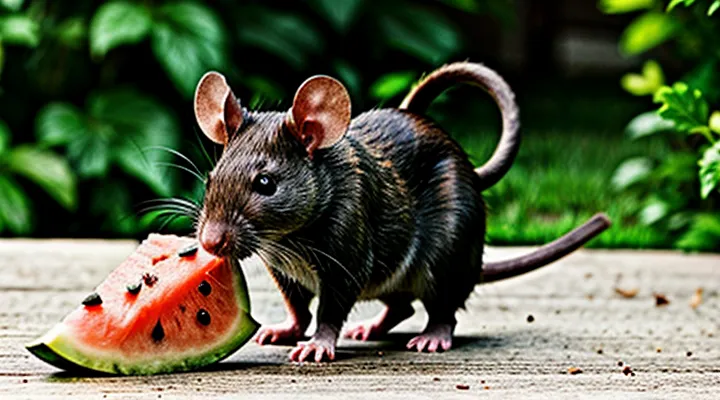
The Short Answer
Rats may eat watermelon, provided it is offered in small portions and the seeds are removed. The fruit supplies water, natural sugars, and modest amounts of vitamins A and C, which can be a healthy occasional treat.
- Serve no more than a teaspoon of flesh per 100 g of body weight.
- Eliminate all seeds to prevent choking or intestinal blockage.
- Introduce gradually to monitor for digestive upset.
- Do not replace a balanced rodent diet; use only as a supplemental snack.
Excessive consumption can lead to diarrhea or weight gain due to the high sugar content. Regular feeding of watermelon is unnecessary for nutritional adequacy.
Why Watermelon Might Be Good for Rats
Nutritional Benefits
Watermelon supplies rats with a high proportion of water, supporting hydration without adding excess calories. The fruit’s natural sugars provide a quick energy source, while its low glycemic impact prevents rapid spikes in blood glucose.
Key nutrients delivered by watermelon include:
- Vitamin C, which aids collagen synthesis and immune function.
- Vitamin A (beta‑carotene), essential for vision and epithelial health.
- Potassium, contributing to electrolyte balance and nerve transmission.
- Magnesium, supporting muscle relaxation and metabolic enzymes.
- Dietary fiber, promoting gastrointestinal motility and microbiome diversity.
- Lycopene and other antioxidants, reducing oxidative stress at the cellular level.
These components collectively enhance rat health when watermelon is offered in moderation, complementing a balanced diet of grains, proteins, and leafy greens.
Hydration
Watermelon contains roughly 92 % water, providing a readily available source of fluid for laboratory and pet rats. The high moisture content can supplement daily water intake, especially during warm weather or when the animal’s access to fresh water is limited.
Rats efficiently absorb water from fruit pulp; the sugars and electrolytes present in watermelon support rapid rehydration without overwhelming the digestive system. However, the fruit’s natural sugars increase caloric load, so the fluid benefit should be balanced against potential weight gain.
Guidelines for offering watermelon to rats:
- Provide no more than a 1 cm³ cube of flesh per 100 g body weight per day.
- Ensure the piece is seed‑free and cut into bite‑size portions to prevent choking.
- Offer fresh fruit only once daily; remove any uneaten pieces after two hours to avoid spoilage.
- Monitor the animal’s overall water consumption; adjust supplemental water bottles if intake rises noticeably.
Regular observation of coat condition, activity level, and urine output will indicate whether the added fruit is improving hydration status. If signs of dehydration persist, increase plain water availability before expanding fruit portions.
Potential Risks and Concerns
Sugar Content
Watermelon contains approximately 6–7 grams of natural sugars per 100 grams of edible flesh. The sugars are primarily fructose, glucose, and a small amount of sucrose, contributing to a sweet taste without adding significant fat or protein. For a typical laboratory rat weighing 250 grams, a 10‑gram slice of watermelon supplies roughly 0.6 grams of sugar, representing about 3 % of the animal’s daily caloric intake when fed a standard rodent diet.
- Maximum safe portion: 15 grams of fresh watermelon per day, divided into two servings.
- Frequency recommendation: No more than three days per week to prevent excessive sugar exposure.
- Monitoring guidelines: Observe body weight and blood glucose levels; reduce or discontinue if weight gain or hyperglycemia occurs.
Excessive sugar can disrupt the rat’s metabolic balance, leading to obesity, insulin resistance, and dental issues. Controlled inclusion of watermelon provides hydration and vitamins while maintaining a balanced nutrient profile.
Digestive Issues
Watermelon provides rats with moisture, simple sugars, and a modest amount of fiber, but its composition can challenge the rodent digestive system. The fruit’s high water content accelerates intestinal transit, potentially leading to loose stools or diarrhea, especially when offered in large quantities. Simple sugars are rapidly fermented by gut microbes; excess fermentation produces gas and can cause abdominal discomfort or bloating.
Key digestive concerns include:
- Diarrhea risk: Overconsumption overwhelms the colon’s absorptive capacity, resulting in watery feces.
- Gas buildup: Rapid microbial fermentation of fructose and glucose generates intestinal gas, which may produce bloating.
- Stool consistency changes: The combination of soluble fiber and water can soften feces, making them less formed than usual.
- Potential for upset stomach: Sudden introduction of a new carbohydrate source may irritate the gut lining.
To mitigate these issues, follow evidence‑based guidelines:
- Offer watermelon in pieces no larger than 1 cm³, equivalent to roughly 2–3 g per 100 g of body weight.
- Limit exposure to two to three small servings per week, ensuring the majority of the diet remains a balanced rodent pellet.
- Observe fecal output for at least 24 hours after introduction; discontinue if stools become liquid or if the rat shows signs of abdominal distension.
- Provide fresh, clean water at all times to support proper hydration and aid digestion.
- Combine watermelon with a low‑fiber vegetable (e.g., cucumber) to balance overall fiber intake and reduce sudden changes in stool texture.
When administered responsibly, watermelon can be a safe occasional treat without compromising gastrointestinal health. Continuous monitoring and adherence to portion limits are essential to prevent digestive disturbances.
Seeds and Rind
Watermelon seeds are small, edible, and contain modest amounts of protein, healthy fats, and antioxidants such as vitamin E. Rats can digest the seeds without difficulty, but the hard outer coating may pose a choking risk for very young or small individuals. Removing the seeds eliminates this hazard and reduces the calorie density of the fruit.
The rind is composed mainly of water, fiber, and a low level of sugars. Rats can chew the soft, pink interior of the rind, which provides additional hydration and roughage. However, the thick outer green layer is tougher, contains higher concentrations of cucurbitacin compounds that can cause gastrointestinal irritation, and may be difficult for rodents to break down. Offering only the tender, inner portion of the rind minimizes digestive upset.
Practical recommendations
- Remove all seeds before presenting watermelon to a rat, especially for juveniles.
- Slice the fruit into bite‑size pieces; limit each serving to no more than 10 % of the animal’s daily caloric intake.
- Offer only the pink, fleshy part of the rind; discard the tough green outer skin.
- Observe the rat for signs of choking or digestive discomfort after consumption and adjust portion size accordingly.
How to Feed Watermelon to Rats Safely
Preparation
When offering watermelon to pet rats, start with thorough cleaning. Rinse the fruit under running water, then scrub the rind with a produce brush to eliminate surface residues and potential pesticides. After washing, pat dry with a clean cloth.
Remove the rind entirely; the thick outer layer can be difficult for rodents to chew and may contain higher concentrations of chemicals. Slice the flesh into bite‑size cubes, approximately ½‑inch (1.3 cm) on each side, ensuring the pieces are small enough for a rat to grasp without risk of choking.
Inspect each cube for seeds. Although watermelon seeds are non‑toxic, they pose a choking hazard for small animals. Discard all seeds before serving. If any white membrane remains, trim it away to improve texture and palatability.
Store prepared portions in an airtight container in the refrigerator. Use within 24 hours to preserve freshness and prevent bacterial growth. If the fruit shows signs of softening, discoloration, or an off odor, discard it immediately.
Serve the watermelon as an occasional treat, not a staple. Limit the amount to no more than one teaspoon (approximately 5 ml) per rat per day, integrating it into a balanced diet that includes protein, fiber, and essential micronutrients.
Portion Control
Watermelon can be a safe treat for pet rodents when offered in limited amounts. The fruit’s high water content and natural sugars provide hydration and a brief energy boost, but excessive intake may lead to digestive upset or weight gain.
A typical serving for an adult rat should not exceed 1–2 small cubes (approximately 5–10 g) per day. Younger or smaller rats require half that quantity. Treats must never replace a balanced pellet or fresh vegetable diet.
- Offer fresh, seed‑free watermelon pieces.
- Remove the rind; it is difficult to digest.
- Monitor the rat for signs of loose stools after the first few servings.
- Adjust the portion if the animal shows reduced appetite for regular food.
Consistent moderation prevents the risk of obesity and maintains the nutritional equilibrium essential for healthy growth and activity.
Frequency
Watermelon provides rats with hydration and modest amounts of vitamins A and C, but the high sugar content limits how often it should be offered. Excessive sugary treats can disrupt gut flora, promote weight gain, and increase the risk of dental problems in rodents.
A practical feeding schedule:
- Occasional treat: 1–2 small cubes (approximately 1 cm³ each) once or twice a week.
- Moderate use: up to 4 cubes spread across two days, not exceeding twice a month.
- Avoid regular feeding: daily or multiple times per week can lead to nutritional imbalance.
Adjust portions for young, pregnant, or health‑compromised rats; reduce frequency or omit entirely if signs of obesity, diarrhea, or dental wear appear. Monitoring body condition and behavior will confirm whether the chosen schedule maintains a balanced diet.
Monitoring Your Rat
When introducing watermelon to a pet rat, continuous observation is essential to assess tolerance and detect adverse reactions. Record the amount offered, the time of consumption, and any immediate changes in behavior.
Key indicators to watch include:
- Altered stool consistency (softening or diarrhea)
- Excessive thirst or reduced water intake
- Signs of abdominal discomfort such as hunching or reduced activity
- Respiratory changes, including rapid breathing or wheezing
- Weight fluctuations measured with a calibrated scale
Document observations daily for at least one week after the first exposure. Compare recorded data with baseline metrics established prior to feeding watermelon. If any negative symptoms persist beyond 48 hours, discontinue the fruit and consult a veterinarian experienced with rodents.
Regular health checks—palpating the abdomen, inspecting the fur and eyes, and monitoring grooming habits—provide additional context for interpreting the rat’s response to new foods. Consistent data collection enables informed adjustments to diet and supports the animal’s overall well‑being.
Other Safe Fruits and Vegetables for Rats
Recommended Options
Watermelon can be a safe treat for pet rats when presented correctly. Offer only the red flesh, discarding rind, seeds, and any sugary syrups. Serve small cubes—approximately one to two centimeters on each side—equivalent to no more than 5 % of the animal’s daily caloric intake. Limit servings to two or three times per week to prevent digestive upset.
Recommended practices include:
- Fresh, unsweetened pieces: Cut the fruit just before feeding to preserve moisture and prevent bacterial growth.
- Temperature control: Provide chilled, not frozen, portions to avoid cold‑induced stomach irritation.
- Observation: Monitor the rat for signs of diarrhea or reduced appetite after the first few servings; discontinue if adverse reactions appear.
- Balanced diet integration: Pair watermelon with high‑protein pellets or fresh vegetables such as leafy greens to maintain nutrient equilibrium.
- Alternative fruits: When variety is desired, consider small amounts of apple (core removed), blueberries, or cantaloupe, each following the same size and frequency guidelines.
These guidelines ensure that watermelon contributes hydration and vitamins without compromising overall health.
Fruits to Avoid
Rats can enjoy watermelon in moderation, but several fruits should be excluded from their diet because they contain compounds that are toxic, cause digestive distress, or present choking hazards.
- Citrus fruits (orange, lemon, lime, grapefruit): high acidity irritates the gastrointestinal lining and may lead to ulceration.
- Grapes and raisins: contain an unidentified toxin that can cause acute kidney failure in rodents.
- Cherry pits and plum stones: contain cyanogenic glycosides that release cyanide when metabolized.
- Avocado flesh: rich in persin, a fatty acid that induces respiratory distress and myocardial damage in rats.
- Tomato leaves and stems: contain solanine, a neurotoxic alkaloid harmful to rodent nervous systems.
- Unripe bananas: high levels of resistant starch and tannins interfere with nutrient absorption and may cause intestinal blockage.
When offering fruit, provide only small, seed‑free portions, observe the animal’s reaction, and remove any uneaten pieces promptly to prevent spoilage and bacterial growth.
When to Consult a Vet
Signs of Distress
Rats that react negatively to watermelon display observable physiological and behavioral changes. Immediate indicators include watery or loose stools, which suggest intolerance to the fruit’s high sugar and water content. A sudden decrease in activity, reluctance to explore, or prolonged periods of rest signal discomfort or potential gastrointestinal upset. Excessive grooming of the perianal area often accompanies diarrhea, reflecting irritation.
Respiratory alterations, such as rapid or shallow breathing, may arise if dehydration progresses. Skin turgor loss, evident when pinching the skin on the back of the neck fails to return promptly, points to inadequate fluid balance. Weight loss measured over consecutive days confirms ongoing distress.
Additional warning signs encompass:
- Aggressive or unusually defensive behavior toward handlers.
- Frequent scratching or biting at the mouth and teeth, indicating oral irritation.
- Reduced water intake despite the fruit’s moisture content.
Observation of any combination of these symptoms warrants immediate cessation of watermelon and consultation with a veterinary professional. Monitoring should continue for 24‑48 hours after removal to ensure recovery.
Dietary Changes
Introducing watermelon into a rat’s diet requires careful modification of existing feeding routines. Fresh fruit should complement, not replace, the balanced commercial pellets that provide essential protein, fats, and micronutrients.
Portion control limits sugar overload. A cube measuring approximately 1 cm on each side supplies enough moisture and flavor for a single adult rat without disrupting caloric balance. Offer the piece no more than three times per week, spacing servings by at least two days.
- Replace a portion of daily fresh vegetables with the watermelon cube.
- Reduce the amount of other sugary treats on days when fruit is provided.
- Observe the animal for changes in stool consistency, activity level, and weight.
- Adjust pellet quantity downward by 5–10 % if the rat readily consumes the fruit.
Excessive watermelon can cause gastrointestinal upset due to high water and fructose content. If loose stools appear, withdraw the fruit for a week and restore the original diet composition before reintroducing a smaller portion. Continuous monitoring ensures the dietary shift supports hydration and enrichment without compromising health.