
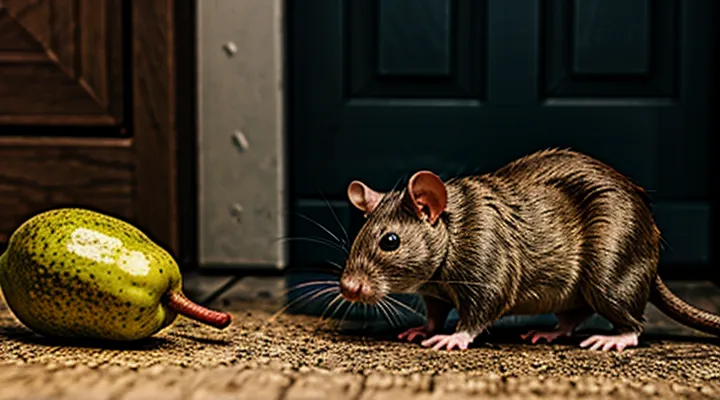
The Nutritional Value of Pears
Vitamins and Minerals
Rats can include fresh pear in a balanced diet, provided the fruit supplies essential micronutrients without exceeding tolerable limits. Pear flesh contains vitamin C, vitamin K, several B‑vitamins (thiamine, riboflavin, niacin, pantothenic acid), and minerals such as potassium, copper, and manganese. These compounds support immune function, blood coagulation, energy metabolism, and enzyme activity in rodents.
Vitamin C contributes to collagen synthesis and antioxidant defense; however, rats synthesize this vitamin endogenously, so dietary intake is supplemental rather than required. Vitamin K is necessary for clotting factor activation; the amount in a typical pear slice satisfies a modest portion of a rat’s daily requirement. B‑vitamins act as co‑enzymes in carbohydrate and protein metabolism, aligning with the high carbohydrate content of pears. Potassium aids in nerve transmission and fluid balance, while copper and manganese function as trace‑element cofactors in oxidative‑stress enzymes.
Excessive pear consumption introduces high simple‑sugar levels, which may lead to gastrointestinal upset, obesity, or dysbiosis. The fruit’s fiber is beneficial for gut motility but can cause diarrhea if introduced abruptly. Seeds contain trace cyanogenic glycosides; removal eliminates potential toxicity.
Practical feeding recommendations:
- Offer ripe, seed‑free pear in small cubes (approximately 0.5 g per 100 g body weight).
- Limit frequency to 2–3 times per week to prevent caloric overload.
- Observe individual tolerance; discontinue if signs of loose stool or reduced appetite appear.
- Combine pear with a standard laboratory rodent chow to maintain overall nutrient balance.
When administered within these parameters, pear provides a valuable source of vitamins and minerals that complement the nutritional profile of laboratory or pet rats.
Fiber Content
Pears contain a notable amount of dietary fiber, which influences digestion in rodents. A medium-sized pear (approximately 150 g) provides about 5–6 g of total fiber, roughly 3 g of soluble fiber and 2–3 g of insoluble fiber. The soluble fraction, primarily pectin, forms a gel in the gastrointestinal tract, slowing glucose absorption and supporting microbial fermentation. Insoluble fiber adds bulk, promoting peristalsis and preventing constipation.
For laboratory or pet rats, the recommended daily fiber intake ranges from 3 % to 5 % of total diet weight. Incorporating a small portion of pear flesh—no more than 10 % of the overall food volume—contributes to meeting this requirement without exceeding caloric limits. Excessive fiber can reduce nutrient absorption and cause loose stools, so monitoring stool consistency after introducing pears is essential.
Key considerations when offering pears to rats:
- Offer only ripe, seed‑free flesh; remove the core and skin if the rat shows sensitivity.
- Limit serving size to 1–2 g per 100 g of body weight per day.
- Observe for signs of gastrointestinal upset, such as diarrhea or reduced feed intake.
- Combine pear fiber with other fiber sources (e.g., hay, whole grains) to maintain a balanced fiber profile.
Overall, the fiber content of pears can be a beneficial supplement to a rat’s diet when provided in modest quantities and accompanied by regular monitoring.
Water Content
Pears consist of roughly 84 % water, a proportion that exceeds most temperate fruits. The high moisture level supplies readily absorbable fluid, supporting hydration without additional water sources.
In laboratory rodents, dietary water content influences gastrointestinal transit time and electrolyte balance. A fruit with 84 % water introduces a rapid influx of fluid, which can reduce the risk of constipation but may also cause mild diarrhea if offered in excess.
Guidelines for incorporating pears into a rat’s diet:
- Offer no more than one small slice (≈ 10 g) per 100 g body weight per day.
- Observe for loose stools after the first exposure; reduce quantity if symptoms appear.
- Provide the fruit peeled and free of seeds, as seeds contain trace cyanogenic compounds.
- Combine with a balanced pellet diet to ensure adequate protein, fat, and fiber intake.
Overall, the water-rich nature of pears makes them a safe occasional treat for rats, provided portions remain modest and the fruit is prepared without seed remnants.
Potential Risks and Concerns
High Sugar Content
Pears contain a considerable concentration of simple sugars, primarily fructose, glucose, and sucrose. A medium-sized pear (approximately 178 g) provides about 17 g of total sugars, representing roughly 70 % of its carbohydrate content. The sugar density varies among cultivars, with sweeter varieties reaching up to 20 g per fruit.
In rodents, excessive intake of such sugars can disrupt metabolic regulation. Acute effects may include elevated blood glucose levels, while chronic consumption can promote weight gain, insulin resistance, and dental decay. Gastrointestinal disturbances—diarrhea, bloating, and fermentative gas production—are also reported when rats ingest large quantities of sugary fruit.
Practical recommendations for feeding rats pears:
- Offer no more than a ½‑inch slice (≈5 g) per animal, once or twice a week.
- Observe for signs of hyperglycemia: lethargy, excessive thirst, or increased urination.
- Prefer low‑sugar alternatives (e.g., berries) for regular fruit supplementation.
Moderation prevents the adverse health impacts associated with the high sugar content of pears while allowing occasional dietary variety.
Choking Hazards
Rats can be offered pear flesh, but the fruit presents several choking risks that require careful handling.
- Large chunks can block a rat’s narrow esophagus.
- The central seed is hard and irregular; it may become lodged in the airway or digestive tract.
- Thick skin may resist chewing, increasing the chance of obstruction.
- Overly juicy pieces can cause aspiration if a rat inhales liquid while swallowing.
To minimize these hazards, prepare the fruit as follows:
- Remove the seed and any remaining core material completely.
- Peel the fruit to eliminate the tough outer layer.
- Cut the flesh into pieces no larger than ¼ inch (≈ 6 mm) on any side.
- Offer a single small piece at a time, monitoring the rat for signs of distress.
- Discontinue feeding if the animal shows hesitation or difficulty swallowing.
When presented in this manner, pear can be a safe occasional treat without posing a choking threat.
Pesticide Residues
Rats may encounter pesticide residues when consuming fresh pears. Residues arise from insecticides, fungicides, and herbicides applied during orchard management. The concentration of each chemical depends on the product used, application rate, pre‑harvest interval, and weather conditions.
Toxicological data indicate that many common residues, such as chlorpyrifos, imidacloprid, and captan, have acute LD₅₀ values for rodents ranging from 5 mg kg⁻¹ to 300 mg kg⁻¹. Sub‑lethal exposure can impair liver function, alter behavior, and suppress immune response. Chronic intake of residues at levels approaching the maximum residue limit (MRL) set by regulatory agencies may contribute to cumulative toxicity.
Risk assessment for rats eating pears should consider:
- Residue levels measured on the fruit surface and interior.
- Species‑specific sensitivity to the active ingredient.
- Feeding frequency and portion size typical for laboratory or wild rats.
- Presence of washing or peeling steps that reduce surface contamination.
If pears are sourced from integrated pest management programs that limit chemical use, residue concentrations often fall well below MRLs, reducing the likelihood of adverse effects. Conversely, fruit harvested shortly after pesticide application may retain higher residues, increasing risk.
Conclusion: pesticide residues on pears represent a variable factor in rat diet safety. Accurate residue monitoring and adherence to pre‑harvest intervals are essential to ensure that consumption does not exceed toxic thresholds for rats.
Feeding Pears to Rats: Best Practices
Preparation Guidelines
Rats can safely consume pears when the fruit is prepared to eliminate potential hazards. Proper preparation ensures nutritional benefits while preventing digestive upset.
- Wash the fruit thoroughly under running water to remove surface contaminants.
- Peel the skin if the source is unknown or if pesticide residue is suspected; the flesh is the only part required for feeding.
- Remove the core, seeds, and stem completely; seeds contain trace amounts of cyanogenic compounds that may be toxic even in small quantities.
- Slice the flesh into bite‑size pieces, approximately 0.5 cm cubes, to facilitate chewing and digestion.
- Offer fresh pieces immediately; discard any leftovers after two hours to avoid spoilage.
Store unused portions in a sealed container in the refrigerator for no more than 24 hours. Limit the daily intake to no more than 10 % of the rat’s overall diet, using the fruit as an occasional supplement rather than a staple.
Portion Control
Rats can safely consume fresh pear, but the fruit must be offered in limited amounts to prevent nutritional imbalance. Pear provides simple sugars, fiber, and vitamins A and C; excessive intake can lead to weight gain, diarrhea, or altered gut flora.
A typical serving for an adult laboratory rat equals a slice no larger than 0.5 cm thick and 1 cm wide, roughly 1–2 g of flesh. This portion should not exceed 5 % of the animal’s total daily caloric intake. Offering the fruit two to three times per week supplies variety without displacing staple chow.
Key considerations for portion control:
- Remove the core and all seeds; seeds contain trace cyanogenic compounds.
- Present only ripe, washed flesh; bruised or moldy sections increase the risk of gastrointestinal distress.
- Observe the rat after the first exposure; any signs of loose stool or reduced activity indicate the need to reduce or discontinue the treat.
- Record the amount given; cumulative fruit consumption over a week should remain below the 5 % threshold.
Adhering to these limits ensures that pear remains a beneficial supplement rather than a source of dietary excess.
Frequency of Feeding
Pear consumption is permissible for rats when offered as an occasional treat. Pears supply soluble fiber, vitamin C, and small amounts of natural sugars, which complement a balanced rodent diet.
Feeding frequency should align with the treat’s caloric contribution and the rat’s overall health. Excessive fruit can disrupt gut flora and contribute to weight gain. A typical regimen limits fruit to no more than 5 % of total daily calories.
- Maximum frequency: one small slice (approximately 5 g) every 3–4 days.
- Minimum interval: at least 48 hours between servings to allow digestive recovery.
- Portion control: cut the fruit into bite‑size pieces; remove seeds and core to prevent choking hazards.
Adjust the schedule if the rat exhibits signs of digestive upset, such as loose stool or reduced appetite. Replace pear with alternative low‑sugar vegetables when necessary. Regular monitoring ensures the fruit remains a safe, supplementary component of the rat’s diet.
Alternative Fruits for Rats
Safe and Healthy Options
Rats are omnivorous mammals that can include fruit in their diet, and pears are among the fruits they can safely consume when proper precautions are taken.
Pear flesh supplies dietary fiber, vitamin C, and potassium, which contribute to gastrointestinal health and metabolic balance in rodents. The fruit’s low fat and sugar content makes it a suitable occasional snack, provided that the portion size respects the animal’s overall caloric intake.
Safe preparation guidelines:
- Wash the fruit thoroughly to remove pesticide residues.
- Peel the skin if the rat shows sensitivity to rough textures.
- Remove the core and all seeds, as seeds contain trace amounts of cyanogenic compounds.
- Offer only small pieces (approximately 1 cm³) to avoid digestive upset.
- Serve fresh, unsweetened pear; avoid canned varieties that contain added sugars or preservatives.
Healthy alternatives that complement pear in a balanced rat diet include:
- Apples (seedless, core removed)
- Blueberries
- Carrots
- Leafy greens such as kale or romaine lettuce
- Small portions of cooked sweet potato
Incorporating these items alongside a high‑quality rodent pellet ensures nutritional completeness while providing variety that encourages natural foraging behavior. Regular monitoring of weight and stool consistency will confirm that fruit treats remain beneficial and do not cause adverse effects.
Fruits to Avoid
Rats may accept pears as an occasional treat, but fruit selection must exclude varieties that pose health risks.
Fruits to avoid for rats include:
- Citrus (orange, lemon, lime, grapefruit): high acidity can irritate the digestive tract and cause enamel erosion.
- Stone fruits (peach, plum, cherry, apricot): pits contain cyanogenic glycosides; flesh is often high in sugar and may cause diarrhea.
- Avocado: persin toxin can lead to respiratory distress and cardiac issues.
- Rhubarb: leaves contain oxalic acid, which can cause kidney failure; stems are also too fibrous for safe consumption.
- Grapes and raisins: linked to acute kidney injury in small mammals.
- Tomato leaves and stems: solanine toxicity may result in gastrointestinal upset.
When offering fruit, limit portions to no more than 10 % of the rat’s total diet, provide fresh water, and monitor for adverse reactions. Pears, if given in small, seed‑free pieces, fit within a balanced diet, whereas the listed fruits should be excluded entirely.