
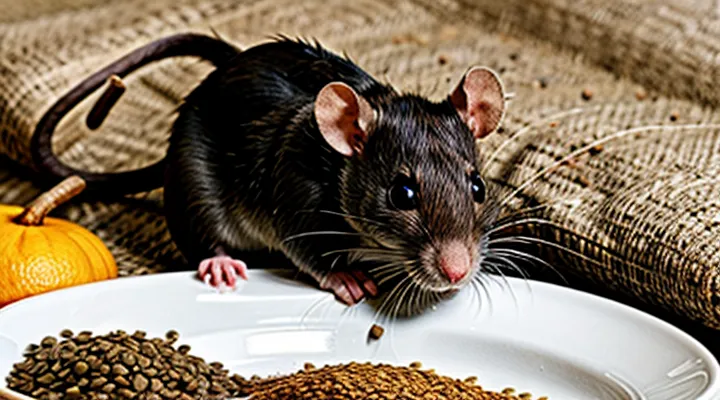
Introduction to Rat Diet
General Dietary Needs of Rats
Rats require a balanced diet that supplies adequate protein, carbohydrates, fats, fiber, vitamins, and minerals. Protein sources such as high‑quality rodent pellets, cooked eggs, or lean meat should constitute 15–20 % of total calories. Carbohydrates are provided by grains, fresh vegetables, and limited fruit, supplying energy while preventing excess weight gain. Essential fatty acids are obtained from small amounts of seeds or oil‑enriched foods, supporting skin health and neural function.
Key micronutrients include:
- Calcium and phosphorus for bone development; a 1:1 to 2:1 calcium‑to‑phosphorus ratio is optimal.
- Vitamin A for vision and immune response; found in carrots, sweet potatoes, and fortified feeds.
- Vitamin D for calcium metabolism; exposure to natural light or supplementation is necessary.
- B‑complex vitamins for metabolism; present in whole grains and leafy greens.
- Vitamin C is not essential for rats, but antioxidants from berries and broccoli aid overall health.
Water must be continuously available, fresh, and free from contaminants. Rats also need regular access to fiber‑rich materials such as hay or chew sticks to promote gastrointestinal motility and dental wear.
Foods to avoid include raw beans, uncooked legumes, high‑fat junk food, sugary treats, and any toxic substances (e.g., chocolate, caffeine, citrus peel). These items can cause digestive upset, nutritional imbalances, or acute poisoning.
Foods to Avoid for Rats
Rats can tolerate a varied diet, but certain foods present clear hazards and should never be offered.
- Processed meats (bacon, ham, sausage): high sodium and preservatives cause kidney strain and digestive upset.
- Chocolate and caffeine: contain theobromine and caffeine, which are toxic and can lead to seizures or death.
- Raw beans and legumes (except properly cooked lentils): contain lectins that damage intestinal lining and interfere with nutrient absorption.
- Citrus fruits and acidic juices: cause mouth irritation and may lead to stomach ulcers.
- Dairy products: rats lack sufficient lactase, resulting in diarrhea and possible bacterial overgrowth.
- Salty snacks (potato chips, pretzels): excess salt triggers dehydration and hypertension.
- Sugary treats (candy, soda): promote obesity, dental decay, and metabolic disorders.
- Onion, garlic, and related Allium species: compounds damage red blood cells, leading to hemolytic anemia.
Feeding rats only safe, nutritionally balanced foods reduces the risk of acute poisoning and chronic health problems. Consult a veterinarian for specific dietary guidance.
Lentils for Rats: The Basics
Can Rats Eat Lentils?
Raw Lentils and Rats
Raw lentils contain protein, fiber, iron, and B‑vitamins, which can supplement a rat’s diet when offered in small amounts. Their nutrient profile supports muscle maintenance and red blood cell production, provided the animal tolerates the legume’s natural compounds.
Benefits of feeding raw lentils to rats:
- High‑quality plant protein contributes to lean tissue growth.
- Soluble fiber promotes intestinal motility and may help regulate blood glucose.
- Iron and folate aid hematopoiesis and cellular metabolism.
Risks associated with raw lentils:
- Anti‑nutritional factors such as lectins and phytic acid can impair nutrient absorption and irritate the gastrointestinal tract.
- Raw legumes may contain tannins that reduce protein digestibility.
- Potential for bacterial contamination if lentils are not stored properly.
To minimize hazards, raw lentils should be introduced gradually, limited to no more than 5 % of the total daily intake, and sourced from a reputable supplier. Monitoring for signs of digestive upset—soft stools, reduced appetite, or lethargy—is essential. If adverse reactions appear, discontinue the legume immediately and consult a veterinarian.
Overall, raw lentils can serve as an occasional nutritional supplement for rats, but the presence of lectins and other anti‑nutrients necessitates cautious, measured inclusion.
Cooked Lentils and Rats
Cooked lentils provide a source of protein, dietary fiber, and essential minerals such as iron and zinc, which can contribute to a balanced diet for laboratory and pet rats. The soft texture after boiling makes the legumes easily chewable, reducing the risk of dental injury in small rodents.
Potential advantages include:
- Increased protein intake supporting muscle maintenance.
- Fiber content promoting gastrointestinal motility.
- Micronutrients that may supplement typical rodent chow deficiencies.
Possible concerns are:
- Presence of residual antinutrients (e.g., lectins) if lentils are undercooked, which can irritate the intestinal lining.
- High carbohydrate load leading to weight gain when offered in excess.
- Risk of mold or bacterial contamination if storage conditions are inadequate.
Guidelines for safe inclusion:
- Boil lentils until fully tender; discard any uncooked pieces.
- Cool to room temperature before serving.
- Offer no more than 5–10 % of the daily caloric intake, measured by weight.
- Observe the animal for signs of digestive upset, such as loose stools or reduced appetite, and discontinue if symptoms appear.
When prepared correctly and fed in moderation, cooked lentils can be a nutritious supplement for rats, while careful management mitigates the associated health risks.
Nutritional Profile of Lentils
Key Nutrients in Lentils
Lentils are a compact source of nutrients that align with the nutritional profile required by laboratory and pet rats. Their composition supplies macronutrients and micronutrients essential for growth, maintenance, and metabolic functions.
- Protein (≈25 % dry weight) – supplies essential amino acids for tissue repair and enzyme synthesis.
- Dietary fiber (≈16 % dry weight) – promotes gastrointestinal motility and supports a healthy gut microbiome.
- Iron – contributes to hemoglobin formation and oxygen transport.
- Folate (vitamin B9) – participates in DNA synthesis and red blood cell development.
- Magnesium – involved in neuromuscular activity and energy metabolism.
- Potassium – regulates fluid balance and nerve impulse transmission.
- B‑vitamins (B1, B2, B3, B6) – act as co‑enzymes in carbohydrate metabolism.
- Phytochemicals (e.g., polyphenols) – exhibit antioxidant activity that may mitigate oxidative stress.
These nutrients can enhance weight gain, improve coat condition, and support reproductive performance in rats when incorporated at appropriate levels. However, lentils contain antinutrients such as phytic acid and lectins; excessive intake may impair mineral absorption and irritate the intestinal lining. Moderation, proper cooking, and occasional inclusion in a balanced diet minimize these risks while preserving the nutritional advantages.
Nutrient Breakdown Relevant to Rats
Lentils supply a range of nutrients that align with the dietary requirements of laboratory and pet rats. A typical serving (100 g, cooked) contains the following macro‑ and micronutrients:
- Protein: 9 g – high‑quality plant protein, supporting tissue growth and repair.
- Crude fiber: 7.8 g – promotes gastrointestinal motility and fecal bulk.
- Carbohydrates: 20 g – provides readily available energy for active rodents.
- Fat: 0.4 g – low lipid content helps maintain a lean body condition.
- Calcium: 19 mg – contributes to bone mineralization, though rats need additional calcium sources.
- Phosphorus: 180 mg – works with calcium for skeletal health; the ratio is within acceptable limits.
- Iron: 3.3 mg – essential for hemoglobin synthesis and oxygen transport.
- Magnesium: 36 mg – involved in enzymatic reactions and nervous system function.
- Potassium: 369 mg – regulates cellular fluid balance and nerve impulse transmission.
- Folate (Vitamin B9): 181 µg – crucial for DNA synthesis and rapid cell division.
- Vitamin B6: 0.3 mg – supports amino‑acid metabolism and neurotransmitter production.
Rats can assimilate these nutrients efficiently when lentils are introduced gradually and served cooked. Heat treatment deactivates lectins and reduces phytic acid, which otherwise bind minerals and impair absorption. Overreliance on lentils may create an imbalance in calcium‑phosphorus ratio and increase dietary fiber beyond optimal levels, potentially leading to soft stools. Therefore, lentils should complement a balanced pellet diet, not replace it, and be limited to 10–15 % of total daily intake.
Benefits of Feeding Lentils to Rats
Protein Source
Lentils supply a substantial amount of plant‑based protein suitable for laboratory and pet rats. A typical serving contains 9 g of protein per 100 g, accompanied by essential amino acids such as lysine, leucine, and valine, which support tissue growth and repair.
- Improves muscle development and maintenance.
- Contributes to enzyme synthesis and metabolic regulation.
- Enhances immune function through amino‑acid provision.
Potential drawbacks accompany the protein content.
- High lectin levels may irritate the intestinal lining if lentils are fed raw.
- Excessive protein can strain renal function, especially in aged or genetically predisposed rats.
- Inadequate cooking may leave anti‑nutrients that hinder mineral absorption.
For safe incorporation, cook lentils thoroughly to deactivate lectins, limit portions to 10 % of the total diet, and balance with animal‑derived protein sources to ensure a complete amino‑acid profile. Monitoring weight, hydration, and stool consistency will reveal any adverse reactions promptly.
Fiber Content and Digestion
Lentils contain approximately 8 g of dietary fiber per 100 g of dry weight, split between soluble (about 2 g) and insoluble (about 6 g) fractions. Soluble fiber forms viscous gels that slow gastric emptying, while insoluble fiber adds bulk and promotes peristalsis. In rats, both fractions influence gut motility and microbial activity.
- Soluble fiber: enhances short‑chain fatty acid production, supports colonic epithelium, may improve nutrient absorption.
- Insoluble fiber: increases fecal mass, accelerates transit time, reduces risk of constipation.
- Fermentable fiber: provides substrate for cecal bacteria, leading to gas formation and potential bloating if intake is abrupt.
Rats digest lentil fiber through cecal fermentation rather than enzymatic breakdown in the small intestine. The resulting short‑chain fatty acids serve as an energy source for the host and for microbial populations. A balanced fiber intake can strengthen the intestinal barrier and stabilize microbiota composition.
Excessive lentil fiber may overwhelm the cecal capacity, causing excessive gas, abdominal distension, or impaction. Sudden inclusion of large lentil portions often leads to transient diarrhoea, reflecting rapid osmotic shifts and microbial overactivity.
Practical guidance for feeding rats lentils:
- Introduce cooked, de‑skinned lentils gradually, starting with 1 g per 100 g of diet.
- Monitor stool consistency and body weight for the first 48 hours.
- Adjust portion size upward by no more than 0.5 g every 3–4 days, maintaining total dietary fiber at 5–7 % of the dry diet.
Appropriate fiber levels from lentils contribute to healthy digestion, while uncontrolled amounts raise the likelihood of gastrointestinal disturbances.
Vitamins and Minerals
Iron
Lentils contain a moderate amount of iron, an essential mineral for hemoglobin synthesis and cellular respiration in rats. When rats consume lentils, the iron they ingest can support oxygen transport, improve energy metabolism, and aid in the development of muscle tissue. However, the bioavailability of lentil iron is limited by phytates, which bind the mineral and reduce absorption in the gastrointestinal tract.
Key considerations for iron intake from lentils:
- Absorption factors – Vitamin C present in fresh vegetables or fruit can enhance iron uptake, while high levels of calcium or tannins may inhibit it.
- Recommended limits – Adult rats require approximately 80 mg of iron per kilogram of diet; excessive supplementation above 200 mg/kg can lead to oxidative stress and organ damage.
- Potential toxicity – Overconsumption of iron, especially from fortified feeds combined with lentils, may cause hepatic accumulation, anemia of chronic disease, and impaired growth.
Balancing lentil inclusion with complementary foods that provide vitamin C and low phytate levels helps maximize iron utilization while avoiding the hazards of iron overload. Regular monitoring of blood hemoglobin and liver iron stores is advisable for laboratory or pet rats whose diets rely heavily on lentils.
Folate
Folate, a water‑soluble B‑vitamin, is abundant in lentils and contributes to several physiological processes in rodents. When rats ingest lentils, the folate they receive supports nucleotide synthesis, enabling rapid cell division in intestinal epithelium and hematopoietic tissue. Adequate folate also facilitates the remethylation of homocysteine to methionine, which helps maintain vascular health and reduces oxidative stress.
Potential advantages of lentil‑derived folate for rats include:
- Enhanced DNA repair capacity, particularly in rapidly renewing tissues.
- Improved red blood cell formation, decreasing the risk of anemia.
- Support of methylation pathways that influence gene expression and neurodevelopment.
Despite these benefits, excessive folate intake may present risks. Lentils contain other antinutrients, such as phytic acid, which can bind folate and diminish its bioavailability. High levels of dietary folate can also mask deficiencies of vitamin B12, leading to neurological complications that are not immediately apparent. Moreover, rats with compromised kidney function may struggle to excrete surplus folate, potentially causing metabolic imbalances.
In practice, incorporating lentils into a rat’s diet should be balanced. A moderate portion—approximately 5–10 % of total caloric intake—provides sufficient folate without overwhelming the animal’s metabolic capacity. Regular monitoring of blood parameters, especially hemoglobin and homocysteine concentrations, can help detect early signs of imbalance. Adjustments to the diet, such as reducing lentil frequency or supplementing with vitamin B12, mitigate the identified risks while preserving the nutritional advantages of folate.
Other Micronutrients
Lentils provide rats with a spectrum of micronutrients that influence metabolic functions, immune competence, and skeletal integrity.
- Vitamin B‑complex (thiamine, riboflavin, niacin, folate): support energy metabolism, red blood cell formation, and neural development.
- Vitamin E (α‑tocopherol): acts as an antioxidant, protecting cell membranes from oxidative damage.
- Iron: essential for hemoglobin synthesis; lentil iron is non‑heme and benefits from concurrent vitamin C for absorption.
- Zinc: required for enzyme activity, wound healing, and taste perception.
- Copper: participates in iron transport and antioxidant enzymes.
- Manganese: involved in bone formation and carbohydrate metabolism.
- Phosphorus: contributes to bone mineralization and ATP production.
Excessive intake of these micronutrients can produce adverse effects. High iron levels may lead to hepatic accumulation and oxidative stress. Over‑supplementation of zinc interferes with copper absorption, potentially causing anemia. Lentils also contain phytate, an antinutrient that chelates iron, zinc, and calcium, reducing their bioavailability. Excessive phytate may impair growth if not balanced with adequate mineral sources.
For safe incorporation, limit lentil inclusion to 10–15 % of total diet weight, ensuring that overall mineral content remains within established rodent nutritional guidelines. Regular blood panel assessments can detect early signs of micronutrient imbalance, allowing dietary adjustments before clinical symptoms emerge.
Risks and Considerations
Lectins and Antinutrients
Impact on Digestion
Lentils introduce a high proportion of complex carbohydrates and dietary fiber that can modify a rat’s gastrointestinal transit. Soluble fiber forms a viscous gel, slowing gastric emptying and extending the period of nutrient absorption. Insoluble fiber adds bulk, stimulating peristaltic movements and promoting regular bowel patterns. The net effect is a more gradual rise in blood glucose after meals and a reduced likelihood of sudden spikes.
Potential digestive benefits include:
- Enhanced microbial diversity in the cecum, as fermentable fibers serve as substrates for beneficial bacteria.
- Increased production of short‑chain fatty acids, which support colonocyte health and improve mucosal barrier function.
- Lower incidence of constipation due to the bulking action of insoluble fiber.
Risks associated with lentil consumption relate to the presence of antinutritional factors and the fiber load:
- Raw lentils contain lectins and trypsin inhibitors that can irritate the intestinal lining and impair protein digestion if not cooked adequately.
- Excessive fiber may cause bloating, gas formation, and transient diarrhea, especially in young or compromised rodents.
- Phytic acid binds minerals such as iron and zinc, potentially reducing their bioavailability and affecting overall nutrient status.
To balance these effects, introduce lentils gradually, ensure thorough cooking to deactivate antinutrients, and limit the portion to no more than 10 % of the total diet by weight. Monitoring stool consistency and weight gain provides practical indicators of digestive tolerance.
Reducing Lectin Content
Lentils contain lectins, protein compounds that can bind to intestinal cells and impair nutrient absorption in rodents. Reducing lectin levels before offering lentils to rats minimizes digestive irritation and supports healthier gut function.
Cooking methods that deactivate lectins are well documented. Effective techniques include:
- Boiling lentils for 20–30 minutes at a rolling boil, discarding the cooking water.
- Pressure‑cooking for 10 minutes at 15 psi, followed by a brief cooling period.
- Soaking lentils in water for 12 hours, changing the water twice, then rinsing thoroughly before cooking.
Each approach lowers lectin activity by 80–95 percent, according to peer‑reviewed nutrition studies. The residual lectin content after proper preparation typically falls below the threshold that triggers adverse reactions in rats.
Feeding rats lentils that have undergone these treatments provides:
- Increased protein intake without the risk of lectin‑induced inflammation.
- Access to fiber, iron, and folate, contributing to hematologic health.
- Variety in diet, which can reduce monotony‑related stress.
Conversely, serving raw or undercooked lentils retains high lectin concentrations, leading to symptoms such as watery stools, reduced weight gain, and intestinal inflammation. Monitoring rat behavior after introducing lentils is essential; any signs of gastrointestinal distress should prompt immediate cessation and veterinary consultation.
In summary, thorough heat treatment or extended soaking effectively diminishes lectins in lentils, making them a safe and nutritious supplement for rat diets when applied consistently.
Digestive Upset
Gas and Bloating
Lentils contain soluble fiber and raffinose‑type oligosaccharides that undergo bacterial fermentation in the gastrointestinal tract of rats. Fermentation releases carbon dioxide, hydrogen, and methane, which accumulate as intestinal gas.
Excess gas manifests as abdominal distension, audible rumbling, reduced activity, and occasional reluctance to eat. Persistent bloating may compromise nutrient absorption and increase the risk of gastrointestinal discomfort.
Factors that amplify gas production include raw or undercooked lentils, large serving sizes, and individual variations in gut microbiota. Rapid introduction of lentils to a rat’s diet overwhelms microbial capacity, leading to abrupt gas spikes.
Mitigation measures:
- Cook lentils thoroughly to break down fermentable sugars.
- Soak dried lentils for several hours, discard soaking water, then rinse before cooking.
- Introduce lentils gradually, starting with 1–2 g per 100 g of body weight and monitoring tolerance.
- Limit weekly lentil intake to no more than 10 % of total dietary dry matter.
- Provide a balanced diet rich in non‑fermentable fiber to support regular bowel movements.
Adhering to these practices reduces the likelihood of gas‑related distress while allowing rats to benefit from the protein and micronutrients lentils supply.
Diarrhea
Feeding lentils to rats can trigger diarrhea, a condition marked by frequent, watery stools. The high fiber content of lentils accelerates intestinal transit, while residual antinutrients such as lectins and phytic acid may irritate the gut lining. In susceptible individuals, this combination overwhelms the digestive capacity, leading to loose feces and dehydration risk.
Typical signs include:
- Increased stool volume and liquidity
- Abdominal cramping or bloating
- Reduced activity and lethargy
- Dry mouth or sunken eyes indicating fluid loss
Management steps:
- Remove lentils from the diet immediately.
- Provide fresh water and a saline electrolyte solution to restore hydration.
- Offer easily digestible foods such as plain cooked rice or boiled chicken for 24–48 hours.
- Re‑introduce a balanced commercial rodent diet once stools normalize.
- Monitor weight and stool consistency for at least a week; seek veterinary care if symptoms persist or worsen.
Preventive measures focus on moderation and preparation. Soaking lentils for several hours, then rinsing and cooking them thoroughly, reduces lectin levels and improves digestibility. Limit inclusion to no more than 5 % of total daily calories, and observe each rat’s response before increasing the amount. Consistent monitoring of stool quality ensures early detection of adverse reactions, allowing prompt dietary adjustment.
Preparation Methods
Soaking
Soaking lentils before offering them to pet rats changes the nutritional profile and safety of the food. The process hydrates the seeds, initiates germination, and reduces compounds that can impair digestion.
Benefits of soaking include:
- Lowered levels of phytic acid, which otherwise binds minerals and limits absorption.
- Deactivation of lectins that may irritate the intestinal lining.
- Softened texture, making the beans easier for small rodents to chew and swallow.
- Faster enzymatic breakdown, resulting in higher availability of protein and fiber.
Risks associated with unsoaked lentils are:
- Elevated concentrations of antinutrients that can cause gastrointestinal upset.
- Hard seed coats that may damage teeth or cause choking.
- Higher fermentable carbohydrate load, potentially leading to excess gas and bloating.
Recommended soaking protocol:
- Rinse lentils under cool running water to remove surface debris.
- Place lentils in a non‑metal container, cover with three times their volume of water.
- Allow to soak at room temperature for 8–12 hours; longer periods may promote sprouting.
- Drain and rinse the lentils again before cooking or feeding raw, depending on the desired texture.
- Discard any water that becomes cloudy or develops an off odor, as it indicates microbial growth.
Following these steps maximizes the nutritional value of lentils while minimizing hazards for rats.
Cooking Thoroughly
Cooking lentils until they are fully softened eliminates antinutrients that can interfere with a rat’s digestion. Heat breaks down phytic acid, lectins, and enzyme inhibitors, making protein and minerals more bioavailable. Properly cooked lentils provide a source of plant‑based protein, dietary fiber, iron, and folate, which can support growth and intestinal health when incorporated sparingly into a balanced rodent diet.
Risks arise when lentils are undercooked or served raw. Residual lectins may cause gastrointestinal irritation, while phytic acid can bind calcium and zinc, reducing absorption of these essential minerals. Additionally, lentils contain moderate levels of purines; excessive intake may elevate uric acid, potentially stressing the renal system.
Guidelines for safe inclusion:
- Boil lentils for at least 20 minutes, ensuring they are tender throughout.
- Rinse cooked lentils with cool water to lower temperature before mixing with regular feed.
- Limit portion to no more than 5 % of total daily food weight.
- Observe rats for signs of digestive upset, such as soft stools or reduced appetite, and discontinue if symptoms appear.
When these precautions are followed, thoroughly cooked lentils can serve as a nutritious supplement without compromising health.
Serving Size and Frequency
Appropriate Portions
Lentils can be a valuable protein source for pet rats when incorporated in measured amounts. A typical adult rat (250–300 g) should receive no more than 1–2 grams of cooked lentils per day, equivalent to about one teaspoon. This quantity delivers approximately 0.5 g of protein and a modest amount of fiber without displacing essential components of a balanced rodent diet.
Key considerations for safe inclusion:
- Cook lentils thoroughly; raw beans contain antinutrients that may cause digestive upset.
- Rinse after cooking to remove excess sodium if canned.
- Offer lentils as a supplement, not a staple; the primary diet must remain a high‑quality commercial pellet or mash formulated for rats.
- Observe the animal for signs of bloating, diarrhea, or reduced appetite, which indicate that the portion is excessive.
- Adjust frequency to two to three times per week, allowing rest days for the gastrointestinal tract.
Overfeeding lentils can lead to imbalanced calcium‑phosphorus ratios and excessive fiber, increasing the risk of constipation or nutrient deficiencies. Maintaining the recommended portion size and frequency ensures that lentils contribute beneficial protein and micronutrients while preserving overall dietary stability.
How Often to Offer Lentils
Rats can safely consume lentils when the portion size and frequency are carefully managed. Offer lentils no more than once or twice per week to prevent excess protein and fiber that may overwhelm the digestive system. A typical serving for an adult rat is ½ teaspoon of cooked lentils, which provides a modest boost of protein, iron, and B‑vitamins without displacing the staple diet.
- Frequency: 1–2 times weekly, spaced by several days.
- Portion size: ½ teaspoon cooked lentils per adult rat; half that amount for juveniles or small‑breed individuals.
- Preparation: Rinse, boil until soft, and cool to room temperature; avoid added salt, spices, or oils.
- Monitoring: Observe stool consistency and activity for 24‑48 hours after each feeding; discontinue if diarrhea, bloating, or lethargy appear.
Adjust the schedule if the rat shows signs of intolerance or if the overall diet already contains high protein sources. Regularly rotate lentils with other vegetables to maintain nutritional balance and prevent monotony.
How to Introduce Lentils to Your Rat’s Diet
Starting with Small Amounts
Introducing lentils into a rat’s diet requires a gradual approach. Begin with a pinch—approximately ½ gram of cooked, unsalted lentils per 100 g of body weight. Observe the animal for 24–48 hours before increasing the portion.
Key considerations for the initial trial:
- Texture: Soft, well‑cooked lentils reduce the risk of choking.
- Frequency: Offer the small portion once every three days to gauge tolerance.
- Monitoring: Look for changes in stool consistency, appetite, or activity level; any sign of digestive upset warrants immediate cessation.
If the rat tolerates the starter dose without adverse effects, raise the serving by 25 % every week, never exceeding 5 % of the total daily food intake. This incremental method allows the gut microbiota to adapt, minimizes the likelihood of gas buildup, and prevents excessive protein or fiber spikes that could strain renal function.
When the diet reaches a stable level, lentils can provide:
- Protein supplement: Complementary to standard rodent chow.
- Fiber source: Supports healthy peristalsis.
- Micronutrients: Iron, folate, and B‑vitamins.
Nevertheless, excessive lentil consumption may cause:
- Flatulence: Resulting from rapid fermentation of oligosaccharides.
- Mineral imbalance: High phytate content can interfere with calcium absorption.
- Renal load: Elevated protein may stress kidneys in susceptible individuals.
Maintain a balanced regimen by rotating lentils with other vegetables and protein sources. Regular veterinary checks ensure that the gradual inclusion remains safe and beneficial.
Monitoring for Adverse Reactions
When introducing lentils into a rat’s diet, systematic observation is essential to identify any negative health effects. Begin with a baseline health assessment that records weight, coat condition, activity level, and stool consistency. After the first exposure, monitor the animal at least twice daily for 48 hours, noting any deviations from baseline.
Key indicators of intolerance include:
- Diarrhea or unusually soft feces
- Vomiting or regurgitation
- Sudden weight loss or failure to gain expected weight
- Lethargy, reduced grooming, or altered posture
- Respiratory distress or nasal discharge
- Skin lesions, excessive scratching, or swelling around the mouth
If any of these signs appear, discontinue lentil feeding immediately and consult a veterinarian. Document the onset time, severity, and duration of each symptom in a dedicated log. Repeat measurements of weight and food intake at 24‑hour intervals for the first week, then weekly for the following month to detect delayed reactions.
Laboratory analysis can supplement visual monitoring. Collect fecal samples on days 1, 3, and 7 to assess microbiota changes or the presence of undigested lentil residues. Blood tests for liver enzymes, kidney function, and inflammatory markers provide objective data on systemic effects.
Maintain a consistent feeding schedule, offering a measured portion of cooked, unsalted lentils mixed with the standard diet. Adjust the portion size gradually, never exceeding 10 % of total caloric intake. Consistency in preparation and portion control reduces variability and improves the reliability of adverse‑reaction monitoring.
Recommended Types of Lentils
Green Lentils
Green lentils are a source of protein, dietary fiber, and essential micronutrients such as iron, folate, and potassium. These nutrients can support growth, blood formation, and digestive health in rats when incorporated into a balanced diet.
Benefits for rats include:
- Increased protein intake that contributes to muscle maintenance.
- Fiber content that promotes regular bowel movements and gut microbiota diversity.
- Iron and folate that aid in hemoglobin synthesis and cellular replication.
Potential risks involve:
- Presence of anti‑nutrients (phytic acid, lectins) that may impair mineral absorption if lentils are fed raw.
- High carbohydrate load that can lead to weight gain or glucose spikes when over‑served.
- Possible gastrointestinal upset from sudden dietary changes.
To minimize hazards, follow these guidelines:
- Cook green lentils thoroughly (boil for at least 20 minutes) to deactivate lectins and reduce phytic acid.
- Rinse cooked lentils to remove excess sodium if seasonings were used.
- Offer lentils as a supplement, limiting portions to no more than 5–10 % of the total daily food weight.
- Introduce lentils gradually, monitoring for signs of diarrhea or reduced appetite.
When prepared correctly and fed in moderation, green lentils can be a nutritious addition to a rat’s diet, providing valuable protein and fiber while avoiding the drawbacks associated with raw legumes.
Red Lentils
Red lentils are small, orange‑colored pulses that provide a compact source of protein, dietary fiber, and essential micronutrients. A 100‑gram serving of cooked red lentils contains roughly 9 g protein, 4 g fiber, 36 % of the daily requirement for folate, and notable amounts of iron, magnesium, and potassium. The carbohydrate profile is primarily complex starch, which releases energy gradually.
For rats, the high protein content supports muscle maintenance and growth, while fiber aids gastrointestinal motility. Vitamins such as folate and minerals like iron contribute to blood formation and metabolic processes. The low fat level aligns with the typical dietary composition of laboratory and pet rats, preventing excess caloric intake.
Potential drawbacks arise from raw lectins and phytic acid, both of which can impair nutrient absorption and irritate the intestinal lining. Inadequately cooked lentils may also produce gas and mild diarrhea. Red lentils lack the balanced amino acid spectrum of animal proteins; reliance on them as a primary protein source could lead to deficiencies.
Preparation guidelines
- Rinse thoroughly under running water.
- Simmer in plain water for at least 15 minutes, until the lentils are soft and the skins have split.
- Discard cooking liquid to reduce residual antinutrients.
- Cool to room temperature; do not add salt, spices, or oils.
Feeding recommendations
- Offer cooked red lentils as a supplement, not as a staple.
- Limit portions to 1‑2 teaspoons per adult rat, equivalent to 5‑10 % of daily caloric intake.
- Introduce gradually and monitor for changes in stool consistency or appetite.
- Rotate with other protein sources to ensure a balanced amino acid profile.
When integrated responsibly, red lentils can enrich a rat’s diet with protein, fiber, and micronutrients while minimizing the risk of digestive upset.
Brown Lentils
Brown lentils provide a source of protein, dietary fiber, and essential minerals such as iron, zinc, and folate. When incorporated into a rat’s diet, these nutrients can support muscle maintenance, digestive health, and blood formation.
Potential benefits
- Protein content approximates 24 % of dry weight, aiding tissue repair.
- Soluble fiber promotes gut motility and microbial balance.
- Iron and zinc contribute to hemoglobin synthesis and immune function.
Possible risks
- Raw lentils contain lectins that can impair nutrient absorption and cause gastrointestinal irritation.
- High fiber levels may lead to bloating or diarrhea if introduced abruptly.
- Phytic acid binds minerals, reducing bioavailability unless the beans are processed.
Safe preparation
- Rinse lentils thoroughly to remove surface debris.
- Boil in water for at least 20 minutes; ensure they are fully cooked but not mushy.
- Cool to room temperature; avoid adding salt, spices, or oil.
- Offer in small portions (no more than 5 % of total daily food weight) and monitor the animal’s response.
Feeding guidelines
- Introduce lentils gradually, mixing with the regular pellet diet.
- Observe for signs of digestive upset; discontinue if symptoms appear.
- Maintain a balanced diet; lentils should complement, not replace, staple rodent feed.
In summary, brown lentils can be a nutritious supplement for rats when cooked properly and served in moderation, while raw or excessive amounts present identifiable health concerns.
Alternative Healthy Treats for Rats
Vegetables
Vegetables provide essential vitamins, minerals, and fiber that support rat health. Leafy greens such as kale, romaine lettuce, and spinach deliver vitamin K and calcium, while carrots and bell peppers supply beta‑carotene and vitamin C. Fiber from broccoli stems and zucchini promotes gastrointestinal motility and helps prevent constipation.
Safe vegetable options for laboratory and pet rats include:
- Kale (moderate amounts, high calcium)
- Romaine lettuce (low oxalate, high water content)
- Carrot slices (rich in beta‑carotene)
- Bell pepper strips (vitamin C source)
- Zucchini chunks (mild flavor, low sugar)
Potential concerns arise with certain vegetables:
- Spinach and beet greens contain oxalates that may contribute to kidney stone formation when fed excessively.
- Cruciferous vegetables such as cabbage and cauliflower can cause gas and mild digestive upset if introduced abruptly.
- High‑sugar vegetables like sweet corn may lead to weight gain and altered blood glucose levels.
Comparing vegetables to lentils reveals distinct nutritional profiles. Lentils offer protein and complex carbohydrates, whereas vegetables primarily supply micronutrients and soluble fiber. A balanced rat diet typically combines a modest portion of cooked lentils (approximately 10 % of total intake) with a diverse selection of fresh vegetables to ensure adequate protein without excessive caloric density. Overreliance on lentils may increase the risk of gastrointestinal fermentation, while exclusive vegetable feeding may lack sufficient protein for growth and reproduction. Integrating both food groups mitigates individual drawbacks and enhances overall dietary quality.
Fruits
Rats can consume fruit alongside lentils, creating a more balanced diet. Fruit contributes simple sugars, vitamins, and antioxidants that lentils lack, while lentils provide protein, fiber, and minerals.
Benefits of adding fruit to a lentil‑based rat diet
- Rapid energy source from natural sugars
- Vitamin C and A support immune function and vision
- Antioxidants reduce oxidative stress
- Variety encourages natural foraging behavior
Potential risks
- High sugar content may lead to obesity if overfed
- Acidic fruits can cause dental erosion in some individuals
- Certain fruits (e.g., grapes, raisins) are toxic to rodents
- Excess fiber from fruit skins may cause gastrointestinal upset
To maximize advantages, offer fruit in small portions, rotate types, and monitor weight and stool consistency. Pair fruit with cooked, unsalted lentils to ensure protein intake remains adequate without compromising digestive health.
Grains and Seeds
Rats require a balanced diet that includes protein, fiber, vitamins, and minerals. Lentils provide protein and fiber, but they lack certain nutrients commonly supplied by grains and seeds. Incorporating grains such as oats, barley, or quinoa, and seeds like sunflower or pumpkin, can fill these gaps and improve overall diet quality.
Grains and seeds contribute carbohydrates, essential fatty acids, and micronutrients absent from legumes. Compared with lentils, they offer higher levels of B‑vitamins, vitamin E, and minerals such as magnesium and zinc. Their texture also promotes dental health by encouraging natural chewing behavior.
Benefits of combining grains and seeds with lentils
- Enhanced energy supply from complex carbohydrates.
- Increased intake of essential fatty acids that support skin and coat condition.
- Additional micronutrients that prevent deficiencies common in legume‑heavy diets.
- Improved gastrointestinal motility due to varied fiber types.
Potential risks
- Excessive carbohydrate load may lead to weight gain and insulin resistance.
- Certain seeds contain phytic acid, which can reduce mineral absorption if not processed.
- Whole grains may harbor mold toxins; proper storage is essential.
- Large seeds pose choking hazards for smaller or young rats.
To maximize advantages while minimizing hazards, limit grains and seeds to 10–15 % of total food weight, offer them in small, manageable pieces, and rotate varieties to prevent nutrient imbalances. Monitor body condition and stool quality regularly; adjustments should be made promptly if signs of digestive upset or weight fluctuation appear.