
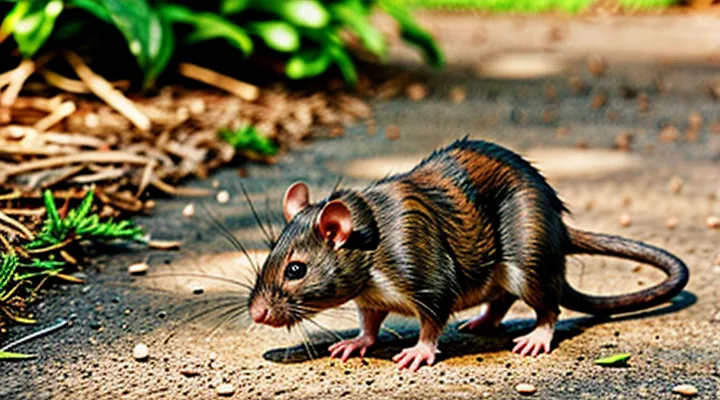
Understanding Rat Dietary Needs
Essential Nutrients for Rats
Protein Requirements
Rats require a diet that supplies sufficient protein to support growth, tissue repair, and metabolic functions. For adult laboratory rats, the recommended protein intake is approximately 14–16 % of total caloric intake, translating to 1.5–2.0 g of protein per 100 g of body weight per day. Juvenile rats and breeding females need higher levels, around 20–22 % of calories or 2.5–3.0 g per 100 g body weight daily.
Protein quality depends on the presence of essential amino acids such as lysine, methionine, threonine, and tryptophan. Digestibility of the protein source influences how much of the ingested protein becomes available for physiological processes. Highly digestible proteins reduce the need for excess intake and improve feed efficiency.
Chicken liver offers a dense source of high‑quality protein. Its amino‑acid profile closely matches the requirements of rodents, providing ample lysine and methionine. A 100‑g serving contains roughly 16 g of protein, 4 g of fat, and significant amounts of vitamin A, B‑complex vitamins, and iron. The fat content may be excessive if liver is fed in large quantities; balanced inclusion can prevent caloric overload.
Feeding recommendations for incorporating liver into a rat diet:
- Offer cooked liver in small portions (5–10 g per 100 g body weight) no more than two times per week.
- Ensure thorough cooking to eliminate pathogens and reduce the risk of parasites.
- Combine liver with a basal diet that supplies fiber, carbohydrates, and essential micronutrients.
- Monitor body condition; excessive liver can lead to hypervitaminosis A or fatty liver disease.
When integrated properly, chicken liver satisfies a substantial portion of the protein requirement while delivering additional nutrients that support overall health.
Vitamin and Mineral Needs
Chicken liver offers a dense source of protein, vitamins, and minerals that can satisfy several nutritional requirements of laboratory and pet rats when incorporated correctly.
Rats require the following vitamins for normal growth, vision, and immune function. Chicken liver provides them in quantities that meet or exceed the species’ needs:
- Vitamin A – essential for retinal health and epithelial maintenance; liver contains high levels, so only small portions are advisable.
- Vitamin B12 (cobalamin) – supports red blood cell formation and neurological health; liver is a rich natural source.
- Riboflavin (B2) – involved in energy metabolism; abundant in liver tissue.
- Niacin (B3) – aids in carbohydrate processing; present in sufficient amounts.
- Pantothenic acid (B5) – co‑enzyme for fatty acid synthesis; supplied by liver.
- Folate (B9) – required for DNA synthesis and cell division; liver contributes appreciable amounts.
Key minerals that rats must obtain regularly are also found in chicken liver:
- Iron – critical for oxygen transport; liver delivers highly bioavailable iron.
- Copper – necessary for enzyme function; liver supplies copper but excess can be toxic.
- Zinc – supports immune response and wound healing; present in moderate concentrations.
- Selenium – antioxidant role; liver provides trace amounts.
When using chicken liver, balance is crucial. Excess vitamin A or copper can lead to toxicity; therefore, limit liver to no more than 5 % of the total diet by weight. Complement the diet with a commercial rodent pellet formulated to deliver calcium, phosphorus, magnesium, and other trace elements not abundant in liver.
In practice, introduce cooked, unseasoned liver in small, measured servings a few times per week. Observe body condition, coat quality, and activity levels; adjust frequency if signs of hypervitaminosis or mineral imbalance appear. This regimen ensures rats receive essential micronutrients while avoiding over‑supplementation.
Fat Considerations
Chicken liver contains roughly 5–7 % fat by weight, with a high proportion of saturated and monounsaturated fatty acids. The organ also provides cholesterol, phospholipids, and fat‑soluble vitamins that contribute to the overall lipid load of a rat’s diet.
Rats require dietary fat to supply essential fatty acids and to support energy metabolism. Standard laboratory rodent chow typically supplies 4–6 % fat, aligning with the species’ natural intake levels. Introducing a food item with a higher fat concentration can quickly raise the total dietary fat percentage beyond the optimal range.
Excessive fat from chicken liver may lead to weight gain, hepatic steatosis, and altered lipid profiles in rats. Overconsumption also increases the risk of gastrointestinal upset and pancreatitis, especially in young or genetically predisposed individuals.
Feeding recommendations:
- Limit chicken liver to no more than 10 % of the total daily food mass.
- Offer liver in small, bite‑sized pieces (approximately 0.2 g per 100 g body weight).
- Provide complementary low‑fat foods such as fresh vegetables or lean protein sources to balance the diet.
- Monitor body condition and adjust portion size if weight gain or signs of digestive distress appear.
Chicken Liver as a Food Source
Nutritional Profile of Chicken Liver
Key Vitamins
Chicken liver supplies several vitamins that influence rat health.
- Vitamin A: high concentration; supports vision and epithelial maintenance. Excess can cause hypervitaminosis, so limit to ≤ 0.5 g liver per 100 g diet.
- Vitamin B12 (cobalamin): essential for red‑blood‑cell formation and neurological function. Rats absorb it efficiently; typical inclusion of 5 mg/kg feed meets requirements.
- Riboflavin (B2): involved in energy metabolism. Liver provides about 4 mg per 100 g, exceeding the rat’s daily need of 0.2 mg.
- Niacin (B3): aids in carbohydrate processing. Content of roughly 13 mg per 100 g satisfies the rat’s requirement of 2 mg.
- Folate (B9): required for DNA synthesis and fetal development. Liver delivers 200 µg per 100 g, above the 2 µg daily need.
- Vitamin D: modest levels; contributes to calcium balance. Approx. 1 µg per 100 g, insufficient as sole source, thus supplement if diet lacks other vitamin D.
- Vitamin K: participates in blood clotting. Presence is low; additional source may be necessary for optimal coagulation.
Balancing liver inclusion prevents vitamin toxicity while providing a rich source of nutrients crucial for rat physiology.
Essential Minerals
Rats can safely include chicken liver in their diet when the organ provides essential minerals in amounts that meet their nutritional requirements without exceeding tolerable limits.
Chicken liver is a concentrated source of several minerals critical for rodent health:
- Iron: Supports hemoglobin synthesis and oxygen transport; rats require 0.2 % of diet dry weight, and liver delivers this within safe margins.
- Zinc: Facilitates enzyme activity and immune function; liver supplies approximately 30 mg kg⁻¹, aligning with the recommended 30–50 mg kg⁻¹ for adult rats.
- Copper: Needed for iron metabolism and antioxidant enzymes; liver provides about 5 mg kg⁻¹, matching the advised 5–10 mg kg⁻¹.
- Selenium: Contributes to glutathione peroxidase activity; liver contains 0.2 mg kg⁻¹, suitable for the 0.15–0.25 mg kg⁻¹ target range.
- Phosphorus: Essential for bone mineralization and energy transfer; liver offers 5 g kg⁻¹, fitting the 5–7 g kg⁻¹ dietary recommendation.
When feeding chicken liver, consider the following guidelines:
- Offer liver as a supplement, not the sole protein source; balance with grain‑based or plant‑based feeds to avoid excessive vitamin A and fat intake.
- Limit portions to 5–10 % of total daily ration by weight; this prevents mineral overload, particularly iron, which can cause oxidative stress at high levels.
- Ensure liver is fresh, properly stored, and free from bacterial contamination to avoid gastrointestinal illness.
By adhering to these practices, rats receive the essential minerals present in chicken liver without compromising health, confirming that the organ can be a beneficial component of a well‑balanced rodent diet.
Protein Content
Chicken liver offers a concentrated source of animal protein suitable for laboratory and pet rats. The organ’s protein density surpasses that of most muscle meats, delivering essential amino acids in a form readily assimilated by rodent metabolism.
- Protein: approximately 20 g per 100 g of fresh liver
- Essential amino acids (per 100 g): lysine 2.5 g, methionine 0.8 g, threonine 1.5 g, tryptophan 0.3 g
- Additional nutrients: vitamin A ≈ 15 000 IU, iron ≈ 5 mg, B‑complex vitamins (B12 ≈ 15 µg)
Rats require a diet containing 14–18 % protein on a dry‑matter basis. A 10‑gram portion of cooked chicken liver contributes roughly 2 g of protein, covering 12–14 % of the daily requirement for an adult rat weighing 200 g. The amino‑acid profile aligns with the species’ need for lysine, methionine, and threonine, which are limiting in many plant‑based feeds.
Feeding guidelines advise limiting liver to no more than 5 % of total diet weight. Excessive liver intake can cause hypervitaminosis A and iron overload, conditions that impair hepatic function. Cooking the liver eliminates potential pathogens while preserving most protein content; over‑cooking may reduce bioavailability of certain amino acids.
In practice, integrate small, cooked liver pieces into a balanced ration that includes grains, legumes, and fiber sources. Monitor body weight and health markers to ensure the protein contribution remains within optimal limits.
Potential Benefits for Rats
Iron Boost
Chicken liver provides a highly bioavailable form of iron, making it a potent supplement for rodents that require an iron boost. A 100‑gram portion contains approximately 6 mg of heme iron, a level comparable to that found in red meat and far higher than typical rodent feed. This concentration can rapidly correct mild anemia or support growth in young or pregnant individuals.
The organ also supplies vitamin A, B‑complex vitamins, and essential amino acids, contributing to overall health. However, the elevated iron content carries a risk of overload if the liver is offered in excess. Chronic intake above the recommended daily allowance (≈0.5 mg iron per 100 g body weight) may lead to hepatic toxicity, oxidative stress, and impaired organ function.
Safety guidelines:
- Introduce liver gradually, starting with 1–2 g per 100 g of body weight.
- Limit weekly frequency to two servings to prevent cumulative excess.
- Monitor blood hemoglobin and ferritin levels after two weeks of supplementation.
- Avoid feeding liver to rats with known iron‑storage disorders or those already receiving fortified diets.
When administered within these parameters, chicken liver serves as an effective, natural method to elevate iron status without compromising safety.
Vitamin A Benefits
Rats can safely ingest chicken liver, a source rich in vitamin A. The nutrient’s high concentration in this organ makes it a practical supplement when formulating rodent diets that aim to meet physiological requirements.
Vitamin A supports several essential functions in rats:
- Vision: maintains the integrity of retinal photoreceptors, enabling normal light perception.
- Immune competence: enhances the activity of lymphocytes and macrophages, improving resistance to infections.
- Cellular differentiation: regulates gene expression that drives the maturation of epithelial cells in skin, gut, and respiratory tracts.
- Reproduction: contributes to sperm development and embryonic growth, influencing fertility outcomes.
- Antioxidant protection: works with carotenoids to neutralize free radicals, reducing oxidative damage to tissues.
When incorporating chicken liver into a rat’s diet, ensure the portion size aligns with recommended vitamin A limits to avoid hypervitaminosis, which can cause toxicity symptoms such as liver enlargement and bone abnormalities. Monitoring intake and balancing with other nutrients yields a diet that leverages the vitamin’s benefits while preserving overall health.
Risks and Precautions
Toxicity Concerns
Vitamin A Overload
Chicken liver contains exceptionally high levels of retinol, the active form of vitamin A. When incorporated into a rat’s diet, the organ can supply more vitamin A than the species’ metabolic capacity tolerates, especially if portions exceed the recommended daily allowance.
Rats metabolize vitamin A efficiently up to a specific threshold; intake beyond that point produces hypervitaminosis A. Toxic doses are estimated at 20 mg of retinol per kilogram of body weight per day. Clinical manifestations include:
- Dermatitis and skin scaling
- Hepatomegaly with fatty infiltration
- Bone growth retardation
- Reduced fertility and embryonic loss
These signs appear within weeks of continuous over‑exposure.
To prevent overload, limit chicken liver to no more than 5 % of total diet weight, ensure the overall retinol content remains below 2 mg kg⁻¹ day⁻¹, and rotate with low‑vitamin‑A protein sources. Regular health checks for liver enlargement and skin changes are essential when liver is part of the feeding regimen.
Heavy Metal Accumulation
Feeding chicken liver to laboratory rats introduces a significant risk of heavy‑metal exposure. Liver tissue concentrates metals present in the animal’s diet and environment, often exceeding levels found in muscle meat. When rats ingest liver, cadmium, lead, mercury and arsenic may accumulate in their organs, potentially skewing experimental outcomes and compromising animal welfare.
- Cadmium: binds to metallothionein, accumulates in kidneys and liver, disrupts enzyme function.
- Lead: stored in bone and brain, impairs neurodevelopment and behavior.
- Mercury: preferentially deposits in the central nervous system, causing oxidative stress.
- Arsenic: interferes with cellular respiration, induces DNA damage.
The extent of accumulation depends on the source of the poultry, feed contamination, and processing methods. Analytical testing of liver samples before inclusion in rodent diets can identify unsafe metal concentrations. If levels exceed established safety thresholds, substitute liver with lower‑risk protein sources or implement purification steps such as washing and trimming to reduce surface contaminants.
Regular monitoring of tissue metal loads in rats receiving liver ensures that bioaccumulation remains within acceptable limits and preserves the integrity of research data.
Serving Recommendations
Moderation is Key
Feeding chicken liver to laboratory or pet rats provides a concentrated source of protein, iron, and vitamin A. The organ’s high nutrient density also means it contains elevated levels of fat and cholesterol, which can overwhelm a rodent’s digestive system if offered in large quantities.
- Limit portions to 1–2 grams per 100 grams of body weight, equivalent to a small bite once or twice a week.
- Serve cooked liver only; raw tissue carries a risk of bacterial contamination such as Salmonella.
- Observe the animal for signs of gastrointestinal upset, such as loose stools or reduced appetite, after each serving.
- Rotate liver with other protein sources (e.g., boiled egg, lean meat) to prevent nutrient imbalances.
Excessive intake may lead to hypervitaminosis A, hepatic stress, and obesity. Balanced inclusion of chicken liver, combined with a standard rodent diet, supports health without exposing rats to the hazards of overnutrition.
Preparation Methods
When incorporating chicken liver into a rat diet, preparation must eliminate pathogens, control texture, and standardize portion size. The process begins with thorough cleaning: rinse the liver under cold running water, trim excess connective tissue, and remove any visible fat. Cooking is essential; heat the liver to an internal temperature of at least 165 °F (74 °C) to destroy bacteria and parasites. Preferred methods include:
- Boiling in plain water for 5–7 minutes, then cooling to room temperature.
- Steaming for 6–8 minutes, preserving moisture while achieving safe temperature.
- Baking at 350 °F (175 °C) for 12–15 minutes, ensuring even heat penetration.
After cooking, dice the liver into 0.5‑cm cubes to facilitate ingestion and digestion. Mix the pieces with a balanced base diet (e.g., standard rodent chow) at a ratio of 5 % liver by weight, which provides protein and micronutrients without exceeding caloric limits. Store prepared portions in airtight containers, refrigerate at 4 °C, and use within 48 hours; for longer storage, freeze at –20 °C and thaw gradually before feeding.
Safety checks include confirming the absence of off‑odors, discoloration, or slime, which indicate spoilage. Record batch dates, preparation method, and feeding quantities to maintain traceability and support reproducible results in research or breeding programs.
Alternative Protein Sources for Rats
Other Organ Meats
Heart
Rats possess a four‑chambered heart similar in basic structure to that of other mammals, with a relatively high basal metabolic rate that demands efficient oxygen delivery and waste removal. The myocardium relies on a steady supply of nutrients, particularly fatty acids, amino acids, and micronutrients, to maintain contractile function and vascular integrity.
Chicken liver is rich in protein, iron, vitamin A, B‑complex vitamins, and essential fatty acids. These components can influence cardiac physiology in several ways:
- High‑quality protein supplies amino acids needed for myocardial repair and enzyme synthesis.
- Iron supports hemoglobin formation, enhancing oxygen transport capacity.
- Vitamin A regulates gene expression related to heart development and function.
- B‑vitamins participate in energy metabolism within cardiac cells.
- Polyunsaturated fatty acids affect membrane fluidity and may modulate inflammatory pathways.
When chicken liver is introduced into a rat’s diet, the heart may experience both benefits and risks. Adequate protein and micronutrient intake can improve myocardial efficiency and support growth in young animals. However, excessive vitamin A can lead to toxicity, potentially causing cardiac hypertrophy or arrhythmias. The high cholesterol content of liver may elevate serum lipid levels, promoting atherosclerotic changes if the diet lacks balancing fiber or unsaturated fats.
Guidelines for feeding chicken liver to rats include:
- Limit portions to 5–10 % of total daily caloric intake to avoid nutrient excess.
- Provide a balanced diet with adequate fiber, antioxidants, and omega‑3 sources to counteract possible lipid accumulation.
- Monitor cardiac markers such as heart rate, blood pressure, and serum lipid profiles during prolonged feeding trials.
- Adjust intake based on age, weight, and health status, reducing liver consumption for older or compromised individuals.
In summary, the rat heart can tolerate moderate inclusion of chicken liver, provided that dietary balance is maintained and potential toxicities are monitored.
Kidney
Rats readily accept chicken liver as a food source, and the organ’s high protein and vitamin A content can influence renal physiology. The liver’s purine concentration generates uric acid during metabolism; excess uric acid places additional load on the kidneys, potentially accelerating stone formation in susceptible individuals.
When liver is incorporated into a rat’s diet, the kidneys must excrete increased nitrogenous waste. Adequate hydration mitigates the risk of renal stress, while prolonged feeding without water balance can lead to tubular degeneration.
Key considerations for renal health in this context:
- Monitor water intake to match the protein load from liver.
- Limit liver portions to 5‑10 % of total daily calories to avoid excessive nitrogen burden.
- Observe urine output and color for signs of dehydration or crystal precipitation.
In experimental settings, short‑term feeding of chicken liver does not produce immediate kidney damage, but chronic exposure without dietary regulation may impair renal function. Proper nutritional planning ensures that the liver’s benefits are realized without compromising kidney health.
Lean Meats
Cooked Chicken Breast
Cooked chicken breast provides a high‑quality protein source that is safe for rats when prepared correctly. The meat must be boiled, baked, or grilled without added salt, spices, or sauces. After cooling, cut the breast into bite‑size pieces to prevent choking.
Key considerations for feeding rats cooked chicken breast:
- Protein content: Approximately 31 g of protein per 100 g, supporting muscle growth and tissue repair.
- Fat level: Low fat (about 3.6 g per 100 g), reducing the risk of obesity in small rodents.
- Calorie density: Roughly 165 kcal per 100 g, suitable as an occasional supplement rather than a staple.
- Micronutrients: Contains B‑vitamins (B3, B6) and selenium, which contribute to metabolic functions.
When evaluating the question of rats eating chicken liver, the same safety principles apply. Liver is richer in vitamin A and iron but also higher in cholesterol and potential toxins if not fully cooked. Cooked chicken breast, being leaner and less likely to contain harmful residues, serves as a reliable alternative for protein supplementation.
Feeding guidelines:
- Offer cooked breast no more than twice a week.
- Limit portions to 5–10 g per 100 g body weight.
- Ensure the meat is freshly prepared and stored at 4 °C for no longer than 24 hours.
Providing cooked chicken breast alongside a balanced grain‑based diet delivers essential nutrients while minimizing health risks associated with raw or heavily seasoned meats.
Cooked Fish
Rats readily accept a variety of animal proteins, but each source requires careful evaluation of safety and nutritional balance. Cooked fish provides high‑quality protein, essential amino acids, and omega‑3 fatty acids that support growth and cardiovascular health in rodents. When preparing fish for rats, ensure it is fully cooked, boneless, and free of seasoning, salt, or sauces that could cause electrolyte imbalance or gastrointestinal irritation.
Key considerations for offering cooked fish:
- Temperature: Serve at room temperature to avoid thermal stress.
- Portion size: Limit to 5‑10 % of the daily diet by weight; excess protein can stress the kidneys.
- Frequency: Include no more than two servings per week to maintain dietary diversity.
- Safety: Verify that the fish is fresh, properly stored, and cooked to an internal temperature of at least 165 °F (74 °C) to eliminate pathogens.
Comparing cooked fish to chicken liver highlights differences in nutrient density. Chicken liver is extremely rich in vitamin A and iron but can cause hypervitaminosis A if fed in large amounts. Cooked fish lacks the high vitamin A concentration, reducing the risk of toxicity, while still delivering essential nutrients. Therefore, cooked fish serves as a safer complementary protein when evaluating whether rats can safely consume chicken liver.
Plant-Based Proteins
Tofu
Tofu offers a plant‑based protein source that can replace animal organs in laboratory rat diets. When evaluating the suitability of tofu as an alternative to chicken liver, consider amino acid profile, digestibility, and micronutrient content.
- Protein: tofu supplies 8 g of complete protein per 100 g, comparable to the protein density of chicken liver (approximately 17 g per 100 g). Essential amino acids such as lysine and methionine are present, though in slightly lower concentrations than in liver tissue.
- Fat: tofu contains 4–5 g of fat per 100 g, predominantly unsaturated, whereas chicken liver provides 4 g of mixed saturated and unsaturated fats, along with cholesterol.
- Vitamins and minerals: tofu is rich in calcium, iron, and magnesium, but lacks the high vitamin A and B‑complex levels found in liver. Supplementation may be required to meet the full spectrum of micronutrients required for optimal rat health.
Safety considerations include the absence of pathogens typical of raw organ meat and the low risk of heavy‑metal accumulation in commercially produced tofu. However, soy allergens can affect a subset of rats; monitoring for adverse reactions is advisable.
In practice, a balanced diet can incorporate tofu as a protein component, supplemented with vitamin‑rich ingredients or fortified feeds to achieve parity with the nutritional contribution of chicken liver. Regular health assessments ensure that growth rates, reproductive performance, and organ function remain within expected parameters.
Legumes
Legumes provide a source of protein, fiber, and micronutrients that can complement a rat’s diet. Commonly used varieties include lentils, chickpeas, and split peas, each offering a distinct amino‑acid profile and carbohydrate content.
Nutritional benefits of legumes for rats:
- High‑quality plant protein supporting tissue growth.
- Soluble and insoluble fiber promoting gastrointestinal health.
- Iron, zinc, and B‑vitamins that contribute to metabolic processes.
When evaluating legume inclusion alongside organ meats such as chicken liver, several factors must be considered. Chicken liver delivers concentrated vitamin A and heme iron, while legumes supply non‑heme iron and a broader spectrum of phytochemicals. Balanced feeding regimens often combine both to achieve a diversified nutrient intake.
Guidelines for feeding legumes to rats:
- Cook thoroughly to eliminate antinutritional compounds such as lectins and trypsin inhibitors.
- Cool to room temperature before offering to prevent thermal injury.
- Introduce gradually, starting with 5 % of total diet weight, and monitor for digestive tolerance.
- Avoid canned varieties containing added salts or sugars, which can disrupt electrolyte balance.
Potential concerns:
- Excessive legume consumption may cause gas accumulation due to fermentable fibers.
- Raw legumes contain toxins that can impair nutrient absorption and damage intestinal lining.
- Overreliance on plant protein without adequate animal protein may limit availability of certain essential amino acids.
In practice, a mixed diet that includes cooked legumes, measured portions of organ tissue, and a balanced commercial rat feed provides comprehensive nutrition while minimizing risks associated with singular food sources.