
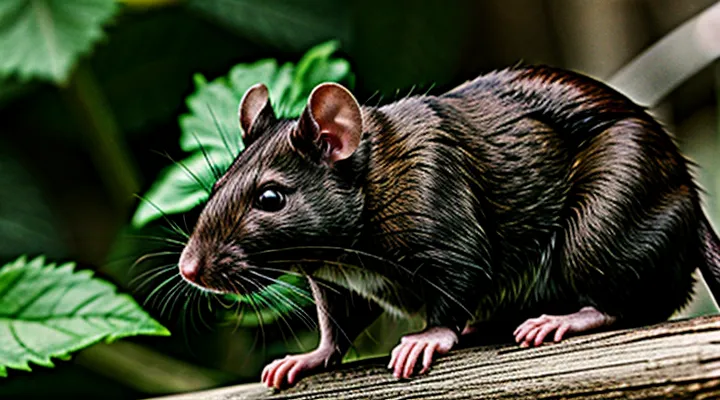
Understanding Rat Dietary Needs
Essential Nutritional Requirements
Macronutrients
Rats require a diet balanced in protein, carbohydrates, and fats to maintain growth, reproduction, and metabolic health. Blackberries supply primarily carbohydrates, chiefly simple sugars and dietary fiber, with minimal protein and fat. The carbohydrate portion provides quick energy but lacks the essential amino acids rats obtain from protein‑rich sources such as grains, legumes, or animal matter. Fat content in blackberries is negligible, offering no contribution to the lipid requirements for cell membrane formation and hormone synthesis.
When evaluating the suitability of blackberries for rat consumption, consider the following macronutrient aspects:
- Protein deficit: A typical rat diet includes 14–20 % protein; blackberries contribute less than 1 % protein, insufficient to meet this requirement.
- Carbohydrate excess: High sugar levels can lead to rapid blood‑glucose spikes, potentially causing obesity or insulin resistance if blackberries dominate the diet.
- Fat omission: Absence of dietary fat necessitates supplementation from other feed components to prevent deficiencies in essential fatty acids.
In practice, blackberries may serve as an occasional treat, providing antioxidants and moisture, but they cannot replace staple feed that delivers the required macronutrient profile. A balanced rat diet should prioritize protein and fat sources while limiting sugary fruits to a modest proportion.
Micronutrients
Blackberries provide a range of micronutrients that can be incorporated into a rat’s diet without adverse effects when offered in moderation.
Key micronutrients found in blackberries include:
- Vitamin C – supports immune function and antioxidant defenses.
- Vitamin K – contributes to blood clotting and bone health.
- Folate – essential for DNA synthesis and cellular division.
- Manganese – cofactor for enzymes involved in metabolism.
- Small amounts of iron, calcium, and potassium.
These nutrients are water‑soluble or required in trace quantities, making them suitable for the small digestive capacity of rodents. The fruit’s natural sugars are balanced by fiber, which aids gastrointestinal motility.
When introducing blackberries to rats, observe the following guidelines:
- Offer fresh, washed berries in pieces no larger than a pea.
- Limit portions to 5–10 % of total daily intake to prevent excess sugar.
- Monitor for signs of gastrointestinal upset; discontinue if diarrhea occurs.
- Avoid canned or processed varieties that contain added sugars or preservatives.
In summary, blackberries supply beneficial micronutrients that can complement a rat’s nutritional regimen, provided they are presented in appropriate amounts and prepared safely.
Blackberries for Rats: A Detailed Analysis
Nutritional Profile of Blackberries
Vitamins
Blackberries contain several vitamins that can contribute to a laboratory rat’s diet. The fruit’s nutritional profile includes water‑soluble and fat‑soluble vitamins, each absorbed differently by rodents.
- Vitamin C – high concentration; rats synthesize this vitamin endogenously, so external supply is not required but excess does not cause toxicity.
- Vitamin K1 – involved in blood clotting; rats obtain adequate amounts from standard rodent chow, supplemental intake from berries is minimal.
- Folate (Vitamin B9) – supports DNA synthesis; modest levels in blackberries can complement a balanced diet.
- Vitamin A precursors (β‑carotene) – converted to retinol; blackberries provide low amounts, insufficient to replace dedicated vitamin A sources.
Rats require specific daily allowances for each vitamin. Vitamin C intake from blackberries will not surpass physiological limits, while vitamin K and folate contributions remain well below toxicity thresholds. Excess vitamin A precursors are unlikely, given the fruit’s low β‑carotene content.
When offering blackberries, present fresh or thawed fruit in small pieces, limiting consumption to 5 % of total daily food weight to prevent carbohydrate overload. Monitor body weight and stool consistency; abrupt changes may indicate intolerance. Incorporate berries as occasional enrichment rather than a primary nutrient source.
Minerals
Blackberries provide a modest array of minerals that can contribute to a rat’s dietary intake. The fruit’s mineral profile includes calcium, potassium, magnesium, phosphorus, iron, and trace amounts of zinc and copper.
- Calcium: approximately 20 mg per 100 g fresh weight
- Potassium: about 150 mg per 100 g
- Magnesium: roughly 10 mg per 100 g
- Phosphorus: near 12 mg per 100 g
- Iron: 0.6 mg per 100 g
- Zinc and copper: each less than 0.2 mg per 100 g
Rats require calcium for bone development, potassium for nerve function, magnesium for enzyme activity, and phosphorus for energy metabolism. The concentrations found in blackberries meet a small portion of daily needs; for example, a 5‑gram serving supplies less than 5 % of the recommended calcium intake. Excessive consumption could lead to mineral imbalances, particularly elevated potassium, which may affect cardiac function in sensitive individuals.
When incorporating blackberries into a rat’s diet, limit portions to no more than 5 % of total food weight. Combine the fruit with a balanced staple diet that supplies the remaining mineral requirements. Monitor for signs of gastrointestinal upset or changes in behavior, which may indicate intolerance or overconsumption.
Antioxidants
Blackberries contain high concentrations of antioxidant compounds, principally anthocyanins, vitamin C, and flavonols. These molecules neutralize free radicals, reducing oxidative stress in biological tissues.
In laboratory rats, dietary inclusion of blackberry puree or freeze‑dried powder has been shown to elevate plasma antioxidant capacity. Measured outcomes include increased superoxide dismutase activity and decreased malondialdehyde levels, indicating reduced lipid peroxidation.
Key antioxidant constituents in blackberries:
- Anthocyanins (cyanidin‑3‑glucoside, pelargonidin)
- Vitamin C (ascorbic acid)
- Flavonols (quercetin, kaempferol)
- Ellagic acid
Safety considerations for rat consumption:
- Whole berries are safe when offered in small, measured portions; excessive intake may cause gastrointestinal upset due to fiber content.
- Processed forms (powder, puree) should be mixed with standard chow to avoid nutrient imbalance.
- Chronic studies up to 12 weeks report no adverse effects on weight gain, organ histology, or behavior at inclusion rates of 5 % of total diet.
Therefore, rats can ingest blackberries as a source of antioxidants, provided the quantity is controlled and the fruit is incorporated into a balanced diet.
Potential Benefits for Rats
Hydration
Blackberries contain approximately 85 % water, providing a modest source of fluid for rodents. When a rat consumes a few berries, the water they supply contributes to daily hydration but does not replace the need for fresh drinking water.
Key points regarding hydration and blackberry consumption in rats:
- Each medium blackberry delivers about 3 ml of water.
- An adult laboratory rat requires roughly 30 ml of water per day.
- Feeding berries alone would meet only 10 % of that requirement.
- Dehydration risk increases if berries are the sole moisture source, especially in warm environments.
Therefore, while blackberries add fluid to a rat’s diet, they must be supplemented with a reliable water supply to maintain normal physiological balance.
Fiber Content
Blackberries contain approximately 5 g of dietary fiber per 100 g of fresh fruit, primarily soluble pectin and insoluble cellulose. The fiber is low‑calorie, non‑starch, and contributes to bulk formation in the gastrointestinal tract.
Rats process fiber efficiently; their cecum ferments soluble fibers, while insoluble fibers aid intestinal motility. Studies on laboratory rodents indicate that a diet comprising 2–4 % total fiber by weight supports normal gut function without causing obstruction.
When offering blackberries to pet rats, follow these guidelines:
- Limit to 10–15 g of fresh berries per 100 g of body weight per week.
- Provide only the flesh; remove stems that may contain tougher, less digestible material.
- Observe for signs of gastrointestinal distress, such as reduced fecal output or soft stools, and discontinue if symptoms appear.
Incorporating modest amounts of blackberry fiber can enrich a rat’s diet, provided the total fiber contribution remains within the species‑specific tolerance range.
Potential Risks and Considerations
Sugar Content
Blackberries contain a relatively low amount of sugar compared to many fruits. On average, fresh blackberries provide about 4.9 grams of total sugars per 100 grams of edible portion. This sugar is primarily fructose, glucose, and a small proportion of sucrose. The carbohydrate profile includes roughly 5.5 grams of total carbohydrates, of which dietary fiber accounts for 3.6 grams, reducing the net sugar impact on digestion.
Rats metabolize simple sugars efficiently, yet excessive intake can lead to rapid blood‑glucose spikes and potential weight gain. The modest sugar level in blackberries makes them suitable for occasional feeding, provided the overall diet remains balanced and caloric intake is monitored.
Key considerations for offering blackberries to rats:
- Portion size – limit to 1–2 berries (approximately 10–20 grams) per feeding.
- Frequency – restrict to 2–3 times per week to avoid habitual sugar exposure.
- Whole fruit – include skin and seeds, as they contribute fiber and antioxidants that mitigate sugar absorption.
- Health status – avoid in rats with diabetes, obesity, or metabolic disorders.
When incorporated correctly, the sugar content of blackberries poses minimal risk and can complement a varied rodent diet.
Acidity
Blackberries contain organic acids, primarily citric and malic acids, which give the fruit a pH between 3.0 and 3.5. This level classifies the fruit as mildly acidic, comparable to many cultivated berries.
Rats possess a gastric environment that tolerates acidic foods. The stomach of a laboratory rat maintains a pH of 2.5 to 3.5, allowing efficient digestion of moderate acidity without mucosal damage. Short‑term exposure to blackberry acidity does not compromise intestinal integrity, provided the fruit is offered in small, controlled portions.
Guidelines for offering blackberries to rats:
- Limit daily intake to no more than 5 % of total diet weight.
- Introduce the fruit gradually, monitoring for signs of gastrointestinal upset.
- Ensure fresh, clean berries to avoid additional microbial acidity.
When these precautions are observed, the acidity of blackberries does not present a health risk for rats.
Pesticide Residues
Rats that gnaw on blackberries are exposed to any pesticide residues remaining on the fruit. Residues stem from conventional cultivation practices and persist despite washing.
Typical residues include:
- Organophosphates (e.g., chlorpyrifos) – 0.02–0.15 mg kg⁻¹
- Pyrethroids (e.g., cypermethrin) – 0.01–0.08 mg kg⁻¹
- Neonicotinoids (e.g., imidacloprid) – 0.005–0.04 mg kg⁻¹
- Fungicides (e.g., captan) – 0.03–0.12 mg kg⁻¹
Regulatory limits for these compounds in fresh fruit range from 0.01 to 0.5 mg kg⁻¹, depending on the pesticide and jurisdiction.
Toxicological data for rats indicate:
- Median lethal dose (LD₅₀) for chlorpyrifos ≈ 140 mg kg⁻¹ (oral)
- No‑observed‑adverse‑effect level (NOAEL) for cypermethrin ≈ 5 mg kg⁻¹ (dietary)
- LD₅₀ for imidacloprid ≈ 450 mg kg⁻¹ (oral)
When residue concentrations remain below established maximum residue limits (MRLs), acute toxicity is unlikely for rats consuming typical portions of blackberry. Chronic exposure to residues approaching or exceeding MRLs can produce neurological impairment, reproductive effects, or organ damage, consistent with laboratory findings.
Therefore, the safety of rats eating blackberries depends directly on the level of pesticide residues present. Monitoring residue levels and adhering to MRLs ensure that consumption does not pose a measurable health risk to rodents.
Choking Hazards
Rats may enjoy the sweet flesh of blackberries, but the fruit presents specific choking risks that require careful management.
The primary hazards include:
- Whole seeds – blackberry seeds are small yet firm; a rat can inhale or swallow them whole, obstructing the airway or causing gastrointestinal blockage.
- Large fruit pieces – uncut berries can exceed the size of a rat’s throat, leading to immediate choking or delayed obstruction as the material expands in the esophagus.
- Skin fragments – the tough outer layer may separate into strips that lodge in the trachea, especially if the rat bites aggressively.
Mitigation strategies:
- Remove seeds when possible; rinsing the berries and gently crushing them reduces seed count.
- Cut the fruit into bite‑size pieces no larger than 2–3 mm, matching the rat’s molar spacing.
- Observe the animal during consumption; intervene promptly if labored breathing or gagging occurs.
Providing appropriately prepared blackberry portions eliminates the choking threat while allowing rats to benefit from the fruit’s nutritional content. Regular monitoring remains essential to ensure safe ingestion.
Feeding Guidelines and Best Practices
Preparation
Before offering blackberries to a rodent, ensure the fruit is safe and palatable. Follow a strict preparation protocol to minimize health risks and maximize nutritional benefit.
- Rinse berries under running water to remove pesticides, dust, and microorganisms. Use a fine mesh strainer to prevent loss of small fruit.
- Inspect each berry for mold, bruises, or soft spots. Discard any compromised pieces.
- Trim stems and leaves. Rodent dentition is not adapted to chew woody material; removal prevents injury.
- Slice berries into ¼‑inch segments. Small portions reduce choking hazard and allow precise portion control.
- Pat dry with a clean paper towel. Excess moisture can promote spoilage in the cage environment.
- Store prepared pieces in an airtight container in the refrigerator. Use within 24 hours; longer storage increases bacterial growth.
Introduce the fruit gradually. Begin with a single segment, observe the animal for signs of digestive upset, and adjust quantity accordingly. Record intake and any adverse reactions to refine the feeding regimen.
Portion Sizes
Feeding blackberries to rats requires precise portion control to avoid excess sugar and digestive issues.
Portion size depends on the animal’s body mass, metabolic rate, and overall diet composition. Small rats (approximately 100–150 g) tolerate no more than a quarter teaspoon of fresh blackberry flesh per serving. Medium rats (200–250 g) can handle up to half a teaspoon. Large rats (300–400 g) may receive up to one teaspoon. These amounts should not exceed three servings per week.
- Wash berries thoroughly; remove stems and leaves.
- Offer the fruit on a clean surface separate from regular chow.
- Observe the rat for signs of diarrhea or reduced appetite after consumption.
- Adjust portions downward if the animal shows weight gain or elevated blood‑sugar indicators.
Consistent monitoring and adherence to the recommended quantities ensure that blackberries remain a safe, occasional supplement rather than a nutritional liability.
Frequency
Rats can safely include blackberries in their diet, but consumption should be limited to a few pieces per week. Excessive intake may cause gastrointestinal upset due to the fruit’s natural sugars and seed content. Monitoring the frequency of feeding helps prevent weight gain and maintains balanced nutrition.
Recommended feeding schedule:
- Maximum: 2–3 small berries (approximately 5 g) once every 3–4 days.
- Minimum: At least 5–7 days between servings to allow digestion and avoid sugar overload.
- Observation: Record any changes in stool consistency or activity level after each feeding; adjust frequency if adverse signs appear.
Consistent, moderate exposure provides antioxidant benefits without compromising health, while irregular or abundant feeding increases risk of digestive disturbances.
Observing Your Rat's Reaction
When offering a blackberry to a pet rat, monitor behavior closely to assess tolerance and preference. Observe the animal’s initial reaction: sniffing, tentative nibbling, or immediate consumption. A quick bite followed by continued eating indicates acceptance; hesitation or avoidance suggests dislike or possible aversion.
Watch for physical responses during and after ingestion. Signs of normal digestion include steady breathing, relaxed posture, and normal grooming. Excessive grooming of the mouth, pawing at the face, or frequent licking may signal irritation from the fruit’s acidity. Record any vomiting, diarrhea, or lethargy within the first 24 hours; these symptoms could denote intolerance.
Maintain a systematic log for each feeding session:
- Date and time of offering
- Quantity of blackberry provided (whole, sliced, or mashed)
- Immediate reaction (e.g., sniff, bite, reject)
- Post‑meal behavior (activity level, grooming, restroom frequency)
- Any adverse symptoms observed
Use the collected data to adjust portion size or discontinue the fruit if negative patterns emerge. Consistent observation ensures the rat’s diet remains safe while allowing exploration of new foods.
Alternative Safe Fruits and Vegetables for Rats
Approved Options
Rats may safely consume blackberries when the fruit meets specific criteria. The following options are recognized as acceptable for inclusion in a rodent diet:
- Fresh, ripe berries washed thoroughly to remove pesticides, soil, and debris.
- Frozen blackberries thawed completely, without added sugars or preservatives.
- Dehydrated blackberries reconstituted in water, ensuring no artificial flavorings are present.
Each option should be offered in moderation, limited to no more than one to two berries per 100 g of body weight per week. Portion size must be adjusted for juvenile or overweight individuals. Treats should be introduced gradually to monitor for digestive upset. Only organic or certified pesticide‑free sources are considered reliable for routine feeding.
Fruits to Avoid
Blackberries are generally safe for pet rats when offered in small amounts; they provide antioxidants and moisture without harmful compounds. Nevertheless, several fruit varieties pose health risks and should be excluded from a rat’s diet.
- Citrus fruits (orange, lemon, lime, grapefruit): high acidity can irritate the digestive tract and cause enamel erosion.
- Stone fruits (peach, plum, cherry, apricot): pits contain cyanogenic glycosides that release cyanide when chewed.
- Apple seeds: contain amygdalin, a cyanide precursor; even a few seeds can be toxic.
- Grapes and raisins: linked to acute kidney failure in rodents; the exact toxin remains unidentified.
- Tomato leaves and stems: part of the nightshade family, contain solanine, which is neurotoxic.
- Avocado flesh and pit: persin in avocado can cause respiratory distress and cardiac damage in rats.
- Unripe bananas: high in resistant starch, leading to gastrointestinal blockage and fermentation.
Providing only ripe, seed‑free portions of safe fruits, such as blackberries, helps maintain nutritional balance while avoiding the adverse effects associated with the listed fruits.