
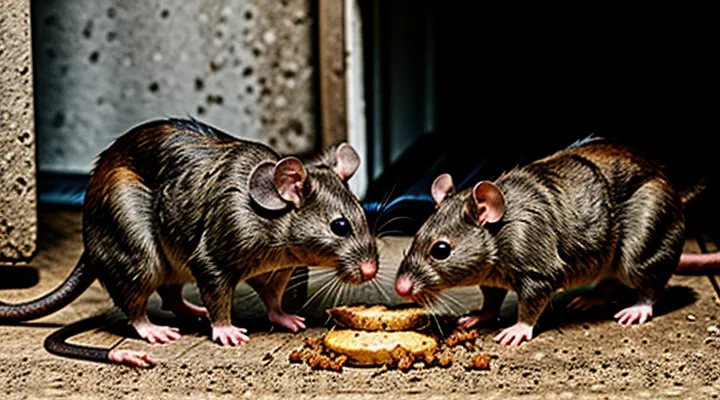
Beef for Rats: A Nutritional Overview
Can Rats Digest Meat?
Rats possess a gastrointestinal tract adapted primarily for omnivorous diets, enabling the breakdown of both plant and animal tissues. Enzymes such as pepsin and pancreatic proteases function effectively on muscle proteins, allowing the conversion of meat into absorbable amino acids and peptides. The stomach’s acidic environment further denatures proteins, facilitating digestion.
Nutritional benefits of occasional meat intake include:
- High‑quality protein that supports growth and tissue repair.
- Essential amino acids, notably lysine and methionine, often limited in grain‑based diets.
- Micronutrients such as iron, zinc, and B‑vitamins, which are more bioavailable in animal tissue.
Potential concerns arise when meat is offered regularly or in large quantities. Excessive fat can lead to obesity, while raw meat may introduce pathogens like Salmonella or E. coli. Moreover, a diet overly reliant on meat may lack adequate fiber, risking gastrointestinal stasis. Balanced feeding regimes typically combine commercial rodent pellets with limited, cooked lean meat portions, ensuring nutrient completeness while minimizing health risks.
Nutritional Value of Beef for Rats
Protein Content
Beef provides a high concentration of protein, typically ranging from 18 % to 26 % by weight depending on the cut and fat content. The protein consists primarily of complete amino acids, including lysine, methionine, and tryptophan, which are essential for rodent growth and tissue repair. In comparison, standard laboratory rat chow contains approximately 14 %–18 % protein, derived from plant sources such as soy and wheat.
When beef is introduced into a rat’s diet, the additional protein can support increased muscle development and faster wound healing, provided the overall caloric intake remains balanced. Excessive protein may strain renal function, as rodents excrete nitrogenous waste more rapidly than larger mammals. Monitoring urine output and blood urea nitrogen levels is advisable when beef is a regular component.
Key considerations for incorporating beef protein into rat nutrition:
- Protein percentage: 18 %–26 % (lean cuts) vs. 14 %–18 % in typical chow.
- Amino acid profile: complete, with high lysine and methionine.
- Recommended proportion: 10 %–20 % of total diet weight to avoid overloading kidneys.
- Preparation: cooked, unseasoned, trimmed of visible fat and connective tissue to reduce fat intake and eliminate potential contaminants.
Adequate hydration and regular health assessments are essential to ensure that the protein boost from beef does not compromise renal health.
Vitamin and Mineral Benefits
Beef supplies several micronutrients that can support rat health when incorporated into a balanced diet. The meat’s protein matrix delivers highly bioavailable iron, zinc, and selenium, each contributing to specific physiological functions.
- Iron: Heme iron from beef is absorbed efficiently, aiding hemoglobin synthesis and oxygen transport. Adequate intake prevents anemia, especially in rapidly growing juveniles.
- Zinc: Supports enzymatic activity, immune response, and skin integrity. Beef‑derived zinc is readily utilized by the gastrointestinal tract.
- Selenium: Functions as an antioxidant cofactor for glutathione peroxidase, protecting cells from oxidative damage.
Beef also contains fat‑soluble vitamins A and D, as well as B‑complex vitamins such as B12, niacin, and riboflavin. Vitamin A contributes to visual acuity and epithelial maintenance, while vitamin D regulates calcium metabolism and bone development. Vitamin B12 is indispensable for neuronal function and red blood cell formation; niacin and riboflavin facilitate energy metabolism.
When offering beef, limit portions to 5–10 % of total daily intake to avoid excess saturated fat and maintain nutritional equilibrium. Complement the meat with a standard rodent chow that supplies fiber, calcium, phosphorus, and additional micronutrients not abundant in muscle tissue. Regular monitoring of body condition and blood parameters ensures that the added beef enhances, rather than disrupts, the rat’s overall nutrient status.
Potential Risks and Considerations
High-Fat Content Concerns
Obesity Risks
Feeding beef to laboratory or pet rats introduces a nutrient profile markedly different from standard rodent chow. Beef contains high levels of saturated fat and dense calories, which can exceed the energy requirements of a small mammal when offered without strict portion control.
Rats metabolize dietary fat efficiently, yet excessive intake accelerates adipose tissue accumulation. When the proportion of calories from fat surpasses 15 % of a balanced diet, the likelihood of weight gain rises sharply. Beef’s protein‑to‑fat ratio often falls outside the optimal range for rodents, increasing the risk of positive energy balance.
Research on rodents fed high‑fat meat diets reports:
- Accelerated body‑weight gain within weeks.
- Elevated serum triglycerides and cholesterol.
- Increased visceral fat deposits compared with grain‑based controls.
These physiological changes mirror early stages of diet‑induced obesity, a condition linked to insulin resistance, hepatic steatosis, and reduced lifespan in rats.
Practical guidance:
- Limit beef portions to no more than 5 % of total daily calories.
- Balance with high‑fiber, low‑fat components such as oats or wheat bran.
- Monitor body weight weekly; intervene if gain exceeds 2 % of baseline per week.
- Prefer lean cuts and trim visible fat before offering.
In summary, incorporating beef into a rat’s diet elevates obesity risk due to its high saturated‑fat content and caloric density. Careful portion control and dietary balancing are essential to prevent excessive weight gain.
Digestive Upset
Beef is not a natural component of a rat’s diet. The high protein and fat content can overwhelm the gastrointestinal system, leading to digestive upset. Rats lack the enzymatic profile required to efficiently break down the complex muscle fibers and saturated fats found in meat, which may cause rapid fermentation in the cecum and colon.
Typical manifestations of gastrointestinal disturbance include:
- Diarrhea or loose stools
- Reduced food intake and weight loss
- Abdominal distension or discomfort
- Excessive gas and flatulence
- Lethargy or decreased activity
The underlying mechanisms involve altered gut microbiota, increased osmotic load, and irritation of the intestinal mucosa. In severe cases, bacterial overgrowth can progress to enteritis or sepsis, especially in younger or immunocompromised individuals.
Preventive measures focus on maintaining a diet composed primarily of grains, seeds, fruits, and vegetables, supplemented with commercially formulated rodent pellets that provide balanced protein levels. If beef is introduced, it should be limited to a small, cooked, lean portion, thoroughly cooled, and offered no more than once a week. Immediate removal of uneaten meat prevents spoilage and bacterial proliferation.
Should digestive symptoms appear after meat consumption, discontinue the protein source, rehydrate the animal with electrolyte solutions, and monitor fecal consistency. Persistent or worsening signs warrant veterinary evaluation to rule out secondary infections or inflammatory conditions.
Preparation and Serving Guidelines
Raw vs. Cooked Beef
Rats can consume beef, but the form of the meat determines nutritional value and health risk. Raw beef supplies protein and fat in their natural state, preserving all amino acids and fatty acids. However, it often contains pathogens such as Salmonella and E. coli, which can cause severe gastrointestinal illness in rodents. Fresh, high‑quality raw beef must be frozen for at least 48 hours to reduce parasite load, and it should be offered in small, bite‑size portions to prevent choking.
Cooked beef eliminates most bacterial threats and improves digestibility. Heat denatures proteins, making them easier for the rat’s enzymes to break down, and it renders fat more accessible for absorption. Overcooking, however, reduces essential nutrients, especially heat‑sensitive vitamins such as B‑complex. When preparing beef for rats, use gentle cooking methods—steaming or boiling without added salt, spices, or sauces.
Key differences:
- Pathogen risk: raw = high; cooked = low.
- Nutrient retention: raw = maximal; cooked = moderate (some loss).
- Digestibility: raw = moderate; cooked = high.
- Preparation effort: raw = minimal (but requires safe sourcing); cooked = requires cooking equipment and time.
For a balanced diet, provide cooked beef as the primary source of animal protein and supplement occasional, safely handled raw pieces to maintain variety. Monitor the rat’s health; any signs of diarrhea, lethargy, or weight loss require immediate dietary adjustment.
Avoiding Seasonings and Additives
Beef can be offered to rats only when it is plain, fully cooked, and free of any seasonings or additives. Seasoned meat introduces sodium, spices, and preservatives that rats cannot metabolize efficiently and may cause gastrointestinal irritation, electrolyte imbalance, or toxic reactions.
Key reasons to exclude flavorings:
- Salt and soy sauce raise blood‑pressure‑related stress.
- Garlic, onion, and related compounds damage red blood cells.
- Sugar, honey, and sweet sauces promote obesity and dental decay.
- Smoke‑derived flavorings contain polycyclic aromatic hydrocarbons, which are carcinogenic to rodents.
- Commercial marinades often contain phosphates and artificial colors that interfere with calcium absorption.
When preparing beef for rats, follow these steps:
- Select lean cuts, trim visible fat.
- Boil or steam until the internal temperature reaches at least 71 °C (160 °F).
- Cool, cut into bite‑size pieces, and serve immediately or store refrigerated for no more than 24 hours.
Providing unseasoned beef ensures that rats receive protein without the health risks associated with common culinary additives.
Portion Control
Rats can digest cooked beef, but the amount must be limited to prevent nutritional imbalance and health issues. Beef provides protein and fat, yet it lacks essential vitamins and minerals that rats obtain from grains, vegetables, and commercial rodent pellets. Overreliance on meat can lead to obesity, liver strain, and deficiencies.
Guidelines for offering beef to laboratory or pet rats:
- Frequency: No more than two times per week.
- Serving size: Approximately 0.5 g of cooked, lean beef per 100 g of body weight (roughly a pea‑sized piece for a 250 g adult rat).
- Preparation: Cook thoroughly, remove all seasoning, fat, and bone fragments. Cool to room temperature before serving.
- Integration: Combine with a balanced diet of pellets, fresh vegetables, and occasional fruit.
Monitoring is essential. Observe weight, coat condition, and stool consistency after introducing beef. If weight gain exceeds 5 % of baseline within a month, reduce or discontinue meat portions. Regular veterinary check‑ups can confirm that protein intake remains within safe limits and that no organ dysfunction develops.
Alternative Protein Sources for Rats
Safe Meat Options
Rats can consume animal protein, but safety depends on preparation and meat type. Raw beef carries a high risk of bacterial contamination, such as E. coli and Salmonella, which can cause illness in rodents. Cooking eliminates most pathogens, but the meat must remain unseasoned and free of additives.
Safe meat choices for laboratory and pet rats include:
- Cooked chicken breast – lean, low‑fat, no skin, boiled or baked.
- Cooked turkey – similar to chicken, ensure no brining or seasoning.
- Lean cooked pork – trimmed of excess fat, boiled or baked.
- White fish – such as cod or tilapia, steamed or baked without oil.
- Egg white – boiled, provides high‑quality protein without cholesterol.
When offering meat, follow these guidelines:
- Cook thoroughly to an internal temperature of at least 165 °F (74 °C).
- Remove all bones, skin, and visible fat.
- Serve in small, bite‑size portions to prevent choking.
- Store leftovers at refrigeration temperature and discard after 24 hours.
- Avoid processed meats, cured products, and those containing spices, sauces, or preservatives.
Providing a limited, well‑prepared protein source complements a balanced rodent diet and reduces the risk of nutritional deficiencies and gastrointestinal disorders.
Plant-Based Proteins
Rats possess an omnivorous digestive system, allowing them to process both animal and plant proteins. When evaluating alternatives to meat, plant-derived proteins become relevant due to their amino acid profiles, digestibility, and availability.
Soy isolate, pea protein, and lentil flour each contain essential amino acids required for rat growth and reproduction. Soy isolate offers a protein concentration of 90 % with a lysine content comparable to beef, while pea protein supplies higher levels of methionine and cysteine. Lentil flour provides a balanced mix of leucine, isoleucine, and valine, supporting muscle development.
Key considerations for incorporating plant proteins into rat diets:
- Amino‑acid completeness – combine multiple sources to achieve a full spectrum; soy plus pea typically meets this requirement.
- Digestibility – processed isolates exhibit digestibility rates of 85–90 %, slightly lower than meat but sufficient for maintenance and breeding.
- Anti‑nutritional factors – raw legumes contain phytates and trypsin inhibitors; heat treatment or fermentation reduces these compounds to safe levels.
- Fiber content – plant proteins increase dietary fiber, promoting gut motility and microbiome health, which can offset the lower fat content relative to meat.
Replacing beef with a formulated blend of soy isolate (50 %), pea protein (30 %), and lentil flour (20 %) yields a diet that matches the caloric density of meat while offering additional benefits such as reduced saturated fat and cholesterol. Laboratory studies on rodent nutrition confirm that such formulations sustain weight gain, reproductive performance, and organ health comparable to meat‑based regimens.
In practice, commercial rodent feeds often incorporate these plant proteins, demonstrating their viability as primary protein sources for laboratory and pet rats. Proper formulation ensures that rats receive adequate nutrition without relying on animal flesh.