
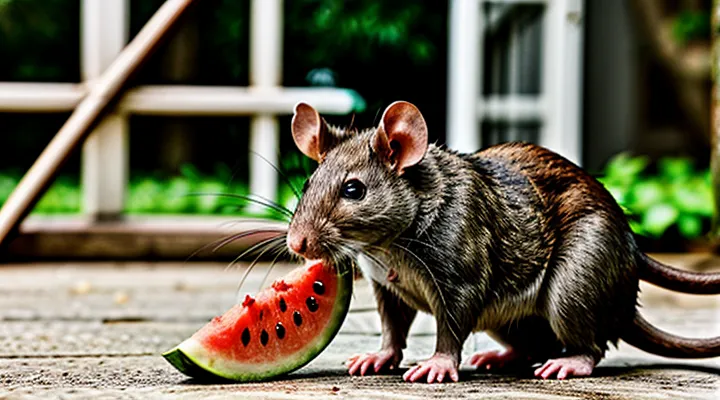
Nutritional Profile of Watermelon
Key Nutrients
Watermelon supplies a high proportion of water, typically 90 % by weight, which can aid hydration for laboratory and pet rats when offered in moderation. The fruit’s carbohydrate content consists mainly of simple sugars such as fructose and glucose, providing a rapid source of energy; 100 g of fresh watermelon delivers approximately 7 g of total sugars.
Vitamins present in watermelon include:
- Vitamin A (β‑carotene) – about 28 µg per 100 g, supporting visual function and epithelial health.
- Vitamin C – roughly 8 mg per 100 g, contributing to antioxidant defenses and collagen synthesis.
- Vitamin B6 – near 0.05 mg per 100 g, involved in amino‑acid metabolism.
Mineral contributions are modest but notable:
- Potassium – 112 mg per 100 g, assists in maintaining cellular electrolyte balance.
- Magnesium – 10 mg per 100 g, required for enzymatic reactions.
- Small amounts of calcium and iron are also detectable.
Dietary fiber in watermelon is low, about 0.4 g per 100 g, primarily soluble, which can promote gastrointestinal motility without causing excessive bulk.
Lycopene, a carotenoid pigment, provides antioxidant activity; 100 g of red-fleshed watermelon contains approximately 4 mg of lycopene, which may protect cellular membranes from oxidative stress.
When incorporating watermelon into a rat’s diet, limit portions to no more than 10 % of total daily food intake to avoid excessive sugar and water load. Monitor for signs of gastrointestinal upset, as the high water and sugar content can provoke diarrhea in sensitive individuals.
Water Content
Watermelon consists of approximately 90 % water, a proportion that exceeds most fruits and many vegetables. This high moisture level supplies a rapid source of hydration, reducing the need for separate drinking water when the fruit is offered in moderate amounts.
The remaining 10 % of watermelon comprises sugars (primarily fructose and glucose), small amounts of fiber, and trace vitamins such as A and C. The sugar concentration is low compared to many other treats, minimizing the risk of rapid blood‑glucose spikes in small rodents when portions are limited to a thin slice or a few cubes.
When providing watermelon to pet or laboratory rats, consider the following points:
- Offer no more than 1–2 gram of fresh flesh per 100 gram of body weight per day.
- Observe the animal for signs of diarrhea, which may indicate excess fluid intake or intolerance to the fruit’s fiber.
- Ensure that the primary water supply remains available, as reliance on fruit alone does not meet the total daily fluid requirement of a rat.
In summary, the substantial water content of watermelon makes it a viable occasional supplement for rodents, provided that portion size is controlled and regular water access is maintained.
Sugar Content
Watermelon contains a high proportion of natural sugars, typically 6–8 grams per 100 grams of edible flesh. This concentration exceeds that of many common rodent treats and approaches the sugar levels found in fruit juices.
For a laboratory‑grade rat weighing 250 g, the recommended maximum daily intake of added sugars is about 1 gram. Consuming a 10‑gram piece of watermelon would provide roughly 0.7 grams of sugar, representing 70 % of the allowable limit. Larger portions quickly surpass safe thresholds and may lead to hyperglycemia, gastrointestinal upset, or altered gut microbiota.
Guidelines for offering watermelon to rats:
- Limit fresh fruit to no more than 5 % of total daily caloric intake.
- Serve pieces no larger than 5 grams per feeding session.
- Monitor body weight and blood glucose after introduction.
- Prefer low‑sugar alternatives (e.g., cucumber) for routine enrichment.
Adhering to these limits prevents excessive sugar exposure while allowing occasional sensory enrichment.
Is Watermelon Safe for Rats?
Potential Benefits
Watermelon provides rats with hydration, essential vitamins, and dietary fiber, all of which can support overall health.
- High water content (approximately 92 %) aids fluid balance and reduces the risk of dehydration, particularly in warm environments.
- Vitamin C and beta‑carotene supply antioxidant protection, helping to mitigate oxidative stress in cellular tissues.
- Natural sugars offer a quick energy source without the need for added carbohydrates, supporting activity levels during growth or training periods.
- Dietary fiber contributes to gastrointestinal motility, promoting regular bowel movements and preventing constipation.
Incorporating small, seed‑free portions of watermelon into a rat’s diet can enhance nutrient diversity while maintaining caloric control. Regular monitoring of body weight and stool consistency ensures that the fruit complements, rather than disrupts, a balanced feeding regimen.
Potential Risks and Concerns
Watermelon can be an occasional treat for pet rats, but several hazards require careful consideration.
- Sugar overload – The fruit’s high natural sugar content may cause rapid spikes in blood glucose, increasing the risk of obesity and insulin resistance, especially in older or overweight animals.
- Digestive disturbance – Excessive fructose can lead to soft stools or diarrhea, potentially resulting in dehydration if water intake does not compensate.
- Seed hazards – Small seeds pose choking risks and may irritate the gastrointestinal tract; removing all seeds eliminates this danger.
- Pesticide residues – Commercially grown watermelon may carry insecticide or fungicide traces; thorough washing or sourcing organic produce reduces exposure.
- Bacterial contamination – Improper handling can introduce pathogens such as Salmonella; rinsing and cutting the fruit on a clean surface is essential.
- Sudden dietary shift – Introducing a large amount of fruit abruptly can upset gut flora; gradual, limited portions are safer.
To mitigate these concerns, offer only a few bite‑sized cubes of seed‑free, washed watermelon no more than once or twice a week. Observe the rat for changes in stool consistency, appetite, or activity level after each feeding. If adverse signs appear, discontinue the fruit and consult a veterinarian.
High Sugar Content
Watermelon’s sugar concentration averages 6–9 g per 100 g of flesh, markedly higher than most vegetables. This level exceeds typical carbohydrate allowances for laboratory‑bred rats, whose daily intake is calibrated to maintain stable blood glucose.
Elevated glucose intake can produce rapid spikes in plasma sugar, prompting insulin release that strains pancreatic function. Repeated exposure may accelerate weight gain, increase adipose deposition, and predispose rats to diet‑induced diabetes. High sugar also contributes to oral bacterial proliferation, raising the risk of dental decay.
Practical guidance for caretakers:
- Offer watermelon no more than once per week.
- Limit each serving to a 1 cm³ cube (≈0.5 g).
- Observe the animal for signs of hyperglycemia: lethargy, excessive drinking, or polyuria.
- Prefer low‑sugar fruits (e.g., berries) for regular treats.
When introduced cautiously and in minimal amounts, watermelon does not pose immediate toxicity, but its sugar load necessitates strict portion control to avoid metabolic disturbances.
Digestive Upset
Watermelon contains high water content and natural sugars that can be attractive to pet rats, but its composition also poses a risk of gastrointestinal disturbance. The fruit’s fiber is low, while fructose and sorbitol are present in concentrations that may exceed a rat’s digestive capacity, leading to bloating, soft stools, or diarrhea.
Typical indicators of digestive upset after watermelon ingestion include:
- Loose, watery feces
- Abdominal swelling or visible distension
- Reduced appetite
- Lethargy
- Rapid weight loss if the condition persists
To minimize these effects, follow a conservative feeding protocol:
- Offer only a small piece, approximately ½ cm³, once a week.
- Observe the rat for at least 12 hours after consumption; discontinue if any signs of disturbance appear.
- Ensure constant access to fresh water to aid hydration and nutrient absorption.
- Balance the diet with high‑fiber pellets, vegetables, and occasional protein sources to support normal gut motility.
If symptoms develop, withhold the fruit and monitor stool consistency. Persistent diarrhea warrants veterinary evaluation to rule out secondary infections or malabsorption. Adjust future fruit portions downward or eliminate watermelon entirely if the rat demonstrates repeated intolerance.
Pesticide Residues
Watermelon intended for laboratory or pet rats should be examined for pesticide residues before inclusion in a diet. Residues arise from field applications of insecticides, fungicides, and herbicides, and can persist on the fruit’s rind and flesh despite washing.
Key points for evaluating safety:
- Verify that residue levels comply with established tolerances for rodents, typically expressed in parts per million (ppm) or milligrams per kilogram (mg/kg).
- Prefer organic or pesticide‑free produce to minimize exposure.
- Conduct a brief rinse with potable water; for higher assurance, apply a mild soap solution followed by thorough rinsing.
- If analytical testing is available, use gas chromatography–mass spectrometry (GC‑MS) or liquid chromatography–tandem mass spectrometry (LC‑MS/MS) to detect common compounds such as chlorpyrifos, imidacloprid, and thiabendazole.
- Record residue data for each batch and compare with toxicological reference values for rats to avoid sub‑lethal effects on growth, reproduction, or behavior.
How to Feed Watermelon to Rats
Preparation Steps
When offering watermelon to pet rats, follow a strict preparation protocol to ensure safety and nutritional suitability.
- Choose a fresh, ripe fruit with vibrant color and firm texture. Avoid overripe or bruised sections.
- Rinse the outer surface under running water to remove dirt, pesticide residues, and potential contaminants.
- Cut the watermelon into small, bite‑size cubes, no larger than ½ inch (1.3 cm) on each side. This size prevents choking and allows easy handling.
- Remove all seeds. Even tiny seeds can cause intestinal blockage or pose a choking hazard.
- Pat the pieces dry with a clean paper towel to eliminate excess moisture that could promote mold growth.
- Present a limited portion—approximately one teaspoon for a single rat—once a week. Excessive fruit can disrupt gut flora and lead to diarrhea.
- Discard any uneaten pieces after 30 minutes to prevent spoilage and bacterial growth.
By adhering to these steps, caregivers provide a safe, occasional fruit treat that aligns with rats’ dietary requirements.
Portion Sizes
Watermelon may be offered to pet rats as an occasional treat, provided the amount respects their small digestive capacity.
A safe serving typically consists of a cube measuring no more than 0.5 cm on each side, roughly 0.2 g of flesh. This quantity represents less than 1 % of a rat’s daily caloric intake and should not replace nutritionally balanced pellets.
- Frequency: 1–2 cubes per week.
- Preparation: remove all seeds and rind; present only soft, red flesh.
- Monitoring: observe for loose stool or reduced appetite after introduction.
Excessive portions increase sugar intake, risk of diarrhea, and potential weight gain. Adjust the amount if the rat shows signs of intolerance or if the overall diet already includes other fruits.
Frequency of Feeding
Watermelon may be included as an occasional treat for pet rats when offered in appropriate portions.
The fruit consists mainly of water, provides modest amounts of vitamins A and C, and contains natural sugars. Excessive intake can lead to gastrointestinal upset or weight gain, especially in smaller or less active individuals.
Guidelines for how often to offer watermelon:
- Limit to 1–2 small pieces (approximately ½ inch cube) per rat.
- Provide no more than twice per week.
- Observe each animal for signs of diarrhea or reduced appetite after consumption.
- Adjust frequency if a rat shows increased body condition score or digestive sensitivity.
When presenting watermelon, remove seeds and rind, wash thoroughly, and serve at room temperature. Pair with a balanced rodent diet to ensure nutritional adequacy. Monitor health parameters regularly to confirm that the treat does not interfere with overall well‑being.
What Parts of Watermelon Can Rats Eat?
Flesh
Watermelon flesh consists primarily of water (approximately 92 %), simple sugars such as fructose and glucose, and a modest amount of vitamins A and C, potassium, and dietary fiber. The low caloric density and high moisture content make it an attractive source of hydration for small mammals, but the rapid absorption of sugars can cause a swift rise in blood glucose levels.
In rats, the digestive system processes simple carbohydrates efficiently, yet excessive intake may overload the pancreas and lead to hyperglycemia. The fiber present in the flesh aids peristalsis, but the overall fiber quantity is insufficient to offset the sugar load when large portions are offered. Additionally, the high water content can dilute stomach acidity, potentially reducing the effectiveness of enzymatic digestion.
Practical guidelines for offering watermelon flesh to rats:
- Provide bite‑size pieces no larger than 0.5 cm³.
- Limit frequency to one or two servings per week.
- Observe for signs of gastrointestinal upset, such as diarrhea or reduced activity.
- Ensure the diet remains balanced with protein‑rich pellets, grains, and vegetables to meet nutritional requirements.
Seeds
Watermelon can be an occasional treat for pet rats, but the presence of seeds introduces specific concerns.
Watermelon seeds contain protein, healthy fats, and fiber, yet their hard outer coating resists digestion in rodents. The size and texture increase the likelihood of choking or causing a gastrointestinal blockage, especially in smaller or younger rats.
High fat content may contribute to weight gain if seeds are consumed in large quantities. Residual pesticides on unwashed seeds present an additional health risk.
To minimize danger while preserving the fruit’s nutritional value, follow these guidelines:
- Remove all seeds before offering watermelon to rats.
- If seeds are provided, limit the amount to one or two small, freshly washed seeds per rat, and monitor closely for signs of distress.
- Prefer seedless watermelon varieties or cut the fruit into bite‑size pieces without skin or rind.
- Ensure the fruit is fresh, free of mold, and served at room temperature.
Adhering to these practices allows rats to enjoy watermelon safely without exposing them to the hazards associated with the seeds.
Rind
Watermelon rind is technically edible for rats, but it differs markedly from the fruit’s flesh in fiber content, texture, and potential contaminants. The outer skin contains high levels of insoluble fiber, which can aid gastrointestinal motility when introduced gradually, yet excessive amounts may cause intestinal blockage.
Potential concerns include:
- Residual pesticides or waxes applied during cultivation; thorough washing or peeling reduces exposure.
- Tough, fibrous texture that can pose a choking hazard for small rodents; cutting the rind into bite‑size pieces mitigates risk.
- Low water content compared to the flesh, offering limited hydration benefits.
Guidelines for safely offering rind to rats:
- Wash the watermelon thoroughly under running water; consider using a food‑grade sanitizer.
- Remove any visible wax or sticky residue by scrubbing the surface.
- Trim the rind into small, manageable cubes (approximately ½ cm on a side).
- Introduce a single piece into the cage and observe for adverse reactions over 24 hours.
- Limit frequency to once or twice a week, ensuring the total rind portion does not exceed 5 % of the rat’s daily diet.
When these precautions are followed, watermelon rind can serve as an occasional fiber supplement without compromising the animal’s health.
Alternatives to Watermelon for Rat Treats
Safe Fruits
Watermelon can be offered to pet rats in small, seed‑free portions. The fruit’s high water content helps prevent dehydration, while its natural sugars provide a brief energy boost. Overfeeding may cause digestive upset; therefore, limit servings to a few bite‑sized cubes several times a week.
Rats tolerate many fruits without adverse effects. The following items are recognized as safe when presented in moderation:
- Apple (core and seeds removed)
- Blueberries
- Strawberries (stem removed)
- Pear (seedless, skin thin)
- Kiwi (peeled)
- Banana (small slice)
- Mango (pitted)
- Melon varieties, including cantaloupe and honeydew, without seeds
Unsafe fruit components include pits, seeds, and citrus peels, which can be toxic or cause intestinal blockage. Introduce any new fruit gradually, monitor for changes in stool consistency, and discontinue if symptoms such as diarrhea or reduced appetite appear. Consistent provision of fresh water remains essential for overall health.
Safe Vegetables
Watermelon can be offered to rats as an occasional treat, but it should not replace a balanced diet of vegetables that provide essential nutrients. Safe vegetables for rats include leafy greens, root vegetables, and certain cruciferous varieties. These foods supply fiber, vitamins, and minerals that support digestive health, immune function, and overall vitality.
- Leafy greens: romaine lettuce, kale, spinach, and Swiss chard. Wash thoroughly and remove any wilted portions.
- Root vegetables: carrots, sweet potatoes, and beets. Serve raw or lightly steamed; avoid large pieces that could cause choking.
- Cruciferous vegetables: broccoli, cauliflower, and Brussels sprouts. Provide in small amounts to prevent gas buildup.
- Other options: bell peppers, zucchini, cucumber, and green beans. Ensure seeds and stems are removed when necessary.
When introducing new vegetables, offer a small piece and observe the rat for any signs of digestive upset. Rotate varieties weekly to prevent dietary monotony and to expose the animal to a range of nutrients. Limit fruit, including watermelon, to no more than 10 % of total food intake because of its high sugar content.
Proper preparation includes rinsing produce under running water, peeling where skin may contain pesticides, and cutting into bite‑size pieces. Store fresh vegetables in the refrigerator for up to three days; discard any that become soggy or moldy. By maintaining a diet rich in these safe vegetables, owners can ensure that occasional watermelon treats remain a harmless addition rather than a nutritional risk.
Commercial Treats
Commercial treats for pet rodents often include fruit flavors, and watermelon is a common choice. Manufacturers market these products as “fruit‑infused” or “watermelon‑flavored” snacks, appealing to owners seeking variety beyond standard seed mixes.
The nutritional profile of watermelon‑based treats differs from whole fruit. Typical formulations contain dehydrated watermelon puree, added sugars, and preservatives to extend shelf life. Sugar concentrations can reach 15–20 % by weight, exceeding the natural sugar content of fresh watermelon. High sugar levels may promote obesity, dental disease, and gastrointestinal upset in rats, especially when treats constitute more than 5 % of daily caloric intake.
Ingredient lists reveal additional components such as maltodextrin, glycerol, and flavor enhancers. Maltodextrin provides quick‑release carbohydrates, while glycerol maintains moisture. Both substances lack nutritional benefit for rodents and can alter gut microbiota when consumed regularly.
Regulatory oversight varies by region. In the United States, the Food and Drug Administration does not classify rodent treats as food for human consumption, allowing manufacturers to use food‑grade additives without stringent labeling. European Union standards require explicit declaration of added sugars and artificial flavors, offering clearer guidance for consumers.
When evaluating watermelon‑flavored commercial snacks, consider the following criteria:
- Sugar content below 10 % of total weight.
- Absence of artificial sweeteners or colorants.
- Inclusion of natural fiber sources, such as beet pulp, to support digestive health.
- Transparent sourcing information for the fruit base.
Veterinary recommendations suggest limiting flavored treats to occasional rewards rather than daily staples. Fresh watermelon, offered in small, seed‑free cubes, provides hydration and vitamins without the additives found in processed products. For owners who prefer commercial options, selecting low‑sugar, minimally processed treats aligns with health guidelines while still delivering the desired flavor experience.