
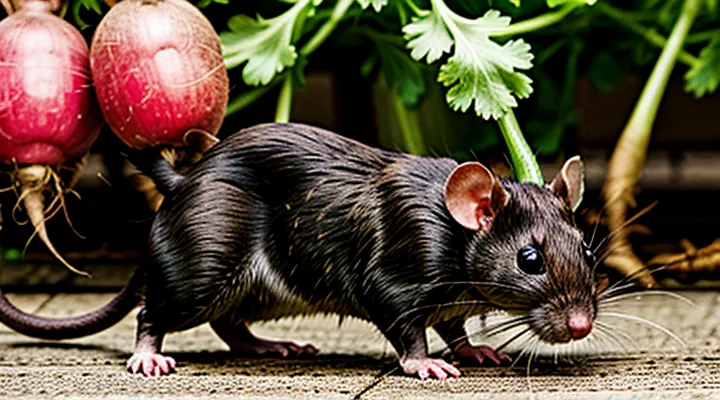
Nutritional Profile of Radishes
Vitamins and Minerals
Radish can serve as a source of micronutrients for laboratory and pet rats when incorporated into a balanced diet. The vegetable supplies several water‑soluble vitamins and a modest amount of minerals, making it a complementary rather than primary feed component.
Key vitamins present in raw radish include:
- vitamin C (ascorbic acid) – antioxidant, supports immune function
- vitamin B6 (pyridoxine) – involved in amino‑acid metabolism
- folate (vitamin B9) – contributes to DNA synthesis and cell division
- small quantities of thiamine (vitamin B1) and riboflavin (vitamin B2)
Relevant minerals are:
- potassium – regulates fluid balance and nerve transmission
- calcium – essential for bone development
- magnesium – co‑factor for enzymatic reactions
- iron – required for hemoglobin synthesis
- trace amounts of phosphorus, zinc and manganese
When offering radish, adhere to the following guidelines:
- Limit portions to 5–10 % of total daily intake by weight; excessive consumption may introduce oxalates that impair calcium absorption.
- Provide only fresh, washed, unseasoned pieces; avoid pickled or cooked radish, which can alter nutrient profiles.
- Pair radish with a staple diet rich in protein, complex carbohydrates, and essential fatty acids to ensure comprehensive nutrition.
- Monitor individual rats for signs of gastrointestinal upset, as some may react to the high fiber content.
Incorporating radish in modest, regular servings supplies beneficial vitamins and minerals without compromising the overall dietary balance required for healthy rat growth and maintenance.
Fiber Content
Radish provides a moderate amount of dietary fiber, which contributes to gastrointestinal health in laboratory and pet rodents. A medium-sized radish (approximately 100 g) contains about 1.6 g of total fiber, of which roughly 0.5 g is insoluble and 1.1 g is soluble.
The soluble fraction forms a viscous gel in the intestinal tract, slowing glucose absorption and supporting stable blood‑sugar levels. Insoluble fiber adds bulk to feces, promoting regular bowel movements and preventing constipation, a common concern in captive rats.
When incorporating radish into a rat’s diet, the following guidelines help maintain a balanced fiber intake:
- Limit raw radish to no more than 5 % of the total daily food weight; excessive fiber may reduce caloric efficiency.
- Offer finely chopped pieces to reduce choking risk and facilitate digestion.
- Monitor stool consistency; a sudden increase in softness may indicate over‑supplementation.
Radish’s fiber profile complements other staple ingredients such as pellets, whole grains, and leafy greens, ensuring a diversified fiber spectrum that supports both microbial diversity and intestinal motility.
Water Content
Radish is composed of approximately 95 % water, a proportion that exceeds most leafy vegetables. This high moisture level contributes significantly to overall fluid intake when radish is incorporated into a rat’s diet.
The water present in radish is readily absorbed in the gastrointestinal tract, supporting renal function and preventing dehydration, especially in environments where ambient humidity is low. Because rats obtain a substantial portion of their daily fluid requirement from food, the inclusion of radish can reduce the need for supplemental drinking water, though access to clean water must remain constant.
Key considerations for water content when offering radish to laboratory or pet rats:
- Limit radish to 10–15 % of total fresh‑food weight to avoid excessive fluid load that may dilute electrolytes.
- Monitor stool consistency; sudden increases in moisture intake can lead to softer feces.
- Provide radish in small, bite‑sized pieces to ensure even distribution of water throughout the diet.
- Rotate radish with other low‑calorie vegetables to maintain a balanced intake of nutrients and water.
When introducing radish, observe the animal’s drinking behavior for the first 24 hours. A modest decline in water bottle usage is normal, but a complete cessation may indicate over‑hydration or an underlying health issue requiring veterinary assessment.
Overall, the substantial water content of radish makes it a useful supplemental source of hydration, provided it is offered in controlled quantities and combined with a varied diet that meets all nutritional requirements.
Potential Benefits for Rats
Hydration
Radishes contain approximately 95 % water, providing a modest supplemental source of fluid when offered to pet rats. The vegetable’s high moisture contributes to overall hydration, yet it should not replace daily access to clean drinking water. Rats typically consume 30–50 ml of water per 100 g of body weight; this requirement remains unchanged regardless of radish inclusion in the diet.
Key considerations for maintaining adequate hydration while feeding radish:
- Offer radish in small, bite‑size pieces to encourage chewing and saliva production, which aids moisture absorption.
- Monitor the animal’s water bowl regularly; a decline in consumption may indicate reliance on the vegetable’s water content, necessitating reinforcement of fresh water availability.
- Ensure radish is washed thoroughly to remove pesticides or contaminants that could affect water balance.
- Introduce radish gradually, observing for any signs of dehydration such as dry skin, sunken eyes, or reduced urine output.
Providing radish as an occasional treat can enhance fluid intake, but consistent provision of fresh water remains essential for optimal health.
Digestive Health
Radish can be incorporated into a rat’s diet as a source of dietary fiber that supports intestinal transit. The vegetable’s crunchy texture stimulates peristalsis, helping to prevent constipation while providing modest amounts of vitamin C and potassium.
Fiber content promotes a balanced gut microbiota, but excessive intake may cause flatulence or loose stools. Raw radish should be washed thoroughly, trimmed to remove the root end, and offered in small, bite‑size pieces to reduce the risk of choking.
- Daily portion: no more than 5 % of total food weight
- Frequency: 2–3 times per week, not daily
- Preparation: raw, finely chopped; avoid cooked or seasoned forms
Observe stool consistency and appetite after introduction. Diarrhea, persistent bloating, or reduced feed intake indicate that radish is unsuitable for the individual animal and should be removed from the regimen.
Risks and Considerations
Oxalates and Goitrogens
Rats can consume radish in moderation, but the presence of «oxalates» and «goitrogens» requires careful consideration.
High levels of «oxalates» bind calcium, reducing its absorption and increasing the risk of urinary stone formation. In laboratory rodents, diets containing more than 0.5 % oxalic acid have been linked to renal crystal deposition. Therefore, limit radish portions to less than 5 % of total feed weight to keep dietary oxalate intake below 0.2 % of the diet.
«Goitrogens» interfere with thyroid hormone synthesis by inhibiting iodine uptake. Chronic exposure to elevated goitrogenic compounds can lead to hypothyroidism, especially in young or iodine‑deficient animals. Radish varieties with higher glucosinolate concentrations contribute more goitrogens. Recommendations include:
- Providing iodine‑supplemented water or feed when radish is part of the diet.
- Rotating radish with low‑goitrogen vegetables such as carrots or cucumber.
- Monitoring thyroid hormone levels in breeding colonies receiving regular radish servings.
Overall, radish offers fiber, vitamin C, and antioxidants, yet the nutritional benefits are outweighed if oxalate and goitrogen thresholds are exceeded. Adjust portion size, ensure adequate iodine, and conduct periodic health assessments to maintain optimal rat health.
Pesticides and Contaminants
Radish may serve as a source of fiber, vitamin C, and antioxidants for laboratory rats, yet safety hinges on the presence of pesticide residues and environmental contaminants.
Common residues detected on commercially grown radish include:
- Organophosphate insecticides (e.g., chlorpyrifos, diazinon)
- Carbamate compounds (e.g., carbaryl)
- Pyrethroid agents (e.g., permethrin)
- Heavy metals (lead, cadmium, arsenic)
Regulatory thresholds for these substances are established by agencies such as the U.S. Environmental Protection Agency and the European Food Safety Authority. Typical maximum residue limits (MRLs) for radish are:
- Organophosphates: ≤ 0.01 mg/kg
- Carbamates: ≤ 0.05 mg/kg
- Pyrethroids: ≤ 0.02 mg/kg
- Lead: ≤ 0.10 mg/kg
Ensuring compliance requires a systematic approach:
- Source radish from suppliers adhering to certified organic or integrated pest‑management standards.
- Perform thorough washing under running water, followed by a brief soak in a food‑grade sanitizer to reduce surface residues.
- Conduct periodic laboratory analysis of bulk batches to verify that residue levels remain below established MRLs.
When radish meets these criteria, it can be incorporated into rat diets at a proportion not exceeding 10 % of total feed weight, preserving nutritional balance while minimizing exposure to harmful chemicals.
Adherence to pesticide‑control protocols and contaminant monitoring safeguards both animal welfare and the integrity of experimental outcomes.
Choking Hazard
Rats can safely consume radish when the choking risk is minimized. The primary concern is the vegetable’s size and firmness, which can obstruct a rat’s narrow esophagus if presented in large or hard pieces.
Factors that increase choking probability include:
- Whole radish or thick slices that exceed 5 mm in diameter.
- Uncooked, crisp sections that retain a rigid texture.
- Pieces with irregular shapes that may lodge in the oral cavity.
Recommended practices to prevent choking:
- Slice radish into uniform cubes no larger than 2–3 mm.
- Lightly steam or blanch pieces to reduce hardness while preserving nutrients.
- Offer only a few pieces at a time and observe the animal’s chewing behavior.
- Remove any remaining large fragments after the feeding session.
Monitoring during initial exposures confirms that softened, appropriately sized radish does not obstruct the airway. Proper preparation eliminates the choking hazard while allowing rats to benefit from the vegetable’s nutritional content.
Feeding Guidelines for Radishes
Preparation and Portion Size
Radishes can be incorporated into a rat’s diet when they are washed thoroughly to remove soil and pesticide residues. After rinsing, the vegetable should be trimmed to discard the leafy tops, which may cause digestive upset in some individuals. The edible root can be offered raw, as cooking diminishes the vitamin C content that contributes to the rat’s nutritional balance. If a softer texture is desired, a brief steam for no more than two minutes softens the flesh without significant nutrient loss. Cut the radish into bite‑size pieces, approximately 0.5 cm cubes, to facilitate safe handling and prevent choking.
Portion size must align with the animal’s overall caloric intake. A single serving should not exceed 5 % of the daily food volume, equivalent to roughly one to two small cubes for an adult rat weighing 300 g. Introduce radish gradually, observing for signs of gastrointestinal disturbance; if symptoms appear, discontinue and reduce the amount in subsequent offerings. Limit radish to two to three times per week to avoid excessive fiber, which can interfere with mineral absorption.
Guidelines for preparation and serving
- Rinse under running water; scrub surface if needed.
- Remove leaves and any blemished sections.
- Slice or dice into 0.5 cm cubes; avoid larger chunks.
- Offer raw; optional brief steam (≤ 2 minutes) for softer texture.
- Provide 1–2 cubes per day, not exceeding 5 % of total diet.
- Limit frequency to 2–3 servings per week.
Consistent application of these practices ensures radish contributes beneficial nutrients without compromising digestive health.
Frequency of Feeding
Radish can serve as an occasional vegetable supplement for pet rats, providing a source of fiber and vitamin C. Excessive intake may lead to digestive upset due to the high water and fiber content.
Recommended feeding frequency:
- Up to two small radish pieces per week.
- No more than one serving in a 24‑hour period.
- Observe stool consistency; reduce or discontinue if loose stools appear.
Consistent monitoring of weight and overall health ensures the treat remains beneficial without compromising the balanced diet of commercially formulated rat pellets and protein sources.
Observing Your Rat's Reaction
When introducing radish to a pet rat, careful observation determines suitability and safety. Initial exposure should involve a small, peeled piece offered on a clean surface. Immediate behavior provides the first indicator of acceptance.
Key signs to monitor include:
- Continued normal grooming and activity; loss of interest may suggest dislike.
- Absence of excessive drooling or salivation, which can signal oral irritation.
- No signs of gastrointestinal distress such as diarrhea, vomiting, or bloating within 24 hours.
- Stable body weight and regular feeding patterns over several days.
If any adverse reaction appears, remove radish from the diet and consult a veterinarian experienced with small mammals. Re‑introduction after a waiting period is possible only after confirming full recovery and tolerance. Regular monitoring ensures that the radish contributes nutritional variety without compromising health.
Alternative Safe Vegetables for Rats
Leafy Greens
Leafy greens provide essential micronutrients for pet rodents, complementing a diet that includes root vegetables such as radish. Their high content of vitamins A, C, K and folate supports vision, immune function and blood clotting. Calcium‑rich varieties, for example kale and collard greens, help maintain bone density, while low‑oxalate options like romaine lettuce reduce the risk of urinary stone formation.
When incorporating leafy greens into a rat’s feeding plan, consider the following guidelines:
- Offer fresh, washed leaves in small portions (approximately 1 g per 100 g of body weight per day).
- Rotate different greens to ensure a broad spectrum of nutrients and to prevent monotony.
- Avoid wilted or wilted‑appearing foliage, as decay can introduce harmful bacteria.
- Exclude greens with high oxalate levels (e.g., spinach) or those containing toxic compounds (e.g., arugula in large amounts).
Preparation steps include rinsing under running water, patting dry, and removing any thick stems that may be difficult for small incisors to chew. Serve greens raw; cooking destroys heat‑sensitive vitamins and may alter texture, reducing palatability.
Monitoring the animal’s health after introducing new greens is crucial. Observe stool consistency and weight stability; any signs of gastrointestinal upset warrant a reduction or cessation of the specific green. Balanced inclusion of leafy vegetables alongside appropriate portions of radish creates a nutritionally complete regimen for laboratory or companion rats.
Root Vegetables
Root vegetables provide essential nutrients for laboratory and pet rodents, including carbohydrates, fiber, vitamins, and minerals. Their composition supports energy metabolism, digestive health, and bone development. When evaluating radish as a dietary component for rats, the following factors merit consideration.
Radish offers a low‑calorie profile, high water content, and modest amounts of vitamin C, potassium, and folate. Fiber in radish promotes gastrointestinal motility, but excessive raw intake may cause mild irritation due to its natural glucosinolate content. A balanced approach limits radish to a small proportion of the overall diet.
Guidelines for incorporating radish and comparable root vegetables:
- Offer fresh, washed radish in bite‑size pieces; remove any wilted portions.
- Limit radish to no more than 5 % of total daily food weight.
- Introduce gradually, observing for changes in stool consistency or appetite.
- Complement with other root vegetables such as carrot, sweet potato, and beetroot, each providing distinct nutrient profiles.
- Ensure the primary diet remains a nutritionally complete rodent chow formulated for the species.
Carrot supplies beta‑carotene and additional fiber; sweet potato contributes complex carbohydrates and vitamin A precursors; beetroot contributes iron and antioxidants. Rotating these vegetables reduces the risk of nutrient imbalances and prevents overexposure to any single antinutrient.
Monitoring parameters—including body weight, coat condition, and activity level—allows caretakers to assess the suitability of root vegetable supplementation. Adjustments should follow observed health indicators and established dietary standards for rats.
Other Fruit and Vegetable Options
Rats benefit from a diversified diet that includes a range of fruits and vegetables alongside staples such as grains and protein sources. Introducing multiple plant foods helps meet micronutrient requirements and promotes chewing activity, which supports dental health.
Safe fruit options include:
- «apple» (core removed, skin optional) – provides vitamin C and soluble fiber.
- «blueberries» – rich in antioxidants and low in sugar.
- «banana» – source of potassium; offer only small slices due to high carbohydrate content.
- «pear» (seedless) – supplies dietary fiber and vitamin K.
- «melon» – high water content; serves as a hydrating treat.
Safe vegetable options include:
- «carrot» – offers beta‑carotene, calcium, and promotes gnawing.
- «broccoli» – contains vitamin C, calcium, and phytonutrients; feed in small florets.
- «spinach» – provides iron and folate; limit quantity to avoid oxalate buildup.
- «cucumber» – low‑calorie, high water content; suitable for hydration.
- «zucchini» – source of vitamin A and manganese; can be served raw or lightly steamed.
When offering these foods, observe the following precautions: wash thoroughly to remove pesticide residues; present in bite‑size pieces to prevent choking; limit fruit portions to 10 % of total daily intake to avoid excess sugars; introduce new items gradually to monitor for digestive upset. Regularly rotate selections to ensure a broad spectrum of nutrients without overreliance on any single source.
When to Consult a Veterinarian
Radish may be included in a pet rat’s diet, but any change requires close observation. Sudden or persistent symptoms indicate the need for professional assessment.
Typical warning signs include:
- Diarrhea or abnormal stool consistency
- Vomiting or regurgitation
- Loss of appetite lasting more than 24 hours
- Lethargy, weakness, or unsteady gait
- Excessive gas, bloating, or abdominal pain
- Respiratory distress or nasal discharge
- Unexplained weight loss
Consult a veterinarian when:
- Introducing «radish» for the first time, especially if the rat has a history of digestive issues
- The animal is pregnant, lactating, or has a known chronic condition such as renal disease
- Multiple warning signs appear simultaneously
- The rat exhibits any severe reaction within a few hours of consumption
When contacting the clinic, provide:
- Exact amount and preparation method of the radish (raw, cooked, peeled)
- Time elapsed between feeding and onset of symptoms
- Full health background, including recent vaccinations or medication
- Details of any other recent dietary changes
Prompt veterinary evaluation reduces the risk of complications and ensures appropriate nutritional guidance for future feeding practices.