
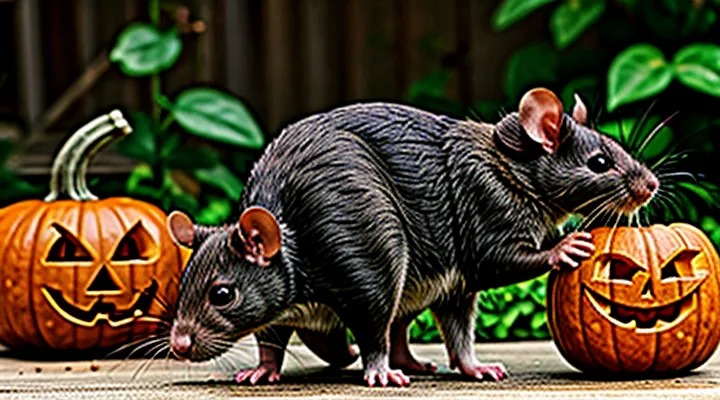
The Nutritional Value of Pumpkin for Rats
Key Nutrients in Pumpkin
Vitamins
Pumpkin provides a range of vitamins that support rat health. Vitamin A, present as beta‑carotene, contributes to vision and immune function; however, excessive intake can lead to toxicity, so limit pumpkin to a small portion of the daily diet. Vitamin C is absent in rats’ endogenous synthesis, making dietary sources valuable for antioxidant protection and tissue repair. Vitamin K1 aids blood clotting and bone metabolism, while the B‑complex vitamins—particularly B1 (thiamine), B2 (riboflavin), B3 (niacin), and B6 (pyridoxine)—participate in energy production and nervous system maintenance.
Key vitamins in pumpkin and their relevance for rats:
- Vitamin A (beta‑carotene): supports retinal health, skin integrity, and immune response; monitor quantity to avoid hypervitaminosis.
- Vitamin C: provides antioxidant activity; beneficial during stress or illness.
- Vitamin K1: essential for normal coagulation and calcium regulation.
- Thiamine (B1): facilitates carbohydrate metabolism and nerve function.
- Riboflavin (B2): involved in cellular respiration and red blood cell formation.
- Niacin (B3): assists in lipid metabolism and DNA repair.
- Pyridoxine (B6): crucial for amino‑acid metabolism and neurotransmitter synthesis.
Incorporate pumpkin as an occasional treat, ensuring the total vitamin contribution aligns with the rat’s overall nutritional plan. Excessive pumpkin can displace other food sources, potentially causing imbalances in macro‑ and micronutrients. Regular monitoring of weight and health indicators helps confirm that vitamin intake remains appropriate.
Minerals
Pumpkin offers a range of minerals that support the physiological functions of pet rats. The vegetable’s mineral profile complements the typical rodent diet, which is usually rich in protein and carbohydrates but may lack sufficient trace elements.
- Calcium – contributes to bone formation and muscle contraction.
- Phosphorus – works with calcium to maintain skeletal health and energy metabolism.
- Potassium – regulates fluid balance and nerve signaling.
- Magnesium – participates in enzyme activation and DNA synthesis.
- Iron – essential for oxygen transport in the bloodstream.
- Zinc – involved in immune response and wound healing.
When incorporating pumpkin, monitor total mineral intake to avoid imbalances. Excess calcium can interfere with phosphorus absorption; too much potassium may strain renal function in small rodents. Preparing pumpkin without added salt, sugar, or spices prevents unintended mineral spikes and reduces the risk of gastrointestinal irritation.
A safe practice is to offer a small portion—approximately one teaspoon of cooked, unsweetened pumpkin per 100 g of body weight—two to three times per week. This frequency supplies beneficial minerals without overwhelming the rat’s dietary requirements. Regular observation of weight, coat condition, and activity levels helps confirm that the mineral contribution remains appropriate.
Fiber
Pumpkin can serve as a source of dietary fiber for pet rats, contributing to gastrointestinal health and stool formation. The fruit’s soluble and insoluble fiber fractions promote balanced gut motility and support the microbial population in the colon. When introduced in moderate quantities, fiber helps prevent constipation without causing excessive bulk that could lead to impaction.
Recommended inclusion rates range from 5 % to 10 % of the total daily food volume. For a typical adult rat consuming roughly 15 g of food per day, this translates to 0.75 g–1.5 g of fresh pumpkin flesh. Excessive amounts may increase water content in the digestive tract, potentially resulting in loose stools. Monitoring fecal consistency after each feeding adjustment ensures the appropriate balance.
Key considerations for safe fiber delivery:
- Remove seeds and skin; both contain compounds that can irritate the digestive lining.
- Offer only cooked or steamed pumpkin; raw flesh may contain anti‑nutritional factors that reduce nutrient absorption.
- Introduce the vegetable gradually, starting with a teaspoon-sized portion and increasing only if the rat tolerates it well.
- Combine pumpkin with other fiber‑rich foods such as whole‑grain cereals or leafy greens to diversify the fiber profile.
Incorporating pumpkin as a fiber supplement should complement, not replace, a balanced rodent diet that includes protein, fats, vitamins, and minerals. Regular veterinary check‑ups can confirm that the fiber intake aligns with the rat’s overall health status.
Potential Benefits of Feeding Pumpkin
Digestive Health
Pumpkin supplies soluble and insoluble fiber that contributes to regular bowel movements in pet rats. The fiber absorbs water, expands in the colon, and promotes stool bulk, reducing the risk of constipation. In addition, the fruit’s natural sugars provide a mild prebiotic effect, encouraging growth of beneficial gut bacteria.
Key nutrients in pumpkin—beta‑carotene, vitamin A, potassium, and magnesium—support mucosal integrity and overall gastrointestinal function. Adequate vitamin A maintains the epithelial lining of the digestive tract, while potassium assists in electrolyte balance essential for muscle contractions during peristalsis.
Feeding guidelines for safe inclusion of pumpkin in a rat’s diet:
- Offer cooked, unsalted, and unseasoned pumpkin; raw flesh may be difficult to digest.
- Limit portions to 1–2 teaspoons per 100 g of body weight, delivered 2–3 times weekly.
- Introduce gradually, starting with a teaspoon, and monitor stool consistency and appetite.
- Discontinue if signs of diarrhea, bloating, or reduced feed intake appear; adjust portion size or frequency accordingly.
When integrated correctly, pumpkin can enhance fiber intake, stabilize gut flora, and improve stool quality, contributing positively to the digestive health of rats.
Immune Support
Pumpkin provides several nutrients that contribute to the immune function of pet rats. Beta‑carotene, a precursor of vitamin A, supports the integrity of mucosal surfaces and the activity of immune cells. Vitamin C, present in moderate amounts, acts as an antioxidant and assists in the regeneration of other antioxidants. The fiber content promotes a healthy gut microbiota, which influences systemic immunity through the gut‑associated lymphoid tissue.
When incorporating pumpkin into a rat’s diet, follow these guidelines:
- Offer cooked, plain pumpkin without added salt, sugar, or spices.
- Limit portions to roughly one teaspoon per 100 g of body weight, adjusting for individual tolerance.
- Introduce pumpkin gradually over several days to monitor for digestive upset.
- Combine pumpkin with a balanced commercial rat feed to ensure complete nutrition.
Potential risks include excessive fiber leading to loose stools and the presence of seeds, which may cause choking or gastrointestinal blockage. Remove seeds before serving.
Regular, moderate inclusion of pumpkin can enhance antioxidant status, support barrier defenses, and aid in maintaining a diverse gut microbial community, all of which are relevant to a rat’s immune health.
Antioxidant Properties
Pumpkin contains a range of antioxidant compounds that can affect the health of laboratory and pet rats when incorporated into their diet. The primary antioxidants present in pumpkin are:
- β‑carotene, a provitamin A carotenoid that scavenges free radicals and supports visual function.
- Vitamin C, a water‑soluble antioxidant that reduces oxidative stress in cellular membranes.
- Vitamin E (tocopherols), a lipid‑soluble antioxidant that protects polyunsaturated fatty acids in cell membranes from peroxidation.
- Phenolic acids such as chlorogenic and caffeic acid, which neutralize reactive oxygen species and modulate inflammatory pathways.
Studies on rodent nutrition indicate that these antioxidants contribute to lower levels of malondialdehyde, a marker of lipid peroxidation, and improve the activity of endogenous enzymes like superoxide dismutase and glutathione peroxidase. Regular inclusion of pumpkin puree or cooked pumpkin flesh, at a proportion not exceeding 10 % of total caloric intake, provides measurable antioxidant benefits without displacing essential protein or nutrient sources.
Excessive amounts may lead to gastrointestinal upset due to the high fiber content, but moderate, balanced portions support oxidative balance and may enhance overall vitality in rats.
Guidelines for Feeding Pumpkin to Rats
Safe Preparation Methods
Raw Pumpkin
Raw pumpkin is a viable addition to a rat’s diet when offered in its natural, uncooked form. The flesh contains high levels of beta‑carotene, vitamin C, dietary fiber, and modest amounts of potassium and magnesium, all of which support vision, immune function, and gastrointestinal health.
Nutritional advantages include:
- Beta‑carotene conversion to vitamin A, essential for retinal development.
- Soluble fiber that promotes regular bowel movements and aids in gut flora balance.
- Low fat and calorie density, suitable for weight‑controlled feeding plans.
Safety considerations are mandatory. Commercial pumpkins may retain pesticide residues; thorough washing removes surface contaminants. Seeds pose a choking risk and contain higher fat; they should be discarded or finely ground before use. Excessive pumpkin can introduce unnecessary sugars, potentially leading to obesity or diarrhea if over‑fed.
Feeding protocol:
- Rinse the pumpkin under running water.
- Peel and remove all seeds.
- Cut flesh into ½‑inch cubes.
- Offer 1–2 grams per 100 g body weight, no more than three times weekly.
- Observe the rat for signs of digestive upset after the first serving; adjust portion size accordingly.
Adhering to these steps ensures that raw pumpkin contributes positively to a rat’s nutritional regimen without compromising health.
Cooked Pumpkin
Cooked pumpkin offers a source of carbohydrates, beta‑carotene, vitamin C, and fiber that can complement a pet rat’s diet. The cooking process softens the flesh, making it easier for rodents to chew and digest, while eliminating raw plant defenses that might cause irritation. Nutrient levels remain stable after brief boiling or steaming; avoid prolonged cooking, which reduces vitamin content.
When introducing cooked pumpkin, follow these guidelines:
- Serve plain, without added salt, sugar, butter, or spices.
- Cool to room temperature before offering to prevent burns.
- Limit portions to no more than one teaspoon per 100 g of body weight, given two to three times weekly.
- Observe the animal for signs of gastrointestinal upset, such as loose stools or reduced appetite, and discontinue if symptoms appear.
- Store leftovers in an airtight container in the refrigerator for up to three days; discard if odor changes or mold develops.
Cooked pumpkin is safe for rats when prepared correctly and offered in moderation. It can enrich the diet with essential micronutrients and aid digestion, but it should not replace the balanced commercial feed that supplies protein, fat, and other nutrients required for healthy growth and reproduction.
Removing Seeds and Skin
Pumpkin can be a nutritious addition to a rat’s diet, but the edible portion must be prepared correctly. Seeds often contain small amounts of cucurbitacin, a compound that can cause digestive upset, and they pose a choking risk for small rodents. The outer rind is fibrous and difficult for a rat’s digestive system to break down, potentially leading to intestinal blockage.
Preparation steps:
- Rinse the pumpkin thoroughly under running water to remove surface contaminants.
- Cut the fruit into manageable sections with a clean knife.
- Scrape out all seeds; discard them or compost them away from the feeding area.
- Peel the skin using a vegetable peeler or a sharp knife; remove any remaining tough fibers.
- Cut the flesh into bite‑size cubes (approximately ½‑inch pieces) to suit the rat’s chewing ability.
- Offer a small portion (no more than a teaspoon for a typical pet rat) and observe for any adverse reactions.
By eliminating seeds and skin, the pumpkin becomes a safe, digestible source of vitamins A and C, fiber, and antioxidants, supporting overall health without introducing unnecessary hazards.
Recommended Portions and Frequency
Small Amounts
Pumpkin can be included in a rat’s diet, but only in modest portions. A tablespoon of cooked, unsalted pumpkin per week provides fiber and beta‑carotene without overwhelming the animal’s digestive system.
- Offer pumpkin as a treat, not a staple; it should not exceed 5 % of total caloric intake.
- Serve pumpkin plain, boiled or baked, with skins removed to prevent choking hazards.
- Introduce the food gradually, monitoring for diarrhea or changes in stool consistency.
- Limit frequency to two‑three times per month for adult rats; juvenile rats require fewer servings.
- Store fresh pumpkin in the refrigerator for no more than three days; discard any moldy or spoiled pieces.
Excessive pumpkin can cause gastrointestinal upset and interfere with nutrient balance. When administered in small, controlled amounts, pumpkin contributes beneficial nutrients while maintaining overall dietary stability.
Occasional Treat
Pumpkin can be offered to pet rats as a limited‑frequency snack. The flesh contains beta‑carotene, dietary fiber, and modest amounts of vitamins A and C, which complement a balanced rodent diet.
When incorporating pumpkin, follow these parameters:
- Serve only the cooked or raw flesh; discard skin and seeds.
- Limit each serving to 1–2 teaspoons for a standard‑size adult rat.
- Provide the treat no more than twice per week to avoid excess sugar and calories.
Safety considerations include removing all seeds, avoiding canned varieties with added salt or sugar, and ensuring the pumpkin is fresh and free of mold. Introduce the food gradually and monitor for digestive upset or changes in stool consistency.
If the rat accepts the pumpkin without adverse reactions, the treat can remain a periodic addition to the diet, contributing variety without compromising nutritional balance.
Risks and Considerations
Overfeeding
Pumpkin can be included in a rat’s diet as a source of fiber, beta‑carotene, and modest carbohydrates. The fruit’s soft texture also encourages chewing and hydration.
Excessive pumpkin intake disrupts digestive balance. Rats may develop watery stools or constipation, experience rapid weight gain, and suffer from vitamin A overload if the fruit dominates the diet. Overfeeding also reduces appetite for essential protein‑rich foods, leading to nutrient deficiencies.
- Offer no more than a pea‑sized cube (≈5 g) per feeding.
- Limit pumpkin treats to 2–3 times per week.
- Adjust portion size for juveniles or overweight individuals.
Observe the animal after each serving. Signs of overfeeding include:
- Diarrhea or unusually soft feces.
- Lethargy or reduced activity.
- Visible abdominal enlargement.
- Decreased consumption of regular pellets.
Prepare pumpkin by removing seeds, cooking briefly to soften, and cooling before serving. Mix the small piece with the regular diet rather than replacing staple foods. Consistent monitoring and adherence to portion guidelines prevent the health risks associated with overconsumption.
Allergic Reactions
Pumpkin is occasionally offered to pet rats as a seasonal supplement, but the possibility of an allergic response must be considered.
Typical manifestations of a food‑induced allergy in rats include:
- Excessive scratching or rubbing of the skin
- Swelling around the face, ears, or paws
- Redness or hives on the fur
- Nasal discharge, wheezing, or labored breathing
- Diarrhea or vomiting accompanied by lethargy
Risk factors that increase the likelihood of an adverse reaction are:
- Prior documented sensitivities to other foods
- Close genetic relationship to known allergic strains
- Use of processed pumpkin products containing sugars, spices, or preservatives
- Introduction of a large portion without a gradual acclimation period
To reduce the chance of an allergic event, follow these practices:
- Offer a pea‑sized amount of fresh, raw pumpkin for the first exposure
- Observe the rat for at least 24 hours before increasing the serving size
- Avoid canned pumpkin that lists added salt, sugar, or flavorings
- Keep a record of any symptoms and the amount fed
- Consult a veterinarian before introducing pumpkin to rats with a history of food reactions
If an allergic reaction is suspected, act immediately:
- Remove all pumpkin from the diet
- Isolate the affected rat to prevent stress from cage mates
- Contact a veterinarian for evaluation and possible antihistamine or corticosteroid therapy
- Provide supportive care such as a quiet environment and easy access to fresh water
Monitoring and cautious introduction are essential to ensure that pumpkin remains a safe, occasional treat rather than a trigger for immune‑mediated complications.
Avoiding Canned Pumpkin (Pumpkin Pie Filling)
Canned pumpkin marketed as pie filling should not be given to pet rats. The product contains added sugars, artificial sweeteners, and spices such as cinnamon, nutmeg, or clove, all of which can cause gastrointestinal upset, liver strain, or neurotoxicity in small rodents. Preservatives and sodium levels exceed the nutritional profile of natural pumpkin, increasing the risk of dehydration and electrolyte imbalance. The texture is often thick and gelatinous, making it difficult for rats to chew and digest, potentially leading to choking or impaction.
Key reasons to avoid pie‑filling pumpkin:
- Added sweeteners – elevate blood glucose, heighten risk of obesity and diabetes.
- Spices and flavorings – contain compounds toxic to rodents (e.g., nutmeg’s myristicin).
- Preservatives and additives – may irritate the intestinal lining and disrupt gut flora.
- High sodium content – promotes hypertension and kidney stress.
- Inconsistent texture – impedes proper mastication and can cause blockages.
For safe pumpkin supplementation, use plain, unsweetened pumpkin puree or freshly cooked, mashed pumpkin without seasoning. Ensure the pumpkin is cooked to soften fibers, then cooled to room temperature before offering. Limit portions to one teaspoon per 100 g of body weight, no more than twice weekly, and monitor for any signs of digestive disturbance.
By selecting unflavored, minimally processed pumpkin, owners provide a source of beta‑carotene, fiber, and vitamins without exposing rats to the hazards associated with commercial pie filling.