
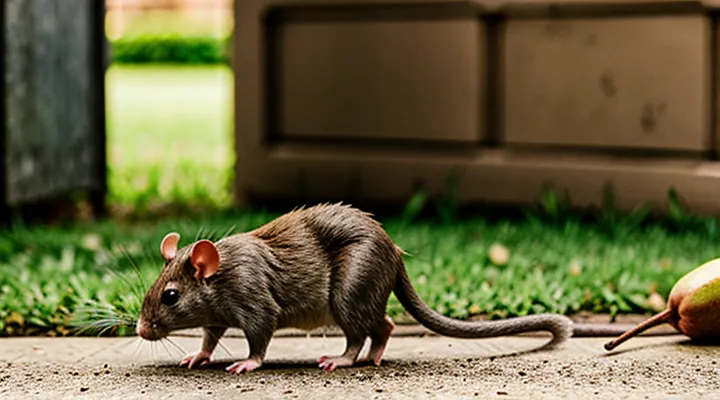
Nutritional Profile of Pears for Rats
Key Vitamins and Minerals
Pears may be offered to laboratory and pet rats as an occasional supplement that contributes several micronutrients. The fruit’s composition aligns partially with the species’ nutritional needs, but portion size and frequency must respect the animal’s overall diet balance.
-
Vitamin C: approximately 4 mg per 100 g; supports immune function and antioxidant protection.
-
Vitamin K: about 2.5 µg per 100 g; involved in blood clotting processes.
-
Vitamin B6 (pyridoxine): roughly 0.03 mg per 100 g; aids amino‑acid metabolism.
-
Folate (vitamin B9): near 3 µg per 100 g; contributes to DNA synthesis and cell division.
-
Potassium: 119 mg per 100 g; regulates fluid balance and nerve activity.
-
Copper: 0.04 mg per 100 g; essential for iron metabolism and enzyme function.
-
Magnesium: 7 mg per 100 g; participates in muscle contraction and energy production.
-
Calcium: 3 mg per 100 g; required for skeletal health, though pears are a low‑calcium source.
Rats require daily intakes of vitamin C (approximately 30 mg/kg body weight), vitamin K (0.5 mg/kg), and trace minerals such as copper (0.2 mg/kg) and magnesium (30 mg/kg). A single bite of pear (≈5 g) supplies less than 1 % of the recommended vitamin C and negligible amounts of other micronutrients, making it a safe, non‑essential source when combined with a complete pelleted diet.
Excessive pear consumption can raise dietary sugar and introduce oxalates, which may predispose to urinary stone formation. Limit fresh pear pieces to no more than 5 % of total daily food weight, remove the core and seeds, and ensure the primary diet remains nutritionally complete.
Fiber Content
Pears contain approximately 3–4 g of dietary fiber per 100 g of edible flesh. The fiber is a mixture of soluble pectin and insoluble cellulose, with soluble fractions accounting for roughly 40 % of the total.
In rats, soluble fiber slows gastric emptying and promotes the growth of beneficial gut bacteria, while insoluble fiber adds bulk to feces and aids regular bowel movements. Excessive fiber can dilute nutrient density, potentially leading to reduced caloric intake and weight loss if not balanced with other food sources.
Feeding guidelines for laboratory or pet rats:
- Offer no more than 5 g of fresh pear flesh per 100 g of body weight per week.
- Remove the core and seeds; seeds contain trace cyanogenic compounds that may be harmful.
- Serve the fruit in small, bite‑size pieces to prevent choking.
- Combine pear servings with a standard rodent pellet diet to maintain overall nutrient balance.
Monitoring stool consistency and body weight after introducing pears will indicate whether the fiber level is appropriate for the individual animal. Adjust portions downward if stools become overly soft or weight loss occurs.
Sugar Content
Pears contain a moderate amount of simple sugars, primarily fructose and glucose. A typical raw pear provides approximately 10 g of total sugars per 100 g of edible flesh. The sugar profile includes about 6 g of fructose, 3 g of glucose, and 1 g of sucrose. These values can vary slightly with cultivar, ripeness, and growing conditions.
For laboratory or pet rats, the recommended maximum contribution of simple sugars to the daily diet is 5 % of total caloric intake. Assuming an average adult rat consumes roughly 15 g of food per day, the sugar allowance translates to about 0.75 g of sugars. A single 30 g slice of pear would exceed this limit, delivering roughly 3 g of sugars—four times the advised amount.
Consequences of exceeding the sugar threshold may include transient hyperglycemia, increased insulin demand, and potential weight gain if the excess is chronic. Rats possess metabolic pathways to process fructose, but prolonged high‑sugar intake can stress hepatic function and alter gut microbiota composition.
Guidelines for offering pears to rats:
- Limit portion size to no more than 5 g of fresh pear flesh per week.
- Ensure the fruit is washed, core removed, and cut into bite‑size pieces.
- Observe the animal for signs of digestive upset after introduction.
- Complement the fruit with a balanced diet rich in protein, fiber, and low‑glycemic carbohydrates.
Adhering to these limits keeps sugar intake within physiological tolerance and prevents adverse health effects while allowing occasional fruit enrichment.
Benefits of Feeding Pears to Rats
Hydration
Pear provides a measurable amount of moisture that contributes to a rat’s daily fluid intake. A medium-sized pear (approximately 150 g) contains about 84 g of water, representing roughly 56 % of its weight. When a rat consumes a slice weighing 10 g, the animal receives close to 5.6 g of water, which can offset a portion of its required fluid volume.
Key considerations for using pear as a hydration source:
- Quantity control – Excessive fruit can displace plain water, leading to insufficient overall intake. Limit fruit to no more than 5 % of the total diet by weight.
- Sugar content – Pears are high in simple sugars; overconsumption may cause gastrointestinal upset and dilute electrolyte balance.
- Freshness – Only offer fresh, unblemished fruit. Spoiled pear can introduce pathogens that disturb fluid absorption.
- Monitoring – Observe water bottle usage after introducing pear. If consumption declines sharply, supplement with additional fresh water.
In practice, a balanced approach incorporates small, fresh pear pieces alongside unrestricted access to clean water. This ensures the animal receives both the hydration benefit of the fruit’s intrinsic moisture and the stability of a dedicated water source.
Digestive Health
Feeding pears to pet rats can affect gastrointestinal function. Pear flesh supplies soluble fiber, which promotes regular bowel movements and supports microbial balance in the colon. The fruit also delivers modest amounts of vitamin C and potassium, nutrients that contribute to overall health without overwhelming the digestive system.
Excessive sugar in pears may cause rapid fermentation in the large intestine, leading to gas, bloating, or diarrhea. Rats lack the enzymatic capacity to process large quantities of fructose efficiently, so moderation prevents metabolic disturbances and maintains stable blood glucose levels.
Preparation guidelines:
- Remove skin and core; both contain higher fiber and potential pesticide residues.
- Cut flesh into bite‑size pieces, no larger than 0.5 cm³.
- Offer no more than one teaspoon (approximately 5 g) per adult rat per week.
- Observe stool consistency after introduction; discontinue if soft or watery stools appear.
If a rat exhibits persistent digestive upset after pear exposure, eliminate the fruit and monitor for recovery. Gradual re‑introduction at reduced amounts may be possible after a two‑week symptom‑free period.
Enrichment and Variety
Rats thrive when their diet includes diverse textures, flavors, and nutrients; variety reduces monotony and stimulates natural foraging behavior.
Pears contribute soluble fiber, vitamin C, and modest sugar, enhancing digestive health and providing a sweet taste that many rats accept readily. The fruit’s soft flesh matches the chewing preferences of rodents, while the skin supplies additional fiber if left intact.
When introducing pear, wash thoroughly, remove seeds, and cut into bite‑size pieces no larger than a pea. Offer no more than one to two small pieces per rat per week; excess sugar may upset gut balance. Observe for discoloration or loose stools, and discontinue if adverse signs appear.
Complement pear with other enrichment foods to maintain balanced nutrition:
- Small cubes of carrot or sweet potato (cooked, unseasoned)
- Fresh leafy greens such as kale or romaine lettuce
- Tiny portions of dried millet or rolled oats
- Occasional bits of apple (core removed) or banana (thin slice)
Rotating these items preserves interest, supports oral health, and supplies a broader spectrum of vitamins and minerals essential for optimal rat wellbeing.
Potential Risks and Considerations
High Sugar Content and Obesity
Pears contain approximately 10 g of sugar per 100 g of edible flesh, a level that exceeds the typical carbohydrate intake of laboratory rats fed standard chow. When rats consume fruit with such sugar density, plasma glucose rises sharply, prompting insulin release. Repeated spikes in insulin can promote adipocyte hypertrophy and increase overall body fat percentage, accelerating the onset of diet‑induced obesity.
Experimental data indicate that a diet in which pears constitute more than 5 % of total caloric intake leads to a measurable gain in body mass within four weeks. Rats on this regimen exhibit elevated leptin levels, reduced locomotor activity, and impaired glucose tolerance, mirroring early metabolic syndrome. The effect is dose‑dependent; low‑frequency, small‑portion feeding (≤1 g of fresh pear per day) produces negligible changes in weight or metabolic markers.
Practical guidelines for researchers considering fruit supplementation:
- Limit pear servings to ≤0.5 g per 100 g of body weight per day.
- Alternate pear with low‑sugar vegetables (e.g., cucumber, leafy greens) to maintain dietary variety.
- Monitor body weight, fasting glucose, and serum triglycerides weekly.
- Adjust total caloric intake if weight gain exceeds 5 % of baseline within a two‑week period.
In summary, the high sugar content of pears poses a clear risk of obesity when incorporated into rodent diets without strict portion control and regular metabolic monitoring.
Choking Hazards: Seeds and Core
Feeding pears to rats introduces a specific choking risk because the fruit’s central structures are hard and irregular. The seed and core differ in texture from the flesh, making them difficult for a rat’s small jaws to break down. When a rat attempts to bite the seed, the pressure can cause the tooth to slip, potentially lodging the fragment in the throat. The core, being a dense mass, may become lodged as a single piece or break into smaller shards that obstruct the airway.
Key hazards:
- Whole seeds: hard, smooth surface; unlikely to be chewed completely.
- Core fragments: large, dense pieces; can block trachea or esophagus.
- Partial chewing: creates sharp edges that can irritate or puncture mucosal tissue.
To mitigate risk, remove all seeds and cut the core into bite‑size pieces no larger than a few millimeters. Offer only the soft flesh, ensuring the rat can swallow without obstruction. Regular observation after introducing any new food is essential to detect signs of distress, such as coughing, gagging, or difficulty breathing.
Pesticide Residue and Washing Pears
Rats can consume pears, but the safety of the fruit depends on pesticide residues that may remain after harvest. Residues arise from insecticides, fungicides, and herbicides applied to protect the crop. Regulatory agencies set maximum residue limits (MRLs) for each compound; values exceeding MRLs pose health risks to animals.
Washing removes surface residues and reduces ingestion of harmful chemicals. Effectiveness varies with water temperature, agitation, and the use of detergents or commercial produce washes. Studies show that thorough rinsing under running water eliminates 70‑90 % of residues, while adding a mild surfactant can increase removal to 95 % or higher.
Practical steps for preparing pears for rodent consumption:
- Rinse each fruit under cool running water for at least 30 seconds.
- Apply a food‑grade vegetable wash or a solution of 1 % white vinegar and water.
- Scrub gently with a soft brush to reach crevices.
- Rinse again to remove any remaining cleaning solution.
- Pat dry with a clean cloth or paper towel.
If the pear is organic, residue levels are typically lower, yet washing remains advisable. After cleaning, cut the fruit into bite‑size pieces to prevent choking and to facilitate ingestion. Monitoring for any signs of gastrointestinal upset after the first feeding helps confirm tolerance.
How to Safely Feed Pears to Rats
Preparation: Washing and Peeling
Rats may consume pear flesh when the fruit is cleaned and trimmed to remove contaminants and potential choking hazards.
- Rinse the pear under running water for at least 30 seconds.
- Use a soft brush to dislodge surface residues, especially if the fruit was grown conventionally.
- Pat dry with a clean cloth or paper towel.
After washing, remove the outer skin to eliminate pesticide traces and fibrous layers that rats might find difficult to digest.
- Place the pear on a cutting board.
- Slice lengthwise, then peel with a vegetable peeler or a small knife, keeping the peel intact for easy removal.
- Discard the skin and any core sections containing seeds, as pear seeds contain trace amounts of cyanogenic compounds.
Cut the peeled flesh into bite‑size cubes (approximately ½ cm³) before offering them to the rat. This size reduces the risk of obstruction and encourages safe chewing.
Seed and Core Removal
Rats may eat pears when the fruit is prepared properly. Pear seeds and the central core contain trace amounts of cyanogenic glycosides, substances that can release cyanide in the digestive system. Even small quantities can be harmful to small mammals, so removal of these parts is essential before offering the fruit.
The preparation process includes the following steps:
- Cut the pear in half lengthwise.
- Use a small knife or spoon to extract the central fibrous core completely.
- Remove all visible seeds; discard any that remain embedded in the flesh.
- Rinse the flesh briefly with cool water to eliminate residual seed fragments.
- Offer only a small piece, no larger than a thumbnail, to assess tolerance.
Feeding a rat a modest portion of seed‑free pear flesh provides vitamins such as C and K, as well as dietary fiber. Monitor the animal for signs of digestive upset, and discontinue use if any adverse reaction appears. Regular inclusion of pear should be limited to occasional treats rather than a staple component of the diet.
Portion Control: Moderation is Key
Rats may enjoy the sweet taste of pear, but the amount offered must be limited. A single small slice (approximately 1 cm × 2 cm) provides enough flavor without overwhelming the animal’s diet.
- Offer pear no more than twice per week.
- Keep the total fruit portion under 5 % of daily caloric intake.
- Remove seeds and core to eliminate cyanogenic compounds.
- Observe the rat for changes in stool consistency or excess weight gain; reduce or stop feeding if such signs appear.
Gradual introduction allows the digestive system to adapt. Begin with a bite‑size piece, monitor acceptance, and increase only if the rat shows no adverse reaction. Consistent moderation prevents sugar spikes, digestive upset, and displacement of essential nutrients from the regular feed.
Alternatives to Pears for Rat Snacks
Other Safe Fruits
Rats benefit from occasional fruit treats that provide vitamins, antioxidants, and hydration. Safe options include:
- Apple – remove seeds; offer small, bite‑size pieces.
- Blueberries – serve fresh or thawed; limit to a few per week.
- Strawberries – cut into tiny cubes; avoid over‑feeding due to sugar content.
- Banana – provide a thin slice; monitor for excess potassium.
- Melon (cantaloupe, honeydew) – remove rind; give a few cubes.
- Kiwi – peel and slice; rich in vitamin C.
- Peach – pit removed; soft flesh suitable for small portions.
- Mango – skin removed; limit to one small piece weekly.
Each fruit should be introduced gradually, observed for digestive tolerance, and offered in moderation to prevent weight gain and gastrointestinal upset. Fresh water must remain available at all times.
Safe Vegetables
Rats can safely consume pears when the fruit is offered in moderation and prepared without seeds. Understanding which vegetables complement this diet helps maintain digestive health and prevents nutritional deficiencies.
A vegetable is considered safe for rats if it meets the following criteria: non‑toxic compounds, low oxalic acid content, and suitability for raw or lightly cooked consumption. The produce must be fresh, free of pesticide residue, and introduced gradually to monitor tolerance.
- Carrots (raw or steamed)
- Broccoli florets (raw)
- Spinach (small portions, raw)
- Bell peppers (any color, raw)
- Zucchini (raw or lightly steamed)
- Kale (raw, limited amount)
- Cucumber (seedless, raw)
- Green beans (raw or steamed)
Preparation guidelines: wash thoroughly, remove any stems or leaves that may contain higher concentrations of bitter compounds, and cut into bite‑size pieces. Introduce each vegetable individually, observing the rat for signs of diarrhea or reduced appetite. Rotate varieties to provide a balanced intake of vitamins and minerals while keeping the overall fruit and vegetable portion to no more than 10 % of the daily diet.
Commercial Rat Treats
Commercial rat treats are formulated to provide enrichment and supplemental nutrition for pet rodents. Manufacturers design these products to be palatable, nutritionally balanced, and safe for daily consumption in limited quantities.
Typical ingredient lists include grains, seeds, dried fruits, and protein sources such as soy or insect meal. Fruit components often feature apple, banana, or berries; pear may appear as a dried or freeze‑dried additive. When pear is present, it contributes soluble fiber, modest vitamin C, and natural sugars.
Nutritional impact of fruit‑based treats depends on sugar concentration, moisture content, and processing method. High sugar levels can disrupt gut flora and promote weight gain. Fiber aids digestion but excess may cause loose stools. Vitamin content varies with drying temperature; heat‑sensitive nutrients degrade partially.
Safety standards require manufacturers to test for microbial contamination, pesticide residues, and allergens. Labels must disclose all fruit ingredients, including pear, to prevent accidental exposure for rats with sensitivities. Recommended serving size ranges from 1–2 g per 100 g body weight, divided into multiple small portions.
Key criteria for selecting appropriate commercial treats:
- Presence of pear or other fruit listed explicitly
- Sugar content below 10 % of total weight
- Absence of artificial sweeteners or preservatives
- Certified grain‑free or low‑grain formulations for rats prone to respiratory issues
- Positive reviews from veterinary nutritionists or pet‑health organizations
Owners should rotate treat varieties, monitor weight and stool consistency, and supplement with fresh vegetables when possible. Treats that meet the above criteria provide a safe way to introduce pear flavor without compromising overall health.
Signs of Digestive Upset in Rats
Diarrhea
Rats can eat pear, but the fruit’s high sugar and fiber content may trigger gastrointestinal upset. When a rat consumes more than a small slice, the rapid influx of fructose can overwhelm the small intestine’s absorptive capacity, leading to watery stools. The condition usually appears within a few hours and may be accompanied by increased frequency, loose consistency, and occasional mucus.
To minimize the risk of diarrhea:
- Offer only a ½‑inch piece of ripe pear no more than once a week.
- Remove the core and seeds, which contain trace amounts of cyanogenic compounds.
- Observe the animal for at least 24 hours after the first exposure; discontinue if loose stools develop.
- Ensure constant access to fresh water to prevent dehydration.
- Provide a balanced diet of commercial rodent pellets, supplemented with low‑sugar vegetables and occasional fruit treats.
If diarrhea persists for more than 48 hours, replace the fruit with a bland diet of plain boiled chicken and rice, and monitor weight loss. Persistent symptoms may require veterinary assessment to rule out infection, parasites, or underlying metabolic disorders.
Lethargy
Feeding pears to laboratory or pet rats introduces a source of simple sugars and dietary fiber that can affect energy balance. Excessive fructose intake may lead to transient hypoglycemia, which often manifests as reduced activity levels.
Typical indicators of lethargy include:
- Decreased exploration of the cage
- Prolonged periods of immobility
- Diminished response to handling
- Lowered grooming frequency
Physiological mechanisms underlying these signs involve rapid glucose absorption followed by insulin-mediated clearance, resulting in a short‑term energy deficit. The fiber component of pears can also slow gastric emptying, extending the post‑prandial slump.
To minimize lethargic episodes when offering pears:
- Limit portions to 1–2 mm cubes per 100 g body weight.
- Introduce the fruit gradually, monitoring behavior for the first 24 hours.
- Balance the diet with protein‑rich foods and complex carbohydrates.
- Ensure continuous access to clean water to aid digestion.
If lethargy persists beyond a few hours after consumption, reassess the dietary plan and consult a veterinarian to rule out underlying metabolic disorders.
Loss of Appetite
Feeding pears to laboratory or pet rats can trigger a reduction in food intake, especially when the fruit is introduced abruptly or in excessive quantities. Pears contain high levels of simple sugars and fiber, which may overwhelm the rat’s digestive system and cause gastrointestinal discomfort. Discomfort often manifests as a temporary decline in voluntary feeding behavior.
Signs of reduced appetite include:
- Decreased consumption of standard pelleted diet for more than 24 hours
- Reluctance to approach the food bowl or to gnaw on chew objects
- Weight loss measured over a consecutive three‑day period
- Lethargy or reduced activity levels
Potential mechanisms behind this response are:
- Osmotic imbalance from fructose leading to mild diarrhea, which discourages further eating.
- Rapid fermentation of fiber in the cecum, producing gas and bloating that suppresses hunger signals.
- Altered taste perception due to the fruit’s acidity, making the regular diet less appealing.
To mitigate appetite loss, introduce pear in small, bite‑size pieces mixed with the regular diet, and monitor the rat’s intake for at least 48 hours. If the animal continues to reject food or shows signs of dehydration, discontinue the fruit and provide a bland, easily digestible diet such as boiled chicken or a commercial recovery formula. Regular health checks, including body weight and stool consistency, are essential for early detection of feeding issues.